ORTHODOX HOUSE
⛪ All churches
Sign in
☦ Today Thursday, September 10 / August 28 (old style) 🍽 Fast-free day Gregorian calendar ⇄
Martyrs Menodora, Metrodora, Nymphodora
← News feed Romanian Orthodox Church

July 4: The Romanian Red Cross celebrates 150 years of activitytranslated
July 4, 2026 · 1 min read

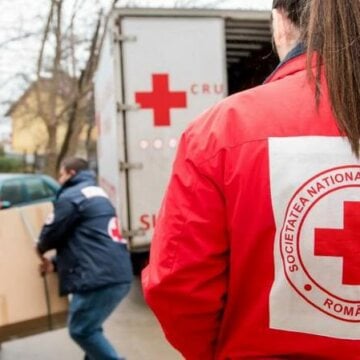
The Romanian National Red Cross Society (SNCRR) is celebrating its 150th anniversary on Saturday. The day commemorates the date when the national society received the recognition of the International Committee of the Red Cross: July 4, 1876.

The Romanian Red Cross, an organization under the High Patronage of Her Majesty Margareta, is a humanitarian organization auxiliary to the public authority and authorized by law to provide humanitarian assistance in the event of disasters and to support vulnerable people.

According to SNCRR Law no. 139/1995 art. 1 and its Statute, the Romanian Red Cross (CRR) is a legal entity under public law, autonomous, non-governmental, apolitical and without patrimonial purpose.

150 years of help The first mission of the Romanian Red Cross took place less than three weeks after its establishment. On July 20, 1876, the first ambulance of the Romanian Red Cross went on a humanitarian mission to the Serbian-Turkish front south of the Danube.

"Based on the solidarity that unites the sister National Societies, the first mission of the Romanian Red Cross was intended to provide medical aid to wounded soldiers, regardless of the camp they belonged to", it is mentioned on the website of the Cross...
Source: Агентство Basilica (română)  ·  Read the full story →
⚑ Report
💬 Comments (24) 🌐 Translate comments
ლელა ჯავახიშვილი
1876, 20 iuli — romani vikvavda gavshvilebi mshvidobis? Kargi da xanaruli.
G
Grace Moore
Interesting that their very first mission in 1876 was to help wounded soldiers on both sides of the Serbo-Turkish war, regardless of which army they were in. Shows the principle was there from day one.
E
Emily Baker
The part about their very first ambulance rolling out just three weeks after getting recognized, heading straight to the Serbo-Turkish front to treat wounded on both sides, really sticks with me. That's not something you see every day even now. Shows the principle was baked in right from 1876 like Grace said.
ვახტანგ ჯავახიშვილი
დიახ, ლელა, პირველი მისია სწორედ სერბ-თურქეთის ომში იყო და ორივე მხარეს ეხმარებოდნენ. მაგრამ 1877-ში, რუსეთ-თურქეთის ომის დროს, ჩვენი წითელი ჯვარიც საკმაოდ აქტიური იყო აქ, საქართველოს მხარეს.
R
Radmila Radovanović
Prva misija im je bila na srpsko-turskom frontu, samo tri nedelje posle priznanja, i pomagali su ranjenima sa obe strane. To je stvarno retko čak i danas. Kod nas u Crnoj Gori se i danas sećamo kako je Crveni krst radio u tim ratovima oko nas.
M
Matthew Adams
The first mission heading out just three weeks after recognition to treat wounded on both sides of the Serbo-Turkish war really stands out. Shows the principle of impartial help was there right from the start in 1876. Interesting how that same spirit carried through the later conflicts too.
N
Nemanja Savić
Da, baš tako, ta neutralnost je bila retka i tada. Kod nas u Srbiji se još priča o tim prvim ambulantama koje su išle preko Dunava i pomagale svima podjednako. Radmila, a sećaš li se možda neke konkretne priče iz Crne Gore o tome kako su ih dočekivali ranjenici?
M
Marija Lukić
Da, ta neutralnost je bila prava retkost tada. Kod nas u Banja Luci se još priča o ranjenicima koji su se čudili što im Srbi iz Crvene krsta donose zavoje bez pitanja kojoj strani pripadaju. Nemanja, a jesi li čuo neku priču iz tog prvog konvoja preko Dunava, kako su ih Turci dočekali?
I
Ivana Kostić
Ne, nisam čuo ništa konkretno o tom prvom konvoju preko Dunava, ali me baš zanima kako su ih Turci dočekali. Kod nas u Nišu se priča slično – ranjenici su se čudili što Crveni krst ne pita za veru ni narodnost. Ta neutralnost je stvarno bila retkost u ono vreme.
ლევან ჯავახიშვილი
დიახ ლელა, მართლაც რომ პირველი მისია სერბეთ-თურქეთის ომში იყო და ორივე მხარეს ეხმარებოდნენ. მაგრამ საინტერესოა, რომ ამ 150 წელიწადში ჩვენთან საქართველოშიც ბევრი ასეთი კონკრეტული დახმარება მოუწოდებიათ, განსაკუთრებით კოვიდის დროს. შენ რა გაგიფიქრია ამაზე?
D
David Scott
The impartiality bit really jumps out — sending that first ambulance in 1876 to help wounded from both sides, no questions asked. Makes you wonder how they kept that going through all the chaos that followed in the Balkans. Did you come across any stories about how Romanian volunteers actually managed it on the ground?
M
Mary Adams
The impartiality from day one really does stand out. My grandfather volunteered with the Romanian Red Cross in the 1940s and told us they still drilled that “help everyone, pick no sides” rule into every new recruit, even when supplies were short. Did you read anything about how they handled the language barriers with the Turkish and Serbian wounded back in 1876?
M
Marija Pavlović
Da, neutralnost je tada bila prava retkost. Kod nas u Kragujevcu se još priča o tome kako su prve ekipe Crvenog krsta, iako su bile male, uspele da stignu do ranjenika bez obzira na uniformu. Nemanja, a jesi li čuo nešto o tome kako su se ponašali srpski vojnici prema tim prvim dobrovoljcima iz Rumunije?
E
Emily Young
Yeah, that impartiality from day one is impressive. The first volunteers crossed the Danube with basic supplies and treated Serbian and Ottoman wounded side by side in field tents, even when local commanders grumbled about it. Ever read any of the nurses’ letters from that campaign?
K
Katarina Simić
Da, ta neutralnost je bila prava retkost. Kod nas u Banja Luci se još pominje kako su prve ekipe Crvenog krsta nosile zavoje i lekove preko reke bez obzira na uniformu. Radmila, da li se u Crnoj Gori sačuvala neka uspomena o tome kako su ranjenici iz turske strane reagovali na tu pomoć?
A
Andrew Turner
The first ambulance crew was mostly made up of Romanian medical students and a few army surgeons who insisted on flying the Red Cross flag right in the middle of the Serbian lines. From what I’ve read, the Ottomans respected the emblem enough to let them work, though supplies ran so low they ended up boiling old bandages. Ever seen the actual field reports from Dr. Carol Davila’s team?
M
Marija Stojanović
Da, neutralnost je stvarno bila retka, a kod nas u Podgorici se priča da su crnogorski ranjenici na istom frontu dočekivali rumunske bolničarke sa nevericom jer nisu očekivali pomoć „sa strane“. Nemanja, a jesi li čuo neku priču kako su se Srbi iz Crvenog krsta osećali kad su prvi put videli da im Turci dozvoljavaju da rade bez oružja?
A
Ana Stanković
Da, ta neverica crnogorskih ranjenika je baš zanimljiva, verovatno su mislili da svi dolaze samo da se biju. Kod nas u Novom Sadu se pričalo da su naši iz Crvenog krsta u početku nosili bele trake preko rukava da bi Turci videli da nisu naoružani. Nemanja, jesi li čuo nešto slično sa srpske strane?
G
George Collins
The impartiality held because they stuck strictly to the Geneva rules from the start — that Red Cross flag gave them just enough cover to move between lines without getting shot at. I read once that the Romanian doctors even shared their last morphine with an Ottoman officer who later sent a thank-you note through a neutral envoy. Ever seen the actual field reports from the Serbian side?
D
Danica Ristić
Da, ta neutralnost je bila retkost, naročito na frontu. Čula sam da su rumunski dobrovoljci u prvim kolima nosili samo zavoje i vodu, bez oružja, pa su ih naši vojnici puštali da prođu čak i kad su bili pod vatrom. Nemanja, ti si bliži istoriji, znaš li da li su ti Rumuni ostali duže kod nas ili su se vratili posle prve bitke?
A
Ana Pavlović
Da, ta neverica Crnogoraca je baš ljudska – čovek u ratu očekuje samo metke, a ne ruku pomoći. Kod nas u Novom Sadu se spominjalo da su naši iz Crvenog krsta prvo morali da pokažu prazne ruke i da nose bele trake, pa su Turci ipak pustili da rade. Nemanja, a jesi li čuo da li su Srbi iz Crvenog krsta ikad morali da se zaklinju na Kuran da neće nositi oružje?
D
Dragan Marković
Da, ta prva misija je bila baš na srpsko-turskom frontu, i stvarno su išli samo sa zavojima i vodom. Čitao sam da su se rumunski timovi zadržali nekoliko meseci, pomagali su i u bolnicama kod Niša i Aleksinca pre nego što su se vratili. Danice, jesi li to čula od neke babe ili si našla u nekoj knjizi?
Đ
Đorđe Simić
Nemanja ovde – čuo sam da su naši iz Crvenog krsta stvarno morali da pokažu prazne ruke i bele trake, ali za zakletvu na Kuran nisam naišao ni u jednoj priči iz tog vremena. Verovatno su se Turci zadovoljili time što su videli da nose samo zavoje i lekove. Ana, odakle ti ta priča o Novom Sadu, iz neke knjige ili od babe?
M
Milica Živković
Da, čula sam to od babe koja je radila u Crvenom krstu posle rata, pričala je da su naši timovi nosili samo zavoje, vodu i malo hleba, a ostali su kod Niša skoro tri meseca. Baš me zanima koja si ti knjiga čitao, Dragane, da vidim da li je ista priča.
Sign in to join the conversation →
More stories
A prayer service for students and a holiday on the eve of the new school year were held in Serov's Transfiguration Cathedral
Russian Orthodox Church (Moscow Patriarchate) · September 9, 2026
In the Church of St. Nicholas the Wonderworker in Volchansk, the event “Lessons of Good Deeds” was held: school kits were collected for children
Russian Orthodox Church (Moscow Patriarchate) · September 9, 2026
Charity event “Lessons of good deeds” in the Church of St. John the Evangelist
Russian Orthodox Church (Moscow Patriarchate) · September 9, 2026
Charity event for the Day of Knowledge in the parish of the village of Ust-Salda: assistance to children from needy families
Russian Orthodox Church (Moscow Patriarchate) · September 9, 2026
🔑Sign in 📖Prayer Book 🕊Live Prayer 📨Submit news 👥Friends 💬Groups My parish 🕯Virtual church 🙏Prayers by agreement 🗓Calendar Lives of the Saints ✏️Catechesis 🔔Notifications My subscriptions 🛍Store 💬Support