ORTHODOX HOUSE
⛪ All churches
Sign in
☦ Today Friday, August 14 / August 1 (old style) ✦ Fast day Gregorian calendar ⇄
Forefeast of Dormition
Share something with the community… Sign in
Youth gatherings are underway on the island of Leros, where the Church of Greece has brought together hundreds of young people for prayer, talks, and summer activities centered on the Dormition fast. At the same time, the Romanian Orthodox Church is preparing to host over a thousand young participants at ITO Moldova in Piatra Neamț, turning the city into a temporary capital of Orthodox youth with workshops and services. In the Serbian Orthodox Church, the Eparchy of Banja Luka marked a quieter milestone as two new churches and a parish house were consecrated, strengthening local parish life. The Bulgarian Orthodox Church welcomed the Hawaiian miraculous icon of the Virgin to the Diocese of Varna, though plans to take it farther to Dobrich were set aside. These events show how different Orthodox jurisdictions keep investing time and space in the next generation and in steady parish growth.
Serbian Orthodox Church faithful gathered in Subotica for the annual "Days of the Mother of God," a lively festival blending prayer, folk music, and local customs around the feast of the Dormition. The event drew crowds to open-air services and cultural programs that highlighted traditional embroidery and regional hymns. Meanwhile the Bulgarian Orthodox Church marked the pre-festival of the Assumption, reminding believers to wear new clothes and avoid giving loans as old folk wisdom tied to the fast. In Romania, a bishop walked 20 kilometers with pilgrims to Nicula Monastery, joining the steady flow of people preparing hearts for the Mother of God's feast. The Orthodox Church in America heard its Archbishop of Canada reflect on how the Dormition shows humanity's call to communion with God. Across these corners of church life the focus stays on simple, steady turning toward the Virgin. The relics of Saint Gorazd returning to Moravia after twelve centuries added another quiet note of continuity.
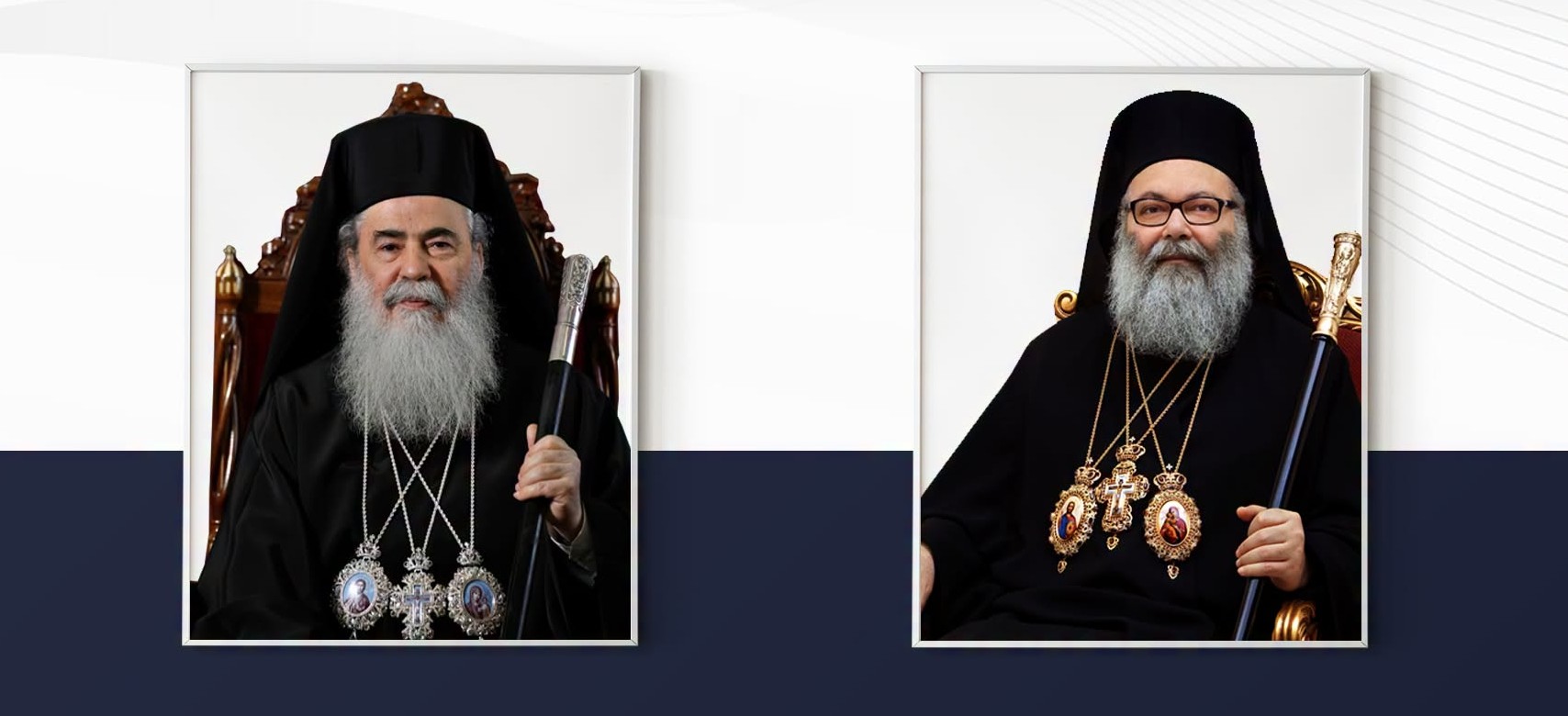
Sixty-five years have passed since Patriarch Bartholomew was ordained to the diaconate in the Ecumenical Patriarchate of Constantinople. On this occasion, Patriarch Theodore II of Alexandria and All Africa sent a formal address praising the long service of his brother primate. At the same time, the Serbian Orthodox Church is marking the “Days of the Mother of God” with services in Subotica, while the Bulgarian Orthodox Church observes the forefeast of the Dormition with traditional reminders about modest dress and avoiding loans during the fast. The Orthodox Church in America held its regular summer Diocesan Council meeting at the chancery, and the Church of Greece opened the restored Catholic church at the Hellenic Monastery of Messinia in a quiet evening ceremony. These coordinated observances across jurisdictions show how memory, feast days, and practical charity continue to shape daily church life in different corners of the Orthodox world.
Romanian Orthodox families living abroad face growing challenges keeping their children connected to the faith, prompting Patriarch Daniel to call for stronger pastoral support from the home Church. In Romania itself, Nicula Monastery has begun its annual days of prayer and pilgrimage for the Assumption of the Virgin, drawing crowds who come for confession and quiet reflection. The Romanian Metropolis of Bessarabia highlighted stories of deportees who carried icons and prayer books into Soviet exile, showing how faith survived harsh separation from the motherland. Meanwhile, ATORG is already taking registrations for its annual youth gathering in Cologne, aimed at young Romanians scattered across Western Europe. From other corners, the Serbian Orthodox Diocese of Bačka issued a fresh appeal for voluntary blood donors ahead of the Dormition fast, and the Bulgarian Church reminded the faithful to wear new clothes for the feast while avoiding loans on the eve. In South Carolina the Greek Orthodox Archdiocese of Antioch ran two lively sessions of Camp St. Thekla, mixing daily services with games that keep diaspora kids engaged. The practical work continues quietly.
Serbian Orthodox faithful in Subotica marked the Days of the Mother of God with processions, molebens and talks centered on the Dormition. The local diocese organized daily services that drew families from the surrounding Bačka region, while the newly restored Udrim monastery celebrated Saint Panteleimon as part of the same Marian focus. At the same time the Romanian Orthodox Church heard Metropolitan Nicolae describe the Dormition as the feast of our hope during sermons across several deaneries. In Greece, Bishop Ignatios of Dimitriados reminded his flock that the Virgin Mary is needed now more than ever, tying his words to local parish gatherings. The Bulgarian Orthodox Diocese of Varna welcomed the Hawaiian miraculous icon of the Virgin, though it stayed away from Dobrich to keep the schedule calm. These coordinated yet distinct observances show how the feast quietly binds distant communities together. May the Mother of God shelter the churches in Subotica, Bucharest, Volos and Varna.
The Procession of the Precious Cross, observed this week in churches from Moscow to New York, reminds believers that the wood which once brought death now gives life in ordinary routines. In Ivanovo the Moscow Patriarchate held matins with the cross carried through the Assumption Cathedral, while ROCOR parishes marked the feast with the traditional August 1/14 reading on the Origin of the Honest Trees. Romanian monasteries in Suceava arranged seaside holidays for 150 children, quietly showing how the cross is lived through small acts of mercy. At the same time the Serbian monastery of Rmnja drew attention for its restored chapel inside the old tower, where daily prayer continues without fanfare. The feast also overlapped with preparations for the Dormition. In Canada the Orthodox Church in America reflected on how the Mother of God’s passing calls every person to deeper communion with God. Bulgarian faithful welcomed the Hawaiian icon of the Virgin to Varna, though it skipped Dobrich this time. These moments tie the cross to concrete choices: helping at summer camp in South Carolina’s Antiochian session at St. Thekla, publishing an English guide for Ukrainian parish schools, or a doctor in Colombia pulling newborns from earthquake rubble. Such stories surface the same truth. The cross stays relevant when it is picked up right where life already happens.
Romanian Bishop Macarie told families in Bergen, Norway, that the Mother of God stands with them in their new life abroad and guides them toward Christ. At the same time another Romanian bishop walked 20 kilometers with pilgrims to Nicula Monastery ahead of the Dormition feast, joining ordinary believers on the road. In Montreal the Bulgarian parish of St. Ivan Rilski hosted its regular coffee gathering, giving immigrants a simple place to talk and share news from home. In Subotica the Serbian Church held “Days of the Mother of God,” drawing local families and those living farther away for services and meals together. These moments show how several Churches keep supporting their people who have settled in other countries. The gatherings, walks, and direct words from bishops help maintain ties that distance easily breaks. Such steady care from the Romanian, Bulgarian, and Serbian Churches keeps faith practical for those far from home.
Church of Greece youth summer gatherings are underway on the island of Leros this week, drawing teenagers from across dioceses for prayer, talks on the lives of the saints, and simple outdoor activities under the August sun. The program includes morning liturgies at the local monastery, afternoon workshops on icon painting, and evening bonfires where participants share stories from their home parishes. Meanwhile, the Greek Orthodox Patriarchate of Antioch has just released its new pocket prayer book, already selling briskly in parishes from Beirut to the diaspora. In the Romanian Orthodox Church, a priest recounted how Bessarabian deportees kept their faith alive during Soviet exile, passing on prayers and small icons across generations. The Serbian Orthodox Church Diocese of Buenos Aires and South America highlighted its steady work of prayer and practical aid for families facing hardship in Latin America. These events show how local churches keep connecting people to the faith in ordinary, lasting ways.
The Bulgarian parish of St. Ivan Rilski in Montreal quietly kept up its weekly coffee hour after the Dormition liturgy. Families filled the hall with the smell of strong brew and homemade banitsa while children ran between tables. In Varna the Bulgarian diocese welcomed the Hawaiian icon of the Virgin but decided against taking it on to Dobrich, citing practical travel concerns. Meanwhile the Romanian bishop in Cluj walked the full twenty kilometers with pilgrims to Nicula Monastery, stopping only for water and quiet prayers along the dusty road. Across the Atlantic the Orthodox Church in America’s Archbishop of Canada reminded his flock that the feast shows humanity’s call to real communion with God rather than abstract ideas. Down in South Carolina, Greek Orthodox campers at St. Thekla wrapped up two lively sessions mixing morning services with ordinary summer games. The small Montreal coffee continues as one more steady habit that holds everyday parish life together.
Sixty-five years have passed since Patriarch Bartholomew was ordained a deacon in the Ecumenical Patriarchate of Constantinople. In a recent address he described his whole journey as a life lived in dialogue. The Patriarch of Alexandria, Theodore II, sent warm greetings on the anniversary, underlining the shared bonds across the ancient sees. At the same time the Romanian Orthodox Church marked the start of the Dormition Fast for those following the unrevised Julian calendar, while its Patriarch Daniel consecrated a new reliquary containing the relics of Saint Maria Brâncoveanu and her sons. In the Church of Greece, the Metropolitan of Rhodes performed the ordination of new chanters, and the Diocese of Kitros received encouraging feedback on its pastoral projects. The Serbian Orthodox Church’s Diocese of Bačka issued an appeal for voluntary blood donation, showing practical care within local communities. May the intercession of the Mother of God strengthen all these Churches in their daily service.
Church of Greece youth from several dioceses wrapped up their summer gatherings on the island of Leros last week. Around 180 teenagers took part in daily services, talks on the Dormition, and simple workshops that mixed prayer with swimming and evening bonfires. The program drew participants from the Metropolis of Athens as well as from distant dioceses in northern Greece and the Peloponnese. At the same time the Romanian Orthodox Church opened its own youth, women’s, and senior activities at Săvârșin Parish, while the Serbian Orthodox Church consecrated two new churches and a parish house in the Eparchy of Banja Luka. In the United States the Greek Orthodox Patriarchate of Antioch ran its Camp St. Thekla sessions that also centered on faith and outdoor fun for young people. These parallel efforts across jurisdictions show how ordinary summer programs quietly keep the next generation connected to parish life.
Serbian Orthodox faithful in Subotica wrapped up the annual Days of the Mother of God with evening vigils, processions, and hymns focused on the Theotokos. The city’s churches drew large crowds for talks on family life and the role of mothers, echoing similar reflections offered by Metropolitan Chrysostomos of Messinia in the Church of Greece. At the same time, the Bulgarian Orthodox Church marked the forefeast of the Dormition, reminding believers to wear new clothes and avoid lending money on this day. Meanwhile, the Romanian Orthodox Church prepared for the Assumption at Putna Monastery, its historic patronal feast, while the Orthodox Church in America scheduled a pastoral visit to Pittsburgh’s Southside parish for the same weekend. These coordinated observances across distant dioceses show how the feasts of the Virgin Mary continue to shape ordinary parish calendars and family customs in steady, practical ways.
The Feast of the Origin of the Honest Cross on August 1 brings the ancient rite of blessing water with the cross that once stood in Constantinople. Parishes across the Orthodox world mark it quietly yet firmly. In the Russian Orthodox Church Outside Russia, the day is kept as the Origin of the Life-Giving Cross with special troparia sung before the procession to the font. The Bulgarian Orthodox Church drew crowds to the miraculous icon of the Mother of God at the Veliko Tarnovo cathedral, where the same feast prompted fresh veneration of the cross as daily protection. From the Romanian Orthodox Church, Bishop joined a 20-kilometer pilgrimage to Nicula Monastery, reminding the faithful that carrying the cross means walking together in heat and dust. The Orthodox Church in America scheduled its diocesan council meeting around the fast that begins this week, folding practical administration into the call for inner discipline. These observances turn an old feast into something ordinary people can live by: blessing water at home, walking a little farther in prayer, choosing patience over comfort. How does your parish keep the Origin of the Cross in daily life this year?
Sixty-five years ago on Imbros, the young Bartholomew was ordained to the diaconate. The Ecumenical Patriarch marked the anniversary with a patriarchal concelebration that drew clergy from several Local Churches. In Romania, Bishop Macarie joined hundreds of pilgrims on a twenty-kilometer walk to Nicula Monastery for the Dormition feast, while the Archdiocese of Suceava sent children from twenty-seven monasteries to the sea for summer holidays. The Orthodox Church in America congratulated Archpriest Leonid Schmidt on fifteen years of priesthood in his Pittsburgh parish. Meanwhile the Church of Greece gathered at the Hermitage of Saint Porphyrios in Milesi for the same Marian feast. A small relic of Saint Gorazd, disciple of Cyril and Methodius, returned quietly to Moravia after twelve centuries. Even long service begins with a single step in the altar.
Romanian Orthodox families living abroad are receiving fresh encouragement from Patriarch Daniel, who has urged parishes and clergy in the diaspora to strengthen pastoral care, catechesis, and practical help so that parents can pass on the faith amid new surroundings. At home, the Romanian Church is also marking the upcoming feast of the Assumption at Putna Monastery with special services recalling its historic patrons. In parallel, the Serbian Orthodox Church consecrated two new churches and a parish house in the Eparchy of Banja Luka, giving local believers fresh centers for worship and community life. The Orthodox Church in America marked the fifteenth anniversary of Archpriest Leonid Schmidt’s ordination, highlighting steady priestly service across its dioceses. These quiet steps of building up families, temples, and clergy continue to knit the Church together. May the Mother of God keep all these communities in her care.
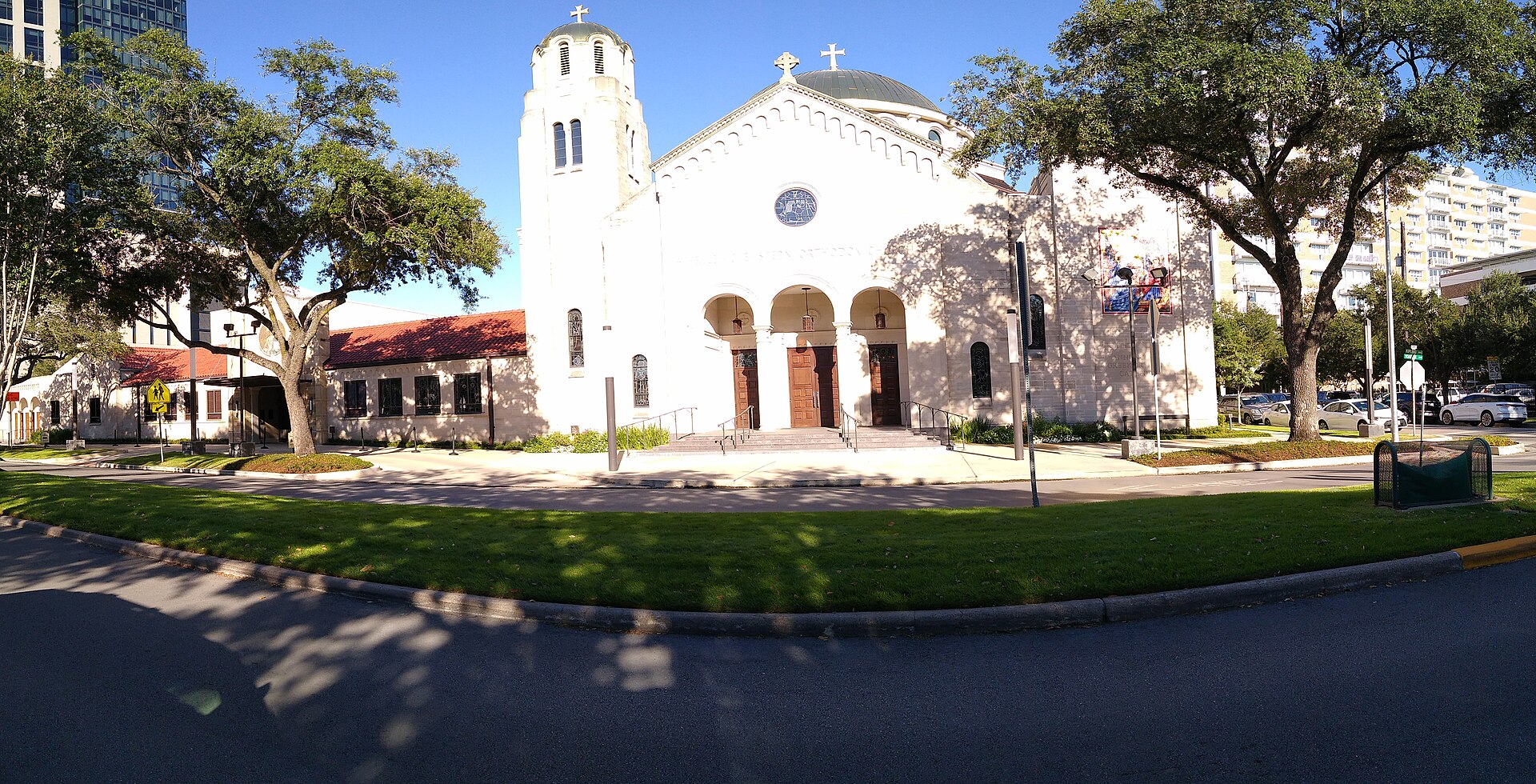
The White Church on the other side of the river at dusk. The light has almost gone out, and she stands calmly and as if waiting.
🌐 Show original
🕯 🙏 6 💬
D
2 h
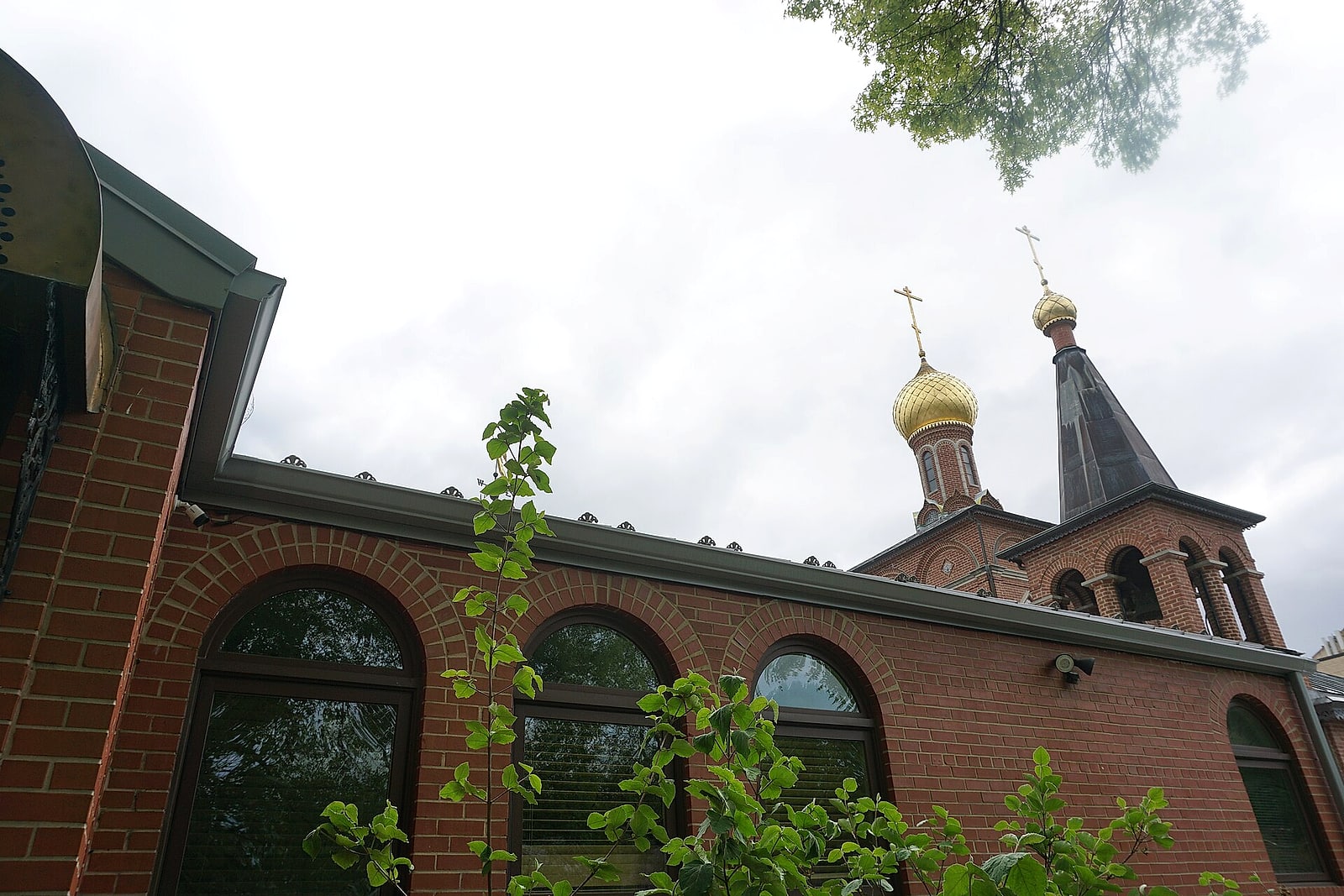
Orthodox church in red and green under a gray sky. I like such calm photos with crosses on domes.
🌐 Show original
R
Radu Constantinescu
This church is dedicated to Saint Nicholas, it can be seen by the cross on the dome.
Bulgarian Orthodox parishioners at St. Ivan Rilski in Montreal gathered for their traditional coffee hour after the Dormition liturgy, filling the hall with the smell of fresh banitsa and strong Turkish coffee. Families lingered at long tables while children darted between chairs, the simple weekly custom strengthening bonds in a city far from the old country. Meanwhile, the Romanian Orthodox Episcopate of America prepares to welcome a fragment of St. Herman of Alaska’s relics at its upcoming congress, tying Alaskan missionary history to present-day North American life. In Greece, the Diocese of Mantineia concluded its final Petition Rule to the Theotokos ahead of the feast, and the Serbian Orthodox Eparchy of Banja Luka marked the consecration of two new churches and a parish house. These ordinary moments and quiet milestones show how the Church keeps its rhythm across continents. May these communities be remembered in prayer.
Romanian Orthodox leaders are drawing attention to families living abroad. Patriarch Daniel has called for stronger pastoral support for those who have settled in Western Europe, where many parishes now serve mixed communities facing language barriers and cultural isolation. In parallel, a Romanian priest recently spoke about Bessarabian deportees who carried their faith through Soviet exile, showing how hardship can deepen attachment to the Church. Bishop Benedict joined pilgrims heading to Nicula Monastery and reminded them that difficulties often lead to unexpected joy. Meanwhile, the Bulgarian Orthodox Church’s St. Ivan Rilski parish in Montreal is hosting a simple coffee gathering on August 16 to welcome both longtime members and newer immigrants. The Orthodox Church in America also marked a priest’s 15-year ordination anniversary, a small sign of steady ministry in diaspora settings. How is your own parish supporting families who live far from the old country?
The Bulgarian Orthodox Church’s St. Ivan Rilski parish in Montreal is holding its annual parish coffee this Saturday, August 16, giving local families a chance to gather after liturgy, share traditional sweets, and catch up in the church hall. At the same time the Romanian Orthodox Church’s Putna Monastery prepares to mark the feast of the Dormition with its historic patronal celebration, while the Serbian Orthodox Church released a statement from Patriarch Porphyria reminding the faithful of steadfast unity in prayer. In North America the Orthodox Church in America’s Archbishop of Canada offered a reflection on how the Dormition feast shows humanity’s call to life with God. These ordinary moments of coffee, monastery bells, and quiet teaching keep parishes grounded week after week. May the Lord strengthen all these communities.
The Feast of the Origin of the Honest Cross on August 14 invites Orthodox believers to carry the power of the Cross into ordinary routines. The Russian Orthodox Church Outside Russia marked the day with clear liturgical texts reminding the faithful that the Cross is both a weapon against evil and a daily companion in small struggles. In the Greek Orthodox Patriarchate of Antioch, youth at Camp St. Thekla combined morning prayers with games and talks on how the Cross shapes decisions at school and home. The Romanian Orthodox Church highlighted a bishop walking 20 kilometers with pilgrims to Nicula Monastery for the Dormition, showing the Cross lived out through physical effort and shared prayer. Meanwhile, the Orthodox Church in America’s Archbishop of Canada reflected that the Dormition points to humanity’s call to communion with God, echoing the Cross as the path that turns everyday burdens into steps toward resurrection. This matters because the Cross becomes real when it meets the ordinary day.
Youth from the Church of Greece gathered this summer on the island of Leros for a series of formation camps focused on prayer, service, and community life. Participants joined daily liturgies, workshops on the lives of the saints, and simple acts of helping at local monasteries and homes for the elderly. Similar energy showed in the Romanian Orthodox Church, where a bishop walked twenty kilometers with pilgrims to Nicula Monastery ahead of the Dormition feast, sharing quiet conversations along the path. In the Bulgarian Orthodox Church, the parish of St. Ivan Rilski in Montreal prepared a relaxed coffee gathering for August 16, giving people a chance to talk and support one another. Meanwhile the Serbian Orthodox Church highlighted renewed life at Udrim monastery through the memory of Saint Panteleimon, with local believers restoring the grounds and attending services there. These ordinary moments of gathering, walking, and restoring keep the rhythm of parish and youth life steady across distant places. May these communities be held in prayer.
Serbian Orthodox faithful in Subotica marked the Days of the Mother of God with processions, molebens, and talks centered on the Dormition. The local diocese highlighted the life of Mother Angelina, who devoted herself entirely to family and faith. At the same time, the Romanian Orthodox Church organized a 20-kilometer pilgrimage walk to Nicula Monastery, where Bishop together with hundreds of believers prayed before the wonderworking icon. The Bulgarian Orthodox Church welcomed the Hawaiian miraculous icon of the Virgin to Varna diocese, drawing crowds for veneration while it skipped Dobrich this year. From the Russian Orthodox Church Outside Russia came quiet observances of the Origin of the Honest Trees of the Life-Giving Cross, reminding many of ancient Jerusalem traditions. These coordinated feasts across distant dioceses show how the Church keeps the memory of the Theotokos alive through local customs and shared prayer. This matters because it strengthens ordinary believers in their daily walk with God.
Sixty-five years have passed since Ecumenical Patriarch Bartholomew was ordained to the diaconate in the Ecumenical Patriarchate of Constantinople. The milestone drew quiet notice amid the usual summer rhythm of feasts and fasts. In the Serbian Orthodox Church two new churches and a parish house were consecrated in the Eparchy of Banja Luka. The Bulgarian Orthodox Church welcomed the Hawaiian miraculous icon of the Virgin to the Diocese of Varna, though it will skip Dobrich this time. Meanwhile the Orthodox Church in America is preparing to receive a fragment of the relics of Saint Herman of Alaska at the 94th Annual Episcopate Congress of the Romanian Orthodox Episcopate of America. Across jurisdictions the Dormition fast has begun for those on the unrevised Julian calendar, with Romanian and Russian parishes marking the forefeast and offering practical guidance from Athos elders on how to keep it well. Antioch’s Camp St. Thekla wrapped up its summer sessions blending faith lessons with ordinary camp fun in South Carolina. A small reminder that long service and local faithfulness keep appearing side by side.
showMore ↓
🔑Sign in 📖Prayer Book 🕊Live Prayer 📨Submit news 👥Friends 💬Groups My parish 🕯Virtual church 🙏Prayers by agreement 🗓Calendar ✏️Catechesis 🔔Notifications My subscriptions 🛍Store 💬Support