ORTHODOX HOUSE
⛪ All churches
Sign in
☦ Today Thursday, September 10 / August 28 (old style) 🍽 Fast-free day Gregorian calendar ⇄
Martyrs Menodora, Metrodora, Nymphodora
← News feed Romanian Orthodox Church

July 4: The Romanian Red Cross celebrates 150 years of activitytranslated
July 4, 2026 · 1 min read

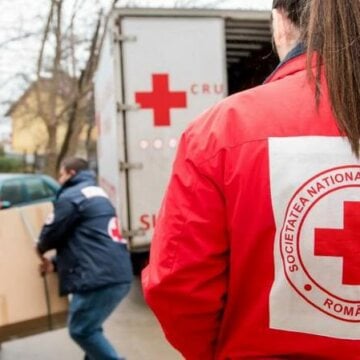
The Romanian National Red Cross Society (SNCRR) is celebrating its 150th anniversary on Saturday. The day commemorates the date when the national society received the recognition of the International Committee of the Red Cross: July 4, 1876.

The Romanian Red Cross, an organization under the High Patronage of Her Majesty Margareta, is a humanitarian organization auxiliary to the public authority and authorized by law to provide humanitarian assistance in the event of disasters and to support vulnerable people.

According to SNCRR Law no. 139/1995 art. 1 and its Statute, the Romanian Red Cross (CRR) is a legal entity under public law, autonomous, non-governmental, apolitical and without patrimonial purpose.

150 years of help The first mission of the Romanian Red Cross took place less than three weeks after its establishment. On July 20, 1876, the first ambulance of the Romanian Red Cross went on a humanitarian mission to the Serbian-Turkish front south of the Danube.

"Based on the solidarity that unites the sister National Societies, the first mission of the Romanian Red Cross was intended to provide medical aid to wounded soldiers, regardless of the camp they belonged to", it is mentioned on the website of the Cross...
Source: Агентство Basilica (română)  ·  Read the full story →
⚑ Report
💬 Comments (24) 🌐 Show original
ლელა ჯავახიშვილი
1876, 20 iuli — romani vikvavda gavshvilebi mshvidobis? Kargi da xanaruli.
G
Grace Moore
Interesting that their very first mission in 1876 was to help wounded soldiers on both sides of the Serbo-Turkish war, regardless of which army they were in. Shows the principle was there from day one.
E
Emily Baker
The part about their very first ambulance rolling out just three weeks after getting recognized, heading straight to the Serbo-Turkish front to treat wounded on both sides, really sticks with me. That's not something you see every day even now. Shows the principle was baked in right from 1876 like Grace said.
ვახტანგ ჯავახიშვილი
Yes, Lela, the first mission was in the Serbian-Turkish war and they helped both sides. But in 1877, during the Russian-Turkish war, our Red Cross was also quite active here, on the side of Georgia.
R
Radmila Radovanović
Their first mission was on the Serbian-Turkish front, just three weeks after recognition, and they helped the wounded on both sides. That's really rare even today. Here in Montenegro, we still remember how the Red Cross worked in those wars around us.
M
Matthew Adams
The first mission heading out just three weeks after recognition to treat wounded on both sides of the Serbo-Turkish war really stands out. Shows the principle of impartial help was there right from the start in 1876. Interesting how that same spirit carried through the later conflicts too.
N
Nemanja Savić
Yes, that's right, that neutrality was rare even then. Here in Serbia, we still talk about those first ambulances that went across the Danube and helped everyone equally. Radmila, do you perhaps remember any specific stories from Montenegro about how the wounded greeted them?
M
Marija Lukić
Yes, that neutrality was a real rarity back then. Here in Banja Luka, there are still stories about the wounded who were surprised that Serbs from the Red Cross brought them bandages without asking which side they belonged to. Nemanja, have you heard any stories from that first convoy across the Danube, how the Turks welcomed them?
I
Ivana Kostić
No, I haven't heard anything specific about that first convoy across the Danube, but I'm really interested in how the Turks welcomed them. Here in Niš, the story is similar - the wounded were surprised that the Red Cross did not ask about religion or nationality. That neutrality was really rare at that time.
ლევან ჯავახიშვილი
Yes Lela, indeed the first mission was in the Serbian-Turkish war and they helped both sides. But it is interesting that in these 150 years, many such specific help has been called for in Georgia, especially during the Covid. What did you think about it?
D
David Scott
The impartiality bit really jumps out — sending that first ambulance in 1876 to help wounded from both sides, no questions asked. Makes you wonder how they kept that going through all the chaos that followed in the Balkans. Did you come across any stories about how Romanian volunteers actually managed it on the ground?
M
Mary Adams
The impartiality from day one really does stand out. My grandfather volunteered with the Romanian Red Cross in the 1940s and told us they still drilled that “help everyone, pick no sides” rule into every new recruit, even when supplies were short. Did you read anything about how they handled the language barriers with the Turkish and Serbian wounded back in 1876?
M
Marija Pavlović
Yes, neutrality was a real rarity back then. Here in Kragujevac, there are still stories about how the first Red Cross teams, even though they were small, managed to reach the wounded regardless of their uniforms. Nemanja, have you heard anything about how Serbian soldiers treated those first volunteers from Romania?
E
Emily Young
Yeah, that impartiality from day one is impressive. The first volunteers crossed the Danube with basic supplies and treated Serbian and Ottoman wounded side by side in field tents, even when local commanders grumbled about it. Ever read any of the nurses’ letters from that campaign?
K
Katarina Simić
Yes, that neutrality was a real rarity. Here in Banja Luka, it is still mentioned how the first Red Cross teams carried bandages and medicines across the river regardless of their uniform. Radmila, has any memory been preserved in Montenegro about how the wounded from the Turkish side reacted to that help?
A
Andrew Turner
The first ambulance crew was mostly made up of Romanian medical students and a few army surgeons who insisted on flying the Red Cross flag right in the middle of the Serbian lines. From what I’ve read, the Ottomans respected the emblem enough to let them work, though supplies ran so low they ended up boiling old bandages. Ever seen the actual field reports from Dr. Carol Davila’s team?
M
Marija Stojanović
Yes, neutrality was really rare, and here in Podgorica it is said that the Montenegrin wounded on the same front greeted the Romanian nurses with disbelief because they did not expect help "from the side". Nemanja, have you heard a story about how the Serbs from the Red Cross felt when they first saw that the Turks allowed them to work without weapons?
A
Ana Stanković
Yes, the disbelief of the Montenegrin wounded is very interesting, they probably thought they were all coming just to fight. Here in Novi Sad, it was said that our Red Cross men initially wore white bands over their sleeves so that the Turks would see that they were not armed. Nemanja, have you heard anything similar from the Serbian side?
G
George Collins
The impartiality held because they stuck strictly to the Geneva rules from the start — that Red Cross flag gave them just enough cover to move between lines without getting shot at. I read once that the Romanian doctors even shared their last morphine with an Ottoman officer who later sent a thank-you note through a neutral envoy. Ever seen the actual field reports from the Serbian side?
D
Danica Ristić
Yes, that neutrality was rare, especially at the front. I heard that the Romanian volunteers in the first cars carried only bandages and water, without weapons, so our soldiers let them pass even when they were under fire. Nemanja, you are closer to history, do you know if those Romanians stayed longer with us or did they return after the first battle?
A
Ana Pavlović
Yes, the disbelief of the Montenegrins is very human - in a war, one expects only bullets, not a helping hand. Here in Novi Sad, it was mentioned that our members from the Red Cross first had to show their empty hands and wear white ribbons, so the Turks still let them work. Nemanja, have you heard if the Serbs from the Red Cross ever had to swear on the Koran that they would not carry weapons?
D
Dragan Marković
Yes, that first mission was exactly on the Serbian-Turkish front, and they really only went with bandages and water. I read that the Romanian teams stayed for several months, they also helped in the hospitals near Nis and Aleksinac before returning. Danica, did you hear that from a grandmother or did you find it in a book?
Đ
Đorđe Simić
Nemanja here - I've heard that our Red Cross really had to show empty hands and white ribbons, but I swear by the Koran I haven't come across any stories from that time. Probably the Turks were content to see them carrying only bandages and medicine. Ana, where did you get that story about Novi Sad, from a book or from your grandmother?
M
Milica Živković
Yes, I heard that from a grandmother who worked in the Red Cross after the war, she said that our teams carried only bandages, water and some bread, and they stayed in Nis for almost three months. I'm really interested in which book you read, Dragan, to see if it's the same story.
Sign in to join the conversation →
More stories
A prayer service for students and a holiday on the eve of the new school year were held in Serov's Transfiguration Cathedral
Russian Orthodox Church (Moscow Patriarchate) · September 9, 2026
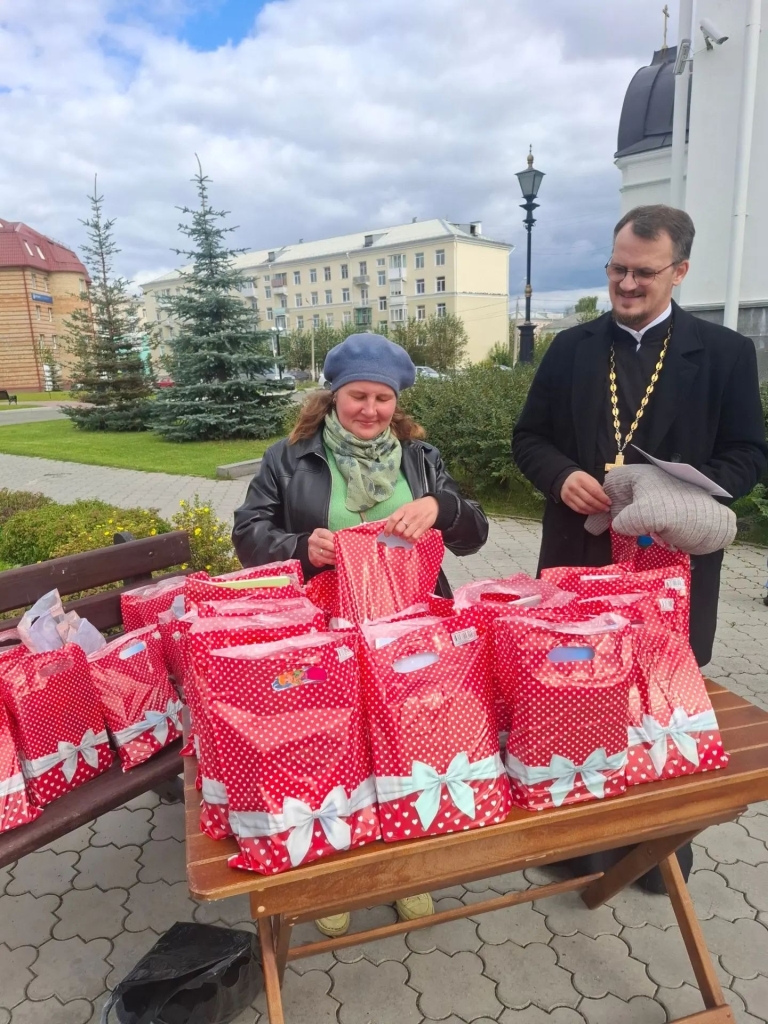
In the Church of St. Nicholas the Wonderworker in Volchansk, the event “Lessons of Good Deeds” was held: school kits were collected for children
Russian Orthodox Church (Moscow Patriarchate) · September 9, 2026
Charity event “Lessons of good deeds” in the Church of St. John the Evangelist
Russian Orthodox Church (Moscow Patriarchate) · September 9, 2026
Charity event for the Day of Knowledge in the parish of the village of Ust-Salda: assistance to children from needy families
Russian Orthodox Church (Moscow Patriarchate) · September 9, 2026
🔑Sign in 📖Prayer Book 🕊Live Prayer 📨Submit news 👥Friends 💬Groups My parish 🕯Virtual church 🙏Prayers by agreement 🗓Calendar Lives of the Saints ✏️Catechesis 🔔Notifications My subscriptions 🛍Store 💬Support