250 years after independence, the little-known story of colonial America’s Catholics
When the American Founding Fathers declared independence from the British crown 250 years ago, Catholicism represented a very small portion of the population — accounting for less than 2% of the people.
The primary hub for American Catholicism in 1776 was Maryland , which was created as a safe haven for Catholics and home to the only Catholic signer of the Declaration of Independence: Charles Carroll of Carrollton .
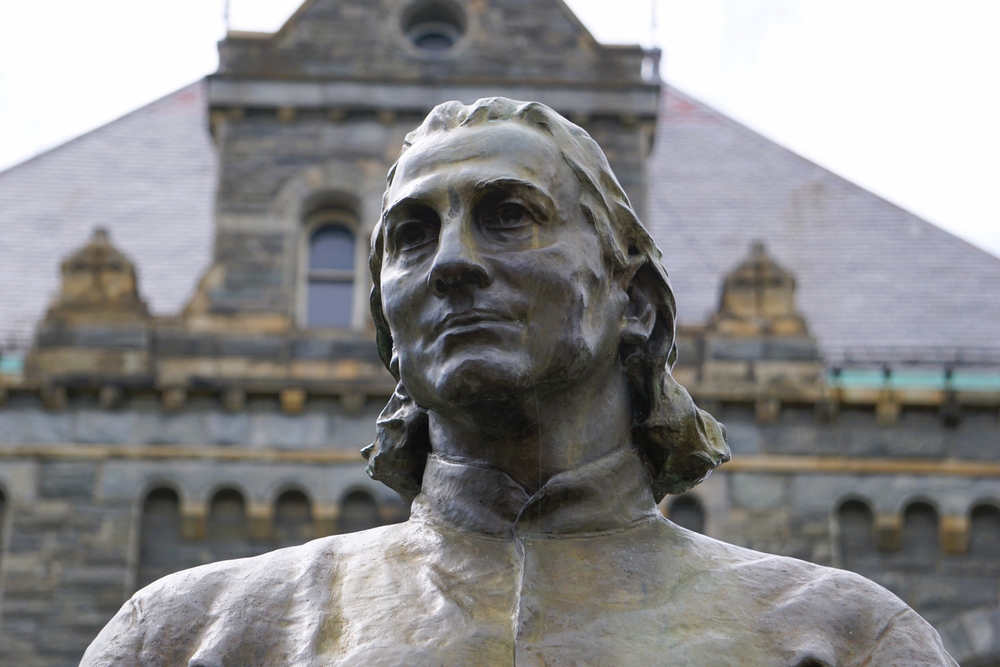
Yet, more than one-third of Catholics lived outside Maryland in the late 1700s. Archbishop John Carroll — the first bishop in the United States — reported the Catholic population to the Holy See in 1785: about 15,800 in Maryland, at least 7,000 in Pennsylvania, at least 1,500 in New York, and no more than 200 in Virginia. There were a few hundred scattered elsewhere.
The primary reason for the low numbers was restrictive laws, some of which outright banned Catholicism and priests from colonies. Even in Maryland, after the 1689 Protestant Revolution, Catholics faced severe restrictions, including a ban on voting and openly celebrating Mass.
“[The laws were] definitely repressive,” said Seth Smith, a history professor at The Catholic University of America with…