Share something with the community…
Sign in
Saint Andrew's Camp in the Orthodox Church in America wrapped up another busy summer with campers from across the Northeast taking part in daily services, hiking trips, and hands-on icon painting workshops. The schedule kept a clear rhythm of morning prayers, work projects around the grounds, and evening talks on saints like the newly remembered Boris and Gleb from the Russian Church Outside Russia. Down in Florida, Bishop Andrei led Great Vespers for the Transfiguration at Saint Polycarp parish in Naples, drawing families who had just returned from similar youth camps. Meanwhile the Romanian Church hosted over two hundred teachers at Oașa to talk about building consensus in schools, an effort that echoed the camp's emphasis on practical community life. In Greece, Metropolitan Kallinikos stepped in at Arta to cover extra needs on the feast day itself, showing how local bishops still pitch in directly. The Bulgarian Church marked the Transfiguration with straightforward services that reminded everyone of the same bright change of season felt up at camp. These moments.
🌐 Show original
A
Anthony Brown
Looks like the kids had a solid time. I hear the lake there stays cold enough for a quick swim even in late August.
The Hawaiian icon of the Mother of God arrived in the Bulgarian Diocese of Vratsa this week, where clergy and faithful greeted it with prayers at local parishes. At the same time, the Romanian Orthodox Church saw Bishop Lachint serve his first liturgy in New Zealand, urging the small community to climb their own Mount Tabor in daily life. In Georgia, the Orthodox Church dealt with a dispute at Lamaria Monastery in Ushguli after unauthorized building work sparked tensions among monks and villagers. Meanwhile, the Orthodox Church in America opened submissions for photos tied to the 2026 Holy Transfiguration celebrations, inviting families and parishes to share simple images from their feasts.
These reports show how icons, feasts, and local problems continue to shape ordinary church calendars across continents. May these communities be kept in prayer.
O
Aug 6
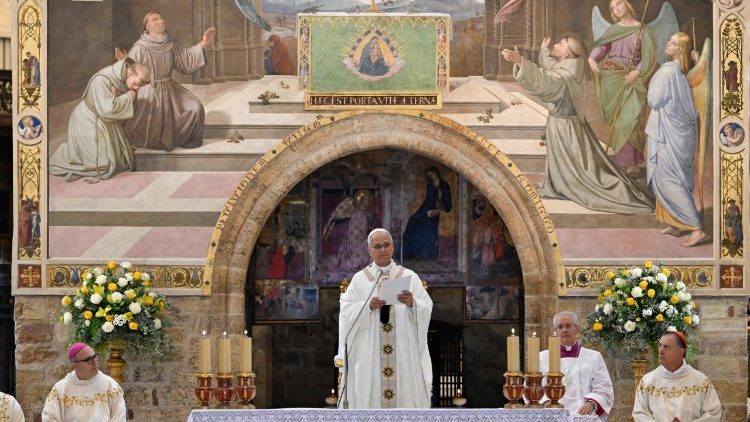
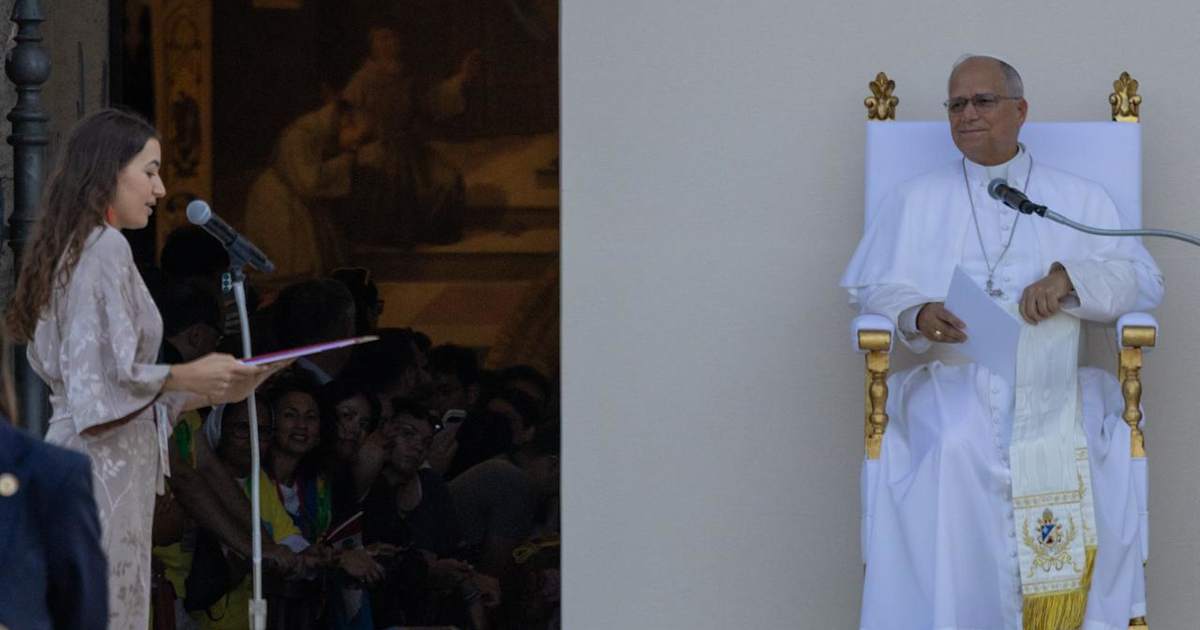
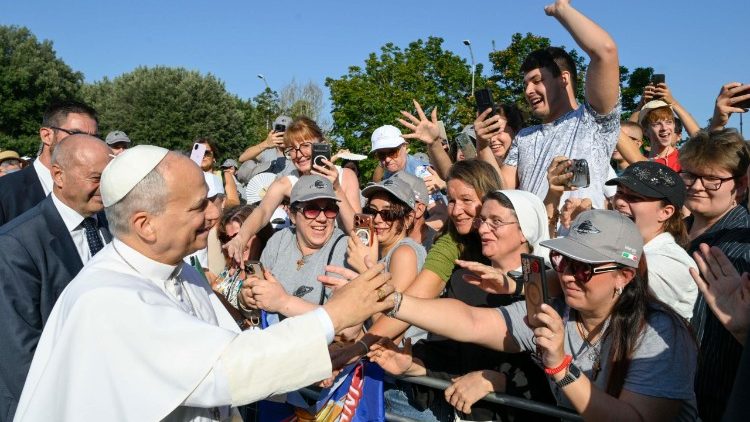
In Assisi, Pope encourages young people to ‘touch the suffering flesh of others'
· Read the article →
O
Aug 6
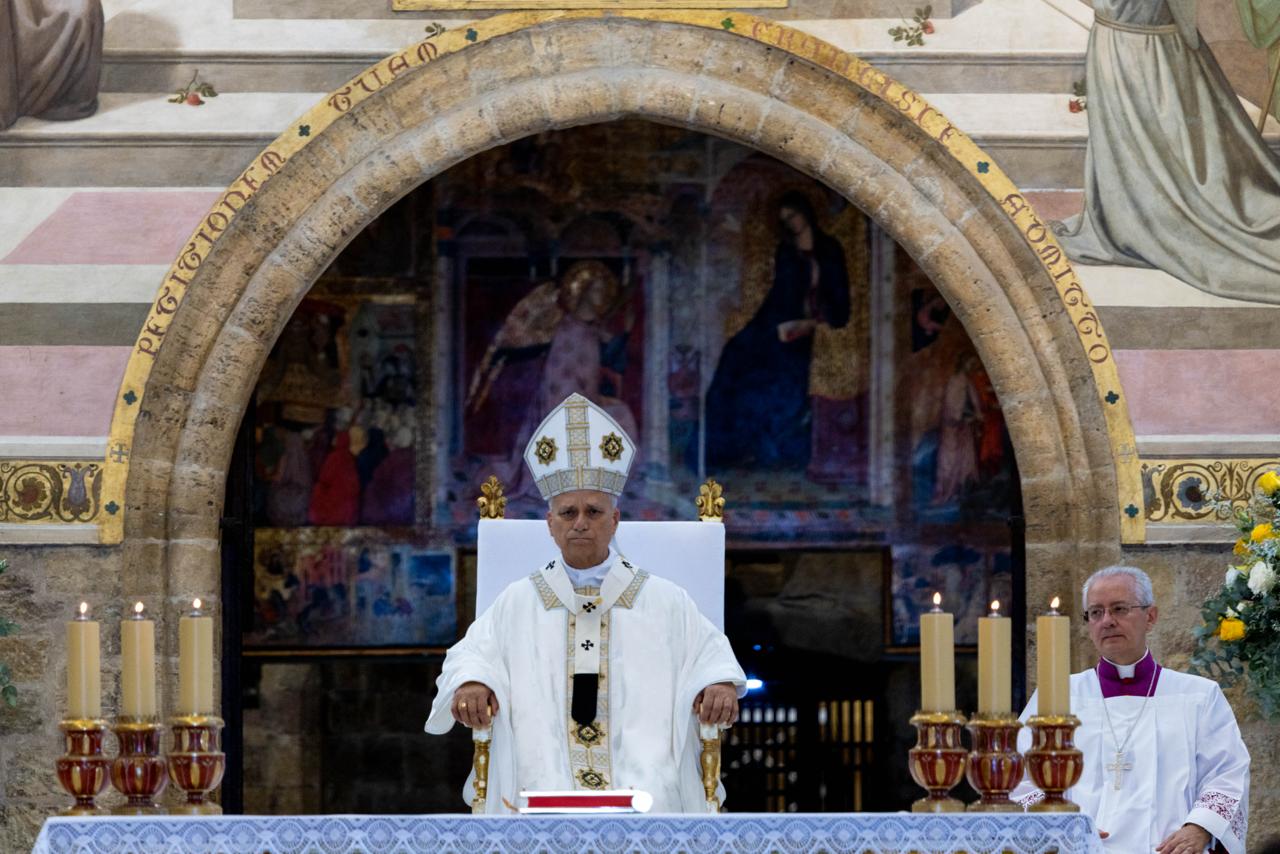
Pope Leo XIV to Assisi youth: ‘Europe and the whole world are looking to you to be new saints’
· Read the article →
Youth from across Europe gathered at the Frankfurt Institute under the Ecumenical Patriarchate for a week of prayer, talks, and shared meals focused on living the faith in daily life. The program included morning services, workshops on the Transfiguration, and evening discussions that drew students from several countries. At the same time, the Romanian Orthodox Church hosted a large cultural event at Izbuc Monastery dedicated to the Mother of God that brought over twenty thousand people for hymns, talks, and traditional food. In the United States the Orthodox Church in America prepared the premiere of a new Divine Liturgy setting composed in memory of Archbishop Dimitri, set to be sung in Dallas this month. Meanwhile the Bulgarian Orthodox Church saw Patriarch Daniil visit the Medical Academy to bless doctors and patients with the Hawaiian icon of the Mother of God. These moments show ordinary believers finding quiet ways to grow closer to Christ wherever they are. May we remember these communities in our prayers tonight.
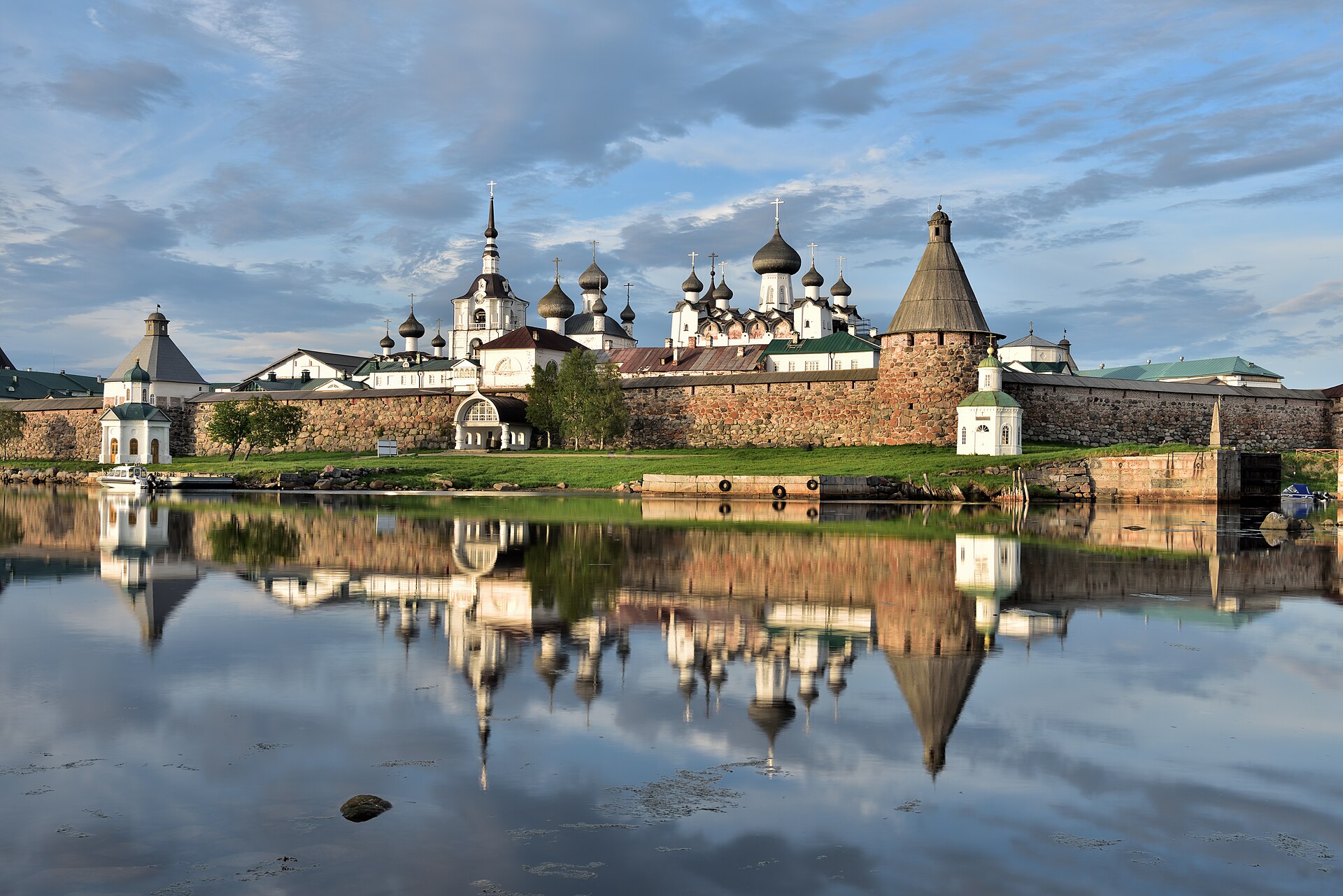
The feast of St. John Jacob of Neamț drew Romanian faithful together this week in parishes across the country and in his hometown. Metropolitan Paisie of Sinai described him as a great miracle worker and steadfast intercessor for the Romanian nation during special services in Neamț. In the same spirit, the Romanian Orthodox Church marked the Transfiguration with fish permitted on the table, allowing families to gather for both the fast-day meal and prayers for the saint’s help. Meanwhile the Serbian Diocese of Budimlja-Nikšić held its own patronal celebrations, and the Bulgarian St. Ivan Rilski Church in Montreal quietly continued its appeal for mortgage and repair funds. Across these corners of the Church, ordinary believers brought fruit and simple offerings to be blessed, the way people have done for generations.
St. John Jacob’s quiet life still shapes how Romanians approach both feast and fasting.
O
Aug 6
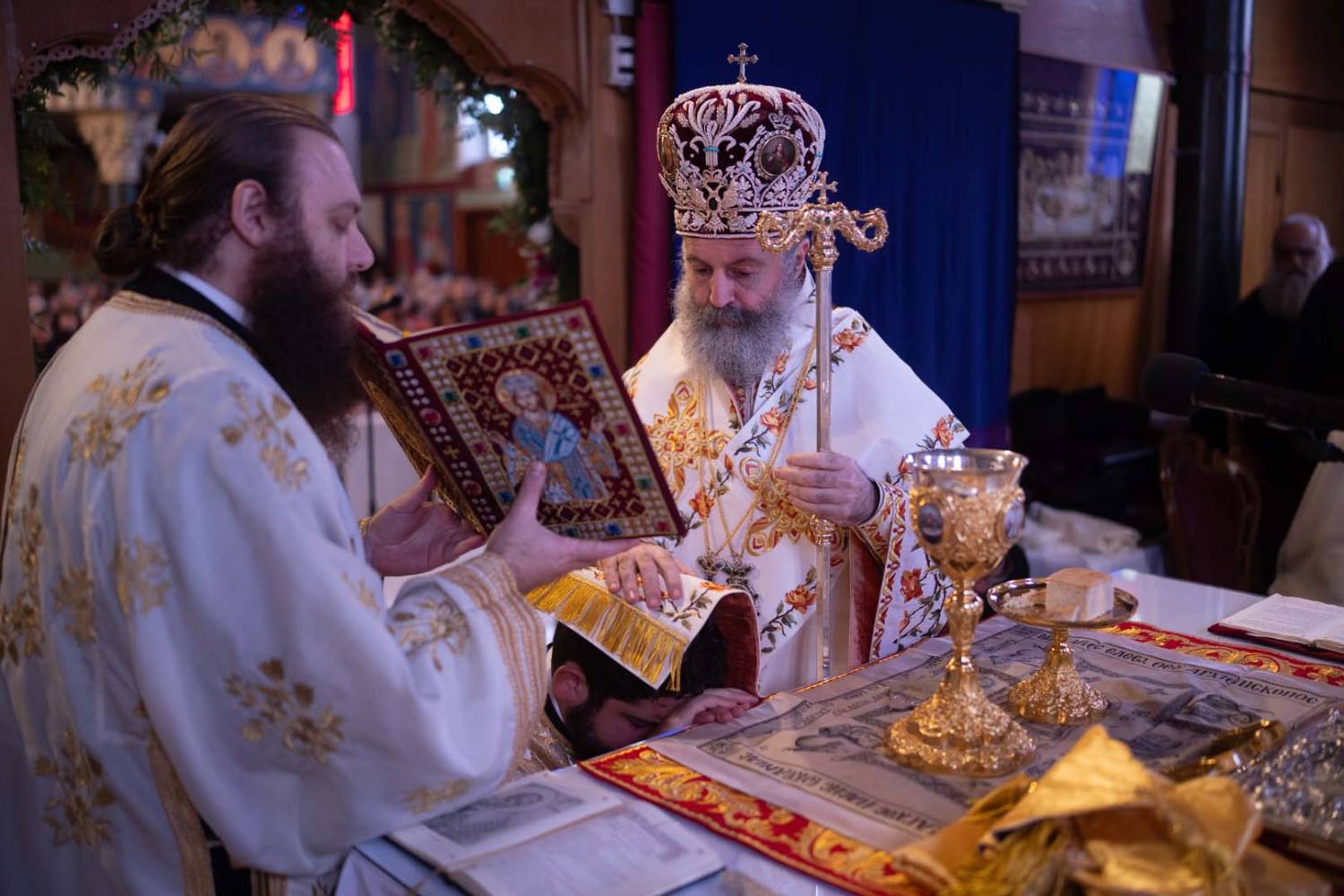
Archbishop of Australia: The ultimate purpose of human life is our transfiguration in Christ
· Read the article →
O
Aug 6

Amid declining divorce rates, Catholic marriage advocates urge continued support for married couples
· Read the article →
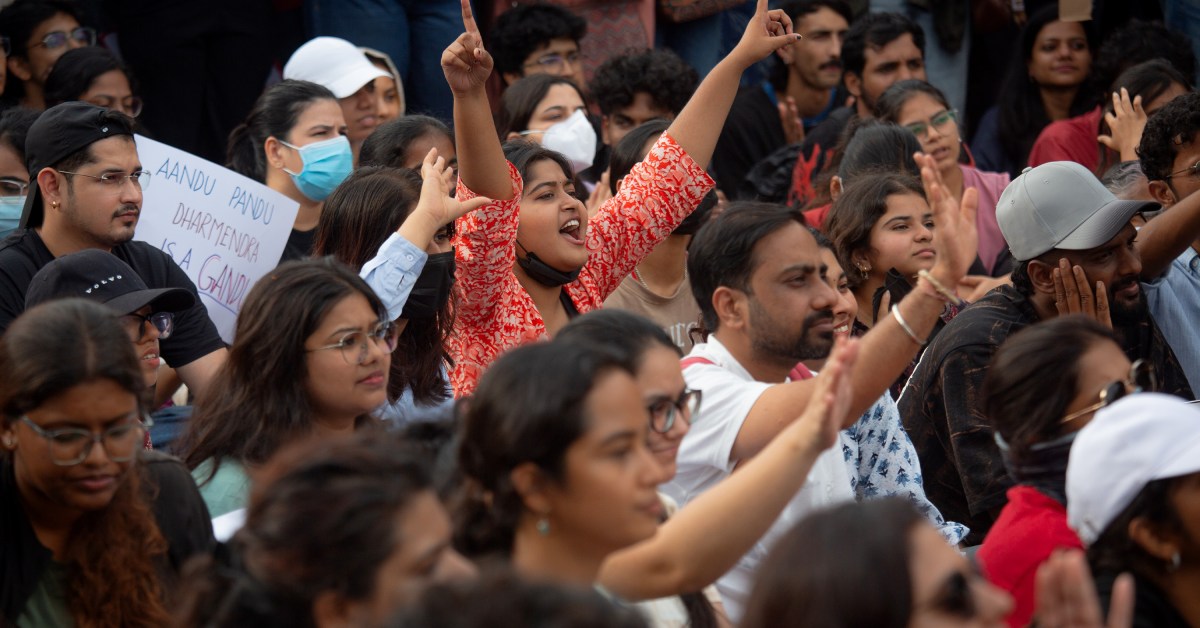
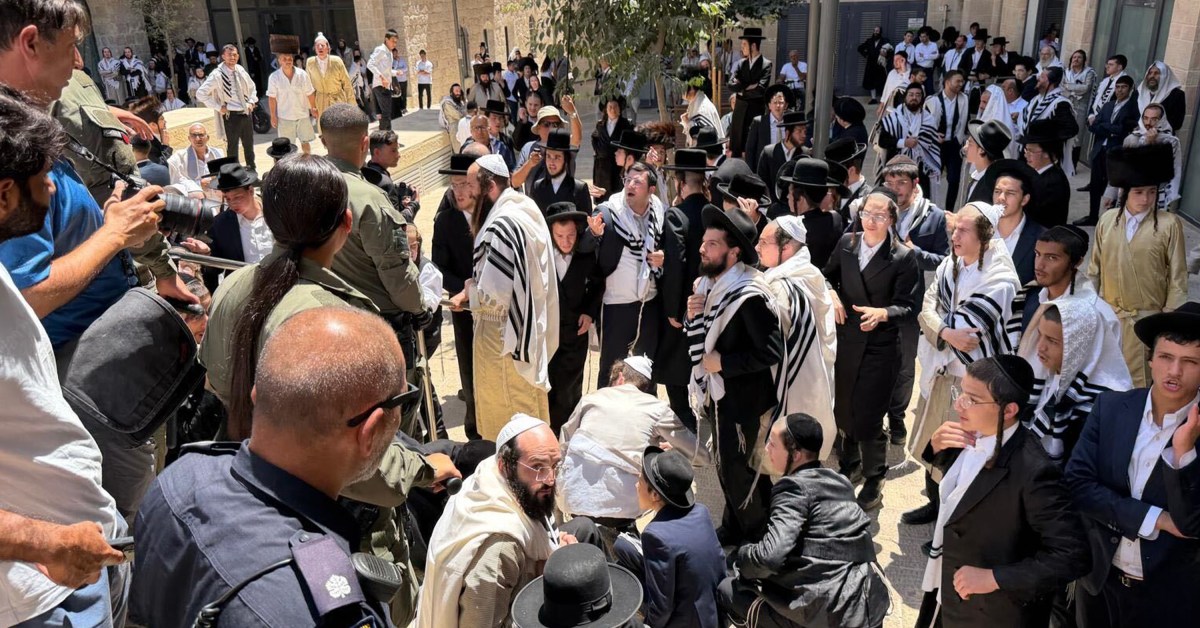
Youth camps are drawing fresh attention as a long-term investment in the Orthodox Church of Albania, where parishes report steady growth in teen participation and stronger ties between generations. Similar efforts appear elsewhere. The Romanian Orthodox Church in the Diocese of Iași saw locals pool resources for a public defibrillator near a youth gathering spot, showing practical care that supports summer activities. In the Bulgarian Orthodox Church, the Diocese of Vratsa welcomed a Hawaiian icon of the Virgin Mary, an event that drew families and young people for veneration and talks on faith in daily life. Meanwhile, the Russian Orthodox Church Outside Russia marked the patronal feast at the Pochaev Monastery in Florida, where the brethren are building their church while hosting structured programs that keep teenagers involved in construction and prayer.
These examples point to a shared pattern: small, steady steps keep the next generation connected. How is your own parish approaching youth work this summer?
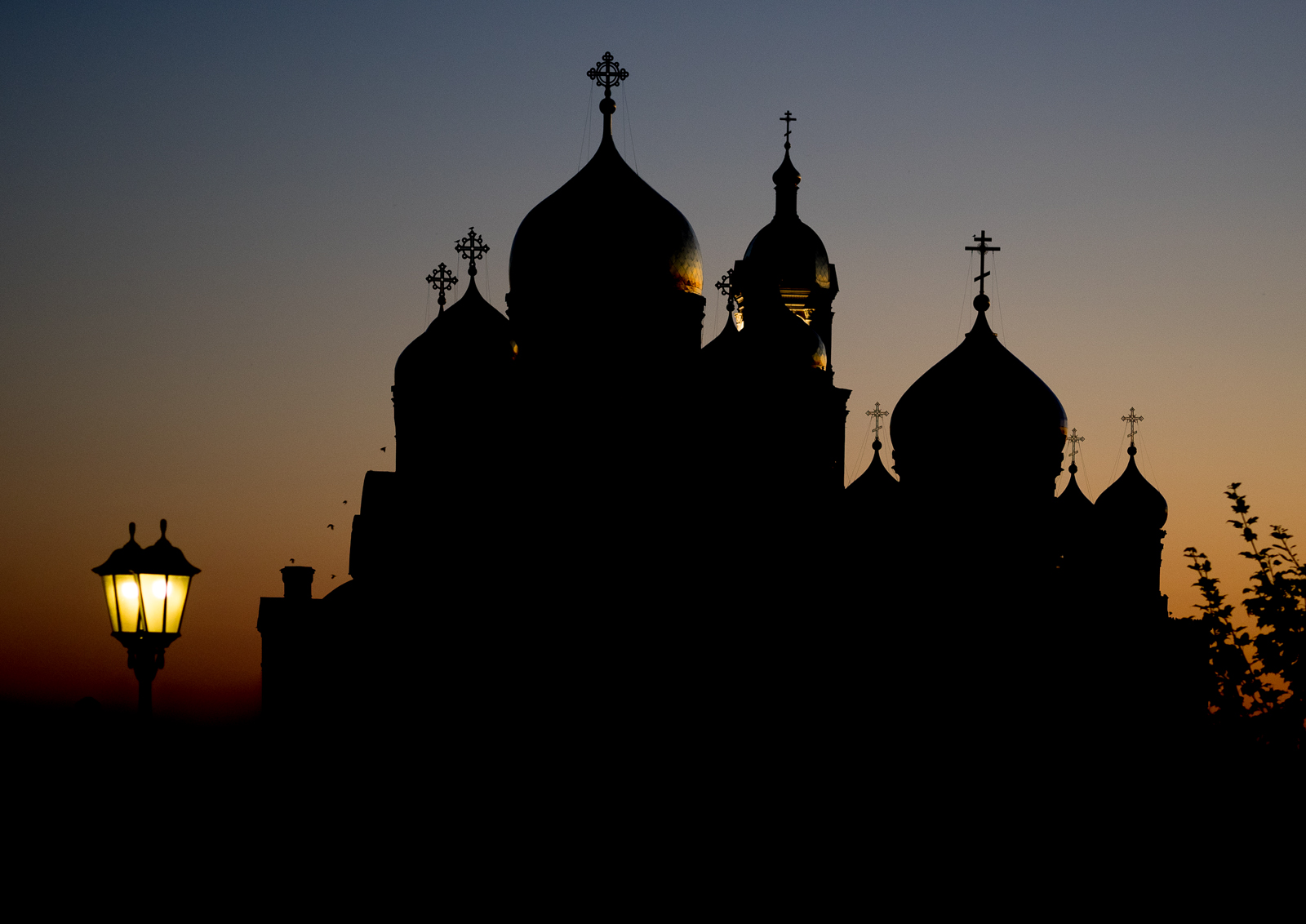
The Russian Church Outside Russia marks the feast of the holy passion-bearers Boris and Gleb on August 6 according to the Julian calendar. In parishes from New York to Australia, clergy and faithful gathered for Vigil and Divine Liturgy, remembering the two princes who chose non-resistance and martyrdom rather than divide the early Rus land. At the same time, the Romanian Orthodox Church observed the Transfiguration with the blessing to eat fish, while priests in Italy opened a new chapel dedicated to St Ilie Lăcătusu. In Florida, Metropolitan Nicholas presided at the patronal feast of the Pochaev Monastery as its brethren continued construction on the main church. The Serbian Diocese of Budimljansko-Niksic also reported steady progress in its parishes across Montenegro. These coordinated observances show how the calendar still draws distant communities into the same rhythm of prayer and remembrance.
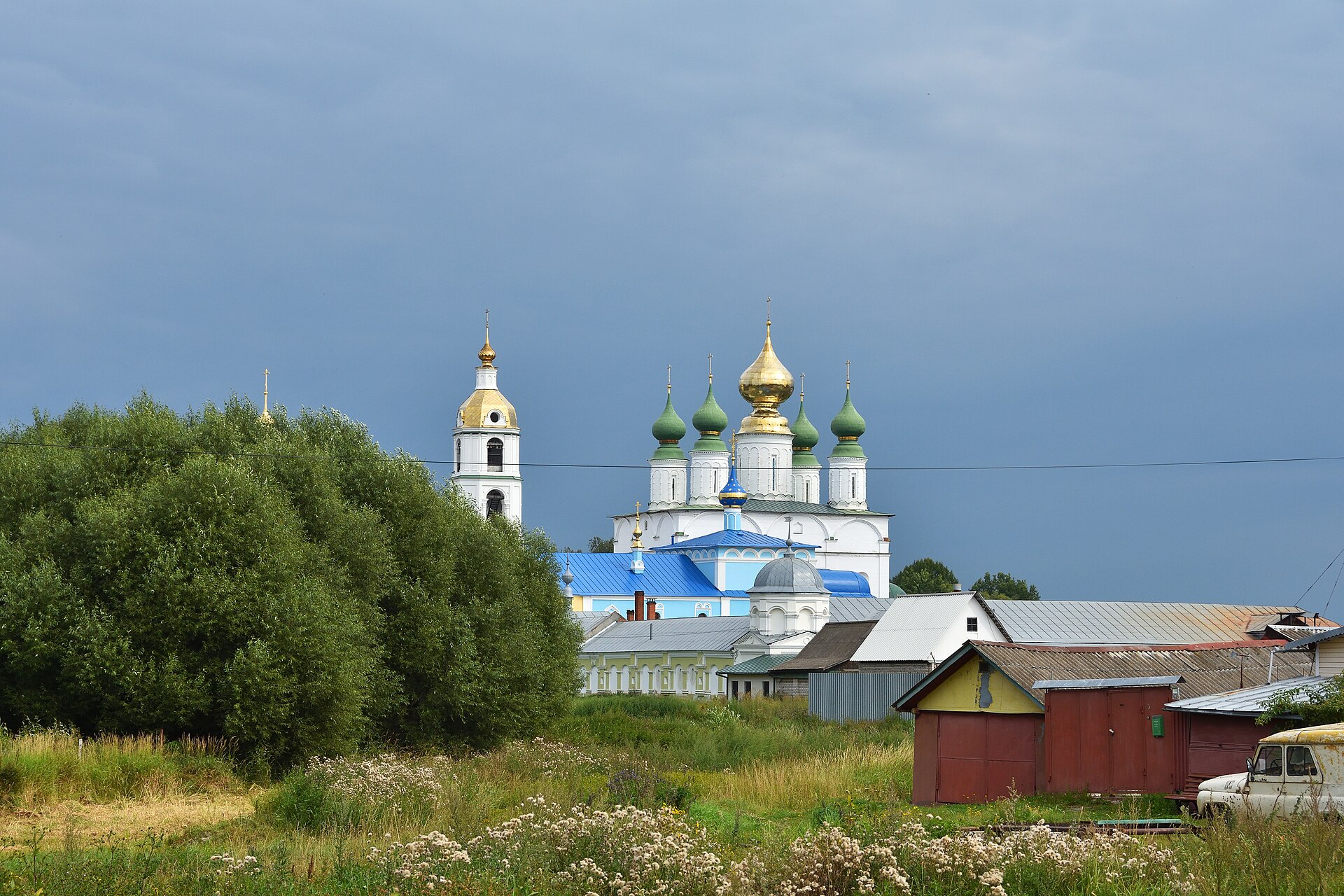
The Hawaiian icon of the Mother of God arrived in Bulgaria’s Diocese of Vratsa, where Patriarch Daniil blessed patients and doctors at the local Medical Academy with it. In the same week the Ukrainian Orthodox Church consecrated a new church dedicated to the Pochaiv Icon of the Mother of God in the Chernihiv Diocese. The Greek Orthodox Patriarchate of Antioch marked the Feast of the Transfiguration with sunset prayers and the Divine Liturgy at the Church of the Transfiguration in Mexa. Meanwhile the Romanian Orthodox Church noted the Transfiguration as a day when fish is allowed and quietly observed its customary fasting rules.
These events show how Marian icons and the great feasts continue to draw people together across distances. May the communities in Vratsa, Chernihiv, Mexa, and Romania receive strength and quiet joy in the days ahead.
А
Антон Орлов
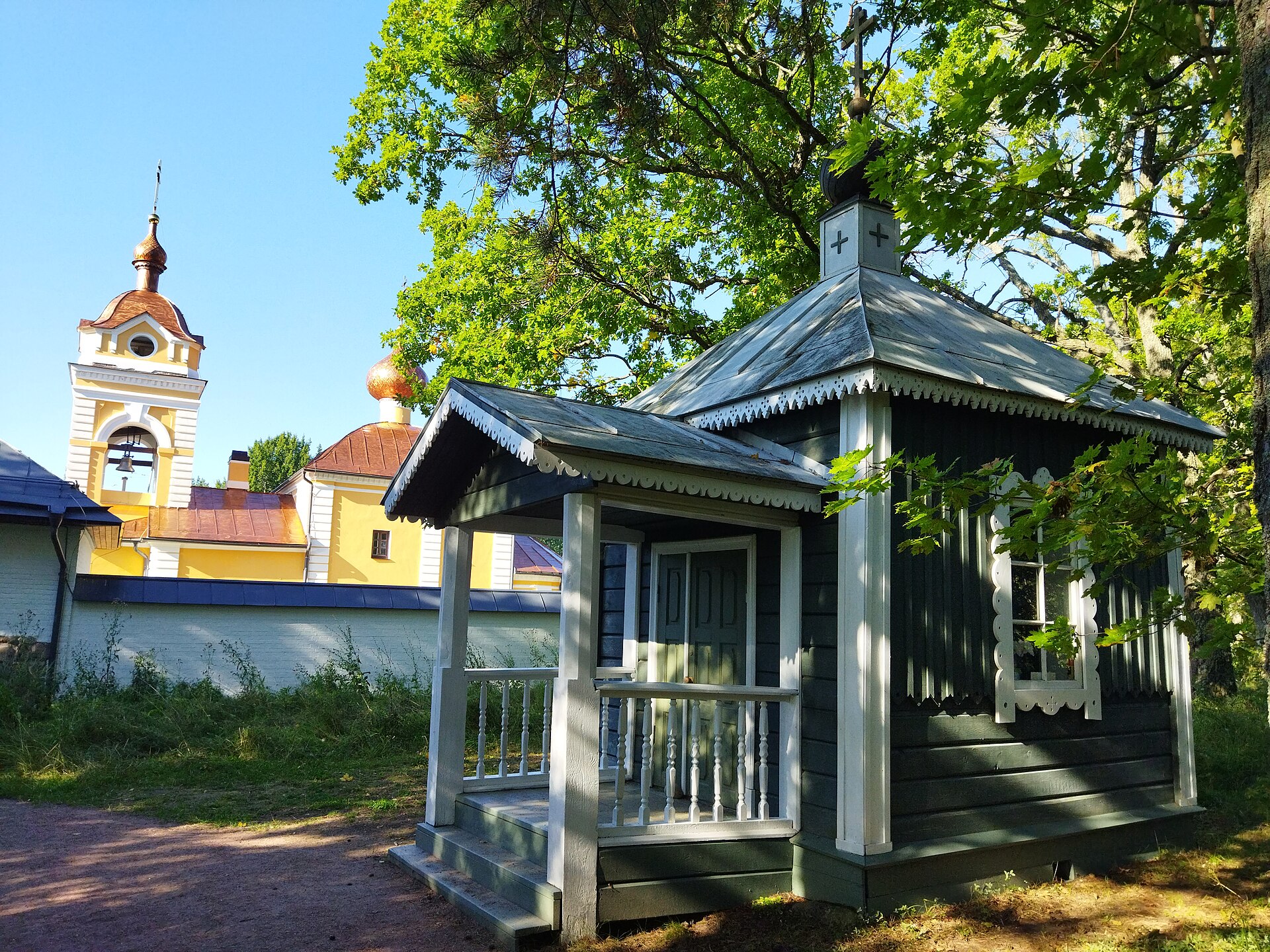
Thanks for the photo. And in this new church in Ukraine, dedicated to the Pochaev Icon, what time do services on weekends start and is it possible to just come as a pilgrim?
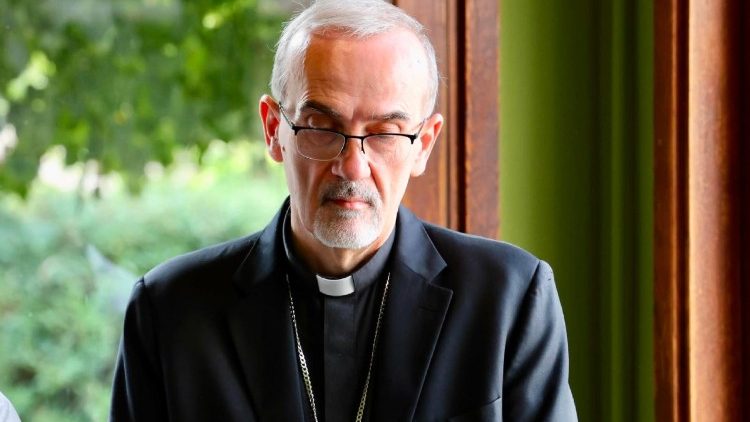
St. John Jacob of Hozeva is being remembered this week in Romanian parishes and his hometown of Bălești. Local clergy there led a quiet moleben at the house where he was born, while several Bucharest churches held evening services with his icon carried in procession after Vespers. The focus stayed on his simple monastic life in the Jordan desert and the way he kept the Jesus Prayer even while tending animals as a boy.
At the same time the Bulgarian Orthodox Church marked the feasts of two monasteries and a parish church in Veliko Tarnovo with joint liturgies that drew pilgrims from nearby towns. In the Greek Orthodox Patriarchate of Antioch the Transfiguration was kept with sunset prayers and the Divine Liturgy at the Church of the Transfiguration in Mexa, where families brought baskets of grapes to be blessed. The Orthodox Church in America invited parishes to send photos from their own Transfiguration celebrations for a coming diocesan collection.
Elsewhere the Romanian Church noted the Transfiguration as a day when fish is allowed, and the Diocese of Chios in the Church of Greece welcomed guests to a small vigil at Agios Mamadas. These local observances.
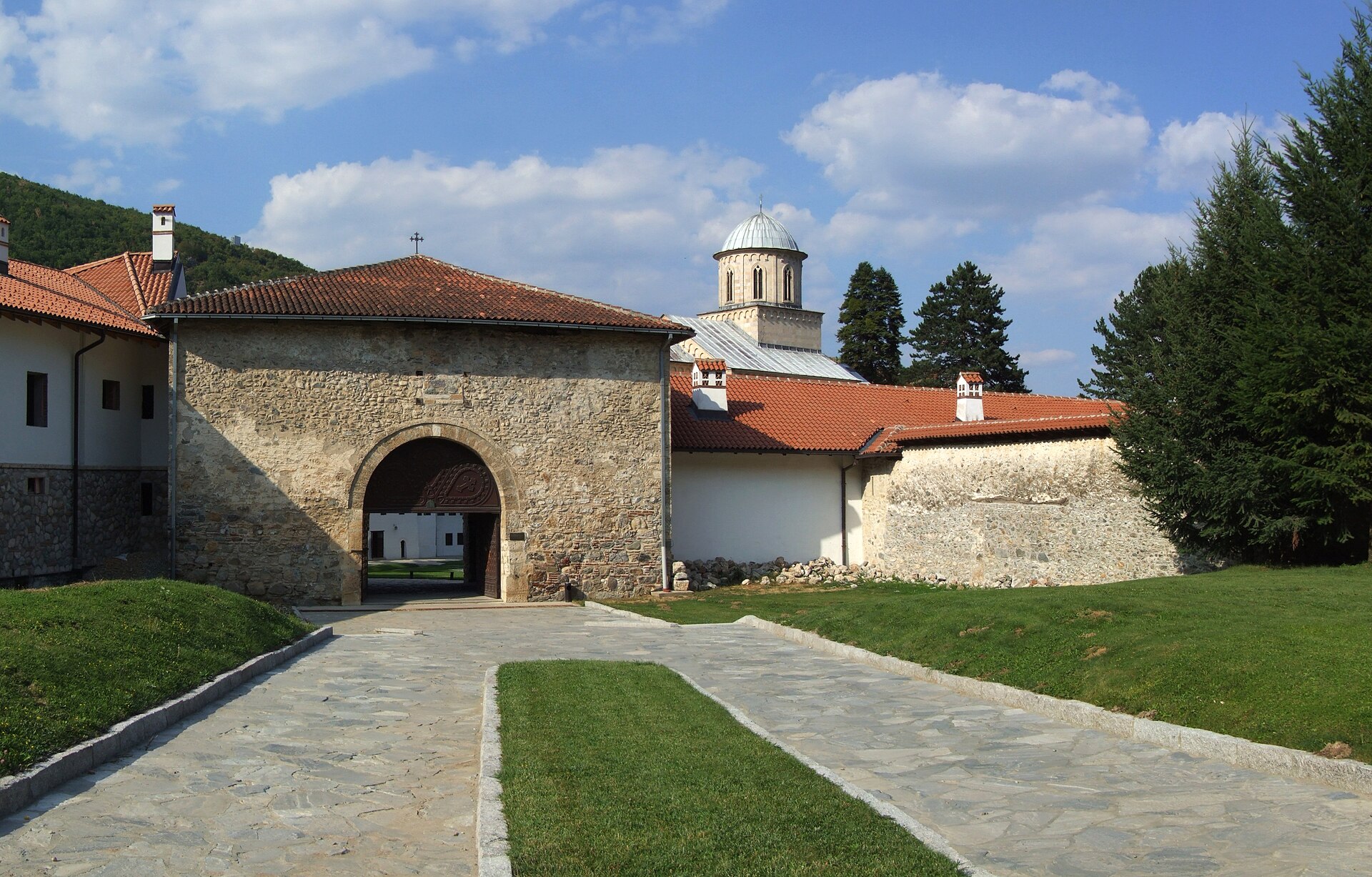
Youth gathered at the Frankfurt Institute under the Ecumenical Patriarchate for a week of prayer, study, and fellowship centered on the Transfiguration feast. In the same days the Romanian Orthodox Church published its full schedule of hierarchical services for the feast, allowing fish on the fast-free day. The Church of Greece heard Bishop Simeon of Fthiotida speak on transformation through prayer and obedience at local parishes. Meanwhile the Bulgarian Orthodox Church welcomed the Hawaiian icon of the Mother of God to the Diocese of Vratsa, where Patriarch Daniil blessed patients and doctors with it at the Medical Academy.
Across these events the focus stayed on living the feast rather than simply marking the calendar. The youth in Frankfurt joined clergy and laity already keeping the same fast and readings listed by the Ecumenical Patriarchate for August 6. Simple acts of obedience and shared meals quietly linked distant corners of the Church. The gatherings show how the Transfiguration continues to shape daily life in quiet, concrete ways.
O
Aug 6
Louisiana native and youngest Catholic bishop in the U.S. answers questions about food, faith
Orthodox Church in America · Read the article →
The Russian Church Outside Russia marked the feast of the holy passion-bearers Boris and Gleb on August 6 according to the new calendar. Metropolitan Nicholas presided at the patronal liturgy for the emerging Pochaev Monastery in Florida, where the brethren continue work on their new church building amid steady growth in the parish. At the same time, the Orthodox Church in America collected photographs from its dioceses for the upcoming Holy Transfiguration celebrations in 2026, while the Romanian Orthodox Church observed the forefeast with special mention of Saint John Jacob of Neamţ and the memory of reformer Ion Popescu-Pasărea, whose contributions to church music are still felt today. In Georgia, tensions rose at Lamaria Monastery in Ushguli over an unauthorized construction project that has disturbed the local monastic community.
These separate observances show how local needs shape the shared calendar.
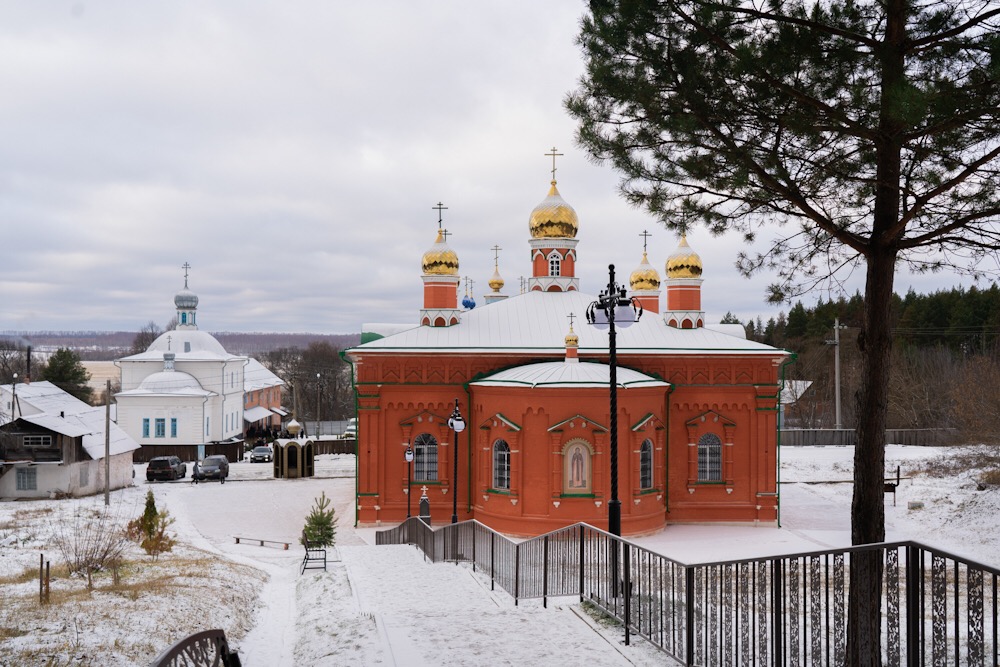

Saint Andrew's Camp in the Orthodox Church in America kicked off its summer season with daily services, hiking, and icon painting workshops that draw families from across several states. At the same time the Russian Orthodox Church Outside Russia celebrated the patronal feast at its Pochaev Monastery in Florida, where Metropolitan Nicholas led the Liturgy while the monks continue raising funds to finish their church walls. In Greece the Old Holy Monastery of Panagia Kato Xenia saw the consecration of its first full set of monastic cells, giving new space for those seeking quiet prayer. The Romanian Orthodox Church remembered St. Matrona of Hurezi, noting how her inner peace turned her into a source of harmony for everyone nearby. These four corners of church life show steady, practical steps forward in building community and sacred space.
May the Lord strengthen the hands of all who labor at these camps, monasteries, and parishes.
O
Aug 6
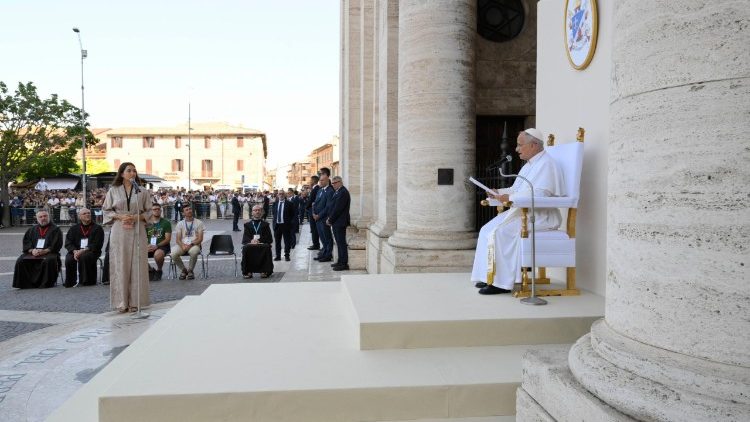
Franciscan Provincial Minister: School of St. Francis teaches the Gospel of peace
· Read the article →
Youth camps are drawing fresh energy across Orthodox communities as a practical way to shape the next generation. In Albania, church leaders are treating summer programs for teens as a long-term investment, blending daily prayer, service projects, and simple skills that keep young people connected to parish life year-round.
Similar efforts appear elsewhere. The Russian Orthodox Church just opened a teenage club at the Kazan Icon church in Kemerovo, giving local boys and girls a regular place to gather, talk, and learn alongside clergy. In the Romanian Orthodox Church, the Iași county commune rallied to buy an external defibrillator, showing the same hands-on care for community safety that camp volunteers often teach. Meanwhile, the Bulgarian Orthodox Church’s diocese in Vratsa welcomed a Hawaiian icon of the Virgin Mary, an event that drew families and reminded everyone how shared feasts anchor young lives.
These small, steady steps keep the faith tangible for teenagers who might otherwise drift. The real test comes when camp ends and ordinary weekdays begin.

The feast of Saint John Jacob of Neamţ drew Romanian parishes and his hometown into quiet celebration yesterday. In the historic monasteries around Neamţ, clergy and faithful gathered for the forefeast of the Transfiguration, remembering the ascetic who returned from the Holy Land to live as a hermit in the Romanian mountains. Metropolitan Antonie of the Romanian Orthodox Church also stopped at a newly completed parish church across the border in the Republic of Moldova, where local families offered bread and prayers for the saint’s intercession. At the same time, the Bulgarian Orthodox Church marked the day with services in two monasteries and a parish church in Veliko Tarnovo, while the Serbian Diocese of Budimljansko-Niksic held its annual diocesan glory with processions and talks on local saints.
Small crowds lingered after Liturgy to light candles and talk about the saint’s simple life of prayer and manual labor. The shared calendar date brought these different corners of the Orthodox world together without fanfare.
Even on an ordinary summer weekday the old saints still gather their people in unhurried rhythm.
Youth camps in the Orthodox Church of Albania are drawing steady attention as a practical way to form the next generation. Local parishes organize summer gatherings that mix daily prayer, simple work projects, and lessons in Scripture and church history. Similar efforts appear elsewhere. In the Russian Orthodox Church, pupils from the TechnoLand camp recently toured churches in Rogachev, learning about local saints and architecture firsthand. The Romanian Orthodox Church marked the forefeast of Transfiguration with its usual blend of fasting and preparation, quietly reminding families of the feasts that shape young lives. Meanwhile the Bulgarian Orthodox Church welcomed a Hawaiian icon of the Virgin Mary to the Diocese of Vratsa, an event that drew families and children for veneration and talks on Marian devotion.
These camps and visits function as low-key investments, giving teenagers concrete memories of worship and community rather than abstract ideas. The Georgian Orthodox Church faced a separate dispute at Lamaria Monastery over building permits, showing how even established sites require careful oversight. Across these varied settings the pattern holds: steady, face-to-face formation matters more than grand programs.
May these local churches and their young people be kept in prayer.
O
Aug 6
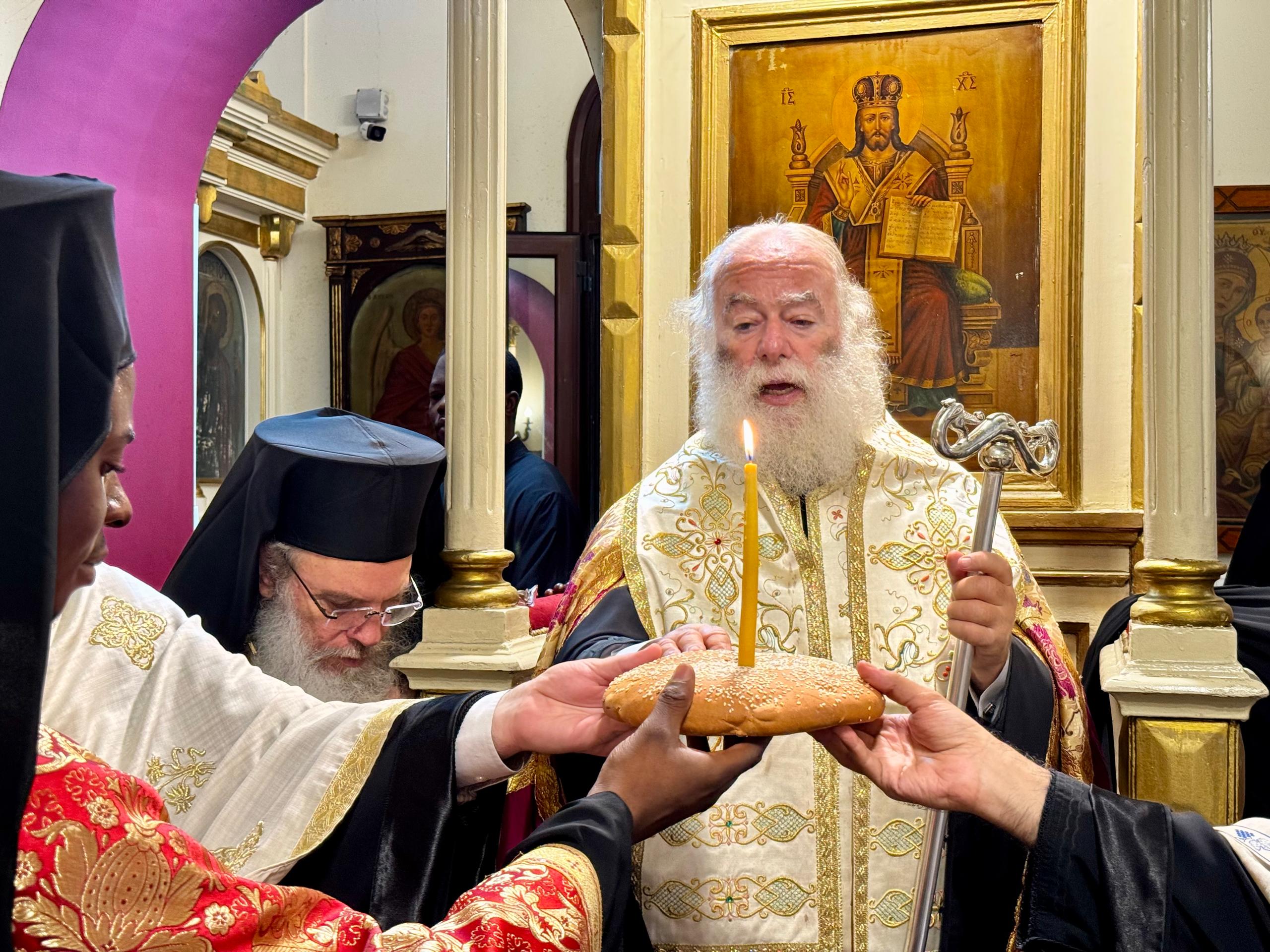
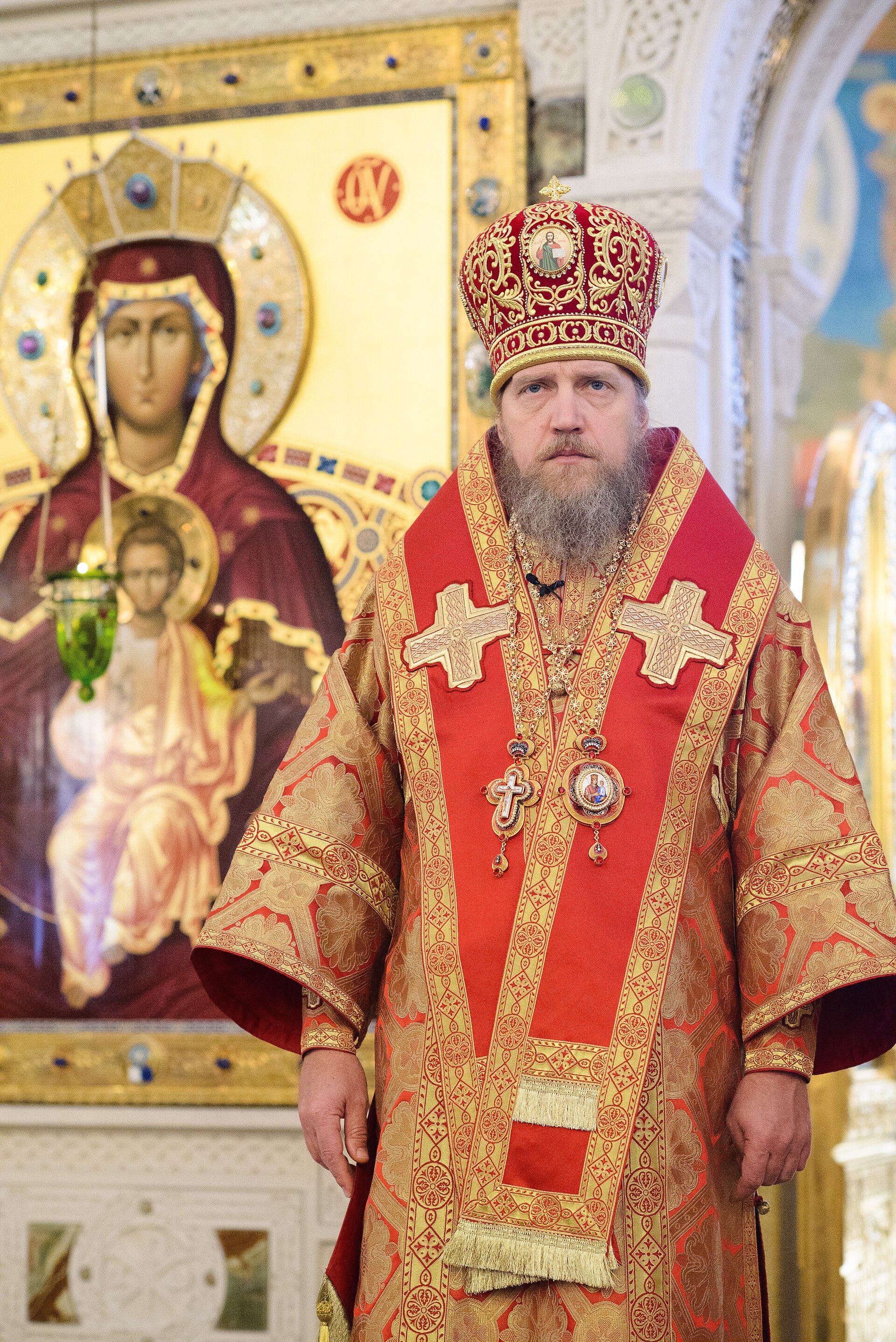
The Patriarch of Alexandria at the Patriarchal Church of St. Nicholas in Ibrahimieh
· Read the article →
The Russian Church Outside Russia marked the feast of the holy passion-bearers Boris and Gleb on August 6 according to the new calendar. Services highlighted their example of forgiveness and non-resistance, with many parishes reading the lives of the princely brothers who chose martyrdom over civil war.
At the same time the Bulgarian Orthodox Church saw Patriarch Daniil visit the Medical Academy, where he blessed staff and patients with the Hawaiian icon of the Mother of God. In Georgia, tensions rose at Lamaria Monastery in Ushguli after reports of unauthorized building work on the historic site. The Orthodox Church in America prepared for the premiere of a new setting of the Divine Liturgy composed in memory of Archbishop Dmitri, scheduled soon in Dallas.
These quiet observances and local labors continue across distant dioceses. May the communities keeping the memory of Boris and Gleb, the Bulgarian faithful at the hospital, the Georgian monks, and the American choir preparing their music all be held in prayer.
Youth gathered at the Frankfurt Institute under the Ecumenical Patriarchate for a week of prayer, talks, and shared meals focused on living the faith in a secular city. The program mixed morning liturgies with evening discussions on how young people navigate work, studies, and family expectations.
Meanwhile the Romanian Orthodox Church released its detailed schedule of hierarchal services for the feast of the Transfiguration, reminding parishes of the exact order of hymns and processions. In Greece, Metropolitan Timothy of Thessali addressed a lingering question in a new reflection: why the Church rarely speaks about the death of the Virgin Mary. Over in North America the Orthodox Church in America invited parishes to send in photos from their Holy Transfiguration celebrations so the diocesan media office can compile a shared album.
The Serbian Orthodox Church issued a statement of gratitude for continued support of church unity, while the Bulgarian Diocese of Vratsa prepared a warm welcome for the visiting Hawaiian icon of the Mother of God.
These quiet preparations for feasts and youth encounters keep rolling on.