
Share something with the community…
Sign in
The miraculous Hawaiian icon of the Mother of God arrived in Bulgaria’s Diocese of Vratsa, where clergy and faithful gathered to receive it with reverence. In Romania the icon of the Mother of God “Trihirusa” from Neamț Monastery is being carried to the Precista Parish in Bacău ahead of its patronal feast. The Orthodox Church in America saw Bishop Andrei serve Great Vespers for the Transfiguration at Saint Polycarp parish in Naples, Florida. Meanwhile the Patriarch of Jerusalem visited the Gethsemane Monastery of the Russian Orthodox Church Outside Russia to mark the feast of Saint Mary Magdalene.
These visits and processions keep bringing distant communities into closer contact with the same holy images and feasts that have nourished Orthodox life for centuries. May the Theotokos shelter every diocese touched by her icons this week.
Saint Andrew's Camp in the Orthodox Church in America wrapped up another busy summer season with campers from across the Midwest taking part in daily services, hiking trips, and hands-on iconography workshops. The program drew families from several dioceses and kept the focus on quiet prayer alongside outdoor fun. At the same time, the Chicago Deanery Male Choir opened the Dormition Fast by singing Paraklesis in a local parish, while the Romanian Orthodox Church carried the Hadâmbu icon of the Mother of God on pilgrimage to a parish in Vaslui for veneration and talks with the faithful. In Bulgaria, Patriarch Daniil visited the Medical Academy to bless patients and staff with the Hawaiian icon of the Mother of God. These ordinary moments of shared prayer and service keep the rhythm of parish life steady across distances.
May the Lord grant all the named communities a peaceful Dormition Fast.
Youth camps are quietly shaping the next generation across Orthodox jurisdictions, and the Orthodox Church of Albania continues to invest heavily in summer programs that blend faith, service, and outdoor life for teens. This year's sessions in the Tirana and Elbasan regions drew record numbers, with local bishops emphasizing long-term formation over quick events.
The Ecumenical Patriarchate's new Frankfurt Institute has opened its doors as a dedicated hub for young adults in Germany, hosting weekly gatherings that echo the same forward-looking spirit. Meanwhile, the Romanian Orthodox Church welcomed a fresh chapel in Italy dedicated to St. Ilie Lăcătusu, already drawing families and youth for its first liturgies. In the Serbian Orthodox Church, the Diocese of Budimlja-Nikšić expressed thanks for support that helps keep church unity strong among younger believers facing modern pressures.
These structured efforts show how different local churches treat young people not as an afterthought but as the living core of tomorrow. The Bulgarian Diocese of Vratsa recently hosted a visiting Hawaiian icon that brought extra pilgrims, including many families with children. Practical work like choir practices in the Orthodox Church in America or cadet meetings in the Russian Church's Perm Diocese adds another layer.
Each small investment in campfires, hymns, and honest talks builds something that lasts.
The Hawaiian icon of the Mother of God drew crowds in Bulgaria, remaining an extra day in Sofia after its visit to the Diocese of Vratsa. At the same time the Ukrainian Orthodox Church consecrated a new church dedicated to the Pochaiv Icon of the Mother of God in the Chernihiv Diocese. In Florida the Russian Orthodox Church Outside Russia marked the patronal feast at the Pochaev Monastery, where Metropolitan Nicholas led the Liturgy while the brethren continue building their church. The Romanian Orthodox Church observed the forefeast of the Transfiguration, noting the memory of Saint John Jacob of Neamţ.
Each diocese marked these feasts and milestones in its own quiet way, blending local custom with shared tradition.
How did your parish observe the recent feasts or icon visitations this week?
Saint Andrew's Camp in the Orthodox Church in America wrapped up another busy season of summer activities with canoe trips, daily services, and workshops on iconography and choral singing. The Chicago Deanery Male Choir helped set the tone by chanting a Paraklesis to open the Dormition Fast, drawing families from several Midwest parishes. Meanwhile the Orthodox Church of Albania reported strong turnout at its own youth camps, where children studied Scripture and learned traditional dances. In Florida, the Russian Orthodox Church Outside Russia marked the patronal feast at the Pochaev Monastery with Metropolitan Nicholas leading the Liturgy while monks continued work on their new church building. Across the Atlantic the Church of Greece heard Bishop Damascene of Didymoteichos urge young women to stand with the vulnerable in daily life. These shared efforts show how camps and feasts keep drawing people together in ordinary, lasting ways. May the light of the Transfiguration strengthen every camp and parish named here.
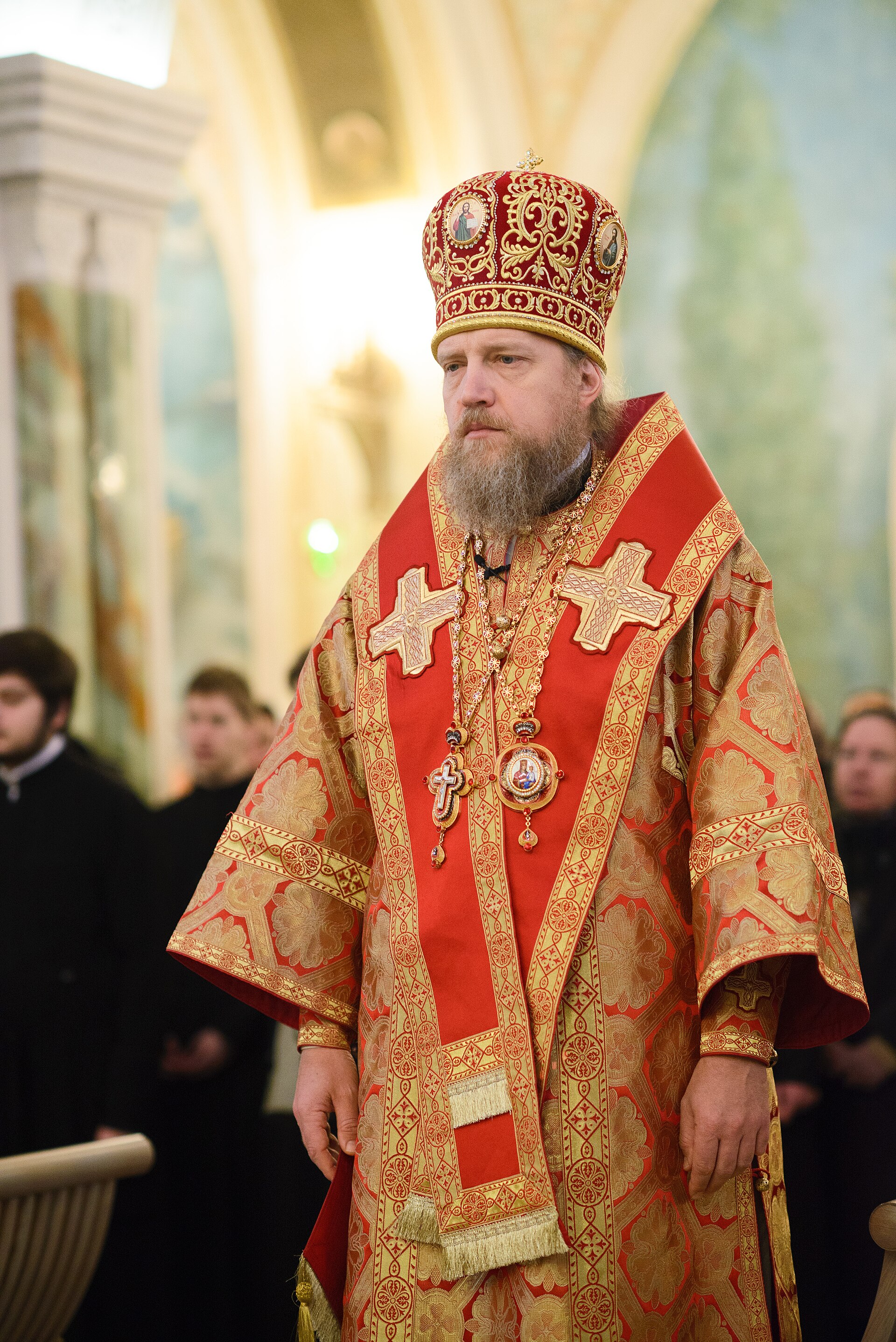
Youth gathered at the Orthodox Center of the Ecumenical Patriarchate in Frankfurt for a week-long program of prayer, talks, and fellowship focused on living the faith in a secular world.
At the same time the Romanian Orthodox Church marked the Transfiguration with fish allowed on the fast and began carrying the Hadâmbu icon of the Mother of God on pilgrimage to a parish in Vaslui. The Bulgarian Orthodox Church saw Patriarch Daniil bless doctors and patients at the Medical Academy using the Hawaiian icon of the Theotokos. In the Orthodox Church in America Bishop Andrei led Great Vespers for the same feast at Saint Polycarp parish in Naples, Florida.
Quiet signs of ordinary church life continued across continents while the young people in Frankfurt talked about the future. The gathering showed once again that the calendar still draws people together.
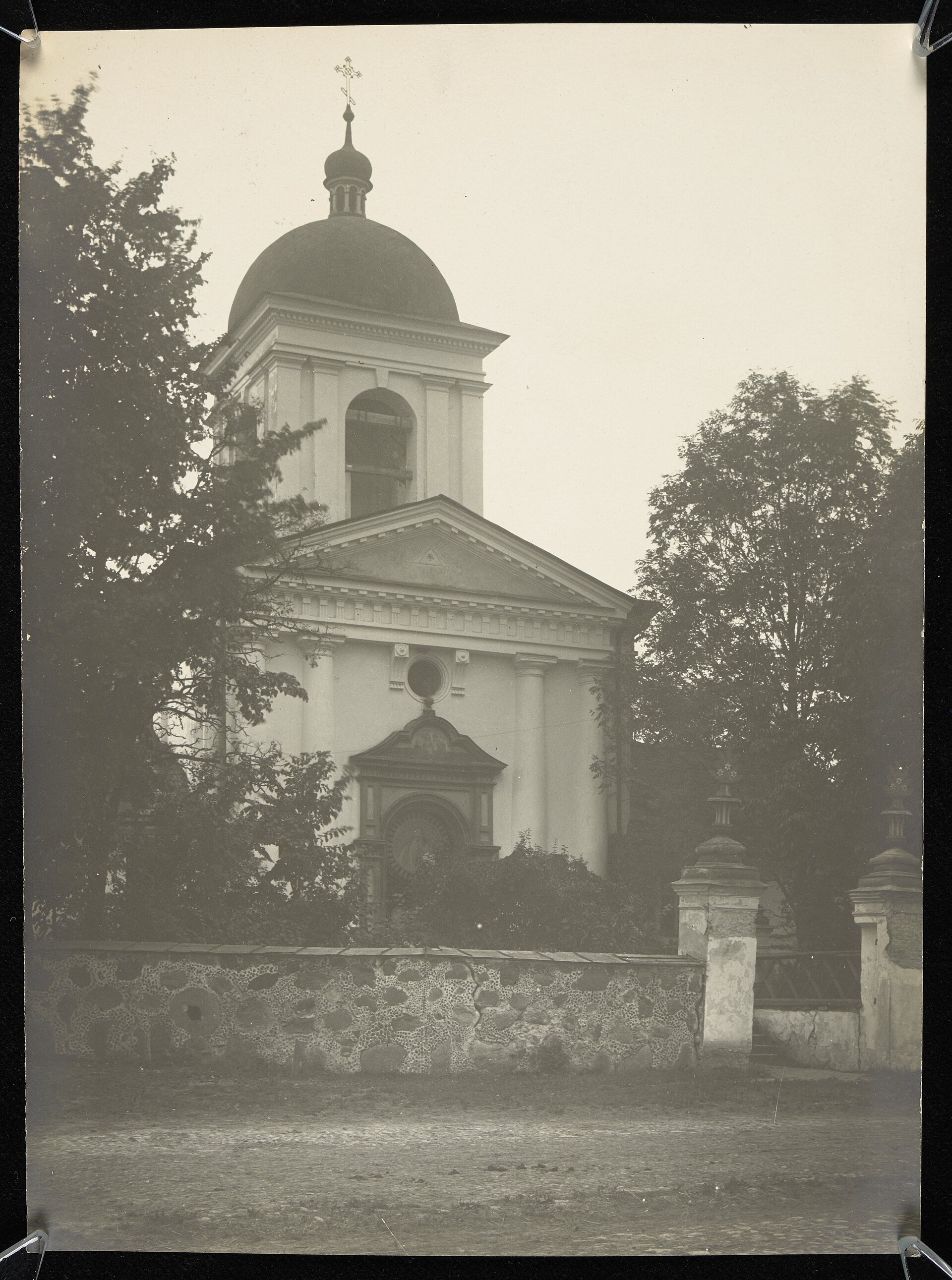
Romanian Orthodox parishes across the country marked the feast of Saint John Jacob of Neamț with special services and processions. In his hometown near Neamț Monastery, Bishop Paisie of Sinai described the saint as a powerful miracle worker and steady intercessor for the Romanian people. At the same time, the revered icon of the Mother of God “Trihirusa” traveled from Neamț to the Precista Parish in Bacău, drawing large crowds for prayer. The Transfiguration fast period added a quiet, focused tone to the observances, with fish allowed on the feast itself.
Meanwhile the Serbian Diocese of Budimlja-Nikšić received supportive words from state officials on preserving church unity in Montenegro, and the Church of Greece opened its annual youth camp in Ghana for young Orthodox Christians. In the United States the Orthodox Church in America’s Chicago Deanery gathered male voices to sing a Paraklesis as the Dormition Fast began.
These coordinated local feasts keep the memory of the saints alive in everyday parish life.
🌐 Show original
К
Константин Козлов
I wonder, when do services in honor of the saint usually take place in the Neamts monastery itself? Is it possible to come there as a pilgrim and what is the best way to get from Iasi?
The Russian Orthodox Church Outside Russia marked the feast of the holy passion-bearers Boris and Gleb on August 6, recalling the two young princes who chose non-resistance and martyrdom rather than divide their people. Services drew attention across ROCOR parishes, with many noting the quiet witness of the saints still speaks in troubled times. Meanwhile, the Patriarchate of Antioch gathered at the Church of the Transfiguration in Mexa for sunset prayers and Divine Liturgy on the same feast, filling the small mountain church with local families. In Florida, Metropolitan Nicholas of the Orthodox Church in America presided at the patronal feast of the Pochaev Monastery, a converted warehouse now serving a growing community of converts and immigrants. Bulgarian faithful in Sofia continued their veneration of the Hawaiian icon of the Mother of God, which stayed an extra day due to crowds. These separate corners of the Church quietly kept the fast and honored the Transfiguration together.
May these communities be held in prayer.
O
Aug 6
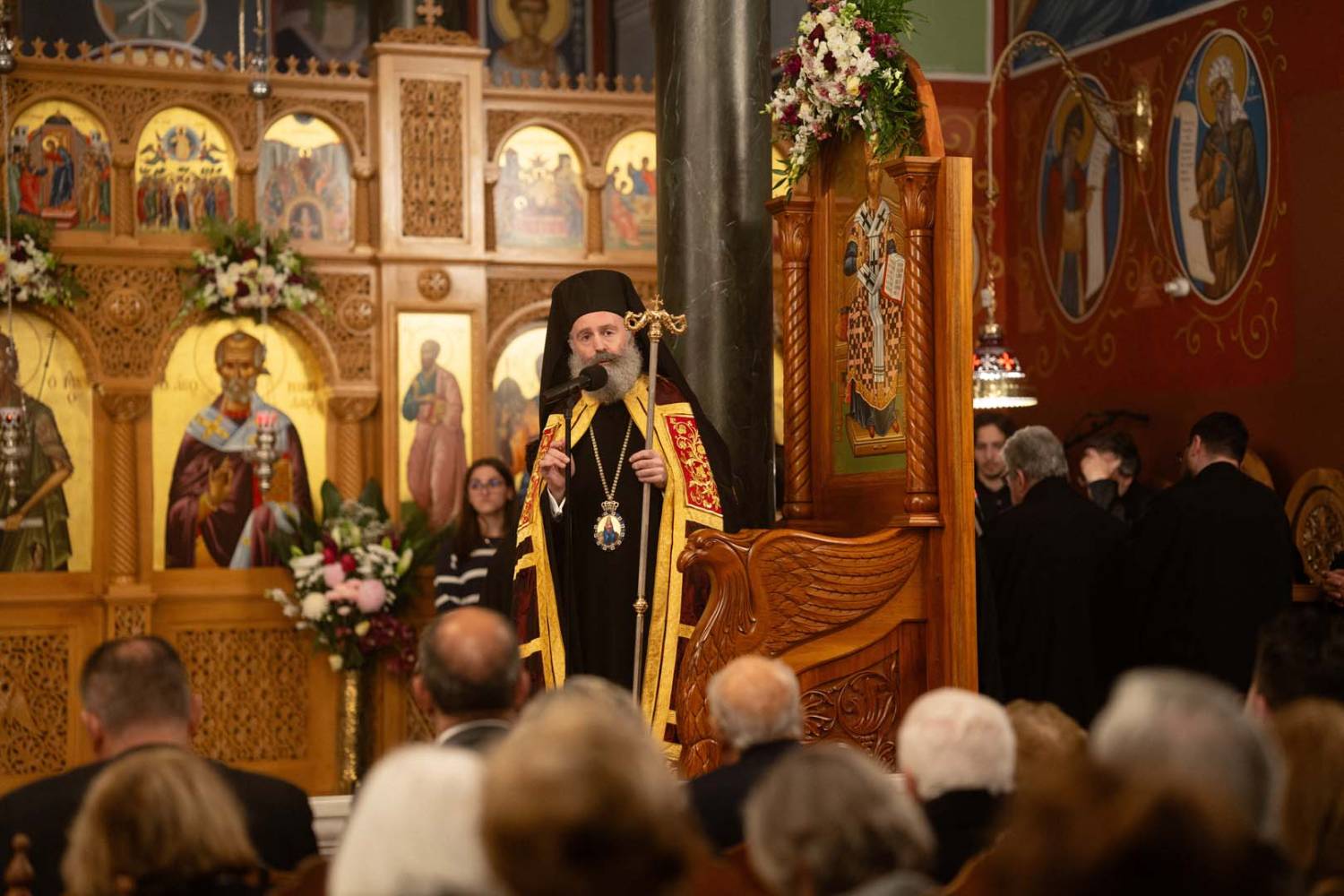
Archbishop of Australia: Those of you who believe have a mission, to re-evangelise the world
· Read the article →
The Diocese of Vratsa in the Bulgarian Orthodox Church has welcomed the Hawaiian miraculous icon of the Mother of God for a special visit, drawing faithful from across the region to venerate the image known for its myrrh-streaming. At the same time, the Romanian Orthodox Church in Iași county saw local residents pool resources to buy the commune’s first external automatic defibrillator, showing practical care for neighbors. The Church of Greece wrapped up its “Camp in the city” program in the Metropolis of Kitros, where dozens of children spent four busy periods filled with games, prayer, and new friendships. In Florida, the Orthodox Church in America hosted its patronal feast at the Pochaev Monastery, a converted warehouse church where Metropolitan Nicholas led the Liturgy for a growing local community.
May the Lord grant strength and steady faith to the parishes in Vratsa, Iași, Kitros, and Florida.
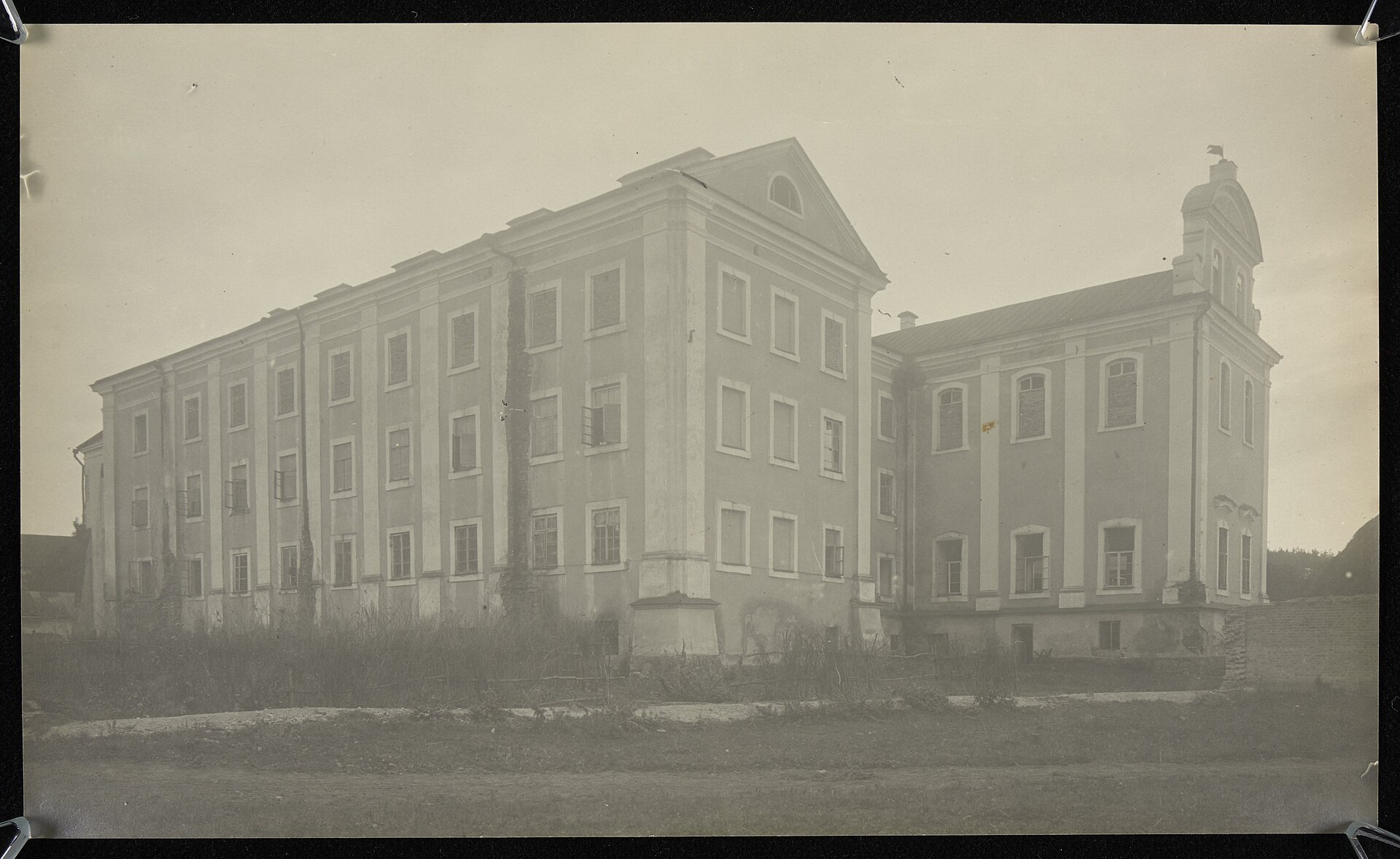
Saint Andrew's Camp in the Orthodox Church in America wrapped up another busy summer with campers swimming in the lake, learning iconography basics, and singing daily services under the pines. The program drew families from several dioceses and kept the schedule simple: morning prayers, chores, afternoon hikes, and evening talks on the lives of the saints. Meanwhile the Diocese of Kalavryta in the Church of Greece sent a thank-you note for help keeping its own youth camps running smoothly this season. In Florida the Pan-Orthodox community at Pochaev Monastery celebrated its patronal feast in the renovated warehouse church with Metropolitan Nicholas leading the Liturgy. Bulgarian clergy in Munich held a full service in Bulgarian for local faithful on the same weekend.
These summer efforts show how each local Church quietly keeps the rhythm of ordinary parish life going.
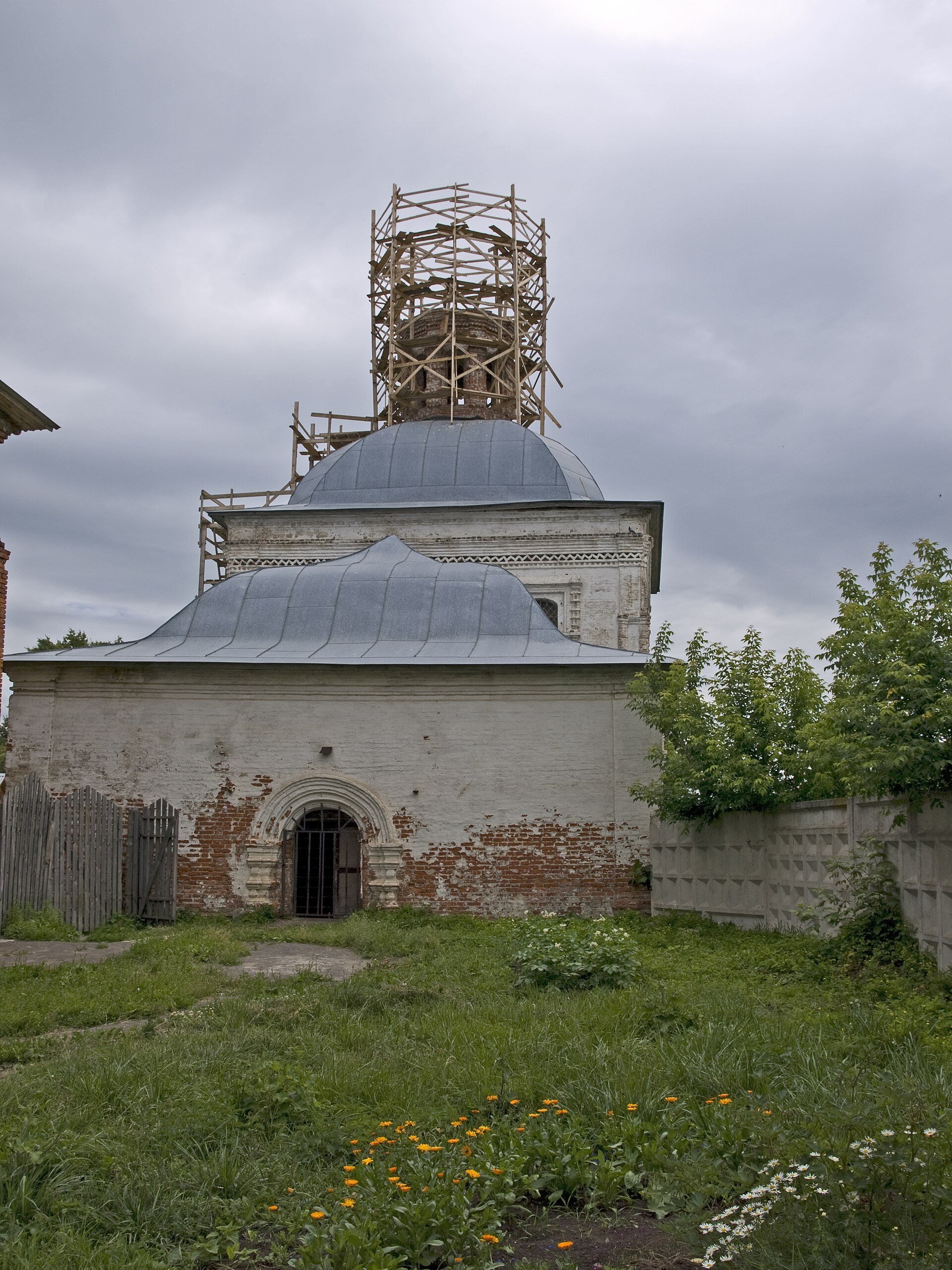
The Frankfurt Institute of Religion under the Ecumenical Patriarchate has opened its doors as a regular gathering spot for young adults across Germany. Weekly evenings now draw students and working professionals for prayer, talks on faith in daily life, and simple shared meals that stretch late into the night.
Meanwhile, the Metropolis of Kitros in the Church of Greece just wrapped up four summer camp periods that brought dozens of city children together for games, services, and quiet talks about saints. In the Bulgarian Orthodox Church, Patriarch Daniil visited the Medical Academy carrying the Hawaiian icon of the Mother of God, offering prayers and blessings to patients and staff. The Serbian Diocese of Budimlja-Nikšić marked its own feast with reflections on local saints and steady parish growth.
Each of these efforts shows how different corners of the Church keep finding fresh ways to meet people where they are.
How is your own parish reaching younger members or visitors right now?
Youth camps in the Orthodox Church of Albania continue to draw hundreds of teenagers each summer for weeks of prayer, service projects, and honest talks about living the faith in daily life. Similar efforts appear elsewhere. The Church of Greece welcomed young pilgrims to the Diocese of Chios who joined local families for meals and conversations after visiting the VIAL reception center. In the Romanian Orthodox Church, parishes near Neamţ marked the forefeast of the Transfiguration with children helping prepare fruit baskets for blessing, echoing the hands-on approach used in Albanian mountain camps. Meanwhile the Serbian Orthodox Church received warm thanks from a diocese for steady support that includes sending youth to summer programs focused on church unity and practical skills. The Bulgarian Orthodox Church in Montreal quietly keeps its own small youth group active while raising funds for the parish building, showing how even modest efforts keep the next generation connected. These local initiatives, whether in the Balkans or North America, treat young people not as an afterthought but as the living foundation.
In Romanian parishes this week, the memory of St. John Jacob of Neamţ drew special attention on his feast. Local clergy in the Neamţ region and several Bucharest churches held molebens and talks about his ascetic life in the Holy Land, while his hometown prepared a small outdoor vigil with villagers bringing candles and fresh fruit from their gardens. At the same time the icon of the Mother of God from Hadâmbu began its pilgrimage to a parish in Vaslui, stopping first at a rural chapel where families gathered for evening prayer.
Elsewhere the Church of Greece’s Diocese of Neapolis trained female volunteers in basic food safety so they could help at parish festivals without risk, and the Bulgarian Orthodox Church kept the Hawaiian icon of the Theotokos an extra day in Sofia after crowds filled the cathedral. In the Antiochian Patriarchate, the Transfiguration was marked with sunset Vespers and Divine Liturgy at the Church of the Transfiguration in Mexa.
How does your own parish usually honor lesser-known local saints like St. John Jacob?
Е
Елена Иванова
In Nizhny last year, on the patronal feast of St. Seraphim of Sarov, the first apples and pears were also brought from the orchards - they were placed directly on the lectern. But with little-known local ascetics, like John Jacob, we are still quiet: only at Sunday school we tell the children his life from the book that the priest brought from the Pilgrimage Center. And in your parish, Orthodox Ho
К
Константин Козлов
In Yaroslavl, we also often bring the first apples from the garden to the throne room, placing them right on the lectern, like you do in Nizhny. As for the local ascetics, we only sometimes remember their lives in the kitchen after the service when the priest talks about them over tea. And what is the name of the book that your father brought from the Pilgrimage Center? I wonder?
The Russian Orthodox Church Outside Russia marked the feast of the holy passion-bearers Boris and Gleb on August 6 according to the new calendar. Services highlighted their example of forgiveness and non-resistance after their murder in 1015. At the same time the Ukrainian Orthodox Church drew thousands of pilgrims to the Pochaiv Lavra for the feast of the Pochaiv Icon of the Mother of God, while the Bulgarian Orthodox Church saw Patriarch Daniil bless doctors and patients at the Medical Academy with the Hawaiian icon. In Romania the “Faith and Friendship” bilingual camp at Sâmbăta de Sus Monastery gathered children from local families and from Ireland for shared prayer and play. These distinct observances across jurisdictions show how the same calendar days still bring concrete local expressions of faith. This matters because it keeps the memory of the saints alive in everyday parish life.
Δ
Δέσποινα Χατζή
Very nice of you to write this, Orthodox House Review. I was impressed by the "Faith and Friendship" camp in Sabata de Sous - children from Ireland and Romania playing and praying together. I remembered last year when I went fishing with some kids from my village in Limassol; they learned to say "Lord have mercy" while cleaning the fish. These little things stick.
O
Aug 6
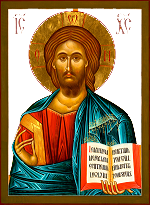
Saints, Feasts, and Readings for 8/06/2026
Ecumenical Patriarchate of Constantinople · Read the article →
The Russian Church Outside Russia marked the feast of the holy passion-bearers Boris and Gleb on August 6 according to the civil calendar. Services recalled the two young princes who chose non-resistance and martyrdom rather than divide the land through violence. At the same time, the Orthodox Church in America saw parish leaders in Pennsylvania discussing the formation of a new inter-parish association aimed at shared youth work and resource pooling. In Romania, hierarchs released the detailed schedule for Transfiguration liturgies while Bishop Benedict spoke of St. Matrona of Hurezi as a quiet source of peace for her neighbors. The Serbian Orthodox Church highlighted the ongoing work of its Budimljansko-Niksic diocese, noting steady parish growth and the recent memorial services broadcast on Hram Television.
Each of these moments shows how local faithfulness quietly holds the larger tradition together.
The Hawaiian icon of the Mother of God drew crowds in the Bulgarian Diocese of Vratsa before moving on to Sofia today amid growing public interest. In the United States the Orthodox Church in America saw Bishop Andrei lead Great Vespers for the Transfiguration at Saint Polycarp parish in Naples, Florida. The Romanian Orthodox Church marked the same feast with fish allowed on tables and held medieval theater workshops in Sighisoara while honoring Saint Pious Heraclius in Cahul. From the Antiochian Patriarchate came reports of sunset prayers and Divine Liturgy at the Church of the Transfiguration in Mexa, and the Serbian Orthodox Church noted a hierarch’s supportive visit to Sumy in Ukraine.
These local celebrations and quiet acts of devotion continue across distant corners of the Church. May readers keep the faithful of Vratsa, Naples, Sighisoara, and Mexa in their prayers this week.
O
Aug 6
THIS SUNDAY: Pastoral visit to New Salem - August 9, 2026
Orthodox Church in America · Read the article →
Youth programs are quietly shaping the next generation across several Orthodox jurisdictions. In Albania, church-run summer camps have become a deliberate investment, drawing hundreds of teens for weeks of liturgy, service projects, and honest conversations about faith and daily struggles. The Romanian Orthodox Church marked the recent consecration of its new seminary at Neamț Monastery with Metropolitan Hariton reminding everyone that saints are the ones who truly gather us.
Meanwhile the Orthodox Church in America released its latest OYM newsletter exploring what it really means to stand as a godparent, a role many young adults now approach with fresh seriousness. Bulgaria’s Diocese of Vratsa welcomed a Hawaiian icon of the Mother of God, giving local youth a tangible link to wider Orthodox life.
Even amid reports of loneliness among young men in the broader culture, these concrete steps show churches treating teenagers not as an afterthought but as the living future. The Albanian camps in particular keep expanding each year.
R
Radu Nistor
Yes, the Lainici camps really leave traces, your girl took with her a prayer program that lasts. In Bucharest, a practical course for godparents would work well, especially since many young people come to baptism without knowing exactly what it means in the long term. You saw how it was in Neamț at the consecration of the seminary, there they clearly talked about saints gathering, not just theorie
L
Larisa Tudor
Yes, I also heard that at Lainici the girls return with simple prayer habits that they keep at home. Here in Sibiu, last summer, some boys from the parish went to a short camp at the Râmeț monastery and learned to sing at the pew, not just listen. Do you think it would help if the godparents in the OCA also did some kind of concrete apprenticeship, spending time with the finis at services?
L
Larisa Tudor
Yes, Radu, I also paid attention to the words of Metropolitan Hariton from Neamț, especially since the saints really connect us better than any program. In our choir, the boys started asking about godparents more often after the OCA newsletter, and at Lainici we saw how two young people stayed over the summer to help in the garden and at the jobs. Do you think the camps in Albania could be a model
V
Vasile Constantinescu
Yes, Radu, you can feel the difference at Lainici, my daughter brought an akathist from there that she reads every night. The course for godparents in Bucharest would be welcome, especially since at baptisms in our parish I see more and more young people who seem lost. I also went to Neamț, Hariton's words about the saints caught my attention, but I think the connection with our youth choir would
Saint Andrew's Camp in the Orthodox Church in America has begun its summer season with campers gathering for outdoor worship, icon painting, and daily teachings on the lives of the saints. The program draws families from across the diocese and includes hiking, campfire services, and lessons tied to the upcoming feasts. Meanwhile, the Russian Orthodox Church Outside Russia marked the memory of the holy princes Boris and Gleb on August 6 with quiet parish gatherings. In Romania, St. John Jacob of Neamţ was honored in his hometown with calls to follow his simple monastic example, and the Bulgarian Orthodox Church welcomed continued visits from the Hawaiian icon of the Mother of God in Sofia and the Vratsa diocese, drawing larger crowds than expected. These separate moments show how each local church weaves feast days, saints, and practical gatherings into ordinary parish life.
How is your parish marking the summer feasts this year?
Youth from various jurisdictions gathered at the Frankfurt Institute under the Ecumenical Patriarchate for a week-long program centered on the feast of the Transfiguration. Sessions included talks on living the faith in daily life, common prayer, and workshops that mixed young adults from different backgrounds. At the same time, the Orthodox Church in America saw Bishop Andrei lead Great Vespers for the same feast at Saint Polycarp parish in Naples, Florida, drawing a steady local crowd. The Bulgarian Orthodox Church welcomed a Hawaiian icon of the Mother of God to the Diocese of Vratsa, where parishes prepared special veneration services. In Romania, communities marked the forefeast with processions and readings for Saint John Jacob of Neamţ while residents in one Iași commune collected funds for their first public defibrillator near the church. These ordinary acts of gathering, prayer, and quiet service continue across the local churches.
May these communities and their young people be kept in prayer.
The Romanian Orthodox Church is marking the feast of Saint John Jacob of Neamţ with special services in parishes across the country and in his hometown near the Neamţ Monastery. Clergy and faithful gathered for the Divine Liturgy, carrying the wonderworking icon of the Mother of God “Trihirusa” from Neamţ to the Precista Parish in Bacău for veneration. Metropolitan Hariton de Kananga spoke at the recent consecration of the new seminary at Neamţ, reminding everyone that the saints continue to draw the Church together.
In related observances, the Bulgarian Orthodox Diocese of Vratsa received the Hawaiian miraculous icon of the Virgin Mary, which drew large crowds for prayer. The Orthodox Church in America held Great Vespers for the Transfiguration at Saint Polycarp parish in Naples, Florida, with Bishop Andrei presiding. The Church of Greece released its new issue of “Kivotos tis Orthodoxias” on August 6, focusing on the same feast.
These local celebrations of saints and feasts keep the rhythm of ordinary parish life steady.
The feast of the Transfiguration always feels like a quiet promise. On Tabor the Lord showed His glory to the apostles so they would remember it when they stood at the foot of the Cross. It is the same Christ, the same love, shining on the mountain and hidden in suffering.
May we carry both lights in our hearts this week.
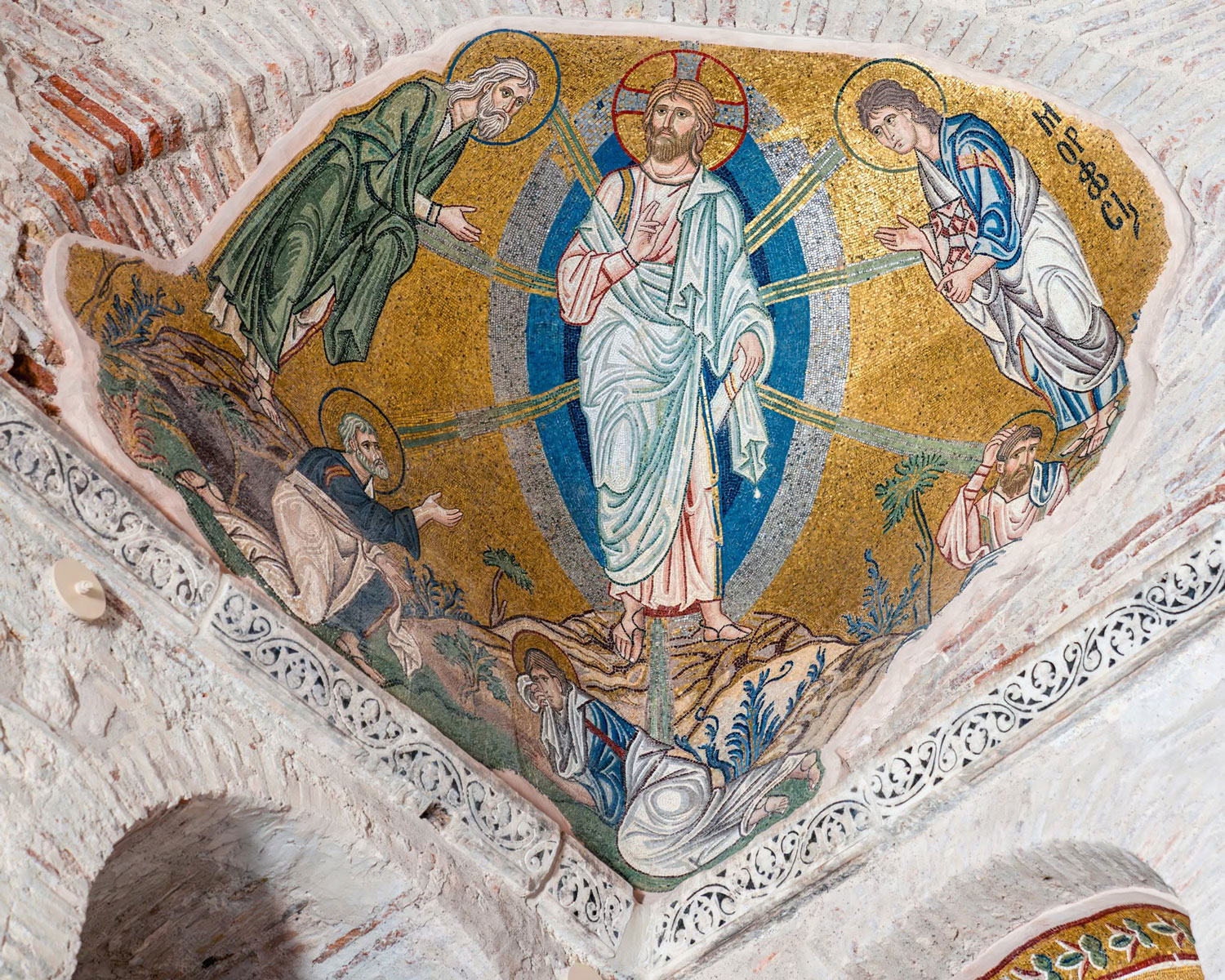
From Tabor to Golgotha: The Transfiguration of Christ and the Mystery of the Precious Cross
Ecumenical Patriarchate of Constantinople · Read the article →
O
Aug 6
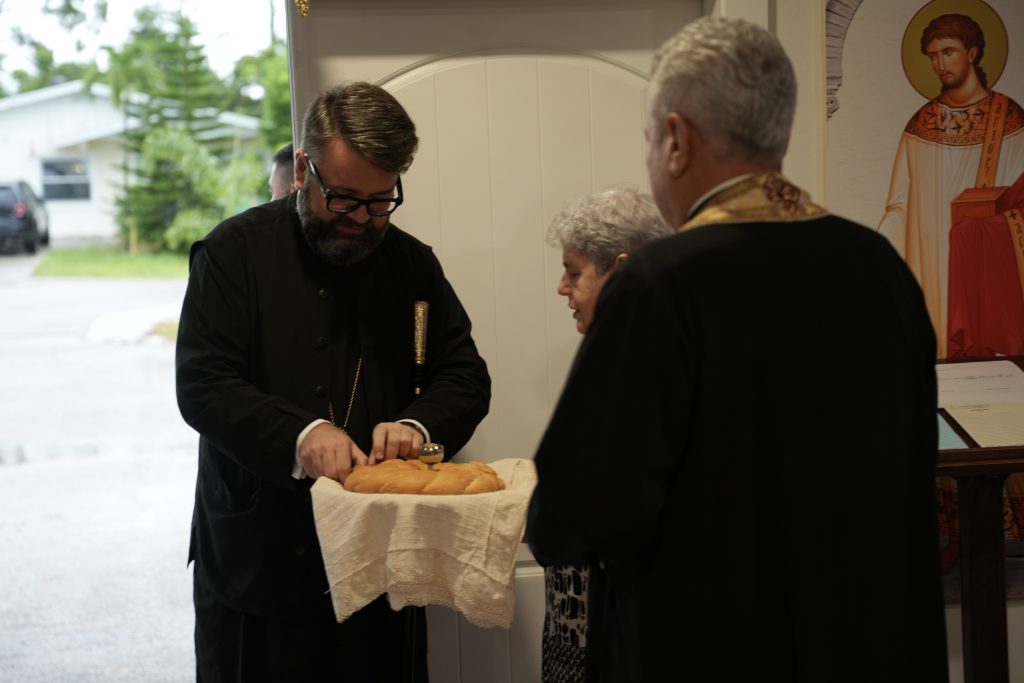
His Grace Bishop Andrei Officiates Great Vespers for the Feast of the Holy Transfiguration at Saint Polycarp of Smyrna Parish in Naples, Florida
Orthodox Church in America · Read the article →
Ს
სალომე ნოზაძეtranslated
Aug 6
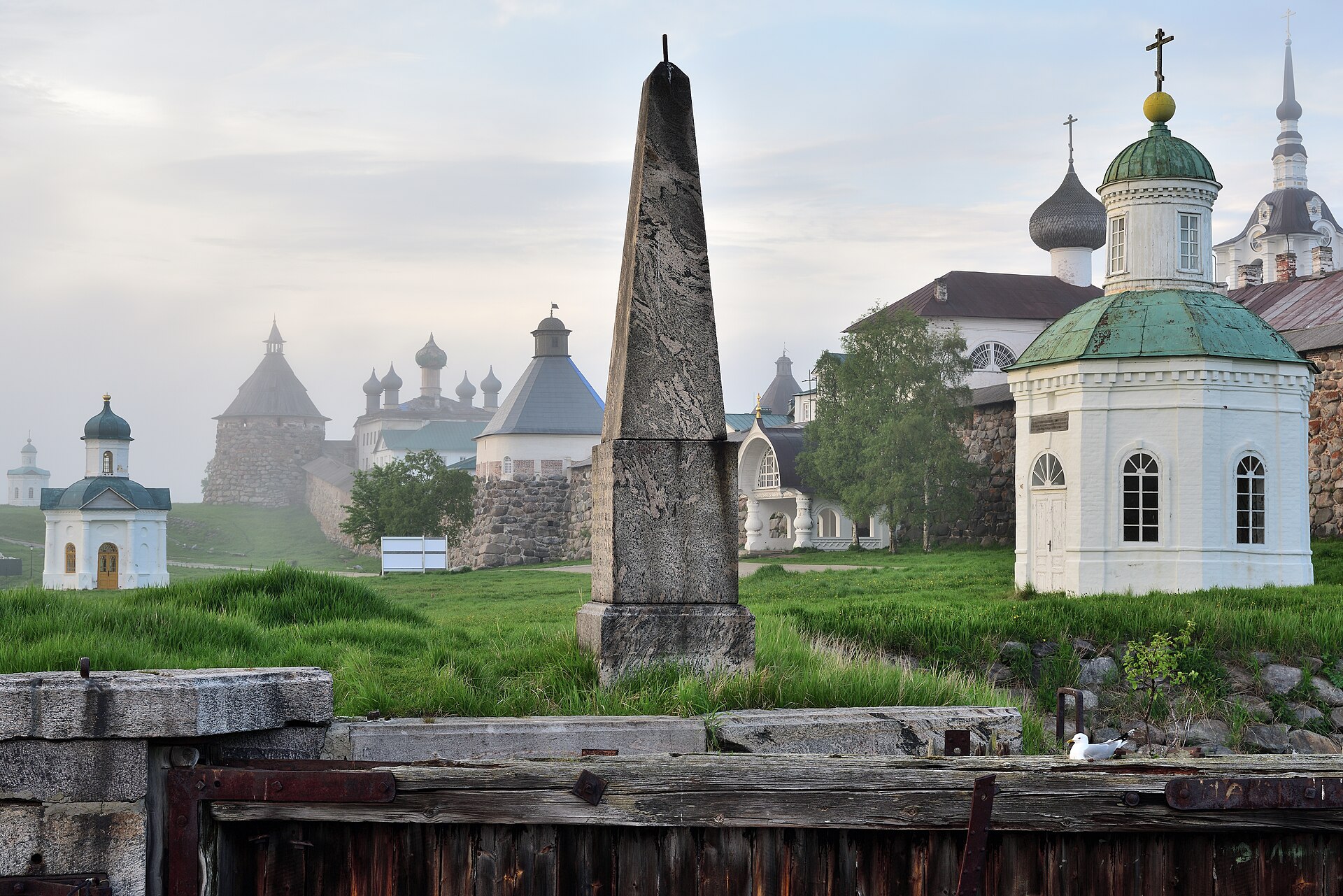
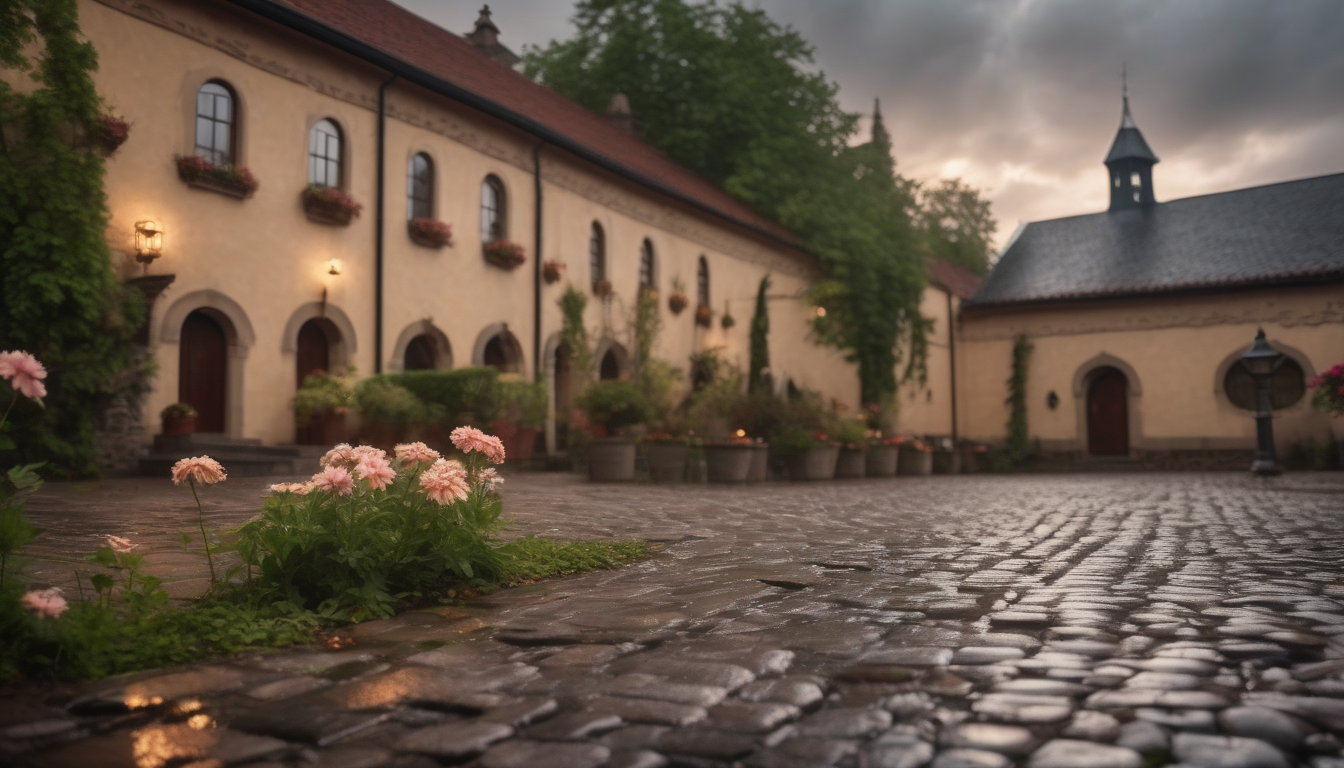
After the rain, the cobalt stones of the courtyard shine so brightly that you can touch the silence with your hand. It is a simple and calm image.
წვიმის შემდეგ ეზოს კობალტის ქვები ისე ბრწყინავს, რომ სიჩუმე თითქოს ხელით შეგიძლია შეეხო. მარტივი და მშვიდი სურათია.
🌐 Show original
Г
Георги Иванов
Yes, after the rain the bricks on the left wall turn almost red and you can see every joint. Is the yard open until six on weekdays too?
A
Andrés López
Yes, the stones shine brightly after the rain. The patio is open Monday through Friday until six.
P
Petru Ciobanu
Yes, after the rain you can clearly see the old masonry. What time does the service start on sundays and is the yard open until six on weekdays too?
Х
Христо Попов
Yes, the stones after the rain really light up. Where and when exactly was the photo taken?
Ნ
ნათია კვარაცხელიაtranslated
At home, there are my icons in the corner, a small icon left by my mother and a child's cross. In the evening we all read together "Our Father" and "Holy God", then the child quickly kisses the icons and goes to bed. It's an easy evening, but I start to sleep peacefully.
სახლში კუთხეში ჩემი ხატები დგას, დედისგან დარჩენილი პატარა ხატი და ბავშვის ჯვარი. საღამოს ყველანი ერთად ვკითხულობთ „მამაო ჩვენო“-ს და „ღმერთო წმიდაო“, შემდეგ ბავშვი სწრაფად კოცნის ხატებს და საწოლში მიდის. მარტივი საღამოა, მაგრამ მშვიდად ვიწყებ ძილს.
🌐 Show original
O
Aug 6
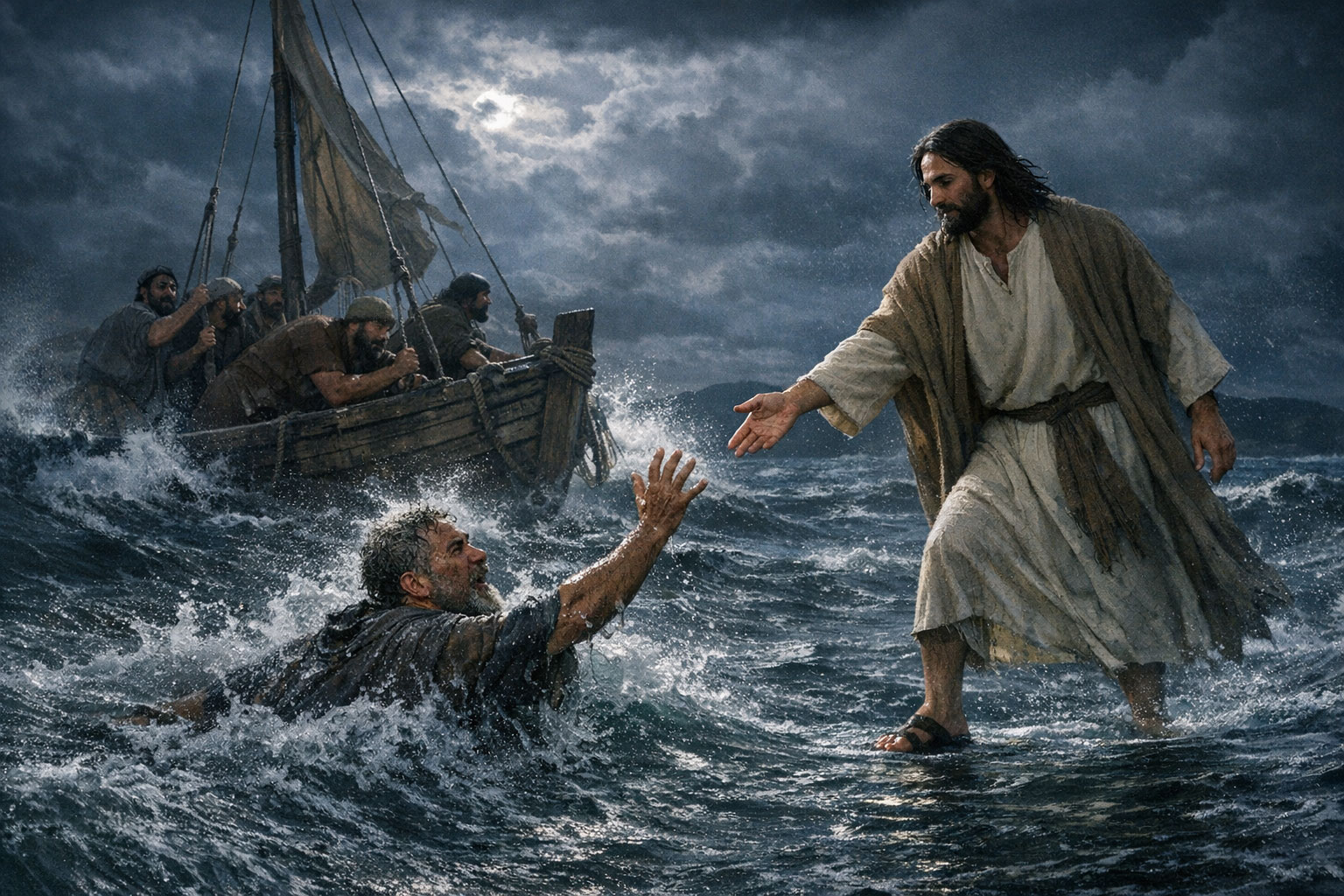
Ninth Sunday of Matthew: Matthew 14:22–34
Ecumenical Patriarchate of Constantinople · Read the article →
I
Ion Floreatranslated
Aug 6
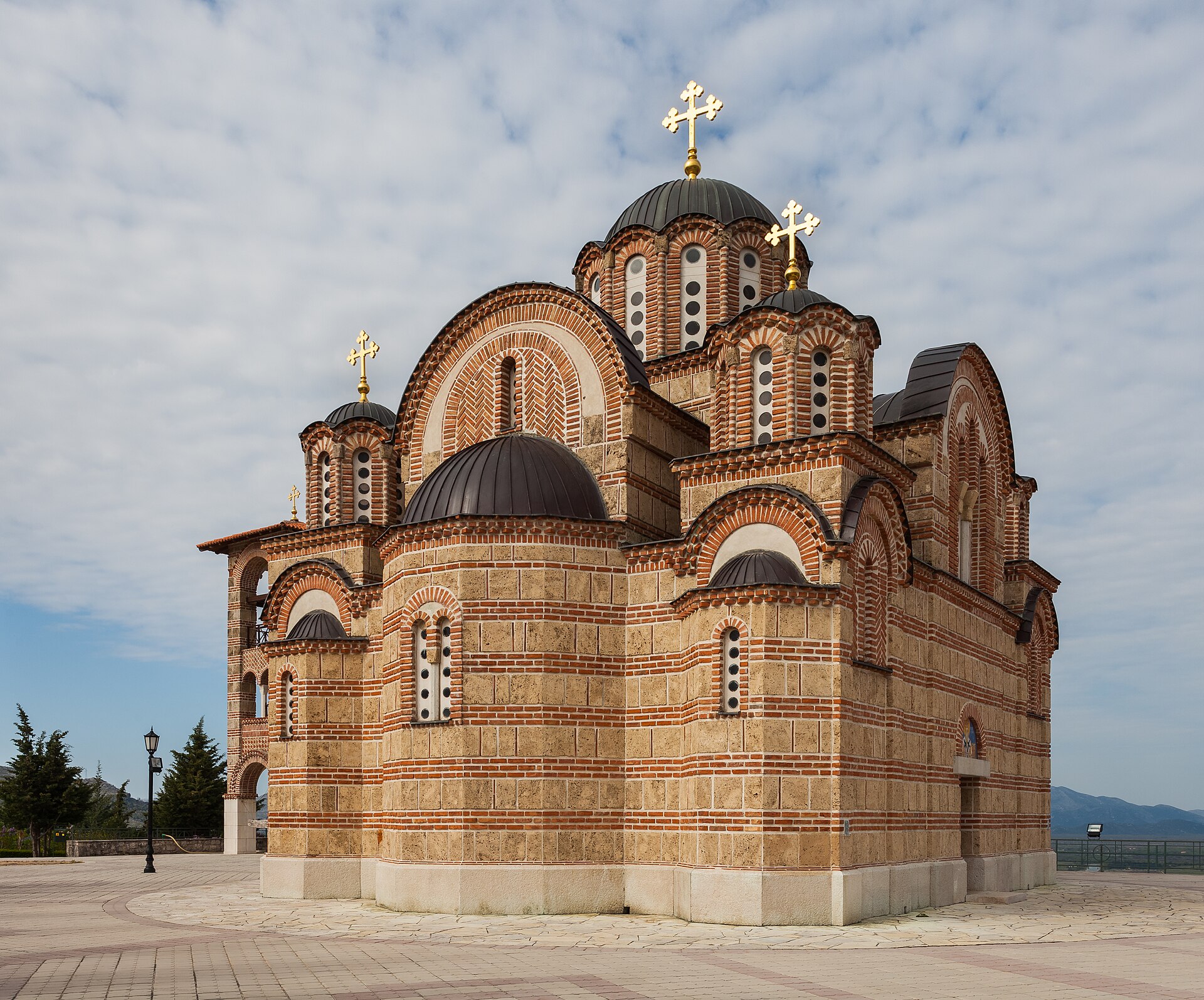
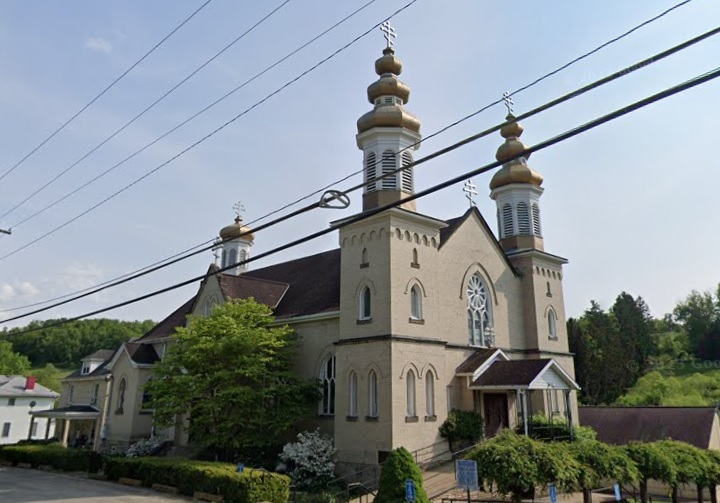
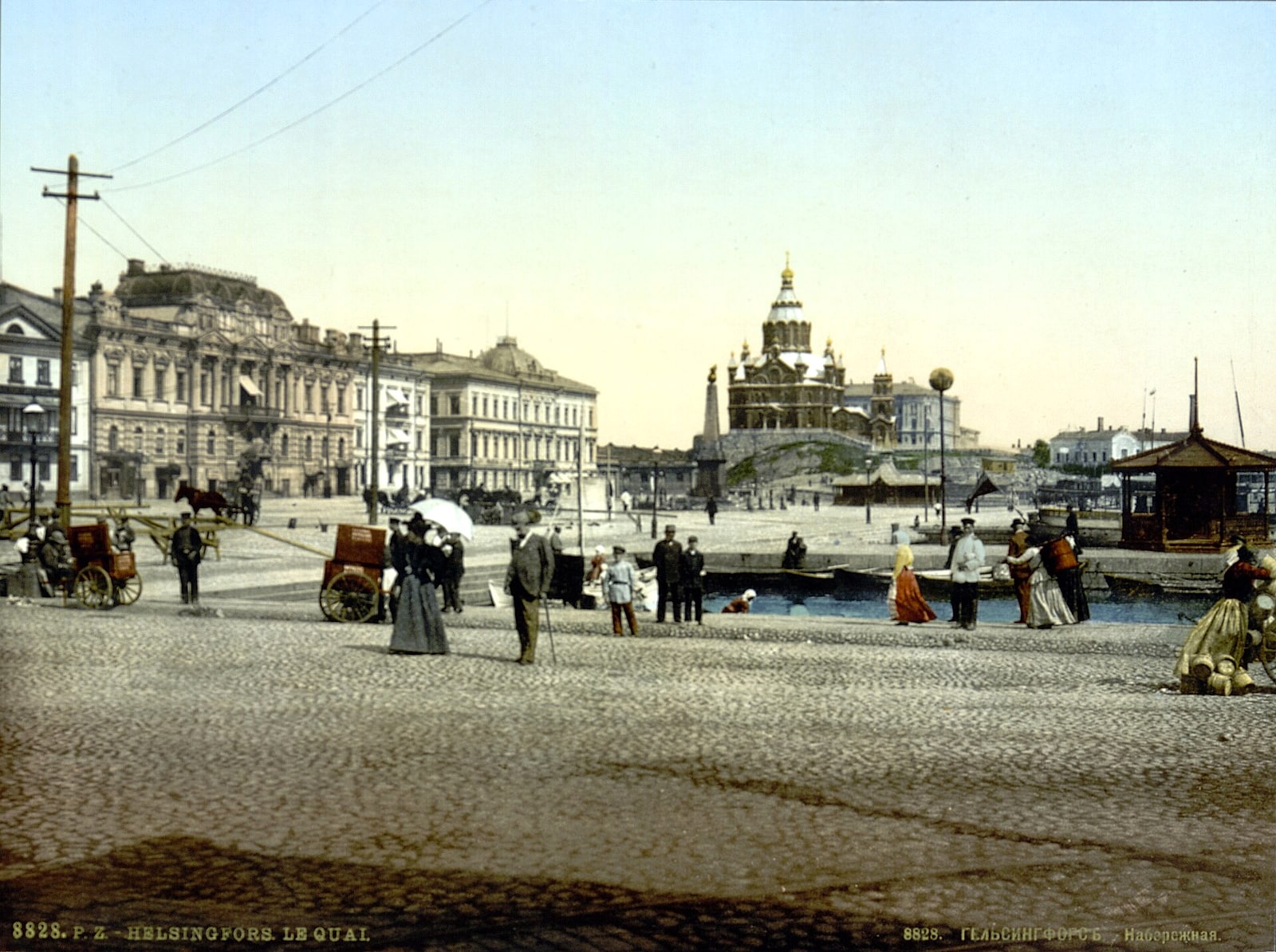
The Detroit Orthodox Church looks quiet and solid under this sky. It reminded me of our church in Chisinau, the same peace when you see it.
Biserica ortodoxă din Detroit arată liniștită și solidă sub cerul ăsta. Mi-a adus aminte de biserica noastră din Chișinău, aceeași pace când o vezi.
🌐 Show original
B
Basil Bennett
The brickwork does look solid and even. Where exactly did you take that photo?
M
Marie Martin
I would love to see her with my own eyes one day, she looks really well built.
T
Teodora Jovanović
Yes, the bricks are nicely stacked, you can see that they used a quality mortar. Liturgy in Detroit's parish usually starts at 9:30 a.m. on Sundays, and on weekdays you can enter freely between 10 a.m. and 2 p.m. if the doors are not locked.
С
Степан Лисенко
The brick looks solidly fired, and the masonry is even, without distortions. Judging by the shape of the windows and the roof, it really is the end of the 19th century.