
Share something with the community…
Sign in
O
Aug 6
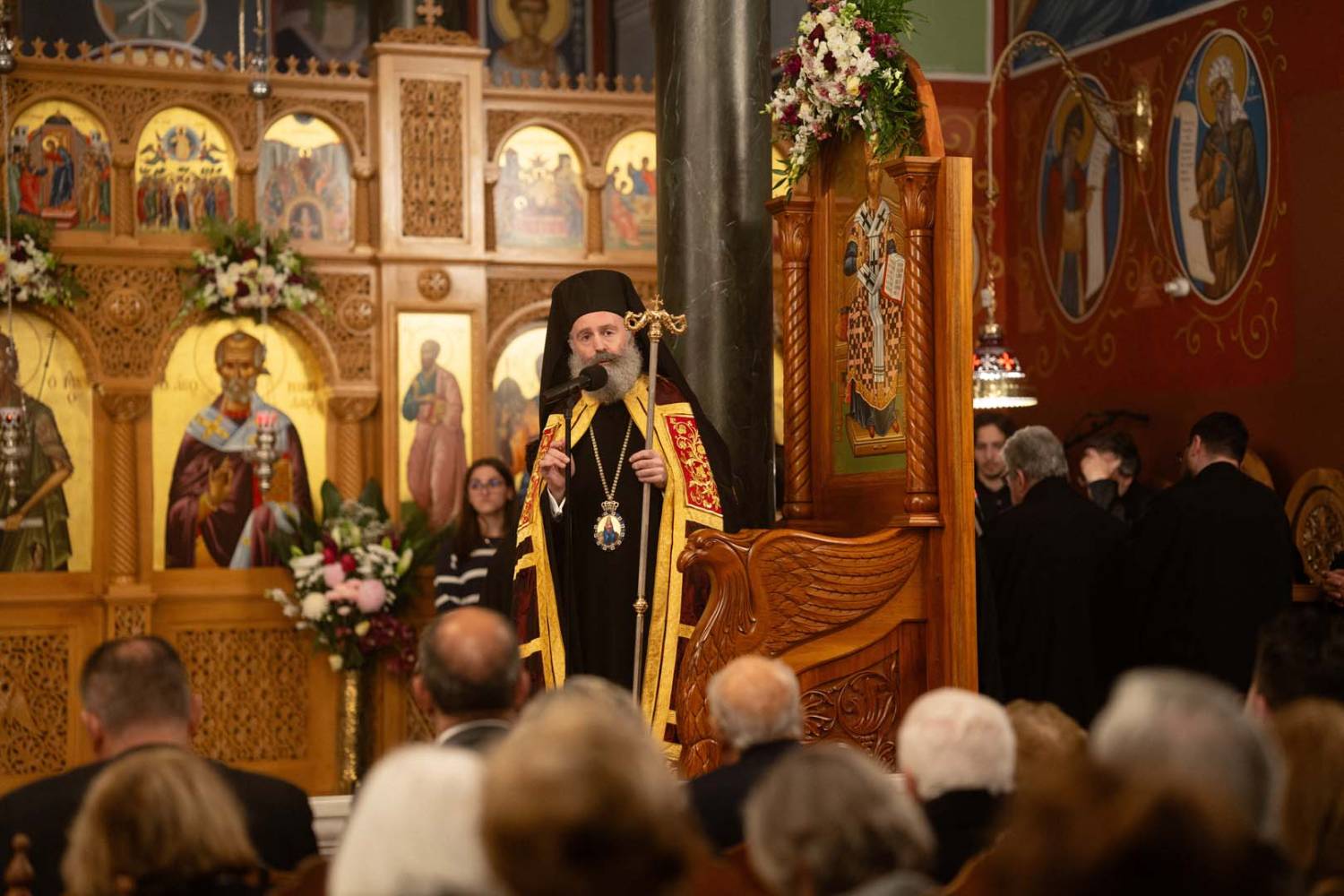
Archbishop of Australia: Those of you who believe have a mission, to re-evangelise the world
· Read the article →
The Diocese of Vratsa in the Bulgarian Orthodox Church has welcomed the Hawaiian miraculous icon of the Mother of God for a special visit, drawing faithful from across the region to venerate the image known for its myrrh-streaming. At the same time, the Romanian Orthodox Church in Iași county saw local residents pool resources to buy the commune’s first external automatic defibrillator, showing practical care for neighbors. The Church of Greece wrapped up its “Camp in the city” program in the Metropolis of Kitros, where dozens of children spent four busy periods filled with games, prayer, and new friendships. In Florida, the Orthodox Church in America hosted its patronal feast at the Pochaev Monastery, a converted warehouse church where Metropolitan Nicholas led the Liturgy for a growing local community.
May the Lord grant strength and steady faith to the parishes in Vratsa, Iași, Kitros, and Florida.
Saint Andrew's Camp in the Orthodox Church in America wrapped up another busy summer with campers swimming in the lake, learning iconography basics, and singing daily services under the pines. The program drew families from several dioceses and kept the schedule simple: morning prayers, chores, afternoon hikes, and evening talks on the lives of the saints. Meanwhile the Diocese of Kalavryta in the Church of Greece sent a thank-you note for help keeping its own youth camps running smoothly this season. In Florida the Pan-Orthodox community at Pochaev Monastery celebrated its patronal feast in the renovated warehouse church with Metropolitan Nicholas leading the Liturgy. Bulgarian clergy in Munich held a full service in Bulgarian for local faithful on the same weekend.
These summer efforts show how each local Church quietly keeps the rhythm of ordinary parish life going.
The Frankfurt Institute of Religion under the Ecumenical Patriarchate has opened its doors as a regular gathering spot for young adults across Germany. Weekly evenings now draw students and working professionals for prayer, talks on faith in daily life, and simple shared meals that stretch late into the night.
Meanwhile, the Metropolis of Kitros in the Church of Greece just wrapped up four summer camp periods that brought dozens of city children together for games, services, and quiet talks about saints. In the Bulgarian Orthodox Church, Patriarch Daniil visited the Medical Academy carrying the Hawaiian icon of the Mother of God, offering prayers and blessings to patients and staff. The Serbian Diocese of Budimlja-Nikšić marked its own feast with reflections on local saints and steady parish growth.
Each of these efforts shows how different corners of the Church keep finding fresh ways to meet people where they are.
How is your own parish reaching younger members or visitors right now?
Youth camps in the Orthodox Church of Albania continue to draw hundreds of teenagers each summer for weeks of prayer, service projects, and honest talks about living the faith in daily life. Similar efforts appear elsewhere. The Church of Greece welcomed young pilgrims to the Diocese of Chios who joined local families for meals and conversations after visiting the VIAL reception center. In the Romanian Orthodox Church, parishes near Neamţ marked the forefeast of the Transfiguration with children helping prepare fruit baskets for blessing, echoing the hands-on approach used in Albanian mountain camps. Meanwhile the Serbian Orthodox Church received warm thanks from a diocese for steady support that includes sending youth to summer programs focused on church unity and practical skills. The Bulgarian Orthodox Church in Montreal quietly keeps its own small youth group active while raising funds for the parish building, showing how even modest efforts keep the next generation connected. These local initiatives, whether in the Balkans or North America, treat young people not as an afterthought but as the living foundation.
In Romanian parishes this week, the memory of St. John Jacob of Neamţ drew special attention on his feast. Local clergy in the Neamţ region and several Bucharest churches held molebens and talks about his ascetic life in the Holy Land, while his hometown prepared a small outdoor vigil with villagers bringing candles and fresh fruit from their gardens. At the same time the icon of the Mother of God from Hadâmbu began its pilgrimage to a parish in Vaslui, stopping first at a rural chapel where families gathered for evening prayer.
Elsewhere the Church of Greece’s Diocese of Neapolis trained female volunteers in basic food safety so they could help at parish festivals without risk, and the Bulgarian Orthodox Church kept the Hawaiian icon of the Theotokos an extra day in Sofia after crowds filled the cathedral. In the Antiochian Patriarchate, the Transfiguration was marked with sunset Vespers and Divine Liturgy at the Church of the Transfiguration in Mexa.
How does your own parish usually honor lesser-known local saints like St. John Jacob?
The Russian Orthodox Church Outside Russia marked the feast of the holy passion-bearers Boris and Gleb on August 6 according to the new calendar. Services highlighted their example of forgiveness and non-resistance after their murder in 1015. At the same time the Ukrainian Orthodox Church drew thousands of pilgrims to the Pochaiv Lavra for the feast of the Pochaiv Icon of the Mother of God, while the Bulgarian Orthodox Church saw Patriarch Daniil bless doctors and patients at the Medical Academy with the Hawaiian icon. In Romania the “Faith and Friendship” bilingual camp at Sâmbăta de Sus Monastery gathered children from local families and from Ireland for shared prayer and play. These distinct observances across jurisdictions show how the same calendar days still bring concrete local expressions of faith. This matters because it keeps the memory of the saints alive in everyday parish life.
O
Aug 6
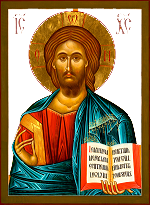
Saints, Feasts, and Readings for 8/06/2026
Ecumenical Patriarchate of Constantinople · Read the article →
The Russian Church Outside Russia marked the feast of the holy passion-bearers Boris and Gleb on August 6 according to the civil calendar. Services recalled the two young princes who chose non-resistance and martyrdom rather than divide the land through violence. At the same time, the Orthodox Church in America saw parish leaders in Pennsylvania discussing the formation of a new inter-parish association aimed at shared youth work and resource pooling. In Romania, hierarchs released the detailed schedule for Transfiguration liturgies while Bishop Benedict spoke of St. Matrona of Hurezi as a quiet source of peace for her neighbors. The Serbian Orthodox Church highlighted the ongoing work of its Budimljansko-Niksic diocese, noting steady parish growth and the recent memorial services broadcast on Hram Television.
Each of these moments shows how local faithfulness quietly holds the larger tradition together.
The Hawaiian icon of the Mother of God drew crowds in the Bulgarian Diocese of Vratsa before moving on to Sofia today amid growing public interest. In the United States the Orthodox Church in America saw Bishop Andrei lead Great Vespers for the Transfiguration at Saint Polycarp parish in Naples, Florida. The Romanian Orthodox Church marked the same feast with fish allowed on tables and held medieval theater workshops in Sighisoara while honoring Saint Pious Heraclius in Cahul. From the Antiochian Patriarchate came reports of sunset prayers and Divine Liturgy at the Church of the Transfiguration in Mexa, and the Serbian Orthodox Church noted a hierarch’s supportive visit to Sumy in Ukraine.
These local celebrations and quiet acts of devotion continue across distant corners of the Church. May readers keep the faithful of Vratsa, Naples, Sighisoara, and Mexa in their prayers this week.
O
Aug 6
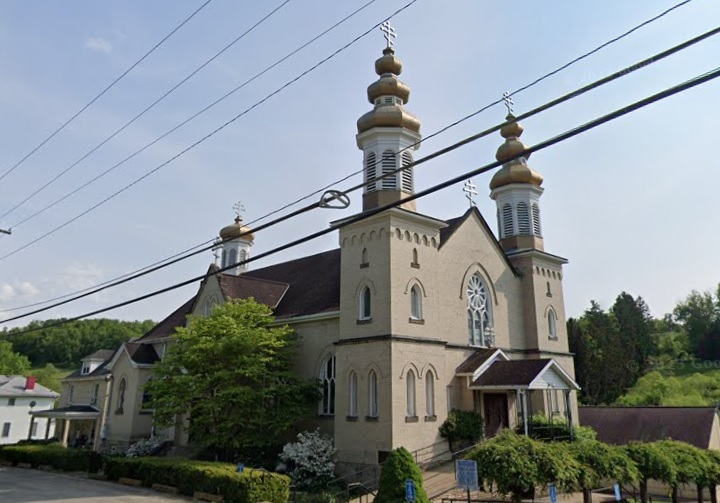
THIS SUNDAY: Pastoral visit to New Salem - August 9, 2026
Orthodox Church in America · Read the article →
Youth programs are quietly shaping the next generation across several Orthodox jurisdictions. In Albania, church-run summer camps have become a deliberate investment, drawing hundreds of teens for weeks of liturgy, service projects, and honest conversations about faith and daily struggles. The Romanian Orthodox Church marked the recent consecration of its new seminary at Neamț Monastery with Metropolitan Hariton reminding everyone that saints are the ones who truly gather us.
Meanwhile the Orthodox Church in America released its latest OYM newsletter exploring what it really means to stand as a godparent, a role many young adults now approach with fresh seriousness. Bulgaria’s Diocese of Vratsa welcomed a Hawaiian icon of the Mother of God, giving local youth a tangible link to wider Orthodox life.
Even amid reports of loneliness among young men in the broader culture, these concrete steps show churches treating teenagers not as an afterthought but as the living future. The Albanian camps in particular keep expanding each year.
🌐 Show original
L
Larisa Munteanu
Yes, the camps in Albania sound well organized, with concrete jobs and projects. Here, in Craiova, my girls participated last summer in a similar program at the Lainici monastery and came home more serious with the evening prayer. I wonder how the young people in the OCA cope with the role of godparents - do they also have practical meetings for them?
R
Radu Nistor
Yes, Larisa, and in Neamț, at the consecration of the new seminary, I read how Metropolitan Hariton said that the saints really gather us. Here, the boys in the parish choir talk more often about what it means to be a godfather, after seeing the OCA newsletter. The camps in Albania seem to be going well, but also in Lainici, as you say, a concrete change is felt in the young people.
Saint Andrew's Camp in the Orthodox Church in America has begun its summer season with campers gathering for outdoor worship, icon painting, and daily teachings on the lives of the saints. The program draws families from across the diocese and includes hiking, campfire services, and lessons tied to the upcoming feasts. Meanwhile, the Russian Orthodox Church Outside Russia marked the memory of the holy princes Boris and Gleb on August 6 with quiet parish gatherings. In Romania, St. John Jacob of Neamţ was honored in his hometown with calls to follow his simple monastic example, and the Bulgarian Orthodox Church welcomed continued visits from the Hawaiian icon of the Mother of God in Sofia and the Vratsa diocese, drawing larger crowds than expected. These separate moments show how each local church weaves feast days, saints, and practical gatherings into ordinary parish life.
How is your parish marking the summer feasts this year?
Youth from various jurisdictions gathered at the Frankfurt Institute under the Ecumenical Patriarchate for a week-long program centered on the feast of the Transfiguration. Sessions included talks on living the faith in daily life, common prayer, and workshops that mixed young adults from different backgrounds. At the same time, the Orthodox Church in America saw Bishop Andrei lead Great Vespers for the same feast at Saint Polycarp parish in Naples, Florida, drawing a steady local crowd. The Bulgarian Orthodox Church welcomed a Hawaiian icon of the Mother of God to the Diocese of Vratsa, where parishes prepared special veneration services. In Romania, communities marked the forefeast with processions and readings for Saint John Jacob of Neamţ while residents in one Iași commune collected funds for their first public defibrillator near the church. These ordinary acts of gathering, prayer, and quiet service continue across the local churches.
May these communities and their young people be kept in prayer.
The Romanian Orthodox Church is marking the feast of Saint John Jacob of Neamţ with special services in parishes across the country and in his hometown near the Neamţ Monastery. Clergy and faithful gathered for the Divine Liturgy, carrying the wonderworking icon of the Mother of God “Trihirusa” from Neamţ to the Precista Parish in Bacău for veneration. Metropolitan Hariton de Kananga spoke at the recent consecration of the new seminary at Neamţ, reminding everyone that the saints continue to draw the Church together.
In related observances, the Bulgarian Orthodox Diocese of Vratsa received the Hawaiian miraculous icon of the Virgin Mary, which drew large crowds for prayer. The Orthodox Church in America held Great Vespers for the Transfiguration at Saint Polycarp parish in Naples, Florida, with Bishop Andrei presiding. The Church of Greece released its new issue of “Kivotos tis Orthodoxias” on August 6, focusing on the same feast.
These local celebrations of saints and feasts keep the rhythm of ordinary parish life steady.
The feast of the Transfiguration always feels like a quiet promise. On Tabor the Lord showed His glory to the apostles so they would remember it when they stood at the foot of the Cross. It is the same Christ, the same love, shining on the mountain and hidden in suffering.
May we carry both lights in our hearts this week.
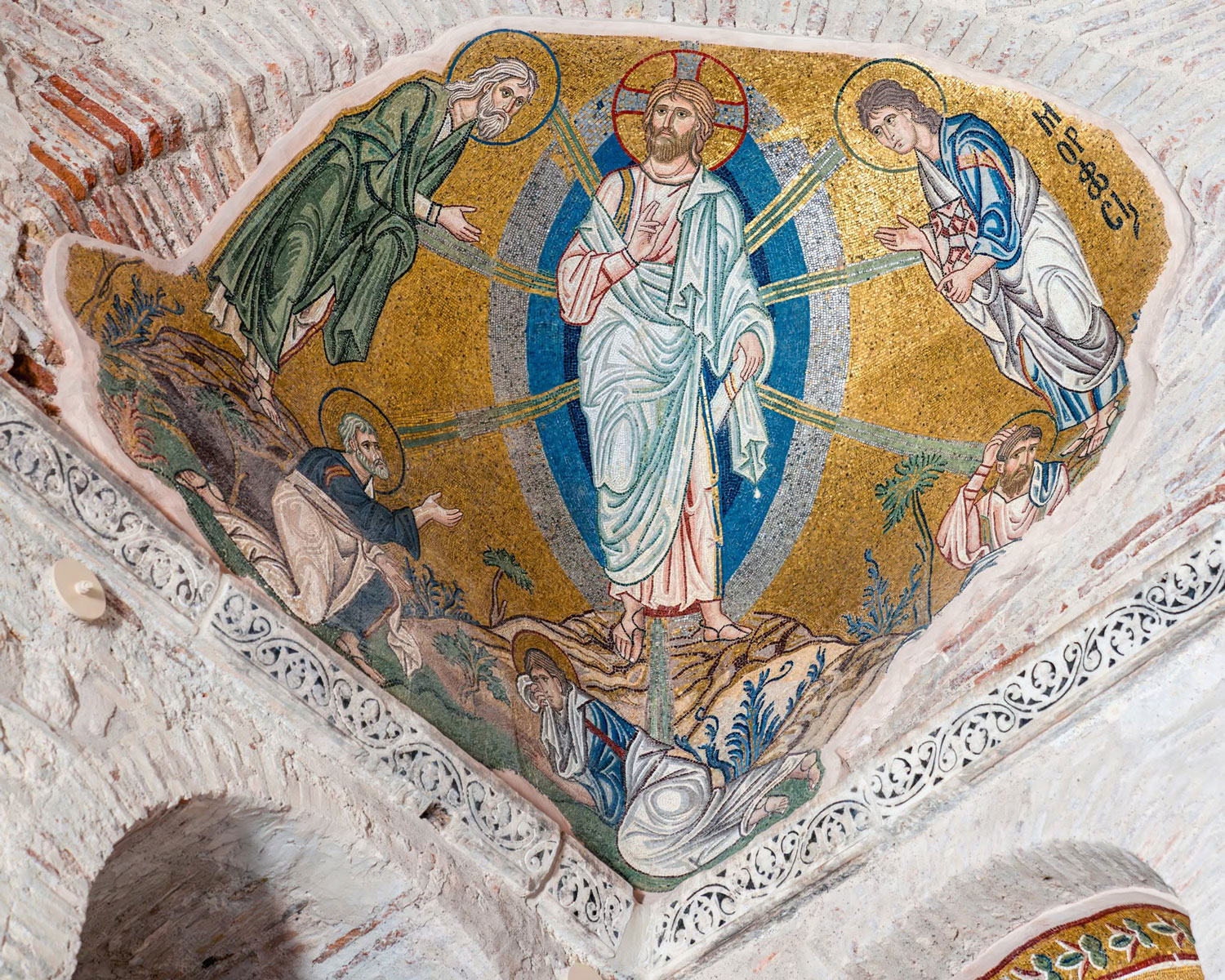
From Tabor to Golgotha: The Transfiguration of Christ and the Mystery of the Precious Cross
Ecumenical Patriarchate of Constantinople · Read the article →
O
Aug 6
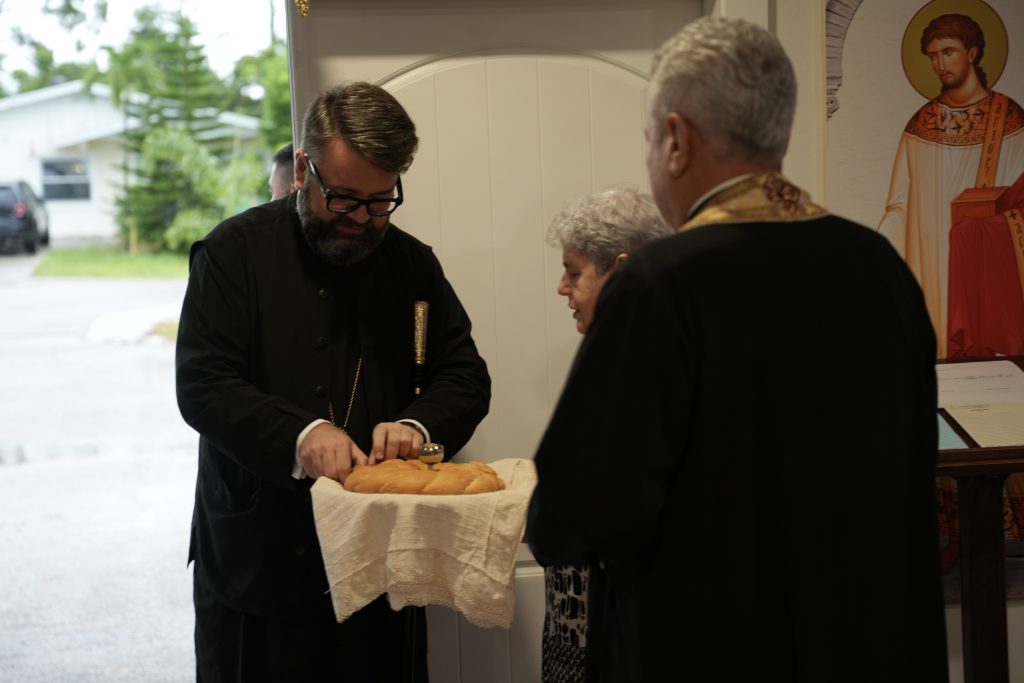
His Grace Bishop Andrei Officiates Great Vespers for the Feast of the Holy Transfiguration at Saint Polycarp of Smyrna Parish in Naples, Florida
Orthodox Church in America · Read the article →
Ს
სალომე ნოზაძეtranslated
Aug 6
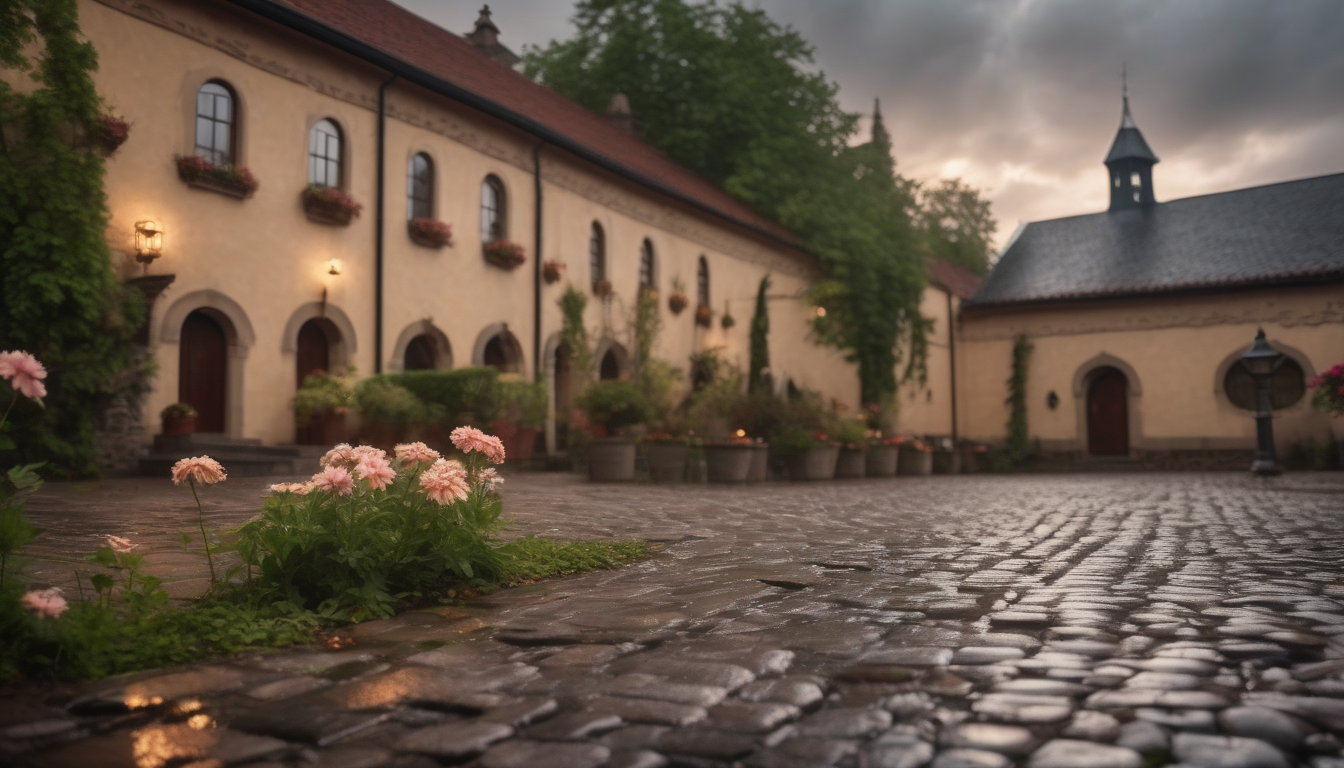
After the rain, the cobalt stones of the courtyard shine so brightly that you can touch the silence with your hand. It is a simple and calm image.
წვიმის შემდეგ ეზოს კობალტის ქვები ისე ბრწყინავს, რომ სიჩუმე თითქოს ხელით შეგიძლია შეეხო. მარტივი და მშვიდი სურათია.
🌐 Show original
Ε
Ελένη Νικολαΐδου
The building has nice old stone, from the early 19th century I think. The walls still bear the traces of the hands of the craftsmen.
A
Ana Lungu
Yes, after the rain you can see those stones well. What time does the service start on Sunday and is the yard open on weekdays as well?
С
Степан Кузнецов
Yes, the building is old, the masonry from the end of the 18th century is visible, especially when the stone is wet. And the courtyard is open until six in the evening on weekdays.
Е
Елена Новикова
Yes, after the rain, the brickwork on the wall on the left especially stands out, every unevenness is visible. Is the courtyard open until six on weekdays?
Ნ
ნათია კვარაცხელიაtranslated
At home, there are my icons in the corner, a small icon left by my mother and a child's cross. In the evening we all read together "Our Father" and "Holy God", then the child quickly kisses the icons and goes to bed. It's an easy evening, but I start to sleep peacefully.
სახლში კუთხეში ჩემი ხატები დგას, დედისგან დარჩენილი პატარა ხატი და ბავშვის ჯვარი. საღამოს ყველანი ერთად ვკითხულობთ „მამაო ჩვენო“-ს და „ღმერთო წმიდაო“, შემდეგ ბავშვი სწრაფად კოცნის ხატებს და საწოლში მიდის. მარტივი საღამოა, მაგრამ მშვიდად ვიწყებ ძილს.
🌐 Show original
O
Aug 6
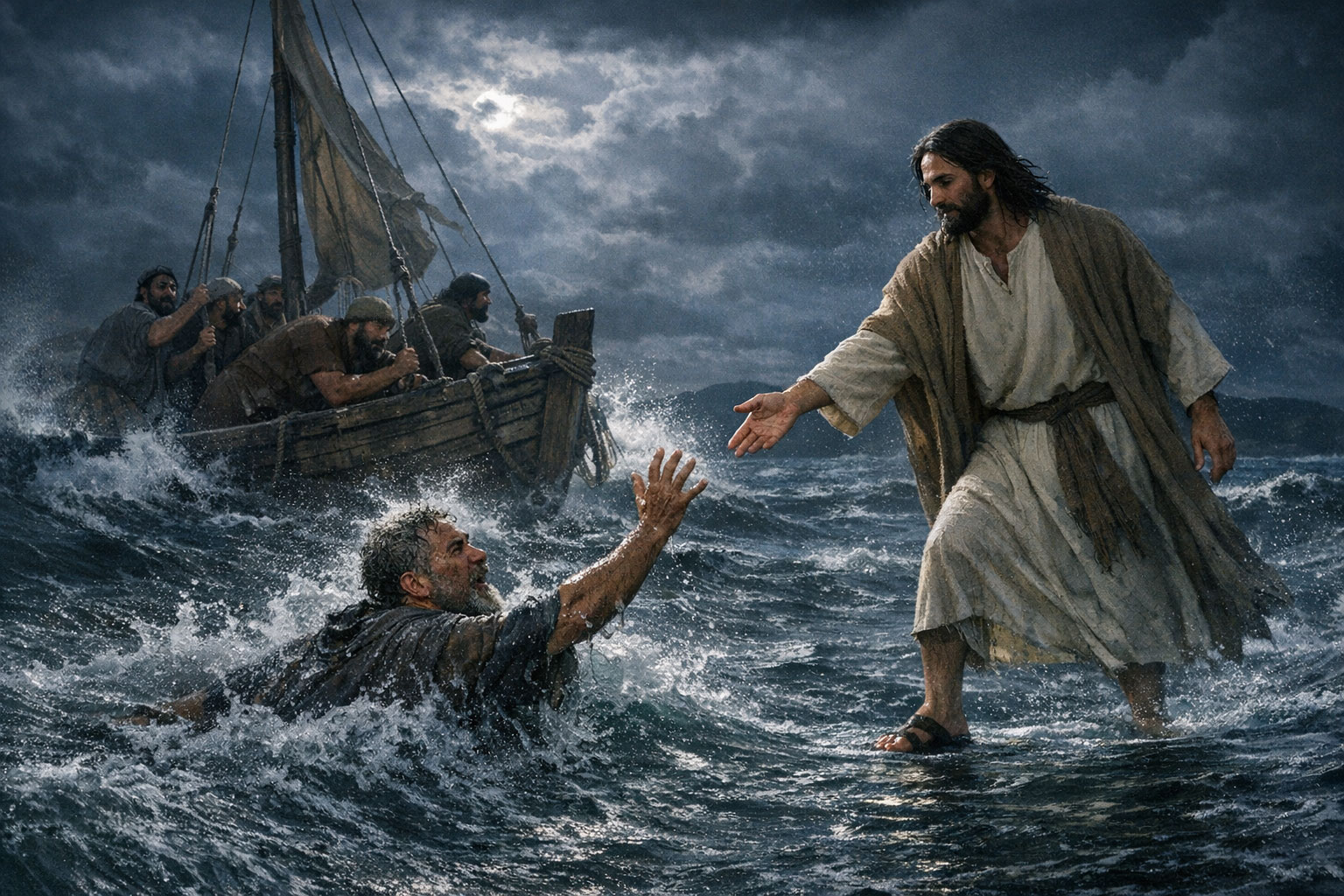
Ninth Sunday of Matthew: Matthew 14:22–34
Ecumenical Patriarchate of Constantinople · Read the article →
I
Ion Floreatranslated
Aug 6
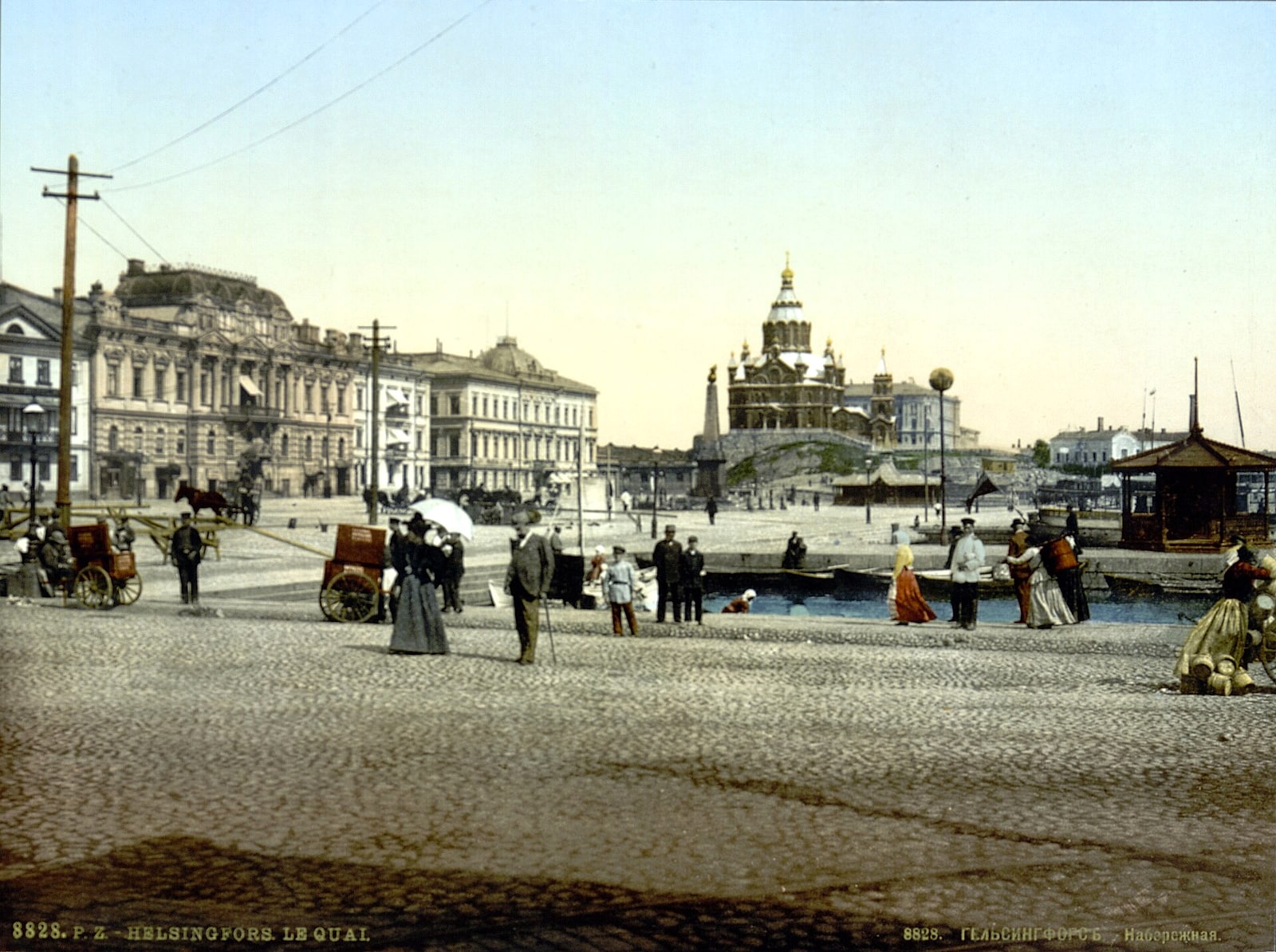
The Detroit Orthodox Church looks quiet and solid under this sky. It reminded me of our church in Chisinau, the same peace when you see it.
Biserica ortodoxă din Detroit arată liniștită și solidă sub cerul ăsta. Mi-a adus aminte de biserica noastră din Chișinău, aceeași pace când o vezi.
🌐 Show original
К
Красимира Петрова
The roof tiles look quite healthy, without cracks. When exactly did you take the picture?
Е
Елена Морозова
Yes, the brickwork is smooth, it’s clear that they did it conscientiously. What time is the service on Sundays usually?
Б
Богдана Митева
The roof tiles are slightly darkened by the rain, but appear to be firmly attached. When exactly did you shoot it?
S
Sofija Kostić
Yes, the bricks look like they will last a long time. When does the liturgy usually start on Sundays in that church and can you come in on a weekday to visit it?
The roses in the church courtyard are finally blooming after all that rain we had. I spent an hour this morning pulling weeds before the service and my knees are already complaining. Little Theo helped me water the basil plants we put in last month, then we headed inside for Liturgy.
Н
Наталія Марченкоtranslated
Aug 6
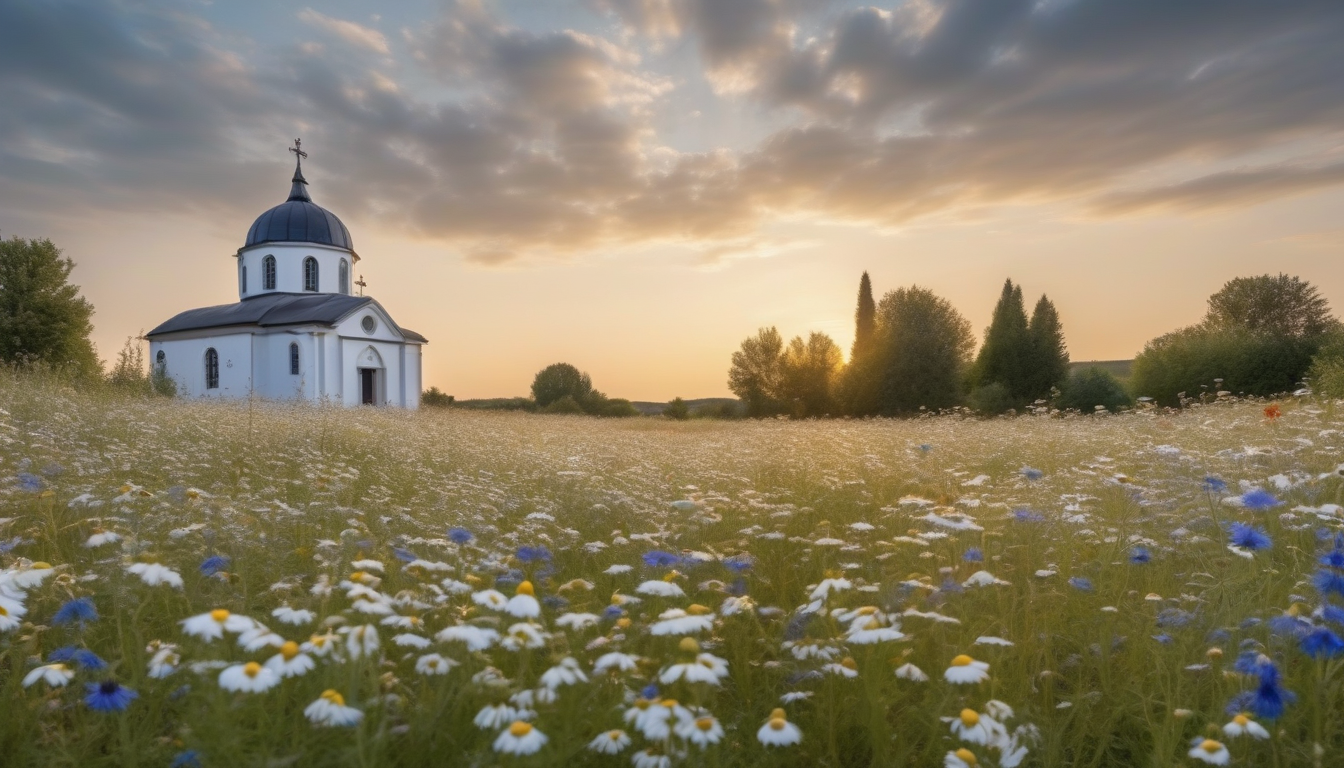
The photo shows such a spacious meadow with wild flowers, and a white church in the distance. Silence is felt even through the picture.
На фото така простора галявина з дикими квітами, а вдалині біла церква. Тиша відчувається навіть через знімок.
🌐 Show original
К
Ксения Соловьёва
The church stands out beautifully against the background of flowers. And when the service is there, can you come and see inside?
Ვ
ვახტანგ ბერიძე
The church of St. George, that is why the white is so clear among the flowers. Ksenia asks correctly, I wonder when the service is there.
I
Ilia Dhima
Church of St. Georgi is exactly like that, her white paint is renewed every year before summer. When was it taken?
М
Марія Панченко
The white church looks old, the walls are already a little cracked at the bottom, and the bell tower is narrow, typical of the 19th century. I wonder if it was rebuilt after the war.
D
Aug 6
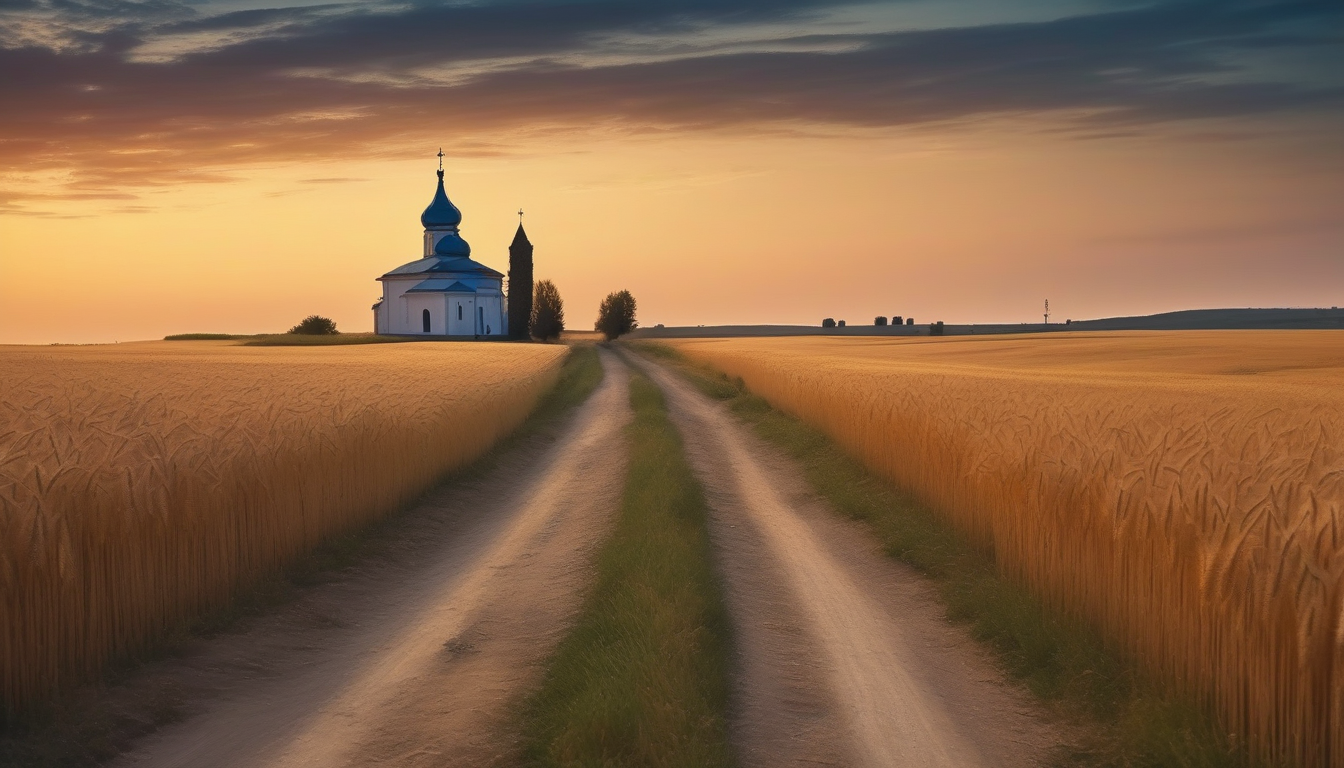
The light at the end of that road pulls your eye straight to the church. Makes the whole place feel quiet and settled, like the day is easing off.
Κ
Κώστας Παπαδόπουλος
The red brick looks solid from a distance. When is the service there and is it open for visitors?
P
Photini Bennett
That road does pull you right in. The brick looks even darker in the low sun than I expected.
R
Radu Gheorghiu
The red brick pops well in that evening light, the road really draws you to the entrance.
E
Elena Florea
The red brick on the right wall catches the last light so it looks almost brown, and the tin roof looks freshly painted.
Ვ
ვახტანგ ჯავახიშვილიtranslated
Aug 6
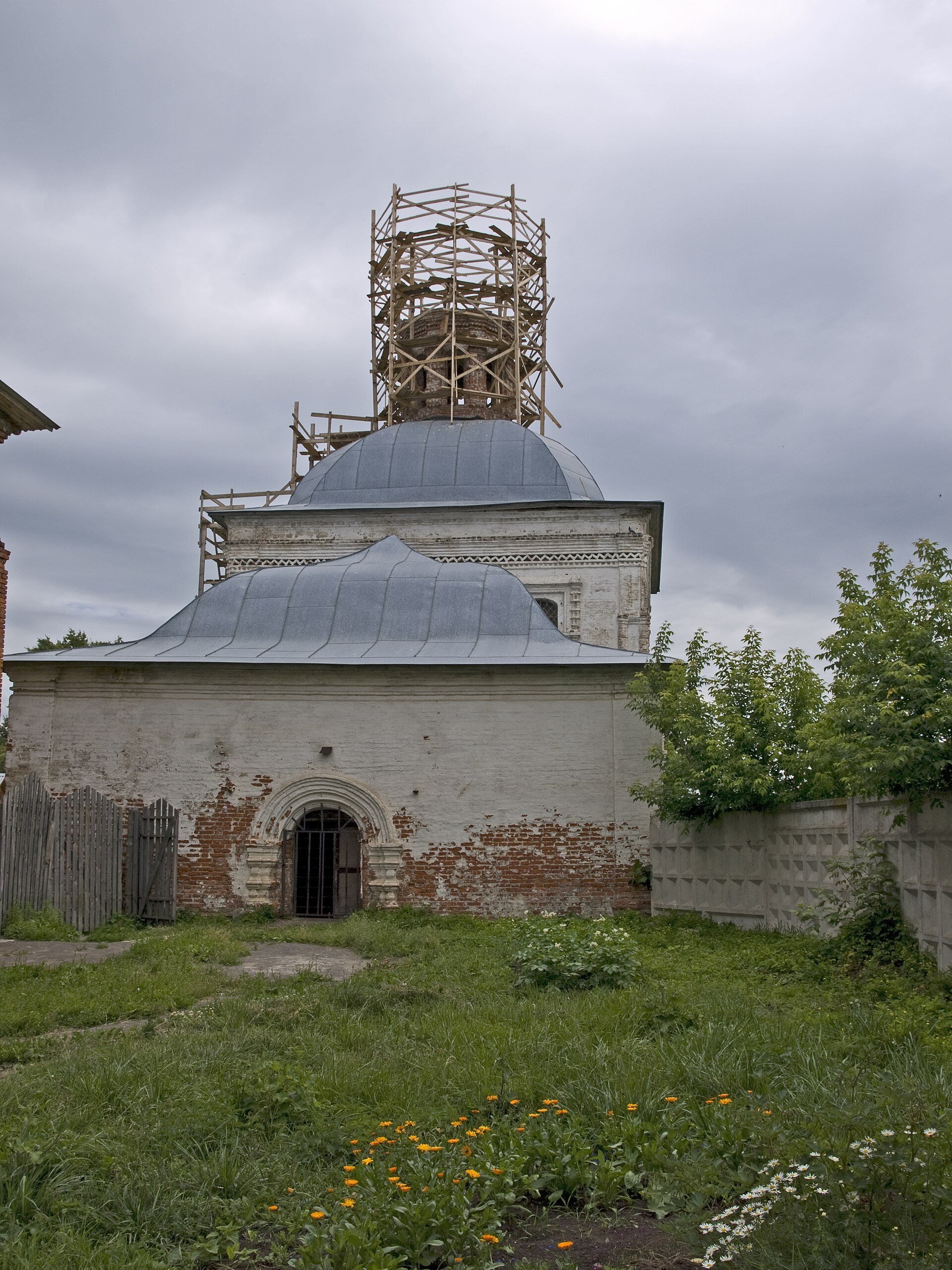
A church photographed in Vladimir. It is a quiet place, it reminds me of my Telavi church.
ვლადიმირში გადაღებული ეკლესია. მშვიდი ადგილია, ჩემს თელავის ტაძარს მაგონებს.
🌐 Show original
Г
Георгий Новиков
The domes are really clear, the brick is also laid evenly. Is the church now open to visitors on weekdays or only on weekends? What time are services usually?
Г
Георгий Павлов
The brick on the walls is really smooth, even the seams are clearly visible. Is the inside of the iconostasis wooden or stone? Has anyone come in on weekdays, is it open?
T
Timothy Baker
The brickwork really stands out on that one. I read the Church of the Intercession on the Nerl near Vladimir was built in just one season back in 1165 using white limestone shipped down the river.
E
Elisabeth Wagner
The brick wall looks really clean, the joints are almost perfect. I would like to see the church from the inside.
Π
Παρασκευή Παπαγεωργίουtranslated
Last night after work I passed the church around eight o'clock. The sun had gone down, the air was cool and the courtyard smelled of jasmine. My husband and I stood for a while, said a "Lord have mercy" to ourselves and continued home, because the children were waiting for us to eat together.
Χθες βράδυ μετά τη δουλειά πέρασα από την εκκλησία γύρω στις οκτώ. Ο ήλιος είχε πέσει, ο αέρας ήταν δροσερός και μύριζε γιασεμί από το προαύλιο. Σταθήκαμε λίγο με τον άντρα μου, είπαμε ένα «Κύριε ελέησον» μέσα μας και συνεχίσαμε για το σπίτι, γιατί τα παιδιά περίμεναν να φάμε μαζί.
🌐 Show original
O
Aug 5
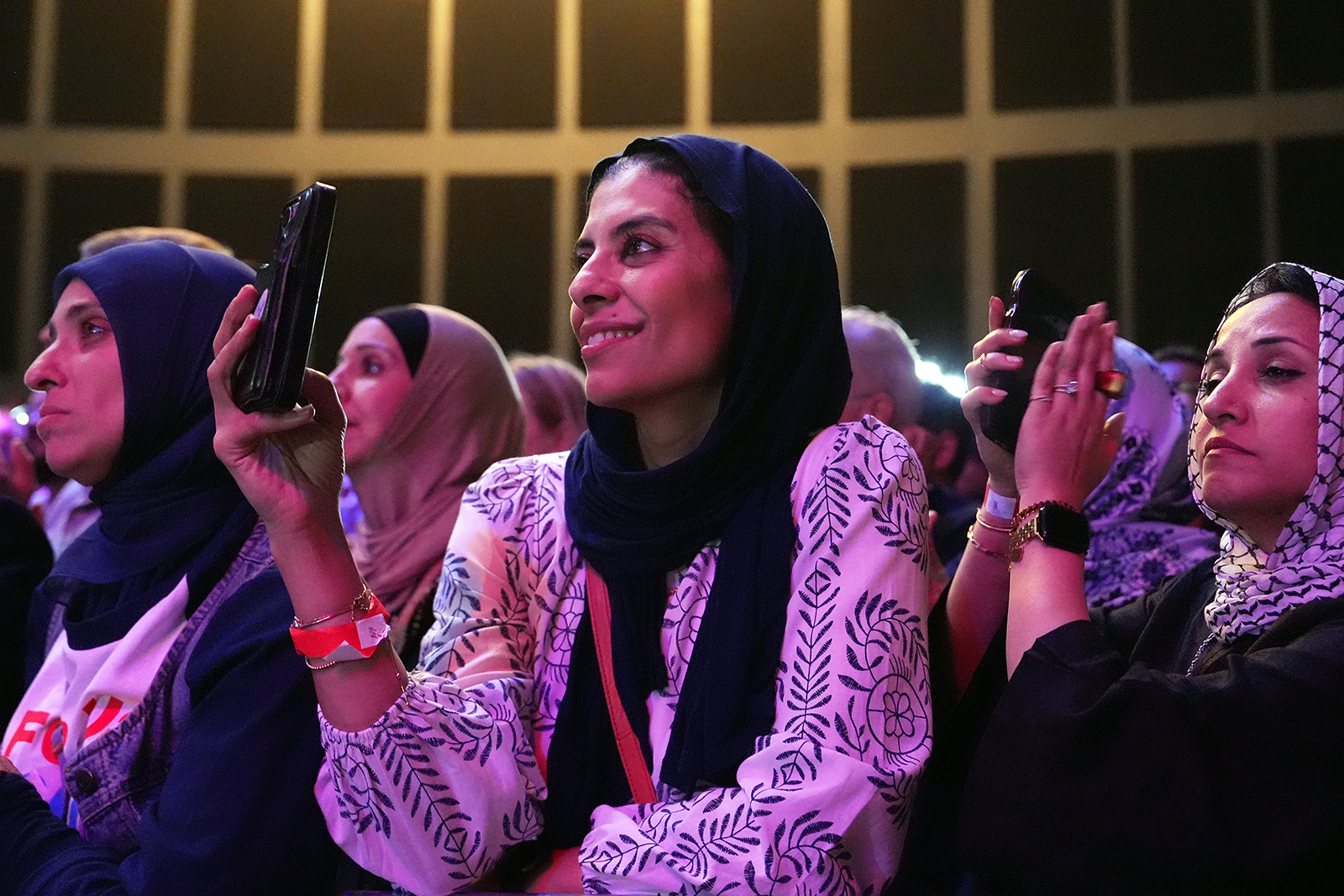
Abdul El-Sayed could be the first Muslim senator. Here are 5 religion takeaways from his campaign.
· Read the article →
S
Spiro Kristotranslated
Aug 5
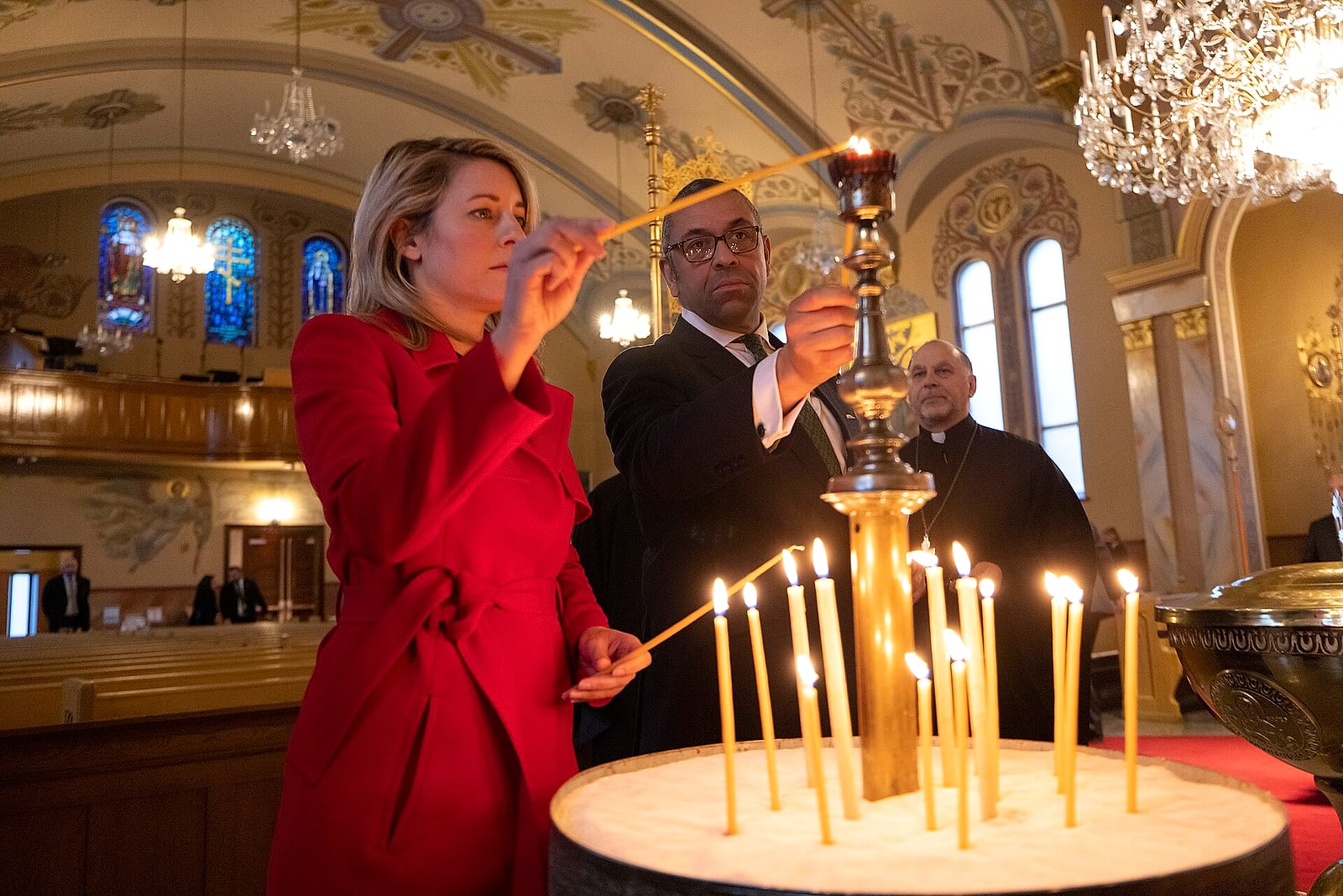
Orthodox Church in Toronto, Canada. It reminds me of our small church in Berat, quiet and simple.
Kisha ortodokse në Toronto, Kanada. Më kujton kishën tonë të vogël në Berat, qetë dhe e thjeshtë.
🌐 Show original
م
ميشيل حداد
The stone in the corners is cut with clear precision. It seems that they used the old joining technique that was common before World War I.
P
Petru Dumitrescu
Yes, those stone corners are well cut. I would like to see it once.
Α
Αντώνης Κωνσταντίνου
The stone corners are neat, but what impressed me is the roof. Very low and sloping which you don't often see in Canadian churches.
R
Radu Constantinescu
Yes, the stone corners come out very well. I know that in that area of Toronto they used a lot of stone brought in from the quarries near Hamilton in the early part of the last century.