From ancient texts to modern practices, Daoism provides a profound framework for understanding the world not as broken but as naturally seeking balance
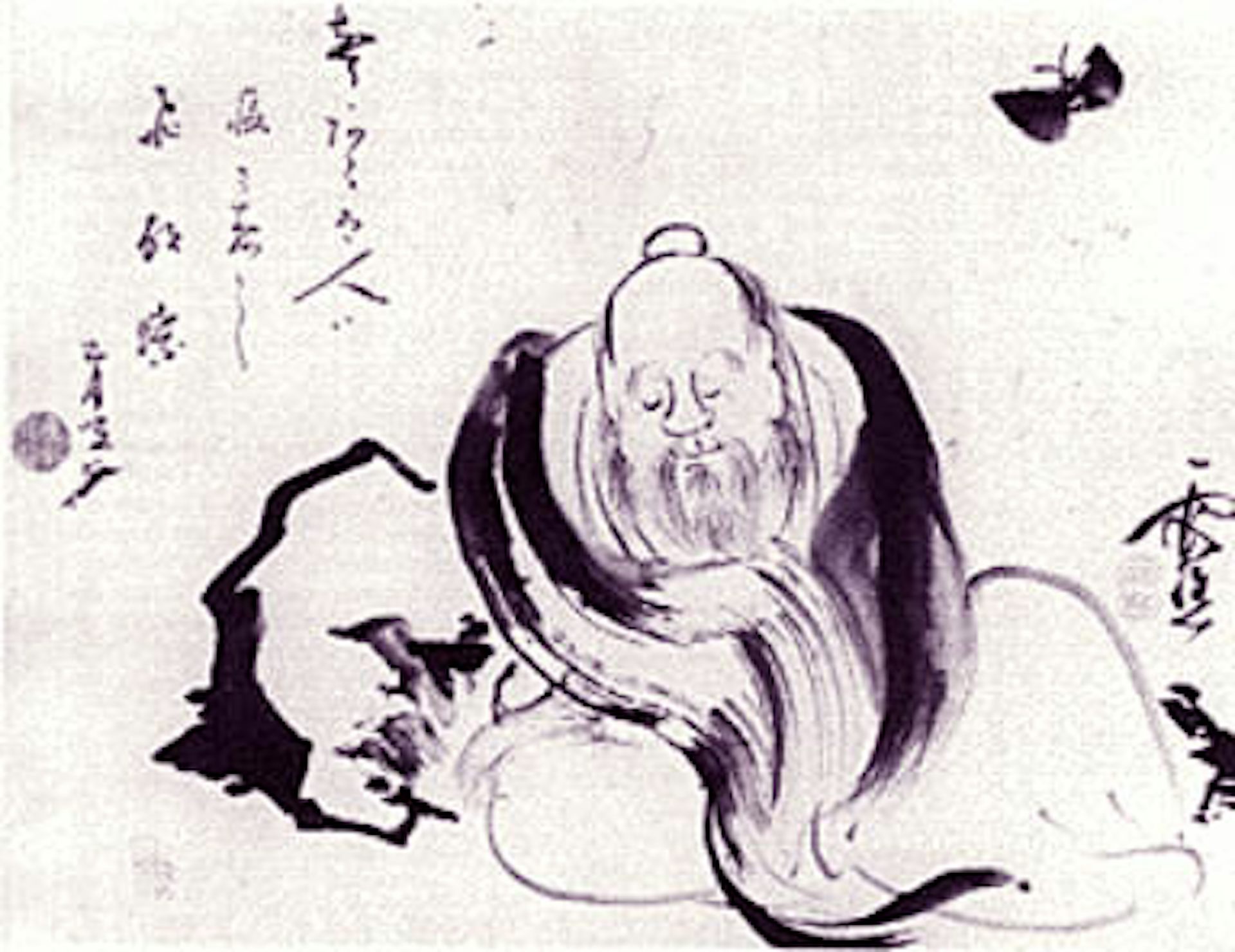
(The Conversation) — Daoism, China’s indigenous religion, is one of the country’s five officially recognized religions today. Practiced by millions of people in China and around the world, Daoism takes on many forms, stretching back from ancient roots to the modern world.
It challenges the conventions of how people often define religion. Unlike many other faiths, Daoism does not necessarily center on a deity, though there are many Daoist deities. Nor does it have a unified system of beliefs or follow a singular authoritative doctrine.
In fact, followers say the Dao, which literally means the “way,” cannot be truly explained. Rather, it is often viewed as something like a mysterious, balanced cosmic force. Daoist practices, then, are based on the premise that everything that makes up the world emanates from the Dao.
Daoism approaches the world not from the perspective that the world is broken or needs to be saved, but rather that it is naturally balanced. When things go wrong, Daoist, also referred to as Taoist, practice seeks to bring the world back into harmony with the Dao.
As a scholar of Daoist ritual , I am interested in the diversity of Daoism’s ideas and…