The grotto and the Gospel: Why the Church preserves Lourdes without adding to revelation
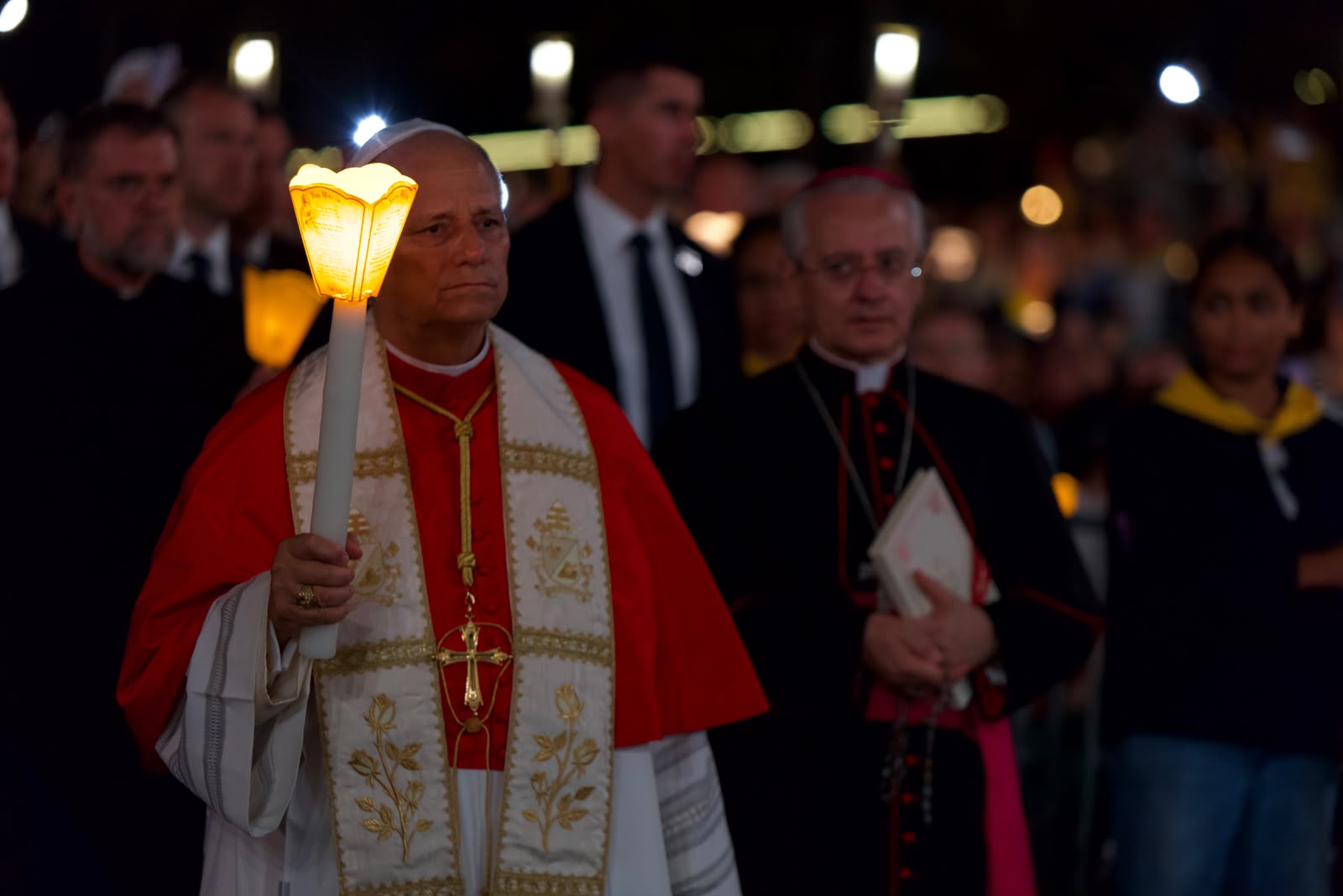
When Pope Leo XIV arrived as a pilgrim at the Grotto of Massabielle on Sept. 27, his presence highlighted a foundational question for Catholics: If divine revelation is complete in Jesus Christ, why does the Church recognize and promote a shrine born of private apparitions?
The answer rests on the Churchʼs crucial distinction between the closed deposit of public revelation and the subordinate, pastoral role of private revelations.
The unrepeatable fullness of public revelation A fundamental Catholic doctrine is the conviction that Godʼs self-communication reached its complete fulfillment in Jesus Christ.
As the Second Vatican Councilʼs Dogmatic Constitution on Divine Revelation, Dei Verbum , teaches, after speaking through the prophets, “in these last days he has spoken to us by a Son” (Heb 1:1-2). Christ is “the mediator and fullness of all revelation,” completing salvation through his words, deeds, death, and resurrection.
Consequently, the council declares that “no new public revelation is to be expected before the glorious manifestation of our Lord Jesus Christ.”
This boundary is firm.
In the Dogmatic Constitution on the Church, Lumen Gentium , the council…