EWTN News explains: How is Catholic Communion bread made?
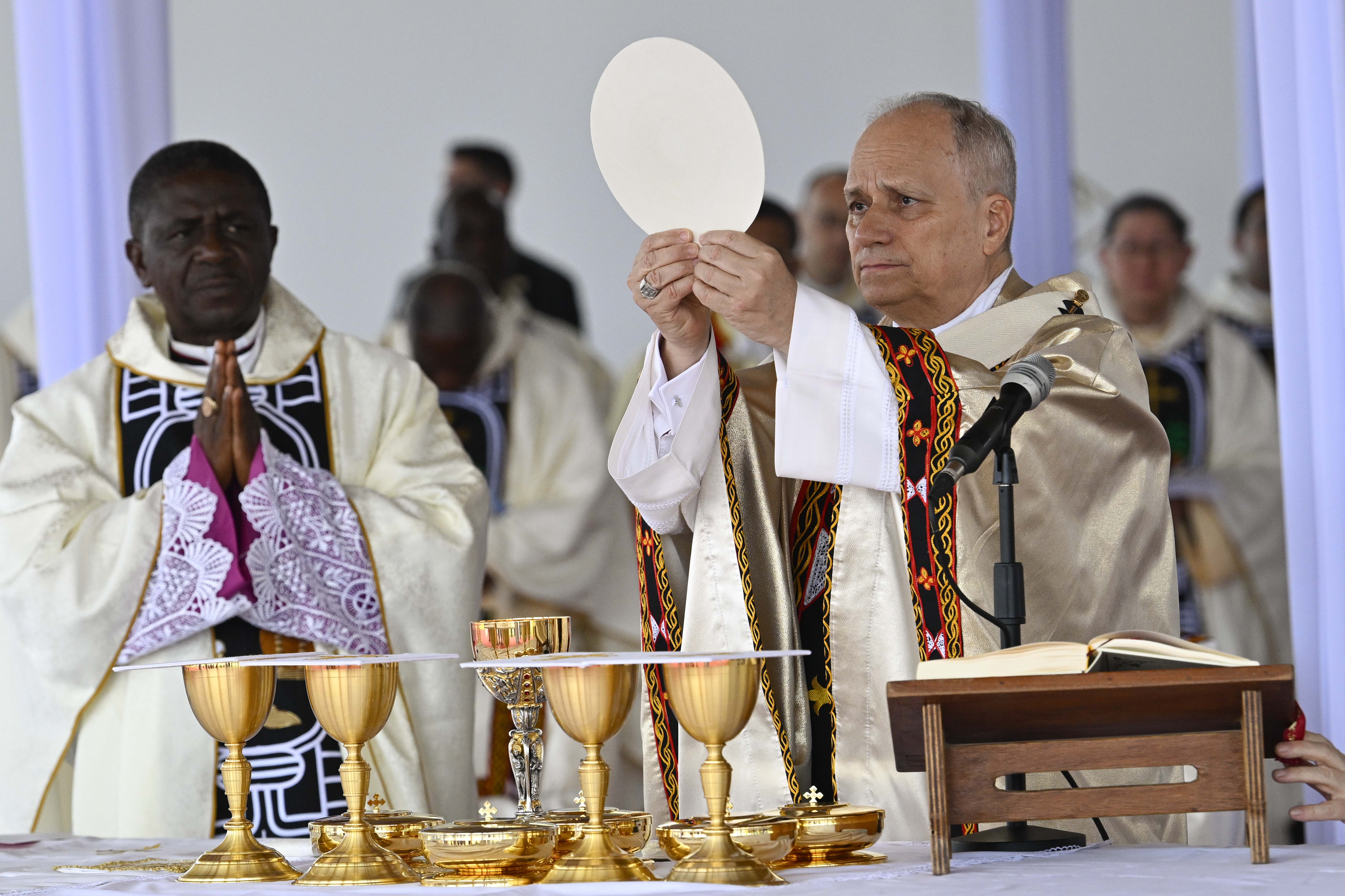
The Second Vatican Council referred to the Eucharist as “the source and summit of the Christian life,” St. Augustine referred to it as “a Divine storehouse filled with every virtue,” and St. Thérèse of Lisieux described it simply as “the sole remedy, if you want to be cured.”
Yet though Christ in the Eucharist occupies a place of centrality in the Church, many Catholics may not ever stop to reflect on the bread that in the Mass becomes Christ — namely, how is this unique substance produced before it is brought to the altar?
The question is not merely academic; in rare instances the local Church can run out of Communion hosts, as occurred in Cuba in June . All of Cuba’s hosts are produced by Discalced Carmelites at the Monastery of Santa Teresa and San José, but the lack of a reliable power supply there hindered production over the summer.
Sister Ruth Starman, the head of altar bread production for the Benedictine Sisters of Perpetual Adoration in Clyde, Missouri, told EWTN News that the requirements for Catholic altar bread are dictated by the Code of Canon Law of the Church, specifically canon 924.
The sisters’ abbey in Missouri has been producing altar bread for years…