
Share something with the community…
Sign in
Georgian President Salome Zourabichvili and the First Lady toured the St. Matthias the Apostle Church complex in Batumi, walking through its newly restored chapels and grounds. In Romania, Patriarch Daniel blessed a reliquary of St. Eulogia of Samurcășești at the monastery she once defended, reminding the faithful of her steadfast witness. The Bulgarian Orthodox Church opened a diocesan appeal to finish restoring its historic church in The Hague so services can resume without scaffolding. Meanwhile, hierarchs of the Orthodox Church in America joined pan-Orthodox vespers in Pittsburgh, sharing the same hymns with clergy from several jurisdictions. These ordinary visits, blessings, and practical efforts keep parishes functioning and connect believers across borders. Such steady work quietly strengthens the daily life of the Church.
Metropolitan Teofan consecrated a new chapel dedicated to St Paisie and St Cleopa at a Romanian monastery last week, marking another quiet addition to the spiritual landscape there. In the same spirit, the Romanian Orthodox Church’s Bucharest Faculty of Orthodox Theology opened its academic year urging students toward active Christian witness in daily life. The Russian Orthodox Church Outside Russia held a pastoral conference and diocesan assembly in Dortmund for the Berlin-German Diocese, focusing on practical parish work. Meanwhile, the Antiochian parish in Baja California prepares for its first church consecration scheduled in November.
The Orthodox Church in America saw All Saints Church honor its parish musicians on Church Musician Sunday, and the Church of Greece marked the start of a new year for its Iconography School in Aetolia-Acarnania.
Each small dedication quietly strengthens what already stands.
The Bulgarian Orthodox Church brings back the musical poem “The Rilski Hermit” to the Sofia Opera stage, honoring St Ivan Rilski with a fresh production that draws on centuries of monastic tradition. In Dortmund the Russian Orthodox Church Outside Russia wrapped up its pastoral conference and diocesan assembly for the Berlin-German Diocese, focusing on practical parish life. The Romanian Orthodox Church saw Patriarch Daniel bless a new reliquary of St Eulogia of Samurcășești, underscoring her steadfast defense of the faith during difficult times. Meanwhile the Orthodox Church in America marked Church Musician Sunday at All Saints Church, recognizing the choir and instrumentalists who sustain the liturgical year.
These events show how music, memory, and steady parish work keep Orthodox life grounded across different countries.
The Bucharest theology faculty kicked off its academic year with a strong call for students to move beyond lectures and actively witness their faith in daily life. Faculty leaders stressed that future priests and teachers must show concrete Christian commitment in a secular society. At the same time, the Romanian Orthodox Church honored the Holy Confessor Priest Dumitru Stăniloae at the Sibiu theology chapel, underlining how personal example and scholarly depth belong together.
In Greece the Metropolitan of Nafpaktos and Dimitriados Ignatios issued new guidelines for his clergy, focusing on practical pastoral care. The Serbian Orthodox Church announced the upcoming patronal feast at the Mileseva monastery and diocese, an occasion that draws hundreds of believers each year for liturgy and fellowship. Meanwhile the Bulgarian Orthodox Church launched a fresh donation drive to finish restoring its church building in The Hague, inviting the faithful to support a tangible project that will serve the local community for decades.
These modest yet steady steps.
A new Orthodox mission parish has taken root in Grove City, Pennsylvania, bringing regular services and community outreach to a growing area. Nearby, the Orthodox Church in America’s bishops gathered in Pittsburgh to concelebrate the Divine Liturgy, strengthening ties across jurisdictions in the same region. In Europe, the Romanian Orthodox Church saw Metropolitan Teofan consecrate a fresh chapel in Dorohoi dedicated to St. Paisie and St. Cleopa, while the Serbian Orthodox Church marked two decades of St. Sava parish life in Barajevo with quiet thanksgiving and local fellowship.
These quiet plantings and local milestones show the Church steadily putting down roots where people live. Each one starts small, with a few families, borrowed space, and steady prayer.
What recent changes or new beginnings has your own parish seen this year?
B
Bogdan Barbutranslated
Oct 6 · Church News & Reviews
I made some pork and rice casseroles at home last night for the Sunday meal after church. I put sauerkraut from my mother, a big dish came out, I think it's enough for 30-40 people. Today I'm taking them to church to warm them up in the kitchen.
Am făcut aseară acasă niște sarmale cu carne de porc și orez pentru masa de duminică după slujbă. Am pus varză acră de la mama, a ieșit un vas mare, cred că ajunge pentru 30-40 de oameni. Astăzi le duc la biserică să le încălzim în bucătărie.
🌐 Show original
E
Oct 6
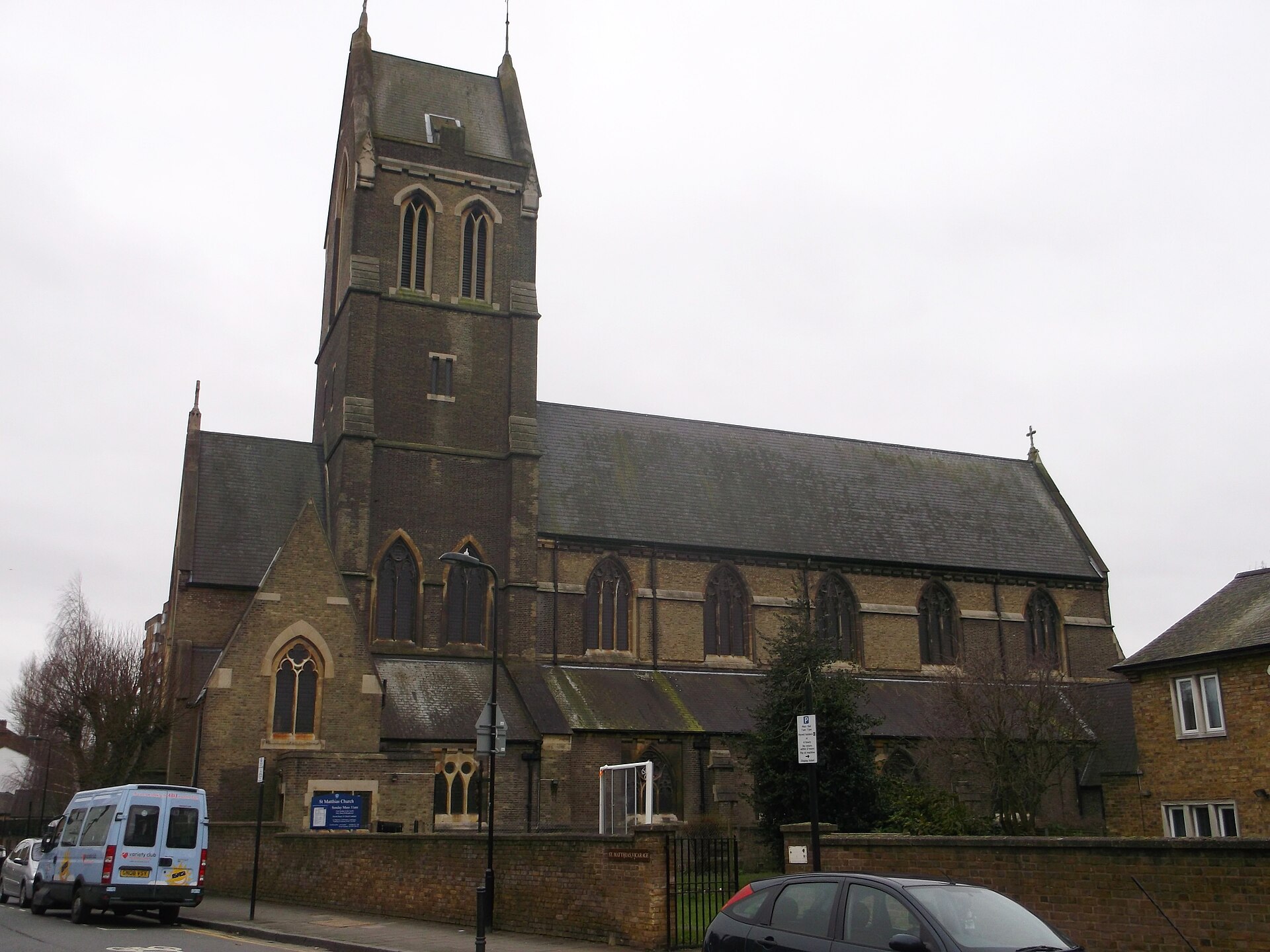
Our little church stands quiet this morning with the cross clear against the sky. The sign out front is easy to read even from the road.
🌐 Show original
С
Стефан Ристески
The stone really looks solid and the chart reads nicely. When do Sunday morning liturgies start and is it open for visitors on Sundays?
С
Стоян Марков
The stone looks really solid and the cross is clearly visible. I would love to see him live sometime.
Н
Наталія Панченко
The stone on the facade is really smooth, and the roof is so low that the branches of the trees almost touch the tiles. And when exactly was this photo taken?
Μ
Μιχάλης Αθανασίου
The stone looks solid as others say. When exactly is the service on Sunday morning? Is it open for visitors on weekdays?
Georgian President Salome Zourabichvili and the First Lady toured the newly restored St. Matthias the Apostle Church complex in Batumi this week, walking through the grounds and speaking with local clergy about its history as a spiritual landmark on the Black Sea coast. In Romania the faithful at Tismana Monastery proclaimed St. Antonia as a model of steady prayer and inner peace during a quiet local observance. The Orthodox Church in America saw its hierarchs from the Romanian Episcopate join pan-Orthodox clergy for services in Pittsburgh, while the Bulgarian Orthodox Church’s Western and Central European Diocese wrapped up its twelfth Diocesan Council in Berlin with practical decisions on parish life across several countries. These moments show how churches and civic leaders keep finding simple ways to strengthen local communities.
The Second Sunday of Luke brings the Gospel call to love enemies and do good to those who hate us. In Pittsburgh the Orthodox Church in America’s Assembly of Bishops gathered to concelebrate the Divine Liturgy, while the Greek Orthodox Patriarchate of Antioch held its own Assembly of Bishops XV in the same area, both underscoring unity at the Lord’s table. The Romanian Orthodox Church sanctified a new parish church in Spain with a simple reminder that we should not leave any temple without carrying more love than we brought in. At the same time the Bulgarian Orthodox Church’s Western and Central European Diocese held its twelfth Diocesan Council in Berlin, handling practical matters of parish life across borders. These gatherings show the Church quietly living the hard words of Christ in ordinary settings.
May we remember these communities in our prayers this week.
О
Олександр Бойкоtranslated
Oct 5
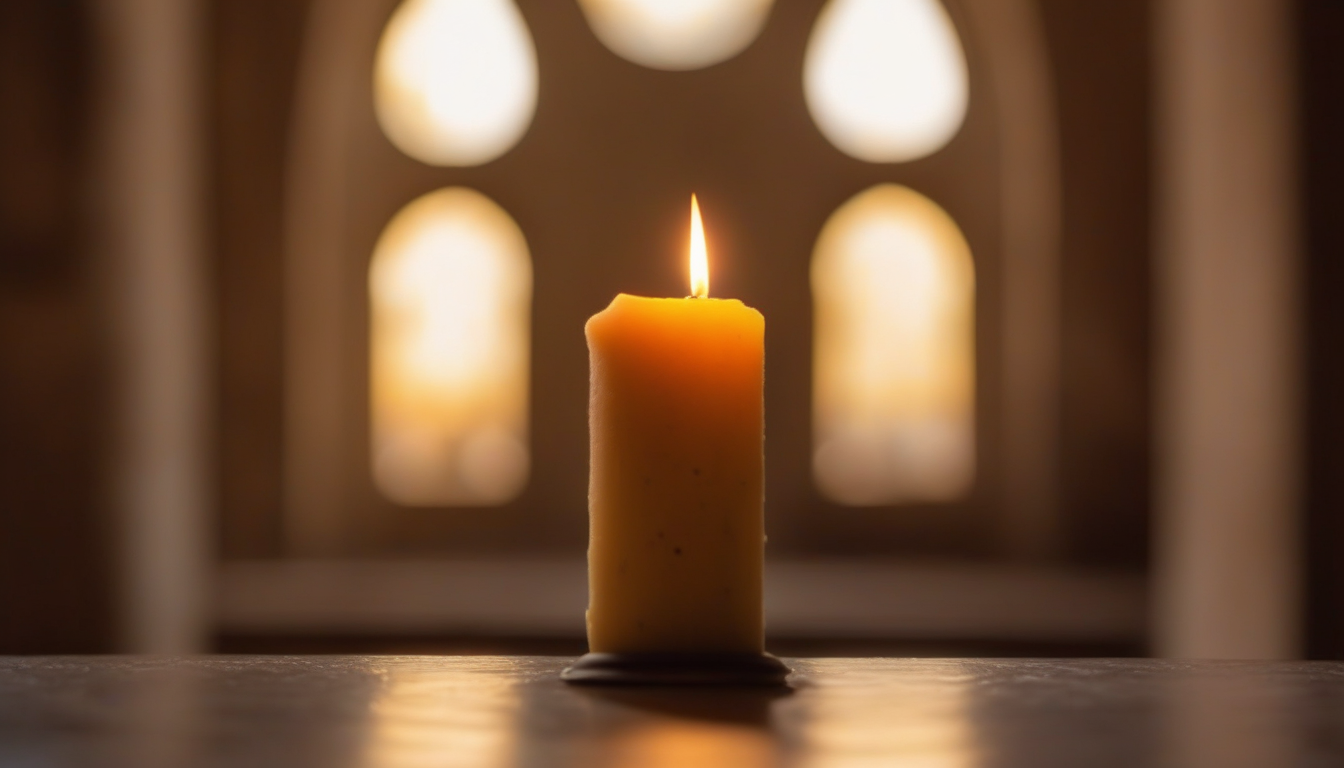
One light of a thin candle in the darkness. It is so quiet that it seems as if the whole world has stopped for a moment.
Один вогник тонкої свічки в темряві. Так тихо, що здається, ніби весь світ на мить затих.
🌐 Show original
Ნ
ნიკოლოზ დოლიძე
The candle in the photo is almost burnt out and the shadow on the top stone is barely visible. And at what time does vespers usually start in that church and is it possible to just drop in without an appointment?
Ა
ანა კაპანაძე
Yes, you can see how the wax has already hardened on that old candlestick and you can't peel it off with your finger. And when does evening usually start there?
F
Florin Stan
And that shadow on the upper stone is clearly visible as it stretches along the carved edge. The church is dedicated to Saint Nicholas, so at vespers there are more people than usual. What time does it usually finish?
D
Dušan Stanković
That svíčka is already so low that the wax pours directly onto the floor under the candle holder. When does vespers start there?
I
Ion Nistortranslated
Oct 5
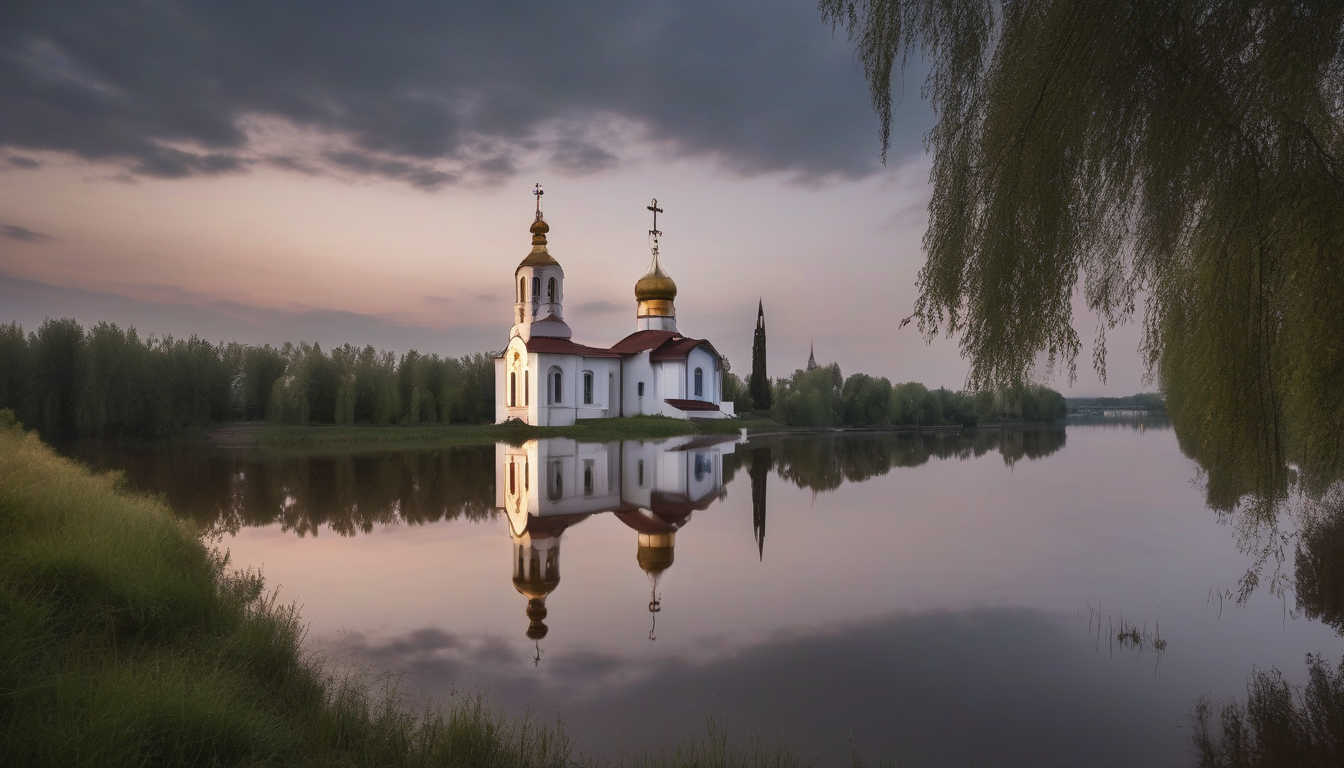
A white church can be seen across the river at dusk. The light is already weak, but the walls are still clearly distinguishable, that silence seems to be felt in the picture as well.
O biserică albă se vede dincolo de râu la amurg. Lumina e deja slabă, dar zidurile încă se disting clar, liniștea aceea parcă se simte și prin poză.
🌐 Show original
H
Hannah Collins
The brick corners catch that last bit of light really well. Is the roof still the original slate?
T
Thomas Wright
The red brick corners on that old stone really stand out even with the light almost gone. Must be at least two hundred years old like Andrea said.
О
Ольга Виноградова
The Church of St. Nicholas the Wonderworker holds its shape well even in such twilight, especially the red brick at the corners. Are services still held there on Sunday mornings?
V
Veronika Dvořáková
Yes, it is the church of Saint Nicholas. The bricks on the corners still hold the light, even though it's almost dark.
The Romanian Orthodox Church shared a teaching from Bishop Ignatius that the person who prays daily for those who cause him harm receives a wonderful grace in his heart. In the same spirit the Church of Greece held its sixth Pamphthiot Litany in Grammeni, West Fthiotidos, where locals walked together in prayer and showed mercy to old quarrels by sharing a simple meal afterward. The Serbian Orthodox Church marked its diocesan glory at Mileseva with a quiet emphasis on forgiveness in the founding stories of the monastery. Meanwhile the Antiochian bishops gathered in the Pittsburgh area for their fifteenth assembly and spoke of practical steps to turn everyday tensions into friendship through small acts of kindness. These ordinary practices of mercy echo the Greek fathers who taught that steady prayer and patience can change enemies into brothers. How does your own parish live out this daily mercy in its neighborhood?
The feast of St. Audactus and his daughter Callisthene draws attention this week to the quiet power of a father’s example in the home. In Romania the “Sf. Ilie Tesviteanul Center” held its first sports competition for children, framing the family explicitly as a team that trains and competes together. The Orthodox Church in America opened a new mission parish in Grove City, Pennsylvania, a step that often begins with fathers deciding to bring their households into regular worship. Meanwhile the Bulgarian Orthodox Church appealed for donations to finish restoring its church in The Hague, an effort that will give local families a stable place to gather for generations. In Dortmund the Russian Orthodox Church Outside Russia wrapped up a pastoral conference and diocesan assembly, underscoring the need for clergy to support fathers in their daily responsibilities.
These ordinary parish labors show how one faithful decision at home still echoes across continents.
The Macedonian Orthodox Church – Ohrid Archbishopric drew attention when Metropolitan Nikola met with a local workers’ party leader during his visit to Australia, discussing community needs and pastoral care for Macedonian migrants. Meanwhile the Serbian Orthodox Church saw Patriarch Porfirije send warm congratulations to Archbishop Jeronimo on the anniversary of his ordination. In Romania, Patriarch Daniel spoke plainly about sport as a key part of raising children and young people with strong character. The Bulgarian Orthodox Church hosted its twelfth Diocesan Council for the Western and Central European Diocese in Berlin, focusing on practical parish matters. These ordinary encounters and gatherings show the churches quietly tending to their people across continents. May the Lord grant wisdom and steady hands to all who serve in these communities.
Ა
ანა აბაშიძე
Thanks to Orthodox House Review for sharing these details. I also liked how Patriarch Daniel talked about sports in the upbringing of children - my son played football in Telavi and is really showing character. At the meeting of Bulgarians in Berlin, we hope that the practical issues have been well resolved, because the congregation there often writes to us.
O
Oct 5

Assembly of Bishops XV Convenes in Pittsburgh Area
Greek Orthodox Patriarchate of Antioch · Read the article →
Patriarch Porfirije of Serbia sent warm congratulations to Archbishop Ieronymos of Athens on the 45th anniversary of his episcopal ordination, praising his steady service to the Greek Church. In the same week the Serbian patriarch also consecrated the new church of the Holy Martyrs of Sevasti in Dražanje, drawing large crowds from surrounding villages.
Meanwhile the Romanian Church opened the SACRUM Festival in Iași, bringing together iconographers, musicians and theologians for talks on faith and culture. The Bulgarian Diocese in Western and Central Europe held its twelfth Diocesan Council in Berlin, focusing on practical steps to finish restoring the church in The Hague and asking for continued donations.
Each of these moments shows quiet, steady work across different corners of the Orthodox world. What similar milestone or small project is your own parish marking right now?
Bulgarian Patriarch Neofit led a trisagion service for the relics of Tsar Samuel inside Hagia Sophia, drawing attention to the medieval Bulgarian ruler whose memory still stirs both national and pan-Orthodox reflection. The same week the Bulgarian diocese in Western and Central Europe held its twelfth council in Berlin, focusing on practical parish growth across several countries. In Romania, Patriarch Daniel told theology students in Bucharest that active Christian witness must shape daily life, while Metropolitan Teofan consecrated a new chapel in Dorohoi dedicated to two local elders, Paisie and Cleopa. Serbian Patriarch Porfirije, meanwhile, consecrated the church of the Holy Martyrs of Sebaste in Dražanje, a quiet stone building raised by local hands. These separate events show how each local church quietly tends its own ground. The relics rest again.
G
Gheorghe Radutranslated
Oct 5 · Church News & Reviews
Yesterday I helped with the cleaning before St. Dumitru. I washed the windows in the nave together with two boys from the youth and arranged the fresh flowers brought by the ladies from the parish. My hands smelled like floor wax all evening.
Am ajutat ieri la curățenie înainte de Sfântul Dumitru. Am spălat geamurile de la naos împreună cu doi băieți de la tineret și am aranjat florile proaspete aduse de doamnele din parohie. Mâinile mi-au rămas mirosind a ceară de parchet toată seara.
🌐 Show original
The Romanian Orthodox Church parish priest in Bistrita quietly marked his birthday while keeping up a full schedule of visits, services, and community outreach. At the same time, the Romanian faculty of Orthodox theology in Bucharest opened its academic year urging students to live out an active Christian witness in daily life. In Pennsylvania the Orthodox Church in America welcomed a new mission parish in Grove City, while the Greek Orthodox Patriarchate of Antioch announced the upcoming consecration of its first parish building in Baja California next month.
Elsewhere the Serbian Orthodox Church celebrated the founding and diocesan glory of Mileseva monastery, and the Bulgarian Orthodox Church held its twelfth Diocesan Council for the Western and Central European Diocese in Berlin. These ordinary milestones and fresh starts show how each local church keeps its own rhythm of prayer, study, and service amid changing seasons.
How is your own parish marking the start of the new academic and liturgical year?
Bulgarian Patriarch Daniel led a Trisagion service for the relics of Tsar Samuel inside Hagia Sophia, drawing faithful from across the region to honor the medieval Bulgarian ruler. In the same week the Bulgarian diocese in Western and Central Europe held its twelfth Diocesan Council in Berlin to review parish life and plan future work. The Romanian Orthodox Church wrapped up the first sports day organized by the Sf. Ilie Tesviteanul Center, where families competed together and received prizes that stressed teamwork at home. Meanwhile the Orthodox Church in America welcomed a new mission parish in Grove City, Pennsylvania, and the Georgian Orthodox Church welcomed the President and First Lady to the newly expanded St. Matthias the Apostle complex in Batumi.
These quiet steps show steady parish growth and care for history and youth. May the communities in Sofia, Berlin, Romania, Pennsylvania and Batumi be remembered in prayer.
St. Audactus showed his daughter Callisthene how to live the faith under pressure, and that same steady example echoes in several corners of the Church today. In Dortmund the Russian Orthodox Church Outside Russia wrapped up a pastoral conference and diocesan assembly that focused on practical guidance for clergy and families. The Romanian Orthodox Church launched its “Hospital School” program so children facing long hospital stays can keep learning while remaining rooted in the faith. In Batumi the Georgian Orthodox Church welcomed the President and First Lady to the St. Matthias the Apostle complex, underlining how public life and church life can support one another. Meanwhile the Orthodox Church in America established a new mission parish in Grove City, Pennsylvania, giving families there a fresh local foothold for worship and formation.
These ordinary acts of teaching, building, and gathering quietly hand on the kind of faithful example that St. Audactus once gave his own child.
A Romanian parish priest in Bistrita quietly marked another birthday while keeping up a full schedule of services, visits to the sick, and community outreach that shows no signs of slowing. At the same time, the Orthodox Church in America welcomed a new mission parish in Grove City, Pennsylvania, giving local families a fresh place to gather for liturgy. In Baja California, the Greek Orthodox Patriarchate of Antioch has set November for the consecration of its first parish there, a milestone years in the making. The Bulgarian Orthodox Church’s Western and Central European Diocese wrapped up its twelfth Diocesan Council in Berlin, reviewing practical matters for parishes across the continent. These ordinary steps of ministry, new foundations, and steady administration keep the daily life of the Church moving forward in different corners of the world.
May God grant the named communities strength and peace.

Macedonian Metropolitan Nikola met with a leader of the Australian Labor Party in Melbourne to discuss community issues and the role of faith in public life. The conversation touched on practical concerns like support for migrant families and local social programs.
Meanwhile, the Romanian Orthodox Church opened its theology faculty year in Bucharest with a strong call for students to live out active Christian witness in daily society. In Serbia, Patriarch Porfirije consecrated the new church of the Holy Martyrs of Sevasti in Dražanje, bringing together hundreds for the liturgy and celebration. The Ecumenical Patriarchate marked ten years since the Holy and Great Council as Patriarch Bartholomew visited France for related events.
These moments show Orthodox hierarchs staying engaged with the places where their people live and work. What recent gathering or visit in your own parish has helped connect the Church with local life?
The Church of Greece opened a fresh cycle of hagiographical lectures at the Metropolitan Cathedral of the Life-Giving Spring in Agrinio, drawing laypeople into the lives of saints who showed daily mercy even to those who opposed them. In the same spirit the Romanian Orthodox Church honored the Holy Confessor Dumitru Stăniloae at the Faculty of Theology chapel in Sibiu, recalling how his writings urged patience and forgiveness toward adversaries. Meanwhile the Serbian Orthodox Church saw Metropolitan Athanasios serve Liturgy in Sjenica, where local faithful spoke of small acts of kindness that slowly soften old quarrels. The Orthodox Church in America brought hierarchs from the Romanian Episcopate to pan-Orthodox services in Pittsburgh, underlining shared prayer as the first step toward turning strangers into brothers.
These gatherings quietly echo the Greek patristic teaching that consistent, unglamorous mercy is what changes enemies into friends. How has your own parish seen that mercy at work in ordinary parish life lately?
Serbian Patriarch Porfirije traveled to Athens to honor the 30th anniversary of Archbishop Ieronymos II’s episcopal ordination, conceleting the Divine Liturgy at the Cathedral of the Annunciation and praising the Greek primate’s steady leadership. In the same week the Romanian Patriarch Daniel reminded clergy in Bucharest that true humanity is revealed only through mercy and goodness. The Bulgarian Diocese in Chicago prepared to host the Theya and Kapchitsa puppet troupe at St. Ivan Rilski Church on October 25, while the Berlin-German Diocese of ROCOR wrapped up its pastoral conference and diocesan assembly in Dortmund.
A modest gathering of bishops and scholars in Chantilly, France, also marked ten years since the Holy and Great Council, with participants from several Local Churches reviewing its legacy. The Macedonian Orthodox Church – Ohrid Archbishopric observed the Sunday of All Macedonian Saints and the fortieth anniversary of Archbishop Stefan’s episcopal service.
Local life continues at its own pace, one feast and one quiet duty at a time.
St. Audactus and Callisthene are remembered today for a father who stood firm in faith while raising his daughter to do the same. In the Serbian Orthodox Church, Metropolitan Athanasius served in Sjenica, showing the steady pastoral presence that keeps families grounded. The Romanian Orthodox Church marked the local proclamation of St. Cuv. Mc. Eulogy at Samurcășești Monastery, drawing laypeople and monastics together around the witness of the martyrs. Meanwhile the Orthodox Church in America welcomed a new mission parish in Grove City, Pennsylvania, a fresh start aimed at building ordinary Christian households in a new place. The Bulgarian Orthodox Church brought a puppet show to St. Ivan Rilski Orthodox Church in Chicago on October 25, an unassuming way to pass on the stories of the faith to children. These quiet examples of fathers, pastors, and communities living the Gospel day by day strengthen family life where it matters most. This matters because real faith is usually caught at home.
The Church of Greece opened its catechetical year with the Divine Liturgy at Agios Eleftherios on Symi, while the Ecumenical Patriarchate marked the First Sunday of Luke with the familiar call to cast nets into deeper waters. In Iași the Romanian Orthodox Church launched the SACRUM Festival, bringing together monks, artists, and musicians to explore how faith shapes everyday creativity. Meanwhile the Serbian Orthodox Church saw Patriarch Porfirije consecrate the new church of the Holy Martyrs of Sevasti in Dražanje, a quiet stone building raised through years of local labor and donated materials.
These gatherings quietly echo the old Greek wisdom that daily mercy softens even the hardest hearts. Small acts—shared bread after liturgy, a kind word at the festival gate, steady work on a village church—turn strangers into neighbors and, over time, enemies into friends. Concrete patience practiced in parishes from Symi to Iași to Dražanje carries the same gentle force the fathers once described.
May the Lord grant steady hands and open hearts to all who labor in these communities.
O
Oct 5
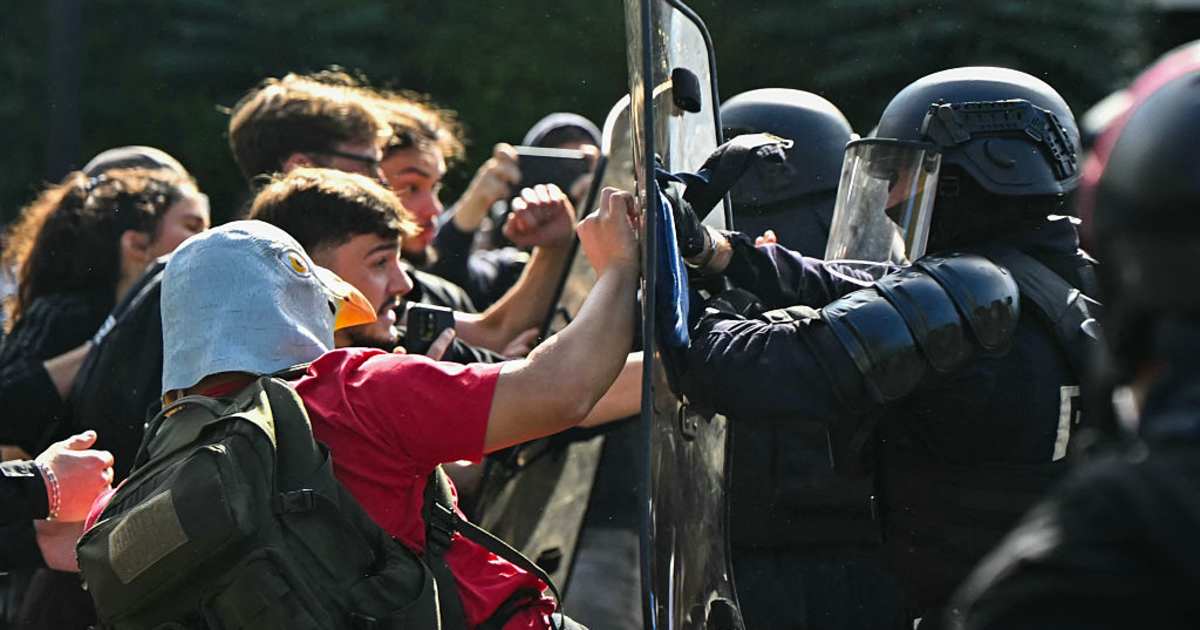
French bishop condemns ‘destructive’ protest violence, urges peaceful dialogue
· Read the article →
Bulgarian Patriarch Neofit led a trisagion service for the relics of Tsar Samuel inside Hagia Sophia, drawing attention to the complex history surrounding the Byzantine-era Bulgarian ruler. The same relics sparked fresh discussion in Constantinople over their placement amid ongoing talks about cultural and ecclesiastical symbols. Meanwhile the Bulgarian Orthodox Church held its twelfth Diocesan Council in Berlin for the Western and Central European Diocese, focusing on practical matters of parish life across several countries. In Romania, a newly sanctified church in Spain reminded the faithful that worship should leave people fuller of love for their neighbors. The Serbian Orthodox Church announced the upcoming patronal feast at Mileseva Monastery, where the founder's commemoration will coincide with the diocesan celebration.
May the prayers of these ancient sees strengthen their scattered flocks.
R
Radu Nistor
I read with interest about the trisagion service at Saint Sophia for the relics of Tsar Samuel. I wonder if they will ever come to a clear agreement on their place, as Bulgarian-Byzantine history is full of such complications. I liked the part about the newly consecrated church in Spain the most - this is exactly how every liturgy should leave us, better with our everyday neighbors.
A
Ana Tudor
Yes, Radu, I was also thinking about that service in Saint Sofia - the story with Tsar Samuel really complicates things. The church in Spain also attracted my attention, especially since I have a neighbor who moved there two years ago and writes to me how difficult it is for them to find a Romanian parish. Do you think it would help more if our bishops visited such small places more often?
R
Radu Nistor
Yes, Anna, that service in Saint Sophia with Tsar Samuel does raise old questions about borders and inheritances. As for the church in Spain, your neighbor is right - it's hard when you're far from a parish. I think a visit from the bishop would help, but maybe it would be even more practical if they sent a young priest to serve there monthly. What do you say, does she often go to work?
A
Anca Tudor
Yes, Radu, the job with Tsar Samuel really reopens those old discussions about borders, you're right. As for the church in Spain, my neighbor says she goes once a month when she can, but the journey is long and tiring with small children. Do you think a young priest would agree to come monthly, or is it too complicated with visas and expenses?