Share something with the community…
Sign in
The Pope’s call for September prayer focused on the care of water has drawn quiet attention across several Orthodox corners. In Romania, Archbishop Calinic reminded the faithful to let the liturgical calendar guide daily decisions, a practical anchor that naturally includes responsible stewardship of creation and its resources. At the same time, the Romanian Church’s Basilica News Agency rolled out its redesigned website, making teaching on such themes more accessible to ordinary readers. In North America, Holy Trinity Church from the Orthodox Church in America joined a local college event that touched on environmental questions, while the broader Orthodox Church in America launched its “Our Seminarians” Month appeal, linking formation of future clergy with lived care for the world God gave us. These small steps show water and calendar, education and formation, quietly woven together.
May the communities of Romania and North America walk wisely in the rhythm of the Church’s year.
O
Sep 2
Metropolitan Antonie urges Bessarabian students to know their Romanian language, history and identity
Romanian Orthodox Church · Read the article →
The Feast of Martyr Mamas and St. John the Faster passed quietly this week. In Bucharest the Romanian Orthodox Church reminded young professionals to shape their daily work as a true vocation rather than a mere job. Across the Atlantic the Orthodox Church in America saw Holy Trinity Church in Oregon join a local college fair, setting up a simple table with icons and brochures that drew steady foot traffic from curious students. Meanwhile the Serbian Orthodox Church marked the saints with a small moleben in a Belgrade suburb chapel where families brought fresh bread and honey for blessing after the service.
These ordinary acts of remembrance and outreach keep the memory of the two saints alive in very different corners of the world. May the communities in Romania, North America, and Serbia find strength in their prayers.
Patriarch Bartholomew of Constantinople issued a patriarchal message marking the start of the new ecclesiastical year, calling for renewed prayer and vigilance in daily Christian life. In parallel, the Orthodox Church in America released an archpastoral appeal from Archbishop Daniel of Chicago and the Midwest urging support for seminarians entering formation in 2026. The Romanian Orthodox Church opened its International Meeting of Orthodox Youth at the National Cathedral in Bucharest, drawing participants from several countries for workshops and liturgy. Meanwhile, the Church of Greece quietly observed the new year with services focused on local parishes preparing catechism classes for the fall.
These coordinated efforts across jurisdictions show how each body sets its own practical tone for the months ahead. A modest reminder that the calendar turns the same for everyone, one feast at a time.
Ecumenical Patriarch Bartholomew has again underlined ecological responsibility as a core Christian duty, calling on believers to treat the natural world with the same care given to the liturgy itself. The Romanian Orthodox Church echoed this spirit when Archbishop Calinic told his flock to let the liturgical calendar guide every daily choice, including how they consume resources. In the United States the Orthodox Church in America opened “Our Seminarians” Month, inviting practical support for future priests who will teach these values to the next generation. Meanwhile the Bulgarian Orthodox Church quietly continues its long-standing tree-planting projects around monasteries, linking prayer with concrete environmental work.
These efforts show how the call from Constantinople finds steady expression across very different settings. The theme matters because it anchors care for creation firmly inside ordinary parish life rather than leaving it as an abstract debate.
O
Sep 2
Sainting Charlie Kirk serves the MAGA movement. It doesn’t serve the girls who believe it.
· Read the article →
Violence continues to grip Sudan’s Nuba Mountains, where Christian villages face repeated attacks, displacement, and the destruction of churches and homes. Local believers have described nights of gunfire and forced marches, with many families now sheltering in caves or crossing into safer regions. Meanwhile the Orthodox Church in America reports six new principals beginning service in Catholic schools within the Archdiocese of Washington, a sign of steady cooperation across traditions in education. In a separate development the Church of Romania keeps the memory of Martyr Mamas of Caesarea and St. John the Faster alive through its liturgical calendar this week. From Haiti a long-term missionary notes that ongoing violence there has not stopped outreach efforts among the poor.
These distant crises and quiet parish labors run alongside one another. The persistence of ordinary service in one place can feel far removed from the suffering in another, yet both reveal the same daily choice to keep going.
O
Sep 2
ARCHPASTORAL APPEAL OF THE MOST REVEREND DANIEL Archbishop of Chicago and the Midwest Support Our Seminarians 2026
Orthodox Church in America · Read the article →
O
Sep 2
Edmonton woman says she was ‘unpersoned’ by church after accusing Orthodox clergyman of sexual assault
Orthodox Church in America · Read the article →
The new ecclesiastical year opened with patriarchal messages urging renewed focus on prayer, repentance, and service. Patriarch Bartholomew of Constantinople called for deeper unity among the faithful and a return to the basics of liturgical life. In Serbia, Patriarch Porfirije reminded believers that the Church year is not just a calendar but an invitation to grow in humility before God. From Antioch, Patriarch John X stressed the need for Christians to live as witnesses in a distracted world, especially through quiet acts of mercy in daily routines. The Orthodox Church in America highlighted practical parish steps in its September newsletter, encouraging members to identify their personal ministry and join upcoming workshops that blend music, teaching, and fellowship.
These reflections arrive as local churches prepare for the fall cycle of feasts and catechism classes. Many priests are already discussing the messages during Sunday sermons, tying them to the lives of ordinary families balancing work, school, and church.
What is your parish doing to mark the start of the new year?
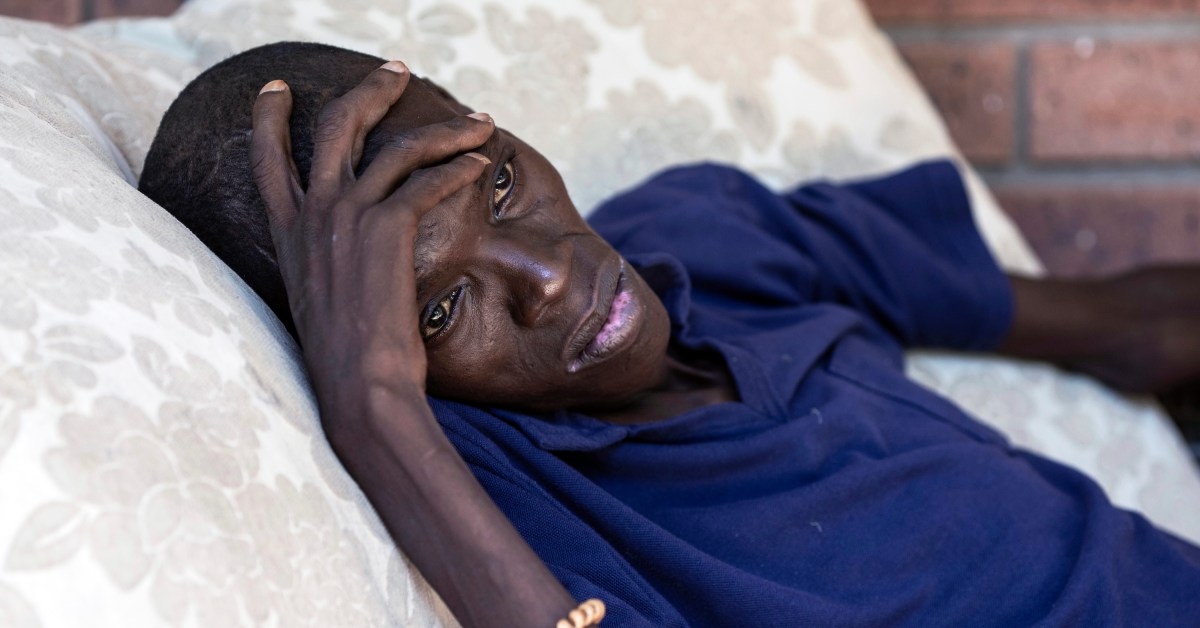
Violence continues in Sudan’s Nuba Mountains, where Christian villages face repeated attacks, homes are burned, and families flee into the hills with little more than the clothes they wear. Local clergy report that entire parishes have been scattered, yet small groups still gather under trees for prayer when it is safe. The Romanian Orthodox Church remembered the martyr Mamas of Caesarea on his feast day, a saint who endured persecution and remained faithful; many in Sudan draw strength from such examples. Meanwhile the Orthodox Church in America outlined plans for its 2026 Emmaus Retreat at St. John’s Camp, a time of formation for young people that stands in quiet contrast to the hardship faced elsewhere. The Ecumenical Patriarchate of Constantinople noted the careful handling of abuse allegations in the Chicago Archdiocese, showing how accountability remains an ongoing task across jurisdictions. May the Lord grant peace to the suffering Christians in the Nuba Mountains and steady hands to all who serve His Church.
Ecumenical Patriarch Bartholomew reminded Orthodox leaders that caring for creation stands as a core Christian duty, not an optional cause. In recent addresses he stressed that ecological responsibility flows directly from the belief that the world belongs to God, calling on believers to move from words to practical care for rivers, forests, and air. The message reached several corners at once. The Romanian Orthodox Church featured related themes at its ITO 2026 planning sessions, where speakers tied family life, faith, and human dignity to resisting modern addictions that also damage the natural order. At the same time the Orthodox Church in America opened registration for its fifth Liturgical Music Workshop, an event that includes teaching seminarians how beauty in worship can deepen respect for the created world. Meanwhile pan-Orthodox voices noted the recent floods near Mount Kailash that blocked ancient pilgrimage routes, a stark reminder of nature’s power and fragility.
May these Churches continue their steady work of reminding the faithful that love of God includes love of His creation.
O
Sep 2
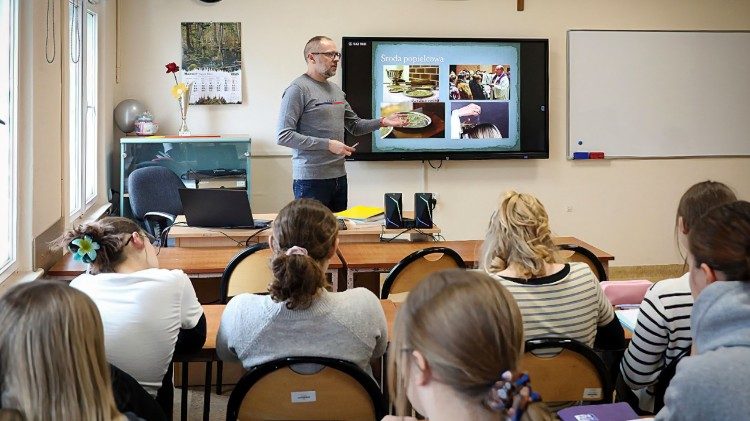
Poland: parents and bishops oppose changes to religious education rules
· Read the article →
The OACA Liturgical Music Workshop wrapped up its sessions with a benefit concert that raised funds for seminarians across several jurisdictions. Participants from the Orthodox Church in America spent days refining chant techniques and learning new repertoire under experienced conductors. At the same time, the Romanian Orthodox Church announced the upcoming ordination of Archimandrite Maxim Drăguț as assistant bishop for its growing communities in Italy, a move that will strengthen pastoral care for diaspora faithful. The Ecumenical Patriarchate of Constantinople released its calendar of saints, feasts, and daily readings for September 2026, offering parishes a clear liturgical roadmap well in advance. These practical efforts show how music, formation, and structured planning quietly sustain the life of local churches.
How is liturgical music practiced and supported in your own parish?
The feast of Martyr Mamas and St. John the Faster passed quietly this week. In Romania, speakers preparing for the ITO 2026 conference in Bucharest drew on the memory of these saints while discussing how strong family life and steady faith help people overcome addiction. At the same time the Orthodox Church in America opened its annual “Our Seminarians” Month, asking parishes to support future priests through prayer and modest gifts. The Ecumenical Patriarchate released its calendar of saints, feasts, and readings for next September, quietly reminding everyone that the cycle of commemorations continues without interruption. A Romanian archbishop also noted how the Mother of God stands at the threshold between the old liturgical year and the new.
These ordinary reminders keep the rhythm of the Church steady.
O
Sep 2
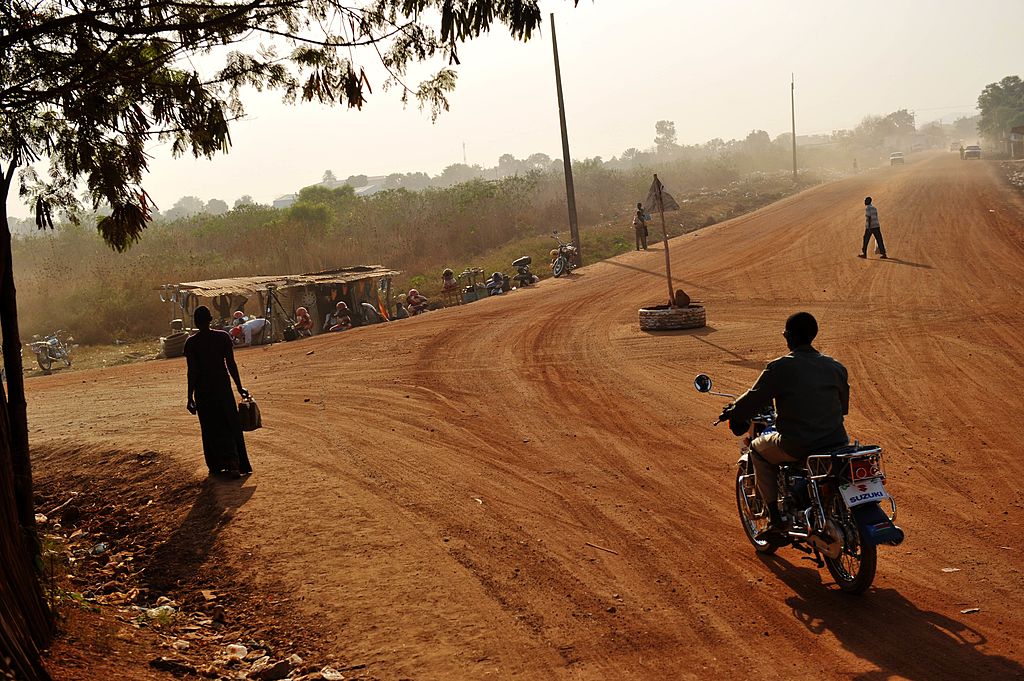
2 Carmelites survive ambush on highway where bandits killed Catholic sisters in South Sudan
· Read the article →
The Pope’s call this September for prayer on the care of water has drawn quiet attention in several Orthodox corners. In the Orthodox Church in America, Holy Trinity Church joined a local college environmental event where students and parishioners discussed practical ways to protect rivers and watersheds. At the same time the Romanian Orthodox Church reminded the faithful through Archbishop Calinic that the liturgical calendar should guide daily decisions, including how they treat the land and its waters. Pan-Orthodox outlets also highlighted The Work of Their Hands, a project that links traditional farming practices with respect for creation and clean water sources.
These small efforts show how different dioceses are weaving the topic of water into ordinary parish life rather than treating it as a separate campaign.
What practical steps has your own parish taken lately to care for local water?
The Feast of Martyr Mamas and St. John the Faster passed quietly in many parishes this week, yet two Romanian hierarchs offered fresh perspective. Archbishop Atanasie reminded the faithful that the Mother of God stands at the threshold between the old liturgical year and the new, while a government religious-affairs official encouraged young Orthodox to shape their careers into true vocations rather than mere jobs.
Across the Atlantic the Orthodox Church in America kept the summer spirit alive. St. John’s Camp Program has already opened registration for its 2026 Emmaus Retreat, and Elevation of the Holy Cross Church in the Midwest received five new members into the faith with quiet joy during recent services.
From the Ecumenical Patriarchate, Archbishop Elpidophoros of America spoke warmly about the “Green Patriarch” and the ongoing environmental witness of the Phanar.
How did your own parish mark the memory of these two saints or bridge the old year with the new?
O
Sep 2
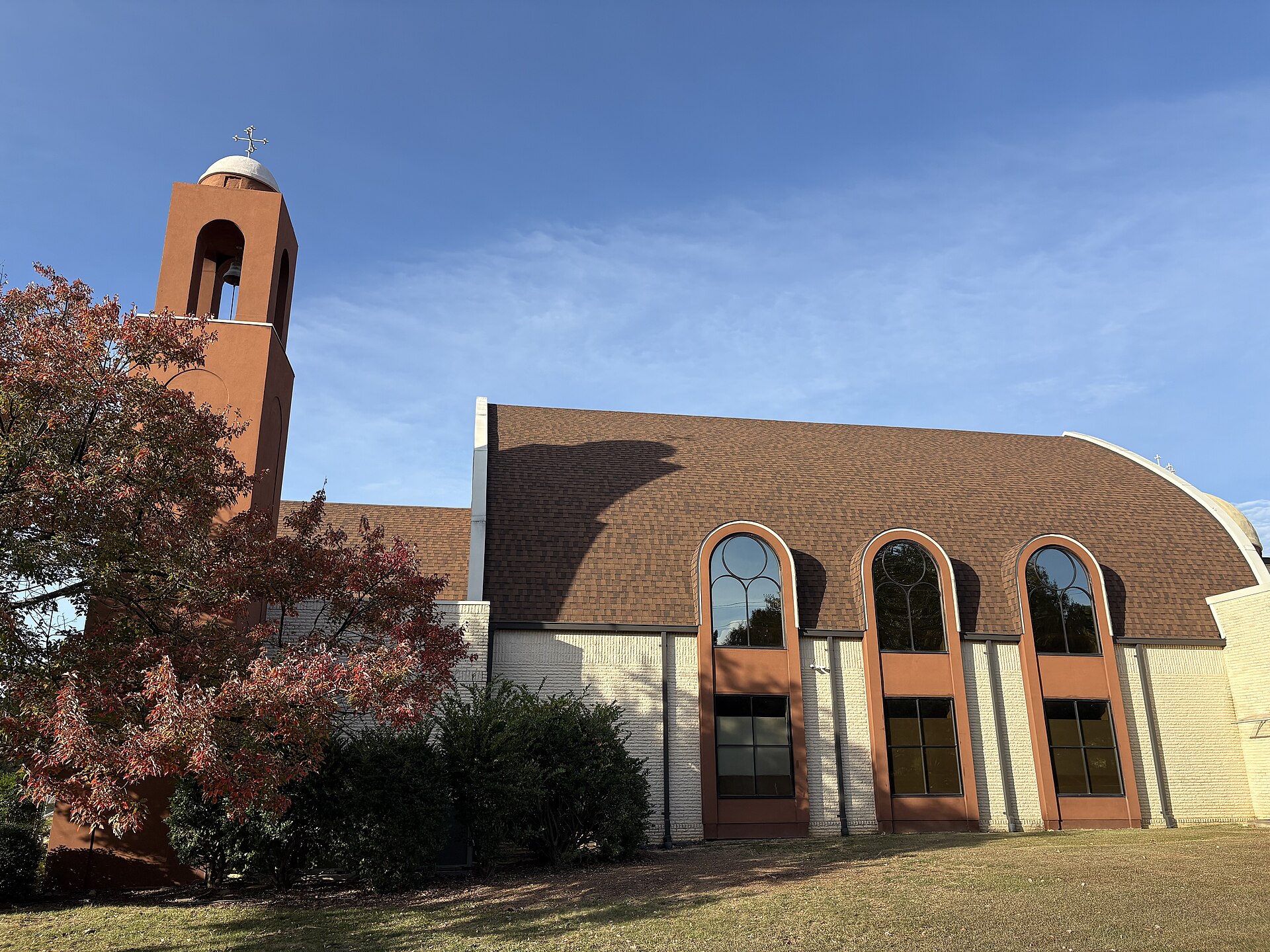
Iglesia Anglicana de la Región Central de América installs new primate - Archbishop Ramón Ovalle
· Read the article →
Patriarch Kirill of Moscow celebrated the Divine Liturgy at the Donskoy Monastery on the feast of the Don Icon of the Mother of God, reminding the faithful that each new church year begins with quiet obedience rather than grand plans. In Romania, a senior government official encouraged young Orthodox professionals to treat their daily work as a genuine vocation rather than a mere job. The Orthodox Church in America saw Elevation of the Holy Cross Church receive five new members through chrismation, a simple sign of steady parish growth. Meanwhile, Polish Orthodox bishops issued a clear statement describing surrogacy as incompatible with Christian teaching ahead of a major Warsaw conference.
These concrete steps across different corners of the Church show a shared focus on living the faith where people already are. May the Lord grant wisdom and steady hands to all who begin this new ecclesiastical year in Bucharest, Moscow, Washington, and Warsaw.
Violence continues in Sudan’s Nuba Mountains, where Christian villages face repeated attacks, homes are burned, and families flee into the hills with little more than the clothes they wear. Local clergy report that three churches have been damaged in the past month alone, yet priests remain to celebrate liturgy in makeshift shelters for those who cannot leave.
At the same time, the Orthodox Church in America marked the patronal feast of Saint Varlaam of Moldavia Parish in Moncton under Bishop Andrei, with the small community gathering for the Divine Liturgy and a shared meal afterward. In Bucharest, the Romanian Orthodox Church’s Basilica News Agency unveiled its redesigned website, making Orthodox news from across the region easier to follow. The Patriarchate of Jerusalem quietly commemorated the translation of the relics of Holy Hieromartyr Philoumenos, drawing faithful to prayer at the shrine.
May the Lord grant peace to the suffering in the Nuba Mountains and steady hands to all who serve these communities.
O
Sep 2
Letters: The Chicago Archdiocese takes allegations of sex abuse very seriously
Ecumenical Patriarchate of Constantinople · Read the article →
The OACA Liturgical Music Workshop wrapped up its sessions with a benefit concert that raised funds for seminarians across several jurisdictions. Participants from the Orthodox Church in America joined voices with singers connected to the Romanian Orthodox Church’s youth gatherings in Bucharest, while a small delegation from the Serbian Orthodox Church shared traditional chants. The Ecumenical Patriarchate of Constantinople sent two choir directors who led workshops on Byzantine notation and its practical use in English-language parishes. Attendees practiced hymns for upcoming feasts and learned how small adjustments in tone and rhythm can help congregations follow along more easily.
Even modest donations from the concert will help cover tuition costs for future priests and deacons. This kind of practical support keeps the liturgical tradition alive in everyday parish life.