Share something with the community…
Sign in
G
Sep 1
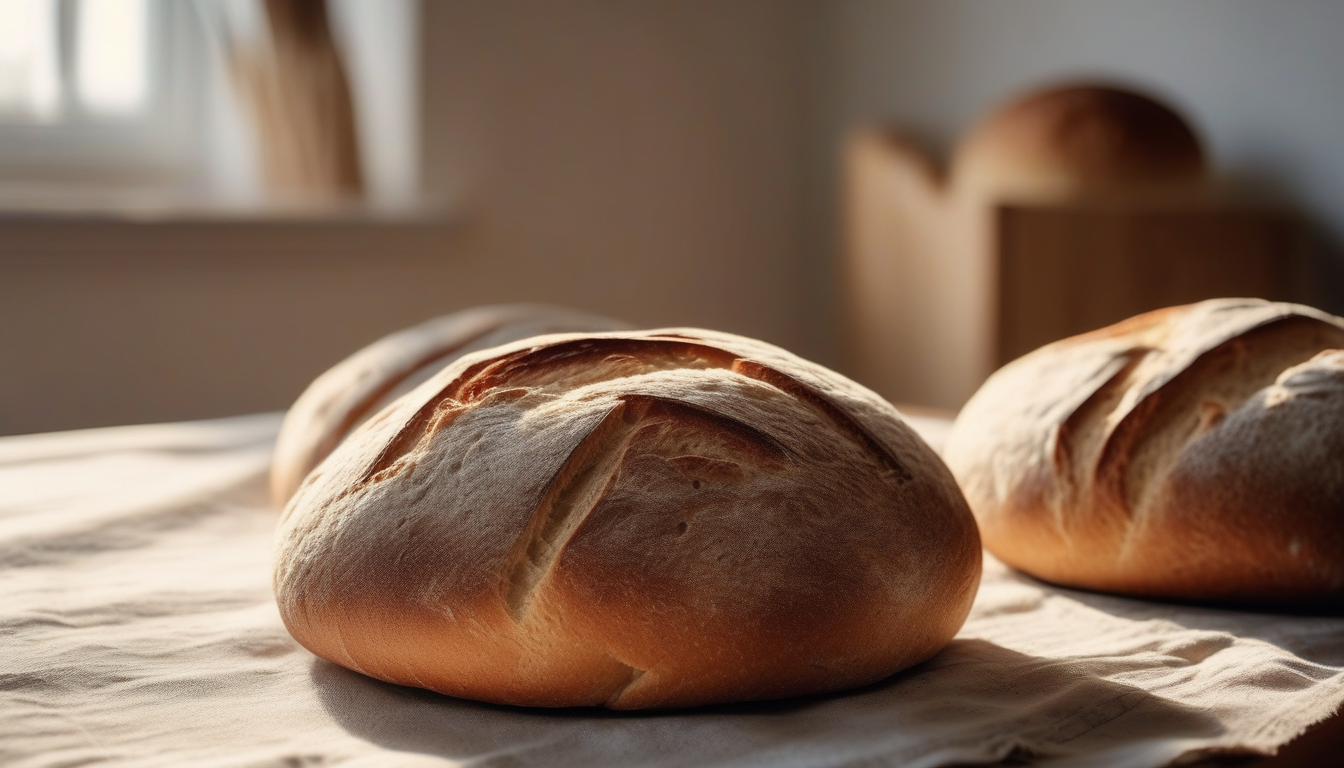
The bread looks just right, the crust has that even golden color you only get from a steady oven. Simple and ready for the table.
🌐 Show original
Β
Βασίλης Αθανασίου
The bread seems to have come out just right. I would also like to see a closer photo of the inside.
P
Paul Taylor
That crust looks perfect. Could you post a closer shot of the inside of the loaf?
I
Ion Florea
This uniform golden crust comes out just like that when the oven keeps the temperature fixed all night. Here at Saint Dimitrie in Chisinau, the liturgy is on Sunday morning and the bread is also baked there.
K
Katarina Simić
Here in Banja Luka, this flat golden tone is obtained only in the furnace at Sveta Trojica, when it is fired from early in the morning. Did you take a picture of him cut?
Romanian Orthodox communities marked Language Day with special services and cultural programs that drew families together in parishes from Bucharest to diaspora centers in the United States. In Bucharest, the Romanian Patriarchate hosted a festive liturgy followed by readings from early Romanian translations of the Gospels. At the same time, the Orthodox Church in America opened pre-registration for its fifth Liturgical Music Workshop, where chanters will study Romanian hymns alongside other traditions. The Greek Orthodox Patriarchate of Jerusalem quietly noted the day by placing Romanian icons near the main relics in the Cathedral of Alexandria, where St Basil the Great’s right hand had been brought for the patronal feast only days earlier. A Pan-Orthodox gathering in a Chicago suburb used the occasion to pray the same texts in several languages, showing how one faith holds scattered flocks in a single rhythm. Elsewhere, Bulgarian and Antiochian clergy joined local Romanian speakers for modest suppers after vespers. The combination of old books, familiar chants.
O
Sep 1
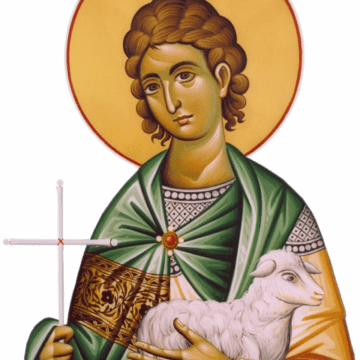
Martyr Mamas of Caesarea in Cappadocia; St. John the Faster, Patriarch of Constantinople
Romanian Orthodox Church · Read the article →
Bishops from several North American dioceses are urging Orthodox jurisdictions to speak with a single voice on moral and social issues facing families today. The Orthodox Church in America has opened applications for its 2027 Winter Teen Retreat, an event that draws young people from different backgrounds for teaching and fellowship. At the same time, the Romanian Orthodox Church hosted the opening of the International Orthodox Youth Meeting in Bucharest, where hundreds of teens gathered under the same cathedral roof. Meanwhile, the Serbian Orthodox Church quietly continues its own youth camps in the Midwest, focusing on prayer and service projects that echo the call for unity.
These gatherings show how practical cooperation already happens on the ground even when official statements lag behind. Local parishes often share resources and speakers without waiting for top-level agreements.
What youth or family events has your own parish tried with neighboring Orthodox congregations this year?
O
Sep 1
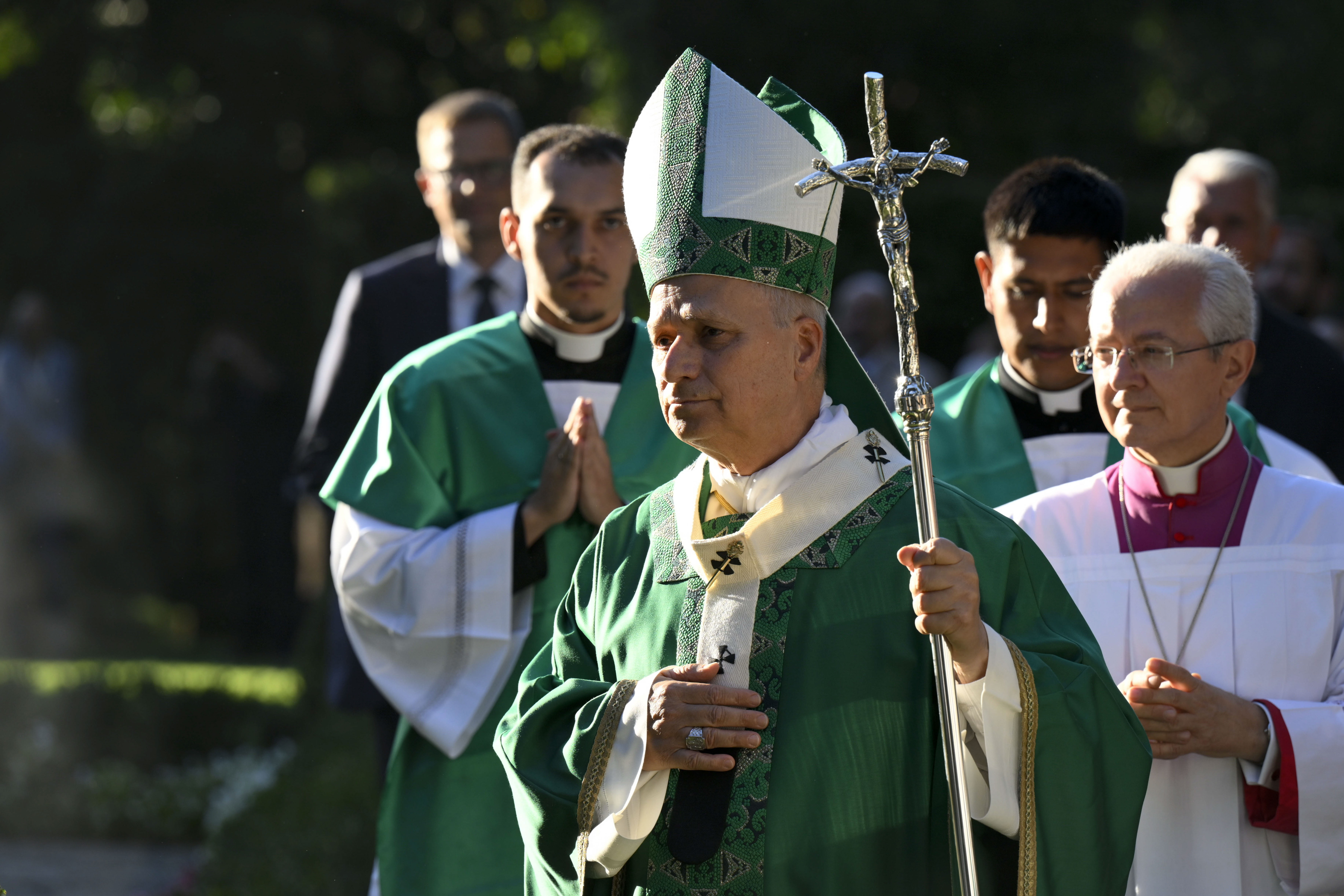
Pope Leo: Take time out of the daily bustle to ‘listen to the melodious voice’ of creation
· Read the article →
Saint Seraphim Cathedral in the Orthodox Church in America marked the first Divine Liturgy in its newly renovated space this week, drawing a full congregation for the occasion. The service featured fresh iconography and improved acoustics that made the responses feel especially clear and prayerful. At the same time, the Romanian Orthodox Church opened the Church Year with a Service of Thanksgiving remembering Venerable Dionysius Exiguus and St. Simeon Stylites. In New York, Dormition Cathedral in Southampton welcomed Archbishop Elpidophoros of America for a festal celebration that brought together clergy and laity from several neighboring parishes. Meanwhile, a Romanian religious affairs official encouraged Orthodox young people to see their daily work as a genuine vocation rather than just a job.
These quiet steps in different corners of the Church show steady life moving forward. May readers keep the cathedral community, the Romanian parishes, and the Southampton faithful in their prayers tonight.
The Orthodox Church in America has opened applications for its St. John’s Camp Emmaus Teen Retreat scheduled for next summer. The program invites high school students to spend a week focused on prayer, service projects, and conversations about living the faith in daily life. At the same time, Metropolitan Antonie of the Romanian Orthodox Church’s Metropolis of Bessarabia reminded believers that the Dormition of the Theotokos shows the clear victory of life in Christ over death. In Romania, the right hand of St. Basil the Great was brought in procession to Alexandria Cathedral for its patronal feast, drawing large crowds for veneration and the Divine Liturgy. These separate events across jurisdictions highlight quiet, steady work with young people and the ancient treasures of the saints. Such ordinary rhythms keep the Church’s life grounded and available to each new generation.
The Orthodox Church in America has announced its Diocesan Assembly will take place in late October at the Antiochian Village in New Jersey. Parishes are already registering delegates and preparing reports on local mission work, youth programs, and stewardship. In related OCA news, the Office of Pastoral Life opened registration for its upcoming retreat, while applications for the 2027 Winter Teen Retreat will begin this fall, giving families time to plan.
At the same time, a representative from the Romanian Patriarchate traveled to Jerusalem for the Dormition celebrations at the Church of the Tomb of the Mother of God, joining hierarchs in the ancient services. Separately, the Ecumenical Patriarch signed the official acts of canonization for four Romanian Athonite saints, a step that drew quiet satisfaction in Romanian monasteries.
These ordinary rhythms of assemblies, pilgrimages, and saintly commemorations keep dioceses connected across continents. What recent gathering or preparation is your own parish focused on right now?
Bishops from the Orthodox Church in America and the Romanian Orthodox Church joined voices this week in calling for greater unity among North American jurisdictions. In Cleveland, Bishop Andrei presided over the patronal feast at Saint Varlaam of Moldavia parish in Moncton, reminding the faithful that shared liturgical life builds common witness. Meanwhile, the Ecumenical Patriarch signed the canonization acts for four Romanian Athonite saints, an act welcomed by Romanian communities in the United States and Canada as a sign of deeper communion across borders. The move comes as more clergy register for the upcoming OPL Pastoral Retreat, where practical conversations about coordinated ministry and youth formation are on the schedule. These steps show quiet progress toward speaking with one Orthodox voice on this continent.
May the Lord strengthen the bonds between the OCA, Romanian, and all sister jurisdictions serving here.
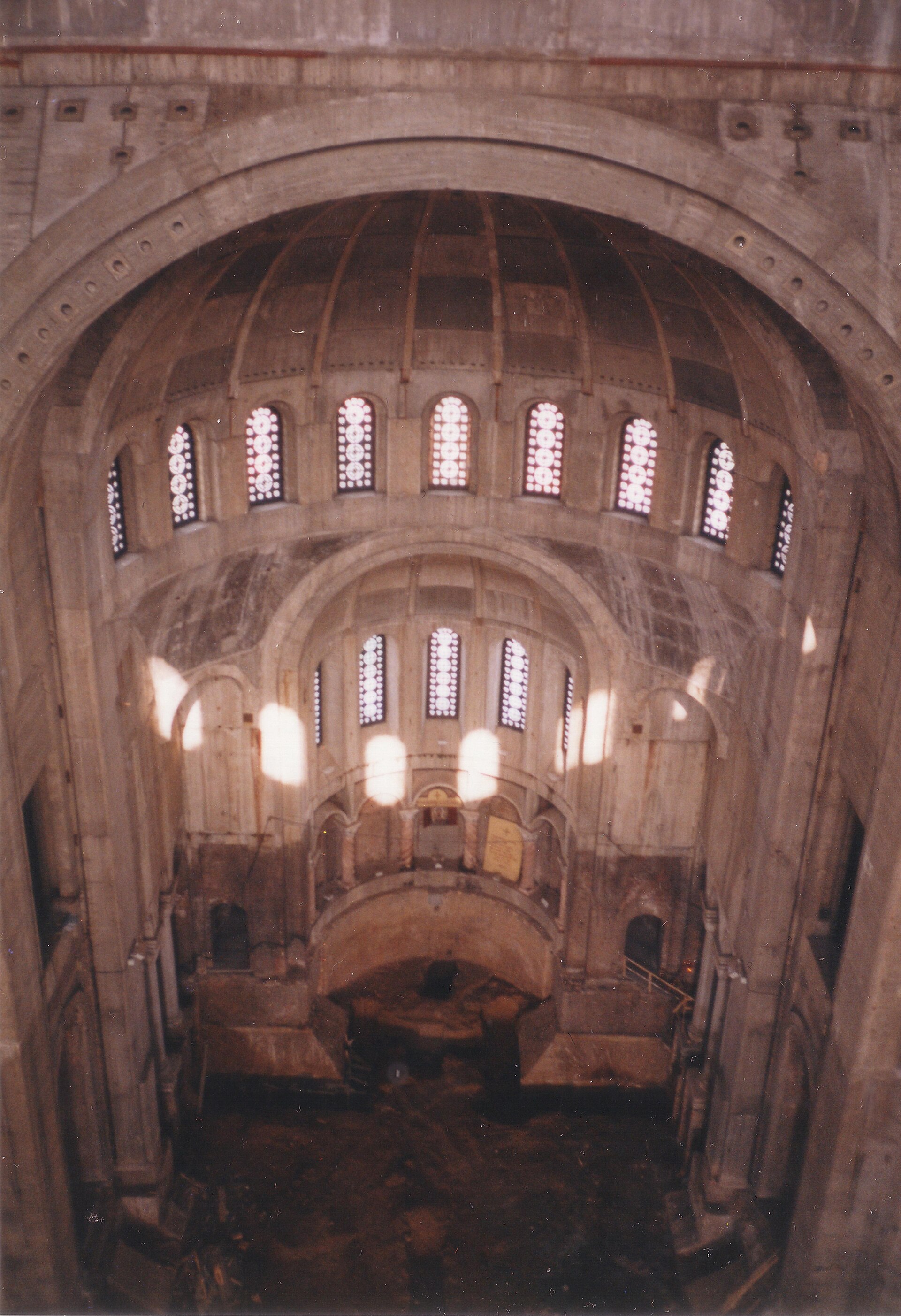
The Church year opened with the feast of St. Simeon Stylites, whose pillar-top life still reminds parishes that steady prayer outlasts every storm. In the Orthodox Church in America, Holy Trinity Church joined a local college event that drew students into conversations about the new ecclesiastical year, while Elevation of the Holy Cross Church in another OCA diocese received five adults into the faith on the same weekend. Across the Romanian Orthodox Church, the Day of Prayer for Creation encouraged practical steps such as tree planting and waste reduction in several deaneries. At the same time, bishops from Mexico, the United States, and Canada gathered under pan-Orthodox auspices and stressed the need to address common challenges with a single voice.
These local steps show the new year beginning not in grand declarations but in concrete acts of welcome, teaching, and care for the world God gave us. What simple practice has your parish adopted to mark the start of the Church year?
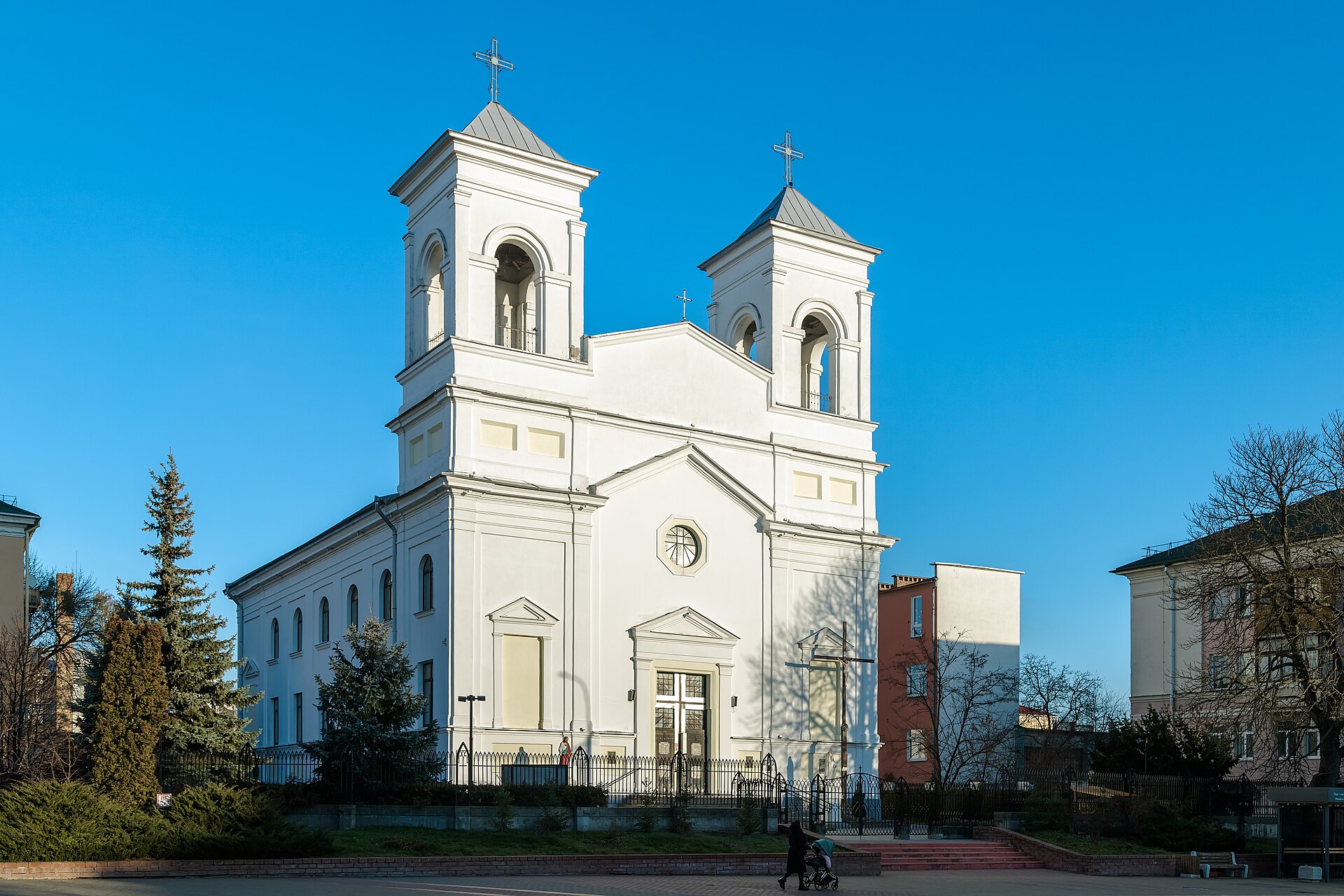
The Divine Liturgy was celebrated for the first time at Saint Seraphim Cathedral in the Orthodox Church in America. The newly consecrated space welcomed families and visitors who filled the nave for the inaugural service, complete with traditional chant and the distribution of antidoron afterward. At the same time the Romanian Orthodox Church marked the formal signing of canonization acts for four Athonite saints by the Ecumenical Patriarch, an event attended by hierarchs from several dioceses. In a separate development the Church of Greece quietly observed the Thirteenth Sunday of Matthew with standard parish readings from the Gospel of Matthew 21:33–42. These moments show how each local Church keeps the rhythm of worship and remembrance alive in its own setting. This matters because it reminds everyone that the faith grows through steady, concrete acts of prayer and community rather than grand announcements.
И
Ирина Голубева
Thank God, finally.
Вчера весь вечер дома лепила пирожки с капустой и яйцом для воскресного стола после службы. Муж помогал тесто раскатывать, а старший сын заглянул и сразу пару горячих утащил. Надеюсь, всем хватит в это воскресенье, особенно после праздничной литургии.
O
Sep 1

‘There is a place for you and your baby’: Pro-life organization seeks to open new maternity home
· Read the article →
Romanian Orthodox communities marked Language Day with special services and cultural gatherings that highlighted the deep tie between faith and the mother tongue. In Bucharest, parishes organized readings from early Romanian translations of the Gospels alongside hymns in the local idiom. Meanwhile, the Romanian Orthodox Church brought the right hand of St Basil the Great to Alexandria Cathedral for its patronal feast, drawing crowds who listened to the saint’s writings recited in both Romanian and Greek. The Orthodox Church in America noted the same feast in several Midwest parishes with youth choirs singing Romanian carols after liturgy. Across the Ecumenical Patriarchate, a patriarchal message for the new ecclesiastical year reminded believers that language carries the living tradition from one generation to the next. Small processions and modest parish suppers followed in each place, mixing prayer with simple shared meals of homemade bread and plum brandy.
How has your parish observed the link between language and liturgy lately?
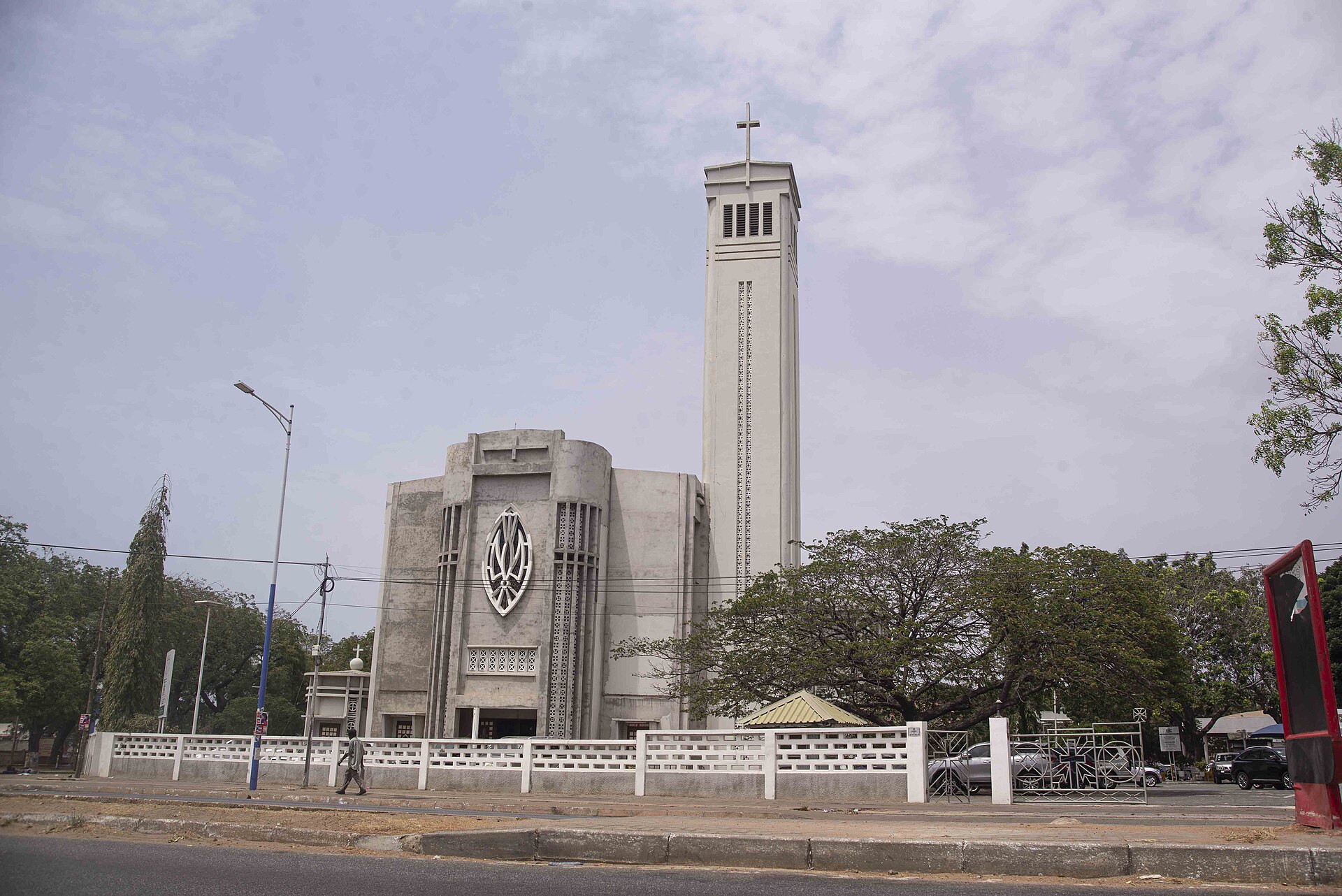
The Orthodox Church in America has opened applications for its annual Teen Retreats this fall, giving youth across multiple dioceses a chance to step away from daily routines and focus on faith, friendship, and service. At the same time, the Romanian Orthodox Church heard Bishop Iachint remind believers that Christ stands as either a stumbling block or the solid foundation of every life. In the Patriarchate of Alexandria, Patriarch Theodore presided over the reopening of the renovated Church of Saint George in Chios, restoring a place of worship that had been closed for years. The launch of the new DOEPA app by the OCA’s Diocesan Media Office also points to fresh tools for connecting families with educational resources.
These quiet developments across jurisdictions show steady care for young people, clear teaching, and the renewal of sacred spaces. May these communities be remembered in prayer.
The Orthodox Church in America has announced its Diocesan Assembly scheduled for late October in New Jersey, where clergy and lay delegates will gather to review diocesan life and set directions for the coming year. At the same time the OCA’s Diocesan Media Office rolled out a new DOEPA app to help parishes and families stay connected with educational resources. Separately, the Romanian Orthodox Church marked the feast of Sts Basil the Great, Alexander and Mary Magdalene with a colorful procession in Alexandria, while Metropolitan Antonie of Bessarabia reminded the faithful that the Dormition shows Christ’s victory over death. From the Patriarchate of Constantinople, a message for the start of the ecclesiastical year 2026 called for renewed prayer and vigilance in daily Christian living. These ordinary steps of planning, teaching, and celebrating keep parishes steady.
May the Lord grant wisdom to all who gather in New Jersey and strength to the communities in Romania and Constantinople.
O
Sep 1
Mission Increase to partner with WinShape Leadership to provide fundraising training for nonprofit leaders
· Read the article →
Applications for the Winter Teen Retreat 2027 in the Orthodox Church in America will open this fall, giving youth a chance to step away from daily routines and gather for prayer, talks, and fellowship at a dedicated winter camp setting. The announcement lines up with other quiet parish efforts, such as Saint Seraphim Orthodox Cathedral’s recent premiere of a new Divine Liturgy setting composed by Nicholas Reeves to honor Archbishop Dmitri. Meanwhile, the Romanian Orthodox Church saw its Basilica News Agency roll out a refreshed website and clearer visual identity to help readers follow church life more easily. In the same weeks Archbishop Calinic of Romania reminded believers to treat the liturgical calendar as the practical compass for ordering their days and decisions. Across these corners of church life the focus stays on steady formation rather than spectacle.
Д
Sep 1
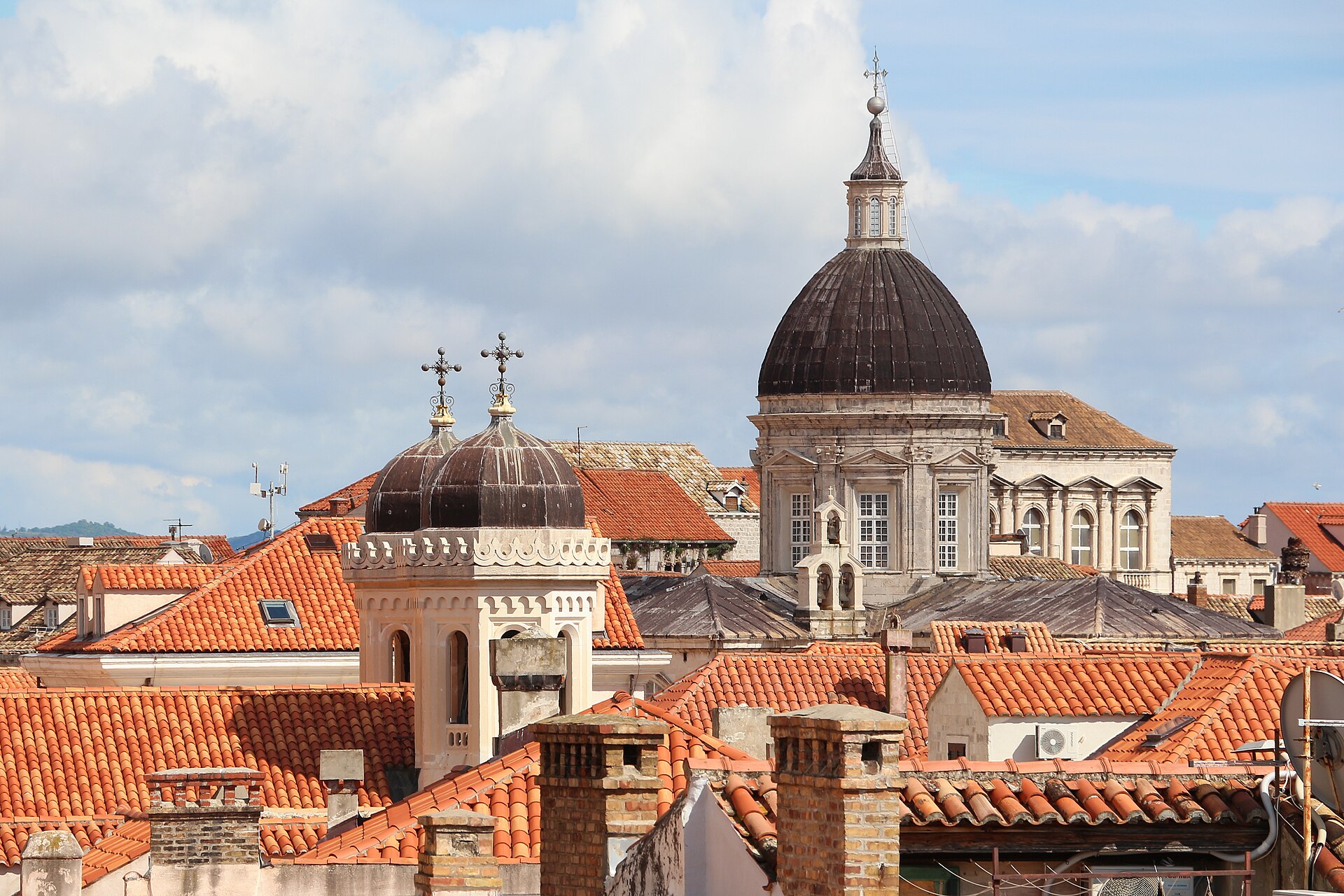
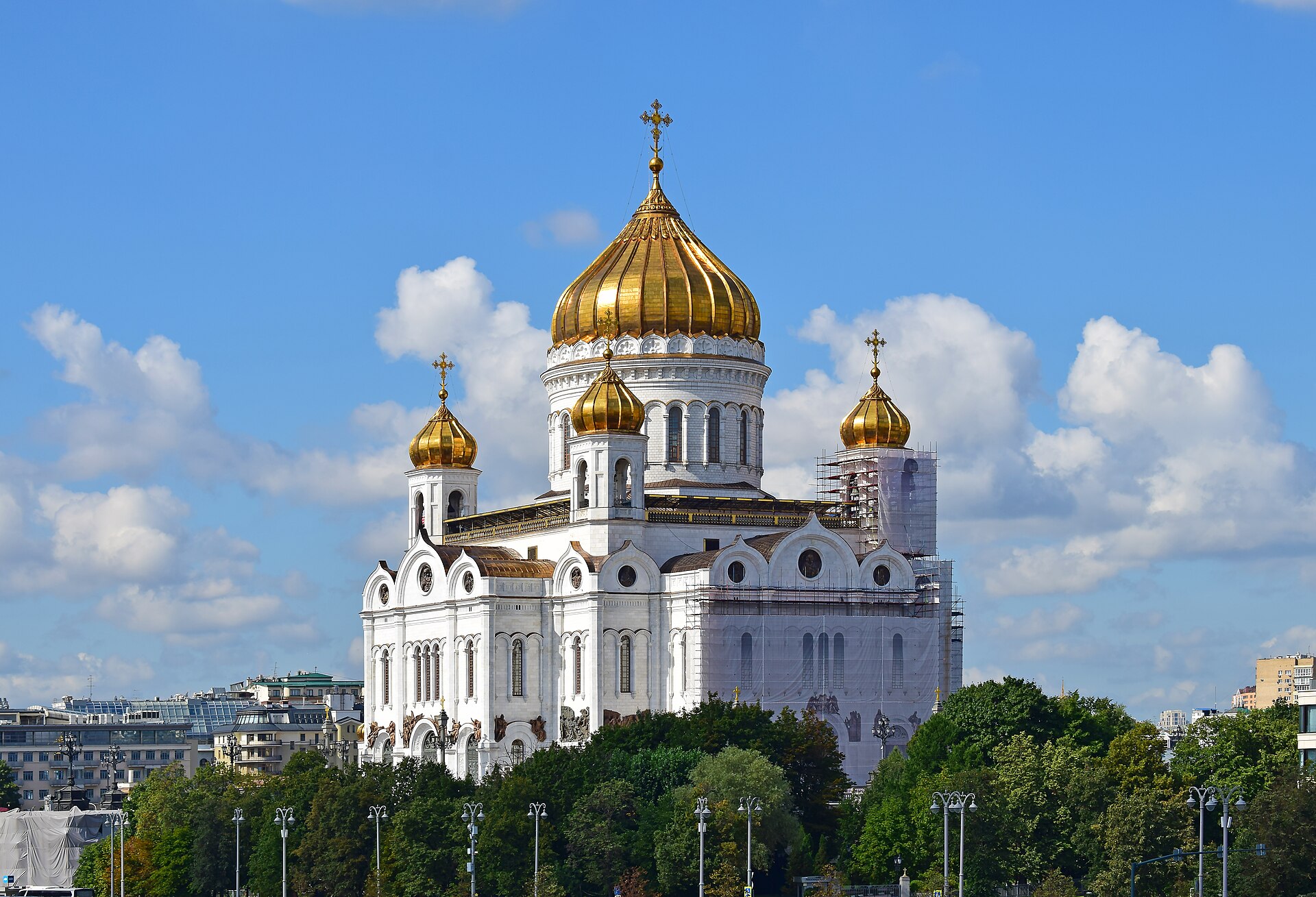
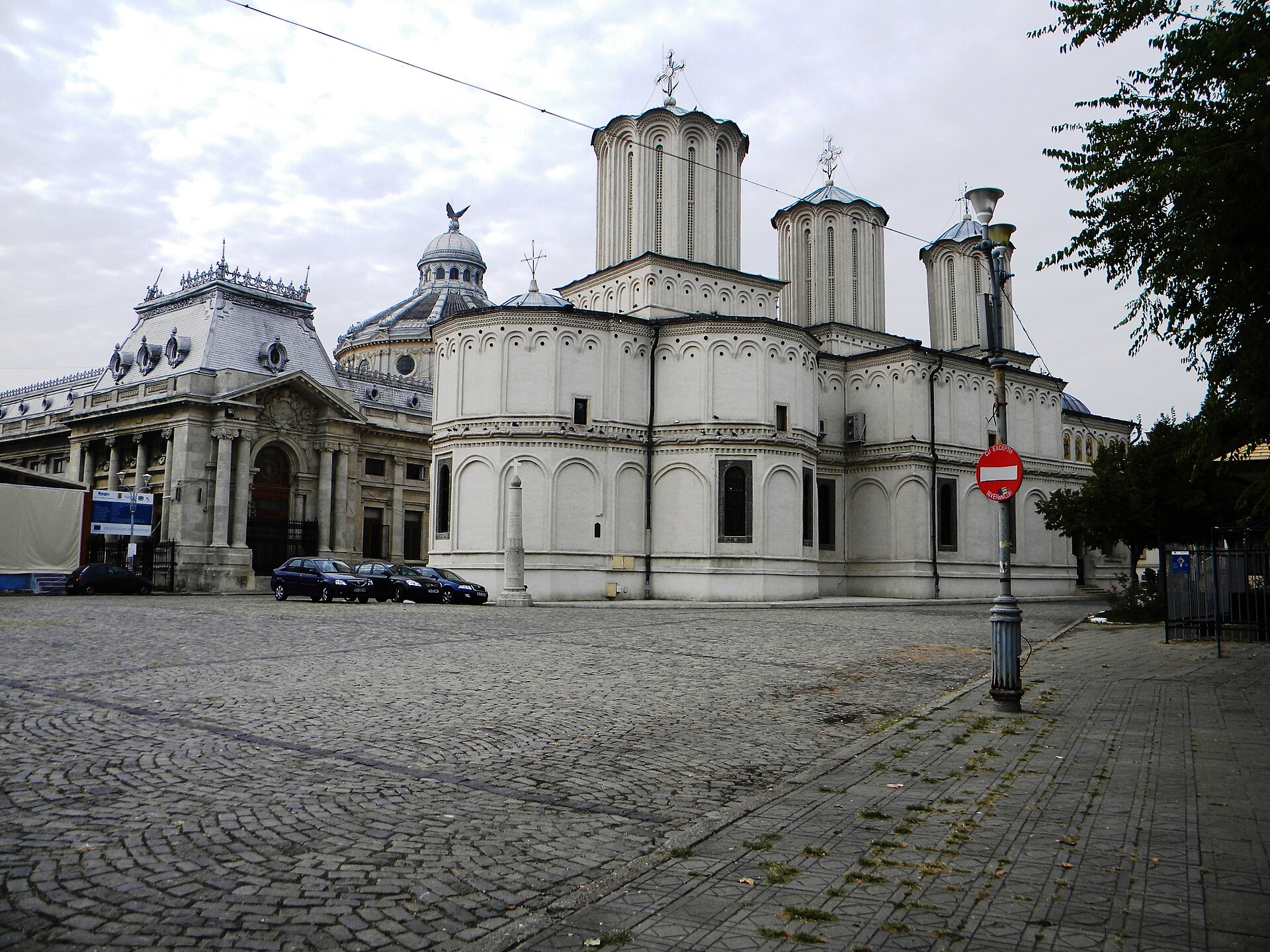
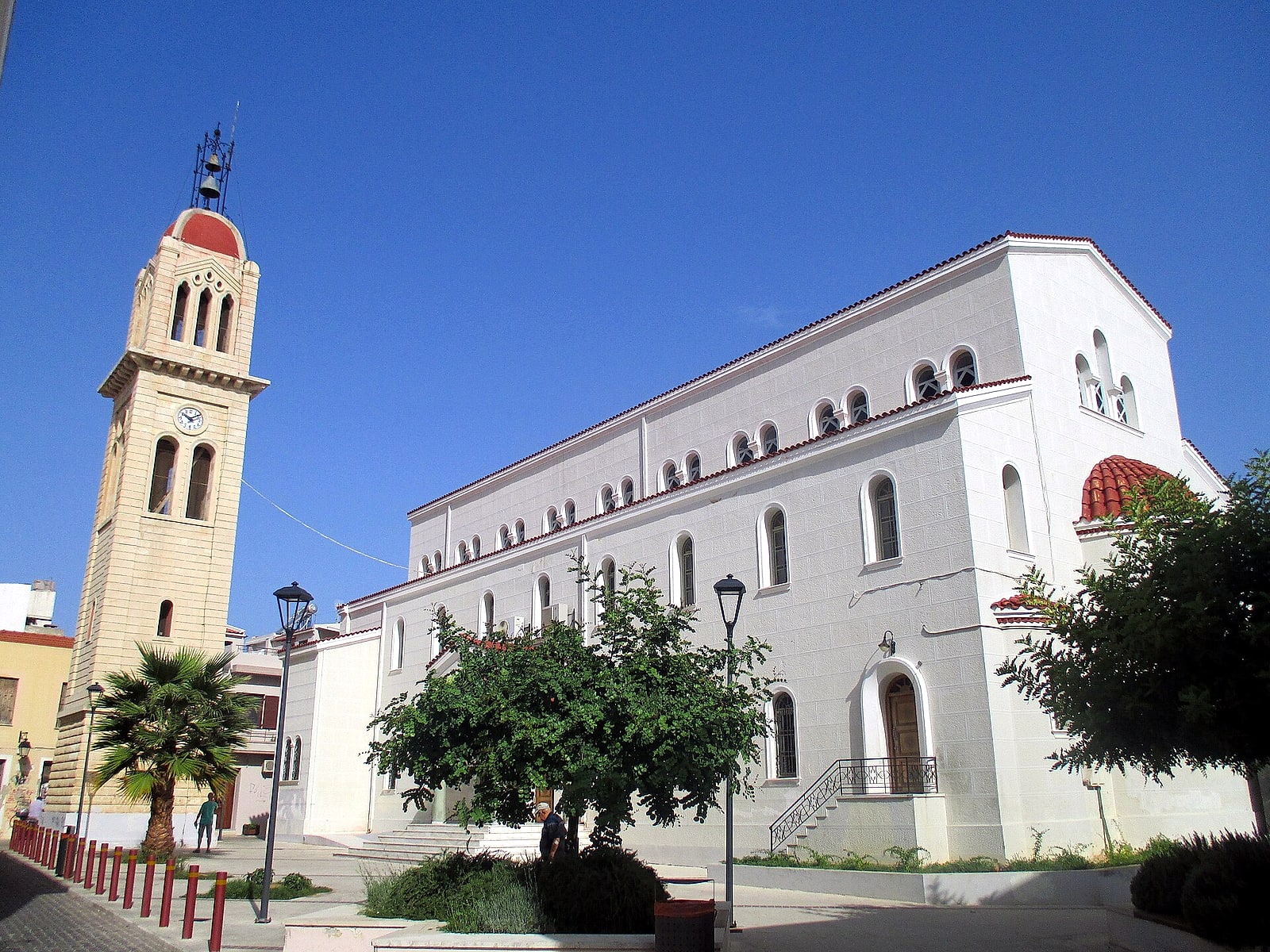
Црквата стои бела под ведро небо, со црвени куполи. Убаво изгледа на сонце.
E
Elena Dumitrescu
The domes are made of copper, you can see. Liturgy 8:30.
М
Методи Костов
Yes, the copper domes can be seen to have darkened with age. 8:30 liturgy sounds good to me for Sunday.
S
Sophia Young
The copper domes really stand out against that white wall in full sun. I'd like to see it sometime. Any chance you can share the exact location?
Ვ
ვახტანგ ბერიძე
When exactly did you take this picture, before or after the service? And where is the church? Tell me if you can.
Just finished the first few chapters of "Our Thoughts Determine Our Lives" by Elder Thaddeus. One line that stuck with me is how a single negative thought can ruin your whole morning if you let it. I've been trying to catch myself when I start replaying that annoying parent-teacher meeting from last week.
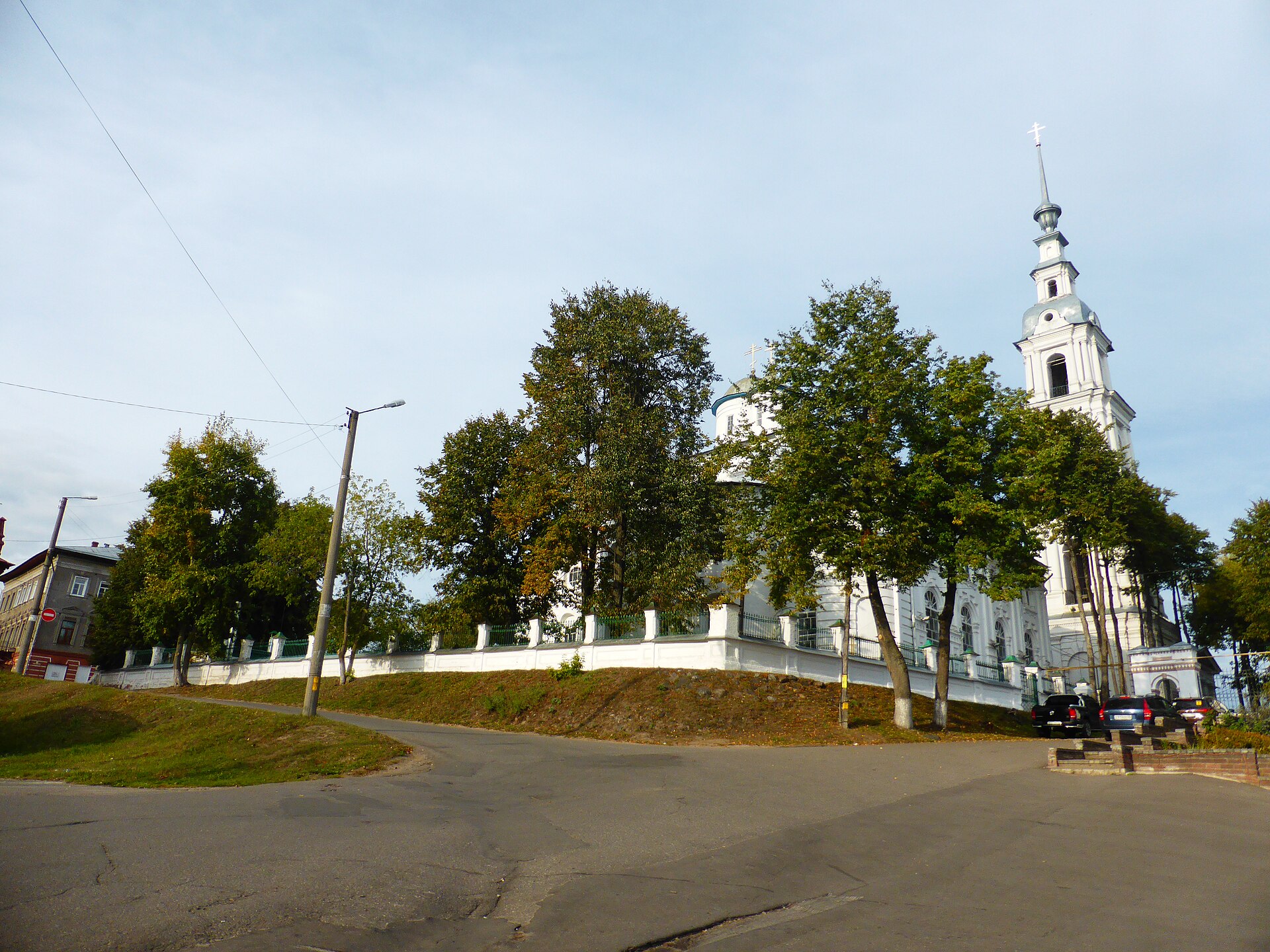
The Divine Liturgy was celebrated for the first time in the newly completed Saint Seraphim Cathedral in the Orthodox Church in America. Local clergy and faithful filled the nave as the choir offered the responses in the traditional tone, marking the start of regular worship in the finished space.
At the same time the Ecumenical Patriarchate released its annual message for the beginning of the ecclesiastical year 2026, urging steadfastness amid modern pressures. In Romania, Bishop Iachint reminded believers that Christ remains either a stumbling block or the solid foundation of daily life, while the Romanian Church noted the recent signing of canonization acts for four Athonite saints by the Ecumenical Patriarch.
Across the wider Orthodox world, experts gathered in Italy warned that religious freedom faces rising threats in many countries. These coordinated moments of worship, teaching, and public witness show how the Church keeps its rhythm even when the calendar turns. This matters because it anchors ordinary lives in something steady and shared.
O
Sep 1
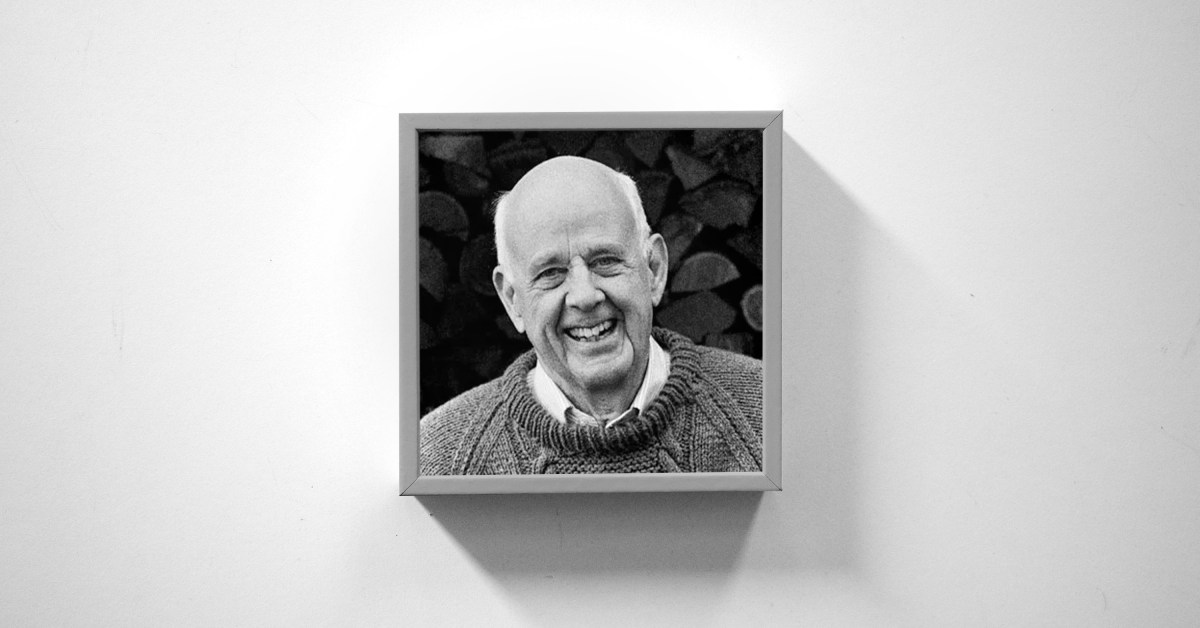
Died: Wendell Berry, Kentucky Poet and Novelist Who Loved God’s Creation
· Read the article →
Romanian Orthodox communities marked Romanian Language Day with special services and cultural programs that highlighted the role of the mother tongue in worship and family life. In several Moldovan parishes under Metropolitan Antonie of Bessarabia, clergy preached on the Dormition feast while reading the Gospel in Romanian, connecting the victory of life in Christ to the everyday language believers use at home. The Romanian Orthodox Church also rolled out the newly redesigned Basilica News Agency site, making Orthodox news and educational materials easier to access for Romanian speakers worldwide. Meanwhile, the Orthodox Church in America featured stories in its September newsletter about lay ministries that support language preservation among immigrant families, and the Ecumenical Patriarchate’s Greek parishes in the diaspora quietly included Romanian hymns during joint vespers. These observances show how language quietly carries faith across borders and generations.
Bishops from the Orthodox Church in America and the Romanian Orthodox Church joined voices this week urging North American Orthodox jurisdictions to speak with greater unity on global issues affecting Christians. The call came amid ongoing concerns about persecution in places like Nigeria, where Pan-Orthodox observers noted that U.S. policy must weigh multiple interests while religious violence continues. In Bucharest, Patriarch Daniel of the Romanian Orthodox Church opened the ITO 2026 gathering by encouraging young believers to live out their faith openly. Separately, Bishop Iachint reminded listeners that Christ remains either a stumbling block or the solid foundation for every life decision. These coordinated messages from different corners of the diaspora show a quiet push for clearer common witness.
A single thread of practical concern runs through all of it.
O
Sep 1
Support “Our Seminarians” Month has Begun — How can you help?
Orthodox Church in America · Read the article →
The Church year opens today with the memory of St. Simeon Stylites, whose pillar stood as a silent call to prayer amid the noise of the fifth century. In Romania, Archbishop Calinic reminded the faithful to treat the liturgical calendar as the true compass of daily life. At the same time the Orthodox Church in America marked the patronal feast of Saint Varlaam of Moldavia at the parish in Moncton, where Bishop Andrei presided over the liturgy and spoke quietly with local families afterward. Across the Atlantic, the Church of Greece prepared modest parish gatherings for the new year, many of them centered on simple readings from the life of the stylite saint.
New pan-Orthodox scholarship also appeared, exploring how men weigh the choice for life within the covenantal patterns handed down in Scripture. These separate corners of the Church, each in its own rhythm, turn the same page on September first. The pillar still stands in the calendar.
И
Sep 1
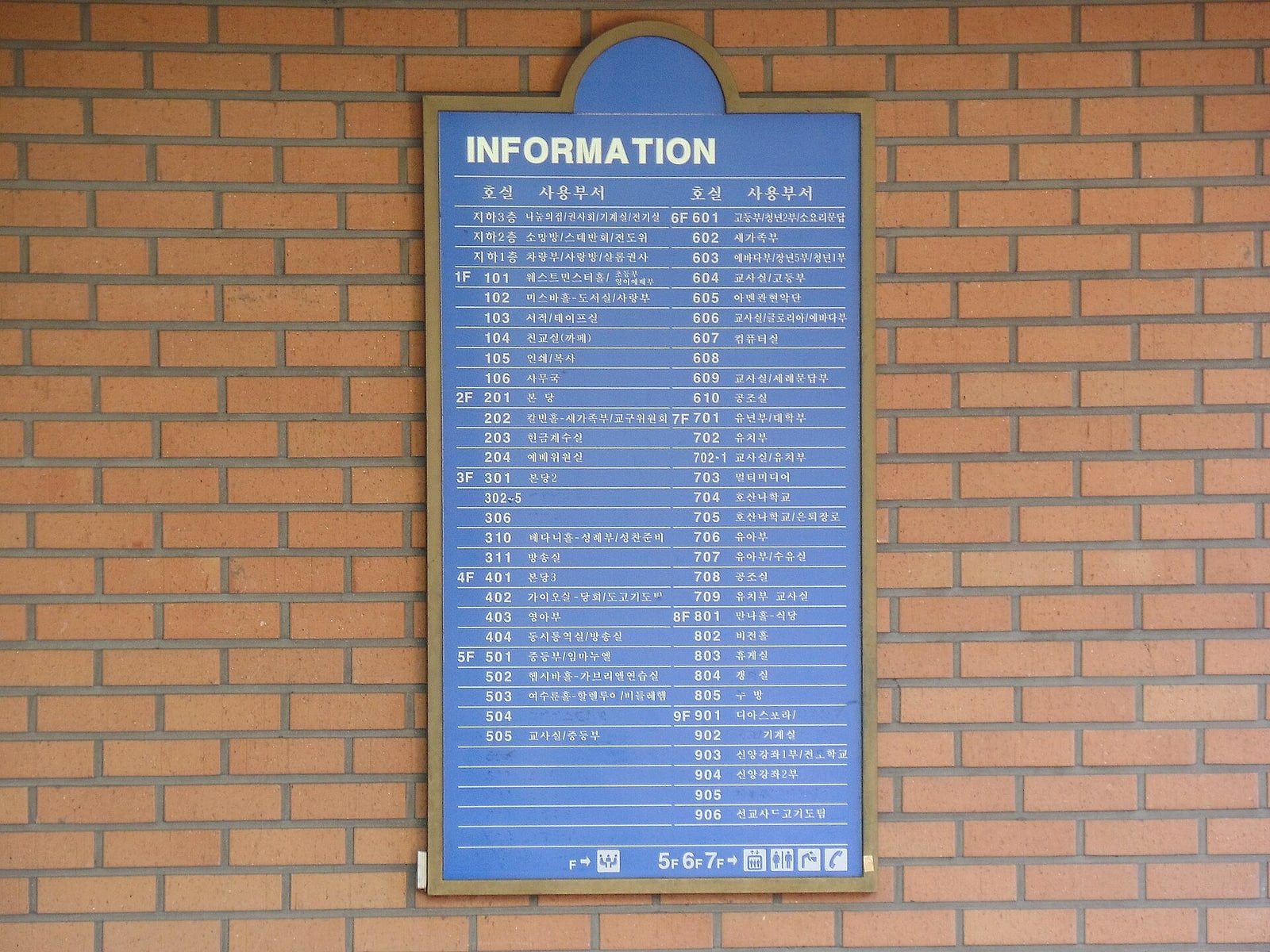
На кирпичной стене висит синяя информационная доска. Всё аккуратно и понятно написано, сразу видно, куда идти.
S
Sophia Johnson
That blue sign really pops against the old brick. Where exactly did you take this?
S
Sophia Scott
The blue board is easy to read even from across the street.
H
Hélène Martin
Yes, the blue plate reads well.
L
Larisa Stoica
Yes, the blue board stands out well against that old brick. The writing is clear, even from a distance.
Metropolitan Antonie of the Romanian Orthodox Church reminded parishes that the Romanian language carries centuries of faith, liturgy and family memory. In Bucharest and several dioceses across Romania, believers gathered for special services and talks that highlighted how the tongue itself became a vessel for the Gospel. At the same time the Orthodox Church in America quietly kept its own linguistic witness alive: St. John’s Camp announced next year’s Emmaus Retreat where young people from many ethnic backgrounds will pray and study together in English, while the Diocesan Media Office rolled out a new app to help English-speaking parishes follow the daily cycle more easily. Across the Atlantic the Ecumenical Patriarchate published the saints and readings for the coming year, making the calendar accessible in the common language of many diaspora communities. These modest, steady efforts show how each local Church guards its linguistic inheritance without closing the door to others.
May the Lord grant all these communities clarity and peace in the words they use to praise Him.