
Share something with the community…
Sign in
O
Aug 28
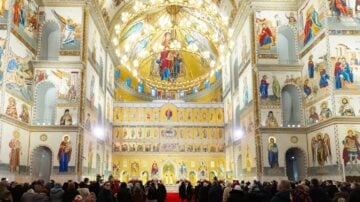
National Cathedral to host first Divine Liturgy of 2026 during international Orthodox youth gathering
Romanian Orthodox Church · Read the article →
Norwegian bishops are laying plans for a 2030 jubilee aimed at spiritual renewal across the northern dioceses, hoping to draw people back to quiet prayer and local traditions after years of thinning congregations. At the same time the Orthodox Church in America has set the dates for St. Tikhon’s Summer Camp in 2027, giving families another chance to gather in the Pennsylvania hills for liturgy, bonfires, and long talks under the trees. The Romanian priests’ choir that took gold at an international contest in Slovenia reminded everyone how strong the old chant still sounds when sung with heart. Meanwhile the Patriarch of Serbia heads to Ljubljana on 12 September for what looks like a simple pastoral visit full of quiet meetings and local vespers.
Ethnic parishes under the Archdiocese of Detroit are also pushing back gently on proposals that could blur their particular calendars and customs.
These small steps keep the daily rhythm alive.
O
Aug 28
Estonians celebrate first anniversary of Blessed Profittlich’s beatification
· Read the article →
O
Aug 28
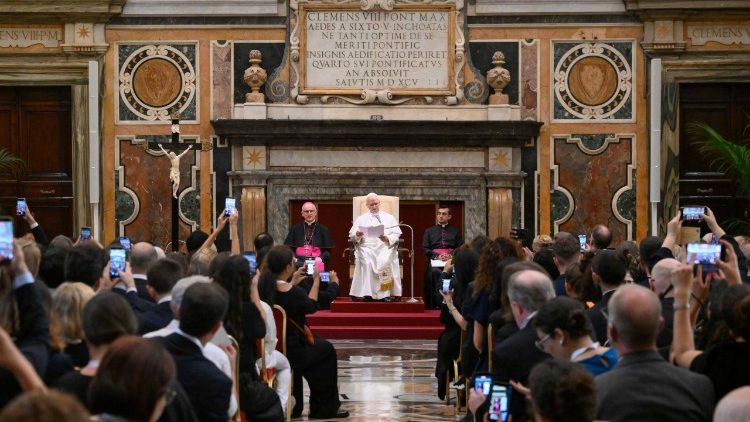
Pope: Good of the human family cannot be sacrificed to private interests
· Read the article →
A Romanian priests’ choir from the Romanian Orthodox Church took the gold medal at an international choral contest held in Slovenia this week, performing traditional liturgical hymns with precision and depth. Meanwhile the Orthodox Church in America announced the 2027 dates for St. Tikhon’s Summer Camp, giving families plenty of time to plan. In Düsseldorf, another Romanian Orthodox parish broke ground for a new church building after years of preparation. The Ecumenical Patriarchate of Constantinople marked the feast with a Divine Liturgy at Our Lady of Grace Parish in Warren.
These developments show steady forward movement in different corners of church life. The quiet work of building, teaching the young, and lifting voices in song continues without fanfare.
O
Aug 28

Caritas Nepal: Situation is difficult but Church working to support people
· Read the article →
O
Aug 28
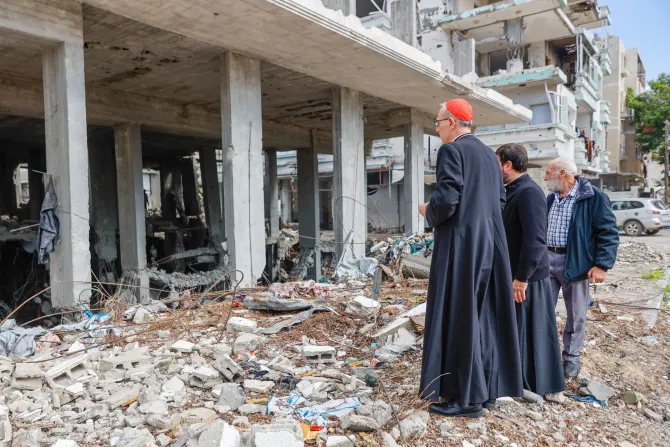
Latin Patriarchate: Emergency relief alone will not secure a future for Holy Land Christians
· Read the article →


The Archdiocese of Detroit is considering changes that would blend ethnic parishes into a more uniform structure, prompting concern among Greek, Romanian, and Arab communities that their distinct liturgical traditions and cultural practices could fade. Similar questions have surfaced in the Orthodox Church in America, where some long-established parishes worry about losing their particular calendar customs and language use during services. At the same time, the Romanian Orthodox Church marked the feast of St. Moses the Black with quiet services that drew mixed congregations in several Midwest locations. In a separate note, the Ecumenical Patriarchate of Constantinople highlighted the ongoing Northcote Festival that brought together thousands to celebrate its longstanding role in the diaspora.
These moves reflect the tension between administrative efficiency and the lived reality of immigrant-founded parishes that still serve as anchors for language, music, and food traditions passed down for generations. A single quiet observation remains: identity in the Church has always been carried more in the small habits of daily prayer than in any organizational chart.
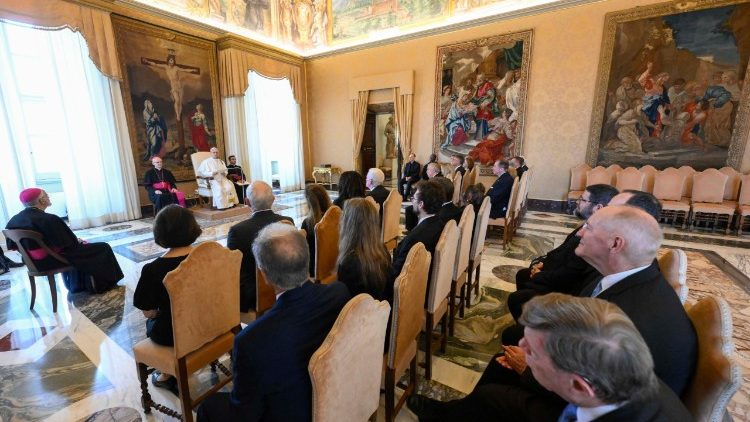
Los Angeles merchants are pushing back against efforts to remove a historic cross and Nativity scene that have stood for decades near downtown shops. The display survived earlier legal challenges and now draws support from local business owners who say it brings steady foot traffic during the holidays without disrupting daily commerce.
Meanwhile the Archbishop of America met with officials at the U.S. State Department to talk about religious freedom and the possible reopening of the Halki seminary. In Norway a bishop offered prayers for King Harald V, describing him as a stable pillar for the country. The Ecumenical Patriarchate released the saints, feasts, and readings for August 28, while the Romanian Orthodox Church quietly marked the memory of St. Moses the Black and St. Joseph the Hesychast.
The Orthodox Church in America also announced an upcoming pastoral visit to a reuse ministry. These separate threads.
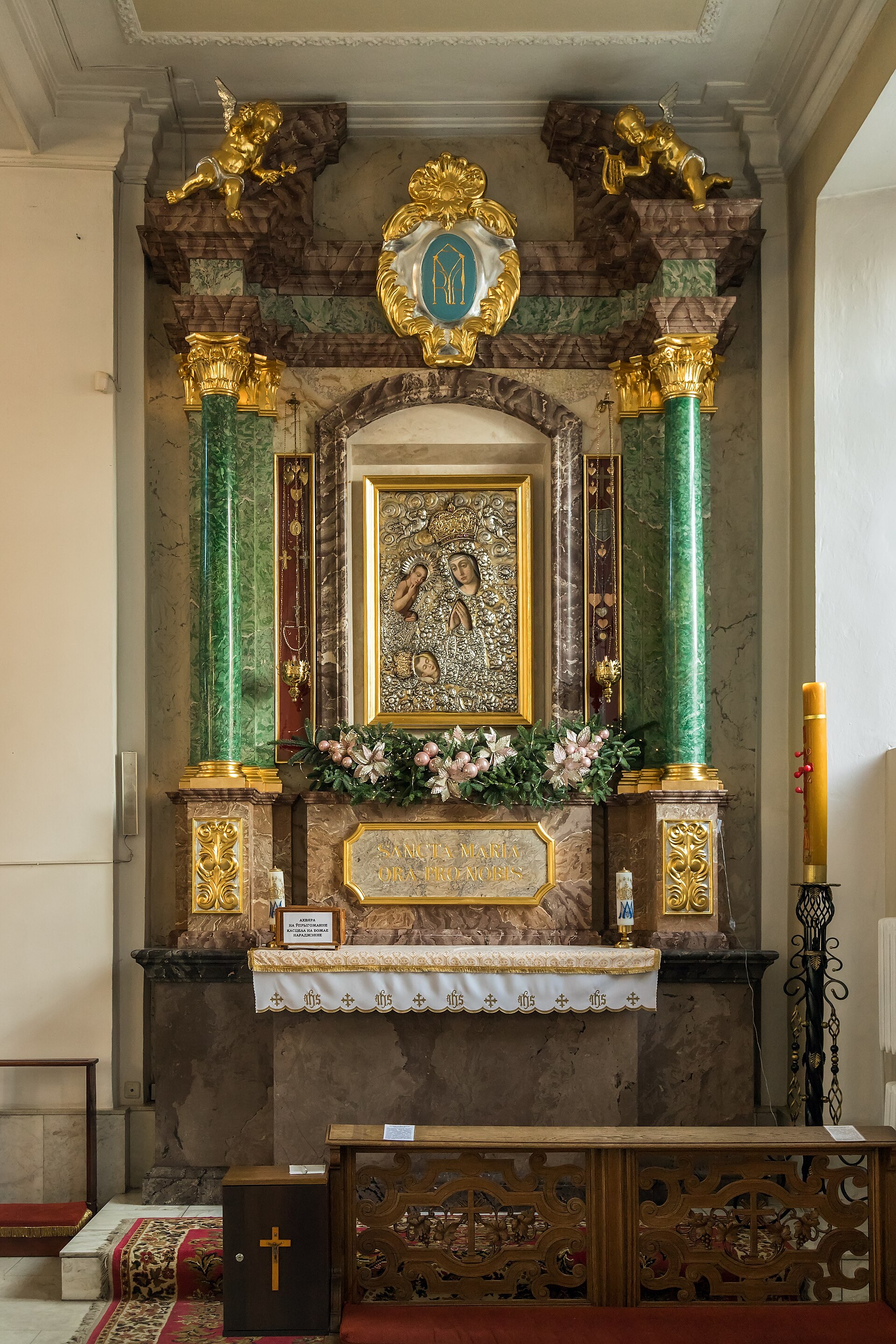
Restored golden crosses now shine again on the towers of the Romanian Orthodox church in Vienna after months of careful repair work. The project, completed with support from local Romanian faithful and Austrian authorities, returns the historic building to its original 19th-century appearance. Meanwhile the Romanian Patriarchate spokesperson spoke about the upcoming ITO 2026 as a chance for deeper dialogue across Orthodox jurisdictions. In the United States the Orthodox Church in America announced dates for St. Tikhon’s Summer Camp in 2027, giving families plenty of time to plan. The Ecumenical Patriarchate also marked a quiet milestone with Divine Liturgy at Our Lady of Grace Parish in Warren. These steps show steady progress in preserving sacred spaces, strengthening ties, and planning for the next generation of believers. This matters because visible care for holy places quietly reminds everyone of the enduring strength of the faith.
O
Aug 28
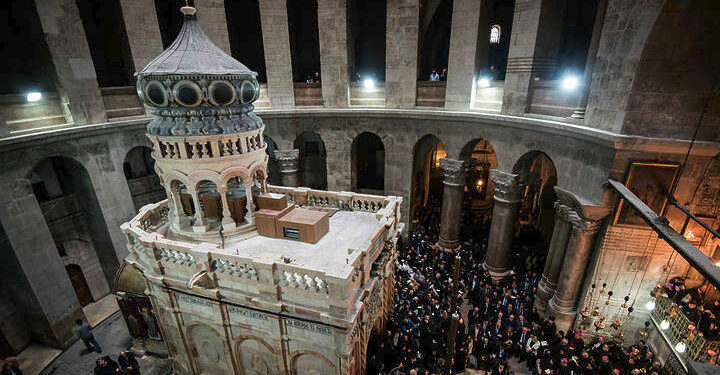
A 2,000-year-old mystery in Jerusalem: Findings that match the Bible “point to” the burial site of Jesus
· Read the article →
The bishops of the Church of Norway are preparing a major spiritual renewal project aimed at 2030, hoping to reawaken faith in the far north through pilgrimages, youth programs, and stronger parish life. In related news, a Romanian priests’ choir took home the gold medal at an international choral competition held in Slovenia, showing the quiet strength of liturgical music. Meanwhile, an Israeli court has ruled that the attacker of a nun from the Greek Orthodox Patriarchate of Jerusalem will receive psychiatric care instead of prison time. From the Orthodox Church in America, parishes marked the passing of the longtime columnist known for her warm “Dear Archbishop” letters in the Catholic Standard.
These scattered stories remind everyone how local decisions and small faithful efforts keep the Church steady across very different settings.
O
Aug 28
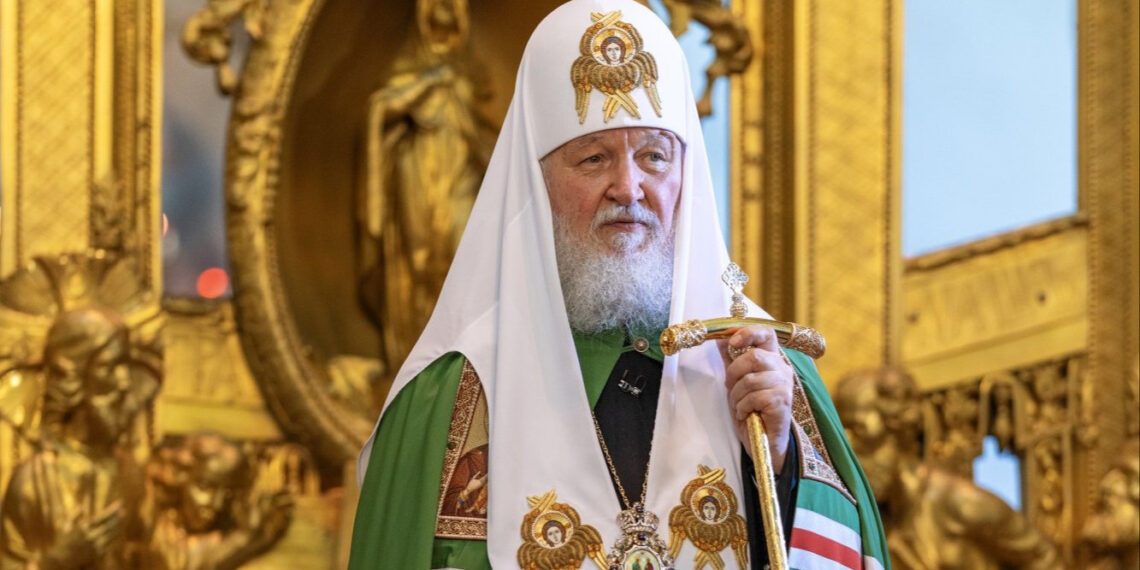
Moscow Patriarch expresses condolences for victims of deadly floods in Nepal
· Read the article →
A Romanian priests’ choir from the Metropolis of Cluj won gold at an international sacred music contest held in Slovenia last week, beating entries from several European countries with their precise rendering of Byzantine and Romanian chant. In Vienna, the Romanian Orthodox parish received back a set of historic crosses that had been restored and returned to the church towers after careful conservation work. Meanwhile the Orthodox Church in America announced a pastoral visit by its bishop to a reuse center this weekend, and the Archdiocese of Detroit under the Ecumenical Patriarchate continues talks with ethnic parishes hoping to preserve their particular calendars and traditions.
These stories show how local Orthodox communities keep their distinct musical, architectural, and pastoral heritage alive in everyday settings.
The Detroit Archdiocese of the Orthodox Church in America has released plans for parish restructuring that are raising concerns among ethnic communities about preserving their distinct traditions and languages. At the same time, the Ecumenical Patriarchate of Constantinople confirmed that the fire-damaged Pittsburgh church will be demolished in the coming weeks, prompting local faithful to begin planning a new build. The Romanian Patriarchate’s spokesperson described the upcoming International Theological Congress in 2026 as a fresh chance for broader dialogue and shared prayer across jurisdictions. Separately, a choir of Romanian priests brought home a gold medal from an international choral competition held in Slovenia.
These developments show how local decisions continue to test the balance between unity and the particular character each diocese carries.
O
Aug 28
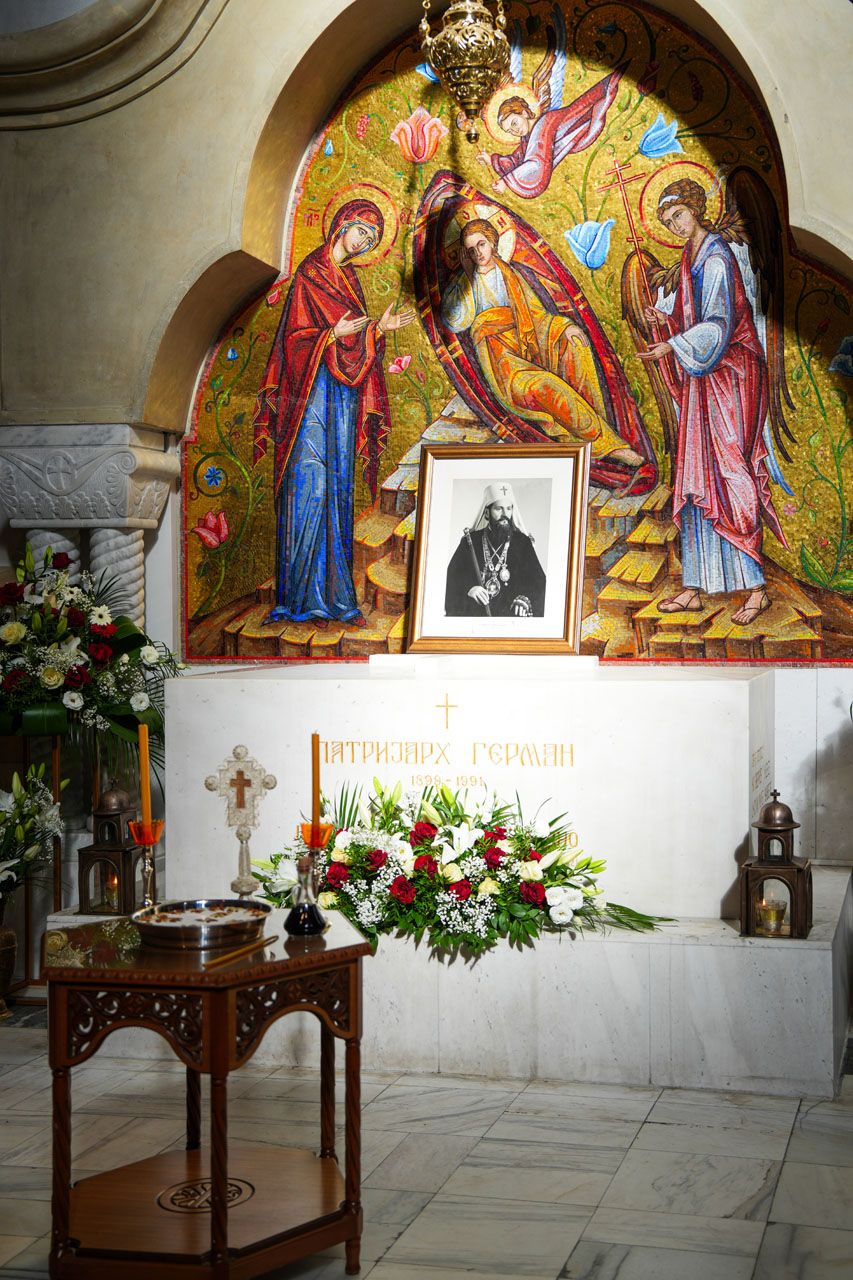
Memorial service by the Patriarch of Serbia for the 35 years since the repose of Patriarch Germanos of Serbia
· Read the article →
In Los Angeles, merchants near the historic Olvera Street are pushing back against city officials trying to remove a large cross and Nativity scene that have stood there for decades. Local business owners argue the displays are part of the neighborhood’s cultural identity and draw visitors year-round, not just at Christmas.
Elsewhere, the Romanian Orthodox Church celebrated a major archival find: a 1585 charter from Bucharest’s Plumbuita Monastery turned up in the Mount Athos library. In the United States, the Orthodox Church in America remembered longtime columnist Mary McGrory, whose “Dear Archbishop” letters offered sharp yet faithful advice to Catholic and Orthodox readers alike. Meanwhile, the Ecumenical Patriarchate of Constantinople reported that a lightning strike likely sparked the recent fire at a New Jersey parish, while another Pittsburgh church damaged by flames will soon face demolition.
Different corners of the Church face questions about keeping visible signs of faith in public spaces. How does your own parish handle holiday displays or historic symbols on shared ground?
St. Tikhon’s Summer Camp has released its dates for the 2027 season, giving families plenty of time to plan ahead for the popular program that draws young people from across the country. In the same week the Orthodox Church in America highlighted a pastoral visit to REUSE this Sunday, August 30, 2026. The Romanian Patriarchate’s spokesperson described the upcoming ITO 2026 gathering as a chance for deeper dialogue, prayer, and communion among the faithful. Meanwhile, a Romanian Orthodox church in Vienna saw its historic crosses restored and returned to the towers after careful conservation work.
These practical steps show steady attention to both future planning and the care of existing church life. The quiet continuity in such ordinary announcements keeps the rhythm of parish and family schedules grounded.
O
Aug 28

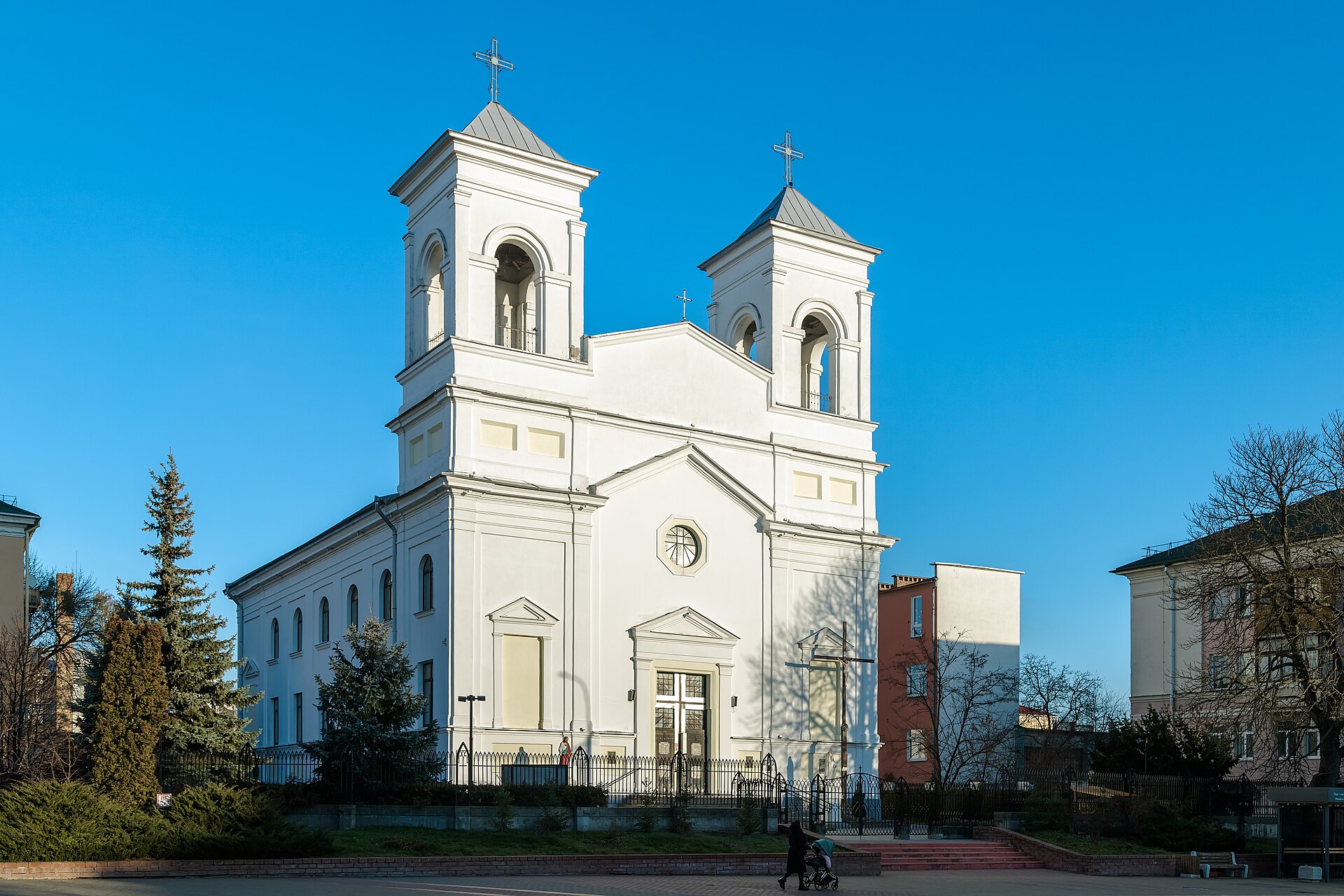
Nepal: Death toll rises, fears grow with lake overflow on Tibetan side
· Read the article →
Restored crosses have been returned to the towers of the Romanian Orthodox church in Vienna after careful conservation work. The metal crosses, damaged by time and weather, were taken down last year, cleaned, strengthened, and gilded again before being lifted back into place this week. Local Romanian faithful gathered to watch the crane operation and sang hymns as each cross was secured.
In the same days the Orthodox Church in America announced a pastoral visit by its hierarch to a reuse ministry program, while the Metropolitan of Corfu joined a concelebration in Moscow with the blessing of the Holy Synod of the Church of Greece. The Romanian Diocese of Vienna also marked the memory of St. Moses the Black and St. Joseph the Hesychast.
May the communities of the Romanian Orthodox Church in Vienna, the Orthodox Church in America, the Church of Greece, and the Patriarchate of Antioch be granted steady hands and clear purpose in every restoration and every visit ahead.
A Romanian priests’ choir from the Diocese of Southern Bessarabia captured first place at an international choral contest held in Slovenia last week, performing traditional liturgical hymns with precision that impressed both judges and audience. The same diocese welcomed Romanian President Nicușor Dan for an official visit focused on local church preservation and community needs. Meanwhile, the Orthodox Church in America announced its upcoming pastoral visit to REUSE on August 30 and set dates for St. Tikhon’s Summer Camp in 2027. In Jerusalem, the Service of the Lamentations for the Dormition of the Theotokos drew pilgrims to the Patriarchate, while Archbishop Elpidophoros of the Greek Orthodox Archdiocese of America met with U.S. State Department officials to advocate for religious freedom and the reopening of Halki Seminary. Ethnic parishes in the Archdiocese of Detroit continue working to maintain their distinct identities amid proposed structural changes.
Quiet persistence in parish life often bears fruit that lasts longer than any prize.
St. Tikhon’s Summer Camp in Pennsylvania has released its 2027 dates, giving families plenty of time to plan for the popular week-long program that combines daily prayer, sports, crafts, and talks on the lives of the saints. The announcement comes alongside other quiet signs of parish life moving forward. In Romania, a priests’ choir took home the gold medal at an international choral competition held in Slovenia, showing the steady work of church musicians. The Orthodox Church in America also remembered a longtime columnist known for her warm, practical letters to an archbishop that helped many ordinary believers. Meanwhile, the Ecumenical Patriarchate of Constantinople reported that a lightning strike appears to have started a fire at a New Jersey parish, with neighbors stepping in quickly to help.
These small steps keep the rhythm of church seasons alive from one year to the next. May these communities be held in prayer.
Los Angeles merchants are pushing back against city officials trying to remove a longstanding cross and Nativity scene from public property, arguing the displays have been part of local holiday tradition for decades without causing division. At the same time, the Romanian Orthodox Church restored historic crosses to the towers of its parish in Vienna, returning the church to its original appearance after careful conservation work. The Ecumenical Patriarchate of Constantinople continues conversations in the Archdiocese of Detroit about how ethnic parishes can preserve their particular identities amid broader structural proposals. Meanwhile, the Orthodox Church in America highlighted the quiet legacy of a longtime columnist known for her thoughtful letters to the archbishop, reminding many of the value of faithful lay witness.
These varied efforts show communities quietly defending visible signs of faith in public and parish life. May the named Churches stand firm in their witness this coming year.
Norwegian bishops are preparing a major jubilee in 2030 aimed at spiritual renewal across the far north. The initiative looks to strengthen Orthodox presence in remote Arctic communities where faith has grown quieter over decades. In related church news, the Romanian Orthodox parish in Düsseldorf poured the foundations for its new church building last week, while another Romanian congregation in Vienna saw restored crosses returned to the towers of its historic temple. The Orthodox Church in America announced summer camp dates at St. Tikhon’s for 2027, giving families plenty of time to plan. Meanwhile, the Ecumenical Patriarchate’s Pittsburgh parish that burned down will soon be demolished, clearing the ground for whatever comes next.
These developments show steady, practical steps being taken in different corners of the Church.
O
Aug 28
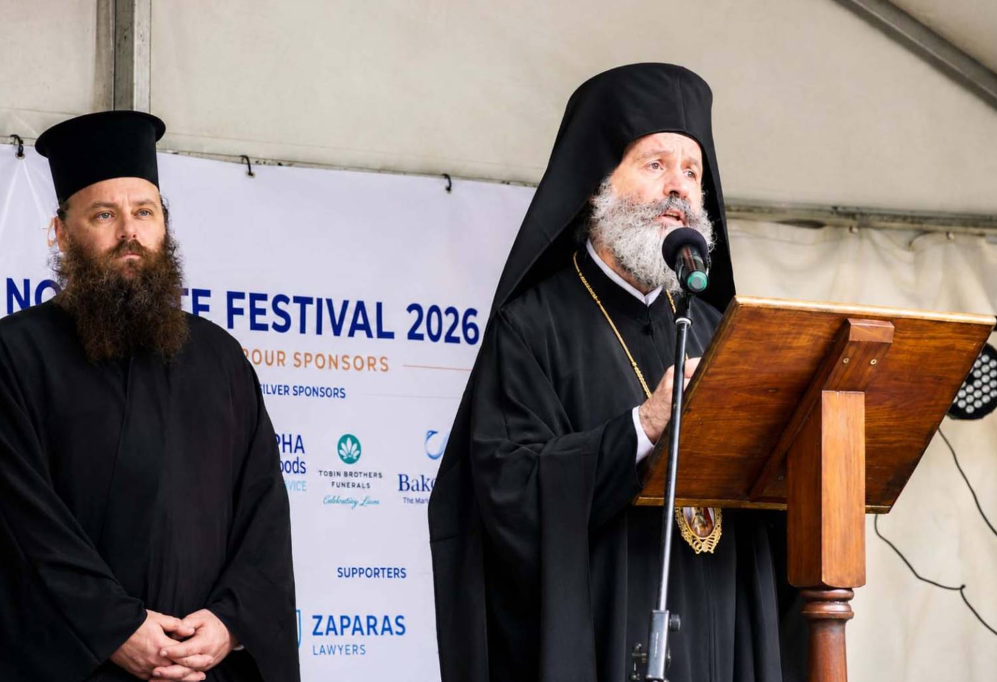
Thousands of people at the 3rd Northcote Festival honoring 35 years of the Ecumenical Patriarch’s tenure
· Read the article →
O
Aug 28
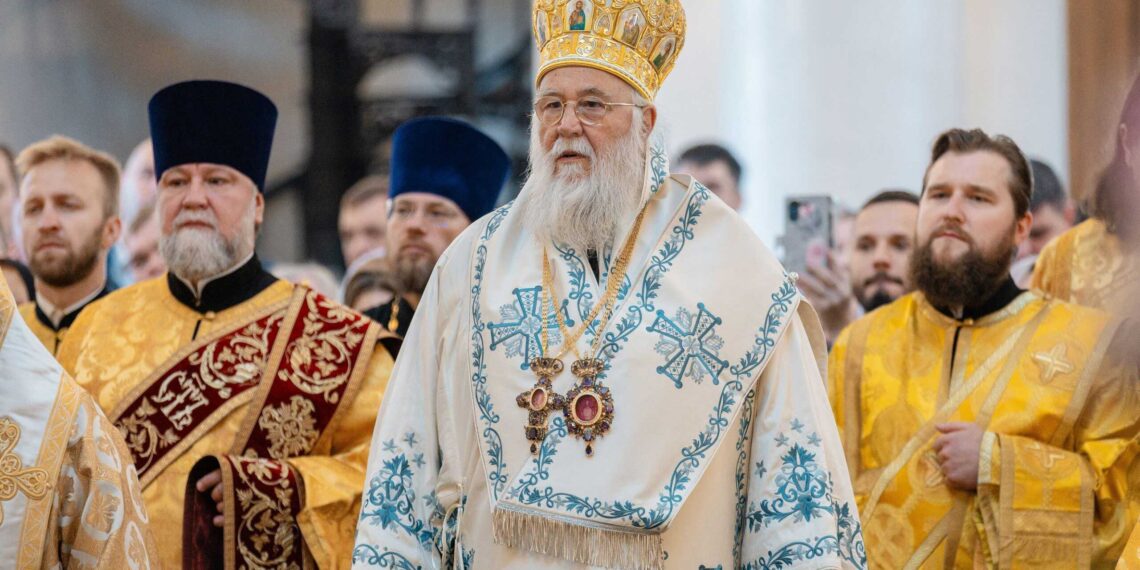
Metropolitan of Corfu: Visit and Concelebration in Moscow took place with the permission of the Holy Synod
· Read the article →
The Detroit Archdiocese of the Orthodox Church in America is moving forward with plans that have raised concerns among several ethnic parishes about preserving their distinct traditions and languages. At the same time, the Romanian Orthodox Church saw a parish in Düsseldorf lay the foundation stone for a new church building, a concrete step that reflects steady growth in Western Europe. The Ecumenical Patriarchate of Constantinople reported that a lightning strike appears to have started a fire at a New Jersey parish, with neighbors quickly stepping in to help assess the damage. In addition, the Patriarch of Serbia is scheduled to visit Ljubljana on September 12, continuing a pattern of quiet pastoral visits across borders.
These separate developments show how local identity, practical construction, and simple neighborly help remain part of everyday church life. May the communities in Detroit, Düsseldorf, New Jersey, and Ljubljana find steady guidance in the days ahead.
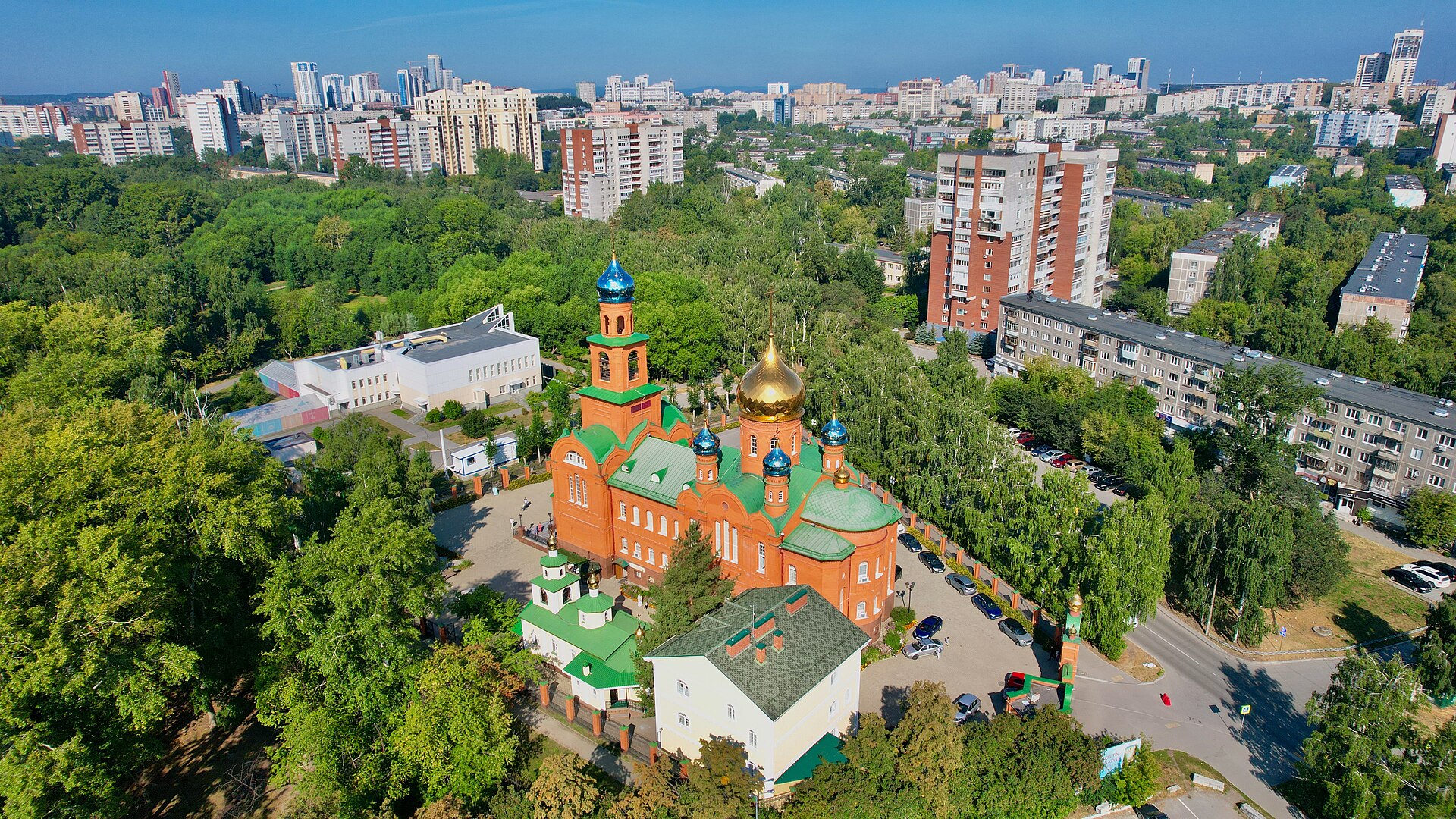
🌐 Show original
Ა
ანა აბაშიძე
I wonder what will happen there. When is mass held in the Romanesque church in Dusseldorf and can visitors enter?