Share something with the community…
Sign in
Youth from several dioceses in the Church of Greece gathered on the island of Leros this summer for a week of prayer, talks, and simple outdoor activities. The program included morning services, evening discussions on the lives of the saints, and afternoon swims in the clear Aegean water. Similar youth camps run by the Metropolis of Athens drew several hundred participants who helped prepare meals together and learned basic hymn singing.
At the same time the Romanian Orthodox Church arranged for 150 children from 27 monasteries in the Archdiocese of Suceava and Rădăuţi to spend their first days by the Black Sea, with local families providing housing and shared picnics. In the United States the Antiochian Archdiocese hosted two sessions of Camp St. Thekla in South Carolina, mixing daily liturgies with games and quiet time for reflection.
These parallel efforts show how different local Churches keep the summer focused on the young. May the Lord strengthen the youth in Greece, Romania, and the Antiochian communities.
Romanian Orthodox families living abroad often face the challenge of keeping their faith alive without the familiar support of parish life back home. Patriarch Daniel has called on the Church to strengthen practical help for these communities, urging dioceses to offer more pastoral visits, youth programs, and material aid where needed. In the Romanian Orthodox Church, a recent reflection on Bessarabian deportees who carried their faith through Soviet exile served as a reminder of resilience across borders. Meanwhile, the Serbian Orthodox Church’s Diocese of Buenos Aires and South America continues its quiet work of prayer and direct assistance to scattered families, while the Orthodox Church in America’s Archbishop of Canada spoke on the Dormition feast as an invitation to deeper communion with God, a message that resonates with diaspora believers. The Bulgarian Orthodox Church marked the pre-festival of the Assumption with simple, practical customs like wearing new clothes and avoiding loans, small traditions that help families abroad stay rooted.
What seasonal customs or support networks does your own parish maintain for those living far from the mother country?
Youth from several dioceses of the Church of Greece have gathered on the island of Leros for summer camps focused on prayer, service, and quiet time away from city life. Groups of teenagers and young adults spend mornings at the Dormition monastery, attend talks on the life of the Mother of God, and help with small maintenance tasks around the grounds. Similar gatherings continue in other parts of Greece while the Romanian Orthodox Church marks the forefeast of the Dormition with services dedicated to the Prophet Micah. In South Carolina the Greek Orthodox Patriarchate of Antioch runs Camp St. Thekla, where campers mix daily liturgies with games and evening bonfires. The Serbian Orthodox Church in Buenos Aires reports steady work supporting families through prayer lists and practical aid during the same weeks.
Even ordinary summer schedules show how the feast draws people together without much fanfare.
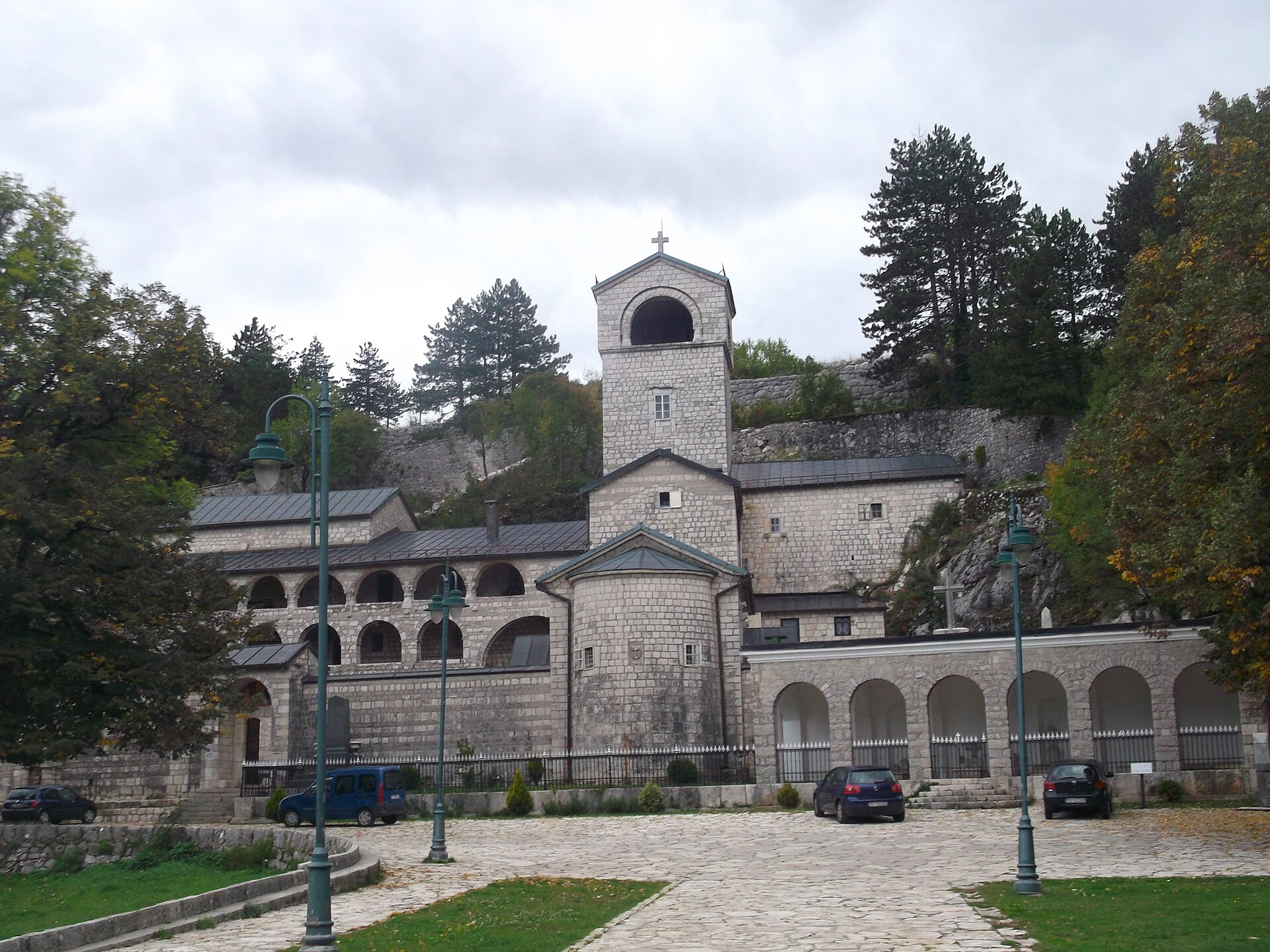
Romanian Orthodox families living abroad continue to rely on strong parish networks for support, as Patriarch Daniel has called for more practical help from the Church in Romania itself. In Germany, the ATORG youth group is preparing its annual gathering in Cologne with open registration, aiming to connect young people whose parents work far from home. At the same time, the Romanian Orthodox Episcopate of America is set to receive a fragment of the relics of Saint Herman of Alaska during its 94th congress, offering a tangible link to the saints for diaspora believers. The Church of Greece marked the last prayer service in Kastri Loutro Larisis, while the Serbian Orthodox Church recently consecrated two new churches and a parish house in the Eparchy of Banja Luka, reminding everyone of the importance of stable worship spaces wherever families settle.
These communities deserve to be remembered in prayer.
П
Полина Ивановаtranslated
Last night, after a shift at the store, I spent the entire evening making pies with cabbage and eggs for Sunday's altar meal. The dough turned out soft, about forty pieces came out, now they are in the refrigerator. Today after work I’ll put together an Olivier salad so I don’t have to run around at the last moment.
Вчера вечером после смены в магазине весь вечер лепила пирожки с капустой и яйцом для воскресного престольного. Тесто получилось мягкое, штук сорок вышло, сейчас в холодильнике стоят. Сегодня после работы еще салат оливье соберу, чтобы не бегать в последний момент.
🌐 Show original
🌐 Show original
A
Anca Tudor
Thank you, Polina, for sharing. My pie dough always breaks when the cabbage is juicy - how did you make it so soft? I would also collect Olivier today, but I only have three eggs left, I’ll have to run to the store after my shift.
The Bulgarian parish of St. Ivan Rilski in Montreal held its traditional coffee hour after the Dormition forefeast liturgy last Sunday. Families brought homemade banitsa, fresh fruit, and strong coffee while children ran between tables and older parishioners swapped stories in Bulgarian and English. The gathering drew members from several nearby Orthodox parishes and lasted well into the afternoon under mild summer sun.
Meanwhile the Romanian Orthodox Church opened new programs for youth, women, and seniors at Săvârșin Parish through its Royal Foundation. In the United States the Orthodox Church in America announced that a fragment of St. Herman of Alaska’s relics will travel to the 94th Annual Episcopate Congress of the Romanian Orthodox Episcopate. From Albania, part of the relics of Saint Gorazd, disciple of Cyril and Methodius, returned to Moravia after twelve centuries.
These moments of shared food, returned relics, and new parish work quietly strengthen ties across jurisdictions.
The Feast of the Origin of the Honest Cross falls today on the calendar followed by many Orthodox. In the Russian Orthodox Church Outside Russia parishes marked the day with services recalling how the Cross was carried through Constantinople for healing. At the same time the Romanian Orthodox Episcopate of America prepares to receive a fragment of St Herman of Alaska’s relics at its annual congress, a tangible link between saints and daily struggle. The Serbian Orthodox Church in the Eparchy of Banja Luka recently consecrated two new churches and a parish house, signs of steady rebuilding after years of disruption. In the Greek Orthodox Patriarchate of Antioch, families in South Carolina finished the second session of Camp St Thekla, where teenagers mixed prayer, swimming, and talks on carrying one’s cross at home and school.
These observances turn an ancient feast into something practical. The Cross is not only venerated in church; it meets people in exams, camp rules, building permits, and ordinary family duty. Its wood, once used for execution, now quietly shapes how believers choose patience over anger and service over comfort each morning.
Small crosses appear where ordinary life continues.
P
Paul Johnson
Thanks, hadn't realized the Romanian part got cut off there. The procession in Constantinople sounds worth reading up on.
Т
Татьяна Комарова
In Minsk, on this day they also carry the Cross into the middle of the church after the liturgy. And in Constantinople, the procession went from the Blachernae Church to Sophia, and people even took water from the wells around for healing.
Sixty-five years have passed since Ecumenical Patriarch Bartholomew was ordained a deacon in the Church of Constantinople. The anniversary drew quiet reflection on a lifetime of service that began with that simple step. In Romania, priest Viorel Cojocaru recounted how Bessarabian deportees carried icons and prayer books into Soviet exile, their faith surviving decades of hardship. The Bulgarian diocese of Veliko Tarnovo continues to draw pilgrims to its cathedral and the miraculous icon of the Mother of God housed there. Meanwhile the Orthodox Church in America’s Archbishop of Canada spoke on the Dormition as a call to real communion with God rather than abstract doctrine.
In Greece, the summer camps of the Metropolis of Fthiotida have already welcomed more than eight hundred children, mixing daily prayer with ordinary fun by the sea. These scattered moments, some marking decades and others just a few weeks, show how the same faith travels across borders and generations.
L
Larisa Tudor
Yes, 65 years of service is not small. Priest Viorel Cojocaru told a beautiful story about the Bessarabian deportees and how they carried icons with them.
Serbian Orthodox faithful in Subotica marked the Days of the Mother of God with crowded evening services and processions around the local cathedral. The week-long observances blend prayer, hymns to the Theotokos, and simple family meals shared on church grounds. At the same time the Bulgarian Orthodox Church kept its pre-feast customs, reminding people to wear fresh clothes and avoid lending money until after the Dormition. In Kenya the Russian Orthodox Church broke ground on two new parish churches and a small medical clinic near existing missions. Over in South Carolina the Antiochian camp of St. Thekla wrapped up its second session, mixing daily prayers with games and talks for the youth. Romanian hierarchs, meanwhile, described the feast as a living sign of resurrection hope during sermons across Ploiești. The celebrations continue quietly in homes and parishes.
The Serbian Orthodox Church marked the Days of the Mother of God with lively celebrations in Subotica this week, drawing crowds to services that blend local tradition with the broader Dormition fast. Metropolitan Fotije welcomed Prime Minister Sava Minić during one of the events, underscoring ties between church and state in everyday Serbian life. At the same time, the Romanian Orthodox Church held open-air Holy Unction in three Sibiu villages, while believers in Bergen heard Bishop Macarie remind them how the Mother of God quietly leads people toward her Son. The Bulgarian Orthodox Church welcomed the Hawaiian icon of the Virgin to the Diocese of Varna, though it will skip Dobrich this time. Across the Atlantic the Orthodox Church in America noted Archbishop of Canada’s reflection that the Dormition shows humanity’s call to real communion with God. These small threads of Marian devotion appear in quite different settings yet feel connected. How has the Dormition fast or a local feast of the Mother of God unfolded in your own parish this summer?
Patriarch Daniel urged Romanian Orthodox communities abroad to strengthen family bonds and pastoral care for those working in Western Europe. In response, the Romanian Church highlighted stories of Bessarabian deportees who kept their faith alive during Soviet exile, showing how spiritual roots endure distance and hardship. The Diocese of Buenos Aires and South America in the Serbian Church described practical aid through prayer and material support for scattered families. Meanwhile, the Greek Orthodox Patriarchate of Antioch ran summer camps at St. Thekla in South Carolina, blending faith formation with simple outdoor activities for young people whose parents often work far from home.
These efforts reflect a shared concern for keeping households connected to the Church no matter where jobs lead. A modest reminder that steady presence matters more than grand gestures.
Youth summer gatherings are underway on the island of Leros, organized by the Church of Greece. Groups of young people from several dioceses have come together for prayer, talks on the lives of the saints, and simple outdoor activities that mix faith with friendship. At the same time, the Romanian Orthodox Church marked the Dormition of the Mother of God with Metropolitan Nicolae reminding the faithful that the feast points to lasting hope. In North America the Orthodox Church in America noted that a fragment of the relics of Saint Herman of Alaska will travel to the 94th Annual Episcopate Congress of the Romanian Orthodox Episcopate, allowing many to venerate the saint who brought Orthodoxy to Alaska. The Serbian Orthodox Church released a statement from Patriarch Porphyria calling for continued prayer and practical help in the communities under its care.
May the Lord strengthen the youth on Leros, the Romanian faithful keeping the fast, the Alaskan saint’s devotees, and the Serbian parishes with His peace.
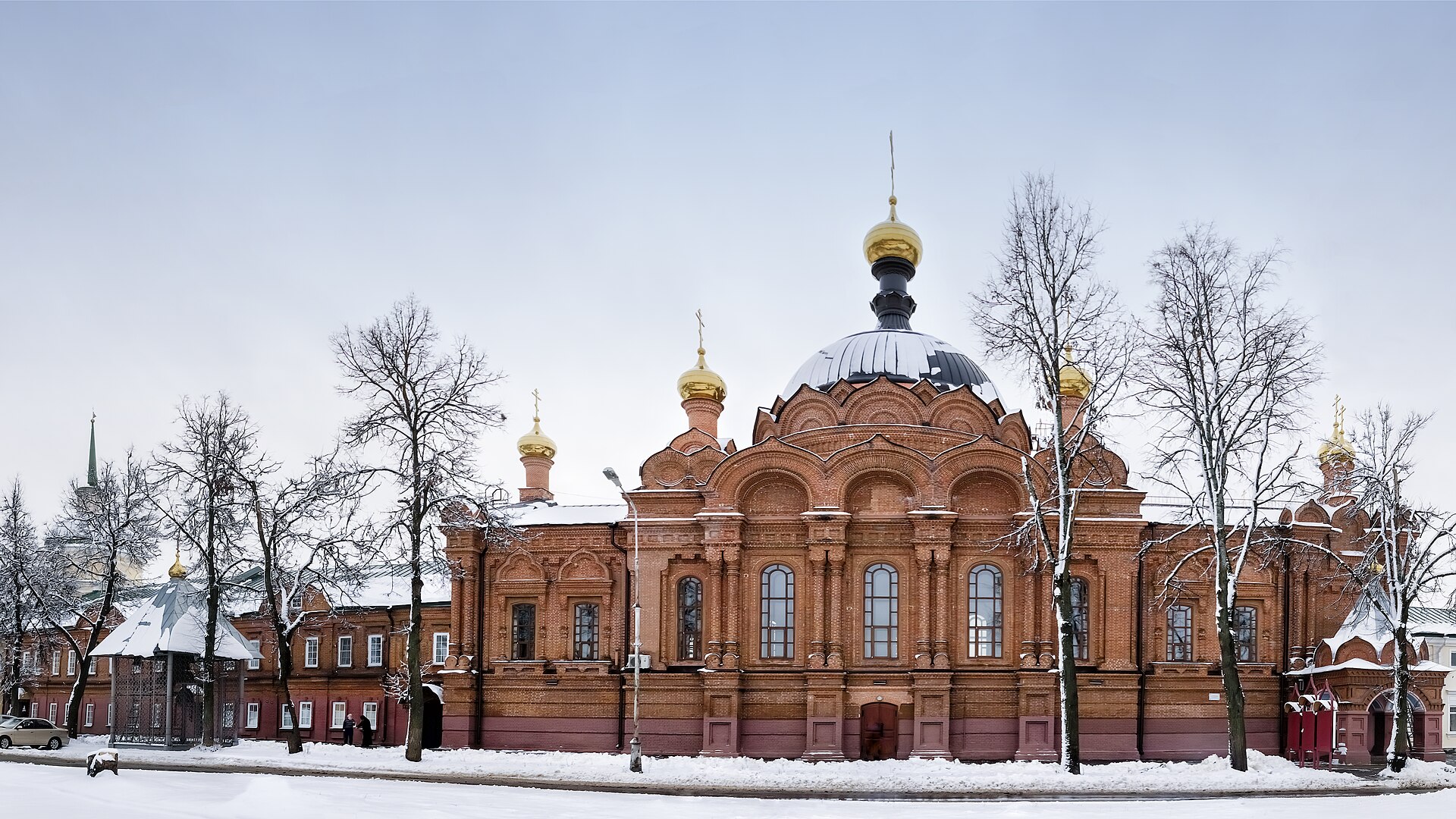
Walking home from the shop tonight I passed the church just after sunset. The air was still warm and the light made the bricks glow a soft orange. Stopped for a minute on the steps, said a quick prayer then kept going. Felt good to end the day like that.
Р
Роман Киселёвtranslated
Aug 14
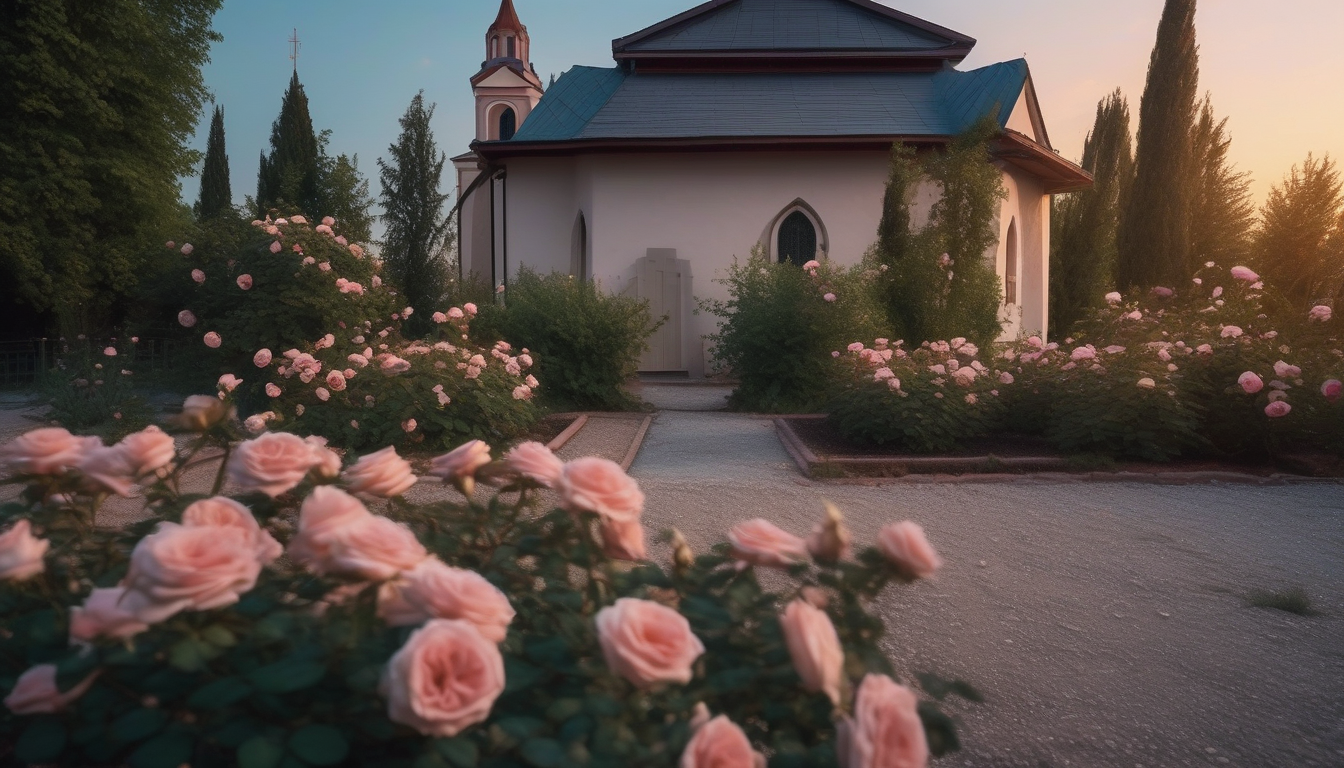
Roses are blooming in the church garden. The light falls so that each petal is clearly visible, and everything around is quiet.
В церковном саду розы цветут. Свет падает так, что каждый лепесток видно чётко, и вокруг тихо.
🌐 Show original
A
Anna Šimková
Those roses look really powerful, Desislava was right.
B
Bogdan Nistor
These seedlings really grew well this year.
D
Daniel Weber
The roses look really strong this year. Last year in Cologne, the priest also planted new varieties from the Rhineland, which can withstand the heat better.
Ქ
ქეთევან მამულაშვილი
Roses have grown strongly this year.
The Feast of the Origin of the Honest Cross falls this week, reminding everyone that the wood which once healed the sick in Jerusalem still points to ordinary acts of carrying daily burdens with patience. In the Church of Greece the Metropolitan of Paramythia met with the mayor of Souli to discuss practical ways the Cross can shape local life. The Romanian Orthodox Church welcomed thirty Ukrainian children to a Maramureș summer camp built around the same theme of quiet endurance and prayer.
At the same time the Serbian Orthodox Church hosted Prime Minister Sava Minić with Metropolitan Fotije, where talk turned to how the Cross steadies families and public service alike. Meanwhile the Russian Orthodox Church Outside Russia marked the day with services recalling the ancient procession of the Life-Giving Wood through Constantinople, urging people to treat small troubles as part of that larger mystery.
From Kenya came news that new churches and a clinic are rising under the Moscow Patriarchate, each brick laid as another sign that the Cross works where daily needs press hardest. These scattered efforts show how the feast slips into real schedules.
Bulgarian parishioners at St. Ivan Rilski in Montreal gathered after the Dormition liturgy for their traditional coffee hour in the church hall. Fresh baklava, strong coffee, and plates of homemade banitsa appeared on long tables while families caught up on summer news and children ran between chairs. The modest event drew both longtime Bulgarian immigrants and newer arrivals from the wider Orthodox community in the city.
Elsewhere the Romanian Orthodox Church highlighted the quiet endurance of deported Bessarabians who kept icons close during hardship. In the Church of Greece, families on the Dodecanese islands observed the Fifteenth of August with local customs of shared meals and evening processions. The Orthodox Church in America released a pastoral letter from the Archbishop of Canada explaining how the Dormition feast points believers toward eternal communion with God.
These ordinary gatherings and feasts keep the faith tangible week after week.
Б
Борис Николовtranslated
Yesterday I prepared a sutrinta for a week's school and a pack of lessons. Po ptya malkiyat me drink zashcho in tsarkvata sveshchenikt ponyakoga herself, and a friend drank everything in addition. Kazakh mu, why do we drink all this, behold, we pray for one family. After vlyazokhme and that vednaga behold, join the choir.
Вчера сутринта приготвяхме децата за неделното училище и пак закъснявахме. По пътя малкият ме попита защо в църквата свещеникът понякога пее сам, а друг път всички заедно. Казах му, че когато пеем всички, се молим като едно семейство. После влязохме и той веднага се присъедини към хора.
🌐 Show original
Sixty-five years have passed since Patriarch Bartholomew was ordained to the diaconate. Pope and Patriarch Theodore II of Alexandria marked the anniversary with a warm public address, praising the Ecumenical Patriarch’s long service. At the same time the Ecumenical Patriarchate itself released the Holy Provincial Synod’s decisions from the Church of Crete dated 12 August. In Romania, Metropolitan Nicolae described the approaching Dormition as the feast of our hope while the Săvârșin parish opened new programs for young people, women, and seniors. The Serbian Church remembered Mother Angelina’s quiet, total dedication to her family. Bulgarian faithful welcomed the Hawaiian icon of the Virgin to the Diocese of Varna, though it will not travel on to Dobrich.
These ordinary parish rhythms continue alongside the larger commemorations. How is your own church marking the Dormition fast or any local anniversaries this month?
Е
Елена Васильеваtranslated
Yesterday evening I was getting my daughter ready for Sunday school, and she suddenly asked: “Mom, why does St. Nicholas have such a stern face on the icon, is he angry with us?” I tell her that this is not anger, but simply wisdom and care. In the morning, she herself took her drawing of the ship and took it to show the teacher.
Вчера вечером собирала дочку к воскресной школе, а она вдруг спрашивает: «Мама, а почему на иконе у святителя Николая такое строгое лицо, он на нас сердится?» Я ей говорю, что это не сердитость, а просто мудрость и забота. Утром она уже сама взяла свой рисунок с кораблём и понесла показать учительнице.
🌐 Show original
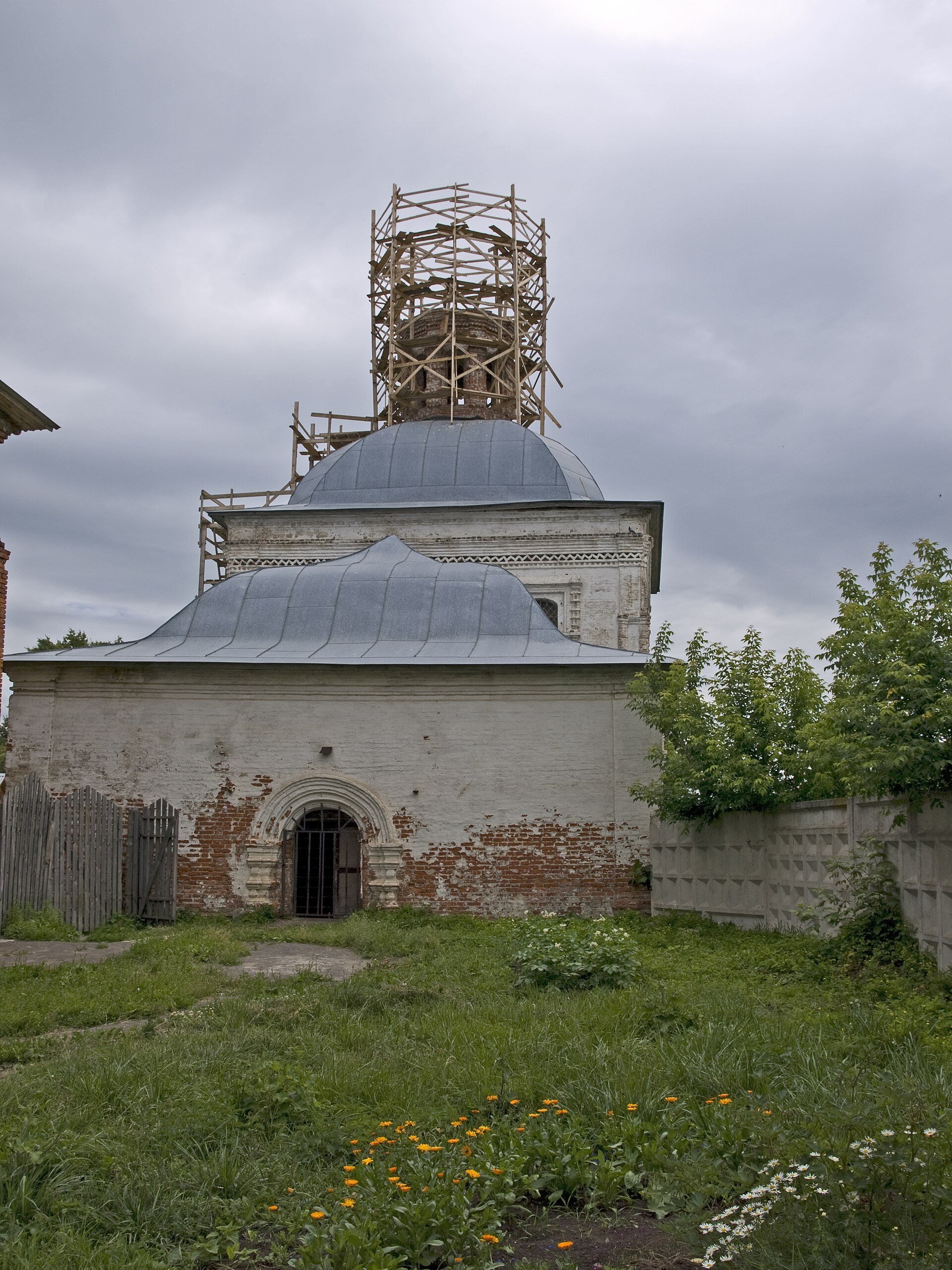
The Feast of the Origin of the Honest Cross fell this week, reminding everyone that the wood of the Cross is not just a distant relic but a daily call to carry small burdens with patience. In the Russian Orthodox Church Outside Russia, parishes marked the day with quiet processions and talks on how the Cross cuts through everyday distractions. The Romanian Orthodox Church kept the theme close at hand through its summer school at Feredeni, where newly canonized holy women’s lives showed families how to live the Cross in ordinary chores and conversations. Meanwhile the Orthodox Church in America’s Diocesan Council meeting in summer session wove the feast into discussions on practical parish support, and the Serbian Orthodox Church saw three new consecrated buildings in the Eparchy of Banja Luka stand as fresh signs of the Cross planted in local soil.
These simple observances turn an ancient feast into something people can touch right now. How does your own parish bring the meaning of the Cross into daily routines?

The Bulgarian parish of St. Ivan Rilski in Montreal opened its doors for its regular summer coffee hour after the Dormition liturgy. Tables filled quickly with homemade banitsa, lukanka slices, and strong Turkish coffee while parishioners swapped news from back home and stories from the old country. A few blocks away, the Romanian Orthodox Diocese of Canada quietly hosted its own modest Dormition gathering with fresh plums from local farms. In Varna the Bulgarian Church welcomed the Hawaiian Myrrh-Streaming Icon but decided against taking it further to Dobrich out of concern for the long journey. Meanwhile the Orthodox Church in America’s Archbishop of Canada reminded his flock that the feast shows every person is called to share in divine life. Across the Serbian Eparchy of Banja Luka two new churches and a parish house were consecrated the same week, giving fresh space for exactly these kinds of ordinary, steady gatherings. The coffee cups kept refilling.
Serbian Orthodox communities in Subotica marked the Days of the Mother of God with processions, special services and icon veneration centered on the feast of the Dormition. At the same time the Romanian Orthodox Church prepared Putna Monastery for its patronal feast on the Assumption, while the Bulgarian Church reminded the faithful to wear new clothes and avoid loans during the pre-feast. The Ecumenical Patriarchate issued a message from Metropolitan Kallinikos for the fifteenth of August, underlining the same Marian celebration. These coordinated observances across borders show how the fast and the feast continue to draw ordinary believers into prayer and local tradition. May the Mother of God keep the parishes of Subotica, Putna, the Bulgarian dioceses and the parishes under the Ecumenical Patriarchate in her care.
O
Aug 14

Vatican says 2 parishes in Buffalo will not have to close amid diocesan merger plan
· Read the article →
Romanian Orthodox communities abroad are drawing fresh attention as Patriarch Daniel urges greater pastoral care for families scattered across Europe and North America. In Montreal the Bulgarian parish of St. Ivan Rilski is hosting a simple coffee gathering on August 16, giving emigrants a place to meet, share news from home, and keep traditions alive. Meanwhile the Greek Orthodox Archdiocese of America’s 5Church in Atlanta has quietly marked ten years of using shared meals to tell the stories of its own diaspora members, many of them Romanian by background. In the Romanian Church itself, Metropolitan Nicolae reminded everyone that the upcoming Dormition feast speaks directly to the hope of every believer living far from the old country, while the Putna Monastery prepares its annual patronal celebration.
These small efforts show how parishes try to stay close to families who left Romania for work or better opportunities. How is your own parish supporting those who live abroad?
П
Пётр Поповtranslated
Aug 14
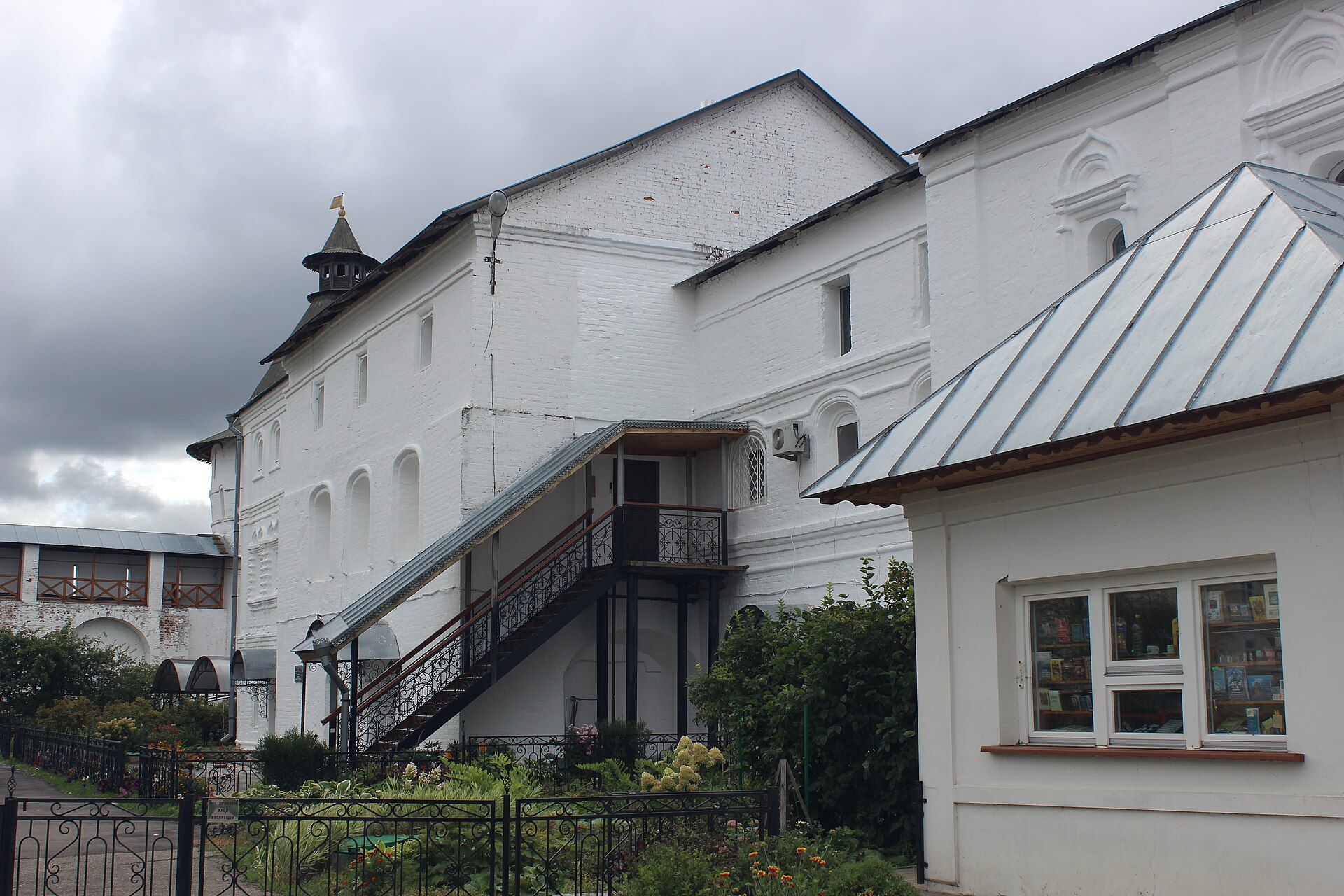
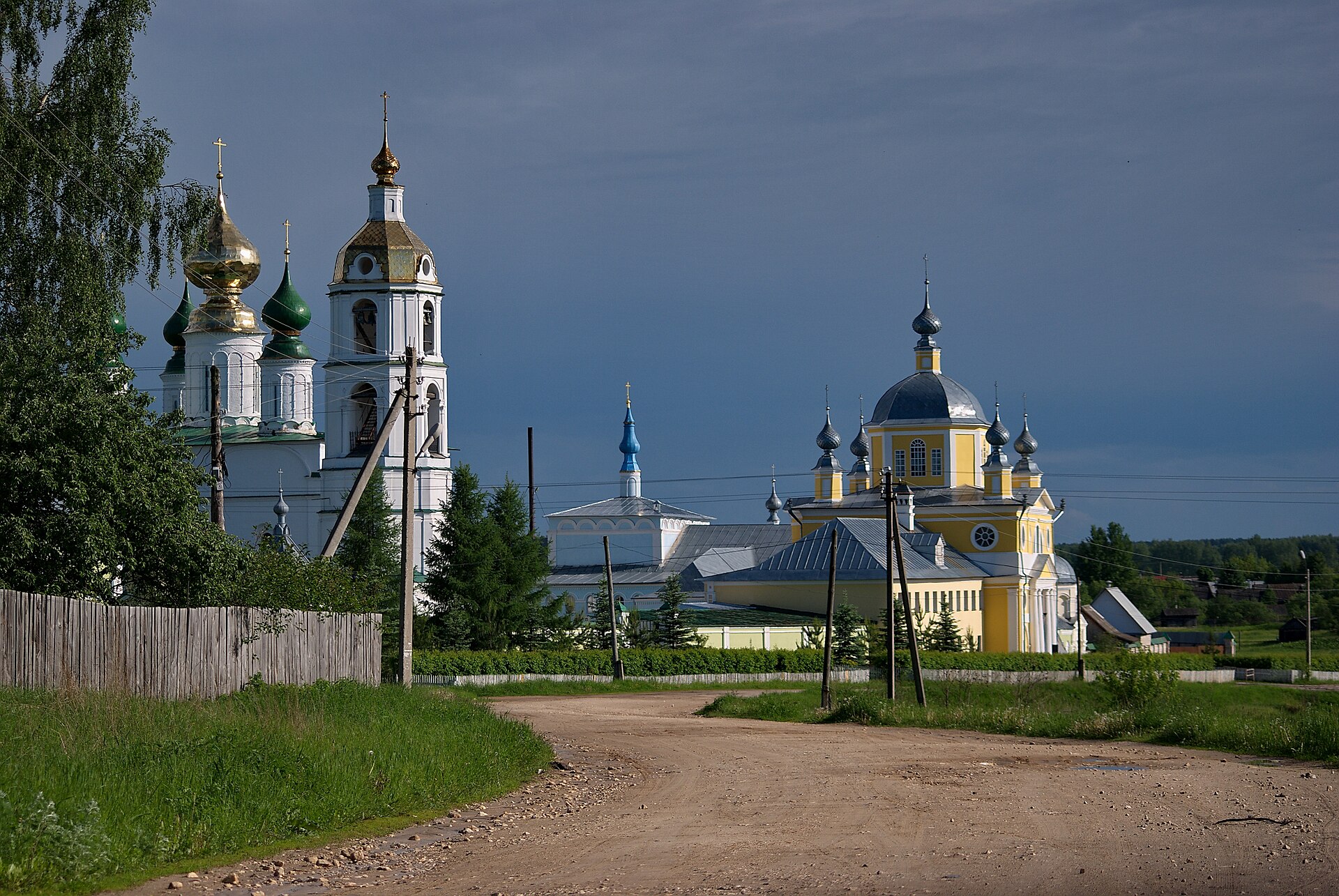
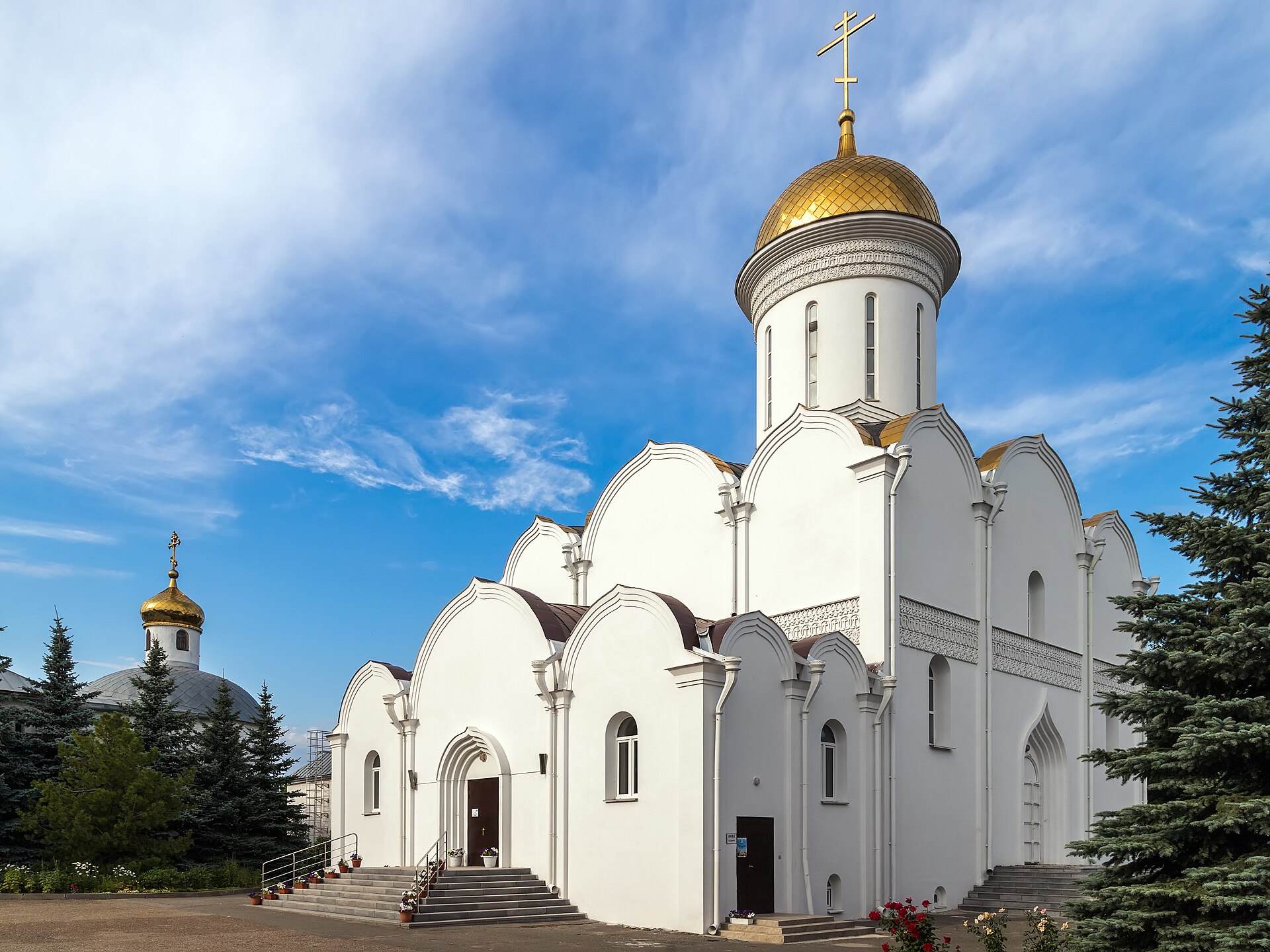
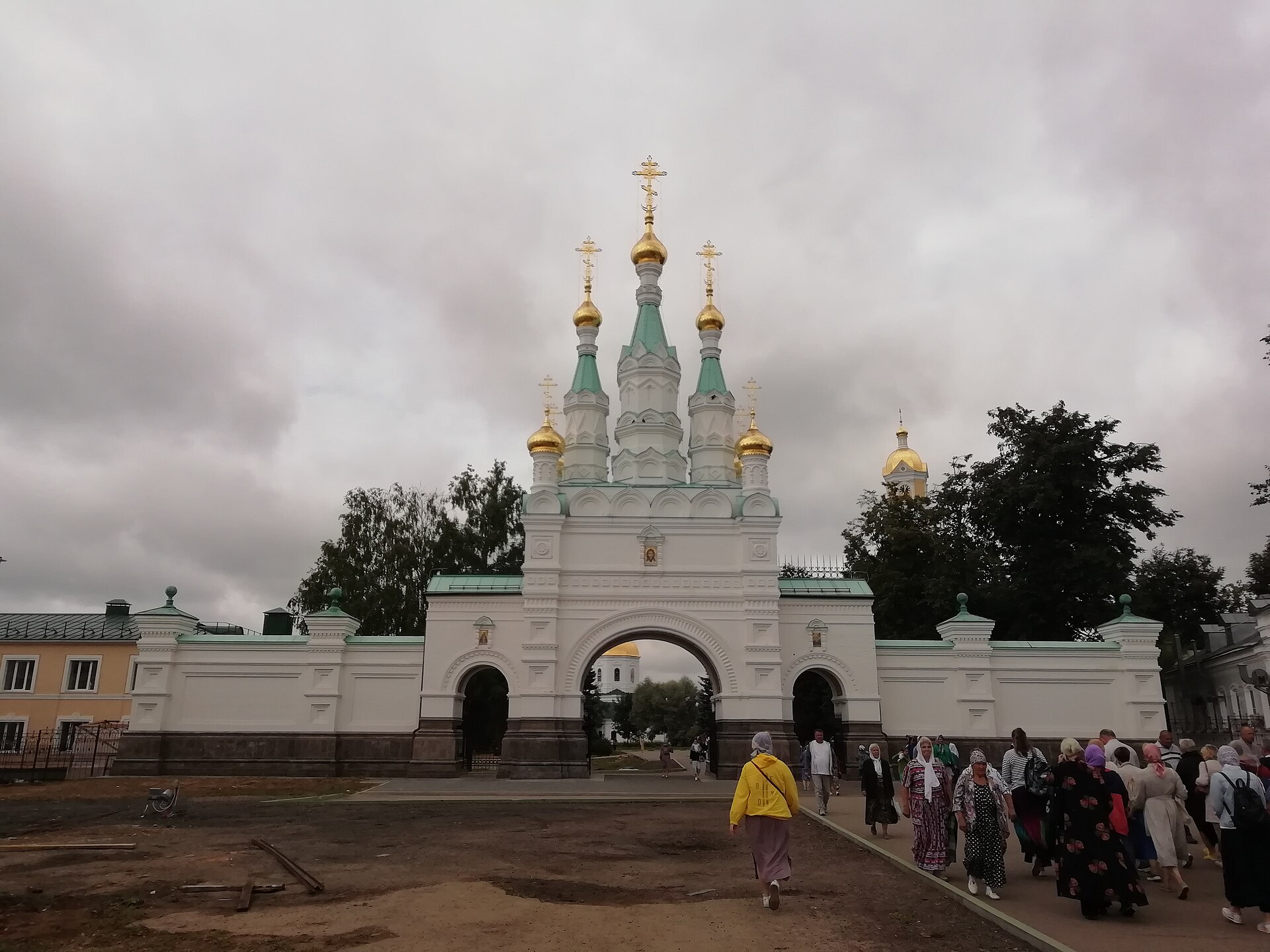
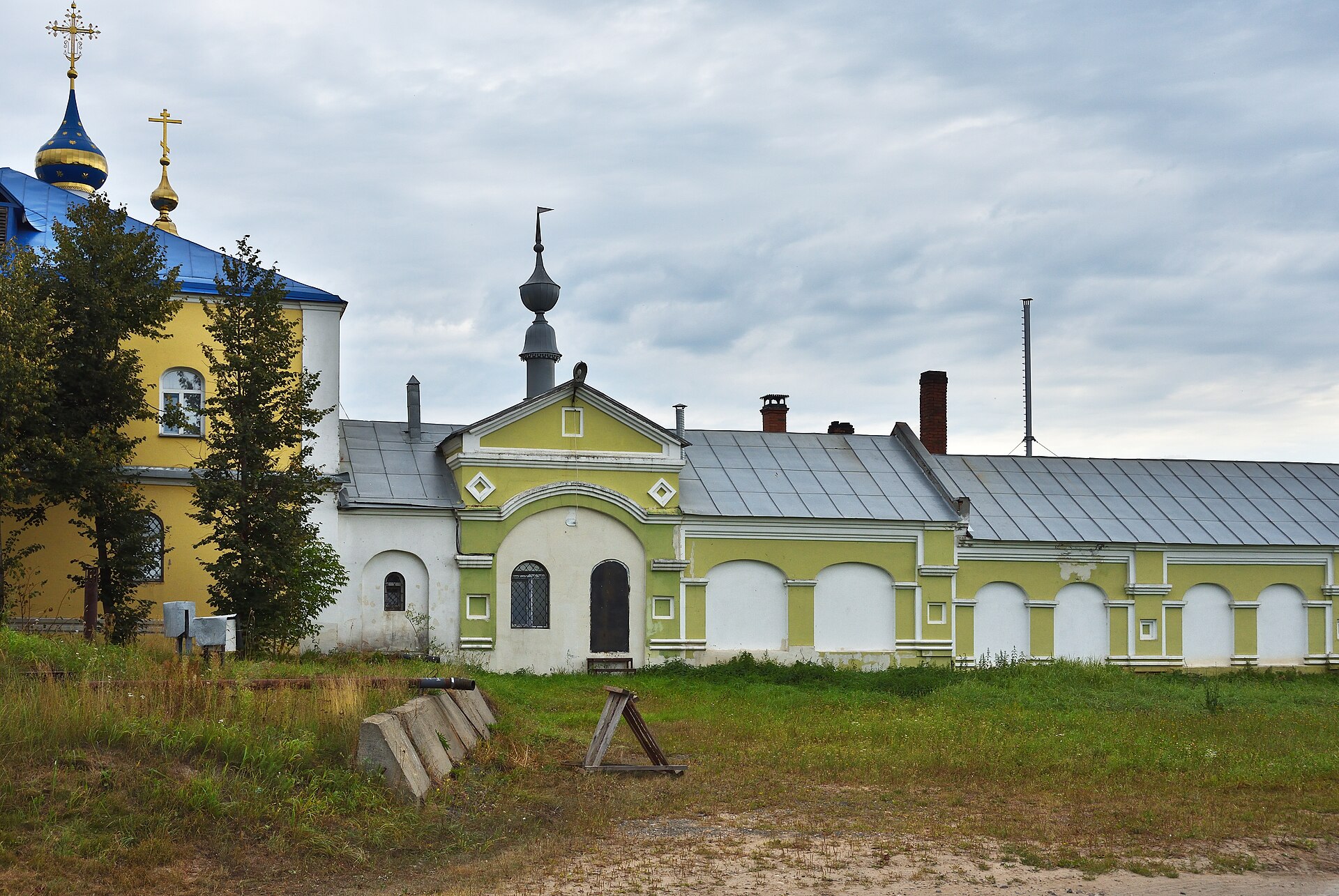
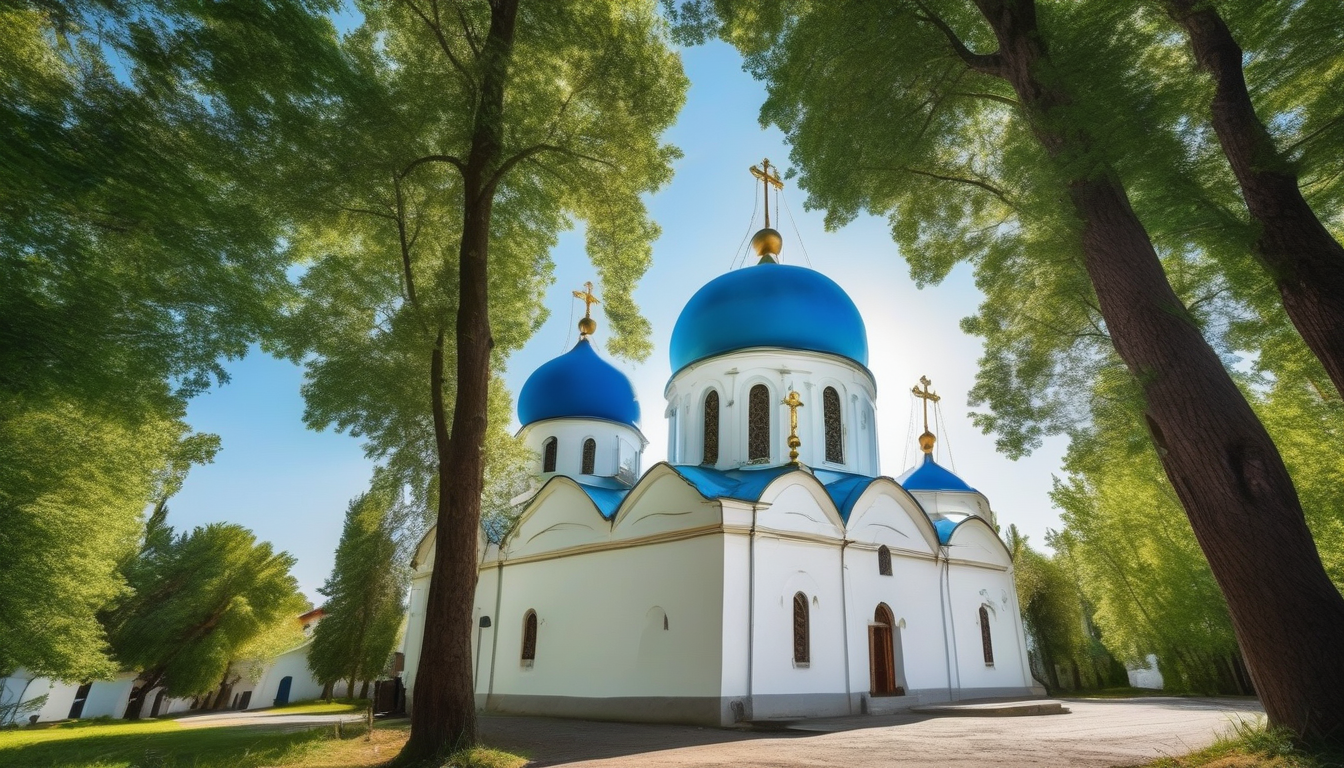
White walls and blue domes under a bright summer sky. The light is so even that everything around looks calm and simple.
Белые стены и синие купола под ярким летним небом. Свет такой ровный, что всё вокруг выглядит спокойно и просто.
🌐 Show original
Თ
თამარ დოლიძე
The springs are white, but the underlying bricks look really old. Here in the village every Saturday evening at 6 o'clock the water is blessed, so many locals come.
N
Nicolas Martin
Where exactly is this church? And did you take it this summer or last year?
N
Nathalie Bernard
I'd love to see it closer someday, those white walls look really clean.
J
Jiří Veselý
Is that somewhere in our eparchy? When did you take this photo?
Youth from several dioceses in the Church of Greece have gathered this week on the island of Leros for summer spiritual programs centered on prayer, service, and fellowship. Local clergy organized daily talks, common meals, and evening services that drew teenagers and young adults from Athens, Thessaloniki, and regional parishes. Similar youth initiatives appeared elsewhere: the Romanian Orthodox Church opened a summer school at Feredeni built around the lives of newly canonized holy women, while the Antiochian Archdiocese ran two lively sessions of Camp St. Thekla in South Carolina focused on faith formation and outdoor activities. In Bulgaria the miraculous Hawaiian icon of the Virgin reached the Diocese of Varna, giving families an unexpected chance to venerate it before it moved on.
These quiet summer efforts keep drawing young people back to the basics of parish life.
Sixty-five years have passed since Patriarch Bartholomew was ordained to the diaconate in the Ecumenical Patriarchate of Constantinople. The milestone drew quiet reflection on a lifetime of service, with the Patriarch himself speaking of keeping “Jesus alone” at the center.
In the Bulgarian Orthodox Church, the Hawaiian icon of the Virgin has reached the Diocese of Varna, though plans to bring it to Dobrich were quietly set aside. Serbian Orthodox Metropolitan Fotije welcomed Prime Minister Sava Minić in a meeting focused on practical cooperation between Church and state. The Church of Greece marked the Transfiguration at Kalamos on Lefkada with local faithful gathering for liturgy and a modest meal afterward.
Meanwhile the Romanian Orthodox Church opened an exhibition in Oradea tracing Nadia Comăneci’s path from athletic discipline to spiritual depth. These scattered moments across jurisdictions show how each local Church keeps marking time in its own way.