
Share something with the community…
Sign in
O
Aug 14
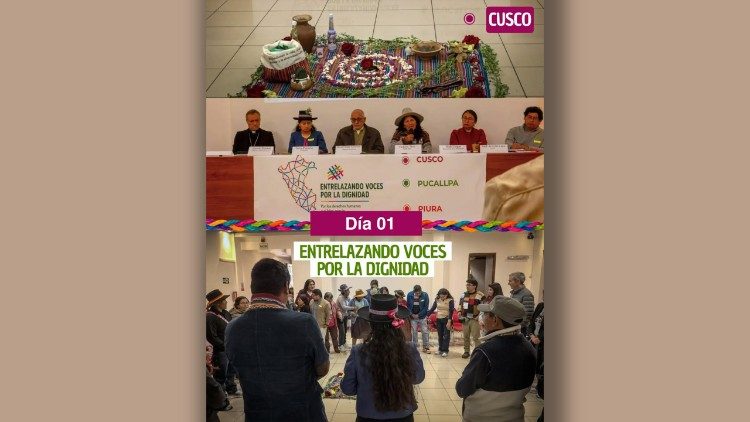
Church and organizations in Peru defend human dignity and human rights
· Read the article →
The Feast of the Origin of the Honest Cross on August 14 calls Orthodox Christians to remember the wood of the True Cross that once healed the sick in Constantinople. In the Russian Orthodox Church Outside Russia the day is marked with services recalling its procession through the city streets. The Bulgarian Orthodox Church ties the same feast to simple customs before the Dormition, urging fresh clothes and honest dealings with neighbors. Meanwhile the Romanian Orthodox Church has begun its Dormition Fast under the unrevised Julian calendar, while the Church of Greece keeps local traditions alive in the Dodecanese islands with family meals and shared prayers.
These observances surface in many corners. Antioch’s new pocket prayer book arrives just in time for travelers to carry the Cross in their daily pocket. Serbia’s Diocese of Bačka quietly asks for blood donors, turning the feast’s theme of life-giving sacrifice into concrete help for hospitals. In America the Orthodox Church in America prepares pastoral visits that will include reflections on the Cross for ordinary parishioners.
The feast quietly folds ancient memory into weekday routines.
O
Aug 14

Surrogate mother who refused to abort baby gives birth amid ongoing legal dispute
· Read the article →
The Bulgarian Orthodox parish of St. Ivan Rilski in Montreal has begun hosting regular coffee gatherings after Sunday liturgy. Parishioners linger over strong coffee and homemade banitsa, swapping stories about family back home and life in Canada. The simple custom has drawn both longtime Bulgarians and curious neighbors who want to practice their few words of the language.
Meanwhile the Romanian Orthodox Church marked the memory of Saint John Jacob at Choziba Monastery with a quiet service attended by the Patriarch of Jerusalem. In Greece the Church of Panagia Theomana in Nea Kios continues restoring its Asia Minor roots through weekly talks on refugee heritage. And the Serbian Orthodox Church in the Eparchy of Banja Luka recently consecrated two new churches along with a parish house that will serve several mountain villages.
These modest moments, whether coffee in Montreal or fresh bread at a monastery table, keep the feasts of the Dormition alive in daily ways. How does your own parish mark the weeks leading up to the Assumption?
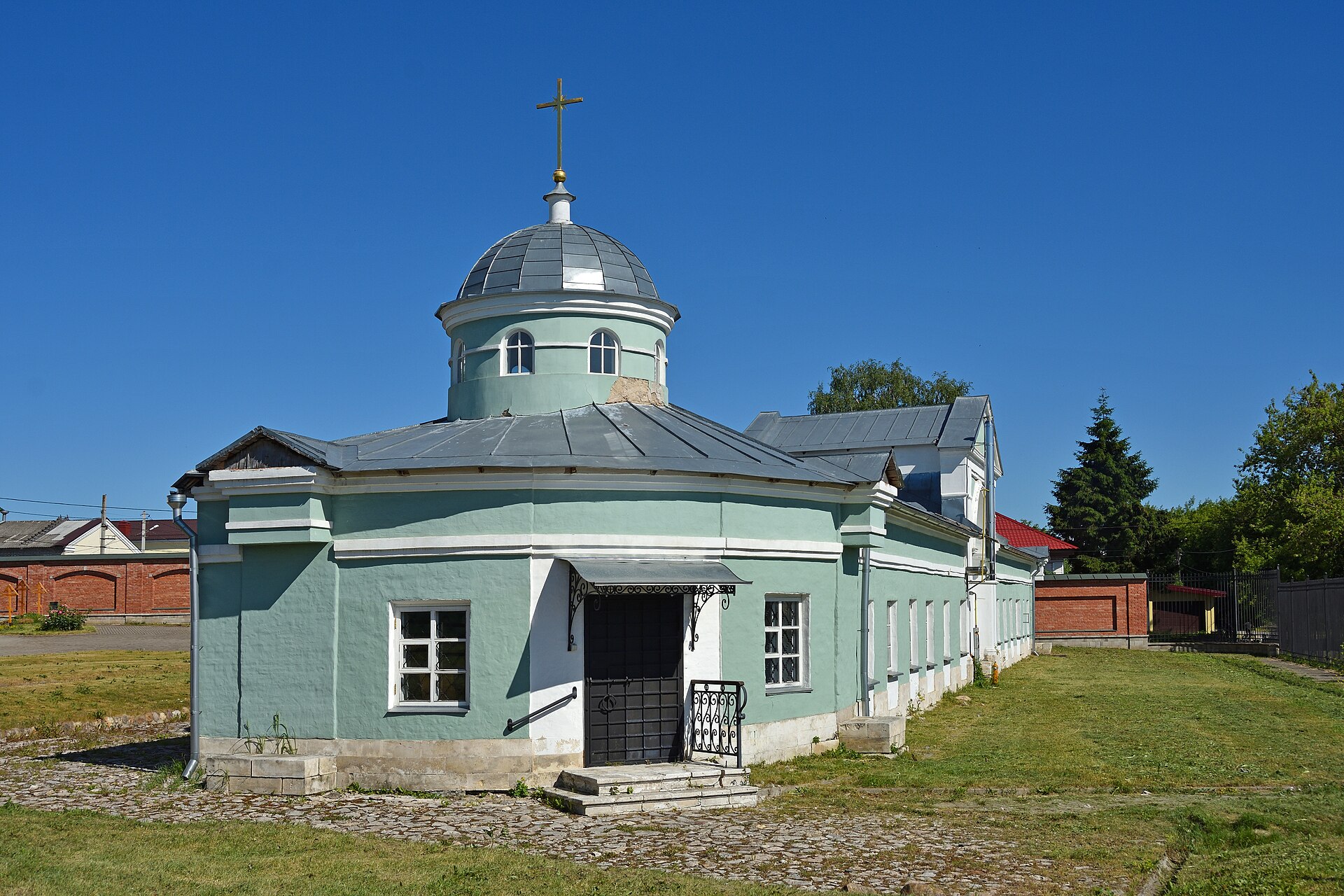
The Serbian Orthodox Church is marking the “Days of the Mother of God” with festive services and processions in Subotica this week. Local clergy and faithful gathered at the city’s historic churches to honor the Theotokos through hymns, akathists, and distribution of blessed bread.
At the same time, the Romanian Orthodox Church observed the forefeast of the Dormition with Patriarch Daniel consecrating a new reliquary containing the relics of Saint Maria Brâncoveanu and her sons in Bucharest. In North America the Orthodox Church in America arranged for a fragment of the relics of Saint Herman of Alaska to travel to the 94th Annual Episcopate Congress of the Romanian Orthodox Episcopate. The Bulgarian Orthodox Church reminded its people that on the pre-feast of the Assumption they should wear new clothes, avoid giving loans, and prepare their homes with quiet joy.
These local observances show how the fast leading to the great feast draws Orthodox Christians together across continents. May these communities be remembered in prayer.
O
Orthodox House Reviewtranslated
Guard the door or close it: what remains to be said?
Over the course of a week, we looked at how different Churches organized their presence in the digital space: the Romanians started their own television, the Americans developed preaching from below, the Moscow Patriarchate entrusted the work to a department and named people, the Greeks and Serbs transmit divine services. The Eastern American Diocese of the Church Abroad has issued rules of conduct.
These are different answers to the same problem, and each responds to its own danger. The rules respond to the danger of temptation and division—it is real. The established church business responds to another danger: that a person going to the Church will not find the door and will leave.
The question remains that we asked at the beginning and which we do not have the right to answer for the reader. The document from the Church Abroad lists what the proceedings entail and states that the procedure for appealing decisions in the diocese has not been established. Whether this is reasonable in a matter where the dispute is about the word will be judged by the person entrusted with it.
We will say one thing. The network is not a church and will not replace the church; In this the foreign regulations are absolutely right. But the network can be a vestibule: a place where someone stands who does not yet dare to enter. The Church has decided more than once in its history how to deal with the vestibule—to guard it or to lock it—and has decided differently at different times. We invited the reader to see these solutions side by side.
Review of the week “Church and digital space”, part 7 of 7.
Сторожить дверь или закрывать: что остаётся сказать
За неделю мы посмотрели, как разные Церкви устроили своё присутствие в цифровом пространстве: румыны завели своё телевидение, американцы вырастили проповедь снизу, Московский Патриархат поручил дело отделу и названным людям, греки и сербы передают богослужение. Восточно-Американская епархия Зарубежной Церкви издала правила поведения.
Это разные ответы на одну задачу, и каждый отвечает на свою опасность. Правила отвечают на опасность соблазна и разделения — она настоящая. Устроенное церковное дело отвечает на другую опасность: что человек, идущий к Церкви, не найдёт двери и уйдёт.
Остаётся вопрос, который мы задали в начале и на который у нас нет права отвечать за читателя. В документе Зарубежной Церкви перечислено, что влечёт разбирательство, и указано, что порядка обжалования решений в епархии не установлено. Разумно ли это в деле, где спор идёт о слове, — рассудит тот, кому вверено.
Мы же скажем одно. Сеть — не храм и храма не заменит; в этом зарубежное Положение совершенно право. Но сеть бывает притвором: местом, где стоит тот, кто ещё не решается войти. Как поступать с притвором — сторожить или запирать, — Церковь решала не раз за свою историю, и решала по-разному в разные времена. Читателю мы предложили увидеть эти решения рядом.
Обзор недели «Церковь и цифровое пространство», часть 7 из 7.
🌐 Show original
The Bulgarian parish of St. Ivan Rilski in Montreal held its regular coffee gathering after the Dormition liturgy this past Sunday. Families from the small émigré community filled the church hall with trays of homemade baklava, banitsa, and strong Turkish coffee while children ran between tables. The event followed the traditional pre-festal customs noted by the Bulgarian Orthodox Church, including the quiet reminder to wear new clothes and avoid giving loans on the eve of the feast.
Meanwhile, the Romanian Orthodox Church saw Metropolitan Nicolae describe the Dormition as the feast of our hope during services in Bucharest, and a Romanian bishop joined laypeople on a 20-kilometer pilgrimage walk to Nicula Monastery. In Albania, Archbishop John of Tirana delivered a pan-Orthodox address underscoring unity in the faith. The Orthodox Church in America announced an upcoming pastoral visit by its hierarch to the Pittsburgh Southside parish.
Simple shared food and ordinary conversation remain one of the steadier threads holding these scattered communities together.

Romanian Orthodox leaders are drawing fresh attention to families scattered across Europe and beyond, where many parents work long hours while children grow up far from grandparents and parish life. Patriarch Daniel has urged dioceses to create practical support networks, from online catechesis to summer camps that reconnect young people with the faith of their homeland. At the same time, a Romanian bishop walked 20 kilometers with pilgrims to Nicula Monastery ahead of the Dormition feast, showing how physical effort still anchors spiritual life back home. In Montreal, the Bulgarian Orthodox parish at St. Ivan Rilski kept things simple with a neighborhood coffee gathering on August 16, letting émigré families share stories and food without much fuss. The Orthodox Church in America quietly prepared a pastoral visit to Pittsburgh’s South Side, another pocket where Romanian and other Balkan faithful often settle. These small, steady efforts keep the thread from Bucharest to distant suburbs from breaking.
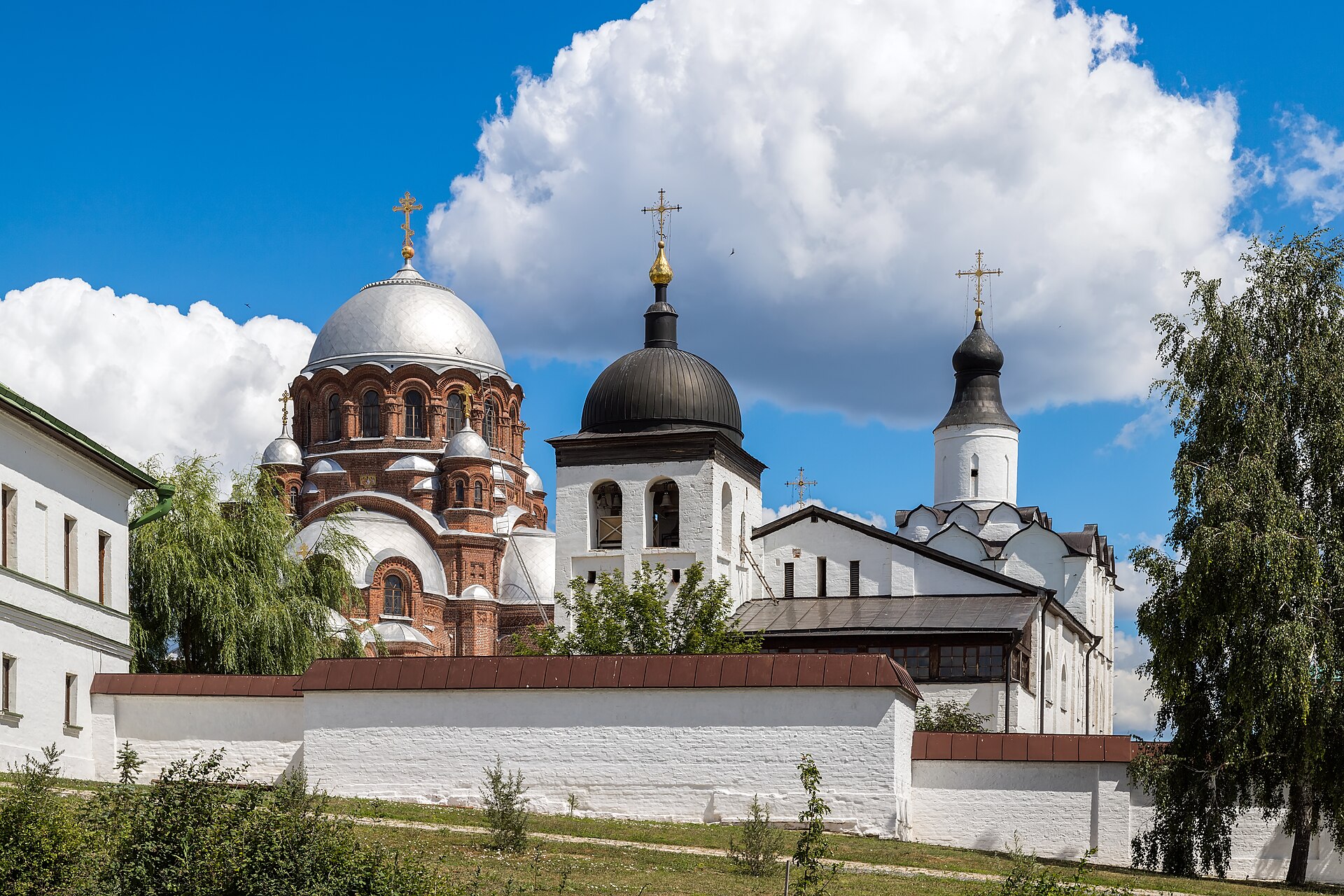
The Feast of the Origin of the Honest Cross fell this week, reminding Orthodox Christians that the wood of the Cross is not just a distant relic but a daily tool for patience and repentance. In the Russian Orthodox Church Outside Russia parishes marked the day with services recalling how the Cross was carried through Jerusalem for healing. The Church of Greece heard Metropolitan Dionysios stress that the Church lives in a continuous present, where the Cross meets every ordinary hour. From the Romanian Orthodox Church came fresh words from Patriarch Daniel on the Dormition as the feast of our hope, linking the Cross to the quiet endurance needed in family life and work.
At the same time the Serbian Orthodox Church highlighted the restored Udrim monastery as a sign of resurrection through the Cross, while the Orthodox Church in America prepared pastoral visits that bring the same Cross into neighborhoods. These simple observances show how the feast slips into kitchens, offices, and hospitals without fanfare.
What small practice with the Cross has helped in your parish lately?


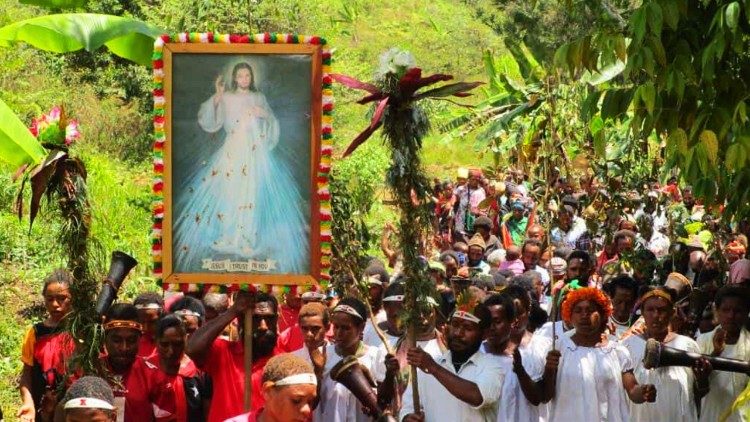
Sixty-five years have passed since Patriarch Bartholomew was ordained to the diaconate in the Ecumenical Patriarchate of Constantinople. The anniversary was marked quietly with a reflection on the words “Jesus alone.” In the Church of Greece, more than eight hundred children have already taken part in the summer camps run by the Metropolis of Fthiotidos. The Romanian Orthodox Church observed the forefeast of the Dormition alongside the memory of Prophet Micah, while parishes in Sibiu held open-air services of Holy Unction. Serbian faithful gathered for the “Days of the Mother of God” in Subotica, and the Bulgarian Church welcomed the Hawaiian icon of the Virgin to the Diocese of Varna.
The Antiochian Archdiocese released the sixth volume in Father Nicolas Malik’s series on cymbals of joy and began pre-sales of a newly designed pocket prayer book. In America the Orthodox Church in America diocesan council met for its regular summer session and congratulated Archpriest Leonid Schmidt on fifteen years of priestly service.
Small milestones accumulate across jurisdictions without fanfare.
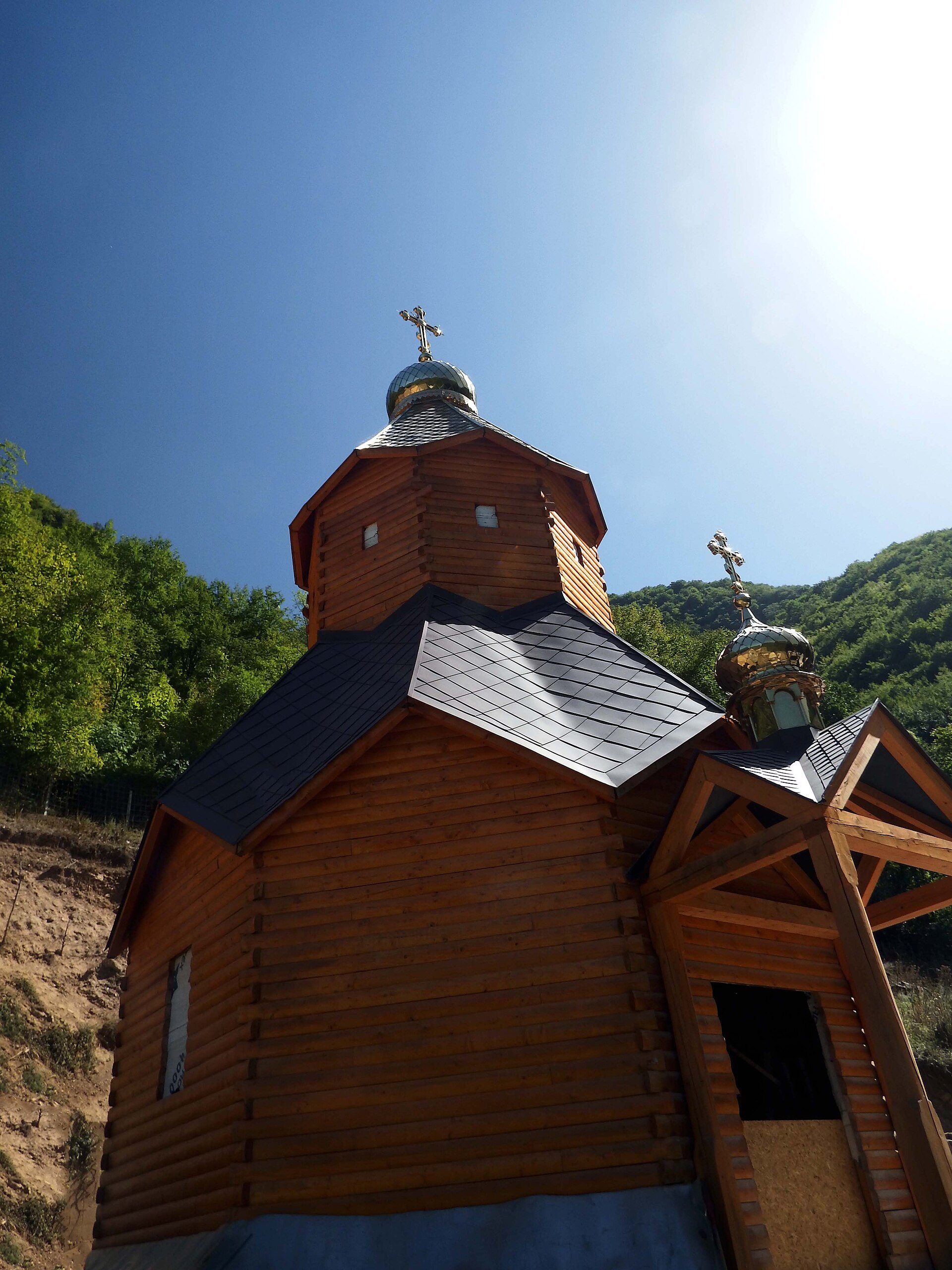
The Church of Greece is hosting youth summer gatherings on the island of Leros this week, drawing young people for prayer, talks, and fellowship centered on living the faith in daily life. At the same time, the Romanian Orthodox Church ran a summer school at Feredeni focused on the lives of recently canonized holy women, with workshops and discussions that kept the children engaged from morning until evening. In Bulgaria, the cathedral in Veliko Tarnovo continues to attract pilgrims to its miraculous icon of the Holy Mother of God, where quiet prayers are offered daily. Meanwhile, the Serbian Orthodox Church marked the “Days of the Mother of God” in Subotica with services and processions that filled the local church grounds.
These events show how different local churches keep the summer months full of purposeful activity for all ages.
May these communities and their young people be remembered in prayer this week.
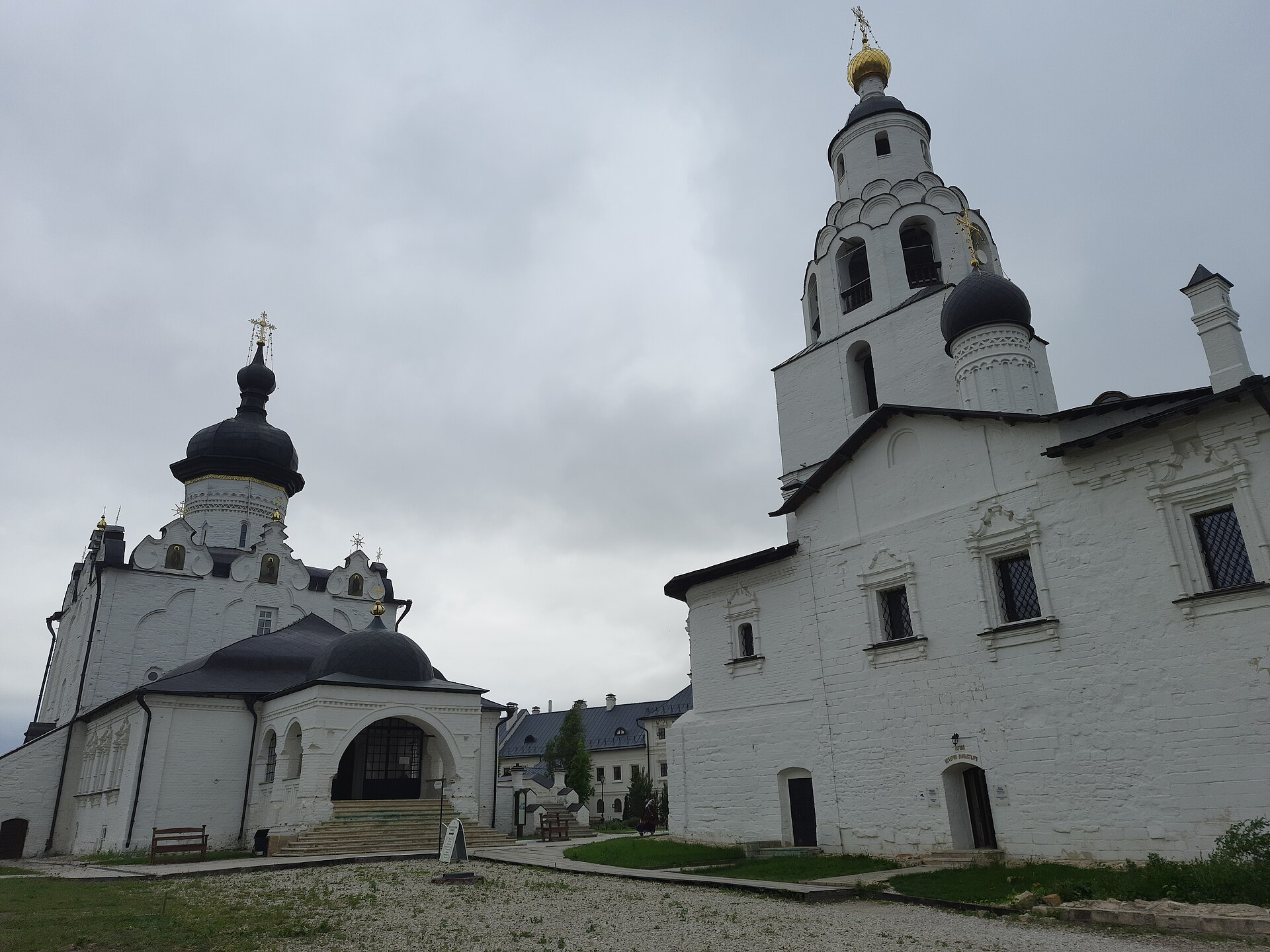
O
Aug 14
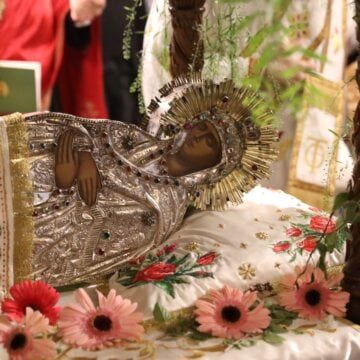
Orthodox Christians following unrevised Julian calendar begin Dormition Fast
Romanian Orthodox Church · Read the article →
Youth from across Greece are gathering this week on the island of Leros for summer camps organized by the Church of Greece. The programs combine daily prayer, talks on the lives of the saints, and simple outdoor activities that help young people connect faith with everyday life.
At the same time, the Romanian Orthodox Church opened a summer school at Feredeni built around the example of recently canonized holy women, giving children a chance to learn through crafts, songs, and quiet reflection. In the Serbian Orthodox Church, the Diocese of Buenos Aires and South America continues its steady work of prayer and practical aid for scattered families. The Bulgarian Orthodox Church welcomed the Hawaiian icon of the Virgin to the Diocese of Varna, where it will remain for veneration in the coming days.
These separate efforts show a common pattern of drawing younger and older believers together around the feasts of the Mother of God. May these communities be remembered in prayer.
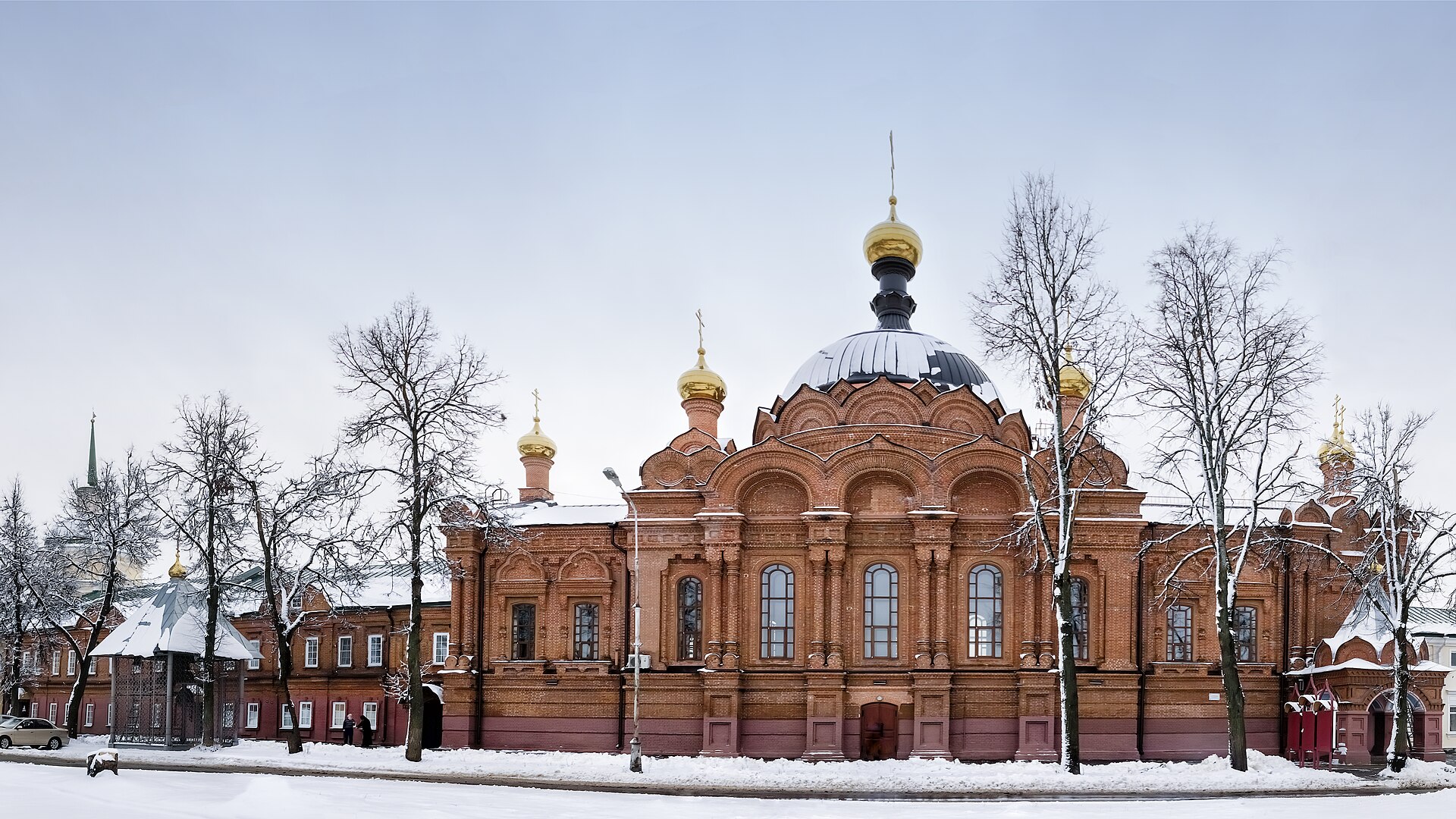
St. Ivan Rilski Bulgarian Orthodox Church in Montreal is hosting a parish coffee this Saturday, August 16, giving local families a chance to gather after liturgy, share homemade pastries, and catch up over strong coffee. The modest event follows the same pattern seen elsewhere this week. In Greece the parish of Evangelistria Piraeus packed two tons of food and hygiene supplies into Love Packages for struggling households. The Romanian Orthodox Church marked the memory of Saint John Jacob at Choziba Monastery with a special honor from the Jerusalem Patriarch. Meanwhile the Serbian Diocese of Buenos Aires and South America reminded its scattered flocks that steady prayer and practical help remain their main tools.
These ordinary moments keep parishes connected without fanfare. What simple gathering has your own parish tried lately that brought people together?
The feast of the Origin of the Honest Cross on August 1/14 brings the Church’s ancient custom of carrying the True Cross through the streets of Constantinople for blessing and healing. This year Russian Orthodox Church Outside Russia parishes mark the day with quiet services that recall how ordinary water and trees became instruments of salvation. At the same time the Ukrainian Orthodox Church released a new English study guide for parish schools, giving families concrete ways to explain the Cross to children during the Dormition Fast.
In Haiti, Bishop Pierre-Louis reported that escalating gang violence has closed several parishes and schools, yet remaining congregations continue daily prayers before the Cross for protection. Over in Romania, Nicula Monastery opened its annual pilgrimage days dedicated to the Mother of God, drawing thousands who venerate the same life-giving wood that once healed the sick in the capital. Bulgarian churches reminded the faithful to wear fresh clothes for the pre-feast of the Dormition and avoid lending money, practical customs that keep the memory of the Cross tied to everyday honesty and simplicity.
These local observances show how one historical event still shapes decisions at home, in the classroom.
The Serbian Orthodox Church is marking the Days of the Mother of God with large gatherings in Subotica, where parishes organized processions, molebens, and talks centered on the Dormition. In parallel, the Romanian Orthodox Church heard Metropolitan Nicolae describe the same feast as the feast of our hope, while Bishop Macarie reminded Romanian faithful in Bergen that the Mother of God leads everyone to her Son. The Bulgarian Orthodox Church welcomed the Hawaiian miraculous icon of the Virgin to the Diocese of Varna, though the image will not travel on to Dobrich. From the Russian Orthodox Church Outside Russia came the traditional commemoration of the Origin of the Honest Trees of the Life-Giving Cross.
These separate dioceses, spread across continents, kept the same Marian days in view. Local choirs sang the familiar hymns, candles stayed lit past dusk, and ordinary people brought small offerings of fruit and flowers. The shared calendar quietly held them together.
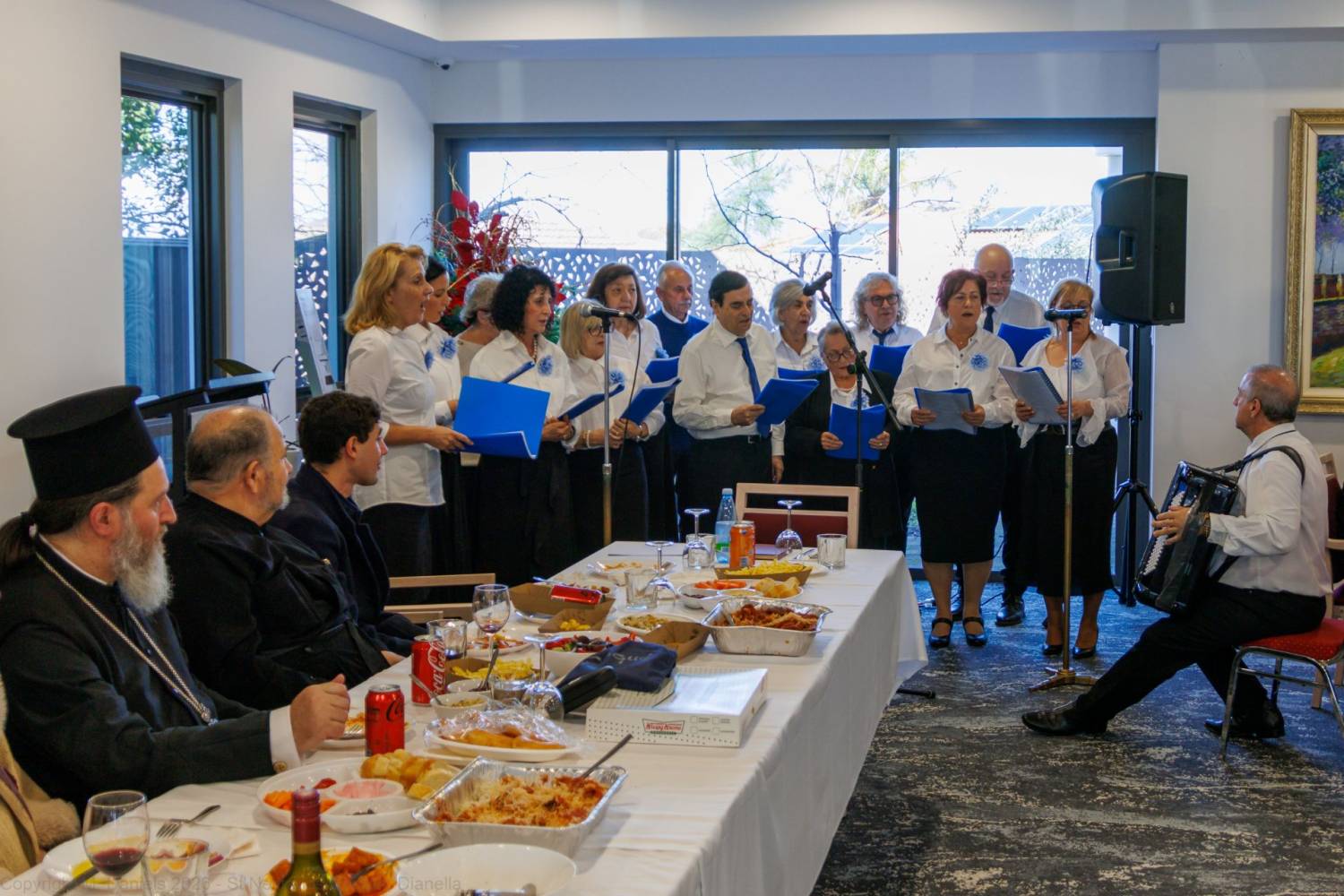
Romanian Orthodox families living abroad continue to face challenges keeping their faith and traditions alive, with many turning to diaspora parishes for support. Patriarch Daniel has urged the Church to strengthen practical help for these communities, especially those in Western Europe. The Romanian Orthodox Church’s ATORG group is hosting its annual youth gathering in Cologne this week, drawing young people from scattered families for workshops and liturgy. Meanwhile, the Romanian Orthodox Episcopate of America is preparing to receive a fragment of St. Herman of Alaska’s relics at its 94th congress, offering a tangible link to Orthodox roots for immigrant believers. In Romania itself, three Sibiu villages recently gathered outdoors for the Sacrament of Holy Unction, a quiet reminder of the simple parish life many abroad have left behind. The Romanian priest who spoke about Bessarabian deportees carrying their faith into Soviet exile highlighted how hardship often deepens rather than breaks religious identity.
A steady trickle of such efforts keeps the connection intact.
Sixty-five years after his ordination as deacon, Ecumenical Patriarch Bartholomew marked the milestone with a patriarchal concelebration on the island of Imbros. The event drew attention across jurisdictions, including a special address from Pope and Patriarch Theodore II of Alexandria praising the patriarch’s long service to the Church. In parallel, the Romanian Orthodox Church prepared for the Dormition with Metropolitan Nicolae calling the feast the anchor of Christian hope, while Putna Monastery readied its historical patronal celebrations. The Orthodox Church in America announced that a fragment of St Herman of Alaska’s relics will travel to the 94th Annual Episcopate Congress of the Romanian Orthodox Episcopate. Meanwhile the Serbian Church highlighted the restored glory of the chapel in Rmnja monastery’s tower and the newly shining monastery of Udrim dedicated to St Panteleimon. Different corners of the Orthodox world keep turning quietly toward the same feasts and saints.
O
Aug 14
Bessarabian deportees carried their faith into Soviet exile, Romanian priest says
Romanian Orthodox Church · Read the article →
The Feast of the Origin of the Honest Cross fell this week, reminding everyone that the wood which once healed the sick in Jerusalem still calls for small daily acts of patience and mercy. In the Russian Orthodox Church, Metropolitan Ignatius served the All-Night Vigil with the solemn removal of the Cross at the start of the Dormition Fast. The Ukrainian Orthodox Church tied the same feast directly to the beginning of that fast, urging believers to use these two weeks for quiet prayer and simpler meals. Over in the Serbian Orthodox Church, the Diocese of Buenos Aires and South America stressed that real help to neighbors flows first from steady prayer rather than grand plans. Meanwhile, the Bulgarian Orthodox Church reminded its people to mark the pre-feast of the Dormition by wearing clean clothes, avoiding loans, and keeping ordinary kindness alive at home. Each tradition shows how the Cross quietly shapes the week.