
Share something with the community…
Sign in
St. Ivan Rilski Bulgarian Orthodox Church in Montreal is hosting a parish coffee this Saturday, August 16, giving local families a chance to gather after liturgy, share homemade pastries, and catch up over cups of strong Bulgarian coffee. The modest event continues a long-standing tradition that keeps the small émigré community knitted together in everyday fellowship.
At the same time, the Romanian Orthodox Church marked the leave-taking of the Transfiguration and the translation of the relics of St. Maximus the Confessor, while its youth gathered in large numbers at Piatra Neamț for ITO Moldova. The Serbian Orthodox Church highlighted the restored chapel inside the defensive tower at Rmnja monastery, and the Orthodox Church in America prepared for a pastoral visit to Pittsburgh Southside on the same weekend.
These ordinary moments of hospitality and quiet feast-day observance show how parishes large and small keep the rhythm of the Church year alive. May the communities in Montreal, Romania, Serbia, and Pennsylvania receive every blessing.
O
Aug 14
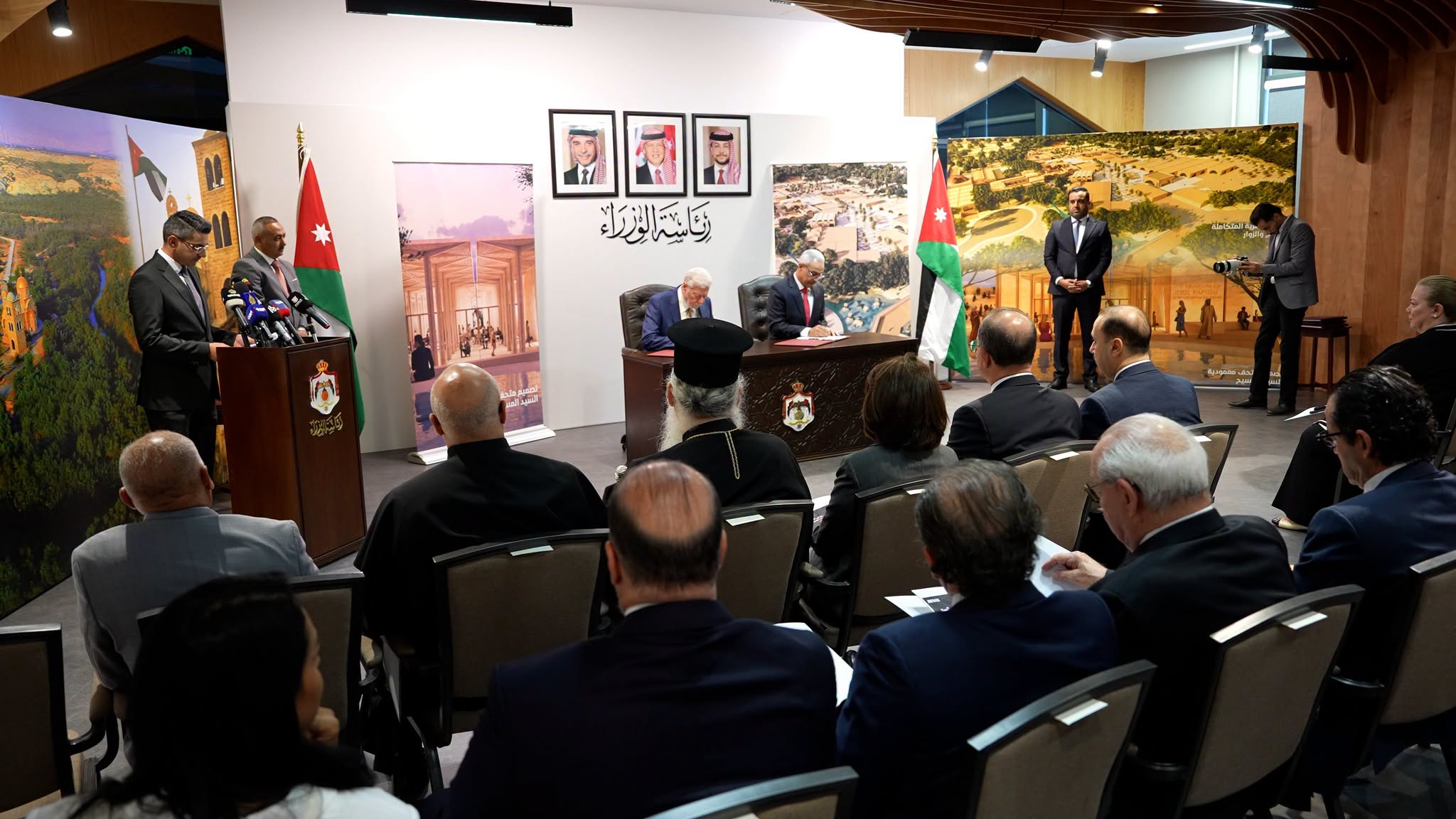
Jordan signs deals to develop Jesus’ baptism site ahead of 2,000th anniversary
Romanian Orthodox Church · Read the article →
O
Aug 14
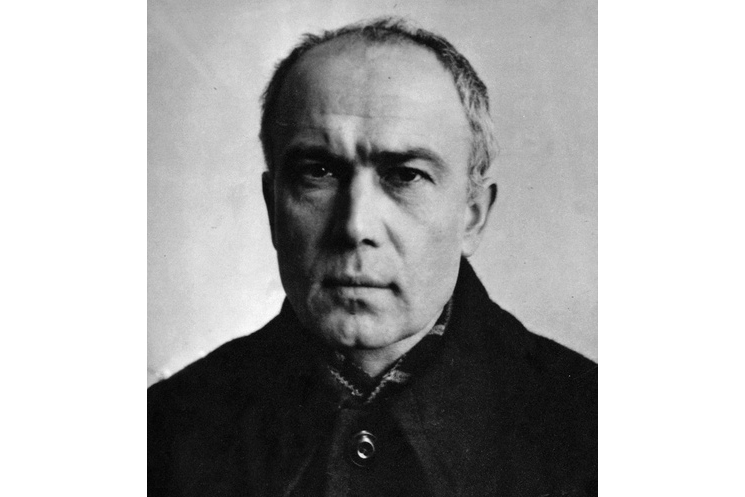
What happened to St. Maximilian Kolbe’s beard? The answer may surprise you
· Read the article →
Youth from the Church of Greece wrapped up lively summer gatherings on the island of Leros last week, filling days with prayer, workshops on Saint Damascene Studite’s writings, and simple outdoor meals that kept everyone talking late into the evening.
At the same time the Romanian Orthodox Church marked the forefeast of the Dormition with Patriarch Daniel consecrating a new reliquary for the relics of Saint Maria Brâncoveanu and her sons at a crowded service in Bucharest.
In South Carolina the Greek Orthodox Patriarchate of Antioch ran two back-to-back sessions of Camp St. Thekla, mixing morning liturgies with afternoon games that drew families from several states.
Meanwhile the Serbian Orthodox Church reopened the restored Udrim monastery dedicated to Saint Panteleimon, where Metropolitan Lucian led the first Divine Liturgy since the building’s reconstruction and spoke quietly about the joy of seeing the old stone walls filled again.
The gatherings on Leros ended with plans already forming for next year’s dates.
The Serbian Orthodox Church is marking the Days of the Mother of God with special services and gatherings in Subotica this week, drawing families from the local diocese to honor the Theotokos ahead of her Dormition. In parallel, the Bulgarian Orthodox Church reminded the faithful in a recent message to wear new clothes and avoid lending money during the pre-feast period, a custom still observed in many villages. The Romanian Orthodox Church brought relics of Saint Maria Brâncoveanu and her sons to a newly consecrated reliquary at the hands of Patriarch Daniel, while the Orthodox Church in America prepared to receive a fragment of Saint Herman of Alaska’s relics at the upcoming congress of the Romanian Episcopate.
These quiet preparations show how the fast draws different corners of the Church together around the same feast. What customs does your own parish keep during these days before the Assumption?
O
Aug 14
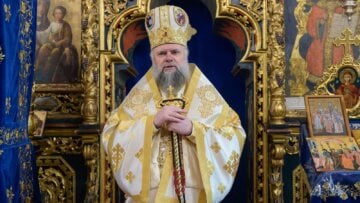
Metropolitan Nicolae: Dormition of the Mother of God is ‘the feast of our hope’
Romanian Orthodox Church · Read the article →
Sixty-five years have passed since Patriarch Bartholomew was ordained to the diaconate, an occasion marked by a warm address from Pope and Patriarch Theodore II of Alexandria and All Africa. In related news from Constantinople, the patriarchal calendar lists the feasts and readings for mid-August while the ambassadorial office continues its work on geoecclesiastical questions of peace.
The Romanian Orthodox Church observes the forefeast of the Dormition of the Mother of God together with the memory of the Prophet Micah, and its bishop in Bergen reminds the faithful that the Theotokos steadily guides believers to Christ. Meanwhile the Serbian Orthodox Church holds its “Days of the Mother of God” gatherings in Subotica and the Diocese of Bačka issues an appeal for voluntary blood donation. The Bulgarian Church prepares for the Assumption with practical advice about modest clothing and avoiding loans during the fast.
May these local churches walk together in quiet fidelity through the Dormition season.
Romanian Orthodox parishes in Western Europe and North America are seeing more families settle permanently, prompting Patriarch Daniel to urge stronger pastoral and material support from the home Church. He highlighted the need for Romanian-language catechesis, youth programs, and practical aid so that parents raising children far from the homeland do not lose their connection to the faith. At the same time, the Romanian Church marked the leavetaking of the Transfiguration and honored the newly recognized saint John Jacob at Choziba Monastery in Jerusalem with a special patriarchal delegation. Meanwhile, the Serbian Orthodox Diocese of Bačka continues its appeal for voluntary blood donors, and the Bulgarian parish of St. Ivan Rilski in Montreal is hosting a simple parish coffee this weekend to strengthen ties among its own scattered members. In Greece, the Church joined the Hellenic Red Cross for a benefit concert at the Kallimarmaro stadium.
These communities deserve to be held in prayer.
🌐 Show original
П
Петя Христова
This is important because many of these families struggle with language in children. The Church of St. Paraskeva in Munich, for example, now has Sunday school in Romanian and the difference is visible.
Youth from the Church of Greece are gathering this summer on the island of Leros for days of prayer, teaching, and simple fellowship by the sea. Similar energy appears elsewhere. In South Carolina the Greek Orthodox Patriarchate of Antioch runs Camp St. Thekla, mixing daily services with games and quiet reflection for young people. The Romanian Orthodox Episcopate of America prepares to welcome a fragment of Saint Herman of Alaska’s relics at its 94th annual congress, giving youth and families a tangible link to the saints. Meanwhile the Russian Orthodox Church Outside Russia marks the feast of the Origin of the Honest Trees of the Life-Giving Cross with quiet services that draw local believers of all ages.
These gatherings show how different Orthodox jurisdictions keep drawing the next generation into the rhythm of the Church’s calendar and the company of the saints. May the Lord grant all the young people involved a fruitful summer and steady hearts.
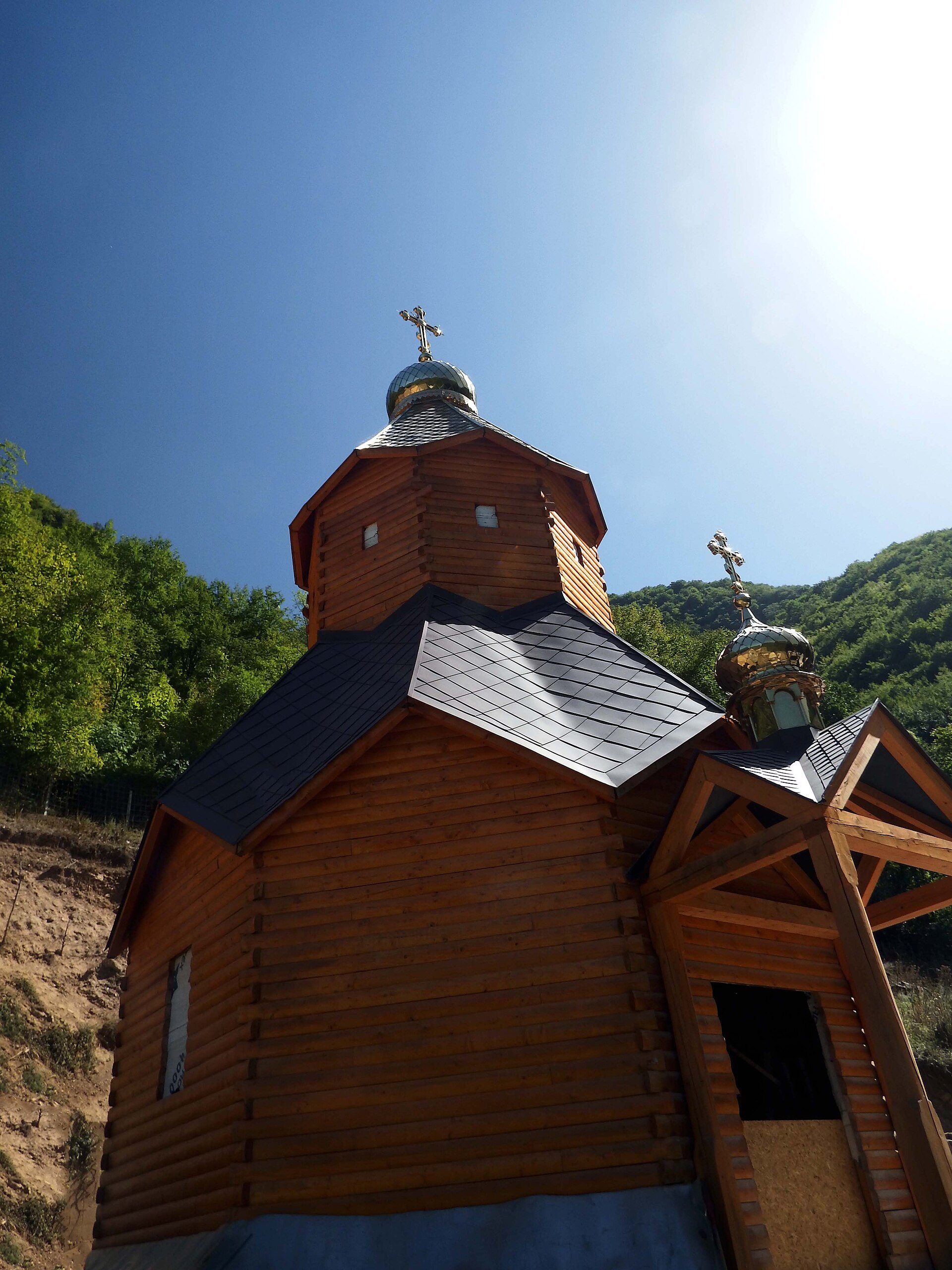
The Feast of the Origin of the Honest Cross falls this week, reminding Orthodox everywhere that the wood of the Cross stands at the center of ordinary days, not just big liturgies. In the Russian Orthodox Church Outside Russia parishes marked the day with services that recall how the Cross was taken from Jerusalem to Constantinople for healing the sick. At the same time the Ukrainian Orthodox Church linked the feast to the start of the Dormition fast, showing how one wooden cross sets the rhythm for fasting, prayer, and small acts of patience at home. The Serbian Orthodox Church saw two new churches and a parish house consecrated in the Eparchy of Banja Luka, each one planted like a fresh cross in local soil. Meanwhile the Greek Orthodox Patriarchate of Antioch ran Camp St. Thekla in South Carolina, where teenagers learned to carry their daily crosses through simple chores, quiet talks, and evening prayers by the lake. These moments turn an ancient feast into practical help for families facing ordinary troubles and joys. This matters because the Cross gives everyday life its real direction.
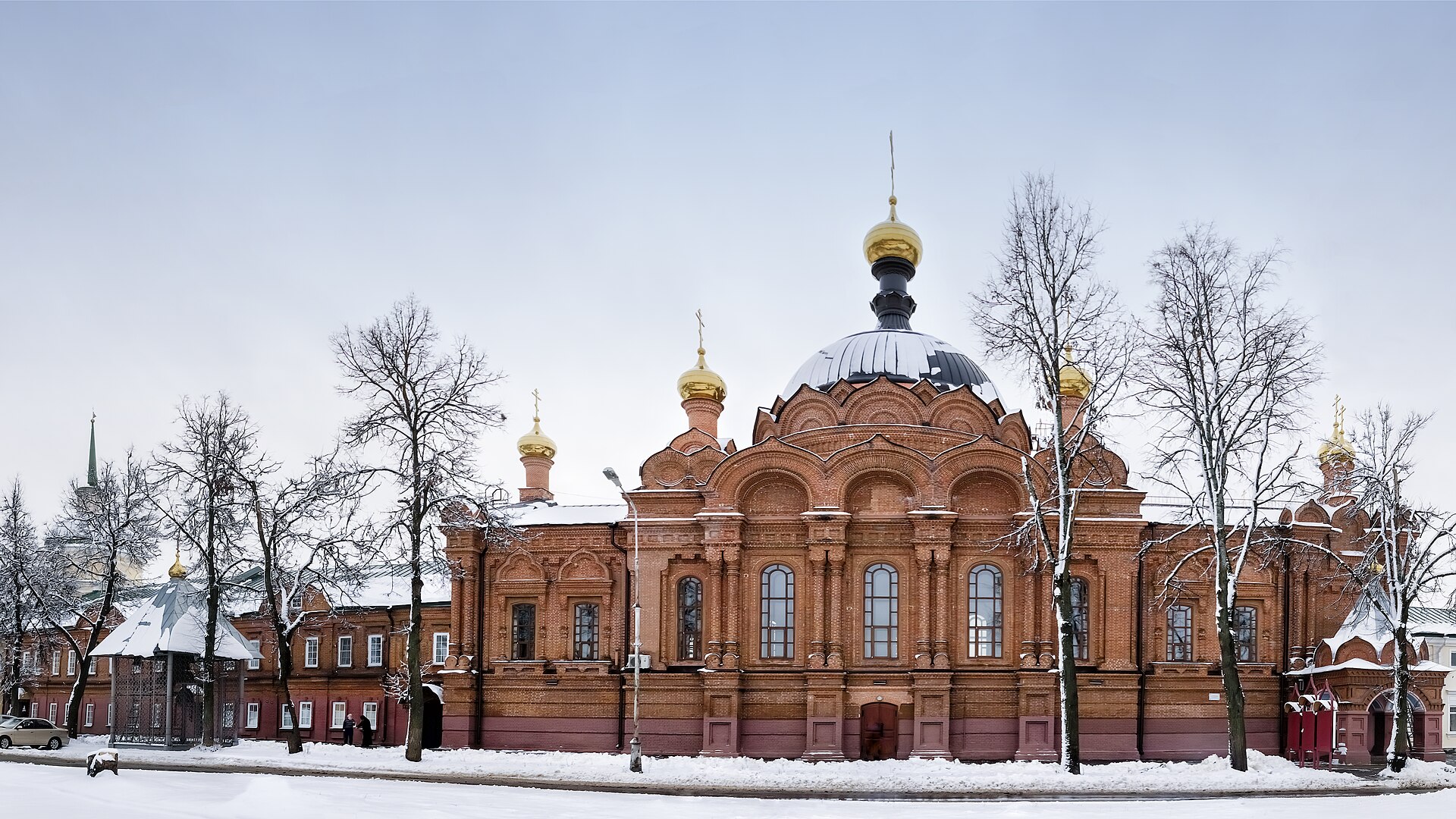
Serbian Orthodox faithful in Subotica wrapped up the annual Days of the Mother of God with crowded evening services and processions around the local temple. The week-long observances drew families from across the Eparchy of Bačka, many carrying small icons of the Theotokos passed down in their households.
At the same time the Romanian Patriarchate saw Patriarch Daniel consecrate a new reliquary holding the relics of Saint Maria Brâncoveanu and her two sons in a solemn Bucharest ceremony. In Bulgaria the miraculous Hawaiian icon of the Virgin reached Varna diocese but stayed away from Dobrich at the request of local clergy. Over in the Church of Greece, the Metropolis of Mantineia and Kynouria held a series of holy supplications that brought steady crowds of pilgrims to rural chapels.
Elsewhere the Orthodox Church in America’s diocesan council met quietly at the chancery for its regular summer session. These parallel events show how Marian feasts and quiet administrative work continue side by side across jurisdictions.
Romanian Orthodox families living abroad continue to face the challenge of keeping faith alive across borders. Patriarch Daniel has urged parishes and clergy to strengthen practical support for them, especially through better catechesis and pastoral visits that address the realities of migration. In the United States the Romanian Orthodox Episcopate of America is preparing to receive a fragment of the relics of Saint Herman of Alaska at its 94th Annual Congress, an event many diaspora families plan to attend together. Meanwhile the Bulgarian Orthodox Church’s St. Ivan Rilski parish in Montreal will host a simple parish coffee this weekend, giving scattered Romanian and Bulgarian believers a chance to gather, share news from home, and encourage one another. In Romania itself, Nicula Monastery has begun its days of prayer and pilgrimage for the Dormition, drawing both local families and those who have returned for the feast. These small threads of connection matter when distance pulls people apart.
How is your own parish supporting families who live far from their home country?
Bulgarian Orthodox Church parish in Montreal is hosting a coffee gathering this Saturday at St. Ivan Rilski. The event offers a simple chance for locals to connect over food and conversation after services. Meanwhile, the Romanian Orthodox Church has turned Piatra Neamț into a hub for Orthodox youth this week, drawing over a thousand young people to ITO Moldova for fellowship and talks. In the Serbian Orthodox Church, two new churches and a parish house were consecrated in the Eparchy of Banja Luka, marking fresh milestones for those communities. The Greek Orthodox Patriarchate of Antioch recently launched a newly designed pocket prayer book now available for pre-sale, giving believers a handy resource for daily prayer. These moments show steady parish life across different corners of the Church. May these communities be kept in prayer.
Sixty-five years ago today, Ecumenical Patriarch Bartholomew was ordained to the diaconate in Constantinople. The milestone drew warm greetings from across the Orthodox world, including a message from Pope and Patriarch Theodore II of Alexandria and All Africa, who praised the patriarch’s long service. In the same week the Church of Greece saw the Metropolitan of Rhodes ordain new chanters, while the Serbian Orthodox Church marked the renewed life of Udrim monastery with the feast of Saint Panteleimon. Meanwhile the Romanian Orthodox Church prepared for the Dormition with services for the forefeast and the translation of the relics of Saint Maximus the Confessor. These coordinated observances show how one anniversary quietly links distant dioceses in shared memory and liturgical rhythm. The occasion reminds everyone that faithful continuity still holds the scattered Orthodox jurisdictions together.
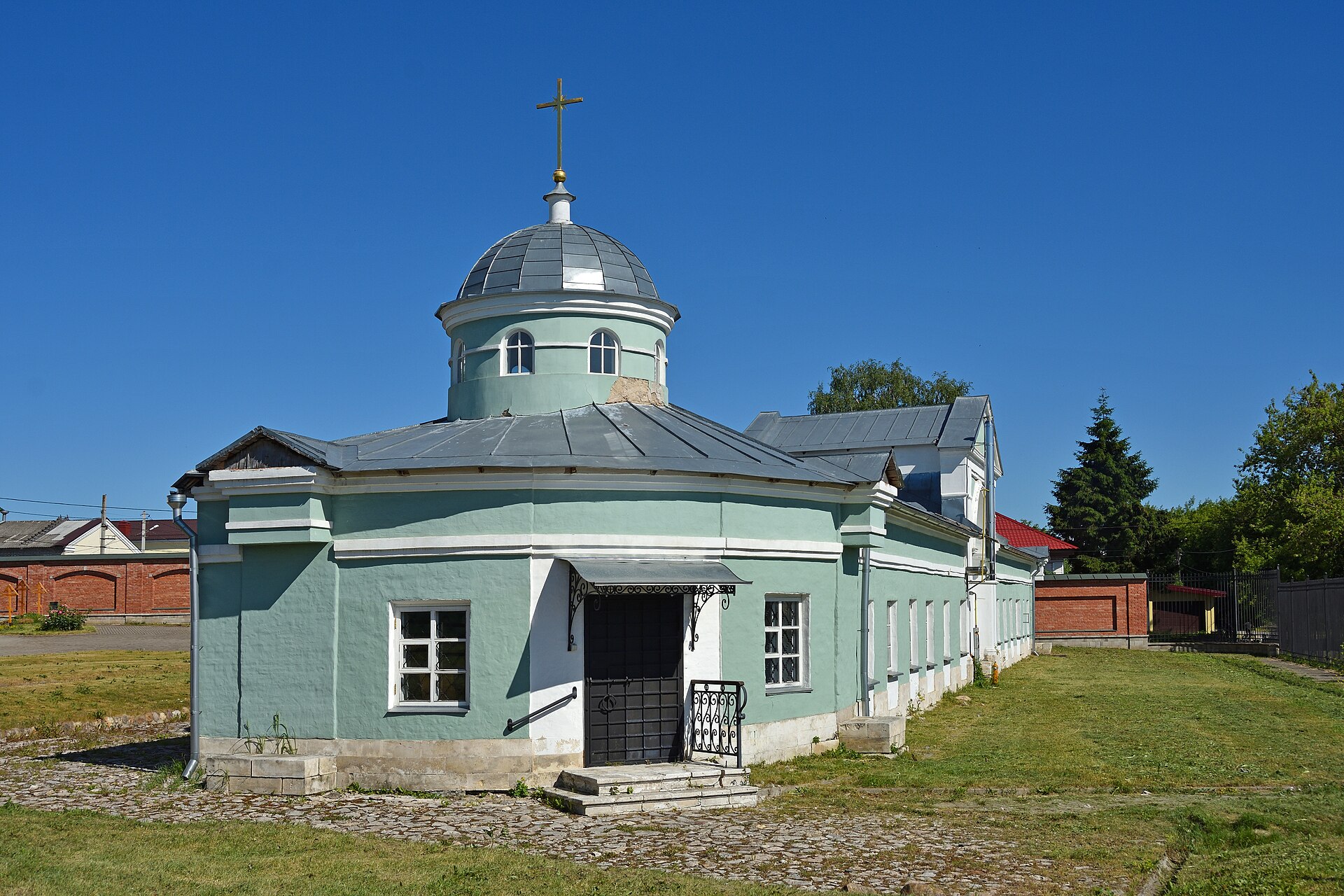
The Feast of the Origin of the Honest Cross on August 1/14 calls Orthodox Christians to remember how the wood of the Cross, once an instrument of death, became the source of life. In the Russian Orthodox Church Outside Russia parishes marked the day with quiet processions and the blessing of water, reminding the faithful that small daily crosses strengthen rather than crush. The Serbian Orthodox Church’s Diocese of Bačka turned the same spirit outward, urging believers to give blood as a practical act of carrying one another’s burdens. Meanwhile, the Romanian Orthodox Church highlighted the newly consecrated reliquary of Saint Maria Brâncoveanu and her sons, showing how faithful endurance under persecution still bears fruit centuries later. In South Carolina the Greek Orthodox Patriarchate of Antioch’s Camp St. Thekla mixed catechesis with summer games, teaching young people that the Cross shapes both prayer and play. These observances across jurisdictions illustrate how the feast is not only historical but lived out in ordinary choices.
How does your parish bring the meaning of the Honest Cross into everyday routines?
Sixty-five years have passed since Patriarch Bartholomew was ordained to the diaconate. The Ecumenical Patriarch marked the milestone with a patriarchal concelebration on the island of Imbros, surrounded by clergy and faithful who joined the Liturgy in the place where his ministry began.
At the same time the Orthodox Church in America held its regular summer diocesan council meeting at the chancery, reviewing practical matters that keep parishes running smoothly. The Romanian Orthodox Church continues preparations in Jordan for the 2,000-year commemoration of the Lord’s Baptism, adding new facilities so more pilgrims can stay near the river. Serbian monks at Rmnja monastery have restored the small chapel inside the tower, and local believers now speak of its simple beauty as a quiet witness to centuries of prayer.
Different corners of the Church, different labors, yet all on the same calendar. What recent milestone or modest restoration has your own parish quietly celebrated this summer?
Serbian Orthodox faithful in Subotica have wrapped up the annual Days of the Mother of God with evening processions, molebens at the local cathedral, and crowds filling the square for hymns to the Theotokos. The week-long observances drew families from across the Eparchy of Bačka, many wearing traditional embroidered vests and carrying small icons passed down from grandparents.
Meanwhile the Bulgarian Church marked the pre-feast of the Dormition by reminding people to put on fresh clothes for the coming feast and avoid giving loans, an old custom still observed in village parishes. In Romania, Nicula Monastery opened its gates for days of prayer and pilgrimage focused on the Assumption, with thousands already arriving on foot from surrounding counties. The Orthodox Church in America announced that a fragment of St. Herman of Alaska’s relics will travel to the Romanian Episcopate’s congress next month, giving believers there a chance to venerate the saint who brought Orthodoxy to the New World.
All these quiet preparations for the fast and feast show how each local Church keeps its own rhythm.
K
Katarina Nikolić
They did it nicely in Subotica, I can see that there was a lot of people in the square.
Youth from across the Church of Greece have gathered on the island of Leros for summer camps filled with prayer, talks on the Dormition, and simple outdoor activities. At the same time the Romanian Orthodox Church is preparing to welcome over a thousand young people to Piatra Neamț, turning the city into the youth capital of Moldova for the ITO Moldova event. In the Bulgarian Orthodox Church, Veliko Tarnovo Cathedral drew crowds to venerate the miraculous icon of the Holy Mother of God ahead of the feast. The Antiochian Archdiocese in America opened registration for Camp St. Thekla, where two sessions blend daily services with games and quiet evening reflections.
These gatherings show how different dioceses make room for young people to step away from ordinary routines and spend time together under the Church’s roof.
A quiet sense of continuity runs through all the planning and travel.
The Bulgarian Orthodox Church is hosting a simple parish coffee this Saturday at St. Ivan Rilski in Montreal, giving people a chance to gather after liturgy, share food, and catch up in the old-country style that many remember from back home. Just down the road in the Orthodox Church in America, the Romanian Episcopate is preparing to welcome a fragment of St. Herman of Alaska’s relics at its 94th congress, a quiet reminder of how saints travel across continents. Over in the Serbian Orthodox Church, the “Days of the Mother of God” events continue in Subotica with evening services and local families stopping by between work and school runs. Meanwhile the Greek Orthodox Patriarchate of Antioch has released a new pocket prayer book that fits easily in a coat or bag, already on pre-sale for those who like to keep the hours close at hand.
These small touches keep parishes feeling like home.
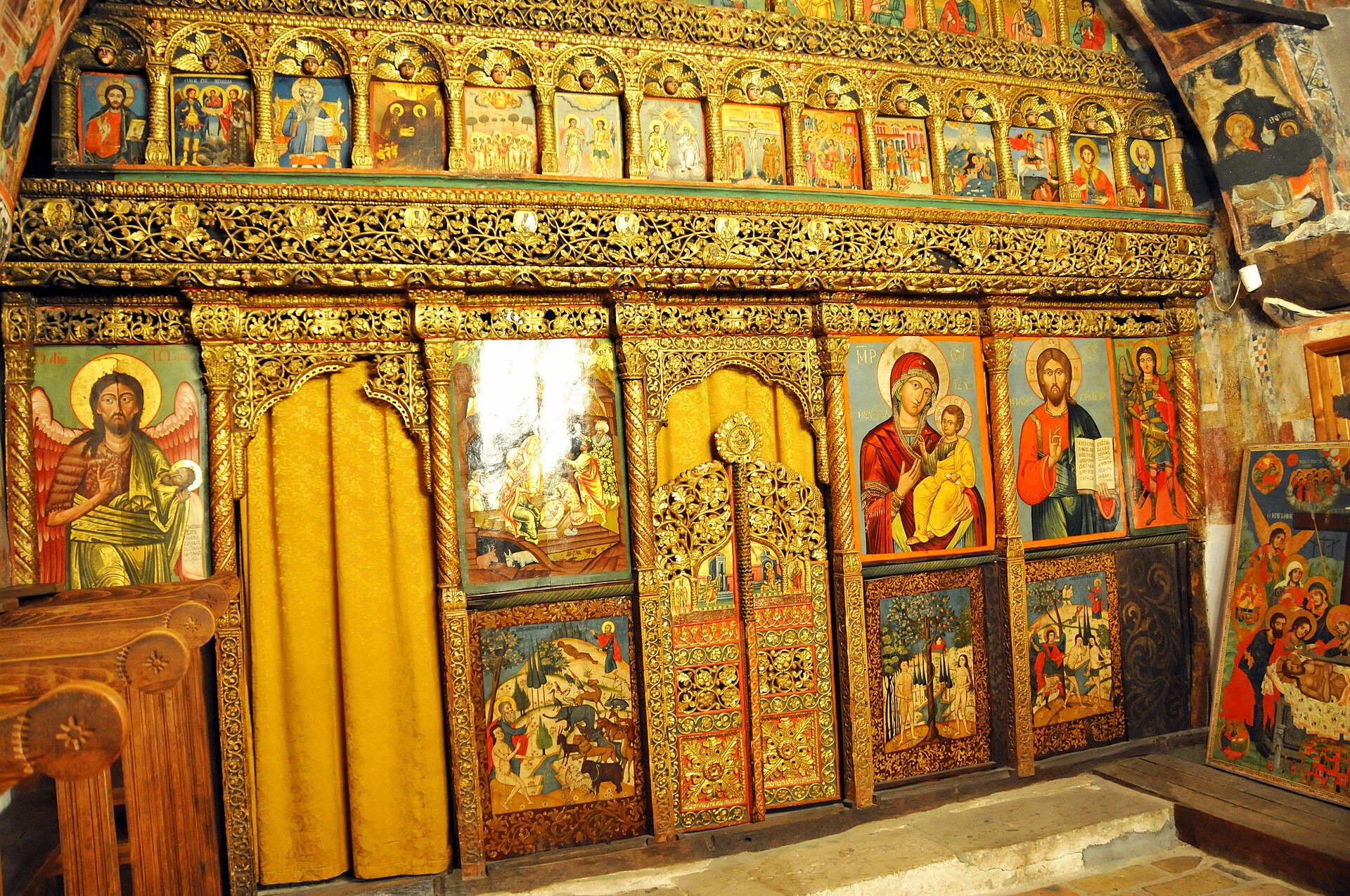
Romanian Orthodox communities abroad are receiving fresh encouragement from Patriarch Daniel, who has called on parishes in Western Europe and North America to strengthen practical and spiritual support for families facing isolation, language barriers, and the challenge of passing on the faith to children. In Bucharest, clergy highlighted the resilience of deported Bessarabian believers who kept icons and prayer books close even in exile. At the same time, the Bulgarian Orthodox parish of St. Ivan Rilski in Montreal quietly continues its work by hosting a simple parish coffee this weekend, offering a place for scattered families to gather. In South Carolina, the Antiochian Camp St. Thekla wrapped up two summer sessions filled with daily services, games, and conversations that help young people from mixed or immigrant homes stay rooted. The Serbian Eparchy of Banja Luka marked a different kind of stability, consecrating two new churches and a parish house for growing local flocks. May these efforts keep Romanian, Bulgarian, Antiochian, and Serbian families firm in their daily life of faith.
The Serbian Orthodox Church has been marking the Days of the Mother of God in Subotica with processions, molebens, and open-air talks that draw both locals and visitors from neighboring parishes. Metropolitan Lucian of the Eparchy of Banja Luka sent warm greetings to the new Hungarian president while his own diocese saw two newly consecrated churches and a parish house handed over for regular use. In Romania, Metropolitan Nicolae issued a pastoral letter tying the coming Dormition feast to everyday Christian hope, and the Church there also observed the leavetaking of Transfiguration alongside the translation of St. Maximus the Confessor’s relics. From the Bulgarian side, the Hawaiian icon of the Virgin reached Varna diocese but skipped Dobrich, prompting quiet adjustments to local schedules.
Across these corners of church life the focus stays practical—liturgies, icons that travel, buildings opened, and simple words about the Theotokos offered without fanfare. The same thread runs through the Antiochian camp programs in South Carolina and the Greek parish coffee mornings. It feels like the ordinary rhythm that keeps things steady.
The Dormition Fast is already winding down, with the feast of the Dormition of the Theotokos just around the corner. Today we remember the Prophet Micah, who spoke plainly about justice and walking humbly with God. The Gospel reading reminds us to stay awake and ready, like servants waiting for their master to return.
Stop by the Prayer Corner when you have a quiet moment today.
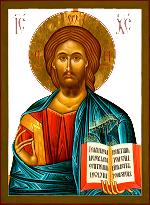
Saints, Feasts, and Readings for 8/14/2026
Ecumenical Patriarchate of Constantinople · Read the article →
O
Aug 14
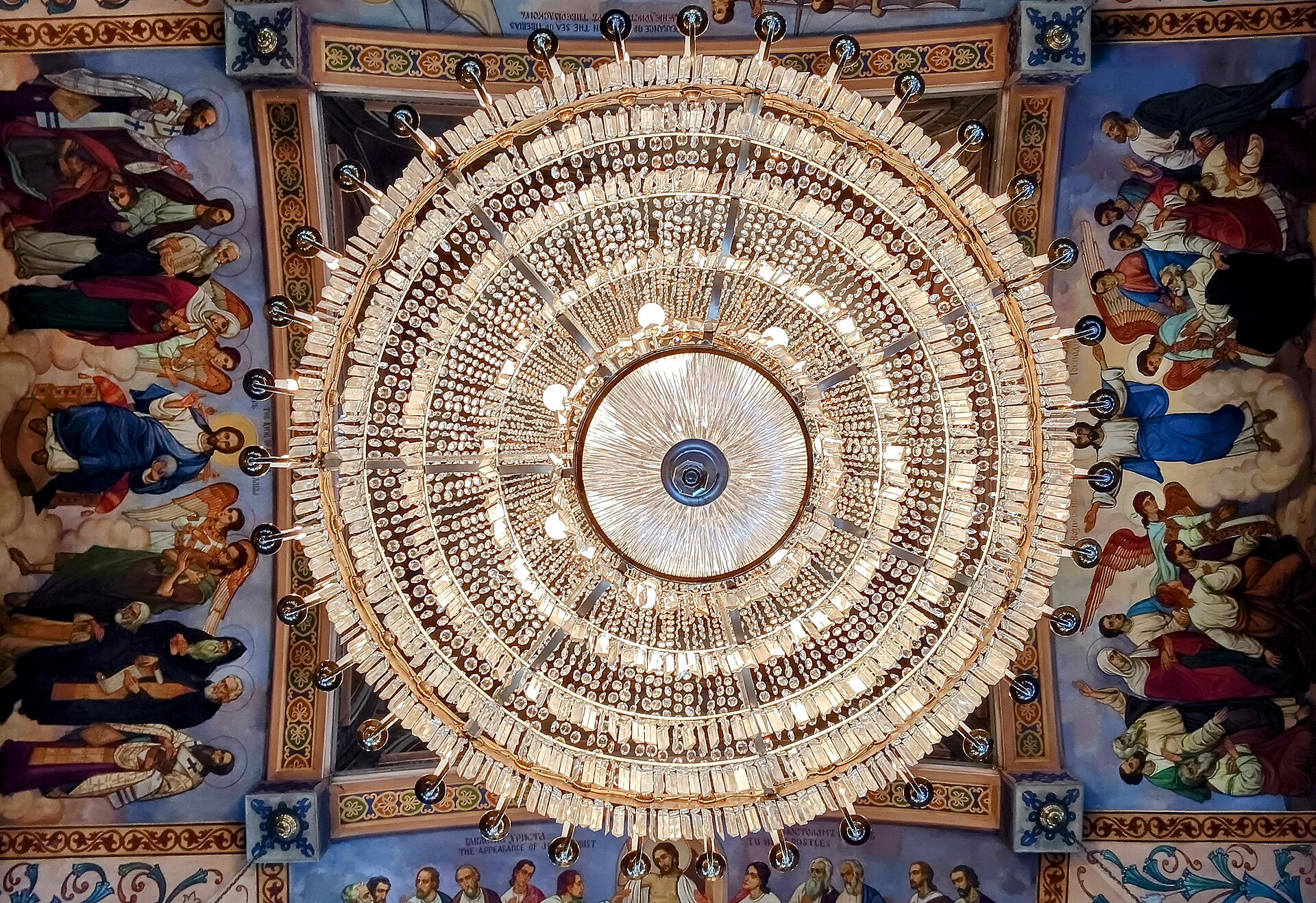
Camp St. Thekla's Two Sessions Feature Faith and Fun in South Carolina
Greek Orthodox Patriarchate of Antioch · Read the article →
The feast of the Origin of the Honest Cross fell this week, reminding everyone that the wood which once healed the sick in Jerusalem still calls for simple daily acts of patience and charity. In the Russian Orthodox Church Outside Russia the day was marked with services recalling how the Cross was taken from the city each August to bless the people. At the same time the Serbian Orthodox Church consecrated two new churches and a parish house in the Eparchy of Banja Luka, showing how the Cross takes shape in fresh stone and timber for local families.
Over in the Romanian Orthodox Church a gallery selling icons and liturgical items opened in Cluj-Napoca, while the Ukrainian Orthodox Church released an English study guide for children that ties the Cross directly to morning prayers and small acts of obedience. The Orthodox Church in America held its regular diocesan council meeting and also prepared to welcome a relic of St Herman, linking Alaskan mission history to the same feast.
These quiet connections between ancient wood and present-day routine keep appearing wherever the calendar turns.
М
Мариана Тодороваtranslated
Aug 14
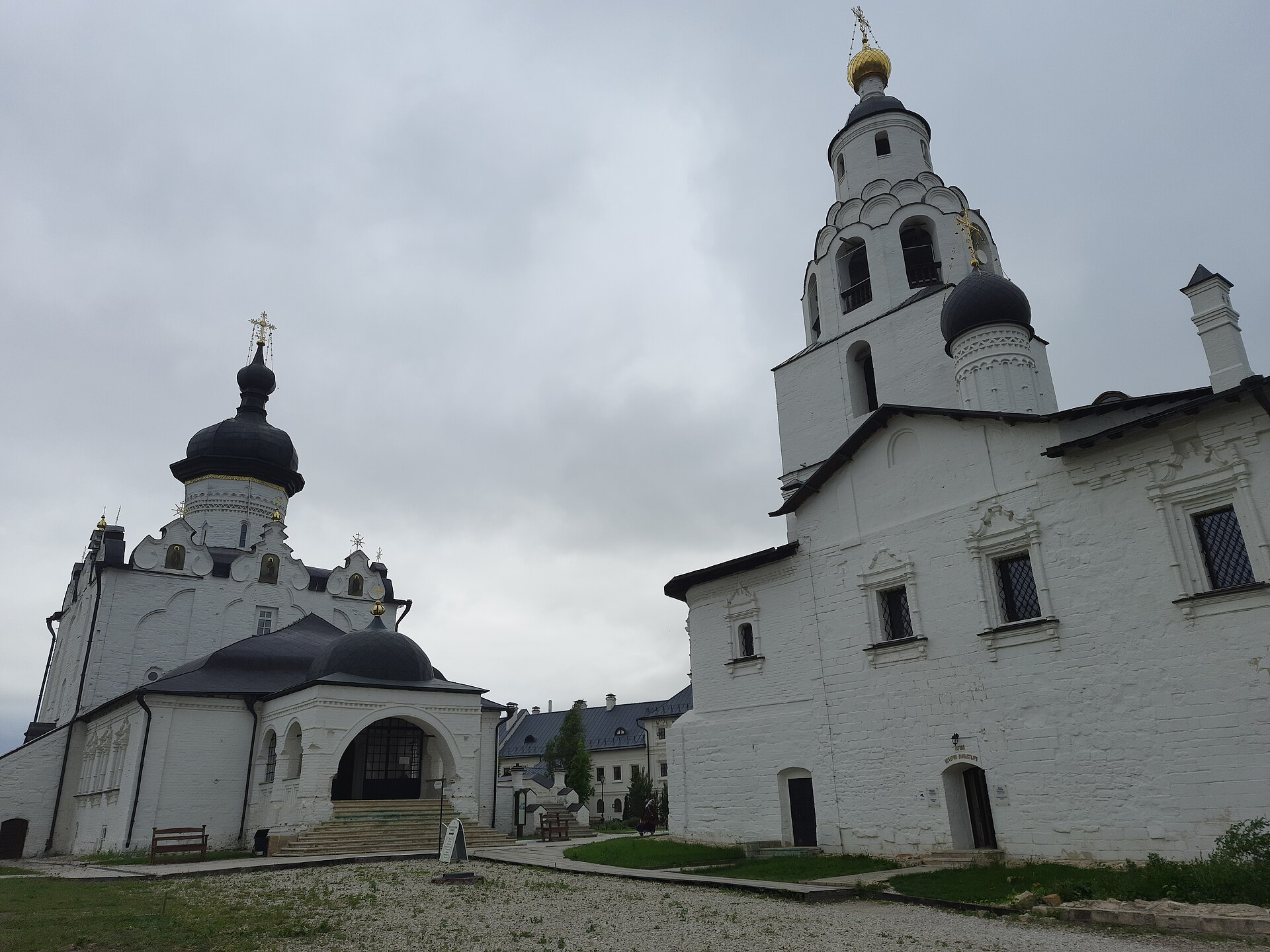
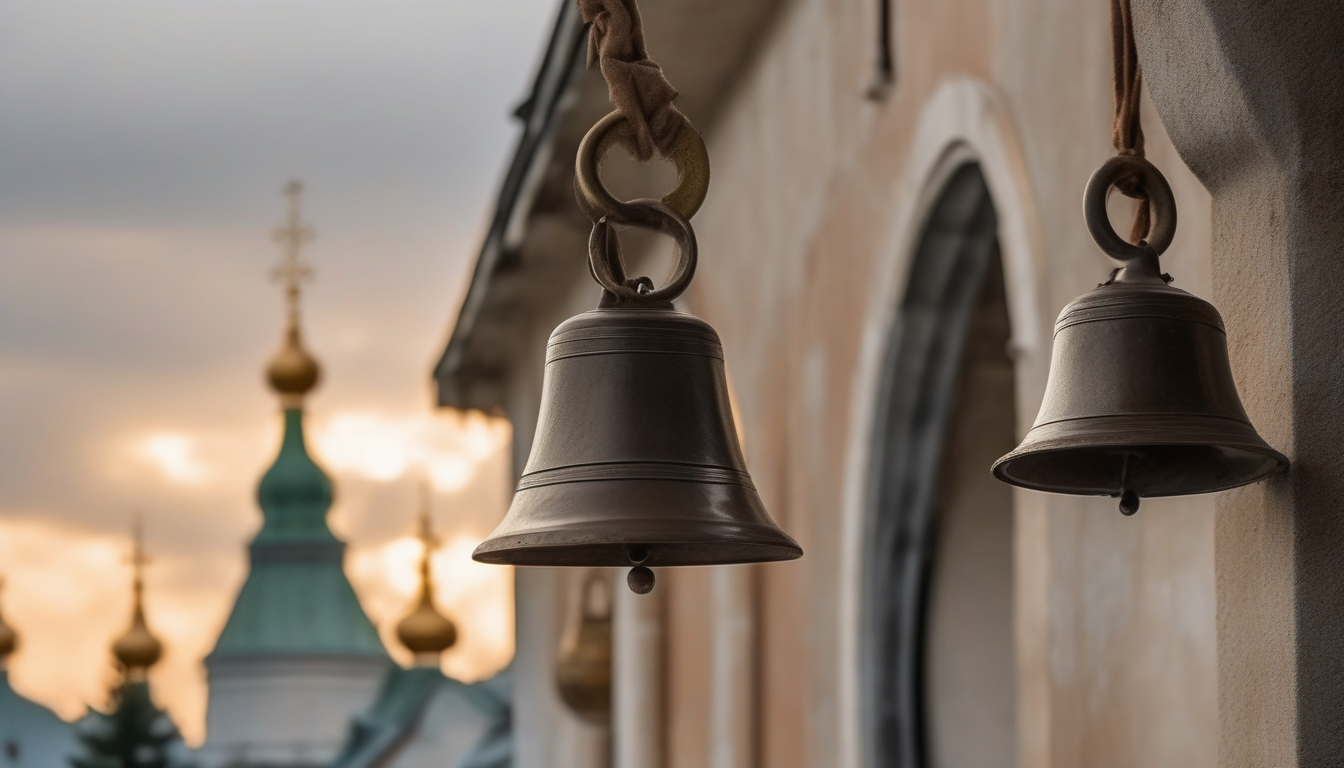
The bell up in the belfry looks like it's waiting to be touched. The light falls right on her and makes everything around quiet and peaceful.
Камбаната горе в камбанарията изглежда така, сякаш чака да я докоснат. Светлината пада точно върху нея и прави всичко наоколо тихо и спокойно.
🌐 Show original
А
Александр Богданов
The bell from 1882 is clearly well cleaned, the rust is hardly visible. And who is beating her now, with two hands?
G
Grace Bennett
The inscription on the side really stands out in that light. I'd like to see the bell up close one day.
Н
Наталья Макарова
The bell was well polished, the inscription is clearly legible.
I
Ion Nistor
The bell looks well maintained, the inscription is clearly visible. The church is of St. Nicholas the Wonderworker, so the services here are always on time.
Romanian Orthodox communities abroad continue to grow, with families scattered across Europe and North America facing the daily challenge of keeping faith alive without the familiar support of village parishes. Patriarch Daniel has urged local dioceses to strengthen ties with these families through regular visits, catechism programs, and practical aid like language classes for children. In the United States the Romanian Orthodox Episcopate is preparing to welcome a fragment of Saint Herman of Alaska’s relics at its upcoming congress, offering a tangible link to the saints for diaspora believers. Meanwhile the Bulgarian Orthodox parish in Montreal quietly hosts a simple coffee gathering this week, a small but steady way to draw scattered families together. The Church of Greece has focused on restoring historic sites that remind emigrants of their roots, while the Serbian Diocese of Bačka appeals for blood donors, showing everyday care that reaches beyond borders. These efforts help keep homes connected to the Church no matter the distance.
May the Mother of God watch over all Romanian families living far from home.
Youth from several dioceses of the Church of Greece have gathered on the island of Leros for their annual summer camp. The program mixes morning prayers, talks on the lives of the saints, swimming in the Aegean, and evening discussions around campfires. Local clergy lead workshops on iconography and Byzantine chant, giving the teenagers hands-on contact with the Church’s tradition.
At the same time the Romanian Orthodox Church is marking the forefeast of the Dormition with services at Nicula Monastery, while the Bulgarian Orthodox Church welcomes the Hawaiian icon of the Virgin to Varna. The Orthodox Church in America continues its summer diocesan work with a pastoral visit to Pittsburgh Southside this weekend.
These gatherings show how different Local Churches keep the rhythm of prayer and fellowship alive even in August heat.
How is your own parish spending these last weeks of summer?
Sixty-five years ago today, on August 15, 1961, the young Bartholomew was ordained to the diaconate in the Ecumenical Patriarchate of Constantinople. That quiet step in a small chapel set the course for one of the longest-serving leaders in modern Orthodoxy. The anniversary comes as the Patriarchate also released reflections on contemporary saints and the difference between personal holiness and the Church’s dogmatic authority.
In Romania, Metropolitan Nicolae issued a pastoral letter for the Dormition, calling it the feast of our living hope and reminding the faithful how the Mother of God’s departure strengthens the baptized. The Church of Greece saw new chant ordinations in Rhodes, while the Serbian Diocese of Bačka appealed for voluntary blood donors, tying practical charity to the fast of the Dormition.
Across the Bulgarian Diocese of Varna the Hawaiian icon of the Virgin has arrived for veneration. Each local Church marks these summer days in its own steady rhythm.
How is your parish observing the Dormition fast or the feast itself?
The Bulgarian Orthodox Church is putting on a parish coffee this Saturday at St. Ivan Rilski in Montreal, giving people a chance to gather after liturgy, share food, and catch up with one another in the ordinary way that keeps small communities going.
At the same time the Church of Greece diocese in Crete has been raising money and sending aid to families who lost homes in recent fires while also marking the feast of St. Titus with local celebrations.
From the Romanian Orthodox Church, Bishop Macarie reminded the small group of Romanians in Bergen that the Mother of God simply leads each believer to Christ, a quiet word that fits the Dormition fast days.
And the Russian Orthodox Church Outside Russia observed the feast of the Origin of the Honest Trees of the Life-Giving Cross with the usual cycle of services that mark the turning of the church year.
These modest events, one coffee hour, one collection, one homily, one calendar day, show how each diocese tends its own patch. The Montreal crowd will probably end up talking about.
Youth from the Church of Greece gathered this summer on the island of Leros for a series of youth camps focused on prayer, service, and fellowship. The program included daily liturgies, talks on the lives of the saints, and practical work helping at local monasteries and villages.
In parallel, the Bulgarian Orthodox Church in Veliko Tarnovo drew crowds to its cathedral to venerate the miraculous icon of the Holy Mother of God, with many reporting answered prayers during the recent feast. The Romanian Orthodox Church in Cluj-Napoca opened a new Renaissance Gallery dedicated to selling icons, prayer books, and liturgical items, giving local believers easier access to quality church goods. Meanwhile, the Serbian Orthodox Church highlighted the restored chapel inside the historic pirg at Rmnja monastery, where frescoes and woodwork have been carefully renewed by volunteers.
These quiet efforts show how each local church keeps the faith alive in its own setting. May readers hold the young people on Leros, the faithful in Veliko Tarnovo, Cluj-Napoca, and Rmnja in their prayers today.