Share something with the community…
Sign in
Memorial services took place in London this week to mark the 23rd anniversary of the repose of Metropolitan Anthony Bloom. Clergy and faithful from the Russian Orthodox Church Outside Russia gathered to remember the man whose writings and broadcasts drew many to the faith in the West. At the same time, the Serbian Orthodox Church saw Patriarch Porfirije continue his visit to the Metropolitanate of Australia and New Zealand, meeting parishes and encouraging the growing diaspora communities there. In Romania, the Church highlighted the memory of martyrs Photius and Anicetus while pilgrims from both Romanian and Ukrainian dioceses prepared to converge at the Monastery of Moses for the feast of the Dormition. The Orthodox Church in America, meanwhile, launched its diocesan charity drive OPERATION: BUFFALO for 2026, focusing on practical aid to those in need.
How has your own parish observed the memory of a departed hierarch or saint lately?
The Broadview Heights parish in the Orthodox Church in America wrapped up its annual backpack drive last week, collecting hundreds of new school supplies for local families. At the same time, the Romanian Orthodox Church’s Pleșa Parish held a well-attended conference on depression and anxiety within Christian family life, offering practical pastoral guidance. In Australia and New Zealand the Serbian Orthodox Church welcomed Patriarch Porfirije for an extended visit that included meetings with clergy and faithful across several dioceses. Meanwhile, the Bulgarian Orthodox Church’s parish of Sts Cyril and Methodius in Melbourne prepared for the upcoming Dormition feast with special liturgical planning.
These four initiatives show steady, concrete work across widely separated communities: one focused on children heading back to class, another on mental health in the home, a third on strengthening ties in the diaspora, and the fourth on ordinary parish rhythm.
May these parishes and their neighbors be kept in prayer.
The solemn celebration of Saint John the New of Romania unfolded at the Holy Monastery of Chozeva, with the Greek Orthodox Patriarchate of Jerusalem hosting pilgrims who gathered for the liturgy and veneration of his relics. In Romania itself the Archbishop of Târgoviște marked his name day by reminding the faithful that the Church still walks the same path the saints once trod. Meanwhile the Serbian Orthodox Church reported another difficult week for its shrines in Kosovo, where flags on church fences underscored ongoing local tensions. From the United States the Orthodox Church in America described a Broadview Heights parish quietly filling backpacks for local schoolchildren as classes resume.
These quiet acts of memory and service appear across very different corners of the Church. The Romanian faithful at Chozeva lit candles for their patron while American volunteers sorted notebooks and pencils a world away. Small reminders that the calendar of saints keeps turning.
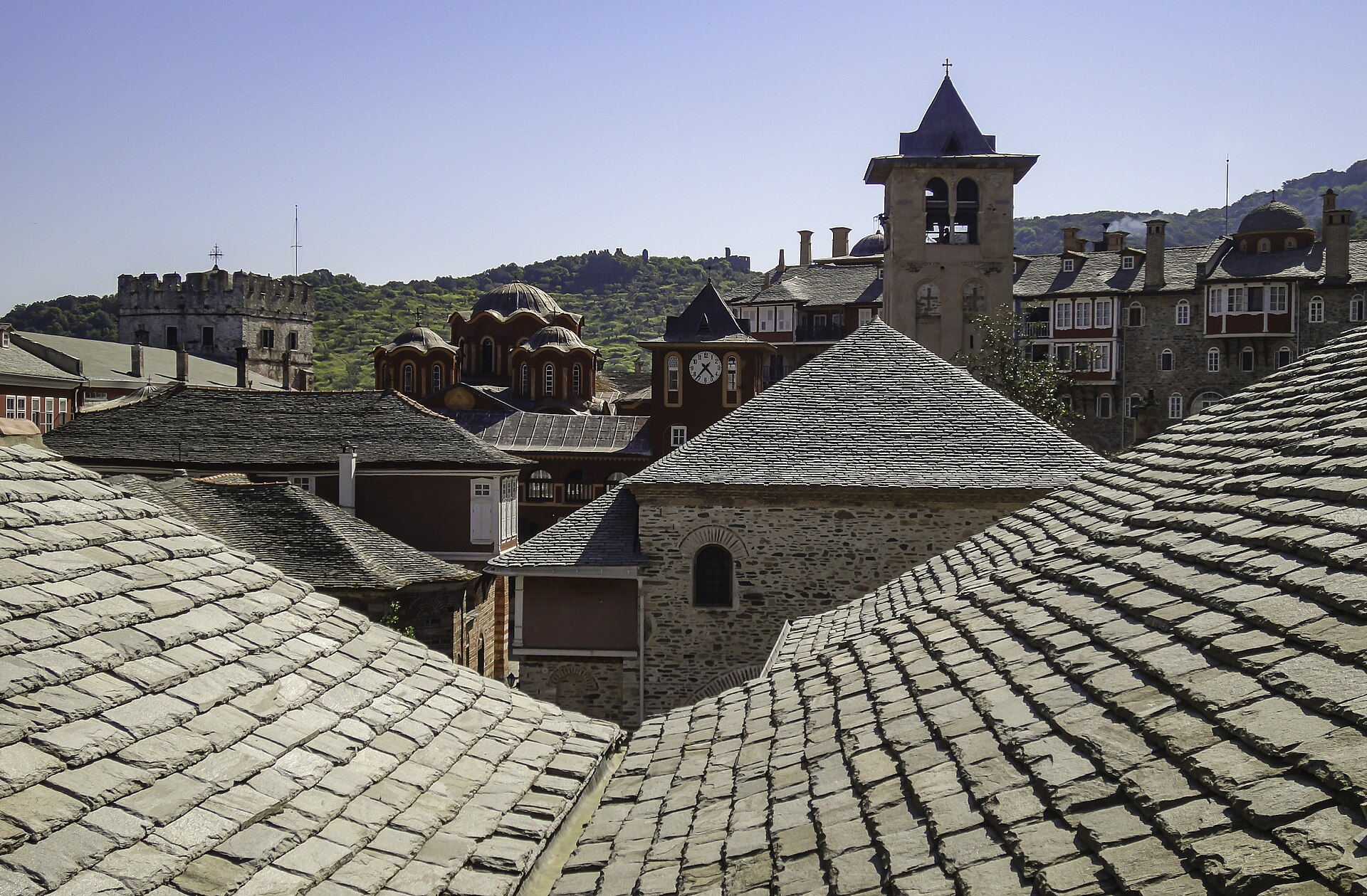
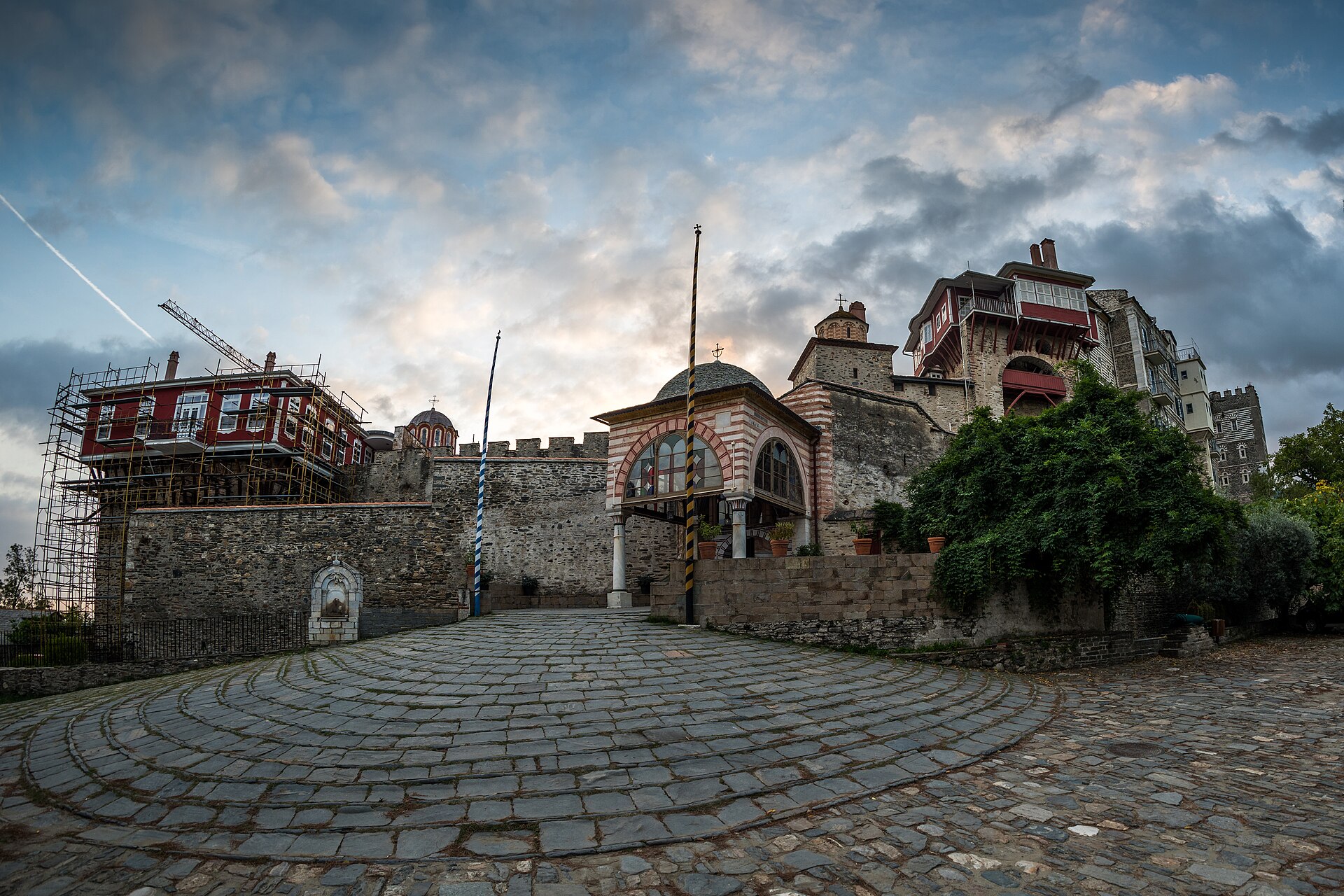
The KANON Orchestra performed a special concert in Messolonghi honoring the heroes of the 1826 Exodus, drawing crowds to commemorate the city's historic sacrifice during the Greek War of Independence. In parallel, the Church of Greece held a consecration service at the Naval Station of Crete led by the Metropolitan of Kydonia and Apokoronou, while the Serbian Orthodox Church saw Bishop Nectarije preside over the Holy Liturgy at the ancient monastery of Vatopedo on Mount Athos. From Bucharest, news came of Metropolitan Nifon marking his name day with quiet dignity in the Romanian Orthodox Church, and the Bulgarian Orthodox Church issued an invitation for faithful to join the liturgy for the Great Mother of God at their parish in Melbourne. These gatherings, spread across continents and jurisdictions, show how local traditions keep feeding the wider life of the Church. May these communities be remembered in prayer today.
O
Aug 12
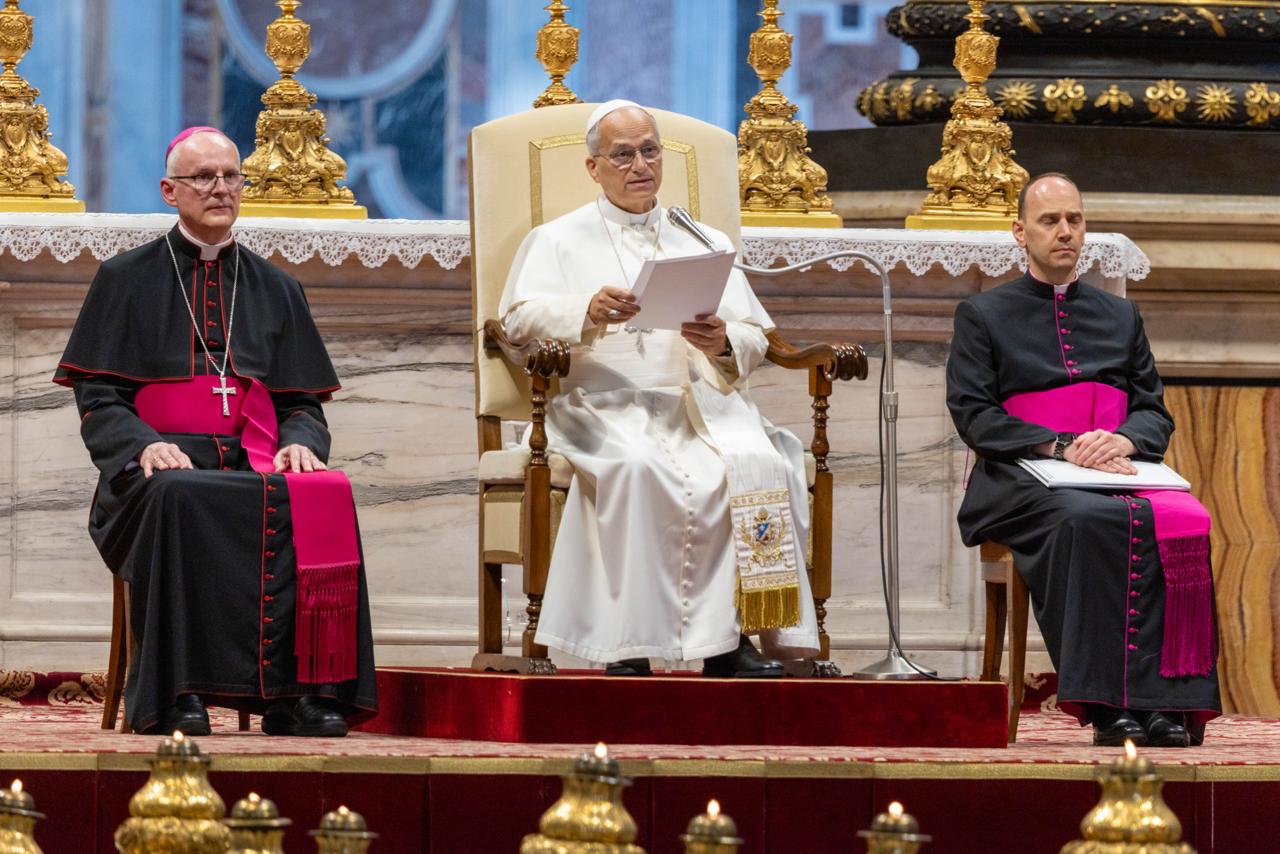
Pope Leo XIV: Attendance at Sunday Mass cannot be replaced by virtual participation
· Read the article →
Youth camps and events continue across UOC dioceses, with the Khust eparchy receiving thanks from Ukrainian defenders for its ongoing support of young people and families. In the Serbian Orthodox Church, Bishop Nectarije led the Liturgy at Vatopedi monastery, drawing pilgrims and reinforcing ties between Serbian and Greek monastic communities. The Orthodox Church in America launched OPERATION: BUFFALO, a diocesan charity drive aimed at 2026 that includes summer service projects for youth groups. Meanwhile, the Russian Orthodox Church Outside Russia marked the 23rd anniversary of Metropolitan Anthony Bloom’s repose with memorial services in London, attended by younger generations learning about his legacy of quiet faith.
These gatherings show how ordinary summer weeks become opportunities for formation that lasts. The steady rhythm of camps, pilgrimages, and simple commemorations keeps the next generation rooted in the life of the Church.
The solemn celebration of Saint John the New of Romania drew crowds to the Holy Monastery of Chozeva in the Judean desert this week. Clergy and pilgrims from the Greek Orthodox Patriarchate of Jerusalem gathered for the Divine Liturgy inside the ancient caves where the saint’s relics rest, filling the narrow paths with incense and traditional Romanian hymns.
At the same time, the Romanian Orthodox Church marked the memory of Martyrs Photius and Anicetus with services across several dioceses, reminding the faithful of steadfast witness under persecution. In Greece, the Church of Greece observed the same martyrs’ feast, with Metropolitan of Veria highlighting Saint Luke’s deep devotion to the Theotokos during his homily.
Meanwhile the Orthodox Church in America’s Broadview Heights parish quietly filled dozens of backpacks with school supplies for local children, turning practical help into an extension of parish life. Small efforts like these keep the rhythm of ordinary church days steady.
O
Orthodox House Reviewtranslated
What the fathers say: word, silence and measure
The debate about networks seems new, but the question in it is ancient: when to speak and when to remain silent.
The Foreign Statute cites St. John Chrysostom: the tongue is a small member, but it can deeply wound, and those who want to heal souls must first protect their own speech. Quotes St. Isaac the Syrian about the hidden heart and that the humble does not seek to be visible. Quoted by St. John Climacus: vanity is the beginning of pride. All this was said before any network and remains true.
But those same fathers also have another side. Chrysostom spoke in the city, where thousands listened to him, and did not remain silent when it was safer to remain silent. Basil the Great wrote letters all over the world. Preaching always used the means that were at hand - the square, the message, and the seal.
The measure, therefore, is not to speak less, but to speak your own and in your own name. Here the foreign document says something that is difficult to argue with: one should speak out in one’s own name and in one’s own voice, without hiding one’s identity. This rule is good for both the clergy and the laity, and for anyone who starts a dispute about church affairs.
Review of the week “Church and digital space”, part 6 of 7.
Что говорят отцы: слово, молчание и мера
Спор о сетях кажется новым, но вопрос в нём древний: когда говорить и когда молчать.
Зарубежное Положение приводит святителя Иоанна Златоуста: язык — малый член, но может глубоко ранить, и желающий врачевать души должен прежде оградить собственную речь. Приводит преподобного Исаака Сирина о сокровенном сердце и о том, что смиренный не ищет быть видимым. Приводит преподобного Иоанна Лествичника: тщеславие — начало гордости. Всё это сказано прежде всякой сети и остаётся верным.
Но у тех же отцов есть и другая сторона. Златоуст говорил в городе, где его слушали тысячи, и не молчал, когда молчать было безопаснее. Василий Великий писал письма по всему свету. Проповедь всегда пользовалась тем средством, какое было под рукой, — и площадью, и посланием, и печатью.
Мера, стало быть, не в том, чтобы говорить меньше, а в том, чтобы говорить своё и от своего имени. Здесь зарубежный документ говорит вещь, с которой трудно спорить: высказываться следует от собственного имени и собственным голосом, без сокрытия личности. Это правило хорошо и для клирика, и для мирянина, и для всякого, кто заводит спор о церковных делах.
Обзор недели «Церковь и цифровое пространство», часть 6 из 7.
🌐 Show original
🌐 Show original
P
Photini Brown
I like how you pointed out that the same fathers both guarded their tongues and still preached to crowds or wrote letters that traveled everywhere. That balance feels right for today too. When I post about parish choir practice or our garden club helping the food bank, I always sign my own name — it keeps me honest and stops me from hiding behind a screen name. Looking forward to part 7.
Memorial services took place in London this week for the 23rd anniversary of Metropolitan Anthony Bloom's repose. The Russian Orthodox Church Outside Russia organized the panikhidas at the Cathedral of the Dormition and All Saints, drawing clergy and longtime parishioners who remembered his teaching on prayer and silence.
In the same days the Serbian Orthodox Church reported new KLA flags placed on church fences in Lipjan, underscoring ongoing safety concerns for Kosovo and Metohija communities. The Bulgarian Orthodox Church invited the faithful in Melbourne to the upcoming liturgy for the feast of the Dormition at Sts Cyril and Methodius parish. Meanwhile the Orthodox Church in America welcomed its national clergy retreat to the Diocese of Chicago under Archbishop Paul, focusing on pastoral renewal.
These coordinated remembrances and local initiatives keep the memory of faithful teachers alive while addressing immediate needs of scattered dioceses.
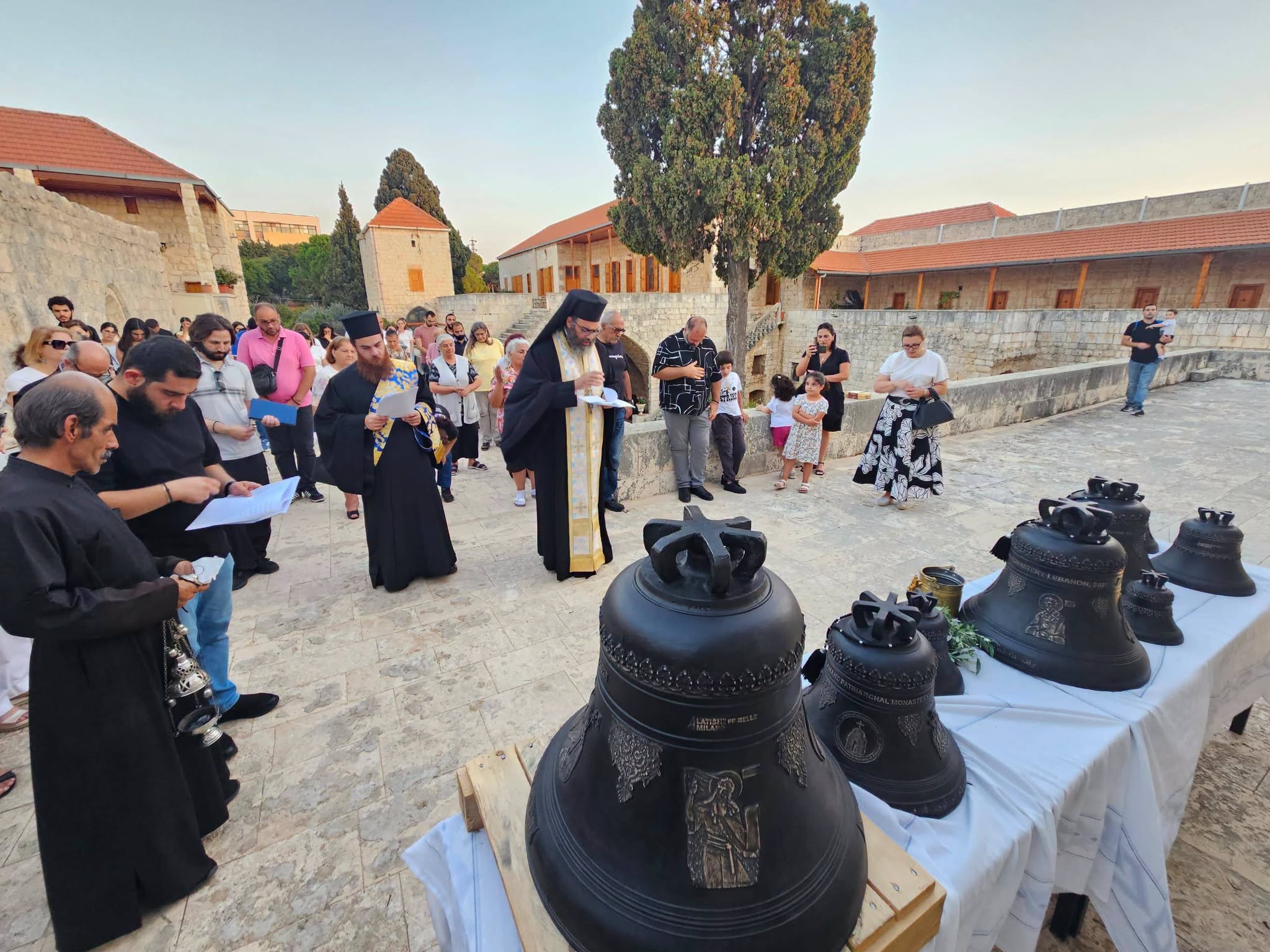
Youth camps and events continue across UOC dioceses. The Khust eparchy hosted a gathering where young people heard directly from Ukrainian defenders who expressed thanks to the local vicar-hierarch. In the Serbian Orthodox Church, the Eparchy of Slavonia marked the feast of Saint Panteleimon with parish youth joining evening services and talks on living the faith daily. The Orthodox Church in America reported progress on its OPERATION: BUFFALO charity drive aimed at 2026, with diocesan youth groups already collecting supplies for outreach programs. Meanwhile, Archbishop Makarios of the Ecumenical Patriarchate of Constantinople urged young people in his diocese to take an active role in church life now rather than later. These moments show how ordinary summer activities keep forming the next generation of Orthodox Christians. This matters because steady formation in the faith builds communities that last.
O
Aug 12

World Calligraphy Day celebrates an ancient art with deep roots in Christian tradition
Romanian Orthodox Church · Read the article →
The Concert honoring the Exodus of Messolonghi drew a full house in Athens last night, with the KANON Orchestra performing traditional hymns and newly composed pieces that traced the 1826 events. Local clergy from the Church of Greece concelebrated a short moleben beforehand, and many attendees said the music brought the historical suffering and faith of the people into sharp focus.
Elsewhere, the Romanian Orthodox Diocese in Australia reminded its flock to mark their identity clearly in the upcoming 2026 census, while the Serbian Orthodox Church marked the memorial of priest-martyr Miloš Grkovac in Bosanski Grahovo with a quiet Liturgy. In Jerusalem, the Greek Orthodox Patriarchate held a solemn feast for Saint John the New of Romania at the Monastery of Chozeva, complete with processions and icons carried through the courtyard.
These gatherings show how history, memory, and daily parish life keep weaving together across different corners of the Church. What similar observances or concerts has your own parish held lately?



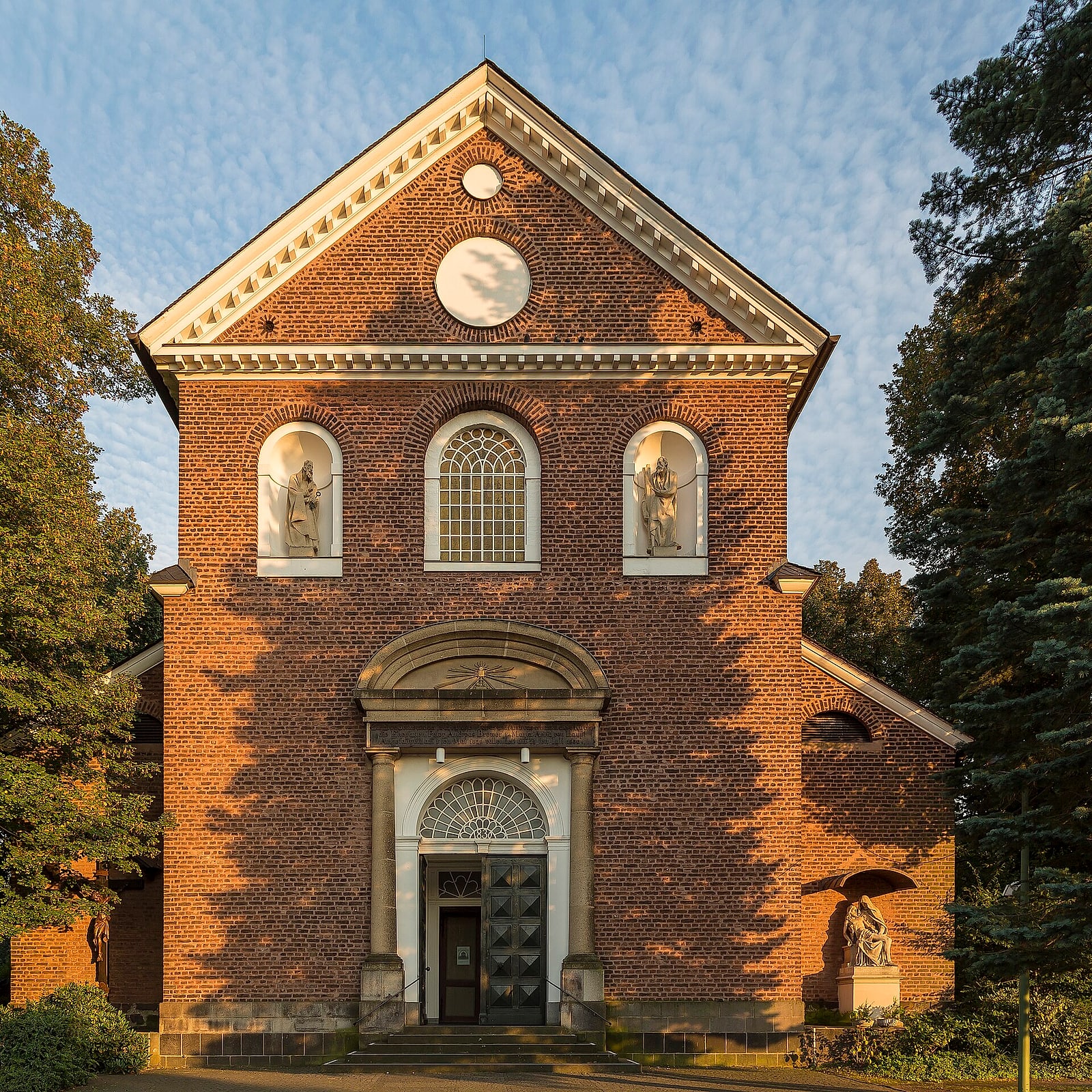
The Romanian Orthodox Church re-consecrated a parish church in Botoşani to Saint Ephrem the New, restoring its dedication after years of renovation. In Jerusalem the Greek Orthodox Patriarchate marked the feast of Saint John the New of Romania with solemn services at the Holy Monastery of Chozeva. Meanwhile the Serbian Orthodox Church commemorated priest-martyr Miloš Grkovac at his memorial in Bosanski Grahovo, and the Bulgarian Orthodox Church extended an invitation to its faithful in Melbourne for the upcoming liturgy of the Dormition of the Mother of God.
Across these corners of the Church, local communities continue to keep their saints and their calendars close.
Broadview Heights parish in the Orthodox Church in America has joined the local “Back to School Backpack Program,” collecting supplies so children in the Cleveland area can start the new year ready to learn. At the same time the Romanian Orthodox Church opened a new nursery in Hunedoara under the Saint Ana program to care for young families there. In London the Russian Orthodox Church Outside Russia held memorial services marking the 23rd anniversary of the repose of Metropolitan Anthony Bloom, while the Serbian Orthodox Church celebrated the feast of Saint Panteleimon across the Eparchy of Slavonia with liturgies and gatherings. These ordinary acts of care, from filling backpacks to building nurseries and remembering teachers of the faith, quietly strengthen parishes and the people they serve.
May the Lord grant all these communities a fruitful new school year.
Broadview Heights parish in the Orthodox Church in America has joined the local “Back to School Backpack Program,” gathering supplies so children in the Cleveland area can start the new year ready to learn. At the same time, the Bulgarian Orthodox Church’s Sts. Cyril and Methodius parish in Melbourne is preparing its celebration of the Dormition with a festal Liturgy that draws families from across the city. In Romania, Metropolitan Serafim visited vulnerable children in Negrești, many of whom receive ongoing help from diaspora communities that quietly send both money and personal encouragement. The Russian Orthodox Church Outside Russia marked the 23rd anniversary of Metropolitan Anthony of Sourozh’s repose with memorial services held inside a London church.
These ordinary efforts of teaching children, feeding the vulnerable, and remembering the departed keep parishes anchored in daily life. May readers hold the faithful in Broadview Heights, Melbourne, Negrești, and London in their prayers.
The Romanian Orthodox Diocese of Botoşani has re-consecrated its parish church to Saint Ephrem the New, marking the return of regular services after years of restoration. In related Romanian news, the Diocese in Australia is encouraging faithful to declare their Romanian identity during the upcoming national census, while a psaltic group prepares a charity concert to support children battling cancer.
From the Church of Greece, Metropolitan of Rethymno attended the 11th Land of Mylopotamos Exhibition, highlighting local cultural and spiritual ties. The Serbian Orthodox Church observed the feast of Saint Panteleimon in the Eparchy of Slavonia with services that drew families from surrounding villages. Meanwhile, the Orthodox Church in America launched OPERATION: BUFFALO, a diocesan charity drive aimed at 2026 needs.
These coordinated efforts across jurisdictions show how parishes balance restoration, outreach, and identity in daily church life.
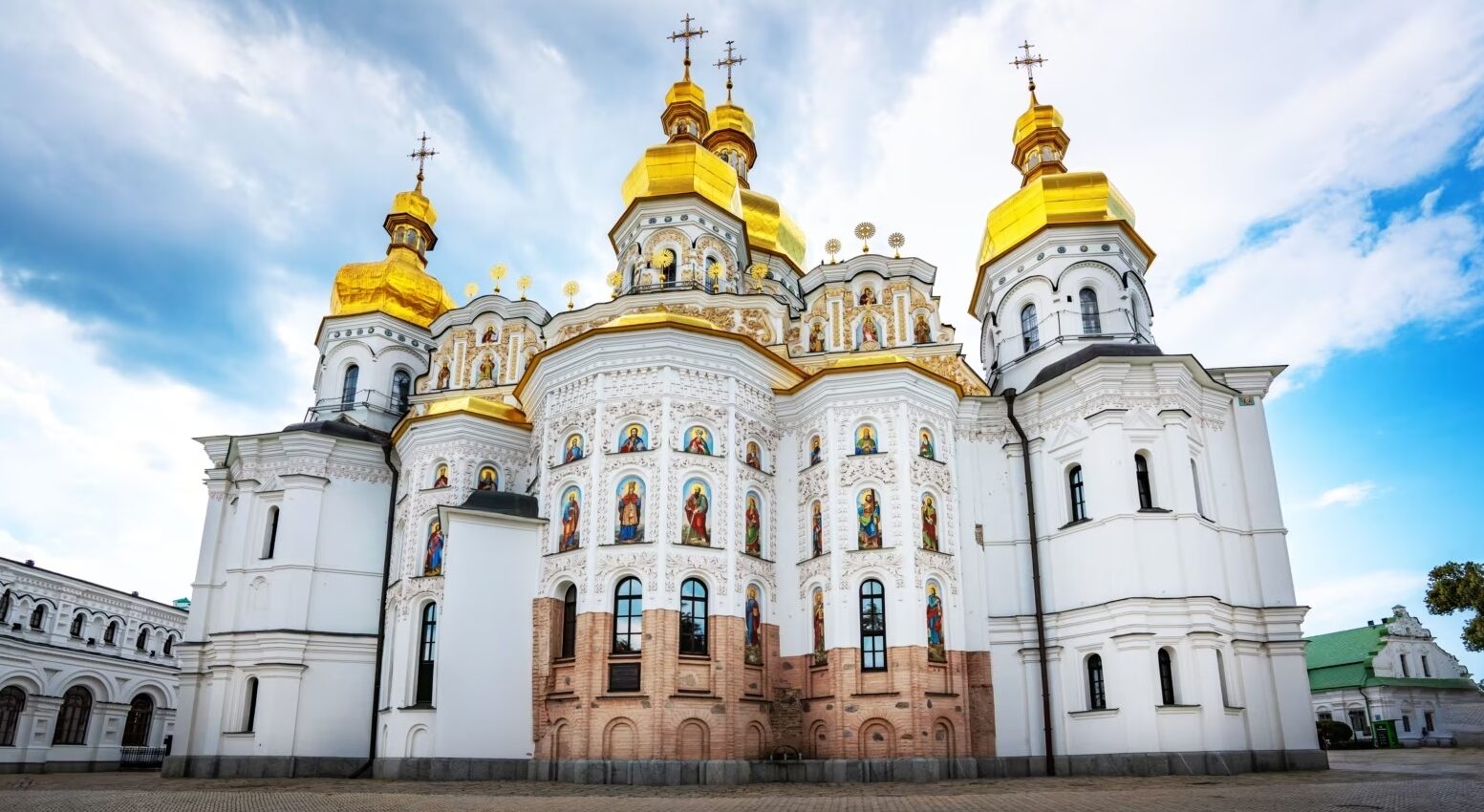
Youth camps and events continue across UOC dioceses. The Khust eparchy recently received thanks from Ukrainian defenders for ongoing support, while nearby Kramatorsk saw the St. Alexander Nevsky church damaged by fire after a drone strike. In the Orthodox Church in America, the Broadview Heights parish joined the Back to School Backpack Program and the diocese launched OPERATION: BUFFALO, its 2026 charity drive aimed at local needs. The Romanian Orthodox Church opened a new nursery under the Saint Ana program in Hunedoara and reminded its flock in Australia and New Zealand to declare their identity during the upcoming census. Serbian Orthodox faithful in the Eparchy of Slavonia marked the Feast of Saint Panteleimon with services that drew families and young people together.
These gatherings show steady work among different communities keeping faith active for the next generation. May readers remember the youth and their pastors in prayer this week.
The solemn celebration of Saint John the New of Romania took place at the Holy Monastery of Chozeva in the Greek Orthodox Patriarchate of Jerusalem, drawing pilgrims for the feast with prayers and hymns in the ancient caves overlooking the Jordan Valley. In the same period the Romanian Orthodox Church marked the memory of Martyrs Photius and Anicetus while a pilgrimage in the Diocese of Sălaj encouraged families to work together for the Mother of God. The Serbian Orthodox Church observed the Feast of Saint Panteleimon in the Eparchy of Slavonia with services that highlighted healing and faith. Meanwhile the Orthodox Church in America saw the Broadview Heights parish collect school backpacks for local children, quietly linking daily charity to the rhythm of the church year.
These local observances remind how the same saints and seasons unite distant corners of the Church. What feast or simple act of service stands out in your parish this week?
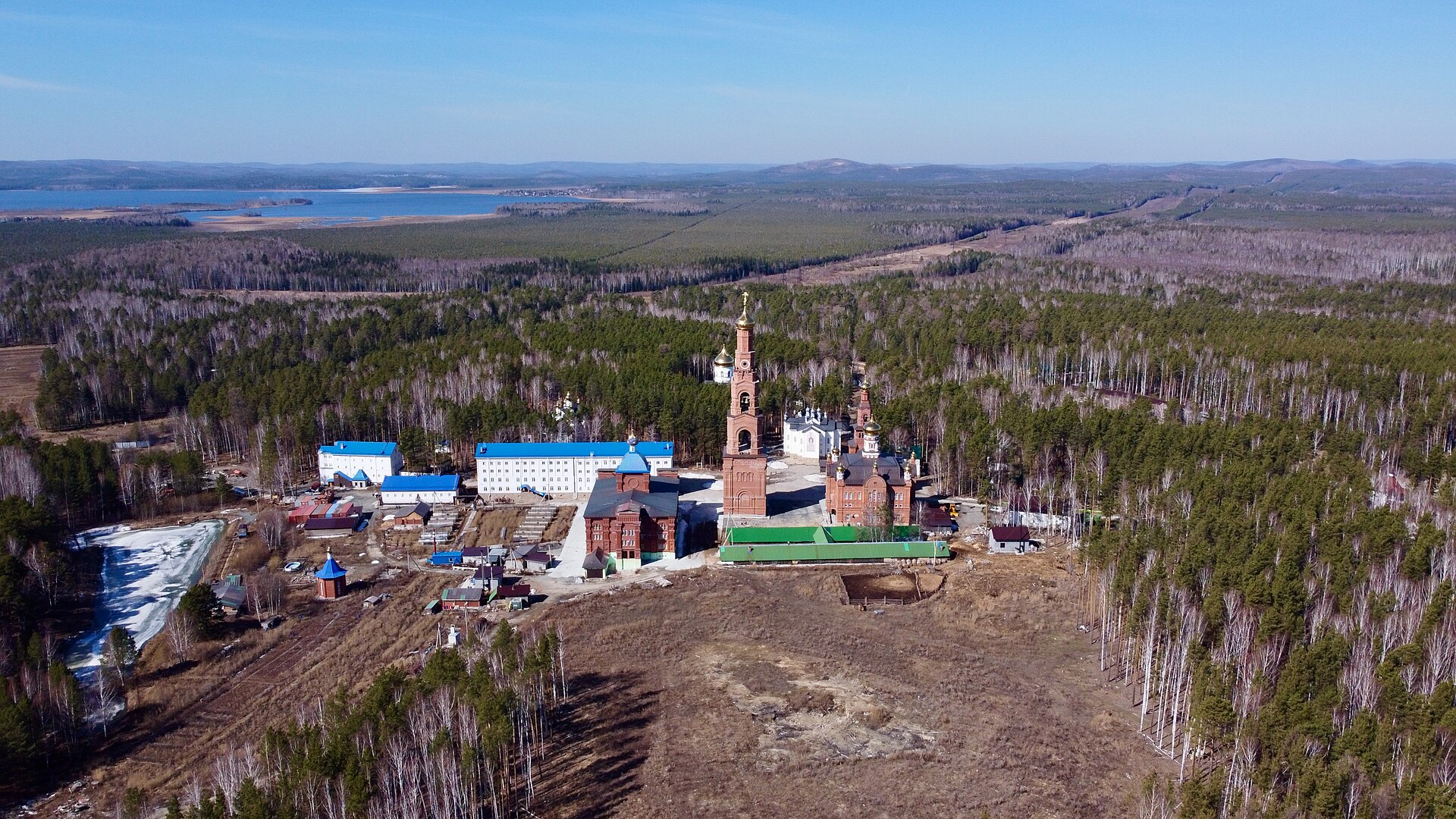
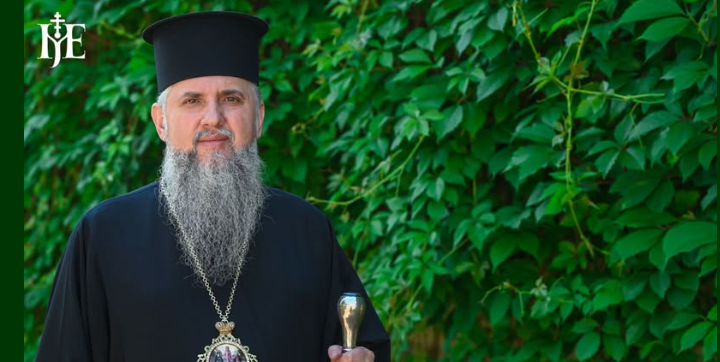
The KANON Orchestra performed a concert in Greece honoring the heroic Exodus of Messolonghi, drawing crowds to reflect on this pivotal moment in the nation's Orthodox history. In parallel, the Serbian Orthodox Church marked the opening of Cyrillic Square in Herceg Novi, celebrating the script's role in preserving faith and culture. The Russian Orthodox Church welcomed the miraculous icon of the Mother of God "Tenderness" to Kamchatka, allowing local believers their first glimpse of the all-Russian shrine. Meanwhile, the Romanian Orthodox Diocese in Australia encouraged the faithful to affirm their Romanian identity during the upcoming national census, tying heritage to everyday Christian witness.
These varied observances show how each local Church keeps memory, language, and tradition alive in its own corner of the world. Let us hold the people of Messolonghi, Herceg Novi, Kamchatka, and the Australian Romanian communities in our prayers today.
Bishop jerymous mzee of kampala metropolis sometimes he does things uncanonically
E
Elizabeth Johnson
I remember hearing the same thing about the cement bags — he was right in there mixing with the workers on that new chapel wing last summer. On the ordination part, I think it might be bumping up against the later canons from the Council of Antioch too, not just Nicaea. Have you come across any details on how the synod letter actually got skipped in those two cases?
S
Sophia Bennett
Yeah, those cement bags stories always make me smile — he was right in there mixing with the crew like it was a Saturday workday. On the ordinations, Canon 4 does seem to be the sticking point; I’ve only heard secondhand about two deacons in the last couple years. Did anyone ever see the actual synod minutes or was it all verbal?
S
Samuel Miller
Yeah, those cement bag stories always stuck with me too—he’d roll up his sleeves and mix right in like it was just another job site. On the ordinations, I’ve never seen the synod minutes either, just what folks whispered after coffee hour. You think we should write the diocese and ask for them straight up?
R
Radu Constantinescu
I also heard that he ordained several priests without waiting for the synod's blessing, but I have no concrete details, Constantine. At that service in Kampala that you mention, it seemed to me that the parishioners were satisfied that he was speaking to them simply, but the canon remains the canon. Do you have a reliable source or just rumors from the group?