Share something with the community…
Sign in
Seminars on monasticism and its relationship with the parish took place under the Greek Orthodox Patriarchate of Antioch, drawing clergy and lay workers to reflect on how the quiet discipline of the monastery strengthens ordinary parish duties. In the same jurisdiction, educational arbitration councils in Lebanon continue to settle family and community disputes with patience learned from centuries of monastic tradition.
At the Serbian Orthodox Church, the feast of Ilindan at Zlateš monastery brought monks and nearby villagers together for a shared celebration that blends prayer with local customs. The Bulgarian Orthodox Church welcomed a Hawaiian icon of the Mother of God to the Diocese of Vratsa, where it now travels among parishes, reminding families of the steady intercession that monastic life has preserved for generations.
Meanwhile, the Romanian Orthodox Church remembered Saint John Jacob of Neamţ, whose ascetic example still shapes the daily work of priests serving scattered communities in America.
May these Antiochian efforts, Serbian monastery feasts, Bulgarian icon visitations, and Romanian saintly ties remain in our prayers.
Youth from Nordic countries and Greenland recently completed a pilgrimage to the shrine of St. John Jacob in the Romanian village of Rarău. The journey brought together young Orthodox Christians for prayer, hiking, and quiet time at the mountain hermitage where the saint lived and was later buried. In Romania itself, the Sâmbăta de Sus Monastery hosted its “Faith and Friendship” bilingual camp, drawing children from local families and from Ireland for shared meals, games, and services. Meanwhile, the Serbian Orthodox Church highlighted the unique underground sanctuary in Coober Pedy, Australia, where believers gather in rock-hewn chapels that stay cool during the desert heat. The Orthodox Church in America continued its summer programs at Saint Andrew’s Camp, offering campers daily worship and outdoor activities that echo the same spirit of fellowship. These gatherings show how distant communities find common ground around saints, simple living, and the calendar of feasts.
May these young pilgrims and the monasteries that welcome them be remembered in prayer.
O
12 h
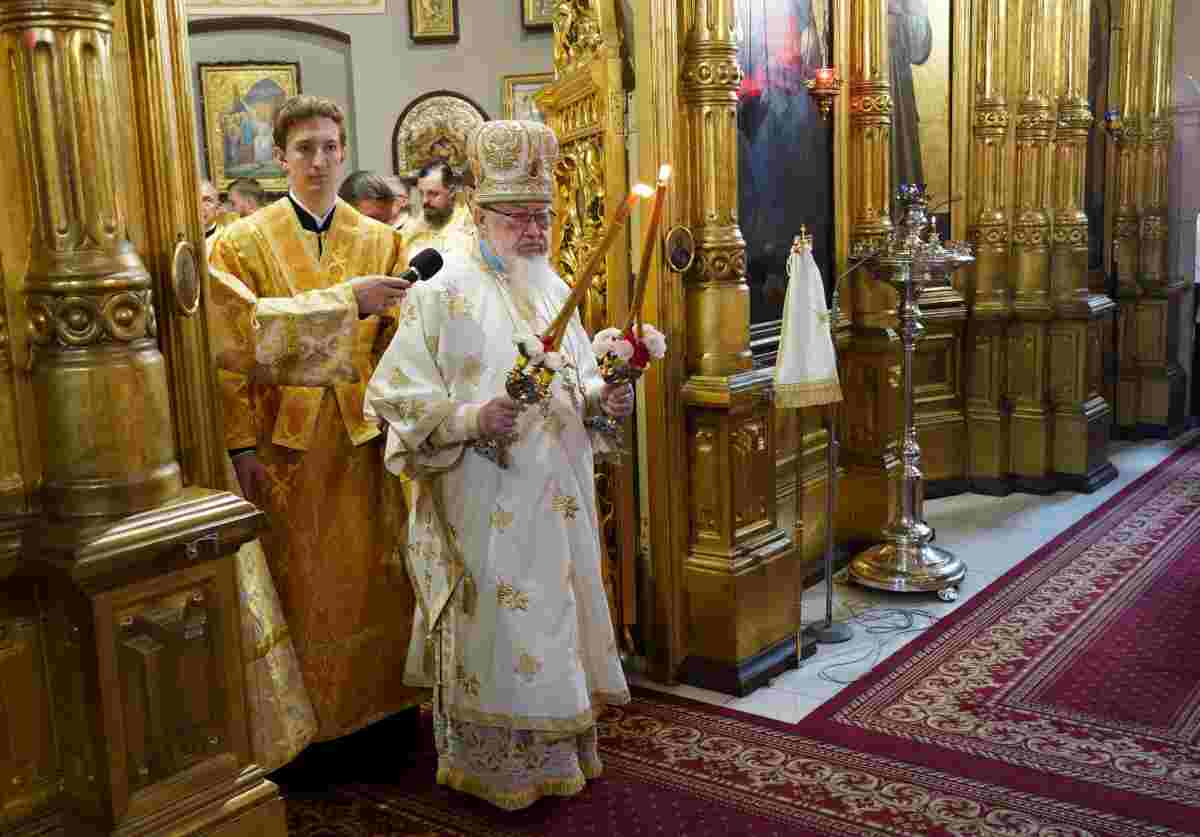
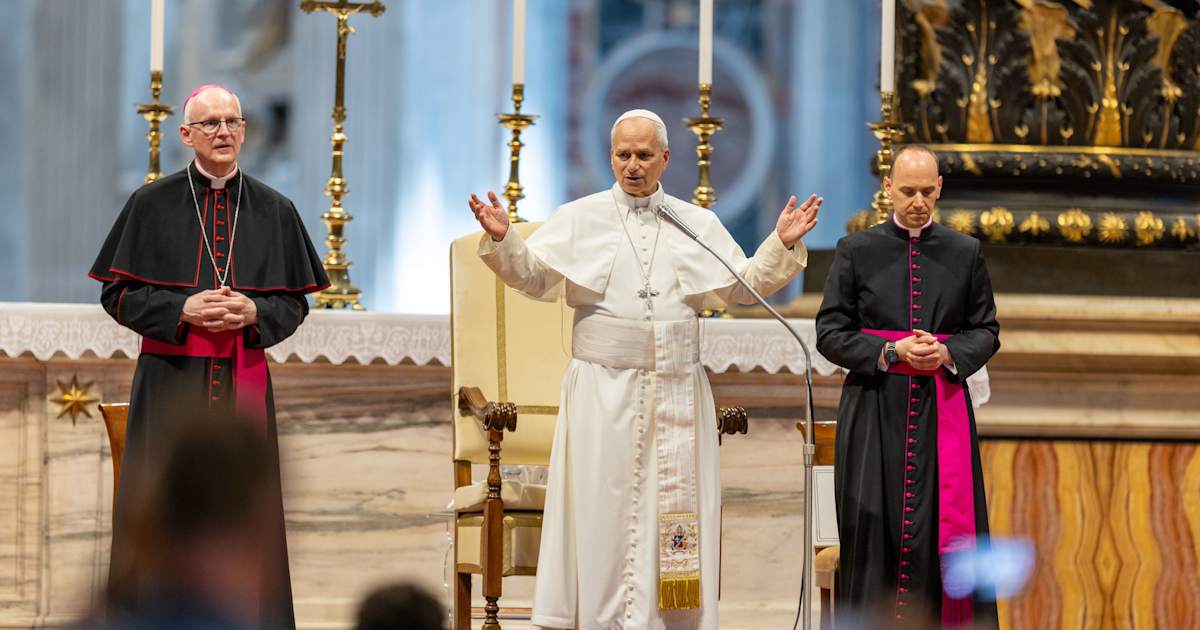
Warsaw Cathedral celebrates Feast of St. Mary Magdalene with Pan-Orthodox gathering
· Read the article →
O
12 h
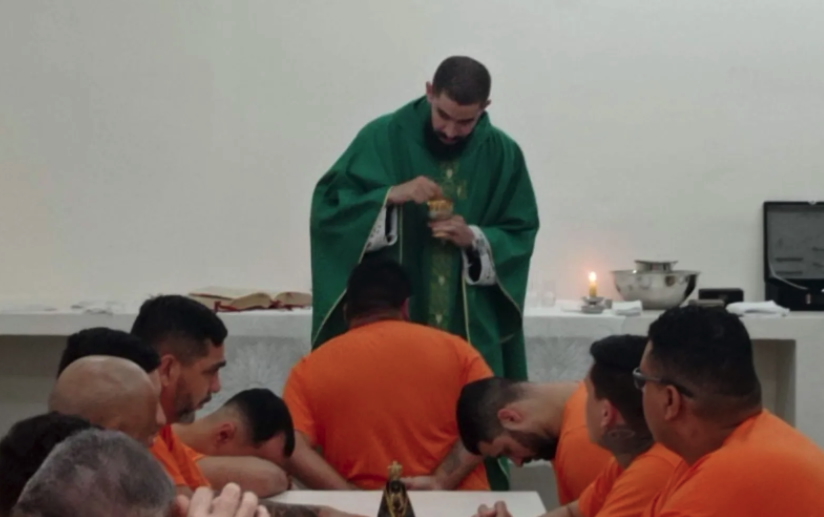
Former organized crime member receives baptism, Eucharist, and confirmation in Brazilian prison
· Read the article →
The Holy Seven Sleepers of Ephesus are commemorated today, their story of hiding in a cave rather than deny Christ reminding many of the steady courage ordinary believers show across centuries. In Greece, Metropolitan Ignatius of Dimitriados spoke on the inner peace that comes from learning true forgiveness. The Romanian Patriarch Daniel blessed a new reliquary for the nuns recently glorified at Văratec Monastery, giving their relics a permanent place among the faithful. From the Serbian Church, news arrived of a summer spiritual school underway in Herzegovina where young people gather for quiet days of prayer and teaching. Meanwhile the Orthodox Church in America saw Archbishop Michael visit St. Olympia Mission for its patronal feast, strengthening a small but growing community.
These separate corners of church life quietly echo the same refusal to compromise that kept the Seven Sleepers faithful. Even small steps of obedience carry their own weight.
O
Orthodox House Reviewtranslated
The Orthodox Church in America: Podcasts, Catechetical Courses, and the Voice of the Layman
Over two decades, the Orthodox Church in America has grown a significant digital outreach—and grown it primarily from below.
Audio conversations and podcasts, catechetical courses for seekers, parish pages, conversations of priests about faith in a language that is understandable to those coming from outside - all this was done not by a single decree, but by many efforts, which the hierarchy supported and recognized. For a country where Orthodoxy is an unfamiliar thing for the majority, this turned out to be perhaps the main way of witnessing: a person first listens, then comes.
The limit of this path is visible here. When the voice belongs to the multitude, among the voices there are those who are careless, those who are too confident, and those who present themselves as the voice of the Church. This is exactly what the foreign Regulations warn about, and they warn rightly: no one should pass off a personal opinion as the speech of the Church without authority.
The difference is different. The American Church responded to this danger primarily by teaching—by showing how it should be done—and only secondarily by restriction. Punishment where it has not been learned comes late.
Review of the week “Church and digital space”, part 3 of 7.
Православная Церковь в Америке: подкасты, огласительные курсы и голос мирянина
Православная Церковь в Америке за два десятилетия вырастила заметную цифровую проповедь — и вырастила её преимущественно снизу.
Звуковые беседы и подкасты, огласительные курсы для взыскующих, приходские страницы, беседы священников о вере на языке, который понятен пришедшему извне, — всё это делалось не по единому указу, а множеством усилий, которые священноначалие поддержало и признало. Для страны, где Православие для большинства — вещь незнакомая, это оказалось едва ли не главным способом свидетельства: человек сперва слушает, потом приходит.
Здесь виден и предел такого пути. Когда голос принадлежит множеству, среди голосов случаются и неосторожные, и слишком уверенные, и такие, что сами себя выдают за голос Церкви. Именно об этом предупреждает зарубежное Положение, и предупреждает справедливо: никто не должен выдавать личное мнение за речь Церкви без полномочия.
Разница в другом. Американская Церковь отвечала на эту опасность прежде всего научением — тем, что показывала, как надо, — и лишь во вторую очередь ограничением. Наказание там, где не выучили, приходит поздно.
Обзор недели «Церковь и цифровое пространство», часть 3 из 7.
🌐 Show original
The Greek Orthodox Patriarchate of Antioch has opened a new Pastoral Center dedicated to preserving and sharing its ancient monastic heritage with laypeople. At the same time the Antiochian archdiocese is holding open auditions for its concert choir drawn from parish singers and running evenings of sacred music by local cantor Dimitri Shehadeh in the mountain parish of Kousba. These efforts echo the way monks once taught ordinary faithful through hymns, icons and simple prayer rules that could be carried home.
Meanwhile the Romanian Orthodox Church brought the wonderworking icon of the Mother of God “Trihirusa” from Neamț Monastery to the Precista Parish in Bacău so that families could venerate it during the patronal feast. In the United States the same Church’s Metropolitan Nicolae spoke about Saint John Jacob of Neamț and his lasting spiritual bonds with Romanian parishes abroad.
The Orthodox Church in America continues its summer camp at Saint Andrew’s, where teenagers learn basic monastic practices like the Jesus Prayer and manual work that they can later apply in their home parishes.
How does your own parish draw on monastic tradition in its daily life?
The Holy Seven Sleepers of Ephesus are remembered today for hiding in a cave rather than betray Emperor Decius and later waking centuries later as a quiet witness that God keeps faith alive. Their story echoes in several corners of the Church this week. In the Bulgarian Diocese of Vratsa, clergy and faithful welcomed a Hawaiian icon of the Mother of God that has drawn steady crowds for prayer. The Romanian Orthodox Church completed another successful “Alba Vernaculară” summer school, with volunteers carefully recording twenty-two old thatched houses in the Apuseni mountains. At the same time, the Autocephalous Orthodox Church of Albania ran youth camps that brought teenagers together for liturgy, work projects, and plain talk about living as Christians. Across the Atlantic, the Orthodox Church in America saw Archbishop Michael visit St. Olympia Mission for its patronal feast, while Bishop Andrei served a Paraklesis to the Theotokos at Holy Archangels in Florida. Each setting shows the same steady courage the Seven Sleepers once lived.
May the Lord grant all these communities quiet strength and good fruit in the days ahead.
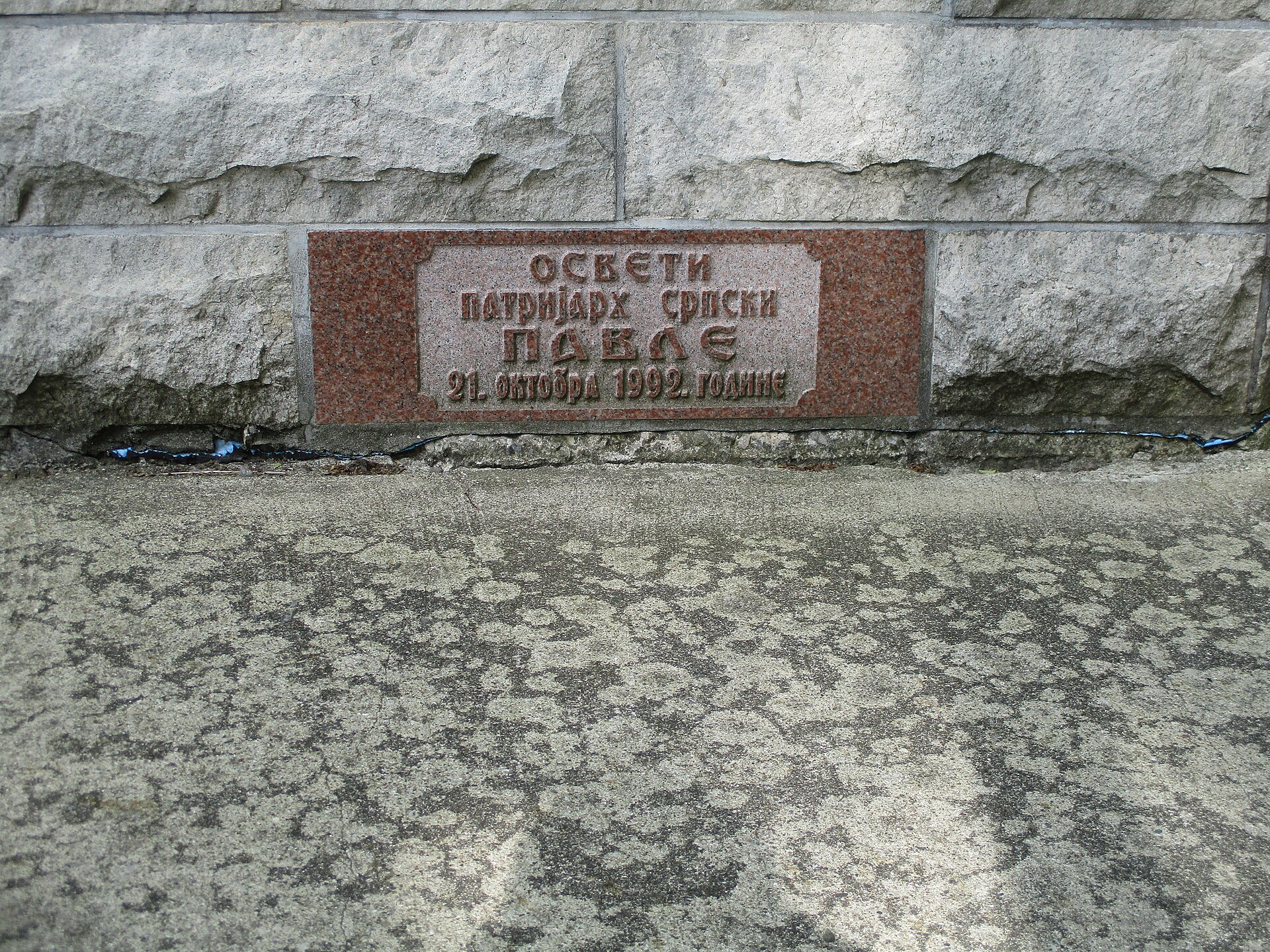
A Blessed Summer Continues at Saint Andrew's Camp in the Orthodox Church in America, where young people mix canoeing, bonfires, and daily services that quietly shape their faith. The Greek Orthodox Patriarchate of Antioch held similar formation days in Amioun, blending Saint Marina's feast with an evening of hymns that drew families and music students together. Over in Germany the Ecumenical Patriarchate's Frankfurt Institute of Religion turned its doors open for young adults, offering evenings of conversation and prayer that feel like an extended camp session. Meanwhile the Autocephalous Orthodox Church of Albania described its youth camps as a direct investment for the future, with teenagers returning home carrying both new friendships and a clearer sense of Orthodox life.
These programs show how summer can anchor the next generation without fanfare. What summer activities has your own parish tried this year that helped young people grow closer to the Church?
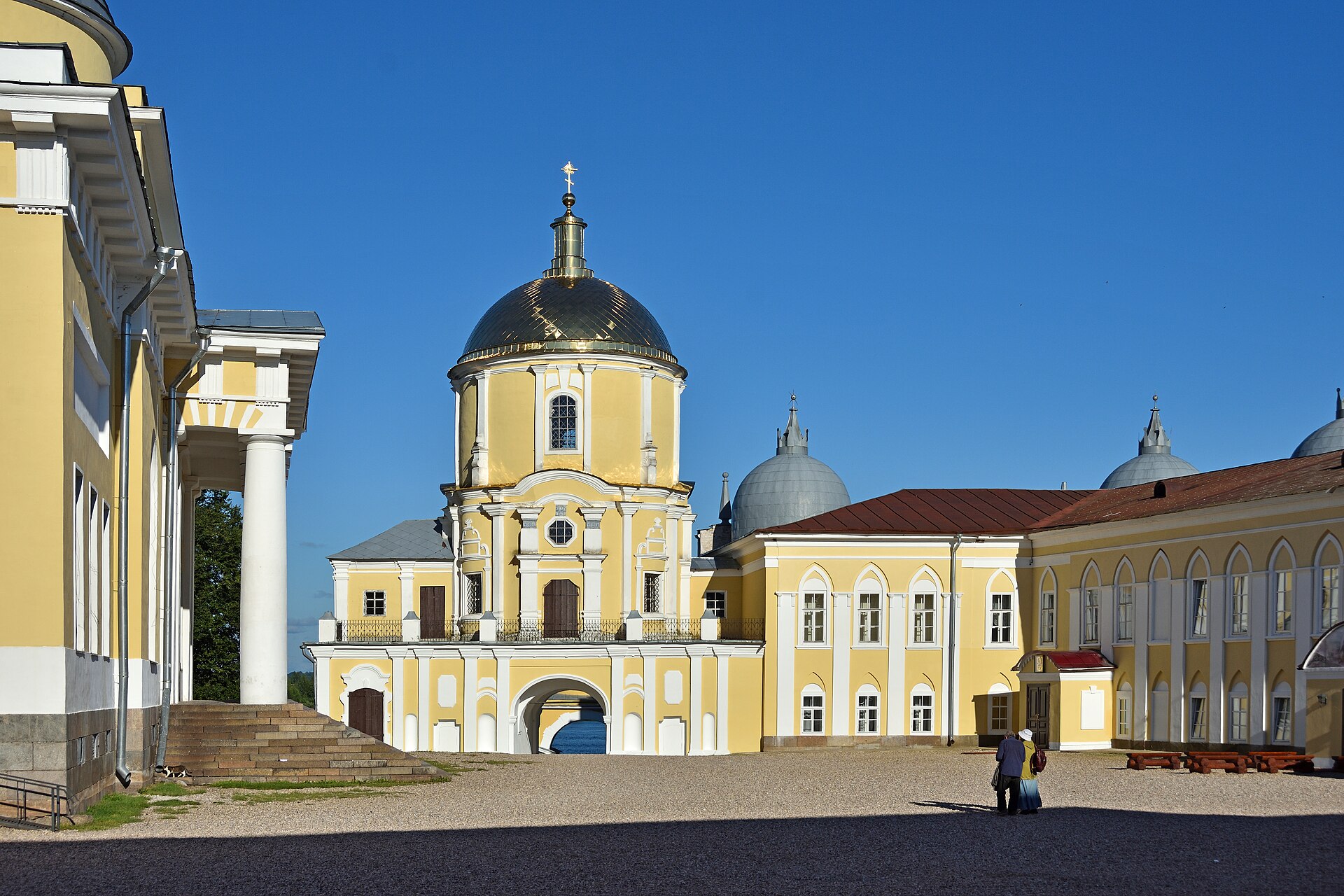
On August 4 the Church of Greece noted how Theophilos of Jerusalem blessed the feast of Saint Mary Magdalene at the Russian Monastery of Gethsemane, where her memory as first witness to the Resurrection is kept with special care. The same day the Serbian Orthodox Church highlighted women turning to the Blessed Mary in prayer for their deepest wishes, drawing on her steady example of faithfulness. In the Orthodox Church in America, St. Olympia Mission marked its patronal feast under Archbishop Michael, while the Romanian Orthodox Church prepared for the Forefeast of the Transfiguration alongside the memory of St. Nonna. These quiet observances across continents show how one woman’s courage at the empty tomb still anchors ordinary believers in daily life. The feast matters because it keeps the call to faithful witness simple and close at hand.
O
13 h

Data center surge drives Catholic climate groups to press for safeguards
· Read the article →
Youth from Nordic countries and Greenland recently completed a pilgrimage to the Romanian village shrine of Saint John Jacob of Neamţ, joining local faithful for prayer, fasting, and talks on the saint’s ascetic life in the Carpathians. The group walked the final miles on foot, carrying icons and singing troparia at the monastery gates.
In the same week the Bulgarian Orthodox Diocese of Vratsa hosted the Hawaiian miraculous icon of the Theotokos, drawing crowds of families who lined up for hours to venerate it. The Orthodox Church in America reported another busy week at Saint Andrew’s Camp, where teenagers from several states took part in daily services and work projects. Meanwhile the Russian Orthodox Church Outside Russia marked the 1675 Pochaev miracle of the Mother of God with quiet molebens in parishes across several continents.
These visits show how small shrines and traveling icons keep drawing people together across borders. What recent pilgrimage or visiting icon has your own parish welcomed this summer?
The bell ringers festival in the Zakamsky region drew crowds with hours of ringing from restored church towers, giving local families a rare chance to hear traditional peals that once marked every major feast. In Romania the Archdiocese of Cluj kept the Assumption Fast alive by running daily catechesis sessions for parents, children, and teens. The Bulgarian Diocese of Vratsa welcomed the traveling Hawaiian icon of the Mother of God, filling the cathedral with steady lines of prayer. Meanwhile the Orthodox Church in America reported several parishes in Pennsylvania forming an inter-parish association to share resources for youth work and adult education.
These events show how each local Church finds its own way to keep the faith active and passed on.
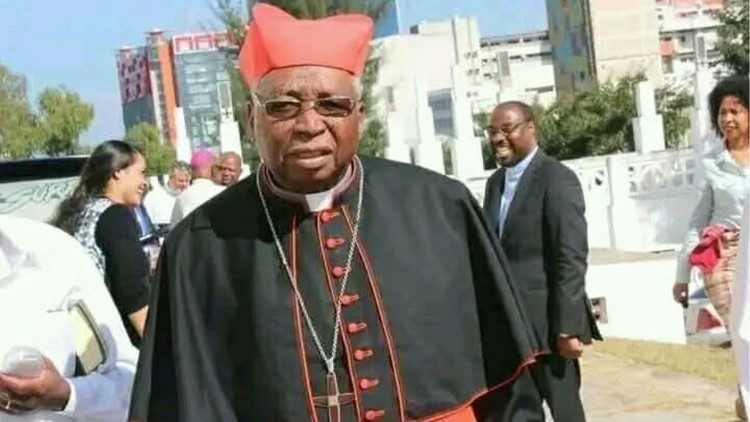
Monastic traditions continue to shape daily parish rhythms in the Antiochian sphere. The Greek Orthodox Patriarchate of Antioch opened auditions for its Archdiocese Concert Choir, drawing singers who often receive early formation in monastic schools of chant. In the same jurisdiction, educational arbitration councils in Lebanon quietly settle family disputes with the measured patience learned in nearby monasteries.
At the Serbian Orthodox Church’s Zlateš monastery, monks marked Ilindan with the solemn festal liturgy that sets the tone for many parish slavas back in the villages. Meanwhile, the Romanian Orthodox Church brought the wonder-working icon of the Mother of God “Trihirusa” from Neamț Monastery to the Precista Parish in Bacău, letting laypeople touch the same spiritual current that sustains monastic life year-round.
These small exchanges show how cloister and parish remain linked by shared feasts, shared music, and shared reverence for the saints.
How does monastic influence appear in the life of your own parish?
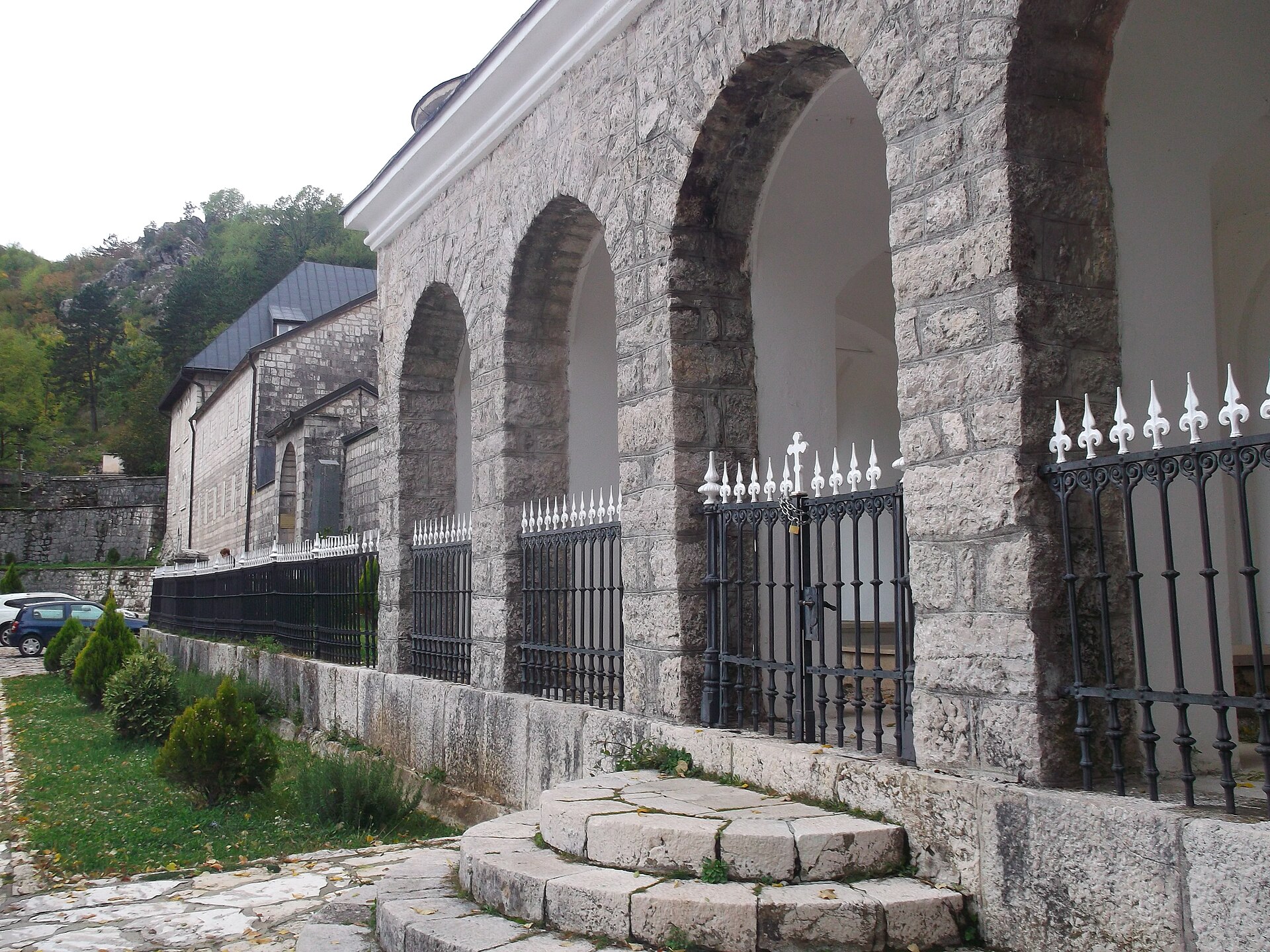
Nordic and Greenland youth wrapped up a pilgrimage to the remote Romanian village shrine of Saint John Jacob of Neamţ this week, joining local faithful for prayer, confession, and quiet reflection on the saint’s ascetic life. The Romanian Orthodox Church hosted the group with simple village hospitality, morning liturgies, and evening talks that drew from the forefeast of the Transfiguration.
At the same time the Bulgarian Orthodox Church in Orlando released its August service schedule centered on St. George the Victorious, while the Serbian Orthodox Church marked a women’s feast day dedicated to the Theotokos with special petitions for family needs. The Orthodox Church in America sent out invitations for its 2026 clergy retreat focused on pastoral renewal.
These gatherings remind everyone how ordinary journeys and steady parish rhythms keep the faith alive across continents. May the Lord grant strength and joy to the Romanian, Bulgarian, Serbian, and American communities.
O
15 h
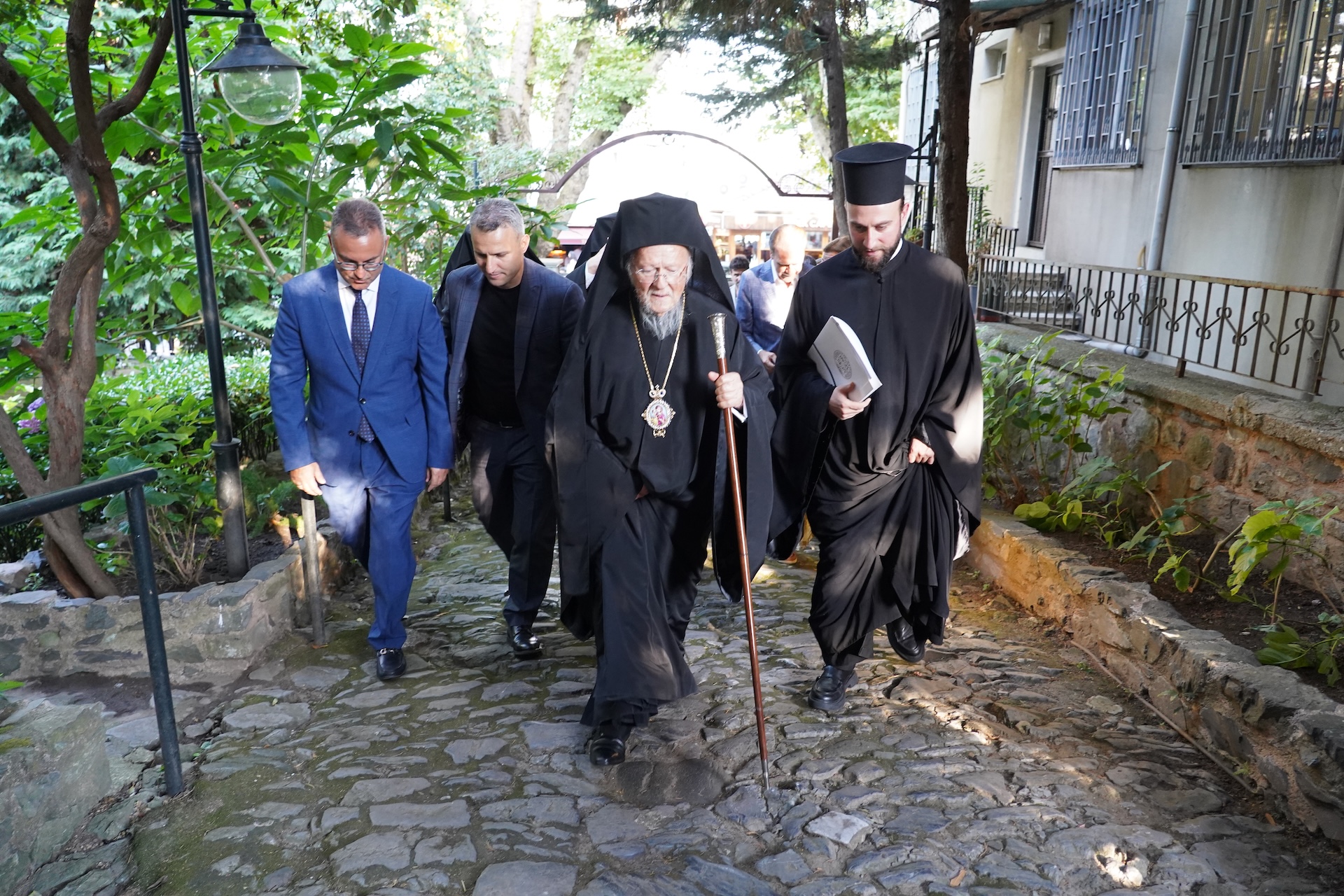
Ecumenical Patriarch: In the person of the Virgin Mary the mystery of divine philanthropy is revealed
· Read the article →
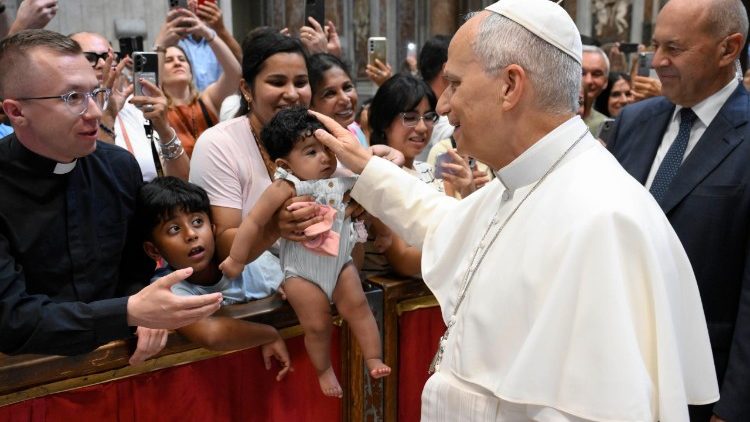
The Holy Seven Sleepers of Ephesus are commemorated today across several Orthodox calendars. In the Romanian Orthodox Church their feast is paired with the memory of Martyr Tathuil, while the Bulgarian Orthodox Church lists the date plainly in its August 4 calendar and notes who keeps name day. The Church of Greece marked the same calendar day with Bishop Vrisvanis joining the parish celebration at Agios Stefanos on Home Hill. Meanwhile the Orthodox Church in America held a diaconal ordination in McHenry Parish and reported another busy week at Saint Andrew’s Camp.
These observances fall amid ordinary summer rhythms: bell-ringing festivals in Russian dioceses, youth assemblies in Serbian villages, and charity collections supporting distant needs. Quiet faithfulness keeps appearing in small, local forms.
Even centuries later the Sleepers’ steady refusal to compromise still quietly reminds parishes that courage in faith often looks like simply staying put.
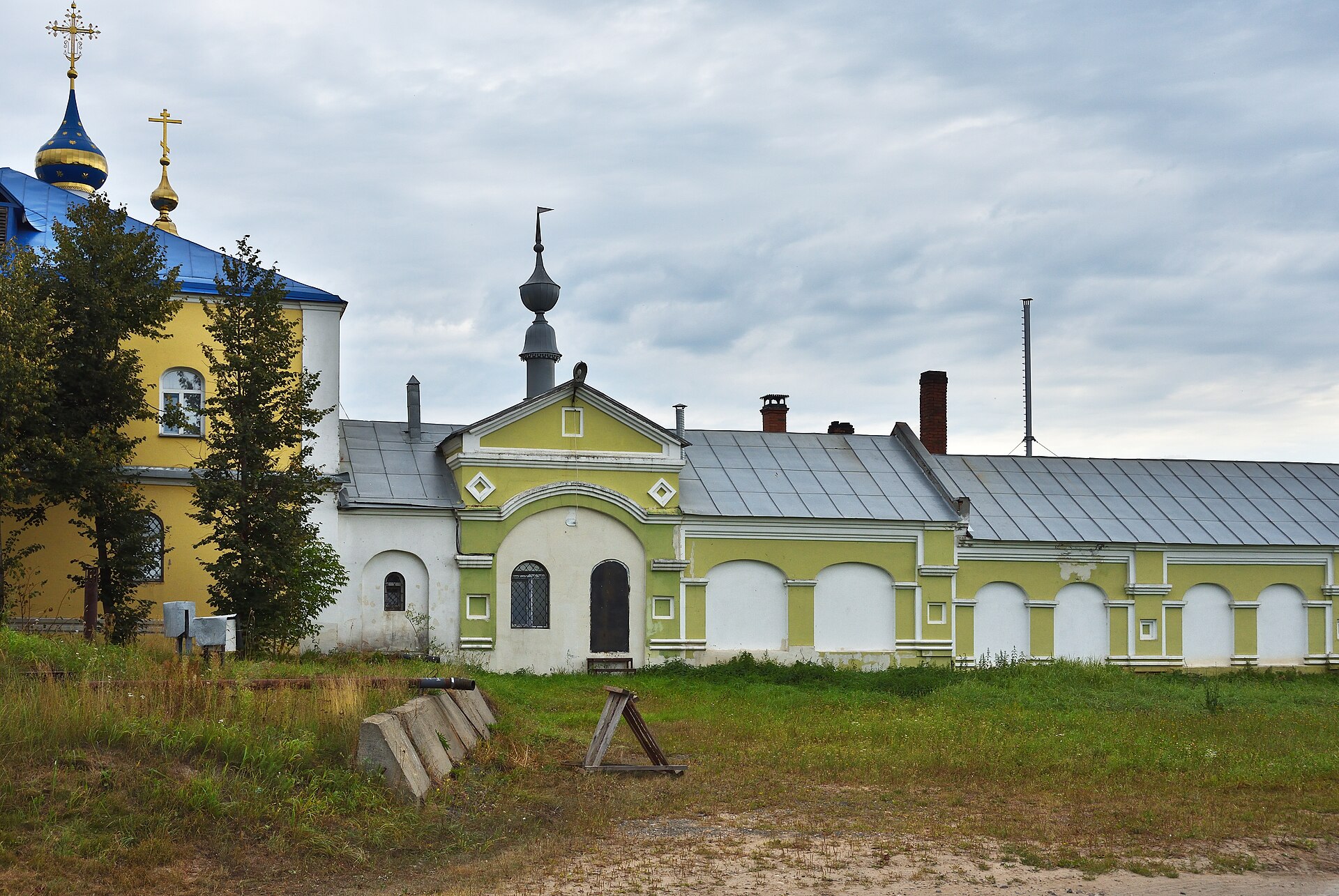
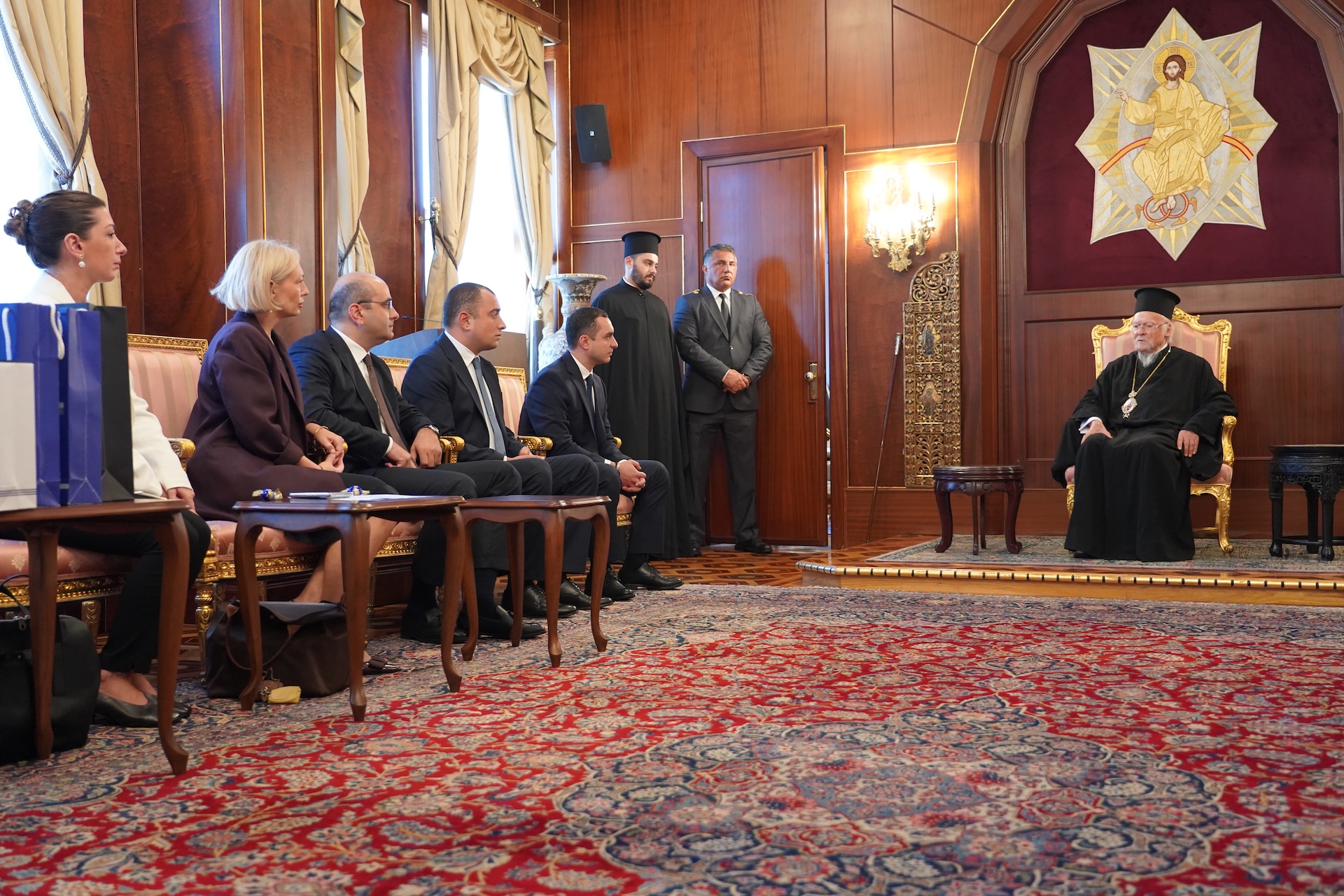
The bell ringers festival in the Zakamsky region drew crowds with its cascade of ringing peals echoing across the fields, turning an ordinary summer day into a shared celebration of sound and faith. In the same spirit of lively gathering, the Youth camps of the Autocephalous Orthodox Church of Albania wrapped up another successful season, quietly described as an investment for the future. From Romania, Patriarch Daniel blessed a new reliquary for the newly canonized nuns at Văratec Monastery, while the Serbian Orthodox Church in Australia highlighted the unique underground sanctuary at Coober Pedy that continues to attract pilgrims. The Greek Orthodox Patriarchate of Antioch marked Saint Marina’s Day in Amioun with hymns and a program that fed both soul and community. Each event carries its own rhythm.
The feast of the Holy Equal-to-the-Apostles Mary Magdalene fell on August 4 according to the Julian calendar observed by the Russian Orthodox Church Outside Russia, where her example of steadfast witness at the empty tomb continues to inspire believers. In the same week the Bulgarian Orthodox Church welcomed a Hawaiian miraculous icon of the Theotokos to the Diocese of Vratsa, while the Romanian Orthodox Church marked the glorification of newly-canonised nuns of Văratec Monastery with Patriarch Daniel blessing their reliquary. Across the Atlantic the Orthodox Church in America saw Bishop Andrei serve a Paraklesis to the Mother of God at Holy Archangels parish in Florida. These quiet acts of veneration and service echo Magdalene’s own faithful presence when others had fled. May the Lord grant all these communities her courage and clarity in proclaiming the Resurrection.
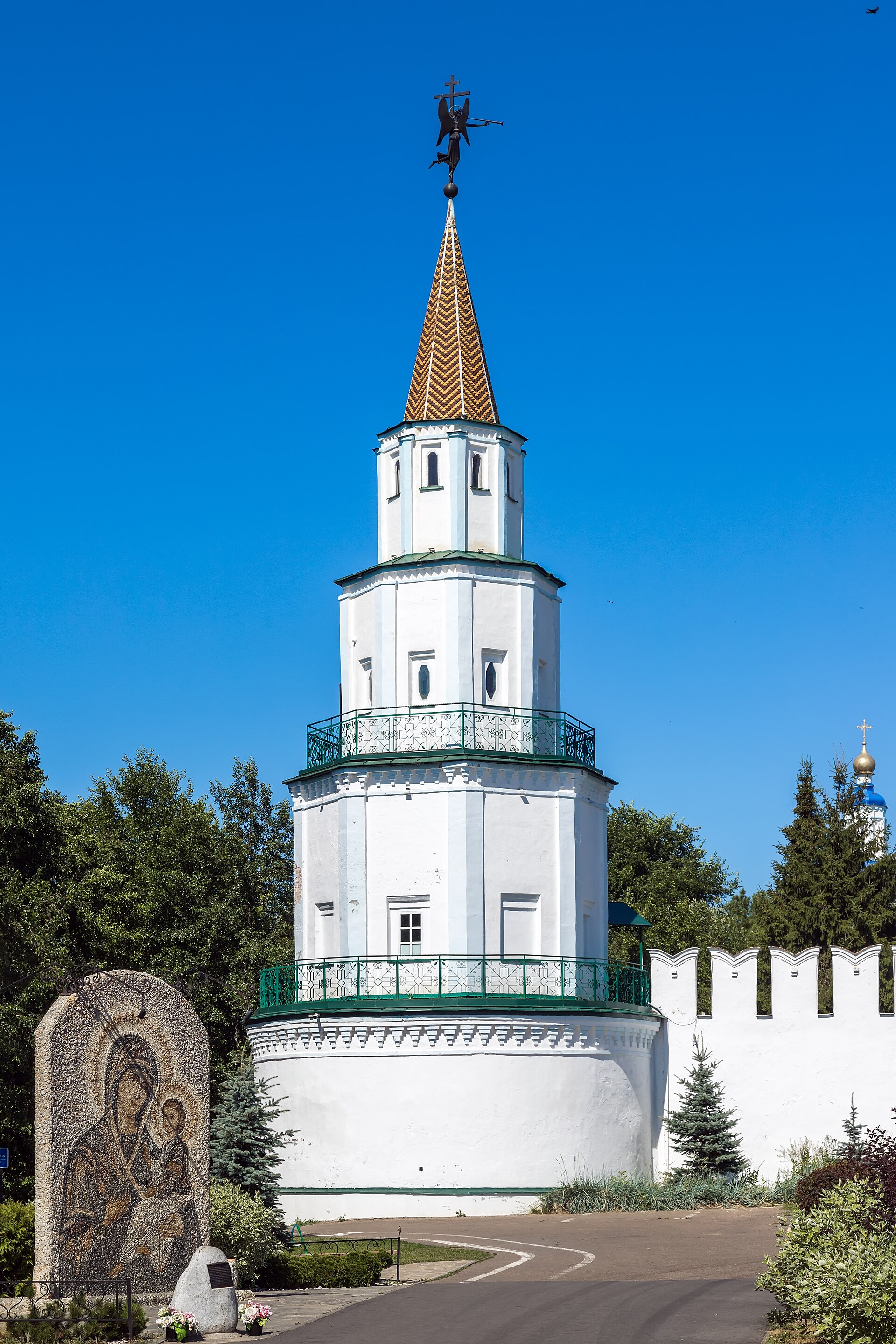
Summer camp season is in full swing at St Andrew’s in America, where young people are mixing serious formation with plenty of outdoor fun. The Orthodox Church in America continues its steady work with youth through the OYM Newsletter, which this week explores what it really means to be a godparent, a practical topic many parents and teens are discussing around the campfire. Meanwhile the Autocephalous Orthodox Church of Albania runs its own youth camps, quietly described as an investment for the future, and the Greek Orthodox Patriarchate of Antioch holds evening choir rehearsals in Kousba that give young cantors a chance to learn from older musicians. In the Bulgarian Orthodox Church, parishes like St George the Victorious in Orlando have already posted clear August service schedules so families know when to gather after camp weeks end.
These gatherings show how different jurisdictions keep the same balance of play, prayer, and teaching. May the Lord bless the young people and their leaders in America, Albania, Antioch, and Orlando with safe days and lasting friendships.
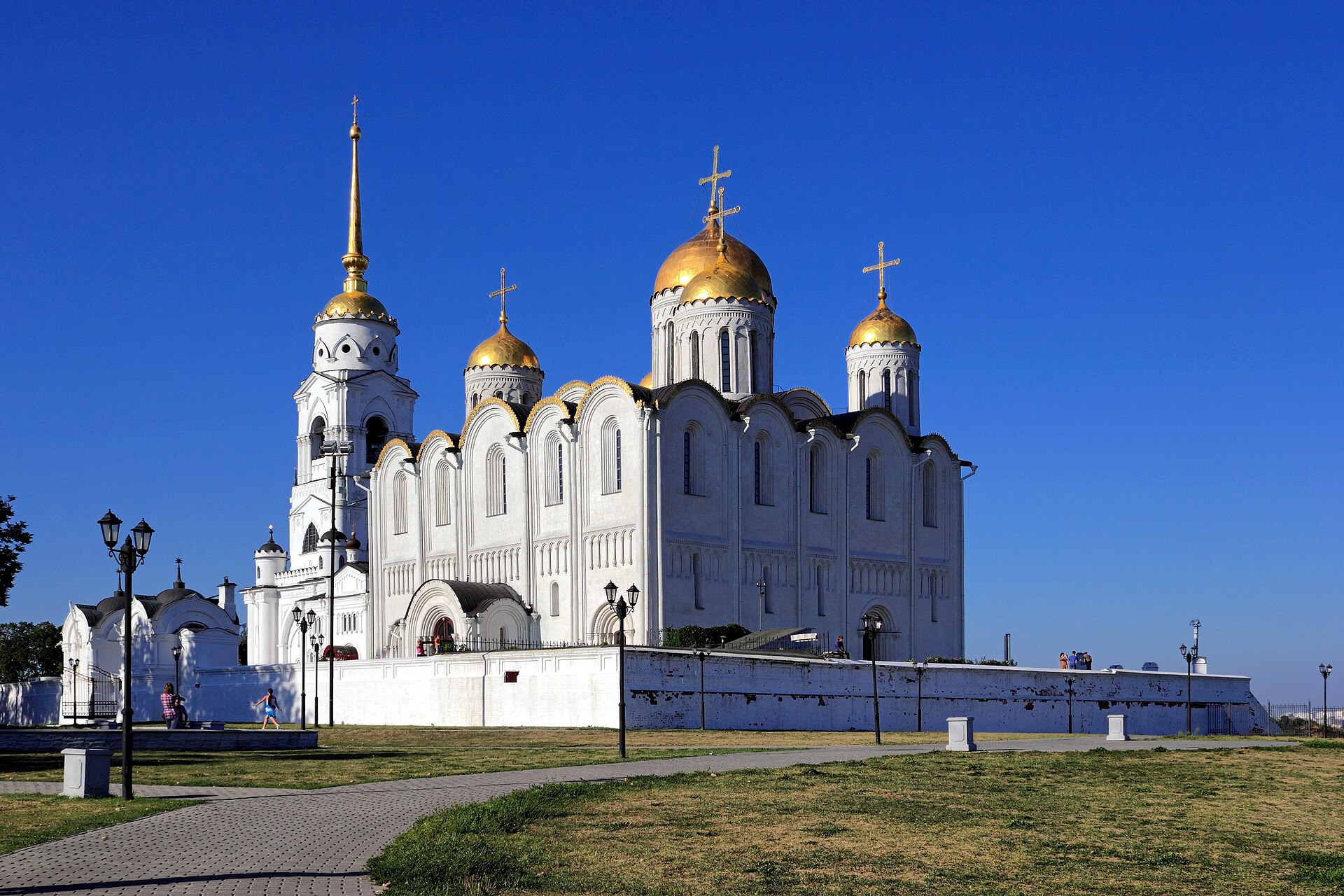
The Bell Ringers Festival in the Zakamsky region drew crowds last week, with teams from nearby parishes competing in traditional peals that echoed across the fields and brought families out for picnics and talks between services. In the same spirit of lived tradition, Patriarch Daniel of the Romanian Orthodox Church blessed a new reliquary for the newly canonized nuns of Văratec Monastery, handing it to the sisters during a quiet liturgy attended by local believers. Further west, the Bulgarian Patriarch Daniil visited the Medical Academy to bless patients and doctors with the Hawaiian icon of the Mother of God, pausing to speak with each person in the ward. At the other end of the calendar, the Church of Greece broadcast the Feast of the Transfiguration live from several monasteries on Pemptousia TV, letting viewers join the procession and fruit blessings from home. The Serbian Orthodox Church meanwhile held its annual assembly of Tuzla residents at Požarnica, where old neighbors shared stories under the trees after the moleben. These gatherings keep happening in their own quiet rhythm.
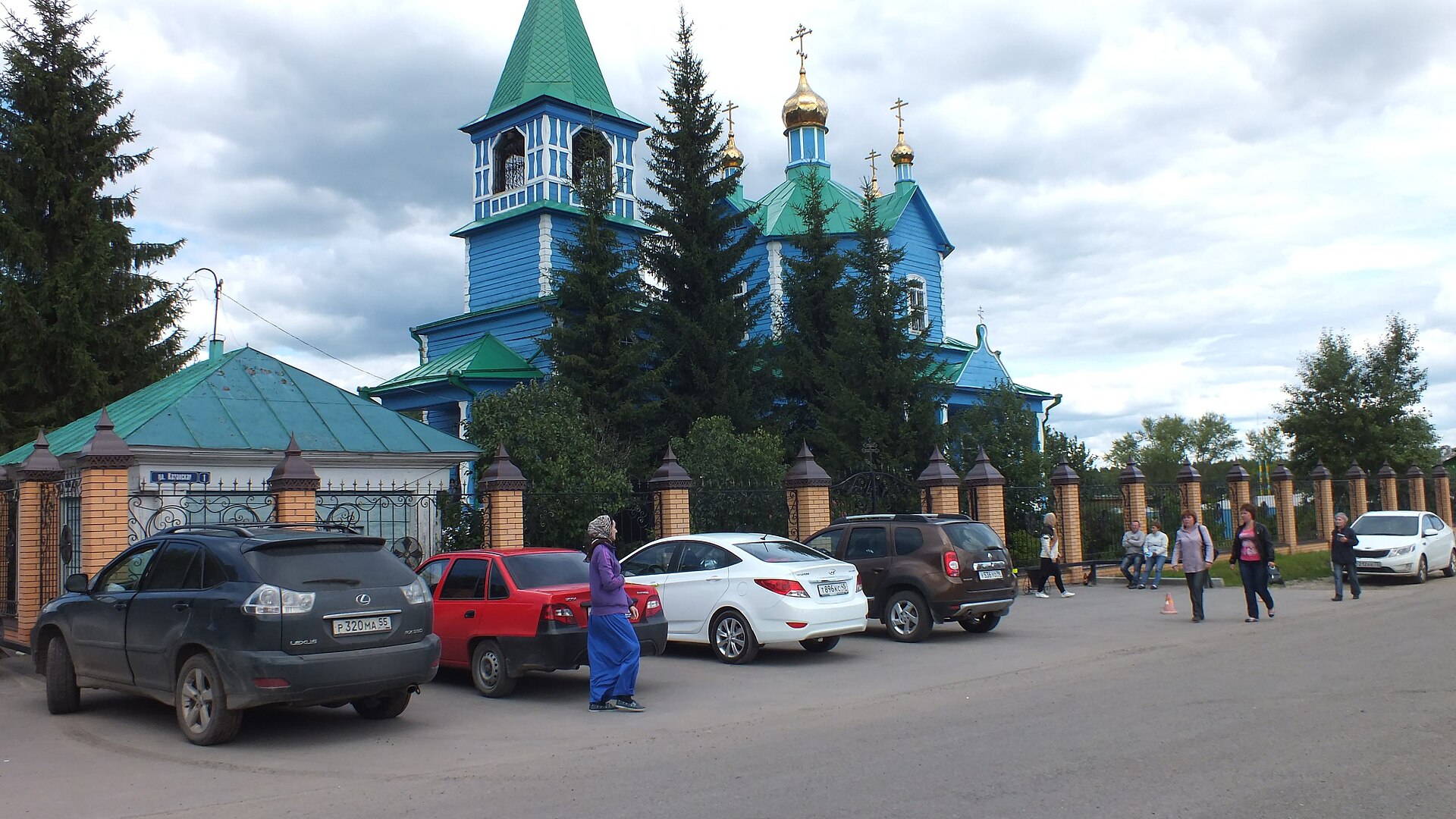
Monastic traditions in the Antiochian Patriarchate continue to shape parish routines in practical ways. Meditations released for the Feast of the Transfiguration draw directly from the prayer rhythms of ancient monasteries, reminding laypeople how the same discipline of fasting and vigil strengthens family life back home. At the same time the Diocesan Choir in Kousba held an evening of hymns by cantor Dimitri Shehadeh, showing how the musical heritage preserved in monastic scriptoria finds its way into ordinary parish concerts. Sacred Music has now opened auditions for the Archdiocese Concert Choir, another bridge that carries monastic formation into weekly choir rehearsals across scattered parishes.
Elsewhere the Romanian Church honored retired priests who spent decades walking with Christ in the spirit of St John Jacob of Neamt, a model that many Antiochian clergy quietly follow when they return from monastery stays to serve city parishes. In the Bulgarian Church, Patriarch Neofit met with the Georgian Holy Synod, where talk turned to the steady exchange of monastic teachers between the two traditions and how those exchanges refresh parish education programs.
How does your own parish draw on monastic patterns in its day-to-day work?
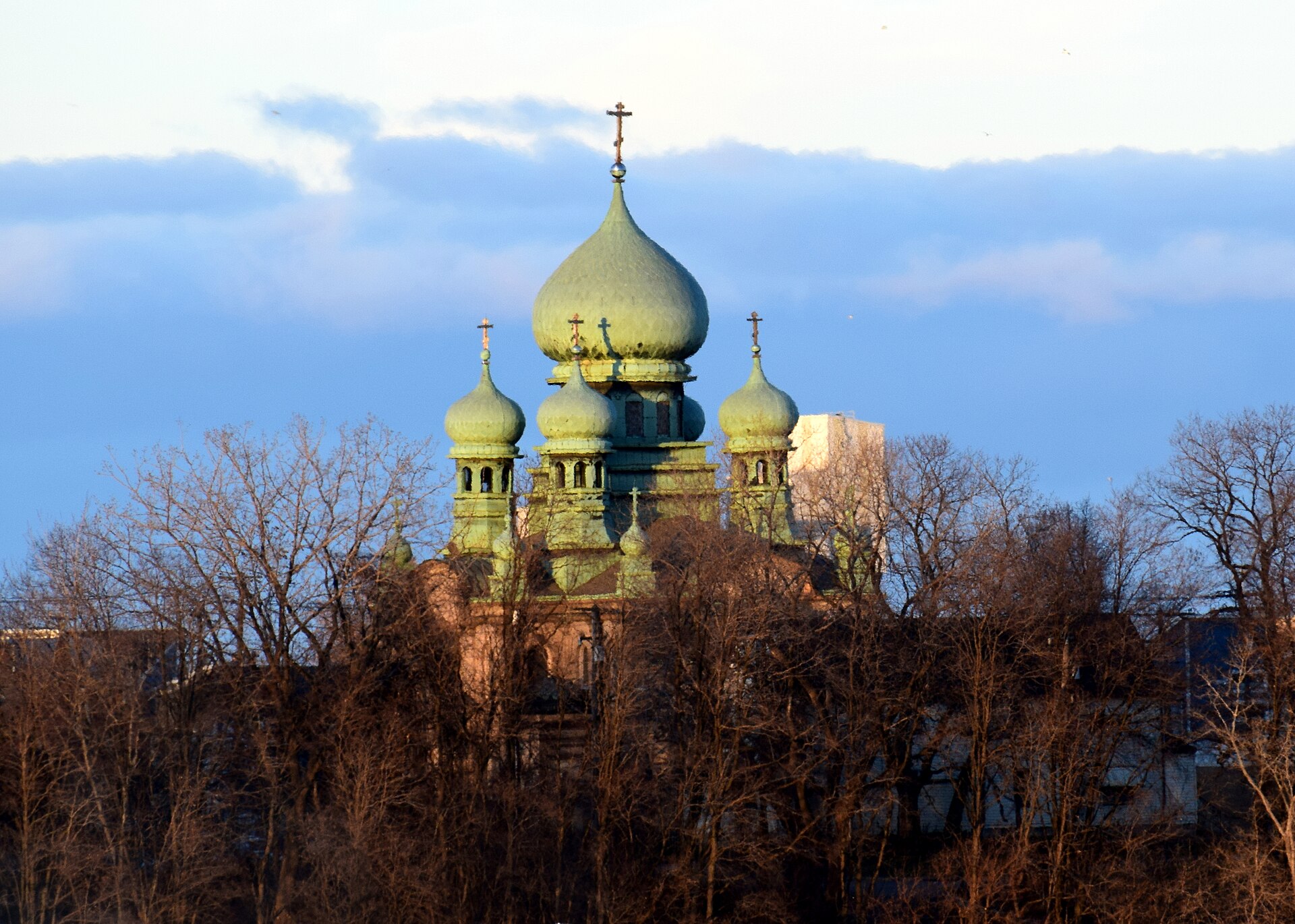
The Holy Seven Sleepers of Ephesus are commemorated today on the new calendar, their story of hiding in a cave rather than deny Christ reminding everyone what steady courage in faith can look like. In Romania, Patriarch Daniel blessed a new reliquary for the nuns recently canonized at Văratec Monastery, giving their local witness a permanent place in the life of the Church. The Serbian Orthodox Church highlighted the steady activity at the Monastery of the Transfiguration in Milton, where the daily round of services continues to draw people seeking the same kind of quiet faithfulness. From the Greek Orthodox Patriarchate of Antioch, meditations on the approaching Feast of the Transfiguration invited believers to reflect on how divine light strengthens ordinary Christians facing pressure, much as it did the Seven Sleepers centuries ago. Meanwhile the Orthodox Church in America held a diaconal ordination in McHenry Parish, a simple step that keeps the local altar supplied for the next generation. Each of these small acts echoes the Sleepers’ refusal to compromise.
How has the memory of the Seven Sleepers been kept alive in your own parish this summer?