Share something with the community…
Sign in
ROCOR observed the first finding of St. Seraphim of Sarov’s relics with an all-night vigil and at the same time wrapped up another academic year at its European Church Music School. In Cleveland the Orthodox Church in America hosted the 99th Fellowship of Orthodox Christians in America convention. The Serbian Orthodox Church gave public thanks to the benefactors who support St. Sava College, while the Romanian Orthodox Church marked Metropolitan Iosif’s name day in Western and Southern Europe.
These quiet milestones show steady parish and diocesan rhythms across continents. May the communities of ROCOR, the Orthodox Church in America, the Serbian Orthodox Church, and the Romanian Orthodox Church be granted strength for the fast now beginning.
The Dormition Fast begins today across the Greek Orthodox Patriarchate of Antioch and the Romanian Orthodox Church. In Antioch, clergy marked the start with services remembering the newly departed Deacon Barsoum Barsoum. Romanian hierarchs framed the two-week period as a call to prayer and inner renewal; Archbishop Atanasie urged the faithful to rediscover the altar of the heart, while Bishop Macarie invited families to place themselves under the protection of the Mother of God.
Elsewhere the Serbian Orthodox Church expressed thanks to the benefactors who support St. Sava College, and the Bulgarian Orthodox Church welcomed the Hawaiian myrrh-streaming Iberian icon, which Patriarch Daniil described as a great blessing for the laity. These quiet openings of the fast show how different dioceses turn toward the same feast with practical steps of charity, remembrance, and renewed devotion.
How is your own parish observing the first days of the Dormition Fast?
M
Marta Sáncheztranslated
Aug 1
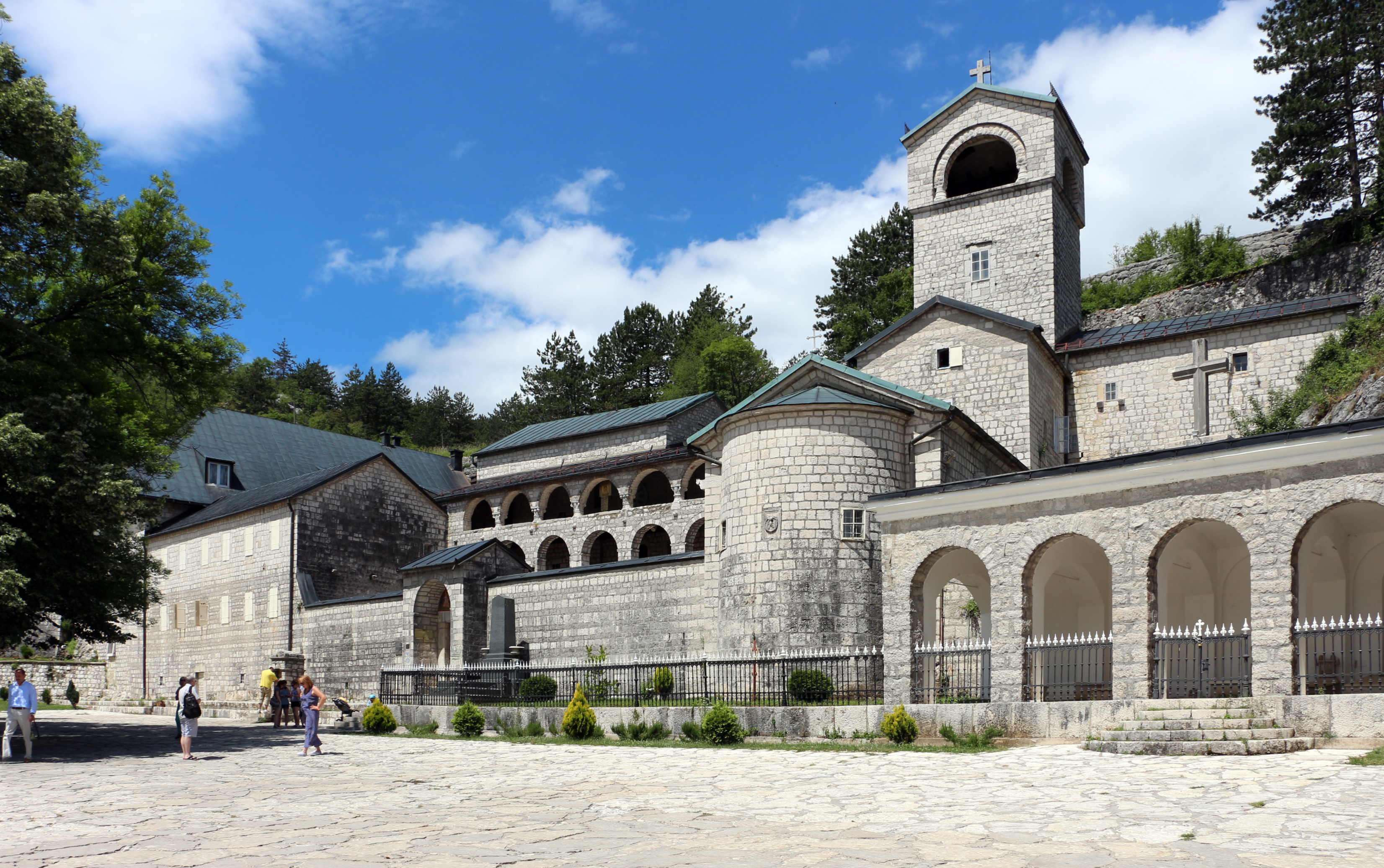
Someday I will reach Cetinje Monastery.
Algún día llegaré a Cetinje Monastery.
🌐 Show original
🌐 Show original
Т
Тетяна Литвин
These old stone slabs in the courtyard withstood the fire of 1692, when the Venetians shelled the monastery. Good detail in the photo.
Α
Αναστασία Μιχαηλίδου
The color of the stone on the wall on the right comes out lighter than it usually appears in such photos. Good download.
P
Petar Nikolić
The Cetinje monastery was built on the site of the old church that Ivan Crnojević built in 1484. In the picture you can see those old stone walls.
D
Daniela Popescu
The monastery looks solid, you can clearly see those old stones on the facade. When did you take this picture, early in the morning or around noon?
Serbian Orthodox Church leaders have publicly thanked a group of benefactors whose donations keep St. Sava College running and help restore the historic Osovica monastery. The college continues to educate young people in the faith while the monastery draws pilgrims to its quiet hillside. At the same time the Romanian Orthodox Church began a major pilgrimage centered on the miracle-working icon from Adam Monastery, and the Bulgarian Orthodox Church welcomed the Hawaiian myrrh-flowing Iberian icon with Patriarch Daniil calling it a true blessing for the faithful there. In North America the Orthodox Church in America wrapped up its 99th Fellowship convention in Cleveland, while the Church of Greece asked prayers for those suffering from summer fires. Different corners of the Church move forward in their own ways.
O
Orthodox House Reviewtranslated
Digital fence: why the Church needs rules for networks
The Eastern American Diocese of the Russian Church Abroad has issued a Regulation on the conduct of clergy on social networks. The document has been published in its entirety - in Russian and in the English original - and it deserves to be read before judging it.
There is a lot of sober in him. He warns against the same tightening tape that is designed for the sake of continuous attention and impetuous response. He says that confession and spiritual care are carried out in a personal meeting, and not in correspondence. He cites St. Isaac the Syrian about the hidden heart and St. John Chrysostom about the tongue, which can deeply wound. He directly stipulates that he does not prohibit clergy from teaching and preaching about faith and morals. This is not a prohibitive document in itself - it is an attempt to put a fence where many walk on the edge.
At the same time, the document raises a question that faces the entire Church, and not just one diocese. For millions of people today, the Internet is the only door through which they enter the Church: a teenager who is embarrassed to cross the threshold; a person ashamed of his life; one whom illness keeps at home. How to guard this door without closing it?
In the coming week we will look at how different Local Churches answer this question - the Moscow Patriarchate, the Romanian Church, the Orthodox Church in America, the Greeks, the Serbs. Not to set someone up as an example, but to reproach someone: everyone has their own path and their own difficulties. And so that the reader can see different solutions to one problem and judge for himself.
Review of the week “Church and digital space”, part 1 of 7.
Цифровая ограда: зачем Церкви правила для сетей
Восточно-Американская епархия Русской Зарубежной Церкви издала Положение о поведении духовенства в социальных сетях. Документ опубликован у нас целиком — по-русски и в английском подлиннике, — и он заслуживает того, чтобы его прочли прежде, чем о нём судить.
В нём немало трезвого. Он предостерегает от той самой затягивающей ленты, что устроена ради непрерывного внимания и порывистого отклика. Он говорит, что исповедь и духовное окормление совершаются при личной встрече, а не в переписке. Он приводит преподобного Исаака Сирина о сокровенном сердце и святителя Иоанна Златоуста о языке, который может глубоко ранить. Он прямо оговаривает, что не запрещает клирикам учить и проповедовать о вере и нравственности. Это не запретительная бумага сама по себе — это попытка поставить ограду там, где многие ходят по краю.
Вместе с тем документ ставит вопрос, который стоит перед всей Церковью, а не перед одной епархией. Для миллионов людей сеть сегодня — единственная дверь, в которую они входят к Церкви: подросток, которому неловко переступить порог; человек, стыдящийся своей жизни; тот, кого болезнь держит дома. Как сторожить эту дверь, не закрывая её?
В ближайшую неделю мы разберём, как на этот вопрос отвечают разные Поместные Церкви — Московский Патриархат, Румынская Церковь, Православная Церковь в Америке, греки, сербы. Не для того, чтобы кого-то поставить в пример, а кого-то укорить: у каждого свой путь и свои трудности. А для того, чтобы читатель увидел разные решения одной задачи и рассудил сам.
Обзор недели «Церковь и цифровое пространство», часть 1 из 7.
🌐 Show original
St. Sophia Bulgarian Orthodox parish in Chicago is busy with final preparations for the feast of the Unmade Image of Christ. At the same time the miraculous myrrh-streaming Hawaiian icon of the Theotokos has arrived in Sofia and is now venerated at the Cathedral of Holy Sunday. In Bresnica the Serbian Orthodox Church marked the feast of Great Martyr Marina with liturgy and procession through the village. The Church of Greece observed the memory of St. Timothy, Bishop of Proikonisos, at the parish in Nea Palatia-Oropou with the usual vigil and local faithful gathered since early morning. Meanwhile the Orthodox Church in America wrapped up its 99th Fellowship convention in Cleveland, reviewing ongoing work among parishes across the country. These four distinct communities show the steady rhythm of feasts and everyday church life continuing without pause.
May these parishes and their faithful be remembered in prayer.
A Romanian parish in Switzerland has finished restoring its church steeple, drawing on the skills and time of local Swiss volunteers who worked alongside parishioners. The project refreshed the historic tower without straining the small community’s budget. At the same time, the Romanian Orthodox Church prepared another 140 volunteers for the ITO 2026 program through training sessions held in Bucharest, while Archbishop Atanasie reminded the faithful that the Dormition Fast is a call to return to the altar of the heart.
Elsewhere, the Bulgarian Orthodox Church received the Hawaiian myrrh-streaming icon of the Theotokos with hundreds of believers gathering to venerate it; Patriarch Daniil described the visit as a great blessing for the country. The Orthodox Church in America marked the 99th convention of the Fellowship of Orthodox Christians in Cleveland, and the Russian Church Abroad completed another successful year of its European Church Music School.
May these parishes and their labors be kept in prayer.
A Romanian parish in Switzerland has finished restoring its church steeple, with local Swiss volunteers pitching in alongside parishioners to repair the old wooden structure and repaint the cross. The project took several months of careful work on scaffolding, blending traditional Romanian icon patterns with help from neighbors who brought tools and shared meals during breaks.
In Romania itself, Metropolitan Antonie marked the 24th anniversary of the Metropolis of Bessarabia’s legal recognition with a quiet service that drew clergy from both sides of the border. The Bulgarian Patriarch Daniil welcomed the Hawaiian myrrh-flowing Iberian icon to Sofia, telling the gathered laity it serves as a visible sign of the Mother of God’s care for the country. Meanwhile, the Russian Church Abroad wrapped up another year at its European Church Music School, where students performed the final liturgy before summer break.
These stories show how practical effort and steady remembrance keep parishes alive across borders.
Serbian benefactors received public thanks this week for their steady support of St. Sava College and the Osovica monastery. In the Serbian Orthodox Church, the feast of Saint Stephen the Despot drew crowds to his Belgrade shrine, while the monastery of the Holy Great Martyr Marina in Klisina marked its annual glory with quiet services and local families bringing fresh bread. The Romanian Orthodox Church heard Metropolitan Laurentiu remind the faithful that true fasting starts in the heart during the Dormition Fast, a message echoed in many parishes. Meanwhile, the Russian Orthodox Church Outside Russia saw the academic year of its European Church Music School end with student recitals, and its Hawaiian myrrh-streaming icon reached Bulgaria for veneration. Across these corners of the Church, small gifts and steady presence keep old stones standing and young voices learning the hymns.
One quiet observation remains: consistent help often arrives from the least expected hands.
Σ
Σπύρος Μιχαηλίδηςtranslated
Aug 1
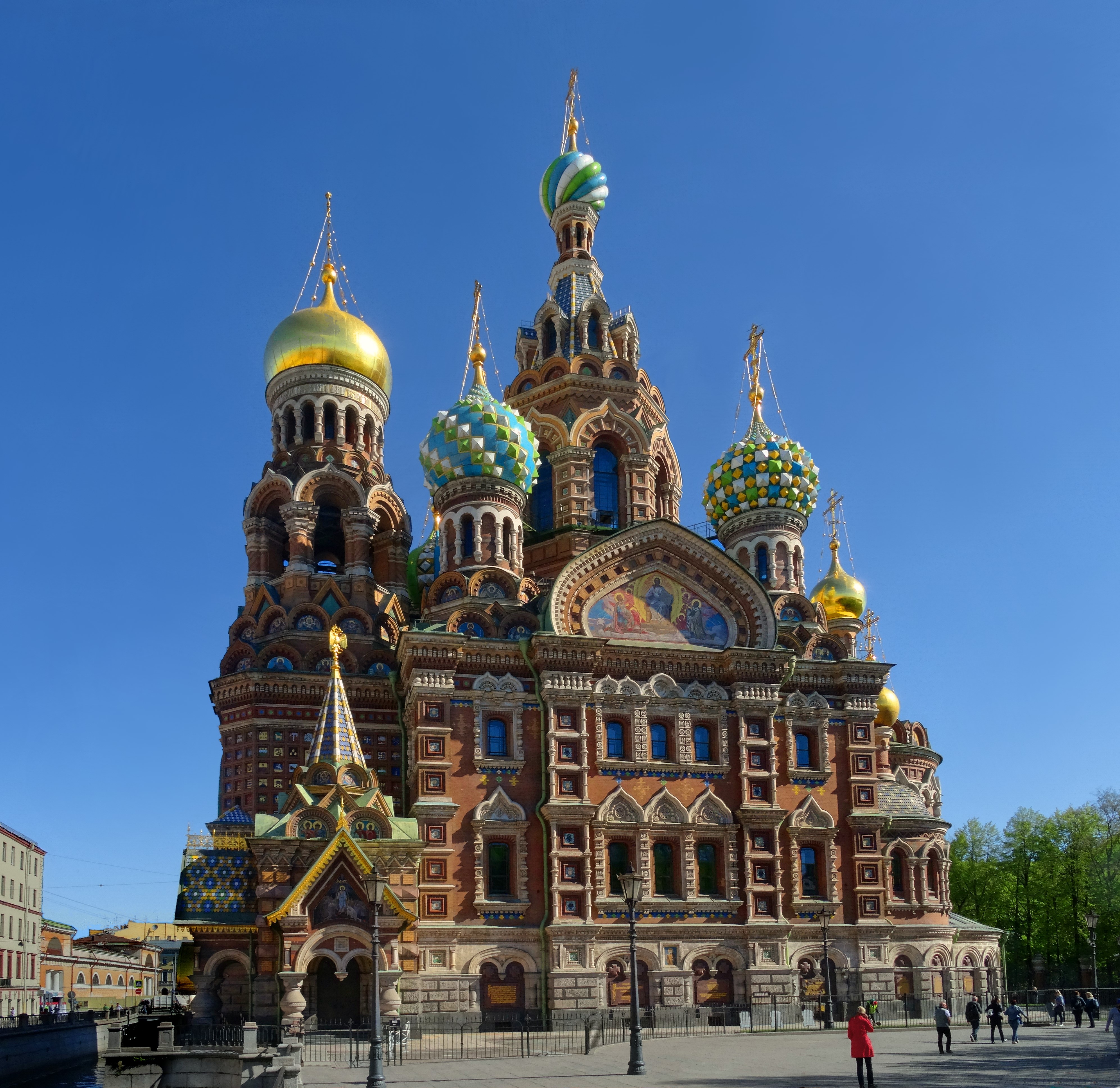
An image from Church of the Savior on Spilled Blood.
Μια εικόνα από Church of the Savior on Spilled Blood.
🌐 Show original
Л
Любовь Комарова
Thanks for the photo. You can clearly see how the brickwork on the walls is uneven, some rows stick out a little.
Р
Роман Богданов
Every mosaic detail on the dome is clearly visible. Thank you.
M
Marko Lukić
Thanks for the picture. You can clearly see those little domes with golden tops, each with a different pattern.
А
Алексей Петров
You can see how some of the roof tiles have darkened with time, especially closer to the edge. Thanks for the photo.
И
Ивана Николовскаtranslated
Aug 1
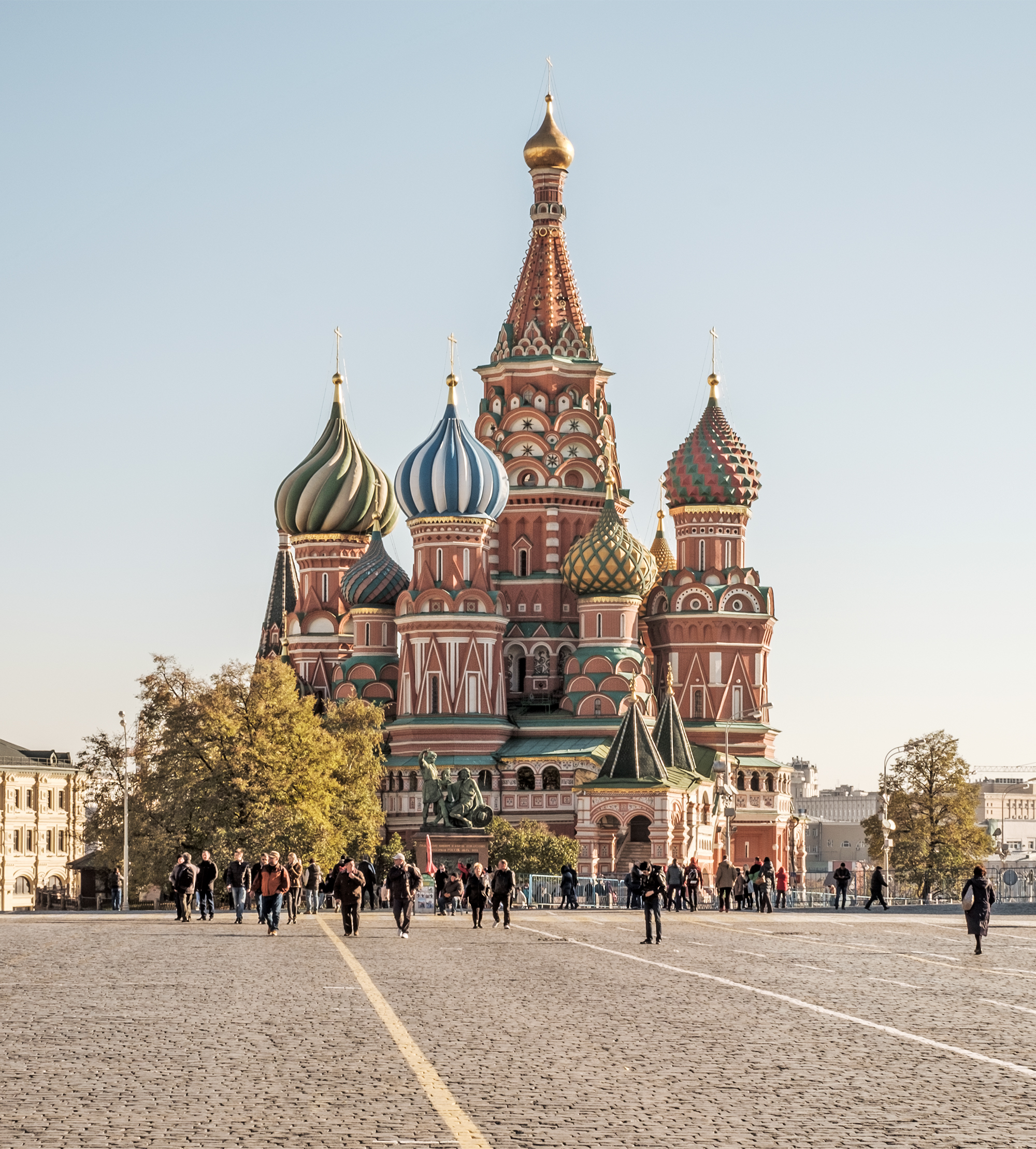
Even in the picture there is silence.
Даже на снимке слышна тишина.
🌐 Show original
Н
Николай Петков
The masonry of the apse is really strong, the stones are standing. Where exactly was this church shot and when did you catch it?
M
Margaret Adams
The stonework really has held up. Where exactly was this taken, and when?
ج
جويل خوري
Everyone talks about stones and buildings. I ask you, where exactly is this picture of him and at what time?
S
Sophie Moreau
The masonry is really strong, but I wonder how they manage heating in winter in such an old building.
С
Светлана Киселёваtranslated
Aug 1
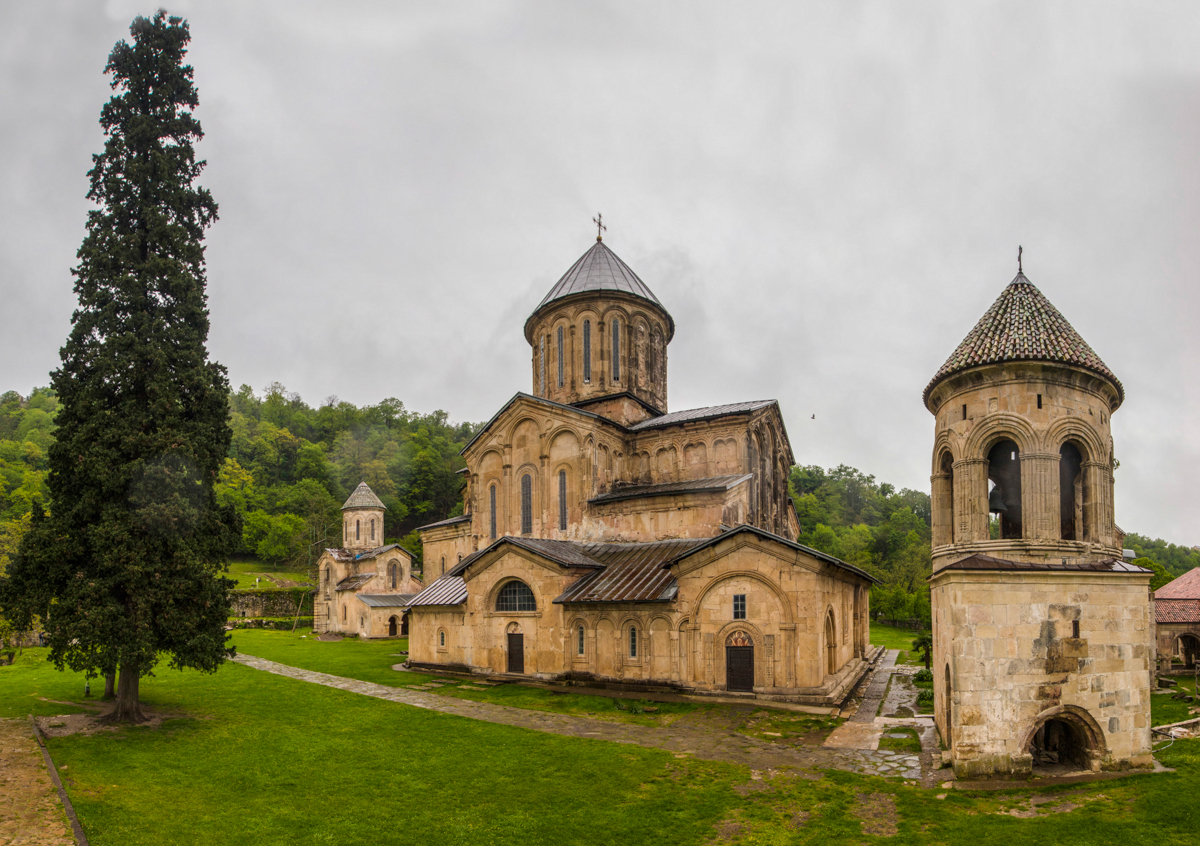
Lord, what a beauty...
Господи, красота-то какая…
🌐 Show original
С
Софья Смирнова
This light in the photo has such a calm depth, as if it itself invites you to stop and just stand. Thanks for sharing.
В
Вера Васильева
It turned out well, the light is truly soulful.
L
Lucía Romero
The play of light looks very natural, I like how it highlights the details without exaggerating.
The Bulgarian St. Sophia parish in Chicago is busy with preparations for the feast of the Unmade Image on August 16, including special services, icon processions, and a community meal after liturgy. At the same time, the Serbian Orthodox Church marked the memory of Saint Stefan the Despot as the baptismal glory of the Serbian Army with prayers and talks in several dioceses. The Romanian Orthodox Church noted Metropolitan Antonie’s observation of the 24th anniversary of the Metropolis of Bessarabia’s legal recognition, highlighting its steady growth in parishes and schools. Meanwhile, the Russian Church Abroad welcomed the Hawaiian myrrh-streaming icon to Bulgaria for veneration at several monasteries before it continues its travels.
These coordinated observances across distant dioceses show how local parishes and global jurisdictions keep the same calendar and saints alive in daily church life.
G
Gheorghe Popescutranslated
Aug 1
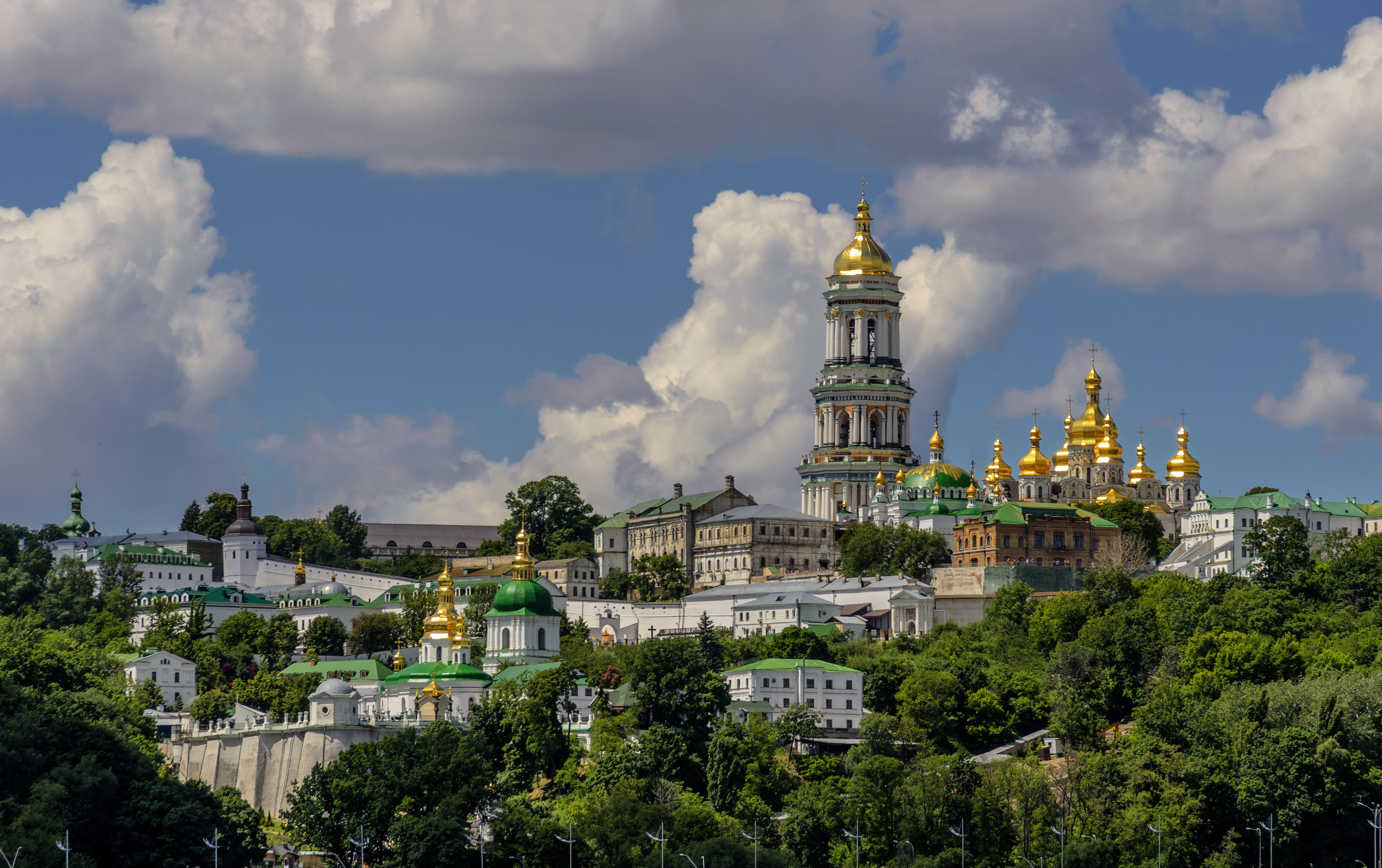
I look at the photo and my soul calms down. Kyiv Pechersk Lavra.
Privesc fotografia și mi se liniștește sufletul. Kiev Pechersk Lavra.
🌐 Show original
С
Сергій Шевченко
The stones there are really healthy, you can see how they were laid by hand. Thanks for the photo.
I
Ilie Ionescu
I look at those thick stone walls.
К
Ксения Соловьёва
The stones on the walls are really huge.
Т
Тамара Виноградова
The stones on the walls are really huge.
A
Administratortranslated
Aug 1
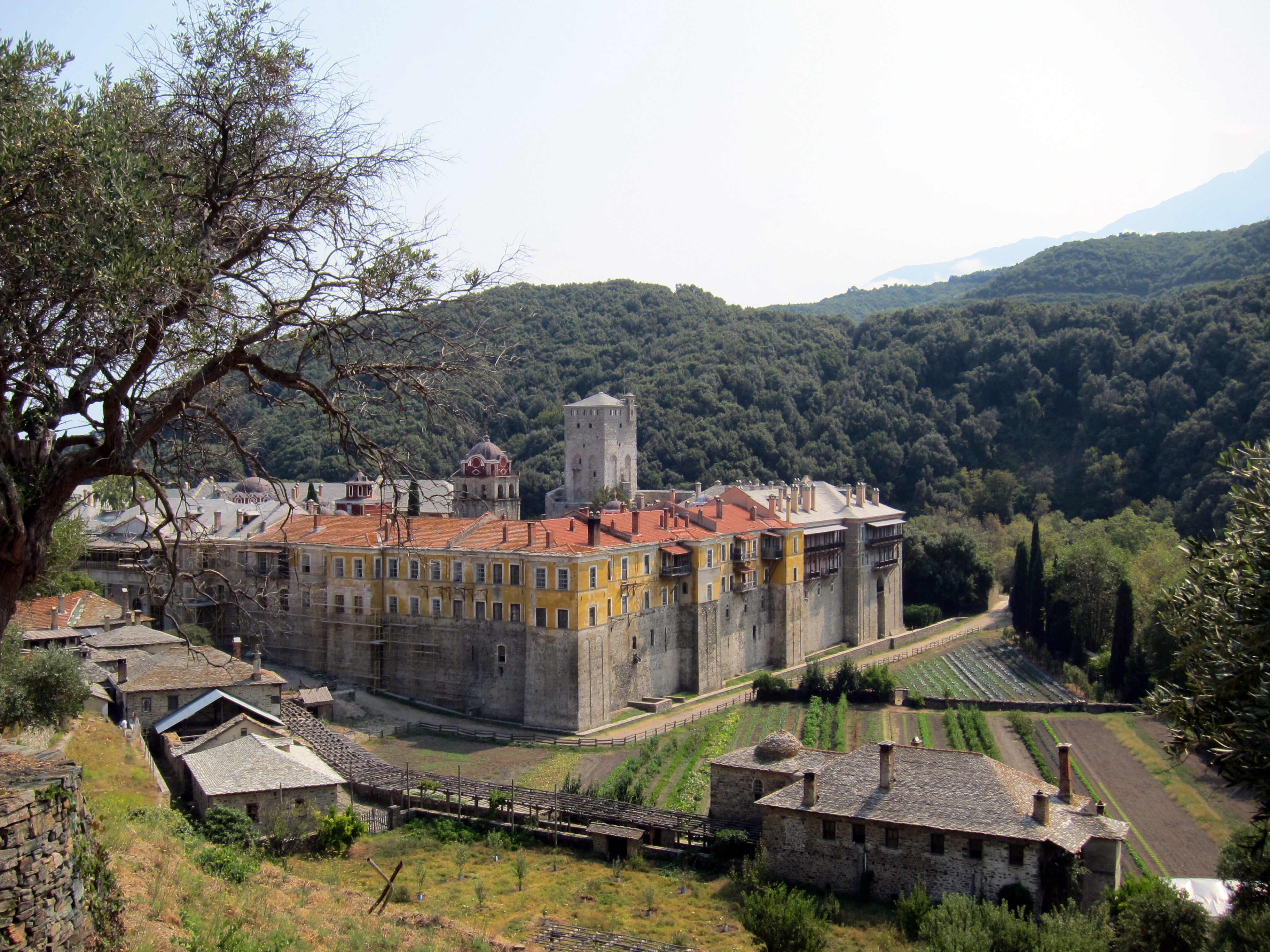
☦ Iveron Monastery on Athos - Athos, Greece
Iviron Monastery is an Eastern Orthodox monastery of the monastic community of Mount Athos in northern Greece. The monastery was founded by two Georgian monks, John the Iberian and John Tornike, between 980–983 AD. It is considered a historic Georgian monastery on Mount Athos and was traditionally inhabited by Georgian Orthodox monks for almost a millennium, until the mid-20th century.
Photo: CosmoSolomon · CC BY-SA 3.0
☦ Иверский монастырь на Афоне — Афон, Греция
Монастырь Ивирон — восточно-православный монастырь монашеской общины Афона на севере Греции. Монастырь был основан двумя грузинскими монахами, Иоанном Иверийцем и Иоанном Торнике, между 980–983 годами нашей эры. Он считается историческим грузинским монастырем на горе Афон и традиционно населен грузинскими православными монахами на протяжении почти тысячелетия, до середины 20 века.
Снимок: CosmoSolomon · CC BY-SA 3.0
🌐 Show original
D
David Turner
The stonework on those outer walls really stands out. When and where exactly did you take the photo?
A
Alexander Turner
The thick stone blocks on the outer walls still look perfectly fitted after a thousand years. Must have been backbreaking work hauling them up there in the 980s without modern equipment.
J
Ján Novák
The stone walls are really thick and you can see that they were laid back in the 10th century. One wonders how it all holds together after so many years without major repairs.
А
Анна Волкова
The Iviron Monastery is also famous for the fact that it houses the Iveron Icon of the Mother of God, which the Georgians brought in the 10th century. The stones on the walls really look like they were laid yesterday, amazing.
Γ
Γιάννης Νικολαΐδηςtranslated
Aug 1
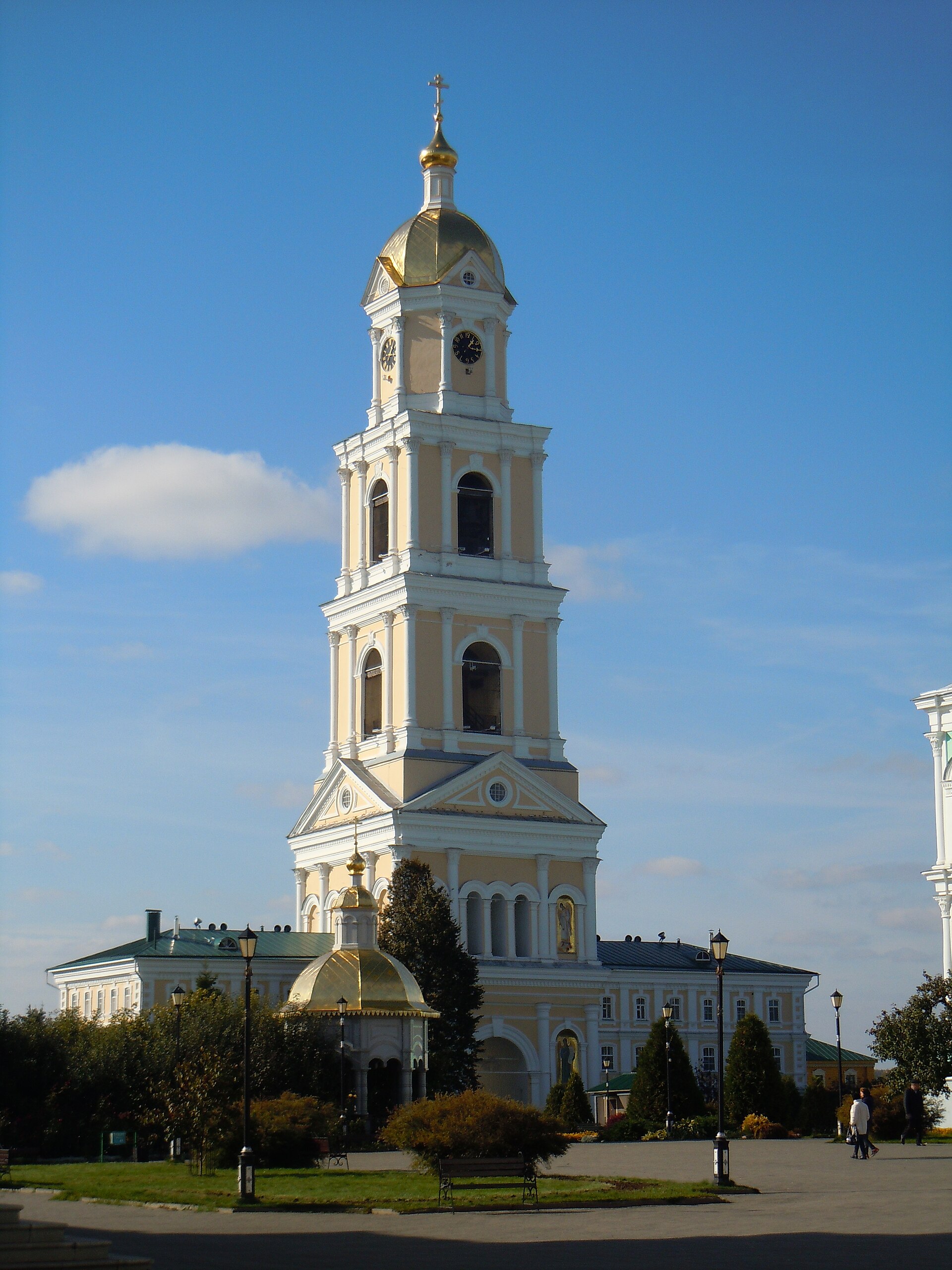
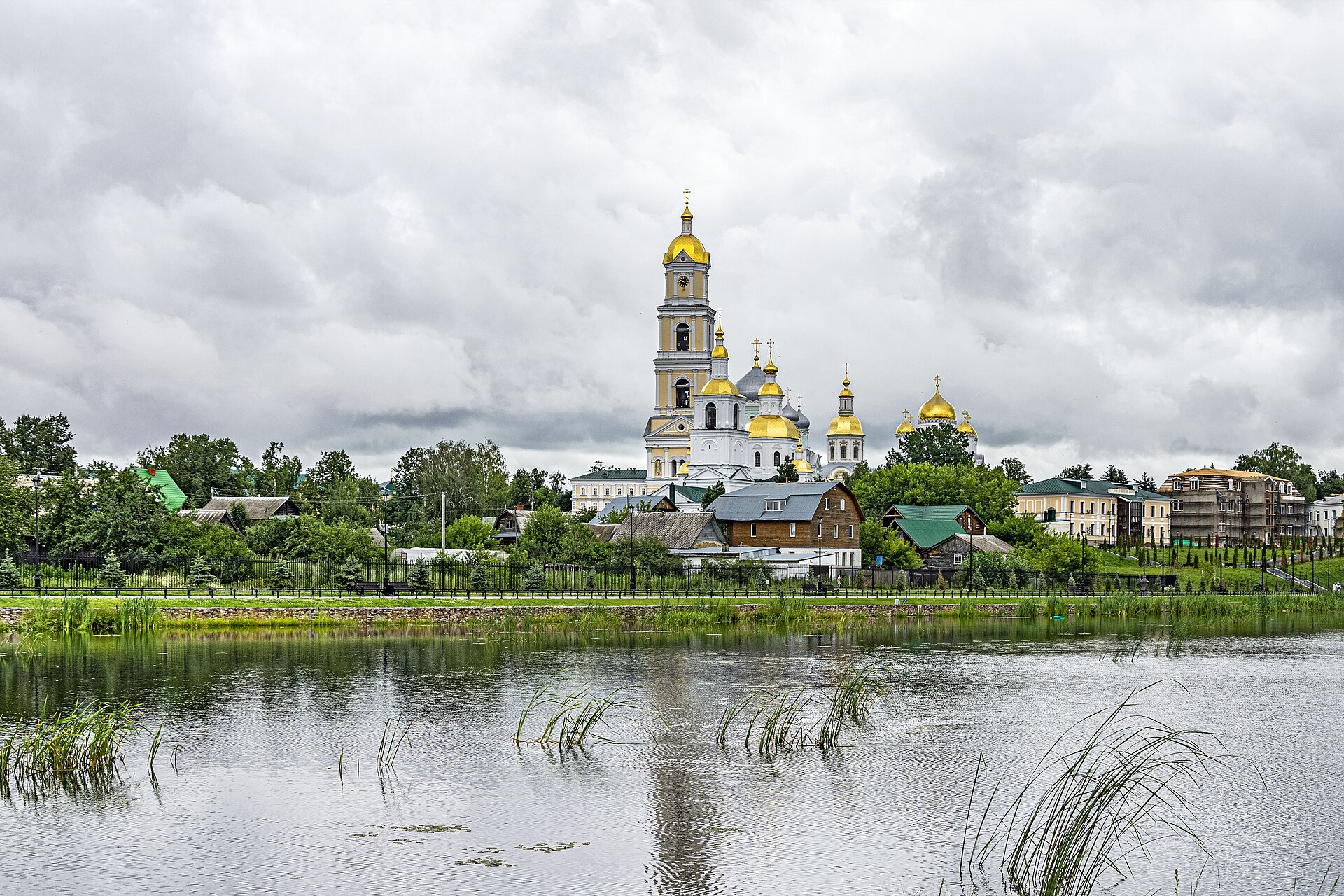
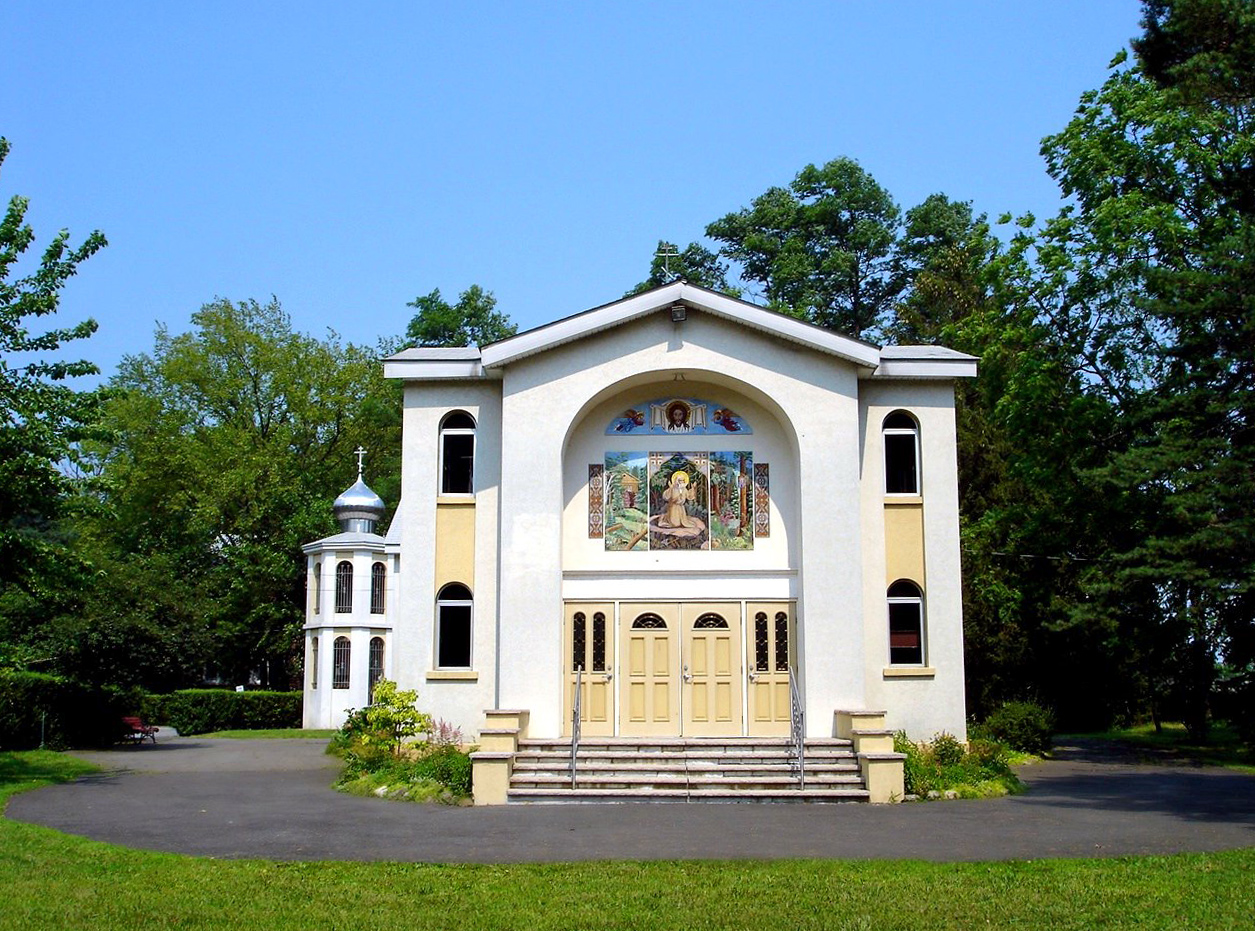
Someday I will go there too. Novo-Diveevo.
Κάποτε θα πάω κι εγώ εκεί. Ново-Дивеево.
🌐 Show original
И
Иванка Иванова
I can see how the bricks on the wall below are slightly bleached by the sun. I wonder if their honey is ready for sale right now.
A
Anna Moore
The brickwork on the lower wall looks a bit worn where the sun hits it straight on. I wonder if the honey is ready to buy right now.
Е
Елена Семёнова
In their monastery, can you just come and stay for the service or do you have to call in advance and make arrangements?
С
Сергій Лисенко
The bees are really kept there.
A
Administratortranslated
Aug 1
☦ St. Mark's Basilica - Venice
Patriarchal Cathedral Basilica of St. Mark (Italian: Basilica Cattedrale Patriarcale di San Marco), commonly known as St. Mark's Basilica (Italian: Basilica di San Marco; Venetian: Baxéłega de San Marco), is the cathedral church of the Venetian Patriarchate; it became the episcopal seat of the Patriarch of Venice in 1807, replacing the earlier cathedral of San Pietro di Castello.
Photo: Zairon Public domain
☦ Собор Святого Марка — Венеция
Патриарший собор Базилика Святого Марка (итал. Basilica Cattedrale Patriarcale di San Marco), широко известный как Базилика Святого Марка (итал. Basilica di San Marco; венецианский: Baxéłega de San Marco), является соборной церковью Венецианского Патриархата; он стал епископской резиденцией Патриарха Венеции в 1807 году, заменив более ранний собор Сан-Пьетро-ди-Кастелло.
Снимок: Zairon · Public domain
🌐 Show original
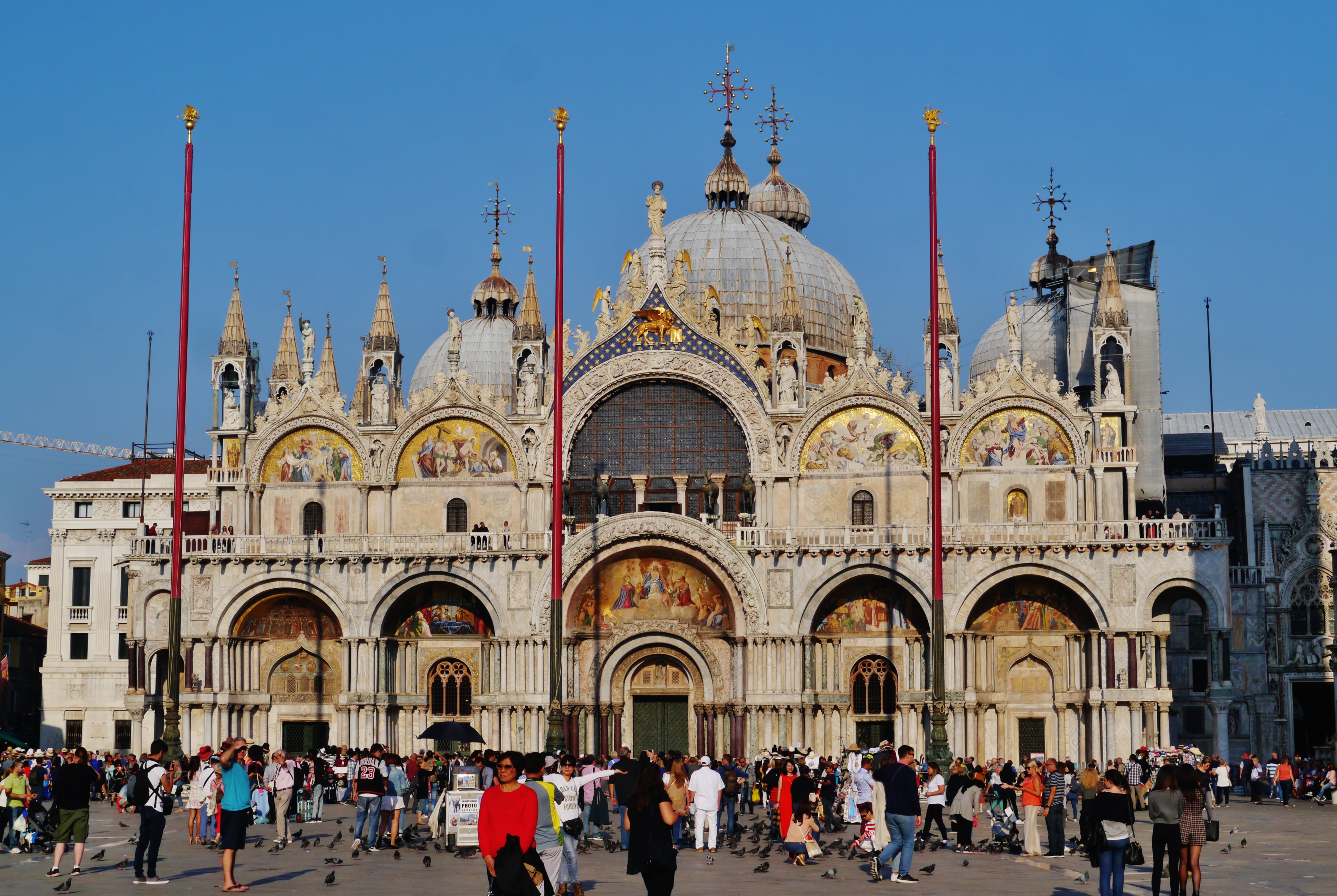
Г
Георги Петров
Nice picture. I wish I could see her live someday. When exactly did you do it?
П
Павел Петров
Thanks for the photo. I would like to see these mosaics with my own eyes someday. What time of year is best to go without crowds?
K
Katarína Nováková
Thanks for the photo. Mosaics look even bigger live.
Е
Екатерина Андреева
Thanks for the photo. Where exactly did you film it, inside the cathedral or outside?
A
Administratortranslated
Aug 1
☦ Monastery of St. Catherine in Sinai - Sinai, Egypt
The Monastery of Saint Catherine, officially the Holy Autonomous Royal Monastery of Saint Catherine of Mount Sinai, is a Christian monastery located on the Sinai Peninsula in Egypt. Situated at the foot of Mount Sinai, it was built between 548 and 565 and is the world's oldest continuously inhabited Christian monastery.
Photo: Berthold Werner · CC BY-SA 3.0
☦ Монастырь святой Екатерины на Синае — Синай, Египет
Монастырь Святой Екатерины, официально Священный автономный царский монастырь Святой Екатерины Святой и Богопотопной горы Синай, — христианский монастырь, расположенный на Синайском полуострове в Египте. Расположенный у подножия горы Синай, он был построен между 548 и 565 годами и является старейшим в мире постоянно обитаемым христианским монастырем.
Снимок: Berthold Werner · CC BY-SA 3.0
🌐 Show original
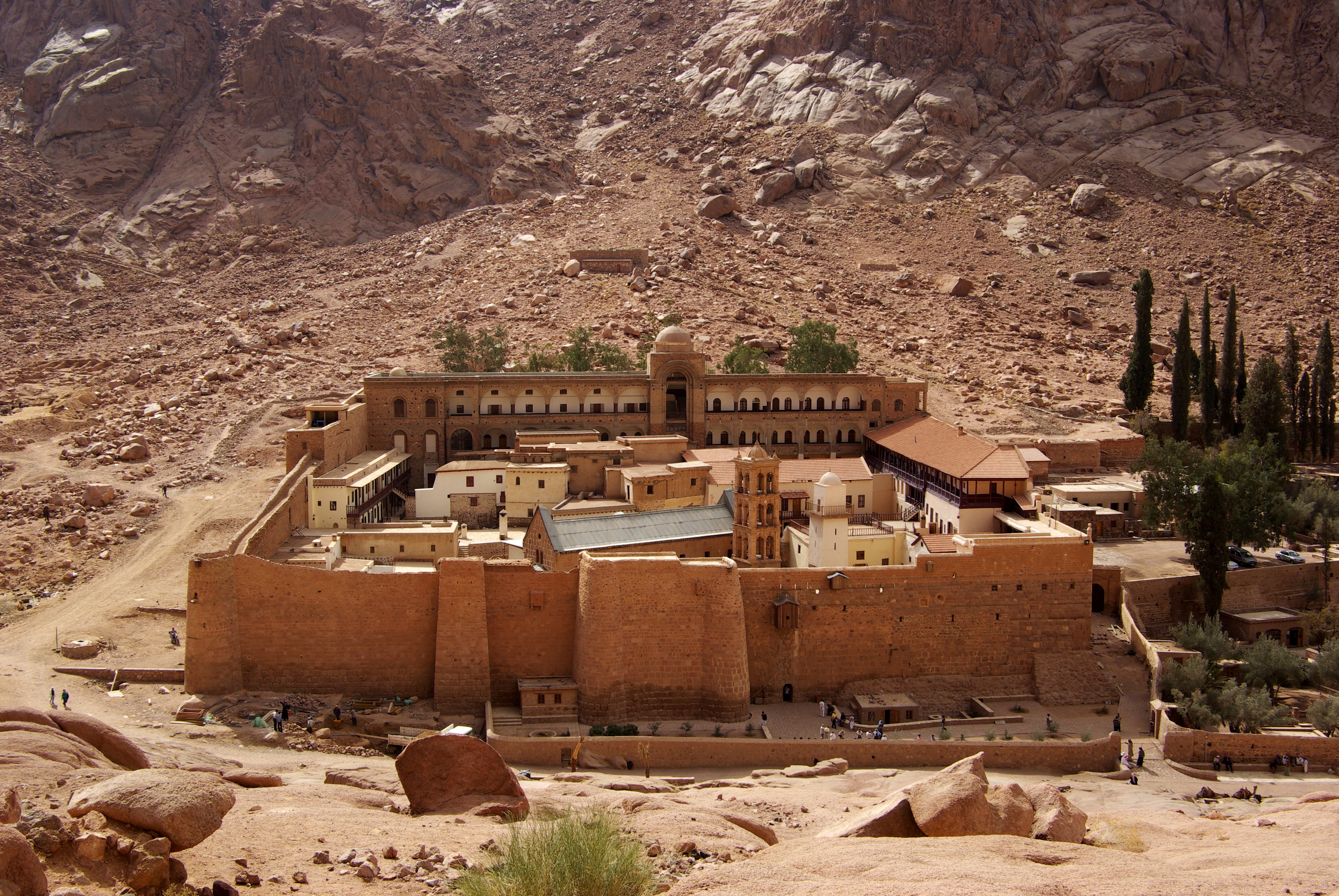
M
Marija Ristić
I stared at that wall of large stones on the left, just as Krzysztof wrote, each stone different but standing firm since Justinian's time.
M
Milica Živković
I was looking at those large stones on the left wall, each carved differently, and standing so firmly since the sixth century. It is no wonder that the entire monastery lasted so long.
C
Cristina Ionescu
I looked at that little stone gate on the right. Do you happen to know what time the services start in the morning and if anyone can enter or do you have to ask permission in advance?
S
Sophia Campbell
The stones on the left wall really stand out, each one cut different but locked in tight. Id like to see that place in person one day.
E
Aug 1
Found this photo again — what a place. Ватопед.
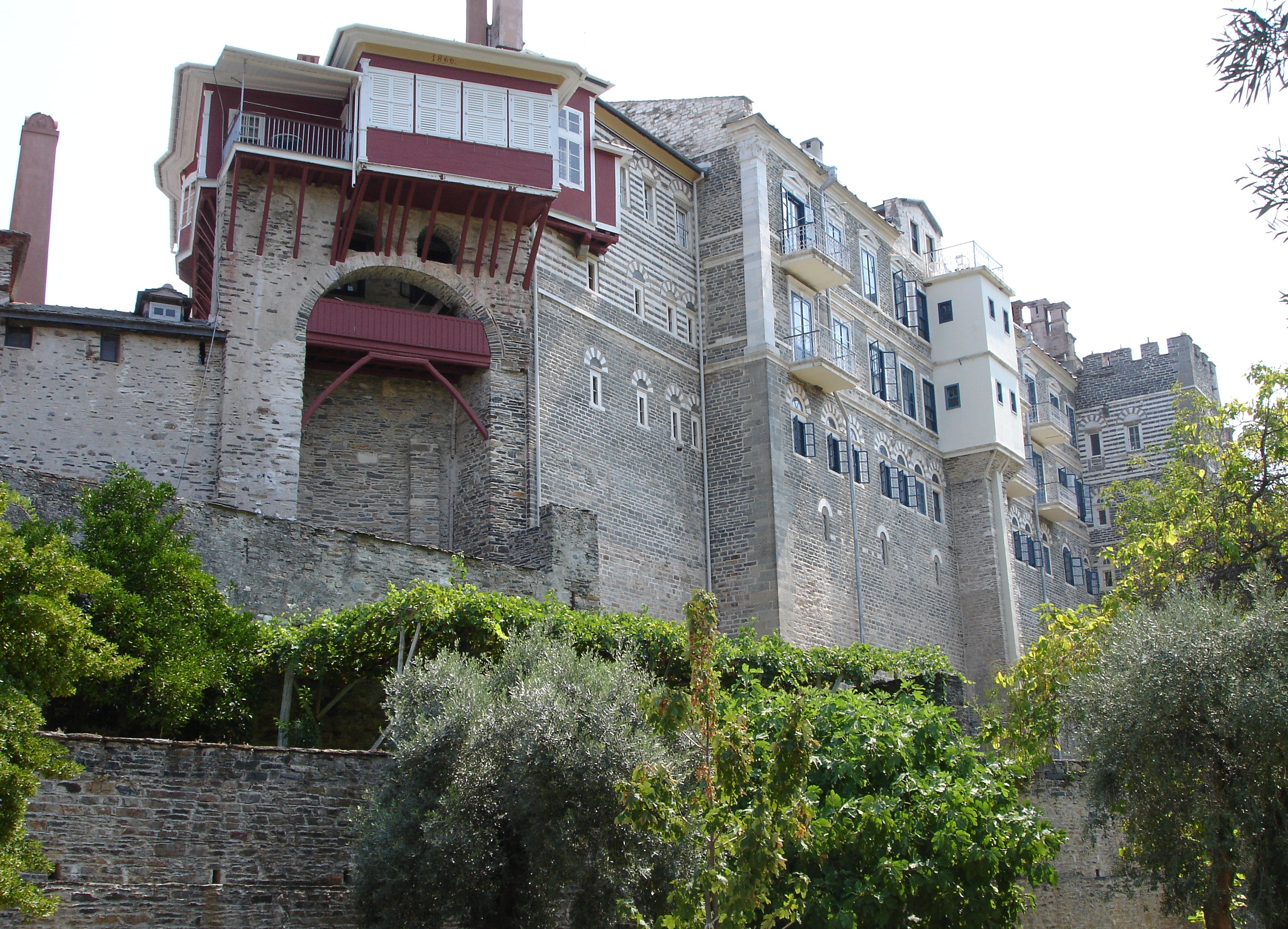
B
Basil Young
The stonework on those steps really stands out. When exactly did you take the photo?
N
Nikola Todorović
That stone on the steps looks like no one has moved it since it was installed. When did you take the picture?
V
Viorica Lungu
I look at those massive steps on the left and they really do look like they've been there for ages. When do you say you took the picture?
В
Валентина Соловьёва
Thanks for the photo. Those massive steps on the left in the photo are rooted straight into the ground, I wonder how much they weigh. What year were you there?
A
Administratortranslated
Aug 1
☦ Church of the Holy Sepulcher - Jerusalem
The Church of the Holy Sepulcher, also known as the Church of the Resurrection, is a fourth-century church in the Christian Quarter of the Old City of Jerusalem. The church is simultaneously the seat of the Armenian Patriarchate of Jerusalem, the Greek Orthodox Patriarchate of Jerusalem and the Catholic Latin Patriarchate of Jerusalem.
Photo: Gerd Eichmann · CC BY-SA 4.0
☦ Храм Гроба Господня — Иерусалим
Церковь Гроба Господня, также известная как Церковь Воскресения, — это церковь четвертого века в христианском квартале Старого города Иерусалима. Церковь одновременно является резиденцией Армянского Патриархата Иерусалима, Греческого Православного Патриархата Иерусалима и Католического Латинского Патриархата Иерусалима.
Снимок: Gerd Eichmann · CC BY-SA 4.0
🌐 Show original
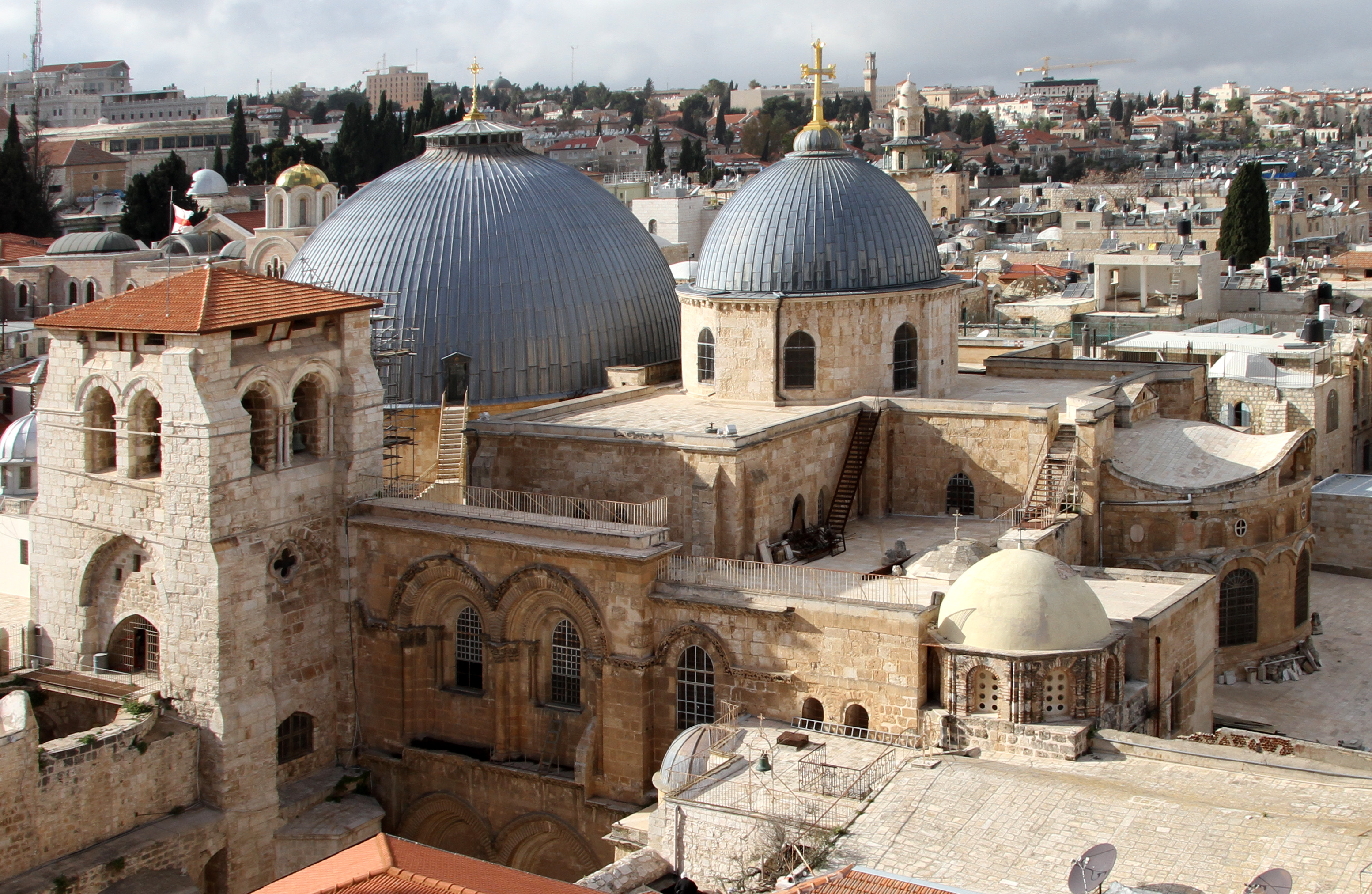
Д
Дарья Виноградова
Nice photo, especially those massive vaults above the altar. I have long wanted to see all this with my own eyes. Thank you.
S
Spiro Kristo
I wanted to see it myself one day up close. Thanks for the picture.
C
Christopher Wilson
The thick stone blocks in the lower wall look hand-cut and uneven, like they were fitted without much mortar. Thanks for the photo.
S
Serge Martin
Yes, those big blocks of stone at the bottom of the wall look really hand-hewn and ill-fitting. Thanks for the photo.
A
Administratortranslated
Aug 1
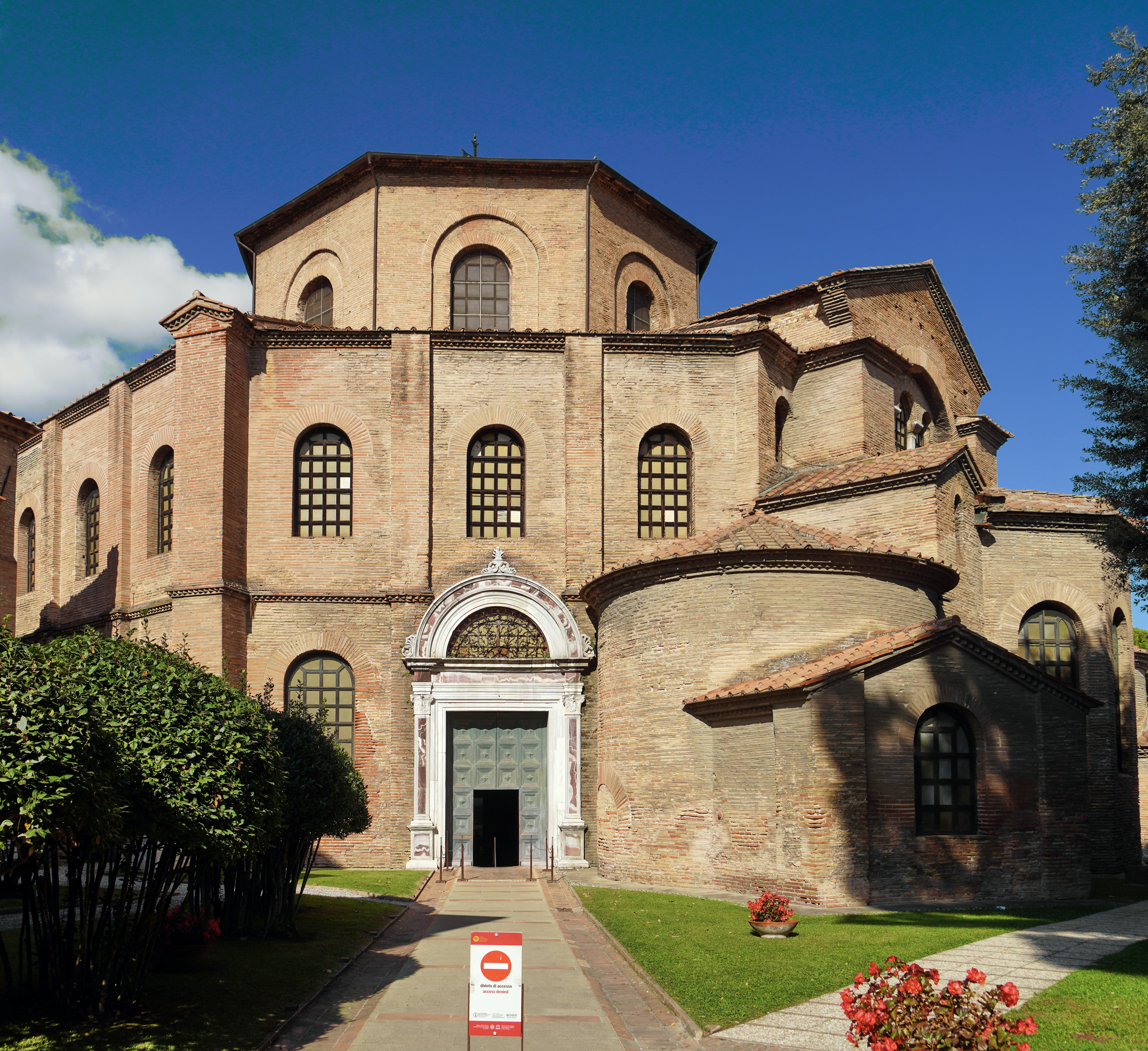
☦ Ravenna, San Vitale - Ravenna
The Basilica of San Vitale is a late antique church in Ravenna, Italy. The sixth-century church is an important surviving example of early Byzantine art and architecture, and its mosaics in particular are among the best-studied works of Byzantine art. It is one of the eight buildings in Ravenna inscribed on the UNESCO World Heritage List.
Photo: Commonists · CC BY-SA 4.0
☦ Равенна, Сан-Витале — Равенна
Базилика Сан-Витале — позднеантичная церковь в Равенне, Италия. Церковь шестого века является важным сохранившимся примером раннего византийского искусства и архитектуры, а ее мозаики, в частности, являются одними из наиболее изученных произведений византийского искусства. Это одно из восьми сооружений Равенны, внесенных в Список всемирного наследия ЮНЕСКО.
Снимок: Commonists · CC BY-SA 4.0
🌐 Show original
Д
Даниела Христова
The mosaics are fine, but these brick arches in the altar impress me the most - so precisely arranged that even after 1500 years nothing has shifted.
R
Rebecca Davis
The brickwork in those arches really is something. Did you take the photo on a recent trip or was it from a few years back?
О
Олег Бондаренко
I liked those mosaics with Justinian, the faces are very alive, as if they were painted yesterday.
M
Matthew Young
Those Justinian mosaics still look sharp.
E
Aug 1
One day I will make it there.
A
Anna Wilson
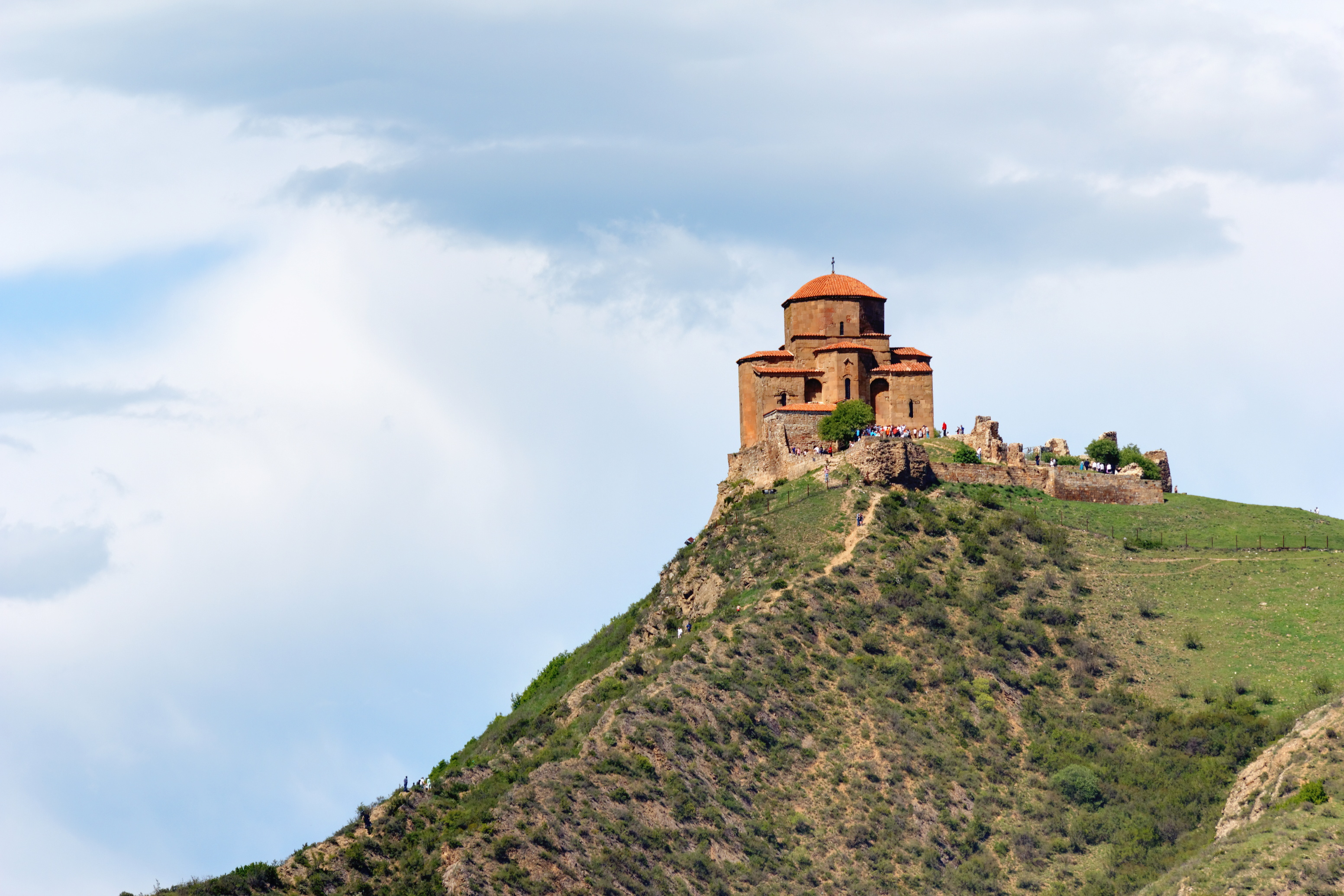
The stonework does look solid like Irene and Samuel said. Those tight joints probably keep the whole thing standing through Pittsburgh winters too.
В
Василий Комаров
Interesting walls, really solidly built. When is there usually a service there and is it possible to just go and have a look?
A
Agnieszka Kaczmarek
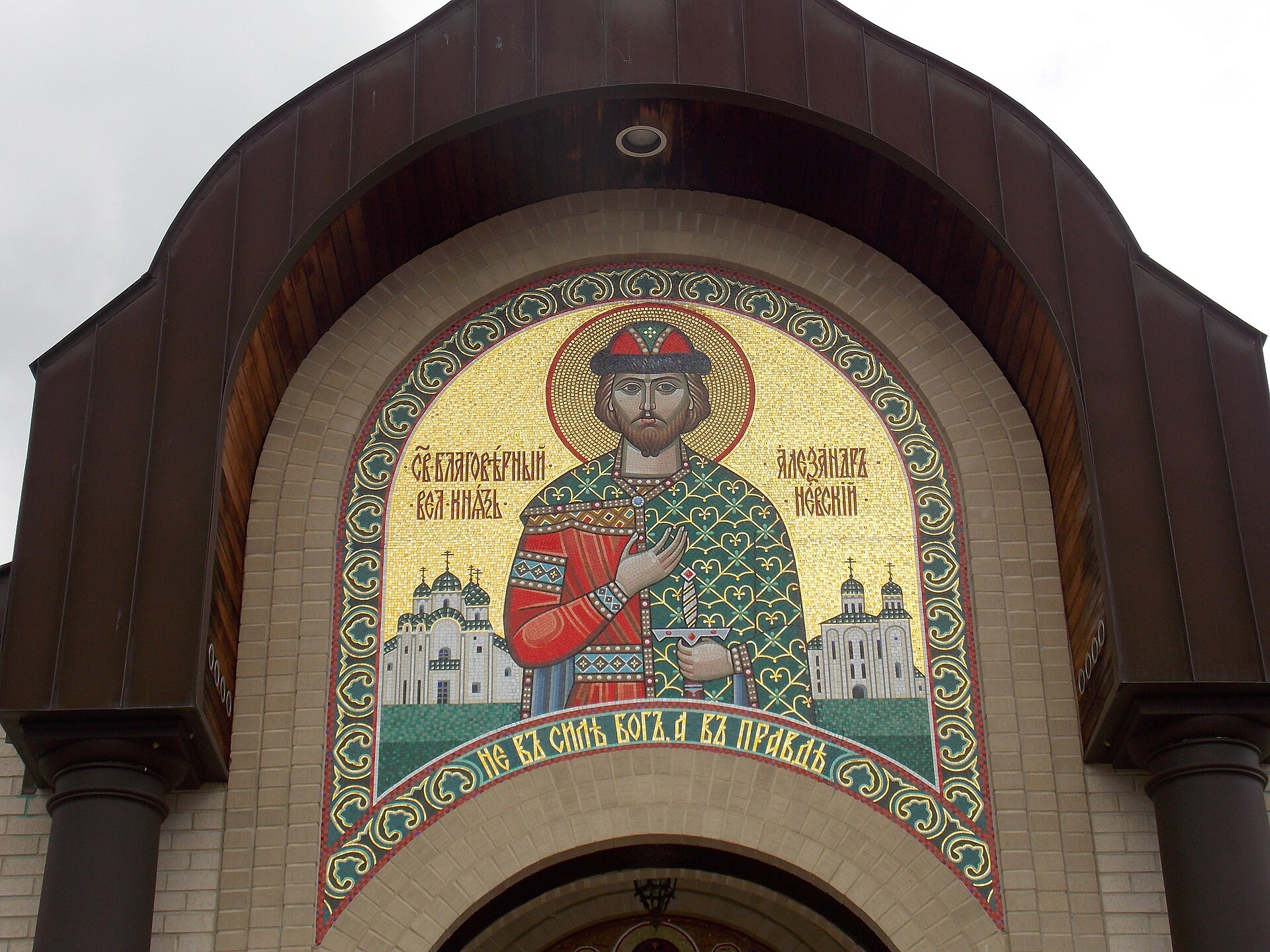
The church is dedicated to St. Alexander Nevsky, so services are rather according to the Julian calendar. How about the possibility of entering during the week outside the liturgy?
E
Elizabeth Wright
The stonework looks properly solid. Does anyone know what time they usually open the doors on a weekday?
A
Administratortranslated
Aug 1
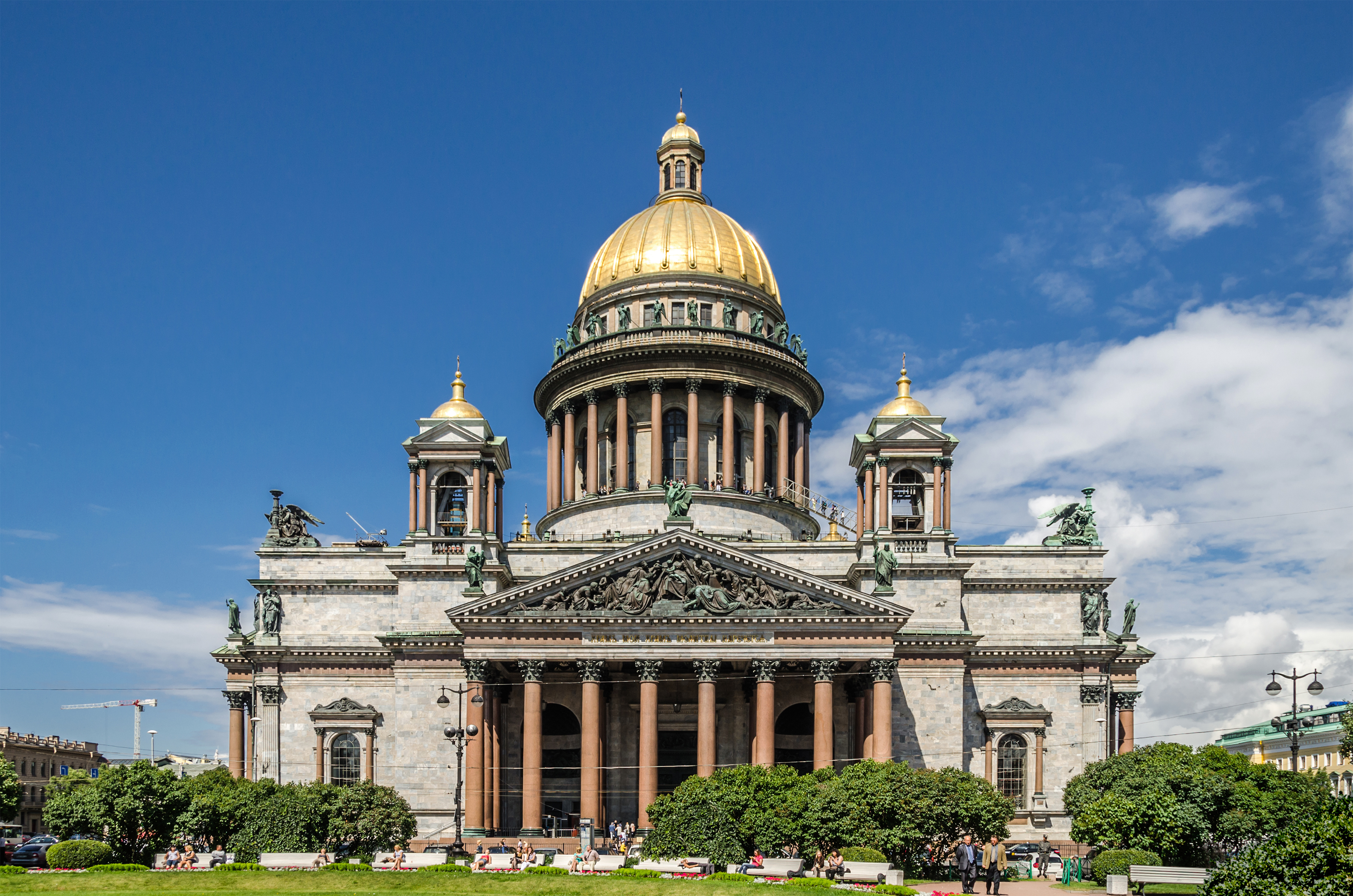
☦ St. Isaac's Cathedral - St. Petersburg
St. Isaac's Cathedral is a large architectural monument that currently functions as a museum where church services are held from time to time in St. Petersburg, Russia. It is dedicated to Saint Isaac of Dalmatia, the patron saint of Peter the Great, who was born on the day of memory of this saint.
Photo: Florstein (Telegram:WikiPhoto.Space) · CC BY-SA 4.0
☦ Исаакиевский собор — Санкт-Петербург
Исаакиевский собор — крупный архитектурный памятник, который в настоящее время функционирует как музей, где время от времени проводятся церковные службы в Санкт-Петербурге, Россия. Он посвящен святому Исааку Далматскому, покровителю Петра Великого, родившемуся в день памяти этого святого.
Снимок: Florstein (Telegram:WikiPhoto.Space) · CC BY-SA 4.0
🌐 Show original
ي
يوسف صايغ
The bricks on the facade are really strong and thick. The church is named after Saint Isaac of Dalmatia and his feast is celebrated on May 30.
Т
Теодора Василева
How often is it served in it now, does anyone know? Are there certain days or only on holidays?
T
Thomas Wright
Ive always wanted to see the brickwork up close like that. Does anyone know how often they hold services there now?
J
Jovan Savić
St. Isaac's Cathedral is only served on holidays and on May 30 for St. Isaac, otherwise it is mostly a museum.
ROCOR observed the First Finding of the Relics of St. Seraphim of Sarov with an all-night vigil at its parishes while the European Church Music School wrapped up another full academic year. In the same week the Bulgarian Orthodox Church welcomed the Hawaiian myrrh-streaming icon of the Theotokos, with Patriarch Daniil calling it a genuine blessing for the faithful there. The Romanian Orthodox Church saw Metropolitan Antonie finish his archdiocesan visits in the Hîncești district, meeting clergy and local officials, and the Orthodox Church in America gathered for the 99th Fellowship of Orthodox Christians convention in Cleveland.
These quiet markers of feast days, school rhythms, and traveling icons keep daily church life steady across continents. May the intercession of St. Seraphim strengthen every parish named this week.
S
Aug 1
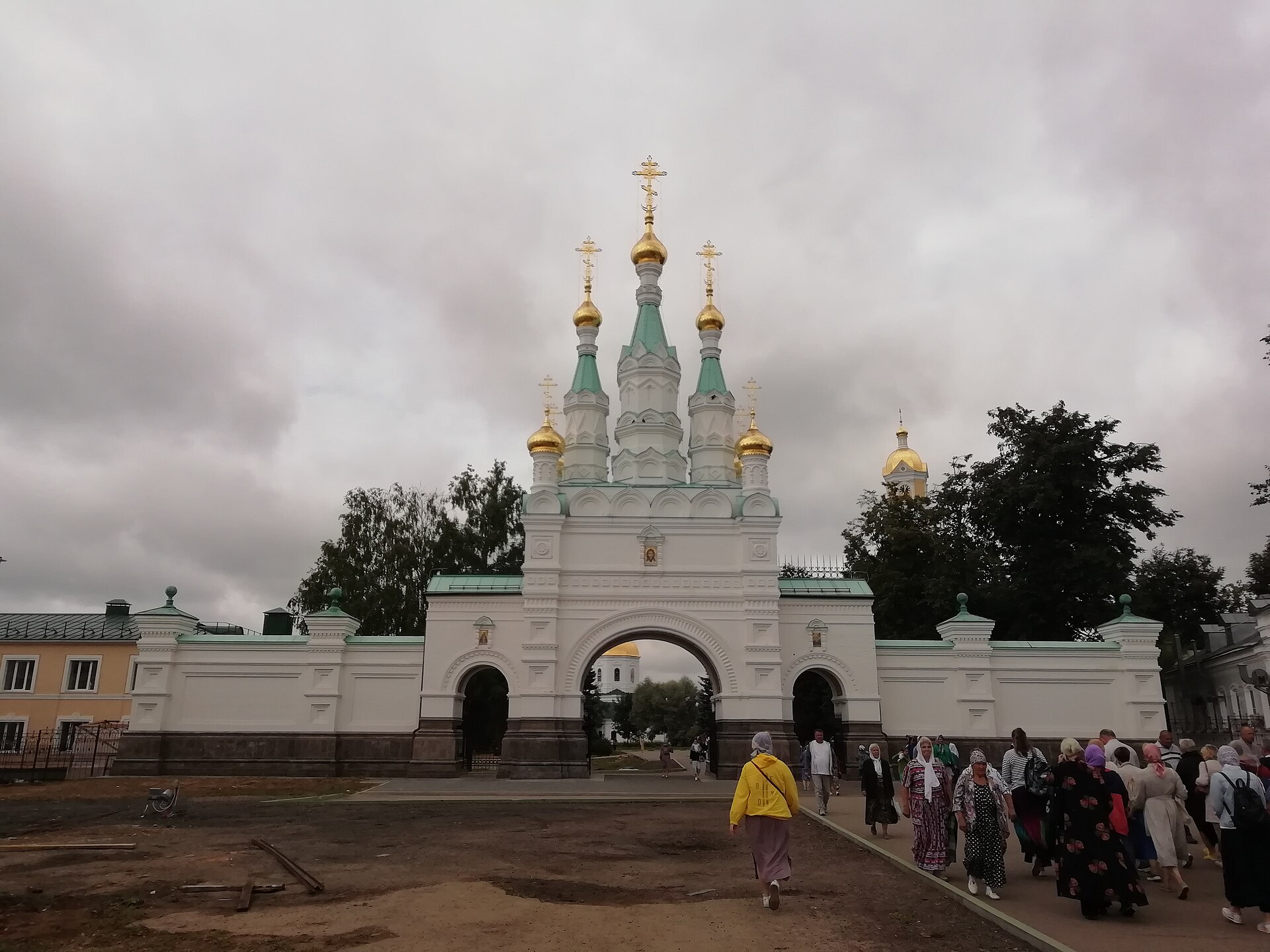
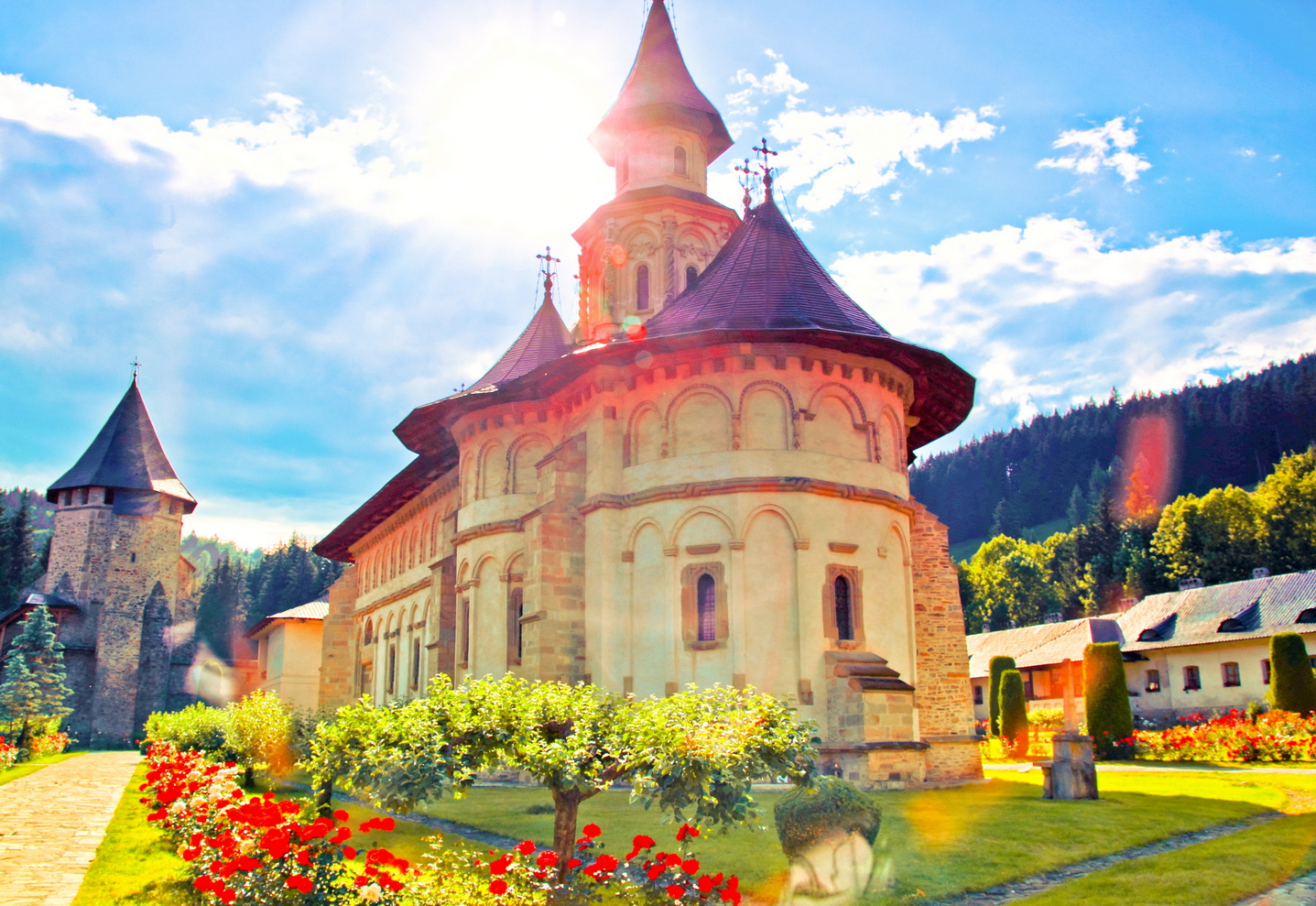
The stones themselves seem to pray here.
Ნ
ნინო კაპანაძე
The stones of the wall are arranged very unevenly, and the roof is completely covered with green moss.
S
Samuel Collins
The rough stone blocks look like they were cut by hand with basic tools, and the thick mortar lines have weathered unevenly over the centuries.
Н
Надежда Киселёва
The stones are really roughly hewn, the mortar between them is already crumbling, but it holds. The service is at 8, as Dmitry wrote, usually without delay.
X
Xenia Walker
The stone blocks look hand-cut and the mortar is starting to crumble in spots. Service at 8 on Sundays works for me.
Н
Наталія Марченкоtranslated
Aug 1
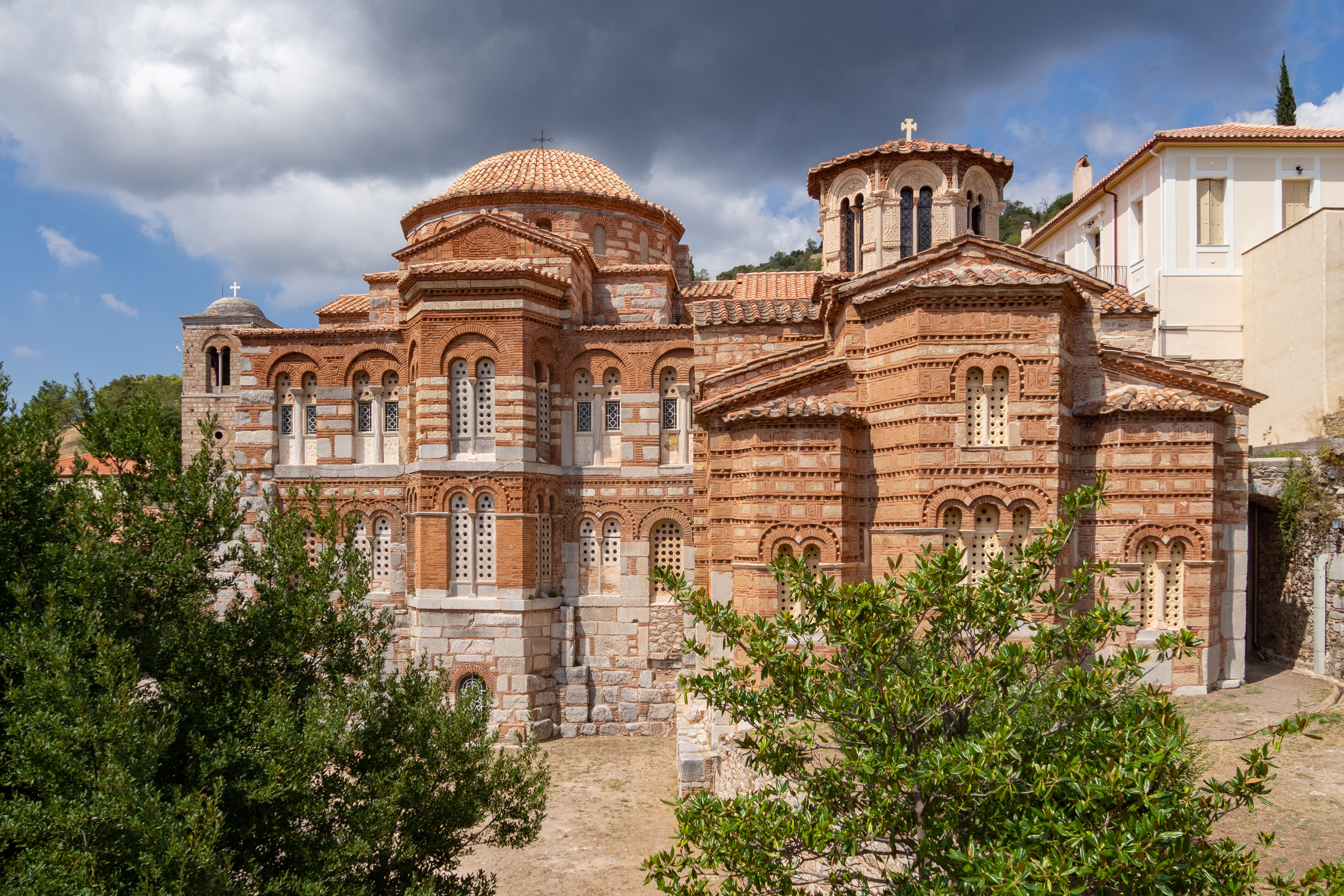
What a beauty - Hosios Lukas!
Какая красота — Осиос Лукас!
🌐 Show original
M
Mark Hall
The stonework on that 11th-century dome is still holding up perfectly after all these years.
V
Veronika Dvořáková
The stone work on the dome is beautiful, you can see every joint. When exactly did you take this photo?
Т
Тодор Кирилов
The dome is really clear. When did you shoot it?
I
Irene Collins
The stonework really stands out in that shot. What time of day did you take it?
The Orthodox Church in America has released a new Akathist to St. Olga of Alaska, published through its Romanian Episcopate. The text honors the first Orthodox saint of Alaska and is already being shared in parishes for private and communal prayer.
In Romania, Archbishop Atanasie reminded the faithful that the Dormition Fast is a time to return to the altar of the heart, while students from the country brought home three bronze medals at the International Economics Olympiad. The Serbian Orthodox Church continues to draw attention to medieval monuments now at risk from neglect and development. Meanwhile, the Ecumenical Patriarchate marked the start of the Dormition Fast on August 1 with new calendar readings and services.
Across the Atlantic, bishops in California spoke against state moves that restrict abortion pill reversal, calling the practice a matter of basic medical ethics. The Bulgarian Holy Synod took the unusual step of distancing itself from Archimandrite Nikanor and asking priests who opposed him to clarify their stance.
These developments show quiet work.
The Dormition Fast began on August 1 across the Greek Orthodox Patriarchate of Antioch and the Romanian Orthodox Church, with both calling the faithful to deeper prayer and inner stillness. In Romania, Archbishop Atanasie urged rediscovering the altar of the heart during these two weeks, while Metropolitan Iosif marked his name day amid local celebrations. Antioch remembered the repose of Dn. Barsoum Barsoum with traditional prayers for the departed.
At the same time, the Bulgarian Orthodox Church opened its own two-week Lent on the feast of the Maccabees, placing the Hawaiian myrrh-streaming icon of the Theotokos in Sofia’s Cathedral of Holy Sunday for veneration. The Serbian Orthodox Church observed the feast of Saint Stephen the Despot in Belgrade and honored Saint Martyr Marina in Bresnica.
Elsewhere, the Orthodox Church in America wrapped up its 99th Fellowship convention in Cleveland, and the Russian Church Abroad noted the first finding of St. Seraphim of Sarov’s relics on the shared calendar date.
How is the Dormition Fast starting in your own parish this year?