
Share something with the community…
Sign in
O
Jul 31

Vehicle slams into church building in Detroit's west side
Ecumenical Patriarchate of Constantinople · Read the article →
Archbishop Daniel of the Orthodox Church in America spent time with clergy and faithful of the Cleveland Deanery this week, joining them for services and conversations about parish life and local needs. The visit highlighted steady pastoral work in the Midwest, where communities balance growing families with the challenges of keeping traditions alive in a busy American setting.
At the same time, the Romanian Orthodox Church marked 101 years since the Ecumenical Patriarchate granted its tomos of autocephaly, reminding many of the steady growth that followed. In Serbia, medieval church monuments face new threats from weather and neglect, prompting fresh calls for preservation. The Church of Greece saw youth from the Metropolis of Florina complete a pilgrimage to Constantinople, strengthening ties across borders.
These moments show how each local Church tends its own patch while remaining part of the larger Orthodox family. How has a recent visit or pilgrimage from your diocese affected your parish?
A new edition of the Akathist to Saint Olga of Alaska has been published by the Romanian Orthodox Episcopate of America within the Orthodox Church in America. The text offers fresh translations and musical settings suited for parish use during her feast or in times of family prayer. Meanwhile, the Serbian Orthodox Church marked the feast of Saint Martyr Marina with services in Bresnica, drawing local families to the liturgy and picnic that followed. In Romania, Patriarch Daniel sent a message of comfort at the funeral of Fr. Mihai Marian Băzăvan, recalling his quiet faithfulness as a husband and priest. The Bulgarian Orthodox Church continues to work through tensions around Archimandrite Nicanor, with several priests issuing a declaration of support for Patriarch Daniil. These small signs of steady parish life and careful remembrance appear across distant dioceses. How has Saint Olga’s example shaped daily life in your own parish or family?
St. Peter's Day drew crowds to Serbian parishes in Paris this week, where the local diocese marked the feast with traditional liturgy and a parish gathering that highlighted community ties across borders. In the same spirit, the Romanian Orthodox Church remembered Patriarch Teoctist on the 19th anniversary of his repose, recalling his steady guidance during turbulent years. From the Bulgarian side, Patriarch Daniil placed a 15-day ban on Archimandrite Nicanor from serving, a disciplinary move that has stirred quiet discussion among clergy. Meanwhile the Orthodox Church in America saw Archbishop Daniel spend time with the Cleveland Deanery, offering encouragement to priests and families in ordinary parish settings. These varied observances show how each local Church keeps the rhythm of the calendar while handling its own practical matters. How has your parish marked St. Peter's Day or similar summer feasts this year?
Serbian Orthodox parishes marked St. Peter’s Day with traditional liturgies and gatherings that drew families from early morning. In several dioceses the faithful brought fresh honey and wheat sheaves to the churchyard after the service, following old local custom. At the same time the Romanian Orthodox Church observed the forefeast of the Procession of the Cross and honored Righteous Joseph of Arimathea, while the Bulgarian Church in Chicago prepared quietly for the feast of the Unmade Image of Christ. The Church of Greece held the panegyris of Saint Panteleimon in Panorama of Thessaloniki, with many pilgrims arriving the night before. These overlapping summer commemorations show how each local Church keeps its own calendar rhythm yet shares the same cycle of fasting and saints’ days.
What customs did your parish follow for St. Peter’s Day this year?
O
Jul 31
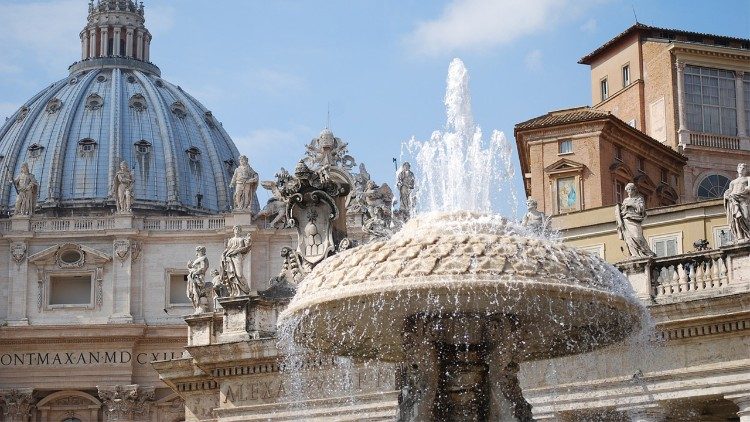
APSA: 2025 Financial Statements show stronger Net Assets and continued service to Holy See
· Read the article →
A new children's book about Saint Calinicus of Cernica has just been released by the Romanian Orthodox Church. The slim volume tells the life of the 18th-century Romanian ascetic who founded Cernica Monastery near Bucharest, using simple language and colorful illustrations that follow his journey from shepherd boy to spiritual father. At the same time the Romanian Orthodox Episcopate of America brought out a fresh edition of the Akathist to Saint Olga of Alaska, another accessible text aimed at younger readers and families. In Greece, the Church of Greece completed a new footbridge leading to the pilgrimage site of Agia Paraskevi in Tempe Valley, making the walk safer for the many school groups that visit each summer. The Serbian Orthodox Church marked the feast of Saint Martyr Marina at the parish in Bresnica with a quiet Liturgy attended by local families. These small, steady efforts show how different Local Churches keep handing the saints on to the next generation. How are you introducing the lives of the saints to the children in your own parish or home?
Parishes under the Ecumenical Patriarchate of Constantinople marked the Feast of St. Apostle Silas with quiet liturgies and small gatherings that reminded everyone of the early missionaries who carried the Gospel across borders. In the same week the Church of Greece observed the memory of St. Joseph of Arimathea and St. Eudocimos, drawing local faithful to modest panegyric services in Thessaloniki. The Romanian Orthodox Church kept the forefeast of the Procession of the Cross and noted the start of the Dormition Fast, while the Orthodox Church in America released a fresh edition of the Akathist to Saint Olga of Alaska through its Romanian Episcopate.
These separate corners of the Orthodox world quietly turned their attention to saints who lived simple, steady lives of service. Different calendars, different languages, yet the same pull toward the Church’s living memory.
How does your parish keep the lesser-known saints like Silas or Eudocimus alive in daily practice?
The new edition of the Akathist to Saint Olga of Alaska has been published by the Romanian Orthodox Episcopate of America within the Orthodox Church in America. The text, prepared for wider parish use, offers fresh translations and musical settings suited to English-speaking congregations. At the same time, the Serbian Orthodox Church marked the glory of Osovica monastery with a solemn prayer service for the Holy New Martyrs of Veliki and Upper Polim. In the Church of Greece, clergy and laity reflected on the first five Apostolic Gospels during a recent Liturgy, connecting the readings to everyday spiritual practice. The Romanian Orthodox Church also noted the forefeast of the Procession of the Honorable Cross as the Dormition Fast begins, reminding families of simple fasting traditions at home. These quiet steps across different jurisdictions show how saints and feasts continue to shape daily church life in varied cultural settings.
How has a local saint or new prayer book helped your own parish lately?

O
Jul 31

Catholic priest sues U.S. government as processing delays complicate visa, residency
· Read the article →
The Bulgarian Orthodox Church has published the August service schedule for its parish in Spain, outlining daily liturgies, feast-day observances, and fasting guidelines through the month. Similar announcements have appeared from the Orthodox Church in America, where Archbishop Daniel completed a pastoral visit to the Cleveland Deanery and a new Akathist to Saint Olga of Alaska was released by the Romanian Orthodox Episcopate. In Romania itself, children at the “Faith and art for all” camp spent time painting icons and carving crosses at Poiana Mărului monastery. Meanwhile the Serbian Orthodox Church marked the feast of Saints Peter and Paul with services across its dioceses, including special celebrations at Osovica monastery.
These practical notices show how local parishes and dioceses keep the rhythm of the Church year visible and accessible for their people. Each one balances tradition with the everyday needs of scattered communities.
How does your own parish share its monthly schedule?
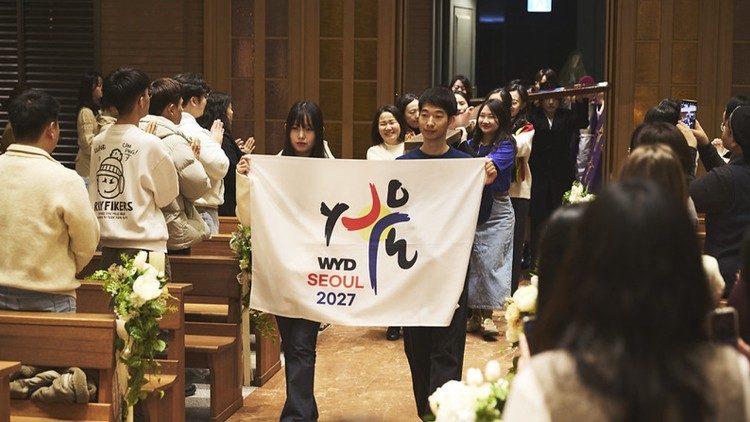
Archbishop Daniel of the Orthodox Church in America visited parishes across the Cleveland Deanery this week, meeting clergy and faithful in a series of services and conversations focused on local ministry. The trip included stops at Holy Trinity in Parma and St. Nicholas in Akron, where he spoke about everyday challenges in parish life and encouraged stronger cooperation between neighboring churches.
At the same time, the Romanian Orthodox Episcopate of America released a fresh edition of the Akathist to Saint Olga of Alaska, making the text more accessible for family prayer. In Bulgaria, priests issued a statement defending Patriarch Neophyte amid ongoing tensions around Archimandrite Nicanor, while the Serbian Church drew attention to medieval monuments now at risk from neglect and development.
Elsewhere, the Church of Greece saw Metropolitan Simeon visiting summer camps in Eleftherochori, and the Greek Orthodox Patriarchate of Antioch remembered the newly departed Kh. Christina Tassos with services of prayer.
How has a recent archpastoral visit or new church publication affected your own parish?
O
Jul 31
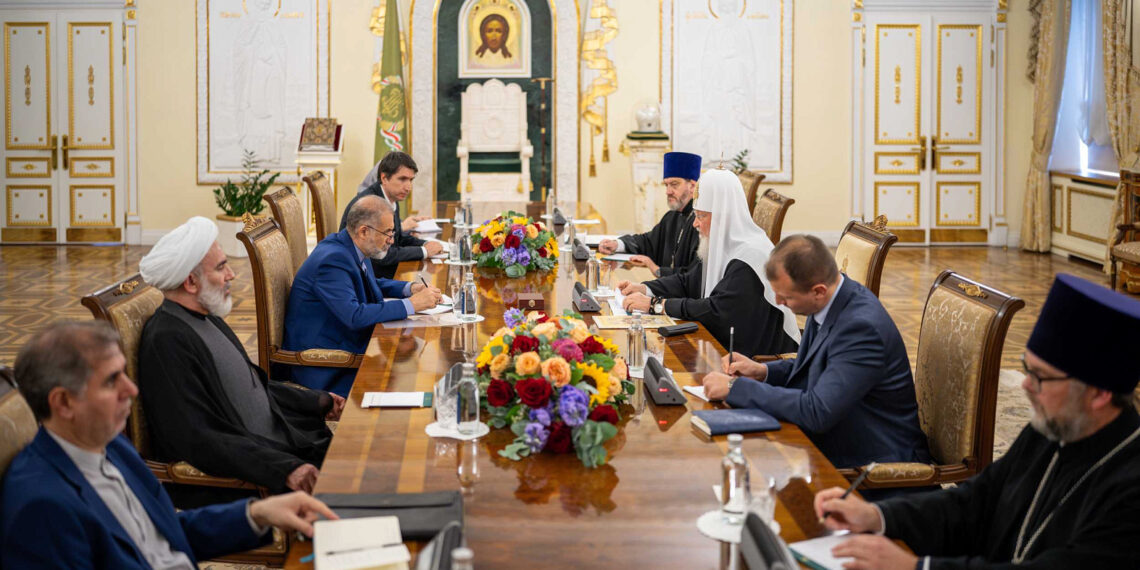
Iran’s Ambassador to Patriarch of Moscow: Our leaders understand each other very well
· Read the article →
The Feast of St. Apostle Silas drew special attention in parishes of the Ecumenical Patriarchate of Constantinople this week. Clergy and faithful gathered for services that highlighted his missionary journeys alongside St. Paul. At the same time the Church of Greece marked the memory of Saints Silas, Silouanos, Kriskis, Andronikos and Einatos with liturgical celebrations across dioceses. In the Romanian Orthodox Church, preparations for the Dormition Fast overlapped with these apostle feasts, as the Metropolitan of Western and Southern Europe honored St. Joseph of Arimathea in connected services. Bulgarian parishes welcomed the arrival of the miraculous Hawaiian icon of the Theotokos, bringing additional prayer gatherings during the same period.
Local customs varied, from simple troparia readings to longer talks on apostolic labor. Many families brought small icons or candles as offerings. These overlapping observances show how different local Churches weave the lives of the saints into daily parish rhythm.
How does your parish usually keep the memory of the lesser-known apostles?
O
Jul 31
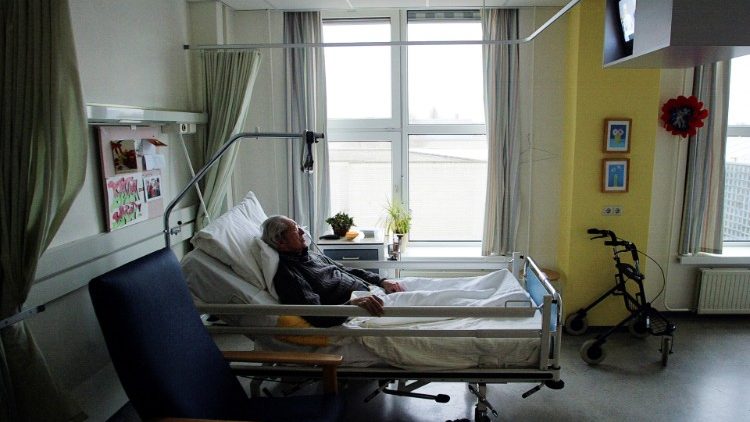
Sydney Archbishop stresses Church must ‘offer positive alternatives' to euthanasia
· Read the article →
A
Administratortranslated
Jul 31
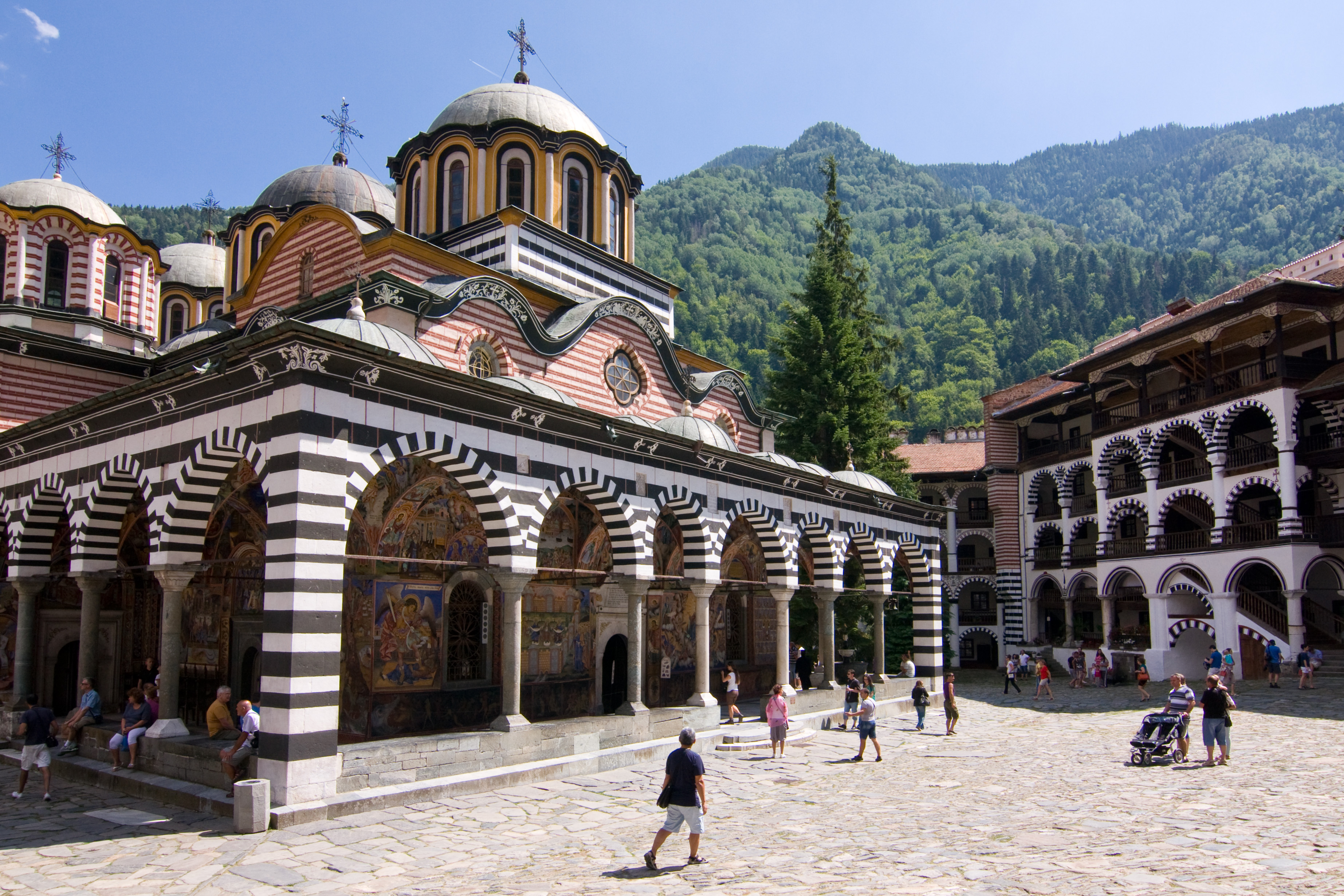
☦ Rila Monastery - Bulgaria
The Monastery of St. John of Rila, also known as the Rila Monastery, is the largest and most famous Eastern Orthodox monastery in Bulgaria.
Photo: Raggatt2000 · CC BY-SA 3.0
☦ Рильский монастырь — Болгария
Монастырь Святого Иоанна Рильского, также известный как Рильский монастырь, является крупнейшим и самым известным восточно-православным монастырем в Болгарии.
Снимок: Raggatt2000 · CC BY-SA 3.0
🌐 Show original
🌐 Show original
Მ
მარიამ გელაშვილი
Cool walls.
J
Jovan Savić
I've only seen that monastery in pictures, but this is really beautifully captured. When was that photo taken, summer or fall?
Б
Богдана Петрова
Nice picture, you can see the walls very clearly. When exactly was it made, was it summer or fall?
Δ
Δέσποινα Χατζή
The stone walls with the red bricks on top are eye-catching. When was the photo taken?
A
Administratortranslated
Jul 31
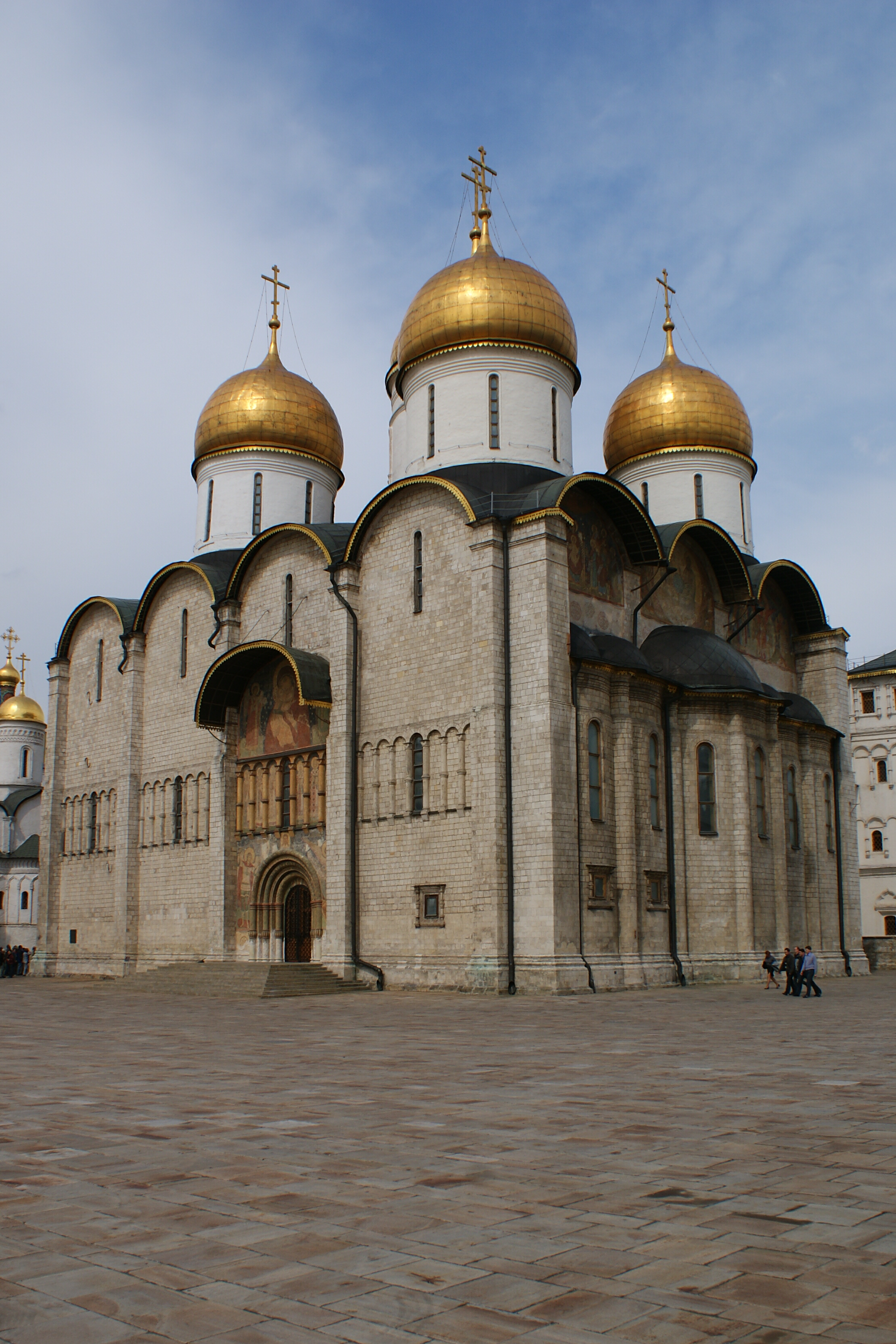
☦ Assumption Cathedral of the Moscow Kremlin - Moscow
The Assumption Cathedral, also known as the Dormition Cathedral or Dormition Cathedral, is a Russian Orthodox church dedicated to the Dormition of the Virgin Mary. It is located on the northern side of the Cathedral Square of the Moscow Kremlin in Russia, where a narrow alley separates the north from the Patriarchal Palace with the Church of the Twelve Apostles.
Photo: Daniel Kruczynski · CC BY-SA 2.0
☦ Успенский собор Московского Кремля — Москва
Успенский собор, также известный как Успенский собор или Успенский собор, — это русский православный храм, посвященный Успению Богородицы. Он расположен на северной стороне Соборной площади Московского Кремля в России, где узкая аллея отделяет север от Патриаршего дворца с церковью Двенадцати Апостолов.
Снимок: Daniel Kruczynski · CC BY-SA 2.0
🌐 Show original
Т
Тетяна Литвин
I would like to see it up close from that alley, especially how the bricks there play in the sun.
В
Валентина Соловьёва
Thanks for the photo. On the north wall, the brick really gives such a warm shade, especially when the sun is low. I know that it was there in 1479 that Metropolitan Gerontius consecrated the cathedral after perestroika.
В
Валентина Павлова
Is it possible to just go there or just for service? And what time does the evening party usually start on weekdays?
The Romanian Orthodox Church has just released a children’s book that tells the life of Saint Calinicus of Cernica in simple, engaging language for young readers. At the same time, the Romanian Orthodox Episcopate of America brought out a fresh edition of the Akathist to Saint Olga of Alaska, making another local saint more accessible to families. In the Church of Greece, crews completed a new drinking-water well at a school in central Tanzania, improving daily life for students and teachers. Bulgarian priests in the Sofia Diocese publicly supported Patriarch Daniil while distancing themselves from Archimandrite Nicanor, showing continued focus on internal order. These quiet steps across different corners of the Church keep the lives of the saints close to everyday believers and address practical needs on the ground. How are you introducing the saints to the children in your own parish or family?
O
Jul 31
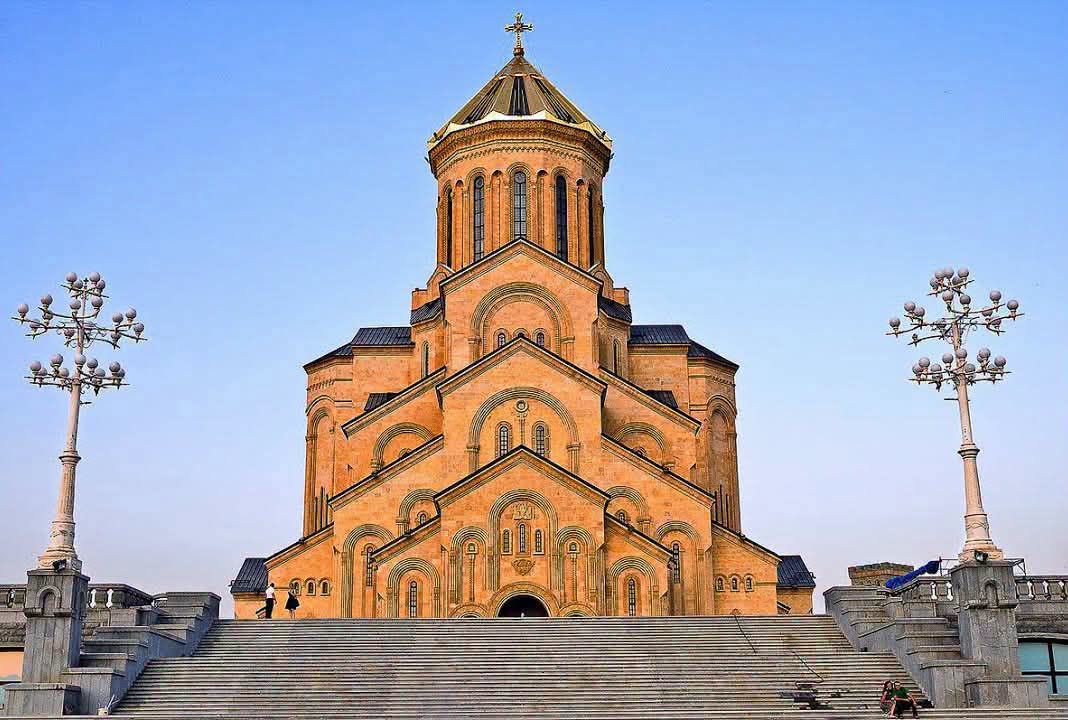
Patriarch of Georgia to preside over Divine Liturgy at Tbilisi’s Holy Trinity Cathedral
· Read the article →
The new edition of the Akathist to Saint Olga of Alaska has been published by the Romanian Orthodox Episcopate of America, making the service to the first Orthodox saint of the Americas more accessible for personal and parish use. At the same time, the Bulgarian Orthodox Church welcomed the miraculous Hawaiian icon of the Mother of God, drawing crowds of faithful for veneration. In the Serbian Orthodox Church, the monastery of Osovica marked its glory with prayerful celebrations honoring its history and the Holy New Martyrs of Veliki and Upper Polim. The Church of Greece saw an evening Divine Liturgy held at summer camps in the Diocese of Maroneia, giving young people a chance to experience worship in the open air.
These quiet steps, each in its own corner of the Church, show how saints and shrines continue to draw people closer to Christ in daily life. How has a particular saint or new prayer book helped in your own parish or home?
L
Laura Baker
Our parish used the new Akathist to St. Olga a few times this winter during our Tuesday evening reader services, and it really helped the kids connect her story to our own life up here in the Northwest. My daughter even asked to keep a copy in her room after hearing how Olga balanced teaching schoolchildren with raising her own family. Has anyone tried the Hawaiian icon at home yet, or is it mostl
M
Matthew Scott
We tried the new Akathist to St. Olga twice at our Tuesday readers' services too, and the part about her teaching school kids really stuck with my grandkids. My oldest grandson even sketched her holding a book after one of those evenings. Have you found any good icons of her for the house, or are you still looking?
The Bulgarian Orthodox Church parish in Spain has released its full August service schedule, giving local faithful clear times for the Dormition Fast liturgies and feast days ahead. Meanwhile, the Russian Orthodox Church’s diocesan museum in Kazan is running guided tours through the Mother of God Monastery churches, and the Serbian Orthodox Church is marking Ilindan with traditional gatherings in Priboj. In the United States the Orthodox Church in America announced a pastoral visit to Canonsburg this Sunday, while the Romanian Orthodox Church opened an exhibition honoring gymnastics legend Nadia Comăneci at the Palace of Culture in Iași.
These quiet summer notices show how each local church keeps its rhythm of prayer, memory, and hospitality going no matter where the communities are planted. Practical schedules, museum walks, parish feasts, and cultural exhibits all serve the same purpose: helping people stay close to the faith amid ordinary life.
How does your own parish handle service times and summer events?
St. Peter's Day drew Serbian parishes together this week with special liturgies and parish meals. In Bresnica, the faithful honored Saint Martyr Marina with prayers and hymns that echoed long after the service. At the same time, gratitude flowed at “St. Sava” College where benefactors received icons and warm thanks from the clergy for their steady support of the students.
Across the ocean, the Bulgarian Orthodox Church saw priests from the Sofia Diocese gather in unity, publicly backing their patriarch while stepping back from recent disputes involving Archimandrite Nicanor. In Greece, Metropolitan Fthiotidos reminded festival-goers at the 4th Summer Festival that the Church stands firm regardless of individual leaders.
From the Romanian Orthodox Church came quiet reminders of the Dormition Fast that begins soon, with saints of the Seventy remembered in small chapels. These local observances show how each diocese keeps its own rhythm while sharing the same calendar.
How did your parish mark the Apostles’ feast or the start of the fast?
Archbishop Daniel of the Orthodox Church in America spent time with clergy and laity of the Cleveland Deanery this week, meeting parish leaders, discussing local ministry needs, and celebrating services together. The visit gave priests a chance to share updates on their communities and strengthened ties across the deanery.
At the same time, the Romanian Orthodox Church marked the start of the Dormition Fast while remembering Patriarch Teoctist nineteen years after his repose. In Bulgaria, believers welcomed the traveling Hawaiian icon of the Mother of God, drawing crowds for prayer. The Serbian Orthodox Church observed St. Peter’s Day with traditional services at monasteries and parishes.
These ordinary moments of visitation, fasting, and veneration show how each local Church tends its own vineyard while remaining part of the larger Orthodox family.
What recent visit or feast has been meaningful in your own parish lately?
The Bulgarian Orthodox Church parish in Spain has released its full schedule of services for August, giving local faithful clear times for weekday liturgies, vespers, and the upcoming Dormition fast. In related Bulgarian news, Patriarch Daniil placed a restriction on Archimandrite Nicanor’s ability to serve amid ongoing spiritual tensions, while priests issued a declaration in support of the patriarch. The Romanian Orthodox Church marked the forefeast of the Procession of the Cross and the start of the Dormition Fast, with new children’s books on the life of Hierarch Calinicus from Cernica appearing in parishes. Meanwhile, the Serbian Orthodox Church held prayer services for the Holy New Martyrs of Veliki and Upper Polim on St. Peter’s Day. These small, practical steps—schedules, restrictions, books, and commemorations—keep daily church life steady across different corners of the Orthodox world. How does your own parish handle service times and fast preparations during August?
The Romanian Orthodox Episcopate of America has released a new edition of the Akathist to Saint Olga of Alaska, making the text more widely available for personal and parish use. The saint, recognized as the first Orthodox Christian in North America, continues to draw devotion across jurisdictions. In related activity, the Orthodox Church in America announced a pastoral visit to Canonsburg this Sunday, while the Church of Greece marked the memory of Saints Eupraxia and Olympias at the Monastery of Saint John the Theologian in Mazaraki. Meanwhile, the Serbian Orthodox Church noted ongoing concerns for its medieval monuments, and the Bulgarian Orthodox Church addressed internal disciplinary matters involving the Sofia Diocese and Archimandrite Nicanor. These developments show steady life in parishes and dioceses amid ordinary summer rhythms.
How has Saint Olga’s intercession touched your own parish or family?
A new children's book on Saint Calinicus of Cernica has just been released by the Romanian Orthodox Church. The slim illustrated volume tells the life of the 18th-century ascetic who founded Cernica Monastery near Bucharest, focusing on his quiet obedience, fasting, and care for the sick.
At the same time, the Romanian Orthodox Episcopate of America brought out a fresh edition of the Akathist to Saint Olga of Alaska, another short saint's life that reaches young readers. In Greece the Church of Greece marked the restored pilgrimage route of the Myrrh-bearing Women at Jerusalem, while the Serbian Orthodox Church highlighted the newly renovated frescoes at Osovica monastery.
These quiet publishing and restoration efforts show how different Local Churches keep the memory of lesser-known saints alive for the next generation. The Romanian book in particular uses simple language and gentle drawings so that even small children can follow Calinicus's path from shepherd boy to spiritual father.
What saints from your own local church did you first meet through a children's book or story?
Archbishop Daniel of the Orthodox Church in America spent the weekend with clergy and laity of the Cleveland Deanery, joining them for services, meals, and open conversations about parish life and local challenges. The visit brought together priests from several Ohio parishes who rarely gather in one place, giving everyone a chance to share updates on youth programs, choir work, and summer outreach efforts. At the same time, the Romanian Orthodox Church marked the forefeast of the Procession of the Cross and the start of the Dormition Fast with quiet services in Bucharest and across the country. In the Church of Greece, communities in Rethymnon offered prayers for two firefighters who lost their lives in the line of duty, remembering their connection to a priestly family. From Antioch, the daily synaxarion reminded readers of the saints commemorated on July 30 and 31. How has a bishop’s visit or a fast shaped the rhythm of your own parish lately?
Serbian parishes marked St. Peter's Day with traditional celebrations on July 31 according to the new calendar. Festive liturgies drew families to churches across the country, where the faithful honored the chief apostle with processions and shared meals after the services. At the monastery of the Holy Great Martyr Marina in Klisina the day carried extra weight, as the local brotherhood highlighted the site's long history and its role in preserving Serbian Orthodox identity amid concerns over medieval monuments now at risk.
In the Romanian Orthodox Church the forefeast of the Procession of the Cross and the start of the Dormition Fast shaped the same week, with quiet preparations in Brăila and reminders of St. Joseph of Arimathea. The Orthodox Church in America kept its own rhythm: Archbishop Daniel visited the Cleveland Deanery while clergy in Canonsburg prepared for an upcoming pastoral stop. Bulgarian priests in the Sofia Diocese publicly backed their patriarch after recent disciplinary measures against Archimandrite Nicanor.
Each local tradition carries its own flavor. How does your parish usually observe St. Peter's Day?