ORTHODOX HOUSE
⛪ Všetky Cirkvi
Prihlásiť sa
☦ Dnes sobota, 29. augusta / 16. augusta (starý štýl) ☦ Prísny pôst gregoriánsky kalendár ⇄
Beheading of St John the Baptist
← Správy Panpravoslávne

What does a “decolonized church” look like? Consultation explores
28. augusta 2026 · 1 min čítania

What does a “decolonized church” look like? Consultation explores

iku

Fri, 08/28/2026 - 15:52

The 23rd Academic Consultation of Societas Oecumenica, under the theme “ Churches in the Midst of Polarisation,” included a paper by Dr Masiiwa Gunda, WCC programme executive and Ecumenical Institute at Bossey adjunct professor.

Image

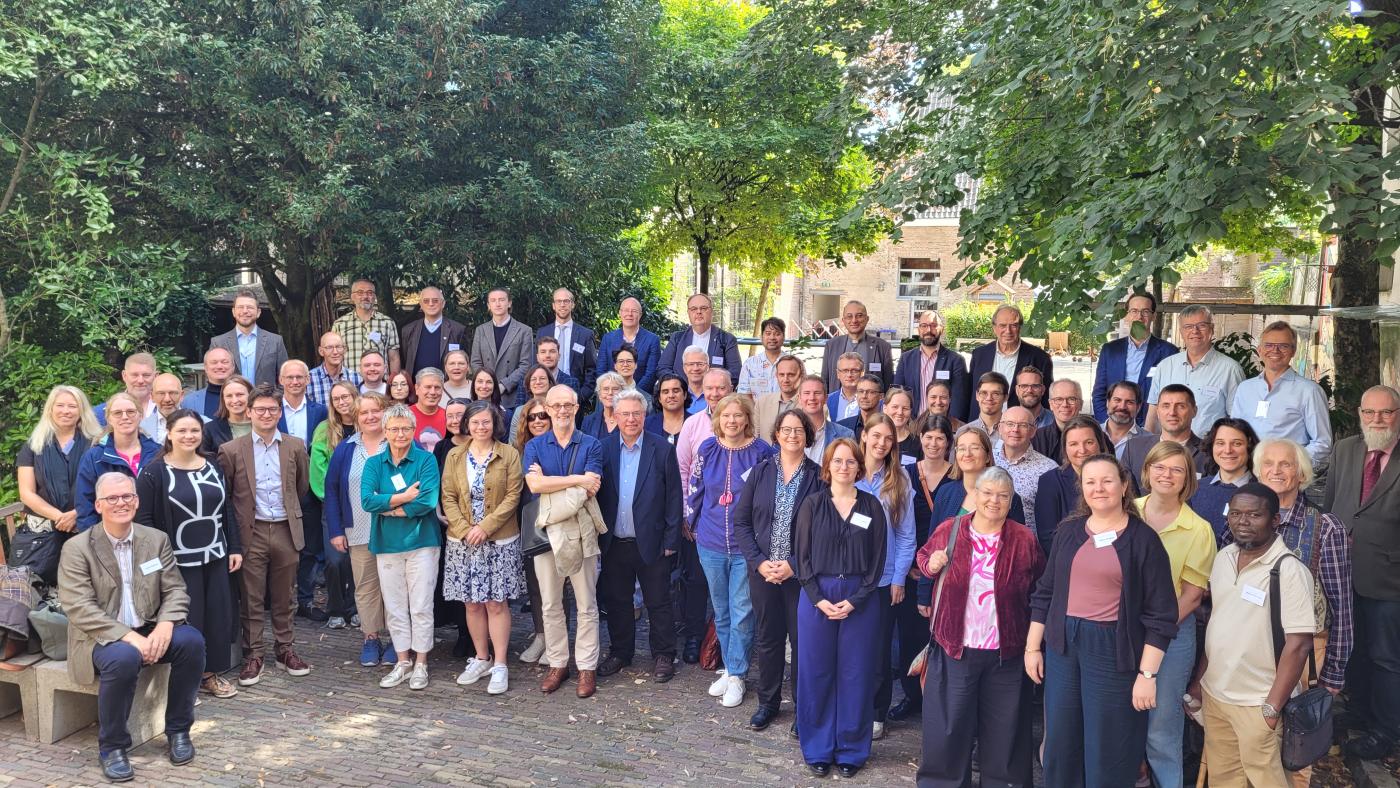
Participants of the 23rd Academic Consultation of Societas Oecumenica, gathered under the theme “Churches in the Midst of Polarisation” in Utrecht, Netherlands from 21-25 August 2026.

Photo: Societas Oecumenica

The consultation was held in Utrecht, Netherlands from 21-25 August.

Gunda spoke on "The Paradoxical (Colonial-Decolonial) Church: Toward an Anti-Racism, Decolonial and Inclusive Church.”

His paper addressed the church as a contested and polarized space historically and presently.

“ Polarization within churches mirrors wider societal fractures—racial, gender, social, and political,” he said. “ A legacy of colonization and enslavement is a central cause.”

He asked: How can the church be both a colonizing and decolonizing force?

“ The church is complicit in colonial domination…
Zdroj: World Council of Churches  ·  Prečítať celý článok →
⚑ Nahlásiť
💬 Komentáre (2) 🌐 Zobraziť originál
M
Michael Smith
The idea that the church was "complicit in colonial domination" is fair enough — missionaries did sometimes ride in with the traders and governors. But calling it a central cause of today's polarization in places like Utrecht or Pittsburgh feels like it's stretching history to fit the latest academic trend. What would an actually "decolonized" parish look like on a ordinary Sunday morning, Dr. Gunda?
Ν
Νίκος Αθανασίου
Η ιδέα ότι η Εκκλησία ήταν συνένοχη στον αποικισμό δεν είναι καινούργια, αλλά όταν ο Gunda την παρουσιάζει σαν «κεντρική αιτία» της σημερινής πόλωσης σε μέρη όπως το Ουτρέχτ, μου φαίνεται υπερβολή. Εδώ στην Ηράκλειο βλέπω ότι οι διαιρέσεις μέσα στις ενορίες προέρχονται περισσότερο από καθημερινά ζητήματα – οικονομία, οικογένεια, πολιτική – παρά από αποικιοκρατία πριν 200 χρόνια. Μήπως καλύτερα να μιλάμε για μετάνοια και ενότητα στο σήμερα παρά να ψάχνουμε αποικιοκρατικές ρίζες παντού;
Prihláste sa a zapojte sa do diskusie →
Ďalšie články
30 août
Panpravoslávne · 29. augusta 2026
17 août (ancien calendrier) / 30 août (nouveau)
Panpravoslávne · 29. augusta 2026
Vyznávanie ikony Matky Božej z Craiovy; sv. Barlaam, metropolit Moldavskej; sv. Ján Râșca a Secu, biskup rómsky; sv. Alexandrom, Jánom a Pavlom Novými, patriarchov Constantinopolských; 13. nedeľa po Veľkej nedeľi
Rumunská pravoslávna cirkev · 29. augusta 2026
Cinstirea Icoanei Maicii Domnului de la Craiova; Sf. Ierarhi Varlaam, Mitropolitul Moldovei, și Ioan de la Râșca și Secu, episcopul Romanului; Sf. Ierarhi Alexandru, Ioan și Pavel cel Nou, patriarhii Constantinopolului; Duminica a 13-a după Rusalii
Rumunská pravoslávna cirkev · 29. augusta 2026
🔑Prihlásiť sa 📖Modlitebná kniha 🕊Živá modlitba 📨Poslať správu 👥Priatelia 💬Skupiny Moja farnosť 🕯Virtuálny chrám 🙏Modlitby po dohode 🗓Kalendár ✏️Katechéza 🔔Upozornenia Moje odbery 🛍Obchod 💬Podpora