DNA from ancient sheeppox virus found in medieval manuscripts in Europetranslated
Language Russian
DNA from ancient sheeppox virus found in medieval manuscripts in Europe
Scientists have found traces of the sheeppox virus in ancient European manuscripts, including the York Gospels, which are about 1,000 years old. The study was carried out by an international team of specialists led by University College Dublin, writes EurekAlert.
The discovery showed that sheeppox had been affecting flocks in Eurasia for at least 3,500 years. It is a highly contagious disease of livestock. It spreads quickly among animals, can cause high mortality, especially in young animals, and causes great damage to farms: it impairs the production of wool, meat and milk.
How manuscripts preserve traces of disease
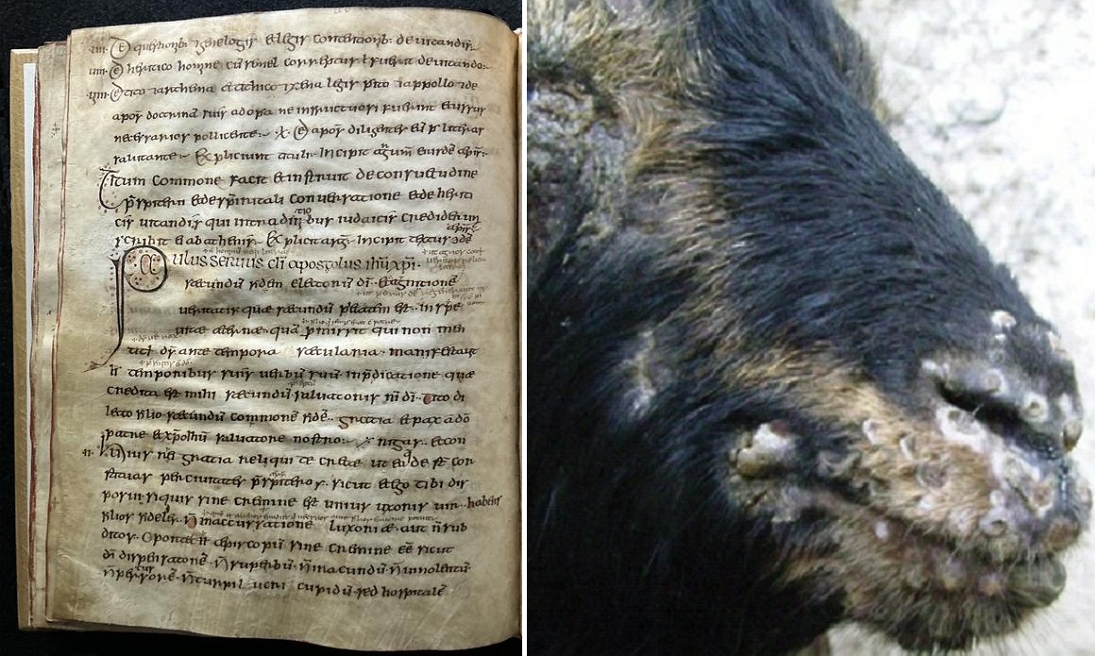
Scientists studied parchment, the material on which medieval books were written. It was made from animal skins: sheep, goats and cattle. It turned out that such parchment can store not only text and drawings, but also biological traces of the animals from which it was made. Including the DNA of diseases that animals could be infected with.
That is why researchers call such manuscripts a kind of “biological time capsules.” They allow you to find out what the animals were sick with...