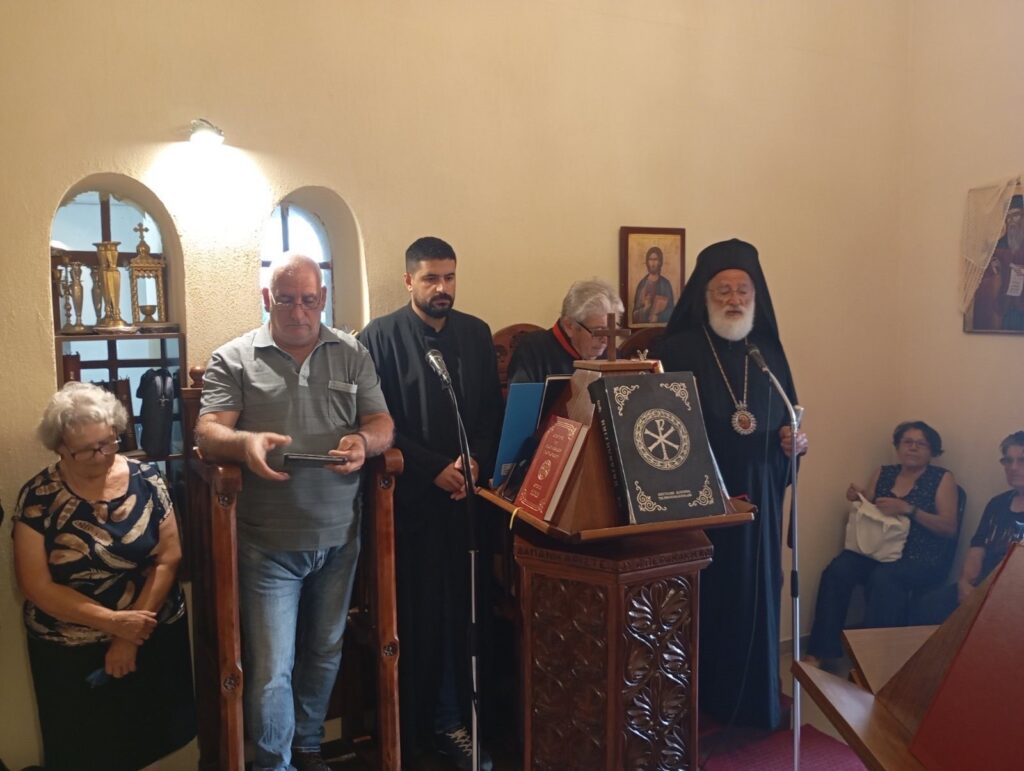
UNESCO included Sevastia in the World Heritage: The site is considered to be the place of the tomb of St. John the Baptisttranslated
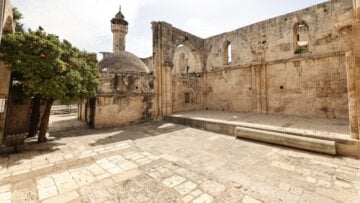
UNESCO's World Heritage Committee decided to register the Sevastia archaeological site in the West Bank on the World Heritage List.
The decision was taken at the 48th session of the World Heritage Committee, held in Busan, South Korea.
Continuous habitation for over three millennia The ruins of the Roman Amphitheater in Sevastia. Photo credit: Palestine Ministry of Tourism and Antiquities (MoTA) According to the nomination file, Sevastia is a site inhabited for over three millennia, illustrating the evolution of successive civilizations in the eastern Mediterranean. UNESCO shows that the town was, by turns, the capital of the Northern Kingdom of Israel, a Hellenistic fortress, a Roman colony, a Byzantine bishopric and an Islamic religious center.
"A continuous urban story spanning more than three millennia," UNESCO representatives described the archaeological site.
The World Heritage Committee also highlights the richness of Sevastia's architectural heritage, from Iron Age vestiges to Roman, Byzantine and medieval monuments, being "some of the best preserved Hellenistic circular towers in Palestine".
The place of the grave of St.…