The Orthodox Church on the Question of Truth and Heresy
One of the questions that returns again and again in public discussion about faith is this: if God does not appear in order to announce personally which teachings He approves, how can anyone claim to speak in His name? And, by extension, is the notion of “heresy” simply an instrument of power, a way in which the strong label as “error” the view that was historically defeated? This is a serious question, and it deserves an answer.
The fundamental presupposition: God has revealed Himself
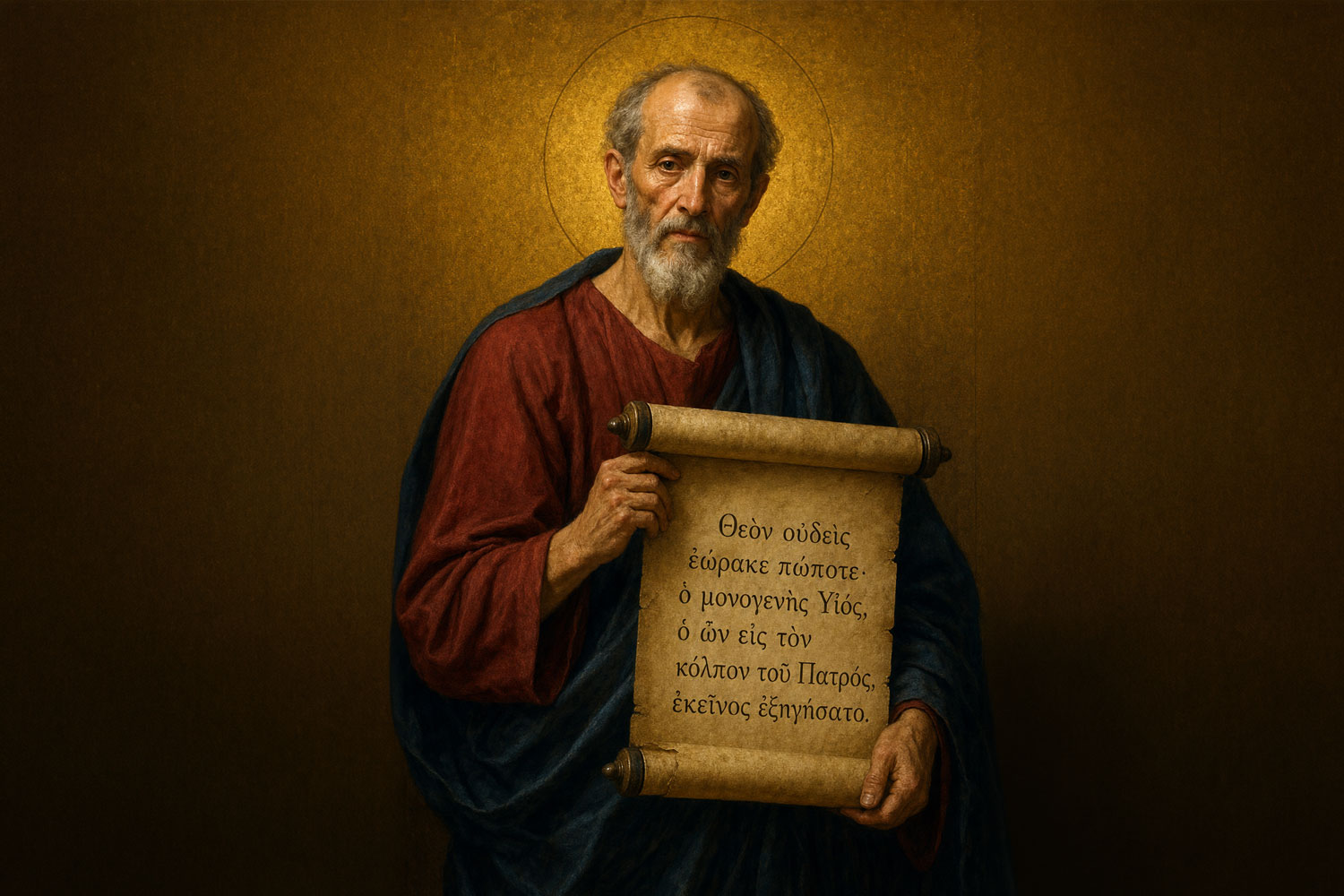
The starting point of every such discussion is an assumption that is often taken for granted: that God remains silent and inaccessible, leaving human beings to disagree among themselves about who He is. Yet this is precisely where the heart of Christian witness lies, for it proclaims the opposite: God has revealed Himself. Not as an idea, but as a person within history: Jesus Christ. “No one has ever seen God; the only-begotten Son, who is in the bosom of the Father, He has made Him known” (John 1:18).
This shifts the entire question. We are not discussing in the abstract “whose interpretation is correct,” but something very specific and historically situated: did the Incarnation, the…