The Law of Moses
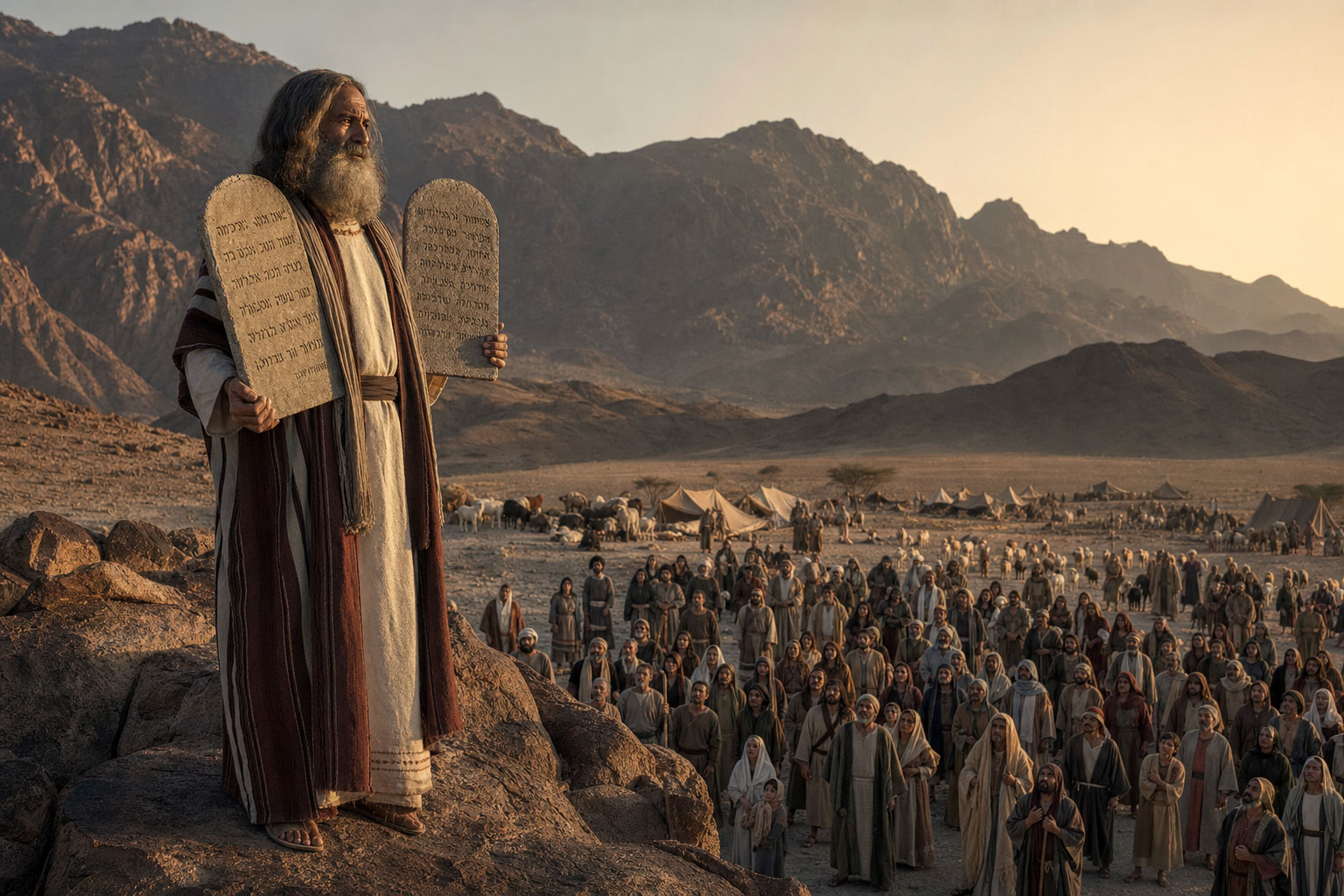
In the Old Testament, the Law of Moses is presented as a Law given by God to Israel through Moses, chiefly within the framework of the Covenant at Sinai. It is not simply a collection of social regulations, but the way in which Israel is called to live as the people of God.
The biblical narrative emphasizes that God reveals His will and that Moses serves as mediator between God and the people. The Ten Commandments, in particular, occupy a central place, since they are presented as the word of God addressed to the entire community. At the same time, however, within the Pentateuch we encounter a large number of provisions concerning social life, worship, the administration of justice, property, family, slavery, responsibility for bodily injury, and the protection of the weak.
The question that arises is twofold. First, can we distinguish what is presented as direct divine revelation from what appears to belong to the legislative and pastoral activity of Moses? Second, what is the relationship between Mosaic legislation and the laws of other ancient peoples, such as the Babylonians, the Hittites, or the Egyptians?
Modern research has shown that the Law of Moses does not appear…