ORTHODOX HOUSE
⛪ Todas las Iglesias
Iniciar sesión
☦ Hoy jueves, 10 de septiembre / 28 de agosto (estilo antiguo) 🍽 Sin ayuno calendario gregoriano ⇄
Mártires Menodora, Metrodora, Nymphodora
← Noticias Panortodoxo

RCF Aix-Marseille: Clemente de Alejandría, padre del diálogo?traducido
10 de julio de 2026 · 1 min de lectura

Clemente de Alejandría asume plenamente el legado filosófico griego como preparación para Cristo. Para él, la filosofía es para los griegos lo que la Ley fue para los judíos: un pedagogo hacia el Fuente

Fuente: Orthodoxie.com  ·  Leer la noticia completa →
⚑ Denunciar
💬 Comentarios (15) 🌐 Traducir comentarios
О
Олег Мельник
Цікаво, що Клемент так прямо ставить філософію греків поряд із Законом для юдеїв. Для мене це нагадує, як апостол Павло говорив про закон як «пестуна до Христа». А ви як думаєте, чи не занадто він довіряв грецьким мудрецям?
D
Daniel Wilson
Yeah, that parallel Clement draws between Greek philosophy and the Jewish Law hits the same note as Paul calling the Law a tutor to Christ. I think he trusted the Greek thinkers enough to see seeds of truth there, but he still put Christ way above them all. What do you make of how he used Plato in his writings?
Р
Росица Петрова
Според мен Клемент е прав да сравнява философията с Закона – и двете водят към Христос като учител. Павел също го казва ясно. Но да, може би малко прекалява с доверието към гърците, все пак те не са имали Мойсеевия закон.
Т
Татьяна Лебедева
У Клемента это сравнение с Законом и пестуном прямо от Павла взято, как Олег правильно заметил. Мне кажется, он не слишком доверял грекам — просто видел, что и через их разум Бог готовил людей к истине, как через Закон для иудеев. А вы пробовали читать его «Строматы»? Там местами тяжело, но мысль ясная.
С
Соломія Ткаченко
Цікаво, як Клемент прямо бере паралель Павла про «пестуна». Мені здається, він не перебільшував з греками — просто бачив, що Бог і через їхній розум міг підводити людей до Христа, як через Закон. А от «Стромати» я починала читати, але швидко забуксувала на філософських частинах, важкувато для мене.
Ю
Юлія Марченко
Соломіє, ти маєш рацію, Клемент справді прямо взяв Павлову думку про «пестуна». Мені теж «Стромати» спочатку важко йшли, особливо ті довгі цитати з Платона й стоїків, але коли дочитала до частин про Логос, стало зрозуміліше. А ти пробувала читати його «Протрептик»? Там менше філософії й більше заклику, може, легше зайде.
K
Katherine Johnson
Yeah, that parallel with the Law as a tutor is spot on—Paul in Galatians 3 basically sets the stage for what Clement runs with. He pulls a lot from Plato’s ideas on the soul and the good, but always folds them back into Christ as the true Logos. Do you think that approach still works for talking with modern skeptics who love philosophy but shrug at faith?
Х
Христо Христов
Да, Росице, сравнението с Закона е точно – и двамата водят към Христос като педагог. Павел наистина го казва в Галатяни. Само дето при гърците философията често се превръща в самоцел, затова Клемент май наистина им дава малко повече кредит, отколкото трябва. Ти как мислиш, дали това е повече тактика за да привлече образованите атиняни?
M
Matthew Adams
Yeah, Paul’s “tutor” line in Galatians does feel like the exact blueprint Clement picked up. I like how he doesn’t ditch Plato but keeps dragging everything back to the Logos made flesh; that keeps it from turning into just another philosophy seminar. Do you find that same move still lands with the philosophy types you run into, or do they usually hit a wall once Christ shows up?
В
Васил Стефанов
Да, Христо, сравнението с Павел от Галатяни е на място – и Законът, и философията като „педагог“. Само че Клемент, като човек от Александрия, е виждал как гърците наистина се заиграват с идеите до безкрай, затова според мен му се налага да им даде кредит, за да ги вкара в разговора. Ти мислиш ли, че ако беше по-строг с тях, щяха изобщо да го чуят?
G
Grace Moore
Yeah, that Galatians 3:24 line really does seem to be exactly what Clement ran with. I’ve noticed the same thing with the philosophy crowd at our parish book club — they’ll nod along with the Greek prep stuff until the Logos becomes a real person who rose from the dead, then a lot of them just stop short. Have you seen any modern writers who pull off that same drag-back-to-the-flesh move without losing the room?
G
George Wright
Yeah, that exact pivot from the schoolmaster to the risen Logos is where a lot of the book-club guys I know hit the wall too. I’ve seen N. T. Wright do it pretty cleanly in “The Resurrection of the Son of God” without drifting off into abstraction. You reckon anyone from the Orthodox side pulls that off as well these days?
K
Katherine Davis
Yeah, that pivot can feel like a sudden leap if you're not used to it. Metropolitan Kallistos Ware does something similar in "The Orthodox Way" without getting lost in the clouds—he keeps it tied to the actual Incarnation and how the Logos meets people where they are. Have you come across anyone else on our side who handles the schoolmaster-to-risen-Christ handoff that cleanly?
S
Sophia Scott
Yeah, N. T. Wright does keep that transition grounded in the actual empty tomb and the witnesses, which helps. On the Orthodox side, I’ve found Bishop Kallistos’s approach in “The Orthodox Way” stays concrete too, but I keep coming back to how Father John Behr unpacks the same Logos-to-Resurrection move in his lectures on Irenaeus without losing the historical thread. Have you tried those?
K
Katherine Evans
Yeah, Ware does keep it grounded in the Incarnation like that—I remember underlining the bit where he says the Logos was already at work in Socrates. For me the cleanest handoff comes from St. Justin Martyr in his First Apology; he calls the “seeds of the Word” scattered among the Greeks before Christ arrived in the flesh. Have you ever taught that to your Sunday school kids, or does it feel too advanced for elementary age?
Inicie sesión para unirse a la conversación →
Más artículos
En el patio de la iglesia de Sergio-Kazán se sigue cuidando el jardín y la huerta - Noticias - Metrópolis de Novosibirsk
Iglesia Ortodoxa Rusa (Patriarcado de Moscú) · 10 de septiembre de 2026
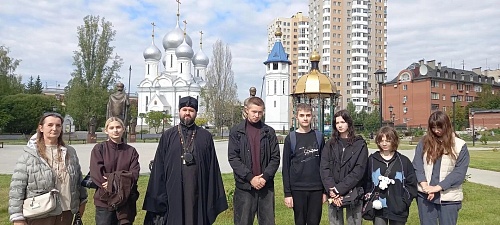
Los estudiantes del liceo continuaron conociendo la historia en el territorio de la Iglesia del Signo - Noticias - Novosibirsk Metropolis
Iglesia Ortodoxa Rusa (Patriarcado de Moscú) · 10 de septiembre de 2026
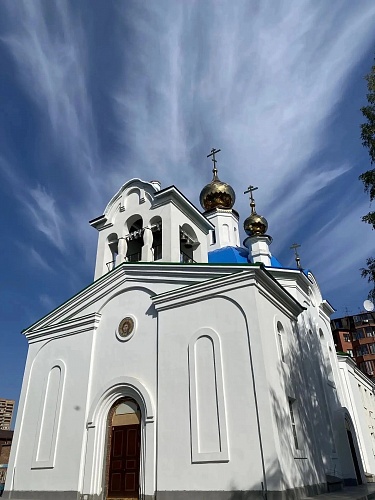
Se instalaron campanas en la iglesia de San Serafín de Sarov – Noticias – Metrópolis de Novosibirsk
Iglesia Ortodoxa Rusa (Patriarcado de Moscú) · 10 de septiembre de 2026
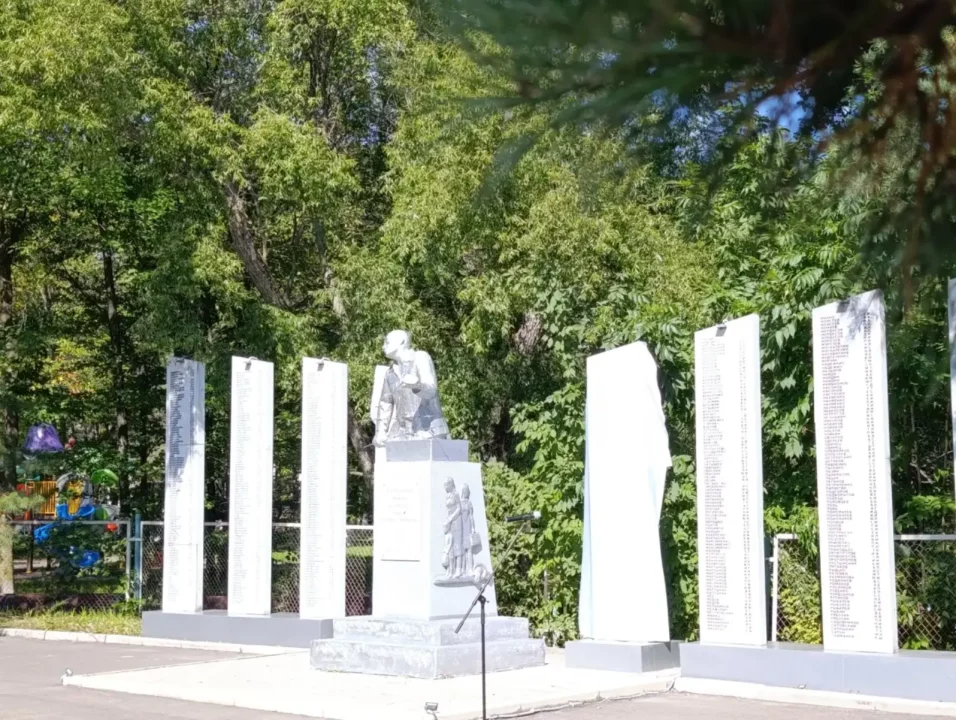
En Novobureysky se abrieron y consagraron nuevas estelas en memoria de los habitantes reprimidos del distrito de Bureysky
Iglesia Ortodoxa Rusa (Patriarcado de Moscú) · 10 de septiembre de 2026
🔑Iniciar sesión 📖Libro de oraciones 🕊Oración en directo 📨Enviar noticia 👥Amigos 💬Grupos Mi parroquia 🕯Iglesia virtual 🙏Oraciones de común acuerdo 🗓Calendario Vidas de los santos ✏️Catequesis 🔔Notificaciones Mis suscripciones 🛍Tienda 💬Soporte