EWTN News explains: Why the Church once forbade Catholics to honor Confucius
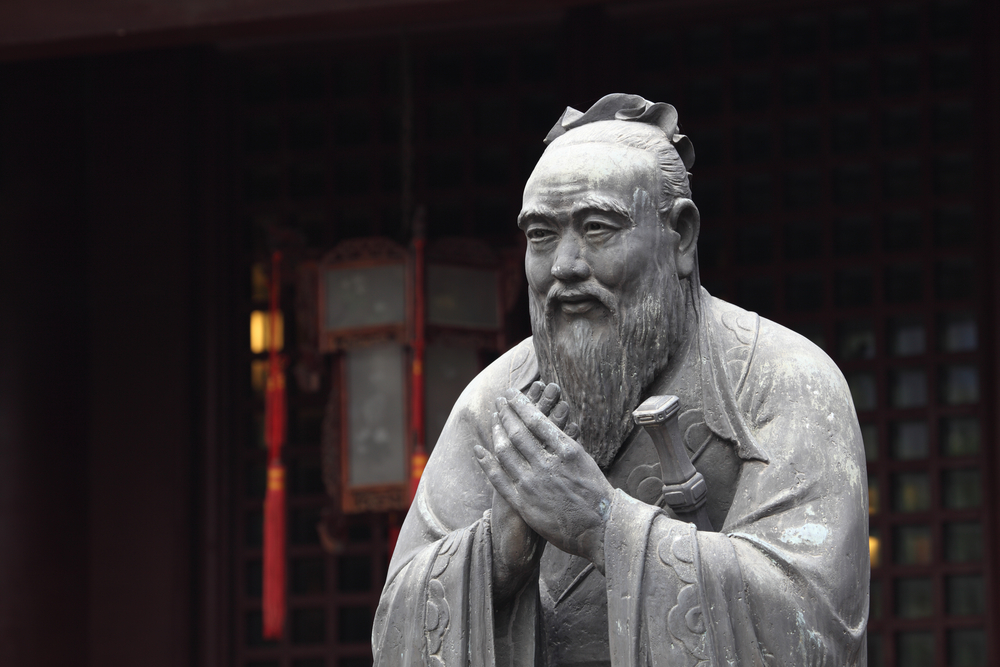
Is Confucianism confusing to Catholics, or did the Church simply take centuries to clarify a stance on the teachings of Confucius and his disciples?
A bit of both.
When the Vaticanʼs Dicastery for Interreligious Dialogue held its first Confucian-Christian colloquium in Seoul, South Korea, on Aug. 4–5, some 150 participants from more than a dozen countries spoke about shared values and universal fraternity, virtuous leadership, and moral formation in a pluralistic society.
Three centuries ago, the tone was different. A Catholic in China who took part in the rites honoring Confucius could be told he had abandoned the faith.
The ceremonies were not just polite gestures: “Lǐ (礼),” usually rendered as rites or ritual propriety, is foundational to Confucian thought. They comprise customs that form a person, order relationships, and hold a society together.
The sage who taught this, centuries before Christ, is known in Chinese as “Kǒng Fūzǐ (孔夫子),” Master Kong. He died in 479 B.C. Missionaries who reached China some two millennia later latinized the name as Confucius.
Arriving in 1582, Father Matteo Ricci observed educated Chinese lighting candles and bowing before Confucius.…