
Share something with the community…
Sign in
Π
Πέτρος Σταθόπουλοςtranslated
Nov 16
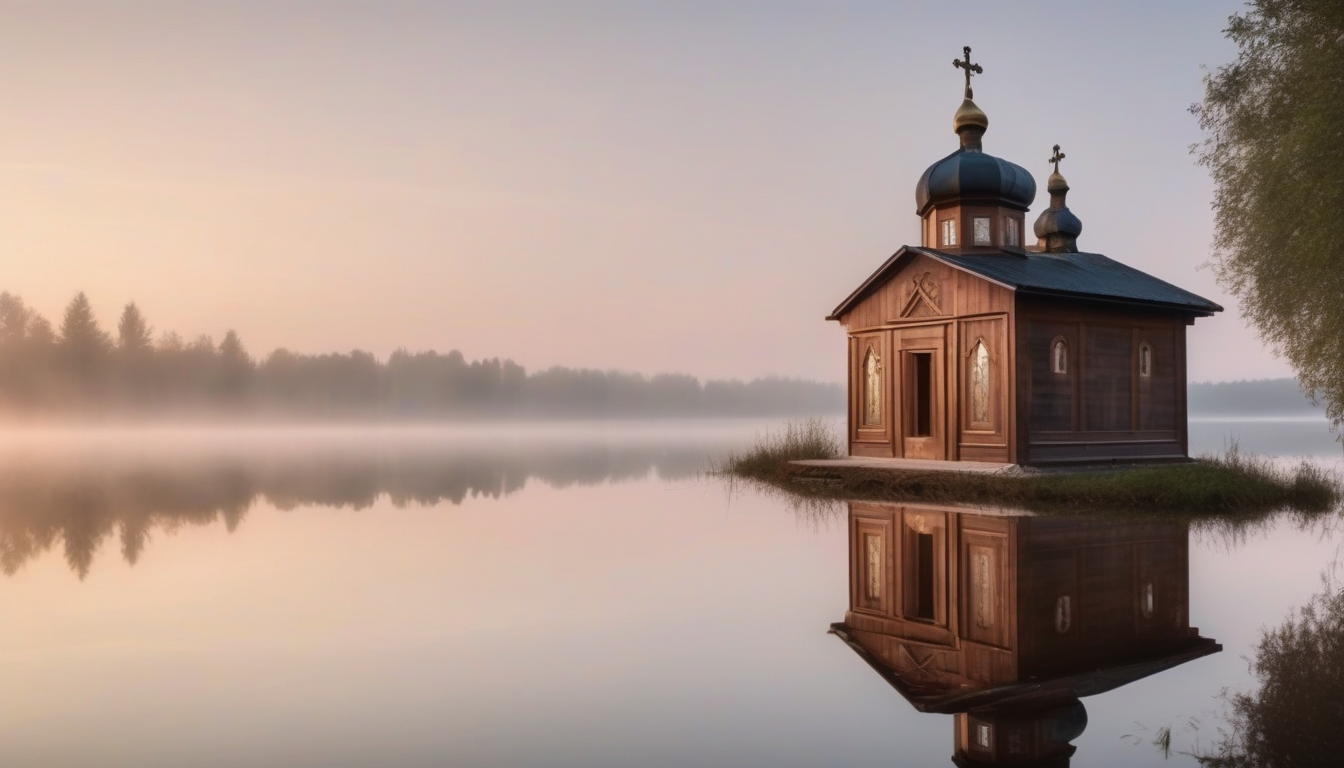
The wooden chapel by the lake looks so peaceful at that time. The dawn light just falls on the water and the boards, nothing more.
Το ξύλινο παρεκκλήσι δίπλα στη λίμνη φαίνεται τόσο ήσυχο εκείνη την ώρα. Το φως της αυγής πέφτει απλά πάνω στο νερό και στα σανίδια, χωρίς τίποτα παραπάνω.
🌐 Show original
🌐 Show original
A
Andrés López
The wooden roof looks quite inclined, typical of old buildings so that snow does not accumulate. What century will it be?
А
Анастасия Кузнецова
In the Yaroslavl region, the same roof slopes were made so that the snow would melt off easily. And this lake, it seems, is in northern Greece, where they were often built from local cypress, it almost does not rot.
M
Nov 16
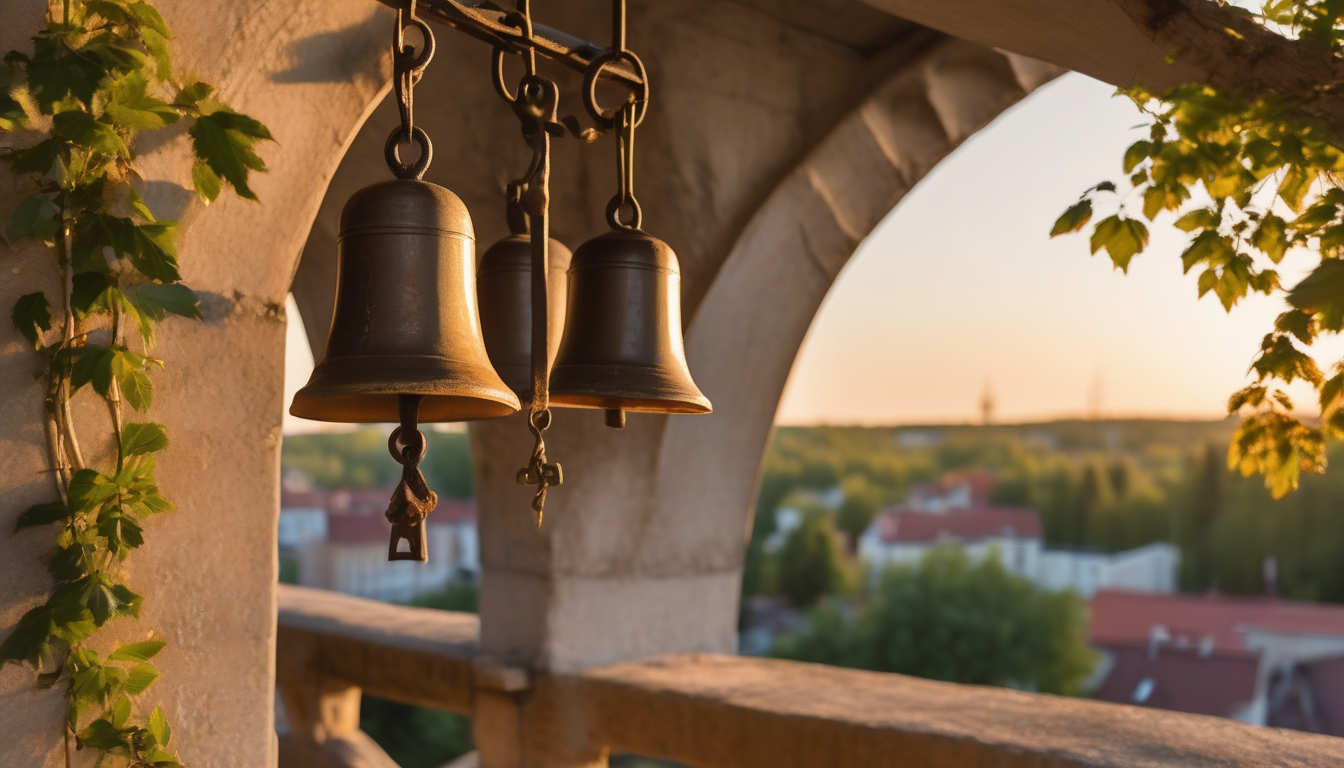
Those old bells hanging up in the belfry caught my eye. The light coming through the openings gives the whole thing a quiet steadiness.
V
Viorica Lungu
Bells look heavy enough to wake half the neighborhood. The light does make them stand out nicely.
M
Marius Florea
These bells seem hard to pull.
Б
Богдана Митева
I would love to see this photo live. Where exactly is this?
А
Алексей Андреев
The bells hang straight, but the brickwork on the wall behind them is completely faded with age. I wonder how old they are.
St. Paisius Velichkovsky is commemorated today across the Romanian Orthodox Church calendar, where he is remembered as a key figure who renewed monastic life on Mount Athos and in Moldavia through his translations of the Philokalia. At the same time the Church honors the Edessa martyrs Gurias, Samonas and Abibus, whose steadfast witness under persecution remains a model for believers facing pressure. In the Bulgarian Orthodox Church scholars marked the day with new publications on Orthodox heritage and national liberation, underlining the link between faith and cultural memory. The Serbian Orthodox Church observed Đurđic with traditional gatherings that blend local custom and liturgical prayer. Meanwhile the Orthodox Church in America issued pastoral letters urging clergy and laity to treat the start of the Nativity Fast as a quiet journey inward. These coordinated observances on both old and new calendars show how one saint and a handful of early martyrs still shape daily church life from the Balkans to North America. The shared calendar keeps distant communities anchored in the same spiritual rhythm.
The Church of Greece held its November priestly assembly in the Kilkisi Metropolis, focusing on practical ways clergy can live neighborly love through the Cross in daily parish life. From the Greek Orthodox Patriarchate of Antioch, fresh reflections in the November 15 edition urged believers to see the suffering neighbor as an icon of Christ crucified. In Romania, Patriarch Daniel preached on the Good Samaritan as the living face of that same love, calling it the only path that turns personal hardship into mercy. Meanwhile, the Orthodox Church in America shared Archpastoral letters from Archbishop Daniel of Chicago and the Midwest at the start of the Nativity Fast, reminding families that small acts of quiet sacrifice echo the Cross more than grand words.
These voices, though from different corners, converge on one truth this month: love of neighbor is never abstract but always costly and always rooted in the Cross. How is your own parish putting that teaching into practice right now?
The Macedonian Orthodox Church marked ten years since the repose of Abbess Agnia at the Monastery of the Most Pure in Kichevo with a quiet service of remembrance attended by nuns and local faithful. In the same week the Serbian Orthodox Church observed the seventeenth anniversary of the death of Patriarch Pavle, recalling his simple monastic life and steady guidance during difficult years. The Church of Greece welcomed the historic return of the Holy Icon of Saint George to Nea Aghialos, where clergy and residents gathered for the procession and prayers of thanksgiving. Meanwhile the Romanian Orthodox Church began the Nativity Fast by honoring St Paisius of Moldavia and the Martyrs Gurias, Samonas and Abibus, drawing attention to the lives of confessors who shaped Orthodox tradition across the Balkans and beyond.
A single candle still burns in the quiet chapel at Kichevo.
The Nativity Fast begins today with messages from OCA and Bulgarian hierarchs urging believers to prepare the heart through prayer, repentance, and simple living rather than just changing the menu. In America the Orthodox Church in America’s Department of Clergy Health and Family Life wrapped up its final 2026 clergy retreat, focusing on spiritual balance ahead of the season. Bulgaria’s Church published practical guidance on fasting meals while reminding families that the real work is inward. Meanwhile the Macedonian Orthodox Church – Ohrid Archbishopric marked the tenth anniversary of the repose of Abbess Agnia at the Monastery of the Most Pure in Kichevo with quiet services, and the Romanian Orthodox Church brought relics of two Romanian saints to a new parish in Texas as the community readies its church for consecration. These small steps across distant dioceses show the fast arriving in its usual unassuming way.
Seventeen years have passed since the repose of Serbian Patriarch Pavle, whose modest black cassock and simple wooden staff still serve as a quiet reminder of humility in leadership. From the Serbian Orthodox Church, where Bishop Dimitrije recently served in Konjsko, echoes of that same unassuming spirit continue. In the Macedonian Orthodox Church–Ohrid Archbishopric, Metropolitan Nikola led services at the monastery in Rocklin, drawing families back to steady prayer. The Church of Greece saw Metropolitan Anthimos of Alexandroupolis speak plainly about the deep ties between faith and public life, while the Romanian Orthodox Church published its schedule for hierarchal services on the 25th Sunday after Pentecost, keeping ordinary parishes grounded in rhythm.
Patriarch Pavle taught that true authority rests in self-denial and care for the least, lessons visible in these local acts of continuity. His example still shapes how bishops and priests approach their daily duties across jurisdictions.
What small practices of humility has your own parish kept alive this year?
ROCOR has released a new film on the life of St. John of Shanghai and San Francisco. At the same time the Holy Apostles parish in Rome held its first Hierarchical Divine Liturgy under the new Western Rite usage approved for the diocese. In Serbia the church in Futog marked two and a half centuries of continuous life with a solemn celebration. The Macedonian Orthodox Church remembered the tenth anniversary of the repose of Abbess Agnia at the Monastery of the Most Pure in Kichevo. From Romania came the story of a 19-year-old who risked his own safety to save a stranger in Luduș, showing simple faith in action.
These events illustrate how local Orthodox communities keep handing on the same faith across continents and centuries.
The Greek Orthodox Patriarchate of Antioch released its November liturgical calendar this week, reminding the faithful that neighborly love finds its deepest meaning at the foot of the Cross. In the same spirit, Patriarch Daniel of the Romanian Orthodox Church preached on the Good Samaritan as the living icon of Christ’s mercy shown through ordinary people who stop and help. Meanwhile, the Church of Greece reflected on its recent internal debates, noting that true unity comes not from programs but from carrying one another’s burdens as the Cross demands. The Church of Cyprus added its voice through Archbishop Georgiou, underlining that standing beside those suffering political injustice is itself a form of cruciform love.
These reflections arrive as many parishes begin the Nativity Fast, turning attention from abstract ideas to concrete acts of compassion. In Romania, Texas communities are already preparing to receive relics of local saints, a quiet sign of continuity in love across continents. The Macedonian Orthodox Church – Ohrid Archbishopric marked ten years since the repose of Abbess Agnia at the Monastery of the Most Pure in Kichevo, remembering her as one who lived the Cross through daily service.
How is your own parish weaving neighborly love and the Cross together during this November fast?
Seventeen years have passed since the repose of Serbian Patriarch Pavle on 15 November 2009. His simple black cassock, refusal of luxury, and habit of walking everywhere in Belgrade remain vivid examples of how a primate can live close to the people. In the Serbian Orthodox Church, Bishop Dimitrije recently served in Konjsko, echoing the same unassuming pastoral style.
The Romanian Orthodox Church marked the beginning of the Nativity Fast with reflections on genuine charity rather than social theory, a theme Pavle embodied daily. Meanwhile, the Orthodox Church in America saw Bishop Andrei of Cleveland take part in the enthronement of Bishop Gerasim in Dallas, another quiet transfer of episcopal responsibility.
From Bulgaria, the Church highlighted books on national spiritual heritage as the fast opened. In each case the focus stays on steady, local faithfulness instead of grand gestures. Patriarch Pavle never sought attention, yet his example keeps surfacing wherever bishops and faithful choose plain living over comfort. The pattern feels familiar even now.
The Macedonian Orthodox Church marked the tenth anniversary of Abbess Agnia’s repose with a quiet service at the Monastery of the Most Pure in Kichevo. Metropolitan Nikola led the remembrance, keeping the focus on prayer and the steady rhythm of monastic life rather than public events.
At the same time the Serbian Orthodox Church observed seventeen years since the death of Patriarch Pavle, recalling his simple example of fasting and care for the poor. In the United States the Orthodox Church in America saw Bishop Andrei of Cleveland take part in the enthronement of Bishop Gerasim of Dallas and the South, a moment that linked two dioceses across the continent.
Meanwhile the Church of Cyprus heard Archbishop Georgiou repeat the longstanding call for a just solution for the island, standing beside the people in both spiritual and practical ways.
Different corners of the Church, different memories, yet each one rooted in the same daily faithfulness. How has your own parish remembered its departed elders or marked a quiet milestone this year?
The Nativity Fast begins today with messages from Orthodox hierarchs urging believers to focus on inner preparation. The Orthodox Church in America released a pastoral letter stressing prayer, almsgiving, and quieting the heart amid holiday bustle. In Bulgaria, a senior hierarch highlighted the fast as a time to cleanse the soul through repentance and acts of mercy, drawing from the Church's long tradition of seasonal discipline.
Elsewhere, the Ukrainian Orthodox Church shared words from Metropolitan Onuphrius reminding the faithful that living by God's law keeps one safe from spiritual harm. The Romanian Orthodox Church blessed a new center at Politehnica University in Bucharest dedicated to honest conversation between theology and science. In Greece, the island of Rhodes marked the feast of its patron Neomartyr Constantine with large crowds and solemn services.
These coordinated calls across jurisdictions show the fast is not just about food rules but about steady, practical work on the soul. This matters because it gives ordinary people a clear path to draw closer to Christ before the feast.
The memory of St. Paisius Velichkovsky drew special attention across Romanian monasteries this week, where his emphasis on prayerful reading of the Fathers shaped quiet talks during the Nativity Fast. In the same calendar window the Church of Greece marked the Edessa martyrs with services that reminded everyone of steadfast witness under pressure. Serbian Orthodox faithful observed the seventeenth anniversary of Patriarch Pavle’s repose, recalling his simple monastic ways and calls for reconciliation. Meanwhile the Orthodox Church in America saw Bishop Andrei of Cleveland take part in the enthronement of Bishop Gerasim in Dallas, a moment that quietly stitched dioceses together through shared liturgy.
These gatherings sit alongside practical charity discussions in the Romanian Patriarchate, where Metropolitan Varlaam stressed that only concrete acts of mercy reveal genuine love for God. In Macedonia, Metropolitan Nikola served at the monastery in Rocklin, keeping the rhythm of monastic life visible on the West Coast. The Bulgarian diocese in Chicago prepared a Christmas concert to support its parish, blending music with everyday parish needs. Small signs of continuity surface in each place.
ROCOR has presented a new film on the life of St. John of Shanghai, highlighting his tireless work among the Russian diaspora in the mid-20th century. The documentary was shown across several parishes in the St. Petersburg Metropolis and drew steady crowds. At the same time, the ROCOR parish of St. Nicholas in Rome quietly introduced an additional English-language liturgy on Sundays, responding to the needs of younger families and international visitors who now form a growing part of the congregation.
Elsewhere, the Serbian Orthodox Church marked seventeen years since the repose of Patriarch Pavle with quiet services across the country. In the Macedonian Orthodox Church, Metropolitan Nikola served the Divine Liturgy at the monastery in Rocklin, California, while the Romanian Orthodox Church held an anniversary concert in Southern Bessarabia to remember twenty years of legal recognition for the local bishopric.
Each diocese approached its tasks with steady practicality. How has your own parish marked a recent saint’s memory or adjusted its schedule to welcome new faces?
Ა
ალექსანდრე დოლიძეtranslated
Nov 16 · Church News & Reviews
There are our icons in the corner of the house, and a small cross left by my mother. During the evening prayer, we read "Our Father" together with our wife and little boy, then each one says what is in his heart. A boy often asks why we should pray every day.
სახლში კუთხეში ჩვენი ხატები დგას, დედაჩემისგან დარჩენილი პატარა ჯვარიც. საღამოს ლოცვისას ცოლთან და ბიჭუნასთან ერთად ვკითხულობთ „მამაო ჩვენო“-ს, შემდეგ თითოეული თავისით ამბობს რასაც გულში აქვს. ბიჭი ხშირად იკითხავს რატომ უნდა ვილოცოთ ყოველდღე.
🌐 Show original
The Macedonian Orthodox Church – Ohrid Archbishopric quietly marked ten years since the repose of Abbess Agnia at the Monastery of the Most Pure in Kichevo. Metropolitan Nikola led the remembrance services there, keeping the focus on prayer and the simple rhythm of monastic life. In the same week the Serbian Orthodox Church observed the seventeenth anniversary of Patriarch Pavle’s death with similar restraint, remembering his long years of quiet pastoral care.
The Romanian Orthodox Church blessed a new center for theology and science at the Politehnica University of Bucharest, where Fr. Viorel Sava spoke about how God reshapes each person’s calling. Meanwhile the Orthodox Church in America saw Bishop Andrei of Cleveland take part in the enthronement of Bishop Gerasim of Dallas and the South, another moment of steady succession in diocesan life.
These ordinary acts of memory, teaching, and ordered transition show the daily pattern of Orthodox communities across continents. May readers hold the monasteries, parishes, and bishops involved in their prayers.
ROCOR has released a new film on the life of St. John of Shanghai, screened first in the St. Petersburg Metropolis. At the same time the ROCOR parish of the Holy Apostles in Rome celebrated its first Hierarchical Divine Liturgy in the newly prepared church space.
The Serbian Patriarchate marked the 17th anniversary of Patriarch Pavle’s repose with services across the country. In Transcarpathia two Ukrainian Orthodox Church parishes received newly consecrated thrones, while the Orthodox Church in America wrapped up its final Clergy Retreat for the year focused on health and family life.
These quiet but steady steps show how different jurisdictions keep handing on the faith in their own corners of the world.
How has your parish marked the start of the Nativity Fast or honored a local saint lately?
St. Paisius Velichkovsky and the Edessa martyrs Gurias, Samonas and Abibus are commemorated today on the Romanian Orthodox calendar, marking the start of the Nativity Fast. The Romanian Church also shared reflections on how the fast reshapes daily life and vocation, including an interview with Rev. Viorel Sava ahead of a new church consecration in Texas.
In the Serbian Orthodox Church, communities marked seventeen years since the repose of Patriarch Pavle, recalling his quiet example of fasting and prayer. The Macedonian Orthodox Church – Ohrid Archbishopric gathered at the monastery in Rocklin where Metropolitan Nikola served the liturgy, while the Bulgarian Orthodox Church highlighted new books that connect Orthodox spirit with national memory of liberation.
Across these varied local calendars the same saints quietly unite Romanian, Serbian, Macedonian and Bulgarian faithful in the opening days of the fast. May the intercessions of St. Paisius and the Edessa martyrs strengthen every parish keeping the Nativity Fast with care.
Seventeen years have passed since the repose of Serbian Patriarch Pavle on 15 November 2009. His simple black cassock, refusal of luxury, and habit of walking everywhere in Belgrade remain vivid examples of humility that still shape parish conversations across jurisdictions. In the Serbian Orthodox Church, the feast of the patronal church in Arandjelovo drew crowds who recalled how the late patriarch once visited similar village celebrations on foot. Meanwhile the Bulgarian Orthodox Church marked the start of the Nativity Fast with practical advice on Lenten menus, echoing Pavle’s own emphasis on modest living. From the Macedonian Orthodox Church – Ohrid Archbishopric came news of Metropolitan Nikola serving at the monastery in Rocklin, where the community spoke of the late patriarch’s call to keep monasteries plain and prayerful. In the Romanian Orthodox Church, fresh reminders of St Paisius Velichkovsky’s ascetic path appeared alongside the calendar for the fast, linking older models of simplicity to today’s practice. Each diocese shows that quiet obedience still speaks louder than grand gestures. How has your own parish remembered or applied the lessons of a humble bishop lately?
O
Nov 16
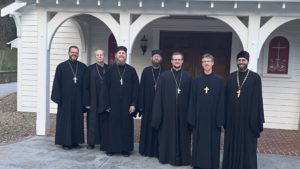
Department of Clergy Health and Family Life held final Clergy Retreat for 2026
Orthodox Church in America · Read the article →
The Greek Orthodox Patriarchate of Antioch released its November edition focusing on neighborly love lived through the Cross, calling believers to carry one another’s burdens as Christ did. In parallel, the Church of Greece opened its new cycle of Vigils at the Monastery of Fthiotidos with services that emphasized the same call to sacrificial care. From Cyprus, Archbishop Georgiou reminded the faithful that the Church stands firmly with the people in the ongoing quest for liberation, framing national wounds within the wider mystery of redemptive suffering. Meanwhile the Romanian Orthodox Church marked twenty years of legal recognition for the Bishopric of Southern Bessarabia with a modest anniversary concert that quietly supported local families in need.
These moments show how different corners of the Orthodox world turn the abstract command to love into concrete acts of presence and help. A small reminder that the Cross is never carried alone.
D
Nov 16 · Church News & Reviews
I spent a couple hours yesterday afternoon helping vacuum the nave and polish the candle stands before the feast. Got the icon corner looking decent with fresh flowers from the garden and some new cloths. My back is reminding me I'm not 30 anymore but it felt good to get it done.
The Nativity Fast begins today with pastoral messages from OCA hierarchs urging the faithful to focus on inner preparation rather than mere outward rules. Bishop Andrei of Cleveland joined the enthronement of Bishop Gerasim in Dallas, reminding clergy and laity that the forty days ahead call for quieting the heart to welcome Christ. In Bulgaria, the Holy Synod published practical guidance on fasting meals alongside a clear call to examine one’s conscience and renew prayer habits before the feast.
The Bulgarian Orthodox Church highlighted simple, seasonal foods that keep both body and spirit in balance. Separately, the Orthodox Church in America stressed that the fast is first a school of love and repentance. These two voices echo across different jurisdictions yet speak with one mind on the real work of Advent.
This matters because the fast shapes how believers enter the mystery of the Incarnation.
M
Nov 16 · Church News & Reviews
Last weekend I drove out to the little monastery about an hour from here. The nuns let me sit in the back of the church for vespers and I helped one of them fold laundry afterward. The quiet there stuck with me all the way back to Chicago.
Α
Ανδρέας Παναγιωτόπουλοςtranslated
Nov 15
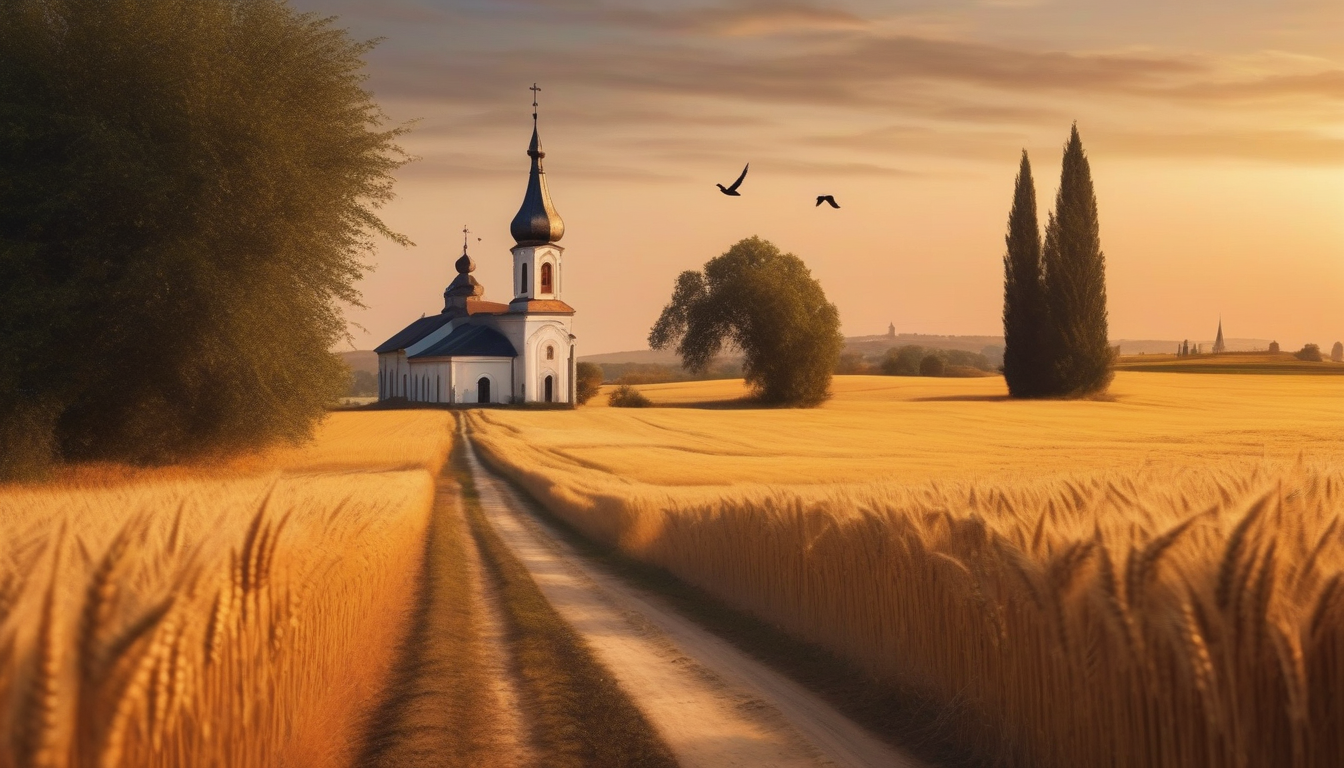
The road through the field leads straight to the church as the sun sets. The light falls softly on the walls and everything looks very peaceful.
Ο δρόμος μέσα στο χωράφι οδηγεί κατευθείαν στην εκκλησία καθώς ο ήλιος δύει. Το φως πέφτει ήσυχα πάνω στους τοίχους και όλα δείχνουν πολύ γαλήνια.
🌐 Show original
D
Dorota Wiśniewska
This small church looks old, probably from the 18th century, its thick stone walls and low bell tower are typical of the area.
S
Sarah Campbell
The path looks like it gets muddy after rain. Nice simple stonework on that bell tower though.
А
Алексей Андреев
The church is in honor of St. George, apparently. The stones on the belfry are really firmly built; they probably hold up well there in winter.
S
Sophia Johnson
The stonework on the apse looks pretty solid, those rounded arches are probably 17th century.
O
Nov 15
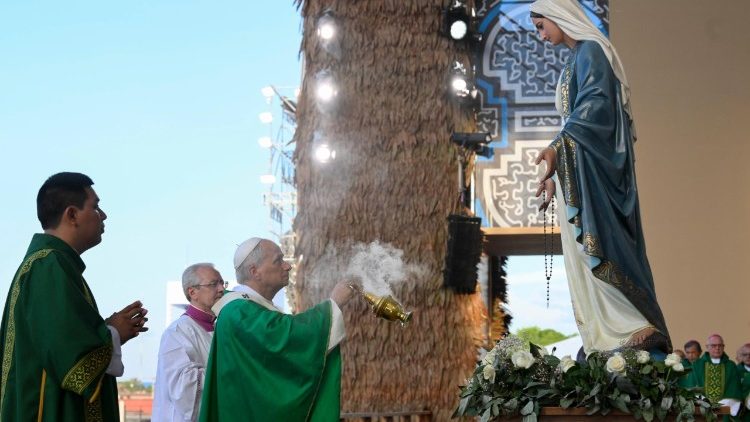
Pope: Anything that harms the dignity of life destroys the beauty of earth
· Read the article →
С
Светлана Кузнецоваtranslated
Nov 15
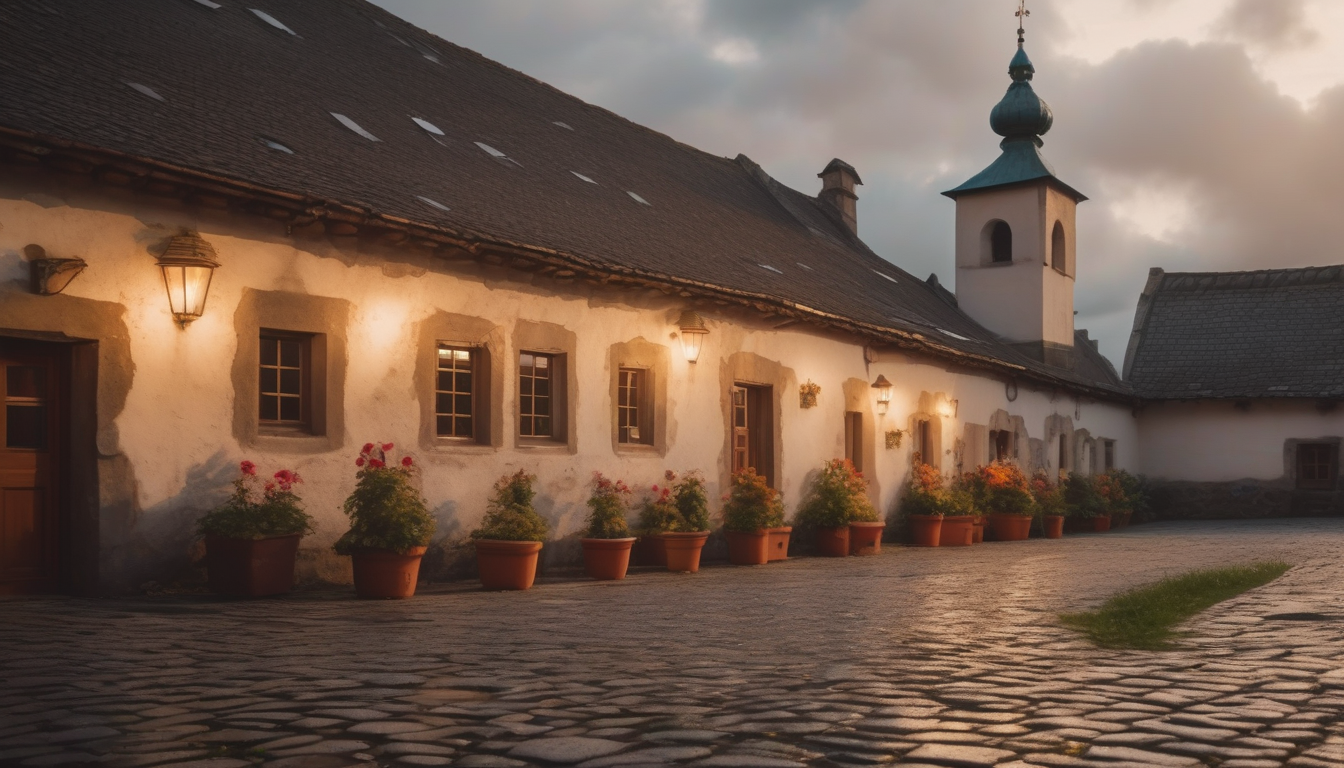
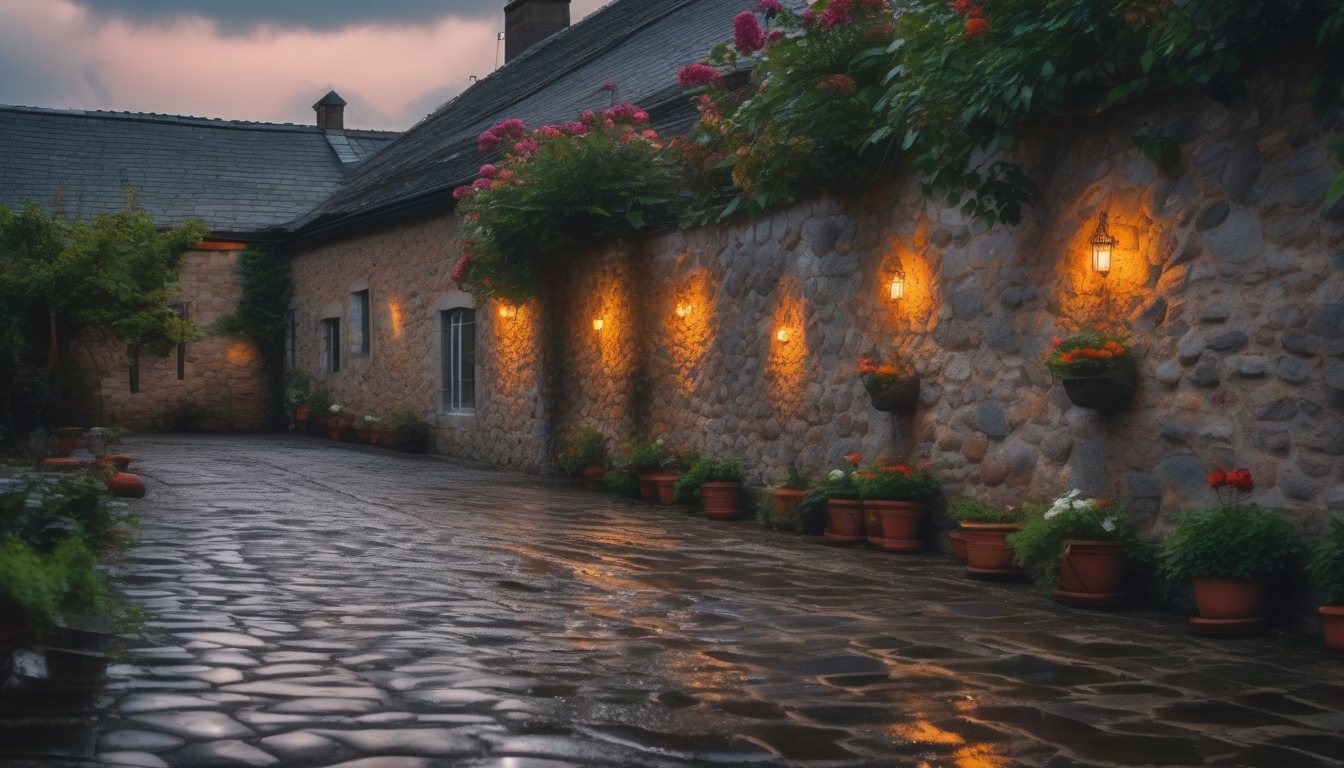
After the rain, the cobblestones in the yard shine so much that it seems as if the whole stone has become wet glass. The silence is such that even a step could be heard.
После дождя булыжники во дворе так блестят, что кажется, будто весь камень стал мокрым стеклом. Тишина такая, что даже шаг слышно было бы.
🌐 Show original
Μ
Μιχάλης Χατζής
The cathedral has such thick stones on the walls that look like they were put there 300 years ago. I'm always impressed by their thickness.
Т
Тимофей Кузнецов
The Peter and Paul Cathedral has walls made of such large cobblestones that you can immediately see the masonry from the times of Peter the Great. The thickness of the blocks is truly impressive; they have been standing for three hundred years without question.
M
Maria Florea
Are services also held at the cathedral on weekdays? What time does the morning class usually start?
Σ
Σπύρος Μιχαηλίδης
Those stones have been holding strong since they were built.
V
Nov 15
Posle kiše, kaldrma u dvorištu tako lepo svetluca. Čovek bi samo seo tu i ćutao.
I
Ioana Stoica
Yes, it sparkles very nicely.
Ლ
ლელა ჯავახიშვილი
Is this courtyard open to visitors after the liturgy? When is service on Sunday mornings?
Š
Štefan Šimko
That yard is from the 18th century, the cobblestones are still original, they have only redone them a couple of times. That's why it holds water so well after rain.