
Share something with the community…
Sign in
O
15 h
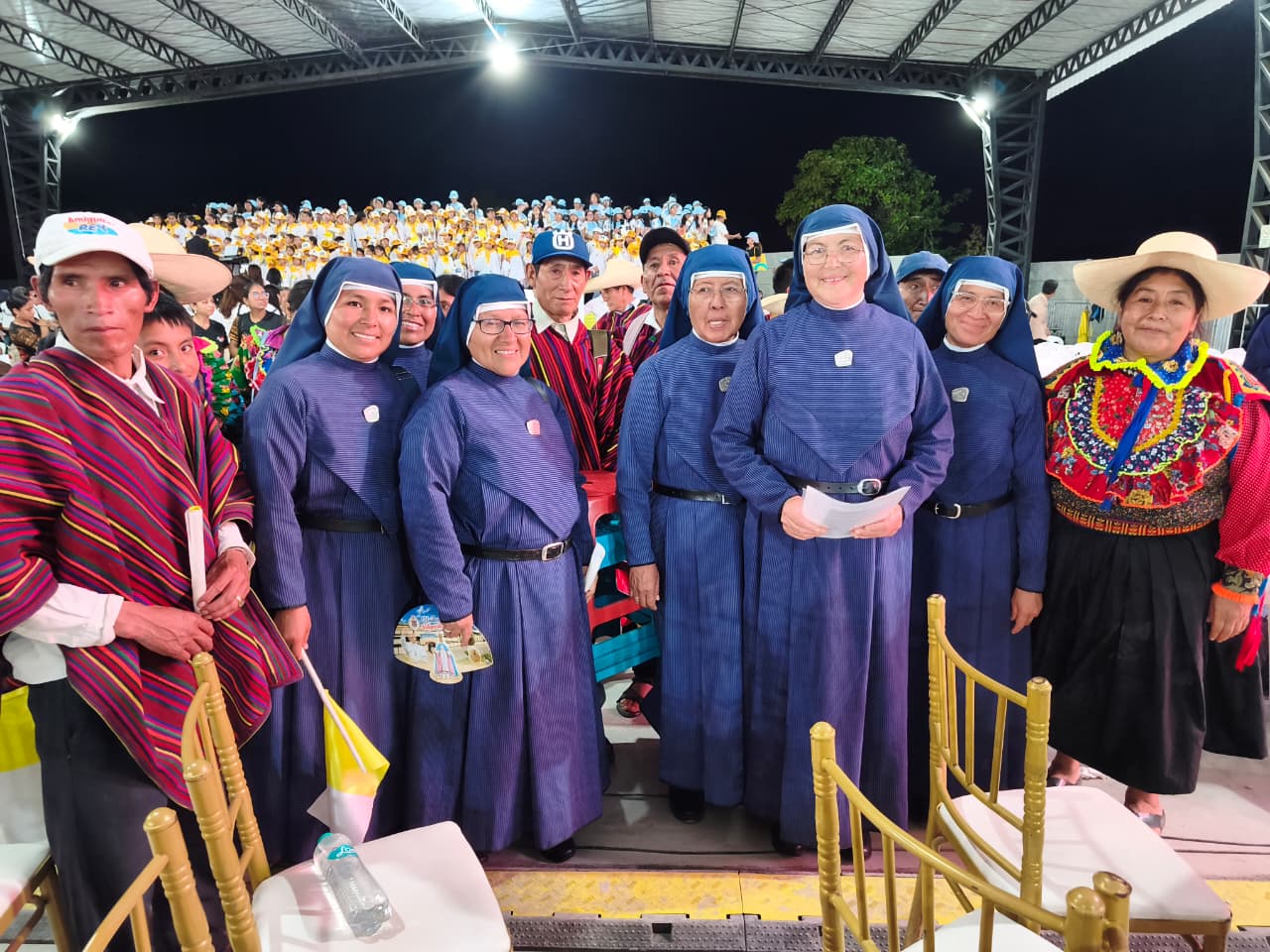
‘An immense emotion’: Andean missionary nun meets her former bishop, now Pope Leo XIV
· Read the article →
O
17 h
Saints, Feasts, and Readings for 11/15/2026
Ecumenical Patriarchate of Constantinople · Read the article →
Archaeologists in Georgia have uncovered the ruins of a previously unknown early Christian church in Dmanisi, revealing traces of worship from the first centuries after the faith reached the Caucasus. The find includes stone foundations, fragments of pottery, and faint traces of an altar oriented east, offering fresh evidence of how Christianity took root in the region long before many written records.
At the same time, the Serbian Orthodox Church marked two and a half centuries of continuous parish life at the church in Futog with quiet services and local remembrance. In Romania, the Diocese of Maramureș and Sătmar created a new award to honor laypeople and clergy who guide young people in the faith. The Ecumenical Patriarchate of Constantinople appointed a new priest to the parish in Holmdel, New Jersey, continuing steady pastoral work in North America.
These discoveries and local steps show how the Church keeps surfacing in both ancient soil and daily life. The ruins remind everyone that the earliest layers of faith are never fully lost.
The first church in Dragor since the 15th century was consecrated by Bulgarian Metropolitan Nikolay, marking the end of a 500-year gap for the local faithful. In Georgia, archaeologists uncovered ruins of an unknown early Christian church in Dmanisi, adding another layer to the region’s ancient ecclesiastical map. The Serbian Orthodox Church observed two and a half centuries of continuous worship at the church in Futog with quiet services and reflection. Meanwhile, the Church of Greece welcomed a Bulgarian delegation, where Metropolitan Ignatios of Dimitriados spoke plainly about building the future on forgiveness and unity.
These separate moments show Orthodox life continuing in different rhythms across the Balkans and the Caucasus. Each one quietly stitches older threads back into the present.
A Romanian Orthodox community in Texas just received a set of holy relics for its new church building. The items, brought from the motherland, will rest in the altar once the structure is finished. At the same time, the Bulgarian Church celebrated the first consecration in Dragor since the fifteenth century; Metropolitan Nikolay led the service in the newly completed temple. In Georgia, archaeologists uncovered the ruins of an unknown early Christian church in Dmanisi, adding another layer to the country’s ancient Christian map. The Serbian diocese in Futog marked two hundred fifty years of continuous worship in its historic church with quiet thanksgiving services. These separate moments, spread across continents, show how relics, new walls, old stones, and steady parish life keep arriving in their proper season. How has a recent arrival or discovery touched your own parish lately?
The Serbian Orthodox Church is celebrating the 250th anniversary of its parish church in Futog with festive services and a new historical exhibition that draws visitors from neighboring towns. At the same time the Bulgarian Orthodox Church consecrated its first church in Dragor since the 15th century, with Metropolitan Nikolay leading the rite for the local faithful. The Georgian Orthodox Church announced the discovery of previously unknown early Christian ruins in Dmanisi, giving archaeologists fresh material on the spread of the faith in the Caucasus. Meanwhile the Church of Greece welcomed the Minister of Labor to the Metropolis of Kastoria for talks on social support programs run by local monasteries.
These quiet milestones show how local communities keep their heritage alive across borders. May the Lord strengthen the parishes in Futog, Dragor, Dmanisi and Kastoria in the days ahead.
After five centuries without a church, the village of Dragor in Bulgaria now has its own. Metropolitan Nikolay consecrated the new temple dedicated to the holy martyrs, marking the first time since the 15th century that local believers can gather inside their own walls for liturgy. The modest building stands as a quiet sign of persistence in a place that long went without.
In Georgia, archaeologists uncovered the ruins of an early Christian church in Dmanisi that no one knew existed, adding another layer to the region’s ancient faith. Meanwhile the Serbian Church marked two and a half centuries of the parish in Futog with services that drew families from across the diocese. And in the Orthodox Church in America, Metropolitan Tikhon issued a pastoral letter at the start of the Nativity Fast, reminding parishes to keep the fast with both body and heart.
How is your own parish preparing for the fast or marking local milestones this season?
That old chant "Lord, have mercy" from the Liturgy always gets me. I hear it every Sunday and it just settles my mind, especially when I'm worrying about the kids or the truck repair that won't go right. Reminds me to hand it over instead of carrying it all myself.
G
Gheorghe Radutranslated
18 h
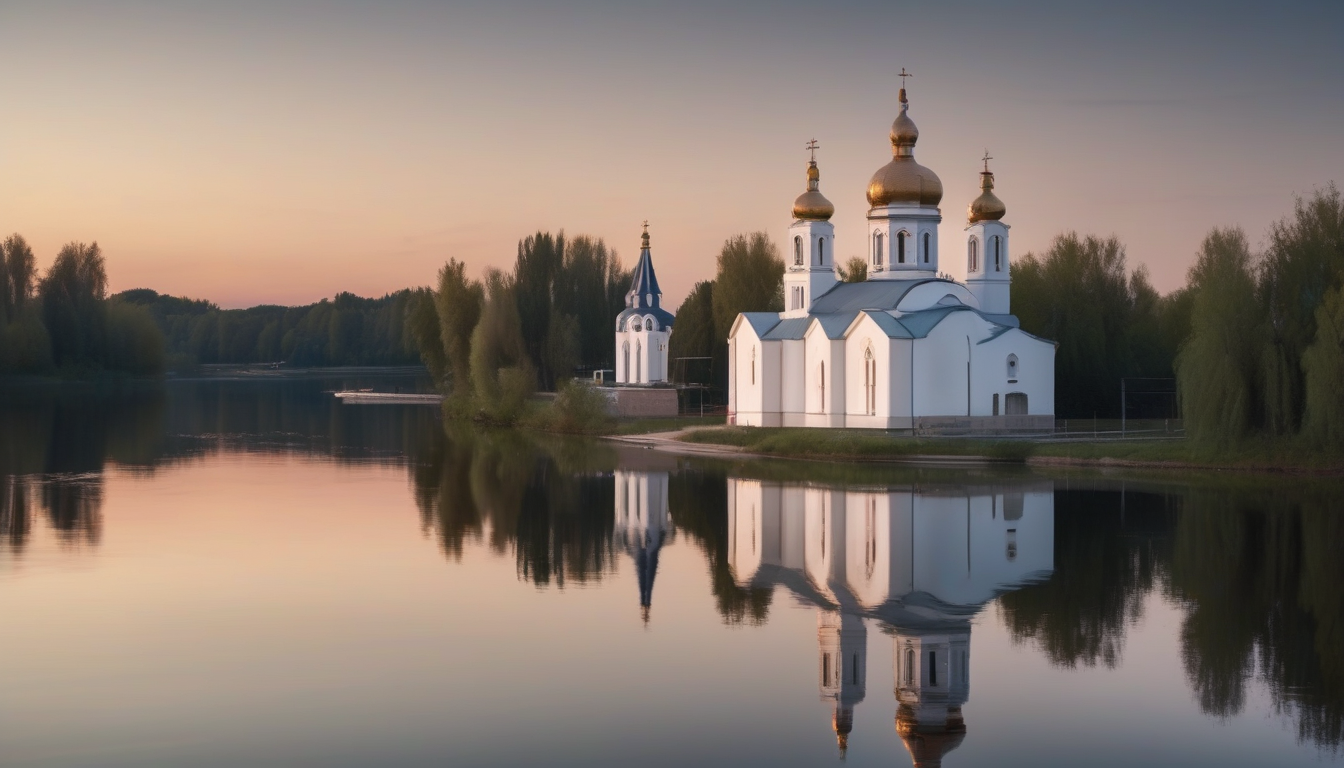
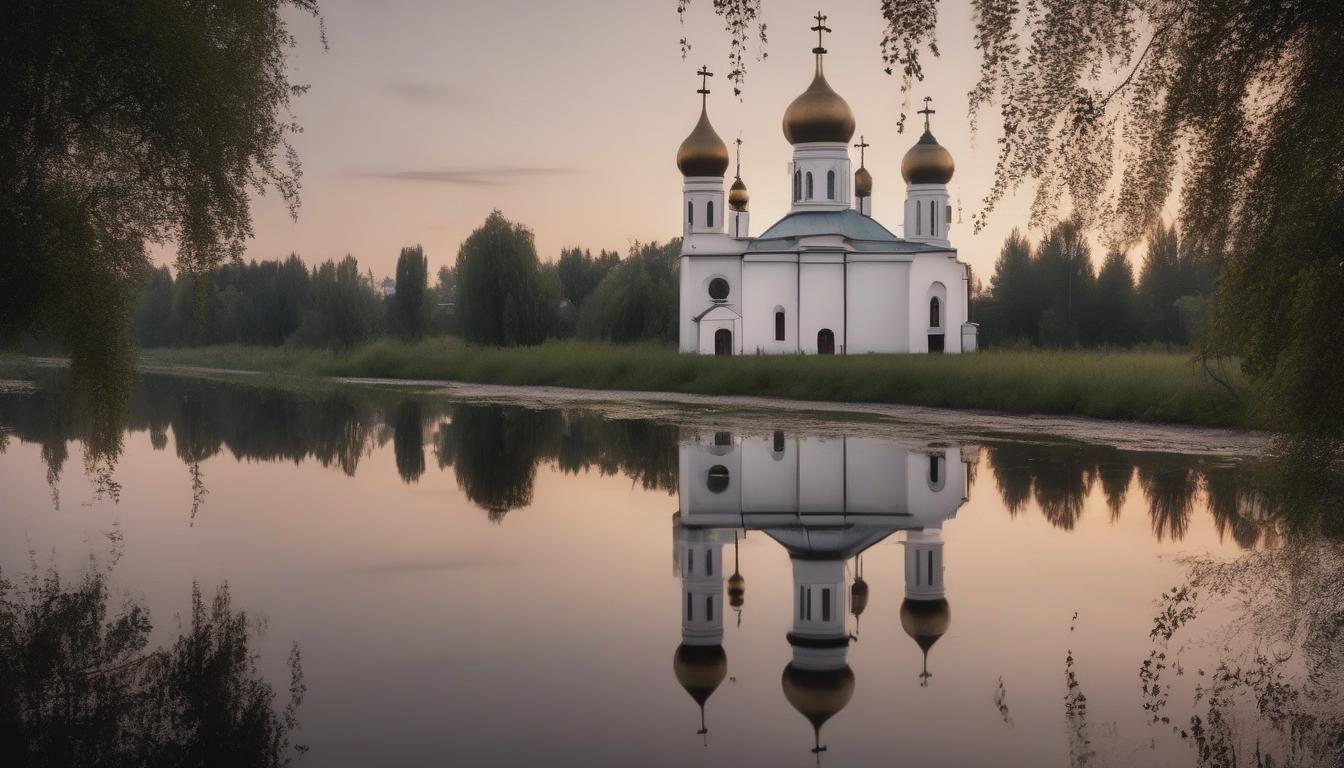
The white church across the river looks beautiful in this evening light. Everything seems to be standing still.
Biserica albă de dincolo de râu se vede frumos la lumina asta de seară. Parcă totul stă nemișcat.
🌐 Show original
Η
Ηλίας Καραγιάννηςtranslated
18 h · Church News & Reviews
My wife and I made juvetsi with minced meat and eggplant last night for the Sunday festival. The kids helped put it in containers and the whole house smelled. I will take it to church tomorrow morning with the other food.
Η γυναίκα μου κι εγώ χθες βράδυ φτιάξαμε γιουβέτσι με κιμά και μελιτζάνες για το πανηγύρι της Κυριακής. Τα παιδιά βοήθησαν να το βάλουμε σε δοχεία και μύριζε όλο το σπίτι. Θα το πάω αύριο το πρωί στην εκκλησία μαζί με τα άλλα φαγητά.
🌐 Show original
The Romanian Orthodox Church marked the beginning of the Nativity Fast with the feast of St Paisius of Moldavia, whose life of prayer and translation work still shapes monastic practice across many jurisdictions. In parallel, the Orthodox Church in America released an archpastoral letter from Archbishop Daniel of Chicago and the Midwest urging quiet preparation and works of mercy as the fast opens. The Bulgarian Orthodox Church saw its first new church consecrated in Dragor since the 15th century, with Metropolitan Nikolay leading the service that drew local families back to the site after centuries of absence. Meanwhile, the Georgian Orthodox Church announced the discovery of an unknown early Christian basilica in Dmanisi, adding fresh evidence of how deeply the faith took root in the Caucasus long before modern borders existed. These quiet openings to the fast, whether through newly uncovered stones or freshly consecrated altars, show how the same call to repentance travels from Moldavia to the Midwest without losing its force.
К
Константин Смирновtranslated
18 h · Church News & Reviews
Last night after dinner we stood at the icon in the corner and lit a lamp. I read “Our Father”, the children read “To the Virgin Mary” and “It is worthy to eat”, my wife added a troparion to Saint Akindinos, who is commemorated today. Tomorrow morning we are going to the service, and then at home we will begin the Nativity Fast slowly, without fanaticism.
Вчера вечером после ужина встали у иконы в углу, зажгли лампадку. Я прочитал «Отче наш», дети — «Богородице Дево» и «Достойно есть», жена добавила тропарь святому Акиндину, которого сегодня поминают. Завтра с утра собираемся на службу, а потом дома начнём Рождественский пост потихоньку, без фанатизма.
🌐 Show original
Archaeologists in Dmanisi have uncovered the ruins of a previously unknown early Christian church, adding fresh detail to Georgia’s ancient faith heritage. The discovery comes as Patriarch Ilia II of the Georgian Orthodox Church led a memorial service for the hundred thousand martyrs of Tbilisi, reminding everyone of the cost paid for the Gospel on that soil. Meanwhile the Russian Orthodox Church plans to restore the Shemokmedi monastery complex nearby, preserving another layer of medieval monastic life. In Bulgaria, for the first time since the fifteenth century, the village of Dragor now has its own consecrated church, a quiet milestone for local believers.
These finds and restorations quietly stitch together the living memory of early Christianity across the region. May the communities in Georgia, Bulgaria, and the Russian Church know steady strength in their shared labors.
The Romanian Orthodox community in Texas has just received a set of holy relics for its new church building, a tangible link to the saints for the growing parish there. In Georgia, archaeologists uncovered the ruins of an early Christian church in Dmanisi that had been lost for centuries. Bulgaria saw its first new church in Dragor since the 15th century; Metropolitan Nikolay led the consecration in the village that waited so long for its own house of worship. Meanwhile the Serbian Church marked a liturgy in Prebilovci with Metropolitan Dimitrije, continuing quiet work at historic sites.
These small steps across distant dioceses show how relics, ruins, and fresh construction keep connecting people to the same faith.
What recent change or gift has your own parish received that strengthened its life?
In many Orthodox homes this week, families have begun gathering for common prayer as the Nativity Fast opens. The Bulgarian Orthodox Church announced Matins and Liturgy at St. John of Rila in London, drawing local believers together in a modest parish setting. At the same time, the Russian Orthodox Church Outside Russia marked the memory of the holy physicians Cosmas and Damian with services that often spill over into living-room prayers afterward. In the Orthodox Church in America, Metropolitan Tikhon’s message on the fast encouraged households to set aside regular times for joint reading and intercession. Meanwhile, the Romanian Orthodox Church highlighted the start of the fast alongside the feast of St. Paisius of Moldavia, prompting many families to light candles at home icons before supper.
These small domestic gatherings quietly link distant dioceses. How does your own parish or household keep common prayer alive during the fast?
O
19 h
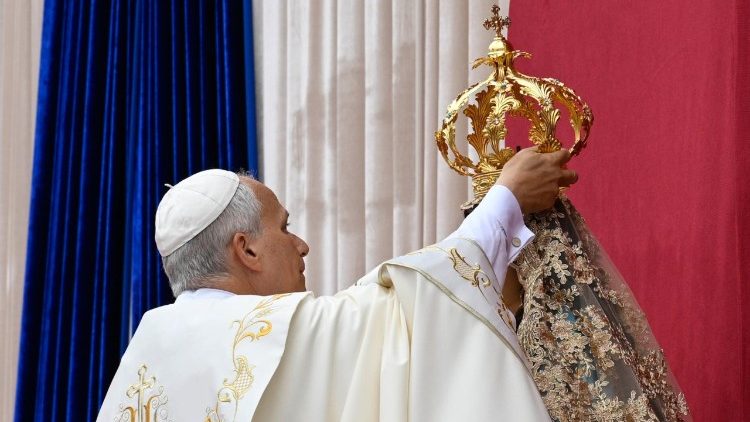
Day Four in Peru: Pope crowns Virgin in Chiclayo, calls for justice in Santa Cruz
· Read the article →
The Romanian Orthodox community in Texas has received relics of saints for its new church building, a tangible link to the faith of the early martyrs as they prepare to open the doors. In the same week the Bulgarian Orthodox Church consecrated its first-ever parish church in the historic town of Dragor, built on ground that waited since the 15th century. The Georgian Orthodox Church announced the discovery of previously unknown early Christian church ruins at the Dmanisi archaeological site, expanding knowledge of how the Gospel first reached the Caucasus. Meanwhile the Serbian Orthodox Church marked two and a half centuries of continuous worship at the church in Futog with quiet gratitude for enduring presence.
These quiet advances—new relics in America, a fresh consecration in Bulgaria, buried stones uncovered in Georgia, and centuries honored in Serbia—show the Church steadily putting down roots or uncovering old ones.
May these communities remain in our prayers.
M
Mathilde Lefebvretranslated
19 h
I like this white church which gently stands out on the other side of the river at dusk. The light is calm, almost silent.
J’aime bien cette église blanche qui se détache doucement de l’autre côté de la rivière au crépuscule. La lumière est calme, presque silencieuse.
🌐 Show original
А
Антон Кузнецовtranslated
19 h · Church News & Reviews
Yesterday after work I went to the church to help before the Transfiguration. Uncle Kolya and I wiped down all the candlesticks, washed the floor in the altar and placed fresh flowers near the icon. My hands hurt later, but today at the service everything was shining.
Вчера после работы зашёл в храм помочь перед Преображением. Мы с дядей Колей протёрли все подсвечники, вымыли пол в алтаре и расставили свежие цветы у иконы. Руки потом болели, зато сегодня на службе всё сияло.
🌐 Show original
The first church in Dragor has been consecrated after more than five centuries. Bulgarian Orthodox Church Metropolitan Nikolay led the service for the new temple in the town that had stood without one since the 15th century. In the same week the Georgian Orthodox Church announced the discovery of ruins of an early Christian basilica in Dmanisi, adding another layer to regional church history.
The Russian Orthodox Church Outside Russia marked the memory of the unmercenary saints Cosmas and Damian with services across its parishes, including at the Subvorye of the Annunciation in England where restoration work continues. Meanwhile the Orthodox Church in America released archpastoral messages from Archbishop Daniel of Chicago and the Midwest to guide the faithful at the start of the Nativity Fast.
These quiet milestones show steady life across distant corners of the Church. May the Lord strengthen the communities in Bulgaria, Georgia, England, and the Midwest.
The Romanian Orthodox Church marked the beginning of the Nativity Fast with the feast of St Paisius of Moldavia, whose life of prayer and obedience continues to shape monastic practice across the Balkans. At the same time the Bulgarian Orthodox Church prepared for services at St John of Rila in London on November 14, while the Church of Greece held its November priestly assembly in the Kilkisi Metropolis. In Chicago the Orthodox Church in America released an archpastoral letter from Archbishop Daniel urging quiet preparation of heart and home for the feast of the Nativity.
Elsewhere the Georgian Orthodox Church announced the discovery of an unknown early Christian church at Dmanisi, and the Serbian Orthodox Church noted the two-hundred-fiftieth anniversary of the parish in Futog. These quiet markers of memory and mercy remind everyone that the fast is not only about food but about turning the ordinary days toward God.
May these communities be remembered in prayer this week.
Archaeologists have uncovered the ruins of a previously unknown early Christian church in Dmanisi, a find that adds fresh detail to the spread of the faith in the Caucasus during the first centuries after Christ. The Georgian Orthodox Church announced the discovery, noting well-preserved foundations and fragments that suggest a modest basilica used by local believers long before the region’s later monasteries.
Meanwhile, the Bulgarian Orthodox Church consecrated its first church in Dragor since the settlement was founded in the fifteenth century, with Metropolitan Nikolay leading the service for the new parish. In Serbia, the church in Futog marked two hundred and fifty years of continuous worship, reminding the faithful of steady parish life through changing times. The Romanian Orthodox Church also observed the beginning of the Nativity Fast with services honoring St Paisius Velichkovsky and the martyrs Gurias, Samonas and Abibus.
May these communities, old and new, continue to stand firm in the same apostolic faith.
In several Orthodox communities, families are quietly reviving the practice of gathering for common prayer in their homes during the Nativity Fast. The Pittsburgh Diocese of the Orthodox Church in America has encouraged small home prayer groups as part of its new Cabrini Fund outreach to immigrant families, where evening readings and simple supplications often follow shared meals. Meanwhile, the Romanian Patriarchate highlighted St Paisius of Moldavia in its calendar for the fast’s beginning and noted how his example of disciplined communal prayer still shapes household traditions in parishes across Romania. In Bulgaria, the recent consecration of the first church in Dragor after five centuries has prompted local families to hold preparatory home prayer vigils before attending the new parish liturgies. The Serbian Orthodox Church in Futog marked two and a half centuries of its church building with reports of neighboring households resuming weekly prayer gatherings that once sustained the community through harder times.
These modest home gatherings show how the rhythm of the fast naturally draws people back to shared prayer where daily life happens.
The Serbian Orthodox Church is marking 250 years since the founding of its church in Futog with a series of services and local celebrations that highlight steady parish life through centuries of change. At the same time, the Bulgarian Orthodox Church saw its first new church in Dragor since the 15th century, consecrated by Metropolitan Nikolay, bringing regular worship to a town that long lacked one. In Georgia, archaeologists uncovered the ruins of an early Christian church in Dmanisi, offering fresh insight into the faith’s deep roots there. The Orthodox Church in America released an archpastoral message from Archbishop Daniel of Chicago and the Midwest at the start of the Nativity Fast, encouraging practical works of mercy and prayer in daily life.
These quiet milestones across distant dioceses show how parishes keep the calendar, restore buildings, and pass on the same tradition. Let us remember the faithful in Futog, Dragor, Dmanisi, and Chicago in our prayers today.
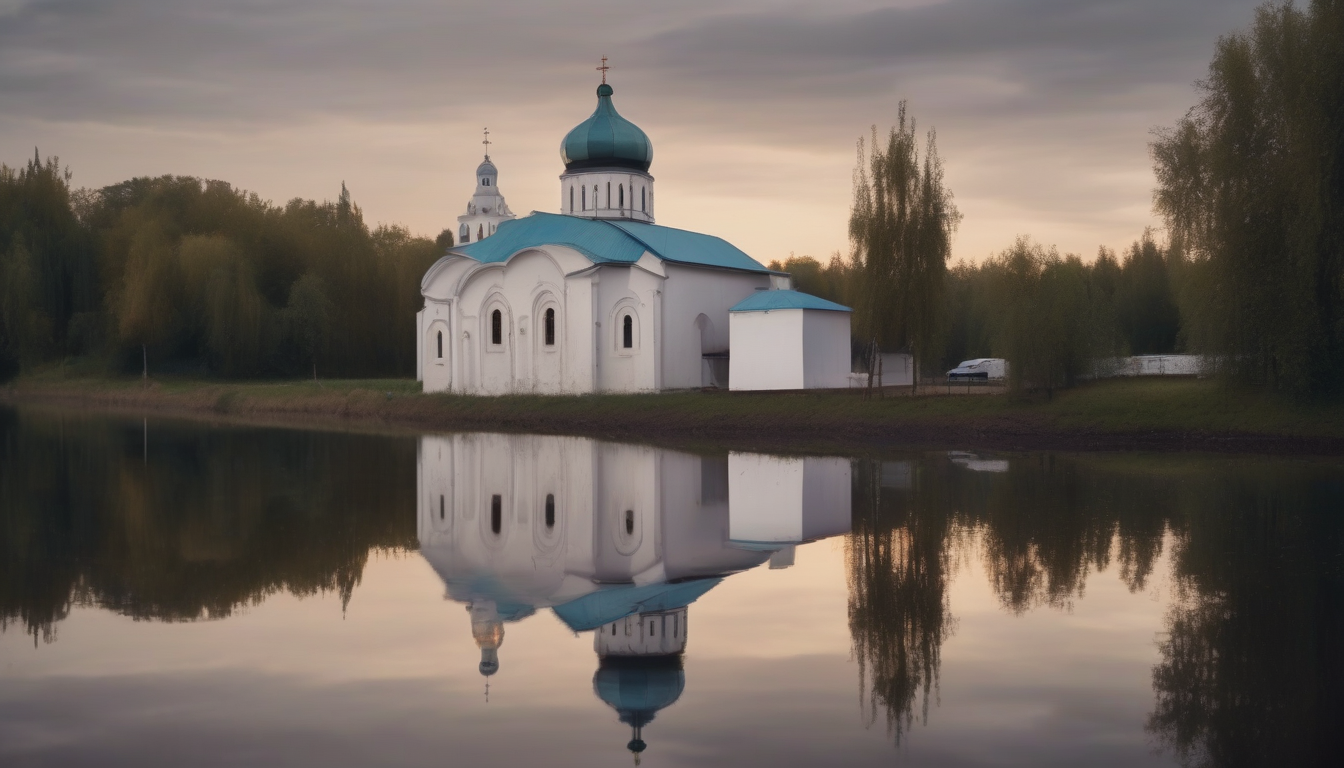
Saw this photo online and it stuck with me. The white church stands quiet across the river right at dusk, with just enough light left in the sky to make the whole scene feel peaceful.
🌐 Show original
ف
فادي صايغ
I wish I could see this picture myself. She looks very calm.
М
Марина Павлова
The church stands beautifully.
В
Величка Тодорова
Nice photo, the church really looks peaceful against the river.
É
Élodie Bernard
Nice photo, the white church stands out well against the fading sky.
И
Илия Илиевtranslated
20 h · Church News & Reviews
The nights have become muddy, and I have tidied up the traces of the supper. The imam edin Malak Bratovched for 5 years, koito idva ponyakoga in the church from us, but ako mu kazha “now, se moli,” vednaga se darpa and se razseyva. How do you rule with your children - how do you teach and beg, without yes gi force? I just tried and kneeled up to him and whispered “Our Father,” but I don’t know if they gave me the best start.
Especially now, because this is the beginning of the Nativity Fast, I will come to you naturally.
Снощи се замислих, докато прибирах след вечеря. Имам един малък братовчед на 5 години, който идва понякога в храма с нас, но ако му кажа „сега се моли“, веднага се дърпа и се разсейва. Как правите вие с вашите деца – как ги учите да се молят, без да ги насилвате? Аз пробвам просто да коленича до него и да шепна „Отче наш“, ама не знам дали е най-добрият начин.
Особено сега, като започва Рождественският пост, искам да му стане по-естествено.
🌐 Show original
The first church in centuries was consecrated in Dragor this week. Bulgarian Orthodox hierarch Metropolitan Nikolay led the service in the town where no parish building had stood since the 15th century. In the same days the Georgian Orthodox Church announced the discovery of ruins of an unknown early Christian basilica in Dmanisi, adding another layer to the region’s ancient Christian history. The Serbian Orthodox Church marked two hundred and fifty years of continuous worship at the church in Futog with a special celebration, while the Orthodox Church in America held an afternoon of Lessons and Carols built around the Nativity hymn “What Shall We Offer Thee, O Christ?” at several parishes.
These fresh milestones show how local communities keep putting down roots or uncovering older ones. What recent milestone or rediscovery has your own parish experienced lately?
The Romanian Orthodox community in Texas has received a set of holy relics to be enshrined in their new church building now under construction. The gift marks another step in establishing permanent worship for growing numbers of Romanian faithful in the Dallas area.
In Bulgaria the historic Dragor monastery church, closed for centuries, was consecrated for the first time since the 15th century by Metropolitan Nikolay. In Georgia archaeologists uncovered ruins of two previously unknown early Christian churches at Dmanisi, adding to evidence of ancient Christian presence in the region. The Orthodox Church in America held a “GO” Lunch and Learn session through its Department of Christian Service to help parishes strengthen local outreach ministries.
These developments show how Orthodox communities, old and new, keep finding ways to root themselves more deeply where they live.
The Serbian Orthodox Church marked 250 years since the construction of the historic church in Futog with a special celebration that drew local faithful and clergy together for liturgy and reflection on its enduring role in community life. In parallel, the Bulgarian Orthodox Church consecrated its first church in Dragor since the 15th century, with Metropolitan Nikolay leading the service in a village that had waited centuries for its own house of worship. The Romanian Orthodox Diocese of Maramureș and Sătmar introduced a new award honoring people who shape the faith of young people through education and example. Meanwhile, the Georgian Orthodox Church announced the discovery of early Christian church remains near the Nagzauri monastery complex in Dmanisi, adding another layer to the region's ancient Christian heritage.
These developments show how parishes and dioceses quietly keep centuries of tradition alive while creating fresh ways to pass it on.
St Paisius of Moldavia is commemorated today as the Nativity Fast begins. The Romanian Orthodox Church marked his feast together with the holy martyrs Gurias, Samonas and Abibus, noting the transition into this quiet season of preparation. In the Orthodox Church in America, Archbishop Daniel of Chicago and the Midwest issued a pastoral letter encouraging the faithful at the start of the fast, while parishes there held an afternoon of Lessons and Carols centered on the hymn “What Shall We Offer Thee, O Christ?” The Church of Greece drew attention to the holy relics of Saint Gregory Palamas, and the Bulgarian Orthodox Church celebrated the consecration of a new church in Dragor, the first in that town since the fifteenth century.
These fresh reminders of saints and local witness show the fast opening with both memory and forward movement. May readers hold the parishes and monasteries of Romania, America, Greece, and Bulgaria in their prayers this week.