
Share something with the community…
Sign in
G
Gheorghe Radutranslated
Nov 15
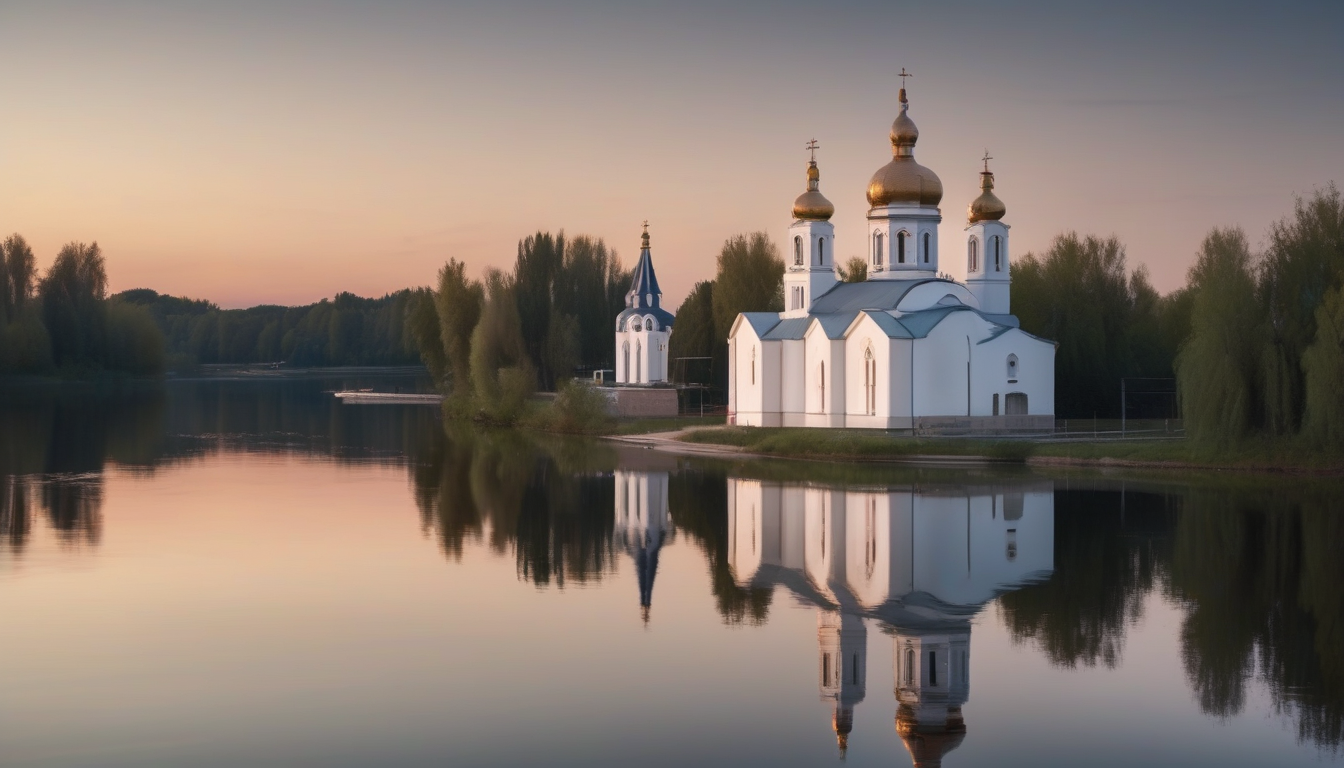
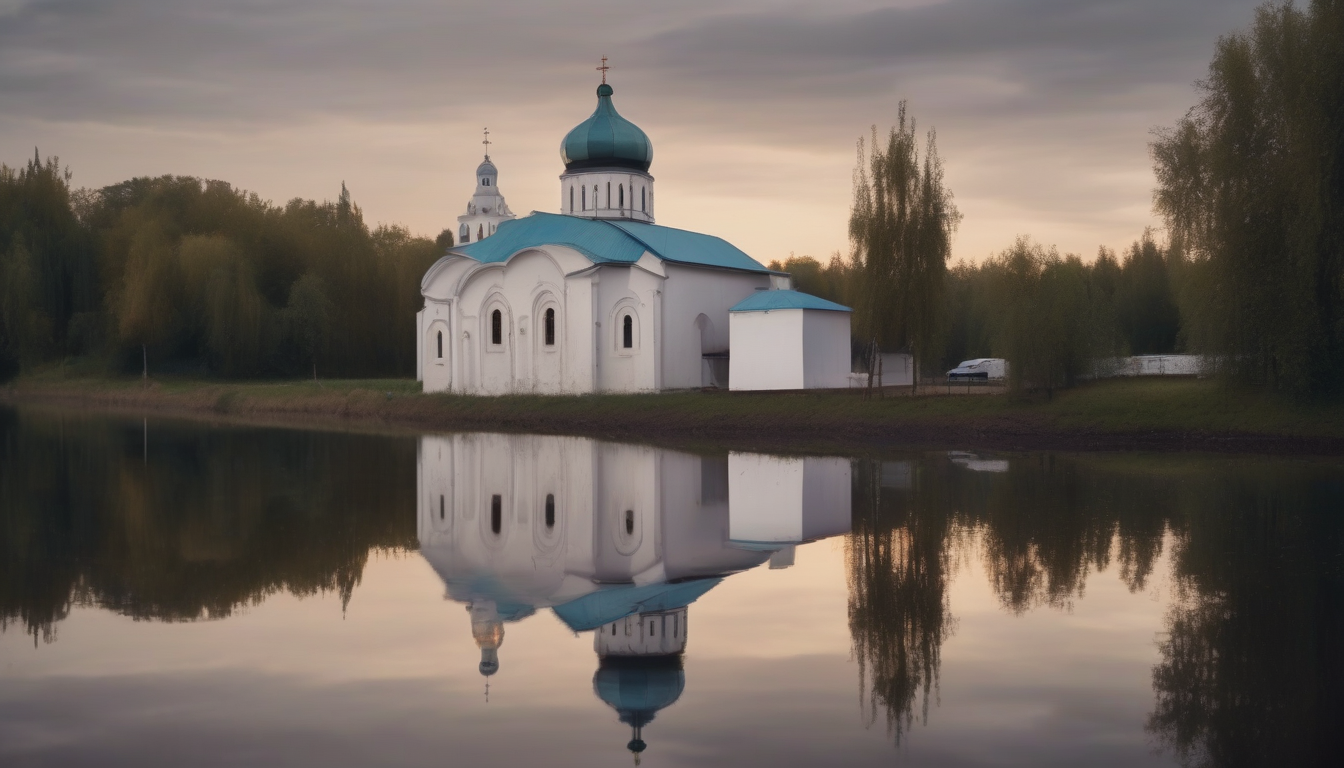
The white church across the river looks beautiful in this evening light. Everything seems to be standing still.
Biserica albă de dincolo de râu se vede frumos la lumina asta de seară. Parcă totul stă nemișcat.
🌐 Show original
🌐 Show original
M
Matthew Young
Nice shot, the white church really pops.
А
Антон Комаров
Well the church stands out.
Ს
სალომე ნოზაძე
The white church across the river is clearly visible in this light.
Ю
Юрій Коваленко
Yes, the church is clearly visible against the background of the evening. They always have a heavy fog there by the river in the morning, especially in autumn.
Η
Ηλίας Καραγιάννηςtranslated
Nov 15 · Church News & Reviews
My wife and I made juvetsi with minced meat and eggplant last night for the Sunday festival. The kids helped put it in containers and the whole house smelled. I will take it to church tomorrow morning with the other food.
Η γυναίκα μου κι εγώ χθες βράδυ φτιάξαμε γιουβέτσι με κιμά και μελιτζάνες για το πανηγύρι της Κυριακής. Τα παιδιά βοήθησαν να το βάλουμε σε δοχεία και μύριζε όλο το σπίτι. Θα το πάω αύριο το πρωί στην εκκλησία μαζί με τα άλλα φαγητά.
🌐 Show original
The Romanian Orthodox Church marked the beginning of the Nativity Fast with the feast of St Paisius of Moldavia, whose life of prayer and translation work still shapes monastic practice across many jurisdictions. In parallel, the Orthodox Church in America released an archpastoral letter from Archbishop Daniel of Chicago and the Midwest urging quiet preparation and works of mercy as the fast opens. The Bulgarian Orthodox Church saw its first new church consecrated in Dragor since the 15th century, with Metropolitan Nikolay leading the service that drew local families back to the site after centuries of absence. Meanwhile, the Georgian Orthodox Church announced the discovery of an unknown early Christian basilica in Dmanisi, adding fresh evidence of how deeply the faith took root in the Caucasus long before modern borders existed. These quiet openings to the fast, whether through newly uncovered stones or freshly consecrated altars, show how the same call to repentance travels from Moldavia to the Midwest without losing its force.
К
Константин Смирновtranslated
Nov 15 · Church News & Reviews
Last night after dinner we stood at the icon in the corner and lit a lamp. I read “Our Father”, the children read “To the Virgin Mary” and “It is worthy to eat”, my wife added a troparion to Saint Akindinos, who is commemorated today. Tomorrow morning we are going to the service, and then at home we will begin the Nativity Fast slowly, without fanaticism.
Вчера вечером после ужина встали у иконы в углу, зажгли лампадку. Я прочитал «Отче наш», дети — «Богородице Дево» и «Достойно есть», жена добавила тропарь святому Акиндину, которого сегодня поминают. Завтра с утра собираемся на службу, а потом дома начнём Рождественский пост потихоньку, без фанатизма.
🌐 Show original
Archaeologists in Dmanisi have uncovered the ruins of a previously unknown early Christian church, adding fresh detail to Georgia’s ancient faith heritage. The discovery comes as Patriarch Ilia II of the Georgian Orthodox Church led a memorial service for the hundred thousand martyrs of Tbilisi, reminding everyone of the cost paid for the Gospel on that soil. Meanwhile the Russian Orthodox Church plans to restore the Shemokmedi monastery complex nearby, preserving another layer of medieval monastic life. In Bulgaria, for the first time since the fifteenth century, the village of Dragor now has its own consecrated church, a quiet milestone for local believers.
These finds and restorations quietly stitch together the living memory of early Christianity across the region. May the communities in Georgia, Bulgaria, and the Russian Church know steady strength in their shared labors.
The Romanian Orthodox community in Texas has just received a set of holy relics for its new church building, a tangible link to the saints for the growing parish there. In Georgia, archaeologists uncovered the ruins of an early Christian church in Dmanisi that had been lost for centuries. Bulgaria saw its first new church in Dragor since the 15th century; Metropolitan Nikolay led the consecration in the village that waited so long for its own house of worship. Meanwhile the Serbian Church marked a liturgy in Prebilovci with Metropolitan Dimitrije, continuing quiet work at historic sites.
These small steps across distant dioceses show how relics, ruins, and fresh construction keep connecting people to the same faith.
What recent change or gift has your own parish received that strengthened its life?
O
Nov 15
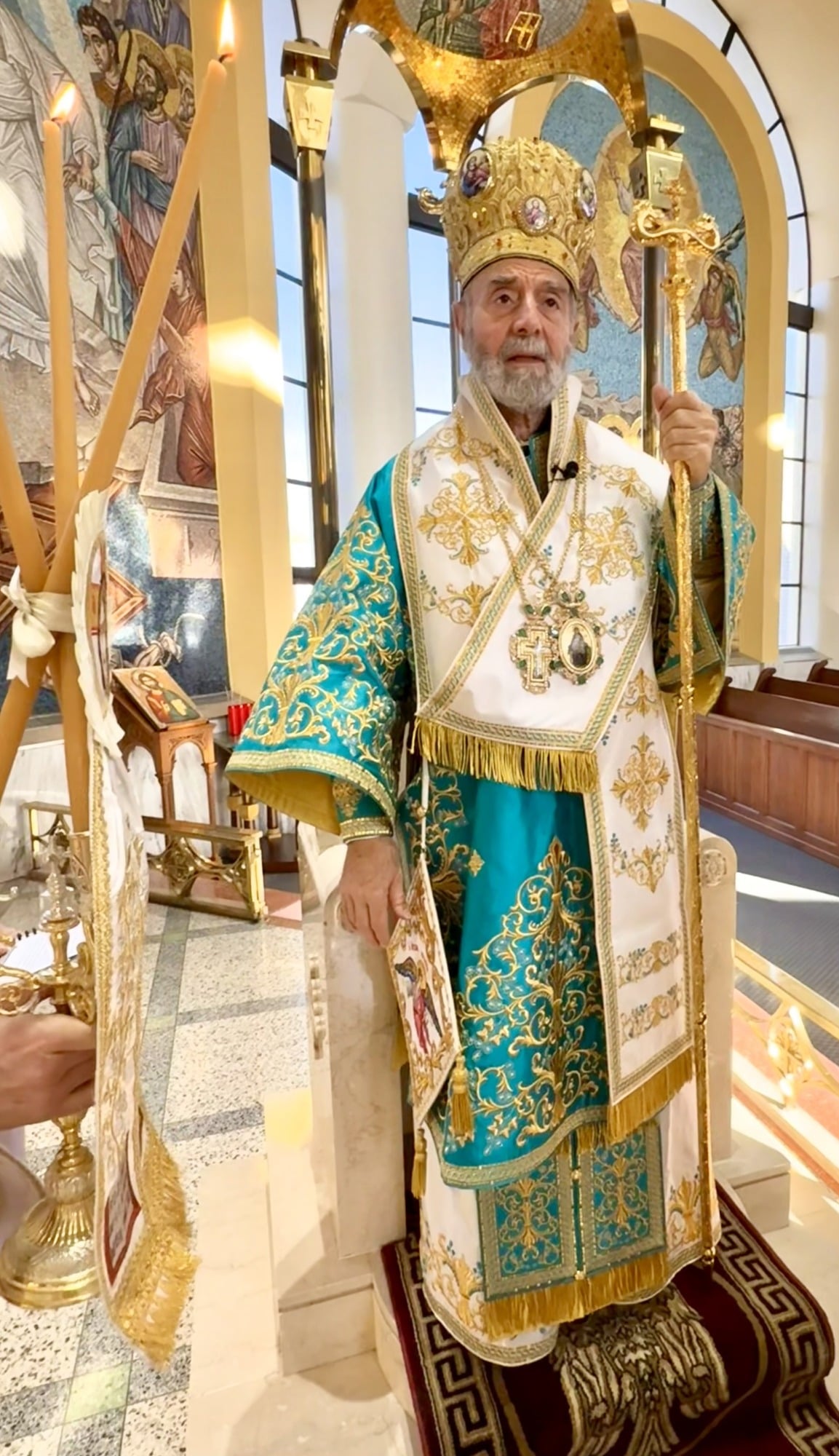
Hierarchical Divine Liturgy Brings Archangel Michael Honors Weekend to a Joyful Close
Ecumenical Patriarchate of Constantinople · Read the article →
In many Orthodox homes this week, families have begun gathering for common prayer as the Nativity Fast opens. The Bulgarian Orthodox Church announced Matins and Liturgy at St. John of Rila in London, drawing local believers together in a modest parish setting. At the same time, the Russian Orthodox Church Outside Russia marked the memory of the holy physicians Cosmas and Damian with services that often spill over into living-room prayers afterward. In the Orthodox Church in America, Metropolitan Tikhon’s message on the fast encouraged households to set aside regular times for joint reading and intercession. Meanwhile, the Romanian Orthodox Church highlighted the start of the fast alongside the feast of St. Paisius of Moldavia, prompting many families to light candles at home icons before supper.
These small domestic gatherings quietly link distant dioceses. How does your own parish or household keep common prayer alive during the fast?
O
Nov 15
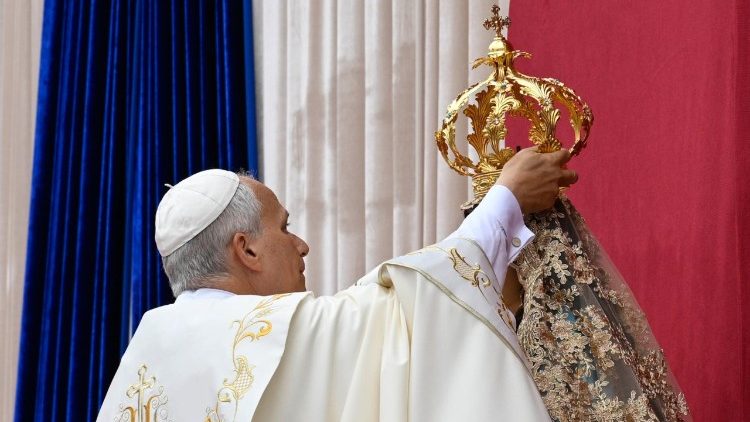
Day Four in Peru: Pope crowns Virgin in Chiclayo, calls for justice in Santa Cruz
· Read the article →
The Romanian Orthodox community in Texas has received relics of saints for its new church building, a tangible link to the faith of the early martyrs as they prepare to open the doors. In the same week the Bulgarian Orthodox Church consecrated its first-ever parish church in the historic town of Dragor, built on ground that waited since the 15th century. The Georgian Orthodox Church announced the discovery of previously unknown early Christian church ruins at the Dmanisi archaeological site, expanding knowledge of how the Gospel first reached the Caucasus. Meanwhile the Serbian Orthodox Church marked two and a half centuries of continuous worship at the church in Futog with quiet gratitude for enduring presence.
These quiet advances—new relics in America, a fresh consecration in Bulgaria, buried stones uncovered in Georgia, and centuries honored in Serbia—show the Church steadily putting down roots or uncovering old ones.
May these communities remain in our prayers.
V
Vasile Constantinescu
I'm glad to see mention of Futogul, my grandfather's village in Banat. That 18th century church has been through so much, and now, after so many years, it still stands there as a living testimony. Thanks for the news, it's a good thing to remember when we pray in the evening.
A
Ana Tudor
Yes, the church in Futog is a true testimony. My grandfather on my mother's side also passed through Banat in his youth and told how services were held secretly in hard times. Thanks for mentioning the village, I will mention it in prayer tonight.
M
Maria Dobre
Yes, the church in Futog really holds a lot of our history. Your grandfather in Banat must have seen hard things, like so many others who hid icons and prayed at night. I will also mention his name at the evening prayer, if you want to tell me.
L
Larisa Munteanu
Thank you, Maria. Yes, the grandfather from Banat really went through hard times, but the church from Futog remained a kind of anchor for him. His name was Ion Munteanu; I will also remember him tonight at prayer, along with yours. Have you ever been there?
M
Mathilde Lefebvretranslated
Nov 15
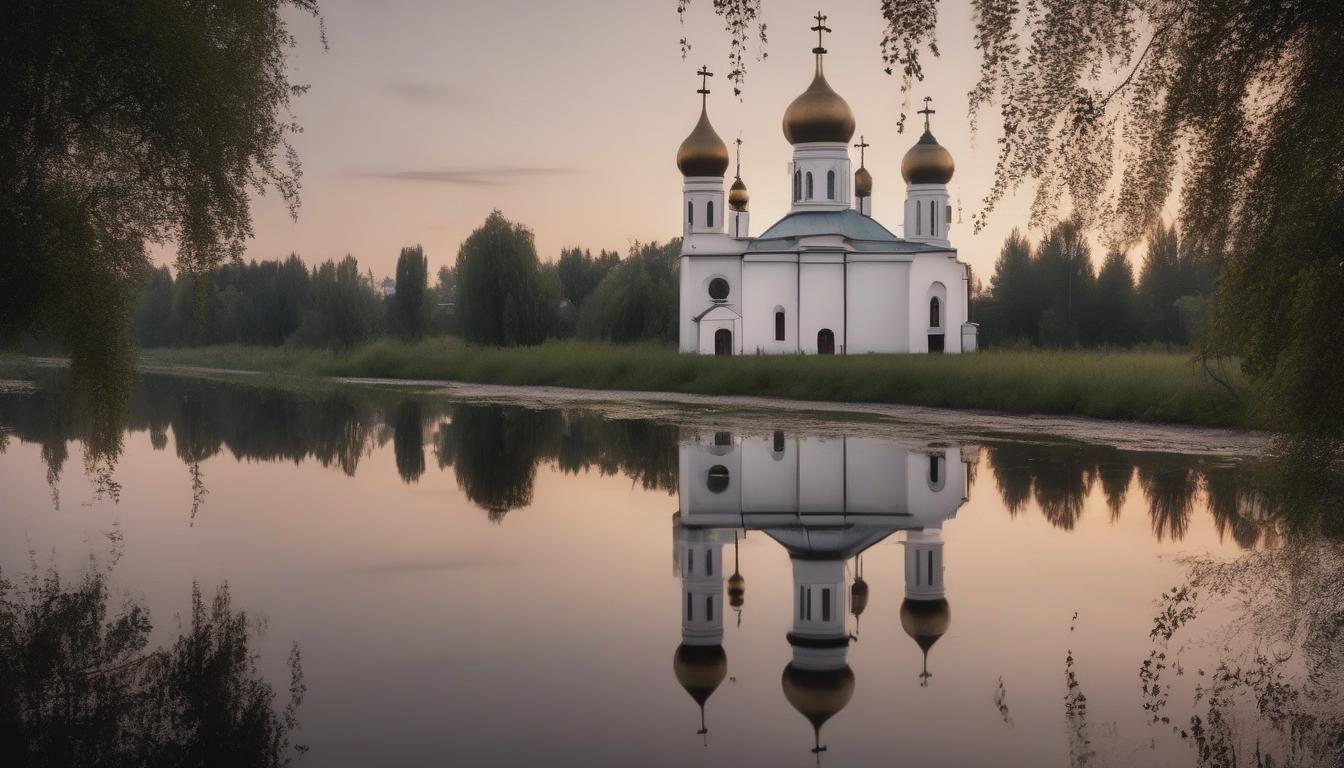
I like this white church which gently stands out on the other side of the river at dusk. The light is calm, almost silent.
J’aime bien cette église blanche qui se détache doucement de l’autre côté de la rivière au crépuscule. La lumière est calme, presque silencieuse.
🌐 Show original
A
Anastasia Kristo
Yes, that late light falls well on the white walls. On that side of the river, near the village of Zervaskër, there is an old stone bridge that is visible in the foreground when the water is low.
С
Светлана Киселёва
Yes, that sloped roof really catches the last light, as Valentina and Ana noted.
S
Sarah Johnson
I like how the white walls catch that last bit of daylight before it all goes dark.
Л
Людмила Мельник
The white wall catches the last light well, and the roof really darkens sharply against the sky.
А
Антон Кузнецовtranslated
Nov 15 · Church News & Reviews
Yesterday after work I went to the church to help before the Transfiguration. Uncle Kolya and I wiped down all the candlesticks, washed the floor in the altar and placed fresh flowers near the icon. My hands hurt later, but today at the service everything was shining.
Вчера после работы зашёл в храм помочь перед Преображением. Мы с дядей Колей протёрли все подсвечники, вымыли пол в алтаре и расставили свежие цветы у иконы. Руки потом болели, зато сегодня на службе всё сияло.
🌐 Show original
The first church in Dragor has been consecrated after more than five centuries. Bulgarian Orthodox Church Metropolitan Nikolay led the service for the new temple in the town that had stood without one since the 15th century. In the same week the Georgian Orthodox Church announced the discovery of ruins of an early Christian basilica in Dmanisi, adding another layer to regional church history.
The Russian Orthodox Church Outside Russia marked the memory of the unmercenary saints Cosmas and Damian with services across its parishes, including at the Subvorye of the Annunciation in England where restoration work continues. Meanwhile the Orthodox Church in America released archpastoral messages from Archbishop Daniel of Chicago and the Midwest to guide the faithful at the start of the Nativity Fast.
These quiet milestones show steady life across distant corners of the Church. May the Lord strengthen the communities in Bulgaria, Georgia, England, and the Midwest.
The Romanian Orthodox Church marked the beginning of the Nativity Fast with the feast of St Paisius of Moldavia, whose life of prayer and obedience continues to shape monastic practice across the Balkans. At the same time the Bulgarian Orthodox Church prepared for services at St John of Rila in London on November 14, while the Church of Greece held its November priestly assembly in the Kilkisi Metropolis. In Chicago the Orthodox Church in America released an archpastoral letter from Archbishop Daniel urging quiet preparation of heart and home for the feast of the Nativity.
Elsewhere the Georgian Orthodox Church announced the discovery of an unknown early Christian church at Dmanisi, and the Serbian Orthodox Church noted the two-hundred-fiftieth anniversary of the parish in Futog. These quiet markers of memory and mercy remind everyone that the fast is not only about food but about turning the ordinary days toward God.
May these communities be remembered in prayer this week.
Archaeologists have uncovered the ruins of a previously unknown early Christian church in Dmanisi, a find that adds fresh detail to the spread of the faith in the Caucasus during the first centuries after Christ. The Georgian Orthodox Church announced the discovery, noting well-preserved foundations and fragments that suggest a modest basilica used by local believers long before the region’s later monasteries.
Meanwhile, the Bulgarian Orthodox Church consecrated its first church in Dragor since the settlement was founded in the fifteenth century, with Metropolitan Nikolay leading the service for the new parish. In Serbia, the church in Futog marked two hundred and fifty years of continuous worship, reminding the faithful of steady parish life through changing times. The Romanian Orthodox Church also observed the beginning of the Nativity Fast with services honoring St Paisius Velichkovsky and the martyrs Gurias, Samonas and Abibus.
May these communities, old and new, continue to stand firm in the same apostolic faith.
In several Orthodox communities, families are quietly reviving the practice of gathering for common prayer in their homes during the Nativity Fast. The Pittsburgh Diocese of the Orthodox Church in America has encouraged small home prayer groups as part of its new Cabrini Fund outreach to immigrant families, where evening readings and simple supplications often follow shared meals. Meanwhile, the Romanian Patriarchate highlighted St Paisius of Moldavia in its calendar for the fast’s beginning and noted how his example of disciplined communal prayer still shapes household traditions in parishes across Romania. In Bulgaria, the recent consecration of the first church in Dragor after five centuries has prompted local families to hold preparatory home prayer vigils before attending the new parish liturgies. The Serbian Orthodox Church in Futog marked two and a half centuries of its church building with reports of neighboring households resuming weekly prayer gatherings that once sustained the community through harder times.
These modest home gatherings show how the rhythm of the fast naturally draws people back to shared prayer where daily life happens.
The Serbian Orthodox Church is marking 250 years since the founding of its church in Futog with a series of services and local celebrations that highlight steady parish life through centuries of change. At the same time, the Bulgarian Orthodox Church saw its first new church in Dragor since the 15th century, consecrated by Metropolitan Nikolay, bringing regular worship to a town that long lacked one. In Georgia, archaeologists uncovered the ruins of an early Christian church in Dmanisi, offering fresh insight into the faith’s deep roots there. The Orthodox Church in America released an archpastoral message from Archbishop Daniel of Chicago and the Midwest at the start of the Nativity Fast, encouraging practical works of mercy and prayer in daily life.
These quiet milestones across distant dioceses show how parishes keep the calendar, restore buildings, and pass on the same tradition. Let us remember the faithful in Futog, Dragor, Dmanisi, and Chicago in our prayers today.
Saw this photo online and it stuck with me. The white church stands quiet across the river right at dusk, with just enough light left in the sky to make the whole scene feel peaceful.
М
Методи Атанасов
Nice picture, I really want to see it live.
D
Dominika Horváthová
Nice photo, the white building looks really solid. Does anyone know when services are held there and if it is possible to go inside as a visitor?
Მ
მაია ჯავახიშვილი
Still no one writes where this church is and by which river. If you heard, tell us.
Ю
Юлія Марченко
The White Church looks really old, the walls are rough and the windows are narrow, like in late 18th century buildings. Domes without any decorations, simple and squat.
И
Илия Илиевtranslated
Nov 15 · Church News & Reviews
The nights have become muddy, and I have tidied up the traces of the supper. The imam edin Malak Bratovched for 5 years, koito idva ponyakoga in the church from us, but ako mu kazha “now, se moli,” vednaga se darpa and se razseyva. How do you rule with your children - how do you teach and beg, without yes gi force? I just tried and kneeled up to him and whispered “Our Father,” but I don’t know if they gave me the best start.
Especially now, because this is the beginning of the Nativity Fast, I will come to you naturally.
Снощи се замислих, докато прибирах след вечеря. Имам един малък братовчед на 5 години, който идва понякога в храма с нас, но ако му кажа „сега се моли“, веднага се дърпа и се разсейва. Как правите вие с вашите деца – как ги учите да се молят, без да ги насилвате? Аз пробвам просто да коленича до него и да шепна „Отче наш“, ама не знам дали е най-добрият начин.
Особено сега, като започва Рождественският пост, искам да му стане по-естествено.
🌐 Show original
The first church in centuries was consecrated in Dragor this week. Bulgarian Orthodox hierarch Metropolitan Nikolay led the service in the town where no parish building had stood since the 15th century. In the same days the Georgian Orthodox Church announced the discovery of ruins of an unknown early Christian basilica in Dmanisi, adding another layer to the region’s ancient Christian history. The Serbian Orthodox Church marked two hundred and fifty years of continuous worship at the church in Futog with a special celebration, while the Orthodox Church in America held an afternoon of Lessons and Carols built around the Nativity hymn “What Shall We Offer Thee, O Christ?” at several parishes.
These fresh milestones show how local communities keep putting down roots or uncovering older ones. What recent milestone or rediscovery has your own parish experienced lately?
The Romanian Orthodox community in Texas has received a set of holy relics to be enshrined in their new church building now under construction. The gift marks another step in establishing permanent worship for growing numbers of Romanian faithful in the Dallas area.
In Bulgaria the historic Dragor monastery church, closed for centuries, was consecrated for the first time since the 15th century by Metropolitan Nikolay. In Georgia archaeologists uncovered ruins of two previously unknown early Christian churches at Dmanisi, adding to evidence of ancient Christian presence in the region. The Orthodox Church in America held a “GO” Lunch and Learn session through its Department of Christian Service to help parishes strengthen local outreach ministries.
These developments show how Orthodox communities, old and new, keep finding ways to root themselves more deeply where they live.
The Serbian Orthodox Church marked 250 years since the construction of the historic church in Futog with a special celebration that drew local faithful and clergy together for liturgy and reflection on its enduring role in community life. In parallel, the Bulgarian Orthodox Church consecrated its first church in Dragor since the 15th century, with Metropolitan Nikolay leading the service in a village that had waited centuries for its own house of worship. The Romanian Orthodox Diocese of Maramureș and Sătmar introduced a new award honoring people who shape the faith of young people through education and example. Meanwhile, the Georgian Orthodox Church announced the discovery of early Christian church remains near the Nagzauri monastery complex in Dmanisi, adding another layer to the region's ancient Christian heritage.
These developments show how parishes and dioceses quietly keep centuries of tradition alive while creating fresh ways to pass it on.
St Paisius of Moldavia is commemorated today as the Nativity Fast begins. The Romanian Orthodox Church marked his feast together with the holy martyrs Gurias, Samonas and Abibus, noting the transition into this quiet season of preparation. In the Orthodox Church in America, Archbishop Daniel of Chicago and the Midwest issued a pastoral letter encouraging the faithful at the start of the fast, while parishes there held an afternoon of Lessons and Carols centered on the hymn “What Shall We Offer Thee, O Christ?” The Church of Greece drew attention to the holy relics of Saint Gregory Palamas, and the Bulgarian Orthodox Church celebrated the consecration of a new church in Dragor, the first in that town since the fifteenth century.
These fresh reminders of saints and local witness show the fast opening with both memory and forward movement. May readers hold the parishes and monasteries of Romania, America, Greece, and Bulgaria in their prayers this week.
В
Весна Николовскаtranslated
Nov 15
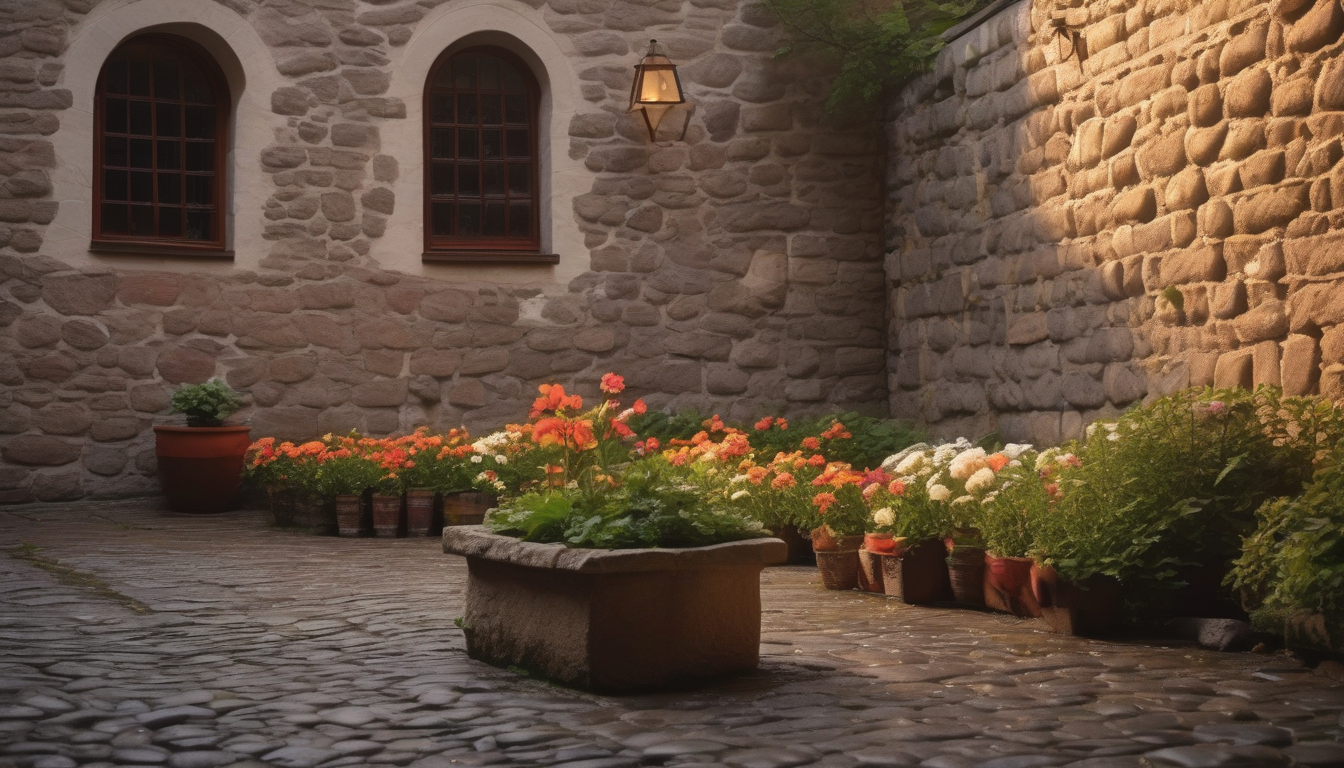
The stones of the yard shine beautifully after the rain. It looks quiet and clean.
Камењата на дворот сјаат убаво по дождот. Тивко и чисто изгледа.
🌐 Show original
I
Ilie Stoica
Yes, it looks clean and fresh. I would like to see the picture closer.
Е
Елена Белова
After the rain, the stones really shine, especially those flat ones at the entrance to the church. Here in Yekaterinburg it’s exactly the same on the same granite tiles.
N
Nicholas Parker
Yeah, those flat ones by the church steps really catch the light after rain.
В
Василь Петренко
Those old stones on the wall of the church are from the 19th century, and after the rain, the joints between them stand out. They look like they were built to last another hundred years.
I
Isabel Romerotranslated
Nov 15
Freshly baked bread for the parish meal always has that smell that fills everything. I like how it looks simple and generous in the photo.
El pan recién horneado para la comida parroquial siempre tiene ese olor que llena todo. Me gusta cómo se ve simple y generoso en la foto.
🌐 Show original

S
Stefan Lukić
Here in Podgorica, they always bake this kind of bread after the liturgy, and in the picture I like how that tile roof above the stove is really rusted from the smoke. It looks like the bread is still hot.
Е
Елена Лебедева
Here, too, such bread is always quickly taken away after the service. What church is this baked in, what time do weekend liturgies start, and can you just come as a guest?
M
Marek Szymański
In Lublin, it always disappears five minutes after the liturgy. And what church do they bake in? What time do they start on Sundays and can you come just like that, unannounced?
Т
Тодор Кирилов
Here in Plovdiv, the bread for the common table also disappears in no time. And in which church is this?
Archaeologists in Georgia have uncovered the remains of another early Christian church near the Nagzauri monastery complex in Dmanisi. The find includes stone foundations, fragments of pottery, and traces of a baptistery that point to worship in the fourth or fifth century. This marks the second such discovery in the same area in recent months, adding fresh detail to how Christianity first took root in the Caucasus.
Meanwhile, the Bulgarian Orthodox Church consecrated its first church in Dragor since the settlement was founded in the 15th century. Metropolitan Nikolay led the service for the small mountain community that had long traveled elsewhere for liturgy. In Romania, the Patriarchate opened an international symposium marking twenty years of the Law of Cults, with scholars from several countries reviewing its impact on church life. The Orthodox Church in America released a message at the start of the Nativity Fast, reminding parishes of quiet preparation and works of mercy.
These discoveries and local milestones show how the memory of the early Church continues to surface in ordinary places and steady pastoral work.
Common prayer gatherings at Orthodox homes have taken on fresh life this month, with small groups in the Romanian Orthodox Church’s Bucharest and Prahova regions inviting neighbors for evening prayers before the Nativity Fast. In the Orthodox Church in America, the Department of Christian Service organized a “GO” Lunch & Learn session that encouraged parishioners to open their kitchens and living rooms for shared prayer and simple meals. The Serbian Orthodox Church saw Metropolitan Dimitrije lead a quiet service in Prebilovci that reminded families how easy it is to gather at home around icons and the Psalter. Meanwhile, the Church of Greece’s Metropolitan of Maroneia highlighted Thrace’s long habit of one household inviting another for common prayer, calling it a daily sign of mutual respect.
These modest circles keep the rhythm of the fast alive without needing large halls or clergy every night.
May the homes of these four Churches remain places of genuine peace and steady prayer.
Თ
თორნიკე კვარაცხელიაtranslated
Nov 15
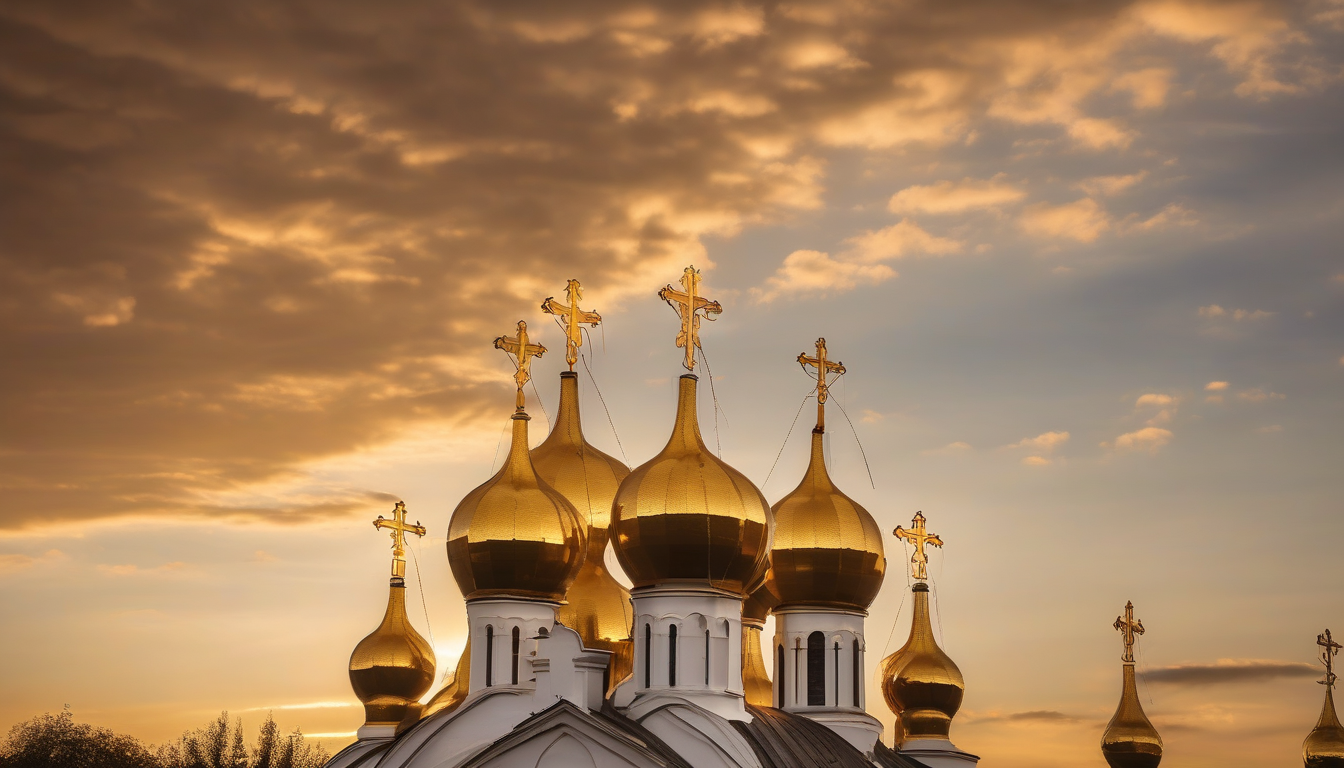
The golden domes shine brightly in the evening sky. It is a calm picture, as if time stopped for a while.
საღამოს ცაზე ოქროს გუმბათები კარგად ანათებს. მშვიდი სურათია, თითქოს დრო ცოტა ხნით გაჩერდა.
🌐 Show original
С
Снежана Стојановска
Yes, the domes glow nicely in that picture. I would also like to see her live.
E
Emily Brown
The golden domes really do catch the light nicely. Is this church open to visitors on weekdays and what time do the services usually start?
Ν
Νίκος Κωνσταντίνου
The golden mists emit fire.
A
Ana Pavlović
The domes are very shiny in that light, and the red brick below them looks even darker. Interesting how the shadows are caught on the wall from the side.
The Romanian Orthodox community in Texas has received a set of holy relics for its new church building now under construction. The Diocese of the Romanian Patriarchate in the Americas brought the gifts from Europe so the parish can begin regular services once the walls are finished. In related Romanian news, the Patriarchate is holding an international symposium in Bucharest marking twenty years of the Law of Cults, while the Diocese of Maramureș and Sătmar created a new award for people who help form young Orthodox Christians.
Elsewhere, the Bulgarian Orthodox Church consecrated its first church in the town of Dragor since the fifteenth century, with Metropolitan Nikolay leading the service. The Georgian Orthodox Church announced the discovery of ruins from yet another early Christian church at Dmanisi, adding to the growing picture of ancient faith in that region. The Church of Greece observed the feast of Saint John the Merciful with services in Agios Saranta.
These developments show how local communities keep putting down roots and remembering the saints who went before them.
The first church in centuries was consecrated in Dragor, Bulgaria. Metropolitan Nikolay led the service for the new temple in a town that had gone without one since the 15th century. Meanwhile, the Georgian Orthodox Church announced the discovery of ruins from two previously unknown early Christian churches at Dmanisi and near the Nagzauri monastery complex. In Romania, the Fotogeografica project marked thirty years of documenting national heritage through photography with an exhibition at the Romanian Academy. The Serbian Orthodox Church saw Metropolitan Dimitrije serve at Prebilovci, continuing pastoral visits in that historic area.
These developments show concrete steps of rebuilding, uncovering, and remembering the faith across different corners of the Orthodox world. They matter because they quietly strengthen local communities and hand on what came before.