
Share something with the community…
Sign in
O
13 h
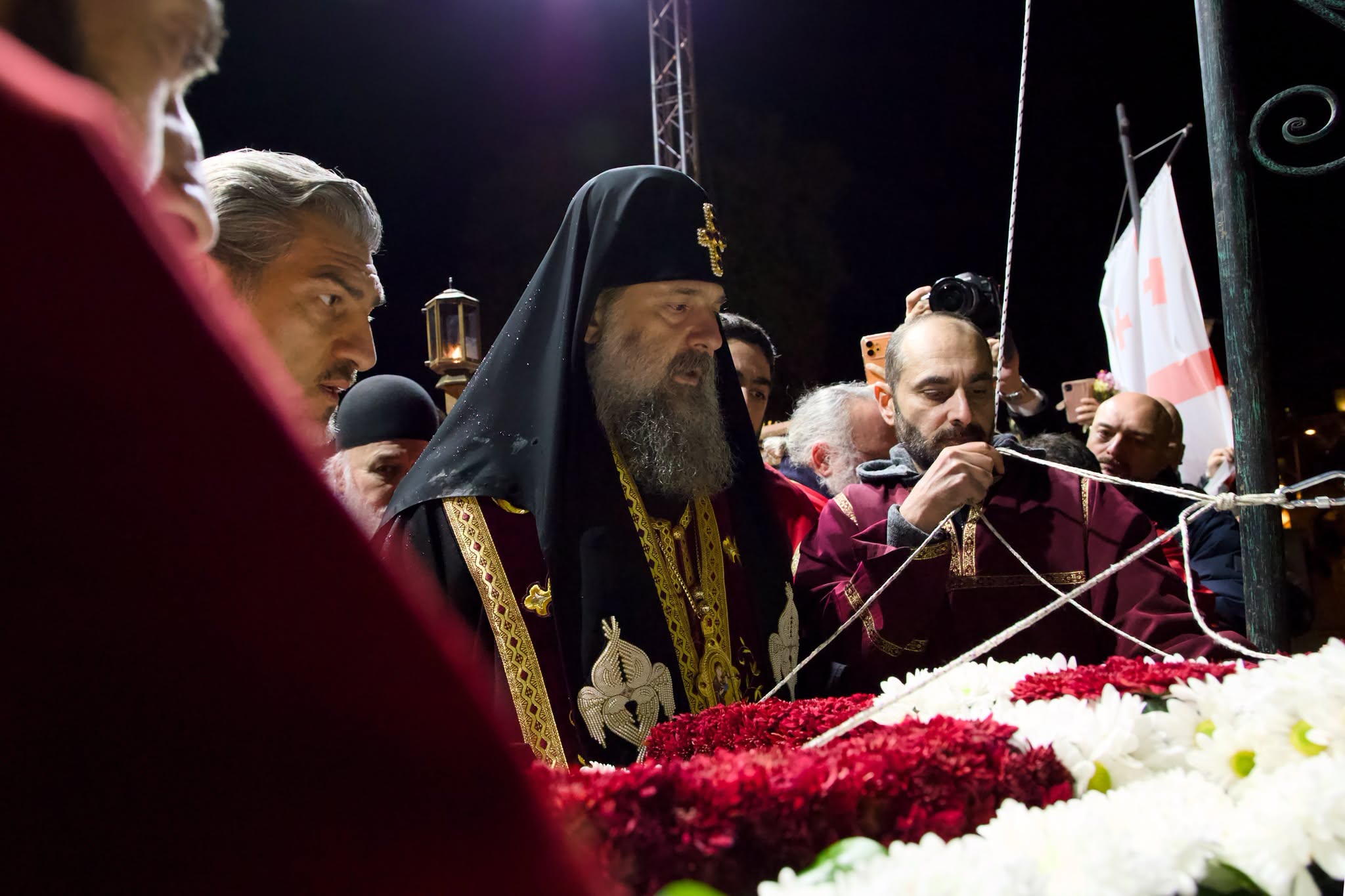
Patriarch of Georgia led memorial service for 100,000 Martyrs of Tbilisi
· Read the article →
И
Иван Марковtranslated
13 h · Church News & Reviews
Yesterday the trail was crumpled by the mines around the edge of the church at 8 pm. The sun is icy in the evening, and from the hail, the trees are cut straight and barefoot. I stood for a little while on the peykata, chukh like the sunshine in the morning, quietly singing, and si tr'gnakh with leko syrtse.
Вчера след смяната минах покрай храма към 8 вечерта. Слънцето вече залязваше, а от градинката миришеше на прясно окосена трева и на босилек от съседите. Постоях малко на пейката, чух как вътре свещеникът тихо пее, и си тръгнах с леко сърце.
🌐 Show original
Х
Христо Василевtranslated
13 h
A forest path leads to a small wooden chapel. I love how the light falls between the trees and leaves everything calm and quiet.
Една горска пътека води към малка дървена параклис. Харесва ми как светлината пада между дърветата и оставя всичко спокойно и тихо.
🌐 Show original

O
15 h
Lord’s Day Reflection: ‘Talents, Talent, and a Touch of Divine Inspiration’
· Read the article →
O
17 h
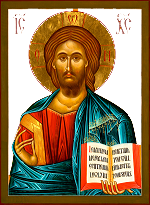
Saints, Feasts, and Readings for 11/14/2026
Ecumenical Patriarchate of Constantinople · Read the article →
Е
Евгения Комароваtranslated
18 h
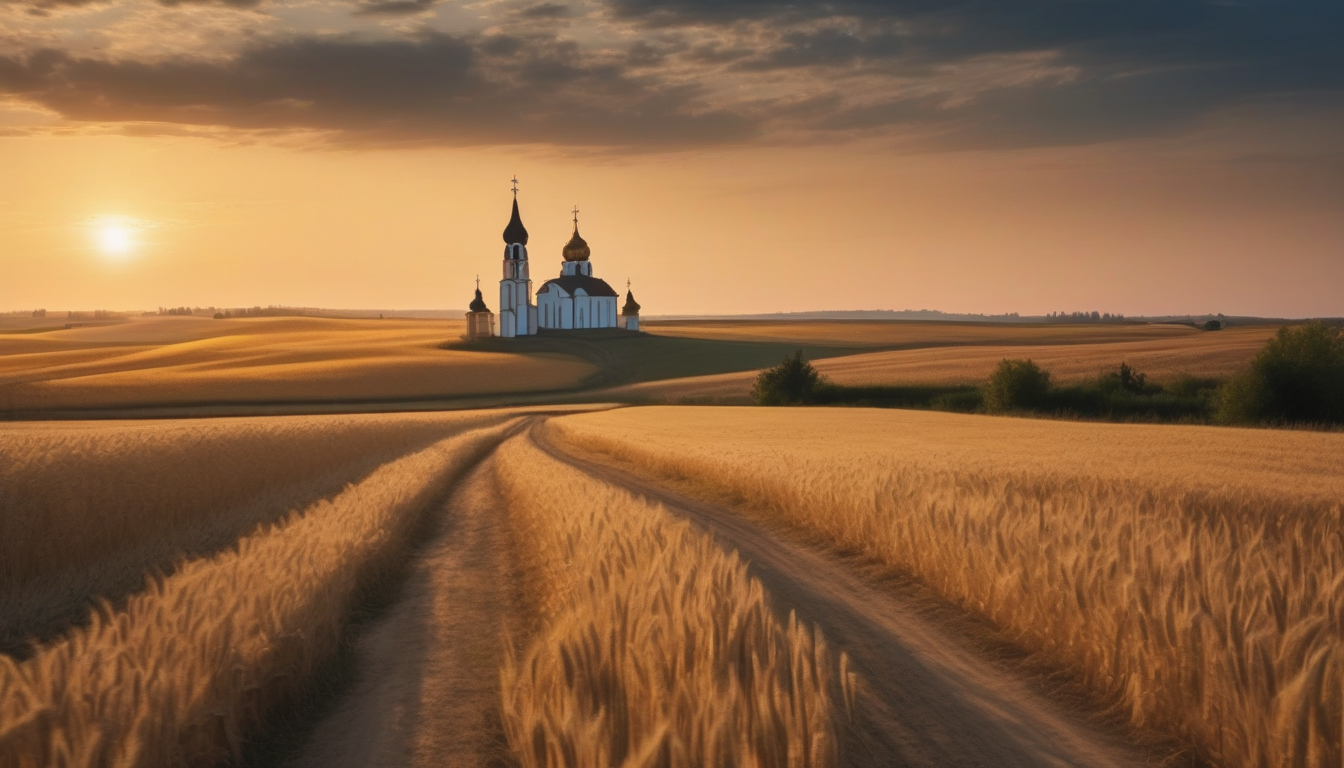
The road to the village winds straight towards the church, and the sun has almost set. The light is so soft that everything around looks very calm.
Дорога в деревню вьётся прямо к церкви, а солнце уже почти село. Свет такой мягкий, что всё вокруг выглядит очень спокойно.
🌐 Show original
Д
Десислава Петковаtranslated
18 h
The cross stands out clearly against the background of the rising sun. The light is so quiet and even that one stops and just looks.
Кръстът се откроява ясно на фона на изгряващото слънце. Светлината е толкова тиха и равна, че човек спира и просто гледа.
🌐 Show original

Greek academics have formally recognized the Orthodox University of Congo, granting its degrees official equivalence within the Greek higher education system. The move, supported by the Church of Greece, opens new pathways for African clergy and lay workers to continue studies without relocating. Meanwhile the Polish Orthodox Church marked the 35th anniversary of a major seminary reunion, gathering former students for shared memories and renewed fellowship. In Georgia, archaeologists uncovered the ruins of an early Christian church at Dmanisi, adding fresh evidence of ancient faith in the Caucasus. The Romanian Orthodox Church hosted a practical seminar on family life led by Cristina Benga, encouraging couples to bridge everyday misunderstandings with patience and charity.
A quiet sign that small institutions can still reshape wider Orthodox horizons.
The Holy Metropolis of Sliven in the Bulgarian Orthodox Church stepped in to cover the entire funeral costs for four villagers from Samuilovo who died in a tragic accident. This quiet act of practical care echoes what the Serbian Orthodox Church highlights on the feast of Saint Vrače on November 14, a day set aside to remember the duty to help others in need.
In Romania, priests from Bucharest and Prahova are already organizing missionary and philanthropic projects for the Christmas Lent, focusing on concrete support for families. Meanwhile, the Church of Greece through its “APOSTOLI” program delivered food aid to the Diocese of Xanthi, reaching people who rely on such steady assistance.
The Polish Orthodox Church gathered former seminarians for a reunion 35 years after their studies, showing how old bonds still shape community life. These small gestures of mercy and memory keep moving through ordinary parishes.
Georgian archaeologists have uncovered the ruins of a previously unknown early Christian church at the Dmanisi site, shedding new light on how faith took root in the Caucasus during the first centuries after Constantine. The find includes fragments of a basilica floor and simple stone crosses that match patterns seen in neighboring regions. In Crete, the Ecumenical Patriarchate’s faithful gathered for the feast of Saint Menas in Heraklion, filling the streets with evening processions and quiet prayer. Bulgaria’s Holy Metropolis of Sliven quietly covered the full funeral costs for four people who died in the village of Samuilovo, sparing the families further burden. Meanwhile the Serbian Church marked the memory of Saint Vrače on November 14, using the day to urge practical help for neighbors in need. The discovery in Georgia keeps drawing scholars back to the hills, wondering what other small churches still lie under the soil.
O
18 h

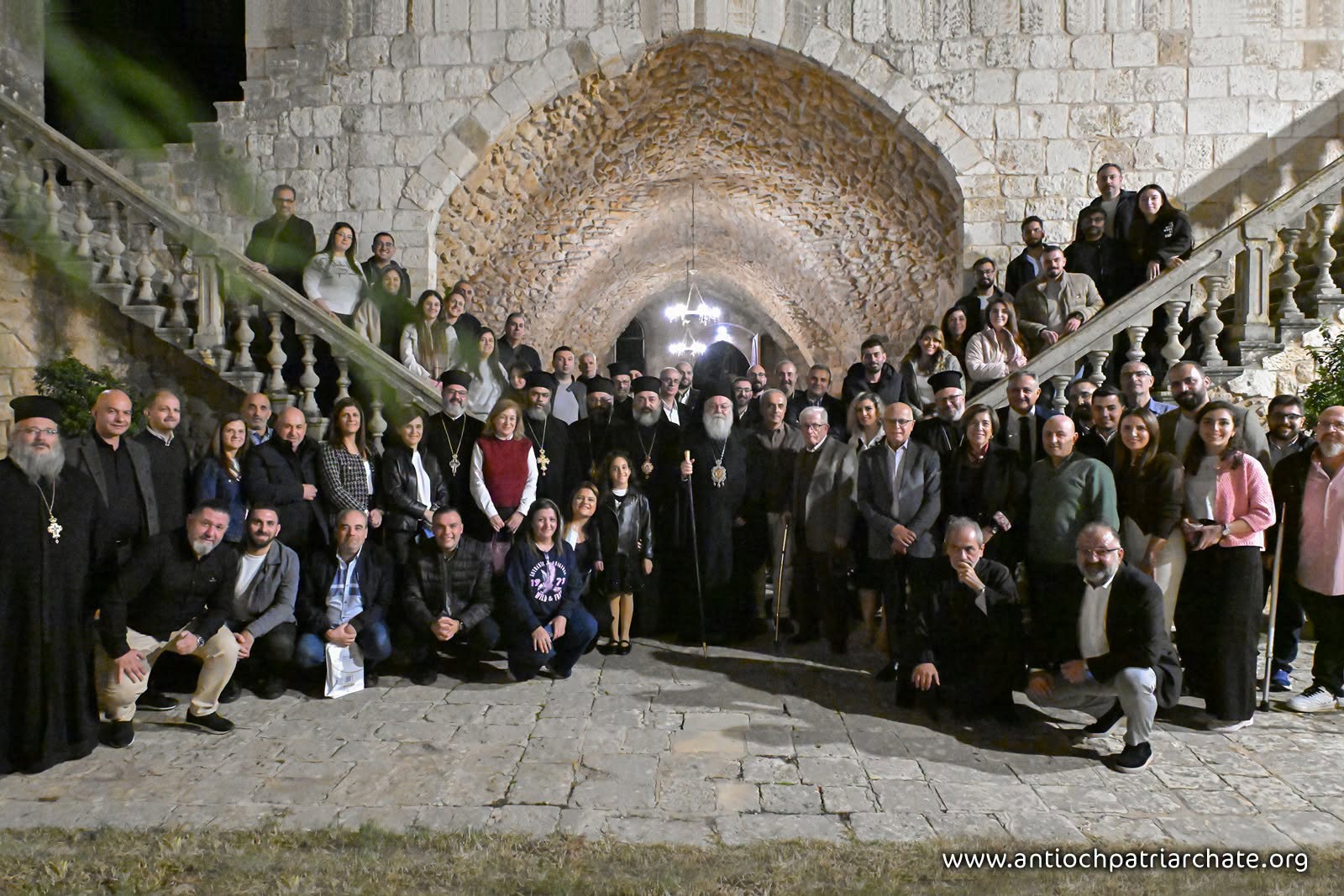
Bishop John Offers Keynote Address on Trauma and Healing at OCAMPR Conference
Greek Orthodox Patriarchate of Antioch · Read the article →
Thirty-five years after finishing their studies, alumni of the Polish Orthodox Church’s seminary gathered for a reunion that brought old classmates together again. In the same week the Bulgarian Orthodox Church’s Holy Metropolis of Sliven quietly covered the full funeral costs for four people who died tragically in the village of Samuilovo. Across the Adriatic, the Serbian Orthodox Church marked the feast of Saint Vrače on November 14, a day set aside to remember the duty to help those in need. Meanwhile the Georgian Orthodox Church announced the discovery of ruins from an early Christian church in Dmanisi, adding another layer to the region’s ancient history.
These separate events show Orthodox communities quietly continuing works of mercy, education, and historical preservation. May the Lord strengthen the bonds among the Polish, Bulgarian, Serbian, and Georgian faithful.
Greek academics have formally recognized the Orthodox University of Congo, a milestone that strengthens theological education across Africa. The move comes from the University of Athens and other Greek institutions, giving the Congo school official academic standing for its programs in theology and pastoral training.
In Bulgaria the Holy Metropolis of Sliven covered all funeral costs for four people who died tragically in the village of Samuilovo, quietly removing a heavy burden from grieving families. Meanwhile the Georgian Orthodox Church announced the discovery of ruins from an early Christian church at Dmanisi, adding another layer to the region’s ancient Christian history.
The Serbian Orthodox Church marked the feast of Saint Vrače on November 14, reminding believers of the call to help those in need. Separately the Romanian Orthodox Church reopened public access to the panoramic viewpoint at Hozeva Monastery after three years of closure, letting pilgrims once again take in the sweeping valley views.
These steps show steady, practical work.
The Bulgarian Orthodox Church’s Holy Metropolis of Sliven has covered the full funeral costs for four villagers from Samuilovo who died in a recent tragedy, stepping in without hesitation to ease the burden on grieving families. In Bucharest and Prahova, priests of the Romanian Orthodox Church are already organizing missionary and philanthropic projects for the upcoming Christmas Lent, focusing on practical help for those in need. The Serbian Orthodox Church marked the feast of Saint Vrače on November 14 with reminders to serve others, while the Orthodox Church in America announced an online retreat for clergy wives set to begin on November 19.
These quiet acts of support keep parishes grounded in everyday care. May the communities in Sliven, Bucharest, Belgrade, and North America find strength in simple service this week.
В
Вера Беляеваtranslated
19 h
After the rain, the cobblestones in the yard shine so much that it seems as if the whole stone has become a wet mirror. The silence there must be special.
После дождя булыжники во дворе так блестят, что кажется, будто весь камень стал мокрым зеркалом. Тишина там, наверное, особенная.
🌐 Show original

Polish Orthodox Church alumni from the seminary gathered last week to mark 35 years since their graduation. The modest reunion brought together former students now serving in parishes across Poland, sharing memories of late-night lectures, strict typikon drills, and the simple meals that kept them going. Many had not seen each other since the late 1980s.
In the Serbian Orthodox Church, parishes observed the feast of Saint Vrače on November 14, using the day to organize practical help for local families in need. Serbian faithful quietly collected clothing and food parcels, turning the saint’s example of charity into ordinary acts of neighborly support.
From the Romanian Orthodox Church, the autumn vigil in honor of Saint John Chrysostom opened at the National Cathedral Chapel in Bucharest, drawing steady crowds for the evening services. Meanwhile, the Bulgarian Orthodox Church’s Metropolis of Sliven quietly covered the full funeral costs for four people killed in a village traffic accident, sparing the grieving families an extra burden.
A small reunion like that in Poland reminds how long formation in the faith actually lasts.
The Serbian Orthodox Church marked the feast of Saint Vrače on November 14, a day that calls believers to care for those in need through concrete acts of charity. In Bulgaria the Holy Metropolia of Sliven covered the full funeral costs for four people who died tragically in the village of Samuilovo, removing that burden from the grieving families. The Orthodox Church in America saw Bishop Andrei take part in a house blessing for the Orthodox Volunteer Corps in Boston, supporting practical service to the local community. From Romania, Metropolitan Macarie reminded the faithful that the body may age while the soul can remain young through ongoing spiritual effort.
These local examples show how different Churches turn the memory of saints into everyday help for neighbors. What acts of charity or support has your own parish undertaken lately?
Romanian Orthodox specialists gathered in recent days to examine techniques in church painting, restoration work, and traditional architecture, drawing on centuries of local practice. In parallel, the Georgian Orthodox Church announced the discovery of ruins from an early Christian church in Dmanisi, offering fresh archaeological material for similar restoration discussions. The Bulgarian Orthodox Church’s Holy Metropolis of Sliven covered the full funeral costs for four people who died tragically in the village of Samuilovo, showing quiet practical care in difficult times. Meanwhile, the Polish Orthodox Church hosted a reunion of former seminary students thirty-five years after their studies ended, giving space for shared memories and reflection on how buildings and communities age together.
These separate events across different corners of Orthodox life quietly underline the same truth: caring for what is old and fragile remains steady work.
Georgian archaeologists have uncovered the ruins of an early Christian church at the Dmanisi site, shedding new light on how faith spread through the Caucasus in the fourth and fifth centuries. The find includes stone foundations, fragments of baptismal fonts, and pottery that point to regular worship centuries before the region’s better-known monasteries took shape.
Meanwhile the Serbian Orthodox Church marked the feast of Saint Vrače on November 14, drawing attention to quiet acts of charity that still shape parish life. In the Bulgarian Orthodox Church the Holy Metropolis of Sliven quietly covered the full funeral costs for four people who died in the village of Samuilovo, sparing the families added hardship. The Romanian Orthodox Church continued its practical outreach with the “Providence” medical caravan, offering free consultations to eighty residents of Iași. And the Orthodox Church in America rolled out a new online parish directory for the Diocese of New York and New Jersey, making it easier for scattered families to stay connected.
Across these corners of the Church the same pattern holds. Old stones surface. Neighbors are helped. Lists are updated. Ordinary work carries on.
B
20 h
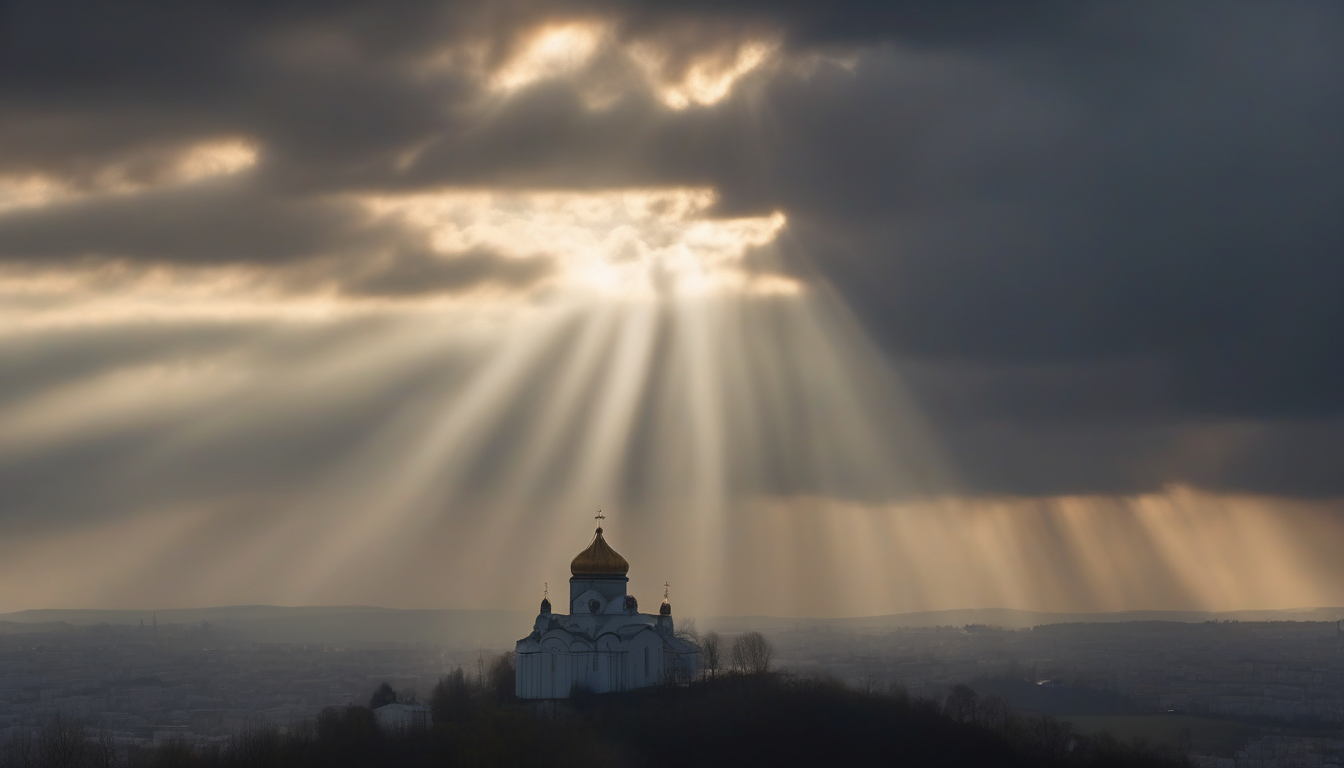
The way the sun cuts through those clouds over the cathedral makes everything look quieter than usual. Nice find.
🌐 Show original
Მ
მაია კაპანაძე
The brick color of the wall showed up well in that light.
My youngest grandson is six now and he keeps wiggling through the whole service. I try to get him to say the Our Father with us at bedtime but I don't want to push so hard he starts hating it. Anyone have a simple way they taught their kids or grandkids to pray without it feeling like a chore?
The Bulgarian Orthodox Church’s Holy Metropolis of Sliven has quietly covered the full funeral expenses for four villagers from Samuilovo who died in a recent tragedy. In the same week the Serbian Orthodox Church marked the feast of Saint Vrače, a day set aside to remember the duty to help those in need. Meanwhile the Romanian Orthodox Church released a pastoral letter from its Holy Synod for the first Sunday after the Nativity, calling parishes to live out mercy in daily life. The Orthodox Church in America’s Department of Christian Service also announced a practical “GO” Lunch & Learn session to train laypeople for local humanitarian work.
These reports show a steady pattern of quiet assistance across very different corners of the Church.
How has your own parish shown this kind of straightforward care lately?
O
20 h
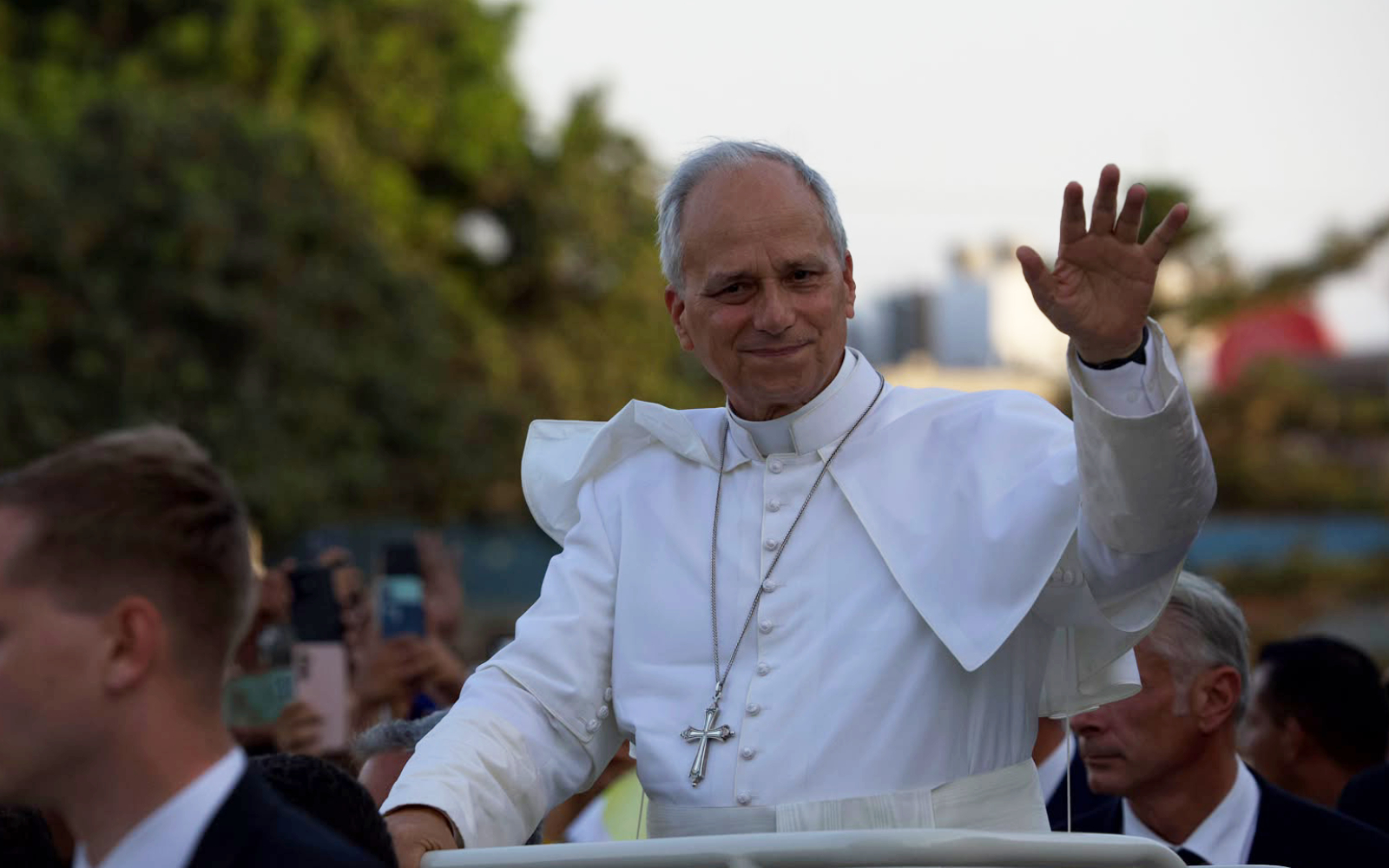
Pope Leo XIV calls on Catholic universities to ‘serve the truth faithfully’
· Read the article →
Thirty-five years after finishing their studies, alumni of the Orthodox Seminary in Poland gathered for a reunion filled with shared memories and quiet gratitude for the formation that shaped their lives. The Polish Orthodox Church marked the occasion with simple fellowship, allowing former classmates to catch up on families, parishes, and the everyday challenges of ministry.
Elsewhere, the Romanian Orthodox Church dedicated a new chapel at the National Cathedral where Metropolitan Paisie Sinait reminded listeners that Saint John Chrysostom lived exactly what he preached. In Crete, under the Ecumenical Patriarchate of Constantinople, the city of Heraklion celebrated its patron Saint Menas with solemn services, while the Church of Greece held a priestly assembly in the Larissa Diocese featuring the abbot of the Holy Monastery of Sparmos Olympos as speaker.
The Serbian Orthodox Church observed the memory of Saint Vrače on November 14, a feast that quietly calls believers to practical help for those in need. Small details like these show how each local church keeps the same faith alive in its own soil.
How did your own parish mark a recent anniversary or saint’s day?
Romanian Orthodox Church specialists gathered in Bucharest for an international symposium marking 20 years of the Law of Cults, focusing on challenges in church painting, restoration techniques, and modern architectural demands for new temples. At the same event, participants examined how traditional fresco methods can be preserved amid urban growth pressures. Meanwhile, the Georgian Orthodox Church announced the discovery of ruins from an unknown early Christian church in Dmanisi, offering fresh archaeological data that may reshape restoration practices across the region. In the Polish Orthodox Church, former seminary students reunited after 35 years to reflect on church upkeep and shared experiences from maintaining historic buildings. The Bulgarian Orthodox Church’s Holy Metropolia of Sliven quietly covered all funeral costs for four villagers who died in a tragedy, an act that quietly underscores practical care for local communities often tied to parish infrastructure.
May these Churches and their daily labors be held in prayer.
Greek academics have formally recognized the Orthodox University of Congo, marking a step toward stronger scholarly cooperation between Hellenic theological faculties and African Orthodox institutions. In parallel, the Romanian Orthodox Church continued practical formation at the Craiova Theological Seminary through structured mentoring sessions for future clergy. The Serbian Orthodox Church observed the feast of Saint Vrače with renewed emphasis on charity and service to neighbors. Meanwhile, the Bulgarian Orthodox Church’s Metropolis of Sliven covered all funeral expenses for four people who died tragically in the village of Samuilovo, showing quiet material support at a difficult time.
These developments illustrate how Orthodox communities balance academic recognition, priestly training, liturgical feasts, and direct aid. Each diocese responds to its own local needs while remaining connected to the wider Church.
How is your parish or diocese currently supporting education, mercy work, or seminary life?
The Serbian Orthodox Church marks the feast of Saint Vrače on November 14, a day that calls believers to practical acts of mercy toward the sick and those in need. In the same spirit, the Bulgarian Orthodox Church’s Holy Metropolis of Sliven covered all funeral costs for four people who died tragically in the village of Samuilovo. The Russian Orthodox Church Outside Russia continues its quiet appeal for a permanent church building to serve its growing community. Meanwhile, the Orthodox Church in America has launched a new online directory for parishes in the Diocese of New York and New Jersey, making it easier for people to find local worship and support.
These small steps show how different jurisdictions keep the same commandment alive in daily life. What acts of help has your own parish undertaken lately?