Share something with the community…
Sign in

Д
Дмитрий Соловьёвtranslated
Oct 27
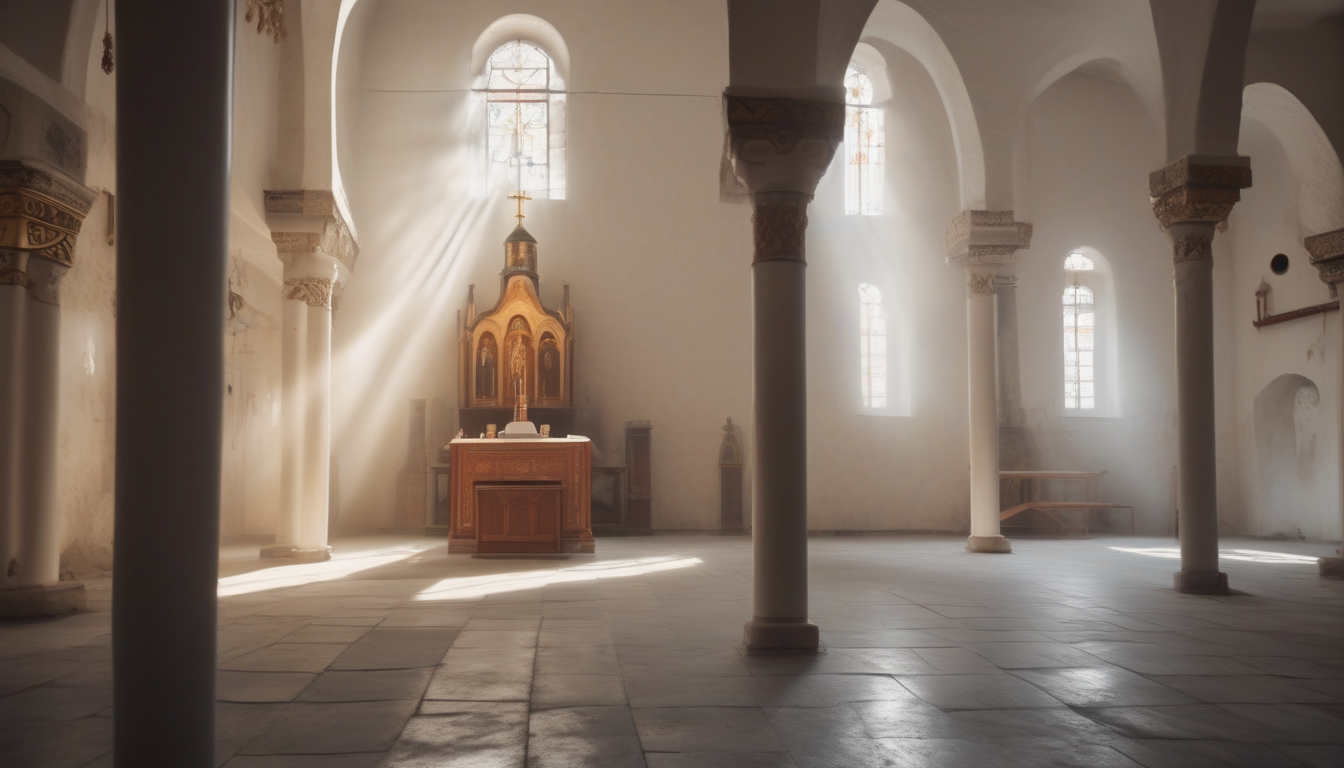
In the morning, in the empty church, the light falls so that the smoke from the incense becomes almost visible. There is complete silence.
Утром в пустом храме свет падает так, что дым от ладана становится почти видимым. Тишина стоит полная.
🌐 Show original
🌐 Show original
С
Софья Беляева
You can see how the smoke stands in a column in this beam, as if it is not moving at all. In our Nizhny Novgorod churches this often happens early in the morning, especially when the incense is fresh from Sergiev Posad.
К
Ксения Попова
You can see how the light breaks through exactly that old brickwork on the right and every crack in it is visible. What church was this filmed in?
С
Світлана Ткаченко
The old bricks on the wall are already all cracked, it can be seen that the masonry dates back to the century before last.
J
James Evans
The light really catches that old cracked beam up top. Where exactly was this taken, and what time in the morning?
Armenian communities in several regions are actively working to protect and restore their centuries-old churches amid growing pressures on historic Christian sites. In the Greek Orthodox Patriarchate of Antioch, Patriarch John has encouraged similar preservation efforts for early Christian monuments under his care. The Romanian Orthodox Church marked the feast of St. Demetrius the New with fresh attention to local sanctuaries, including plans to fully sanctify the Saint Dimitrie Church in Baia Mare next year after careful restoration. Meanwhile, the Orthodox Church in America saw Holy Cross Parish in Hermitage, Pennsylvania, quietly celebrate its own 120th anniversary, a reminder of how immigrant communities have maintained their places of worship across generations.
These stories echo the persistent work of ordinary believers who keep ancient stones standing through daily care and local resolve. A single act of maintenance often outlasts grand declarations.
A
Anca Tudortranslated
Oct 27
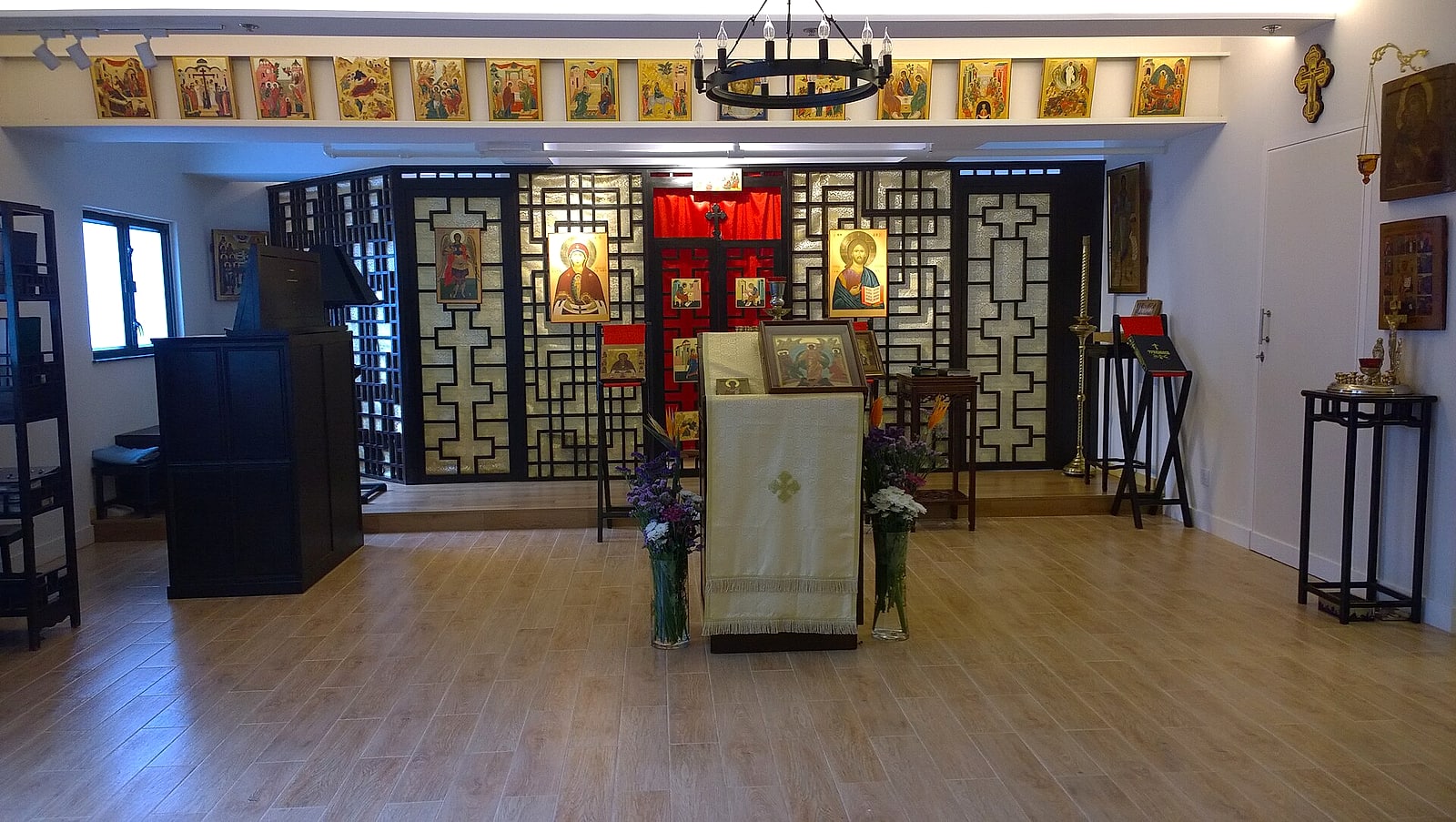
There is good light in the church today, you can clearly see the altar table, the books and the carefully placed things. Everything seems ready and quiet.
În biserică e lumină bună azi, se văd bine masa de altar, cărțile și lucrurile așezate cu grijă. Totul pare pregătit și liniștit.
🌐 Show original
К
Ксения Соловьёва
Yes, the books really lie flat, even the spines are visible. Where and when did you take this photo?
S
Sarah Johnson
The icon of St. Nicholas with the red frame really stands out in that light. Our parish is dedicated to him too.
B
Basil Young
The light hits that old brick wall behind the altar just right, you can count the mortar lines. Nice shot.
И
Иванка Стоянова
Yes, the icons are clearly visible. Our church is of St. Demetrius, so we always keep his icon prominently on the altar.
Bulgarian Orthodox Church parishes from Stara Zagora to Boboshevo drew large crowds this week for the feast of St. Dimitar. In Dobrovo village a new chapel dedicated to the saint was solemnly consecrated, while processions and services filled town squares across the country. At the same time the Romanian Orthodox Church marked the same feast with pilgrims buying icons and books on the Hill of the Patriarchate in Bucharest and remembering martyrs Nestor and Lupus of Thessalonica alongside St. Demetrius the New. The Serbian Orthodox Church reported quiet liturgical joy at Grab, and the Polish Orthodox Church gathered for the anniversary of its Lublin Cathedral.
These local celebrations show how one saint’s memory quietly binds different corners of the Church together.
The Macedonian Orthodox Church – Ohrid Archbishopric reported that Metropolitan Nikola met with Ambassador Stojanche Kitanoski to discuss ongoing church matters. The conversation touched on practical cooperation and the needs of local communities in North Macedonia. At the same time, the Bulgarian Orthodox Church marked the feast of St. Demetrius with an archierarchical vespers service in Sofia’s Hadji Dimitar quarter and consecrated a new chapel dedicated to the saint in the village of Dobrovo near Boboshevo. In Romania, clergy gathered at the National Cathedral to observe Military Clergy Day, while the Church of Greece welcomed a fresh legal agreement that secures the future of the ancient Sinai Monastery after fifteen centuries of monastic life.
These varied events show how Orthodox jurisdictions keep balancing worship, local service, and steady relations with state officials. May readers hold the Macedonian, Bulgarian, Romanian, and Greek communities in their prayers today.
O
Oct 27
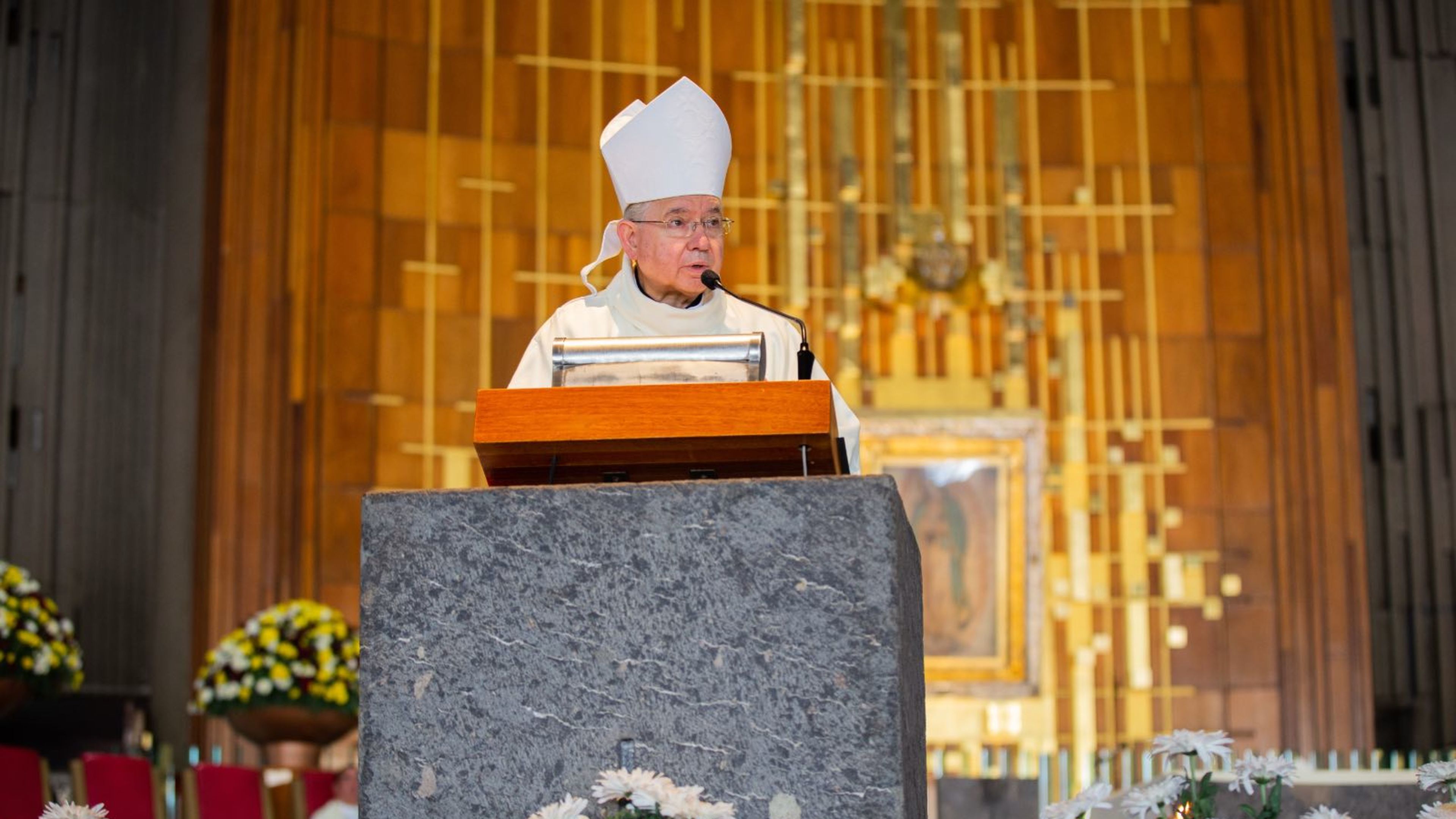
Archbishop Gomez to be recognized for his work in U.S. Hispanic ministry
· Read the article →
Serbian Orthodox faithful gathered in churches across Belgrade and other dioceses on Holy Friday, spending the day in quiet prayer and veneration of the Cross. In Romania, the new St. Apostle Andrew church in Zalău received its consecration, giving local families a permanent place for worship. The Polish Orthodox Church marked the celebration at Lublin Cathedral with services that drew steady attendance. From Greece, a theologian in Serres reminded listeners that the true glory of the Church lies in the blood of her martyrs.
These observances reflect the steady rhythm of parish life. Each one keeps the focus on simple presence before God.
Serbian Orthodox faithful gathered in churches across Belgrade and other dioceses today for Holy Friday, spending the hours in quiet prayer and contemplation before the Cross. In the same spirit of solemn observance, the Church of Greece marked the feast of St Demetrius with a high-priestly Divine Liturgy and deacon ordination at the Church of Agios Dimitrios in Tripoli. The Romanian Orthodox Church opened a new academic session at Alba Iulia exploring the Christian woman’s calling to holiness amid today’s secular culture. Meanwhile the Bulgarian Orthodox Church held an archierarchal vespers for the same great martyr in Sofia’s Hadji Dimitar district.
These separate local expressions show the same ancient rhythm of fasting, remembrance, and quiet devotion continuing unchanged from one country to the next.
May the Lord grant all these communities a fruitful end to Holy Week.
Moldovan villages are opening 80 new Orthodox temples, a striking sign of grassroots revival across rural parishes that have waited years for their own churches. In Romania the faithful marked St Demetrius the New with solemn liturgies and the proclamation of the Council of Military Martyrs, while the Bulgarian Church consecrated the chapel of St Demetrius in the village of Dobrovo near Boboshevo and gathered clergy and mayors for the Dimitrovden celebrations in Sliven. The Antiochian Patriarchate continues steady work at the Monastery of the Nativity of Our Lady in Qousaya, where the parish priest recently inspected ongoing construction. Meanwhile the Polish Orthodox Church celebrated the cathedral in Lublin with services that drew local believers together.
These quiet advances in different corners of the Orthodox world show how the faith keeps putting down roots one community at a time. May readers keep the Moldovan villages, the Romanian parishes, the Bulgarian faithful in Dobrovo and Sliven, and the monks at Qousaya in their prayers.
The Macedonian Orthodox Church – Ohrid Archbishopric reported that Metropolitan Nikola met with Ambassador Stojanche Kitanoski to discuss ongoing church matters. In Romania, Metropolitan Nicolae told Orthodox believers in New York that being a Christian means living as a confessor. The Polish Orthodox Church marked the celebration of its Lublin Cathedral with festive services, while the Orthodox Church in America saw Holy Cross Parish in Hermitage, Pennsylvania, quietly observe its 120th anniversary.
These gatherings reflect steady local work across jurisdictions. The ambassadorial conversation in Skopje turned on practical support for parishes and education programs. Romanian speakers in New York heard clear calls to faithful witness amid daily pressures. Polish clergy and laity filled the Lublin cathedral with traditional hymns, and the Pennsylvania parish prepared simple shared meals after liturgy.
A single quiet observation remains: ordinary meetings and anniversaries keep the rhythm of church life steady from one country to the next.
O
Oct 27
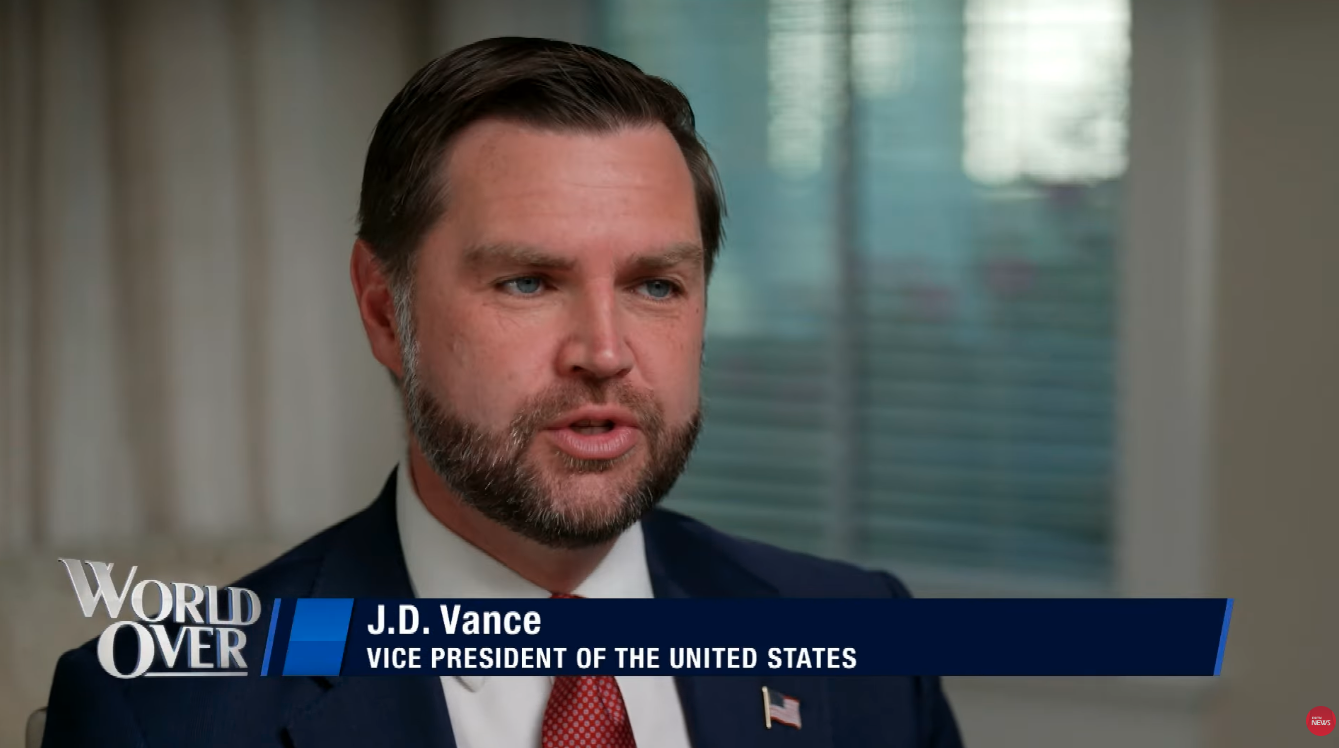
JD Vance on 2028 presidential run: I’ll listen to what God tells me to do
· Read the article →
Armenian communities in Jerusalem and across the diaspora are actively organizing to protect centuries-old churches from neglect and legal threats. In parallel, nearly 1,500 adults and children received baptism in Georgia this month, filling rivers and churches with new believers. The Orthodox Church in America marked the 120th anniversary of Holy Cross Parish in Hermitage, Pennsylvania, with a liturgy that drew former parishioners from three states. Meanwhile, the Church of Cyprus concluded its Holy Synod session with decisions aimed at strengthening parish life in rural areas, and the Polish Orthodox Church held a festive celebration at Lublin Cathedral that included choral music and a talk on local saints.
These stories show how ordinary faithful keep ancient places of worship alive through quiet determination and shared effort. This matters because it reminds everyone that churches stand because people choose to defend and renew them.
Crowds filled the streets in several Bulgarian towns yesterday for the feast of St. Dimitar. In Boboshevo municipality villagers watched as Metropolitan of Sliven consecrated the new chapel of St. Dimitar in the small settlement of Dobrovo, while in Sliven itself the metropolitan presented the Order of St. Dimitrius of Sliven to a prominent public figure. Similar processions took place in the Church of Greece where the memory of the Great Martyr was kept at the historic parish in Alexandria, and the Serbian Orthodox Church marked the day with a quiet but well-attended liturgical celebration at Grab. The Romanian Orthodox Church also noted the feast, listing St. Demetrius the New alongside related martyrs in its morning notices. Each place showed its own modest customs, from decorated icons carried through neighborhoods to simple shared meals after the services.
How did your parish keep the feast of St. Dimitar this year?
M
Oct 27
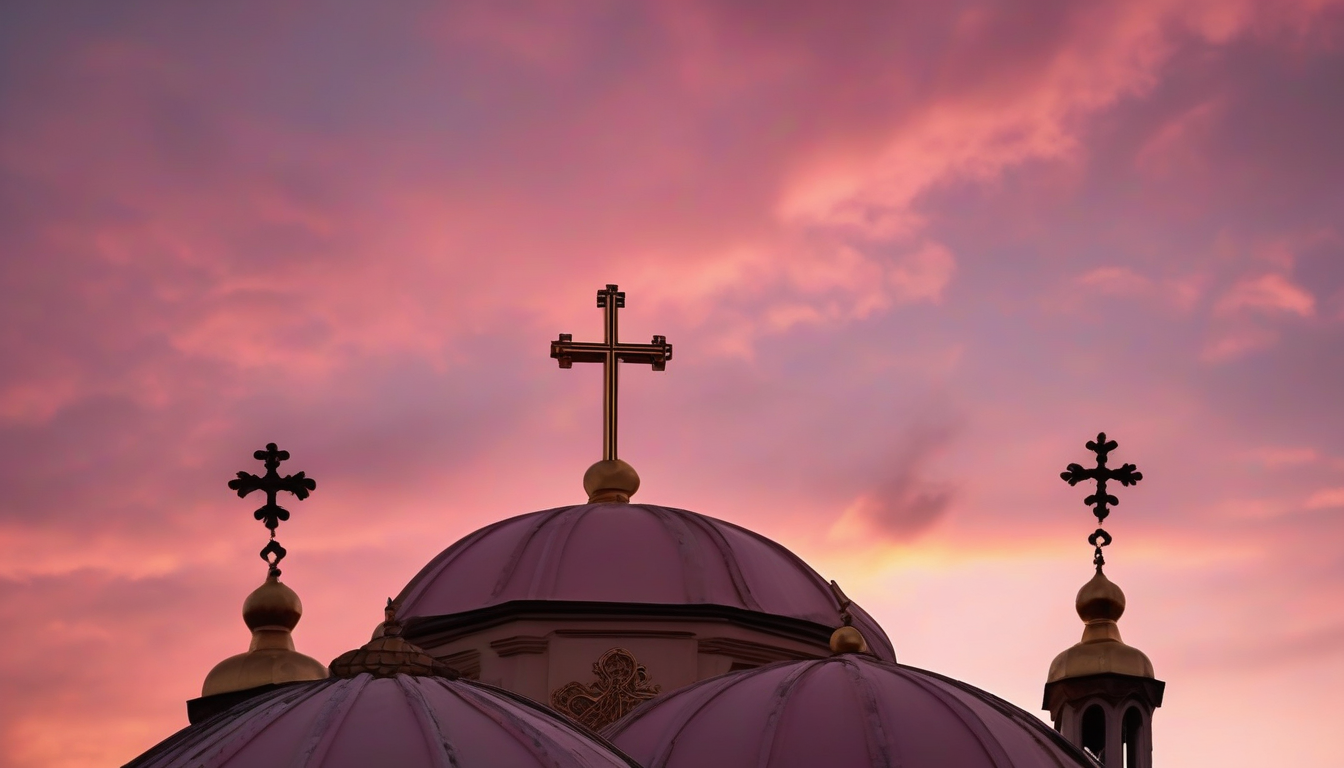
Thank you, Lord, for this quiet cross against the sunrise. It brings to mind how steady Your mercy is, even on ordinary mornings.
К
Красимира Василева
You can clearly see how the bricks below are arranged unevenly, but firmly. When exactly is mass there on Sunday and can one just enter as a visitor?
J
James Evans
The red brick base stands out sharp in that light.
В
Владо Ристески
Yes, you can see how the bricks in the base are a little uneven, but still stand firmly. When exactly is the liturgy there on Sundays?
Ю
Юлія Марченко
Yes, you can see how the brick lay unevenly at the base, but it has been holding for one hundred and seventy years. In Piraeus after 1850, limestone was often taken from local quarries, so the solution is stronger.
Romanian Orthodox believers gathered in large numbers to honor St. Demetrius the New, with special services held at the Saint Dimitrie Church in Baia Mare where the community hopes the entire site will be fully sanctified next year. At the same time, the Church of Greece marked the feast of Saint Demetrius in Lamia with traditional processions and crowded liturgies. In Bulgaria the Metropolitan of Sliven awarded the Order of St. Dimitrius of Sliven to a public figure while evening vespers for the great martyr took place in Sofia’s Hadji Dimitar quarter, drawing over 147 thousand faithful nationwide. The Orthodox Church in America saw Romanian faithful from the Portland area come together at Descent of the Holy Spirit Parish in Oregon City to venerate the same saint.
May the intercessions of St. Demetrius strengthen every parish that kept his memory today.
Γ
Γεωργία Βασιλείουtranslated
Oct 27
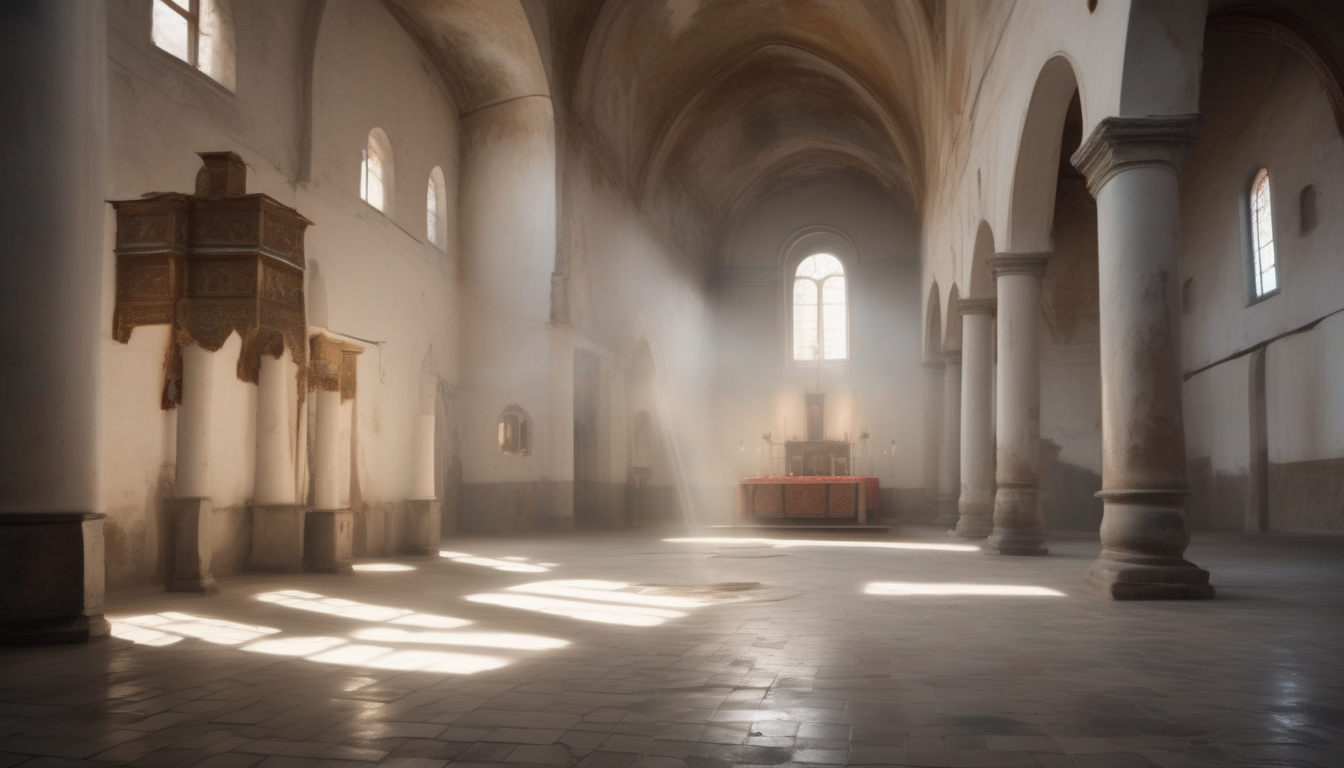
The morning light streams through the incense and fills the empty church. I thank God for such quiet moments.
Το πρωινό φως περνάει μέσα από το θυμίαμα και γεμίζει την άδεια εκκλησία. Ευχαριστώ τον Θεό για τέτοιες ήσυχες στιγμές.
🌐 Show original
S
Stefan Popović
It is the church of St. George. It's nice to see how the smoke goes straight into that old vault above the entrance where the stones are stacked crookedly.
Л
Любовь Морозова
Yes, the incense goes right into that old arch, you can see every unevenness of the stone. In our area, the same thick blocks were laid in the 18th century, when churches were rebuilt after the plague.
Р
Роман Лебедев
Yes, those old stone blocks in the arch are laid unevenly, without even seams, it is clear that they were hewn by hand. I wonder how old this masonry is.
Θ
Θεοδώρα Μακρή
The incense seems to collect just below the large wooden ceiling beam before dissipating. How high is it up there?
O
Oct 27
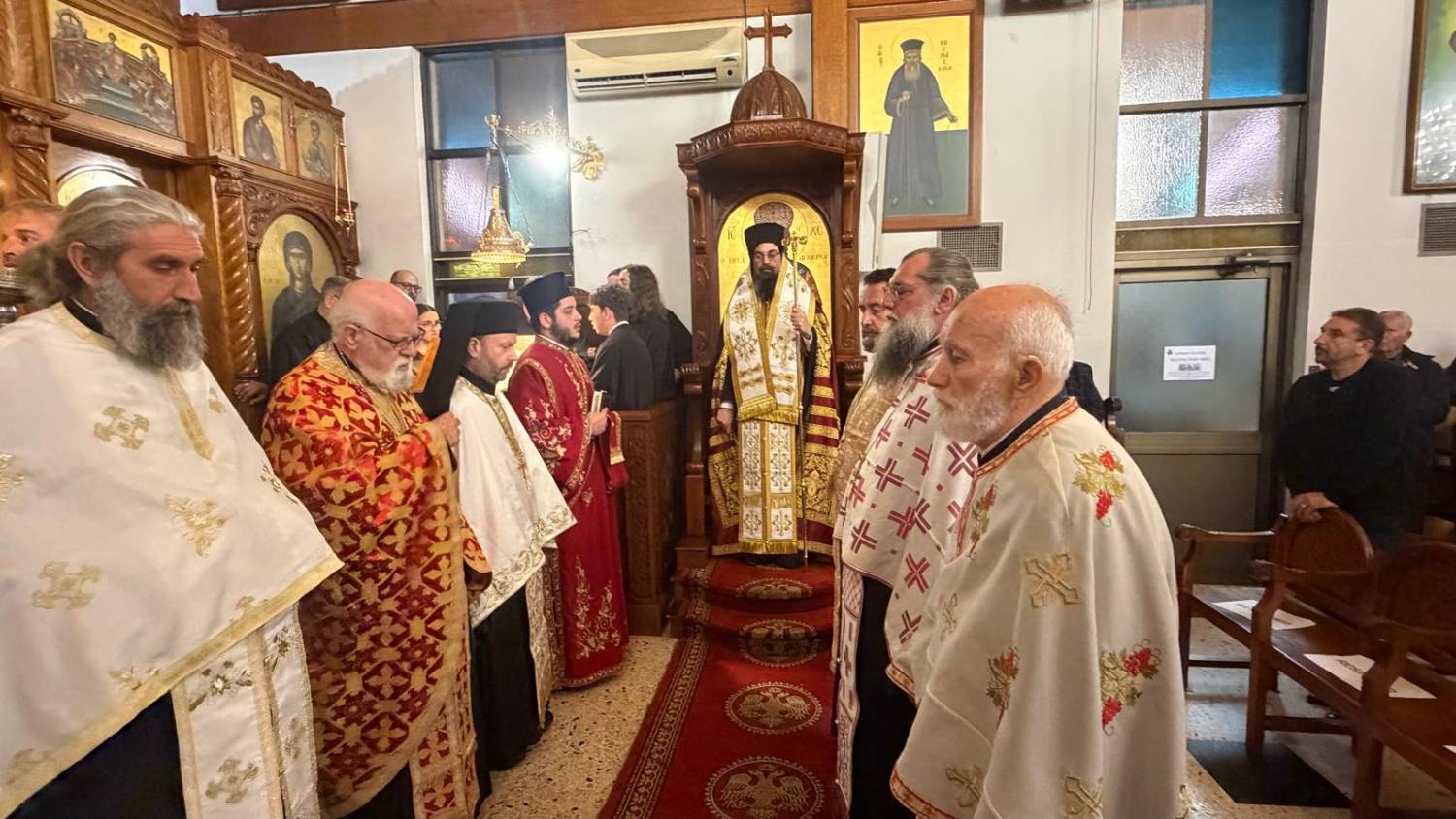
Diocese of Chora: Splendid Feast Day celebrations at the Church of Saint Dimitrios in Moonee Ponds
· Read the article →
O
Oct 27
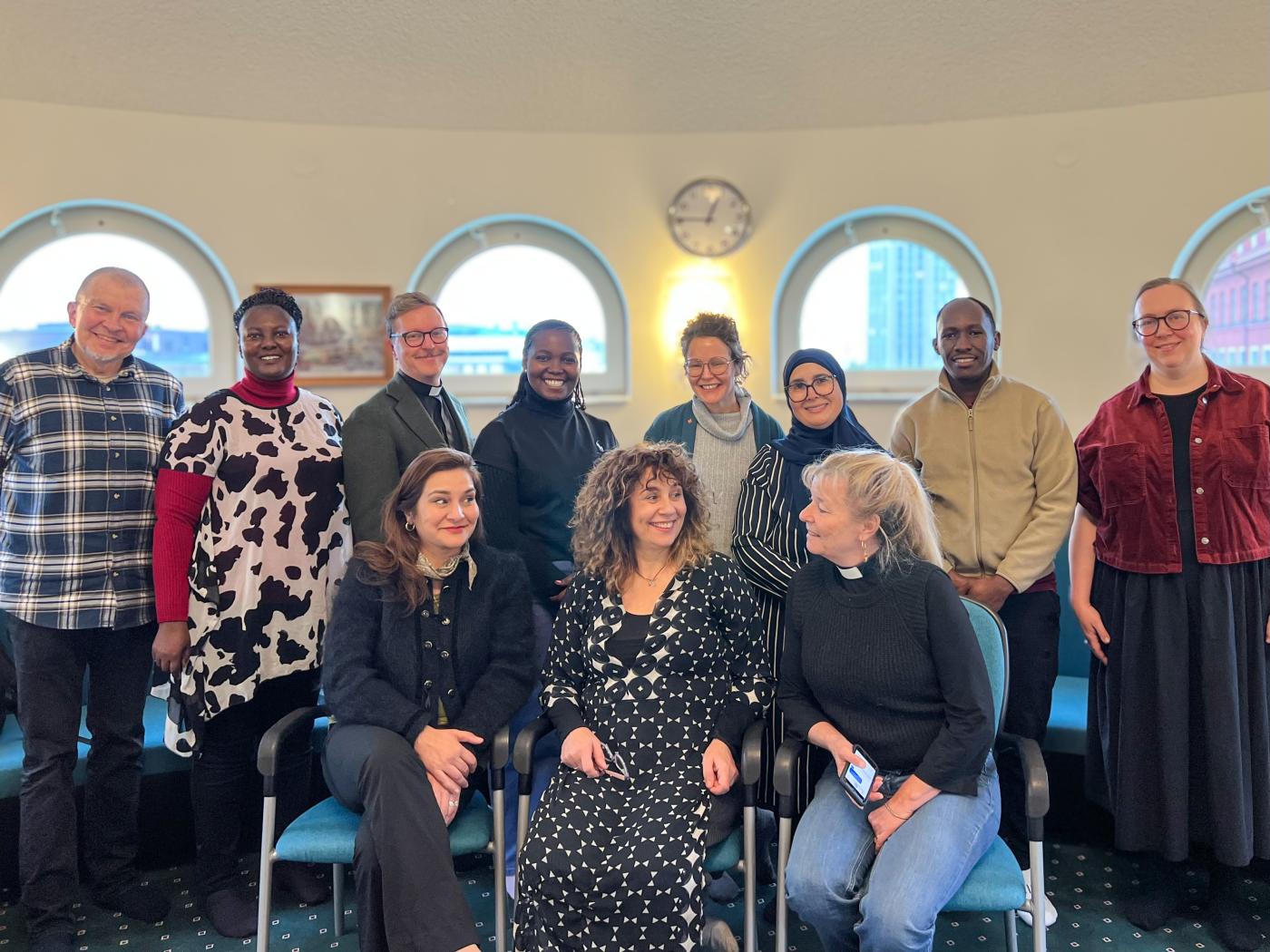
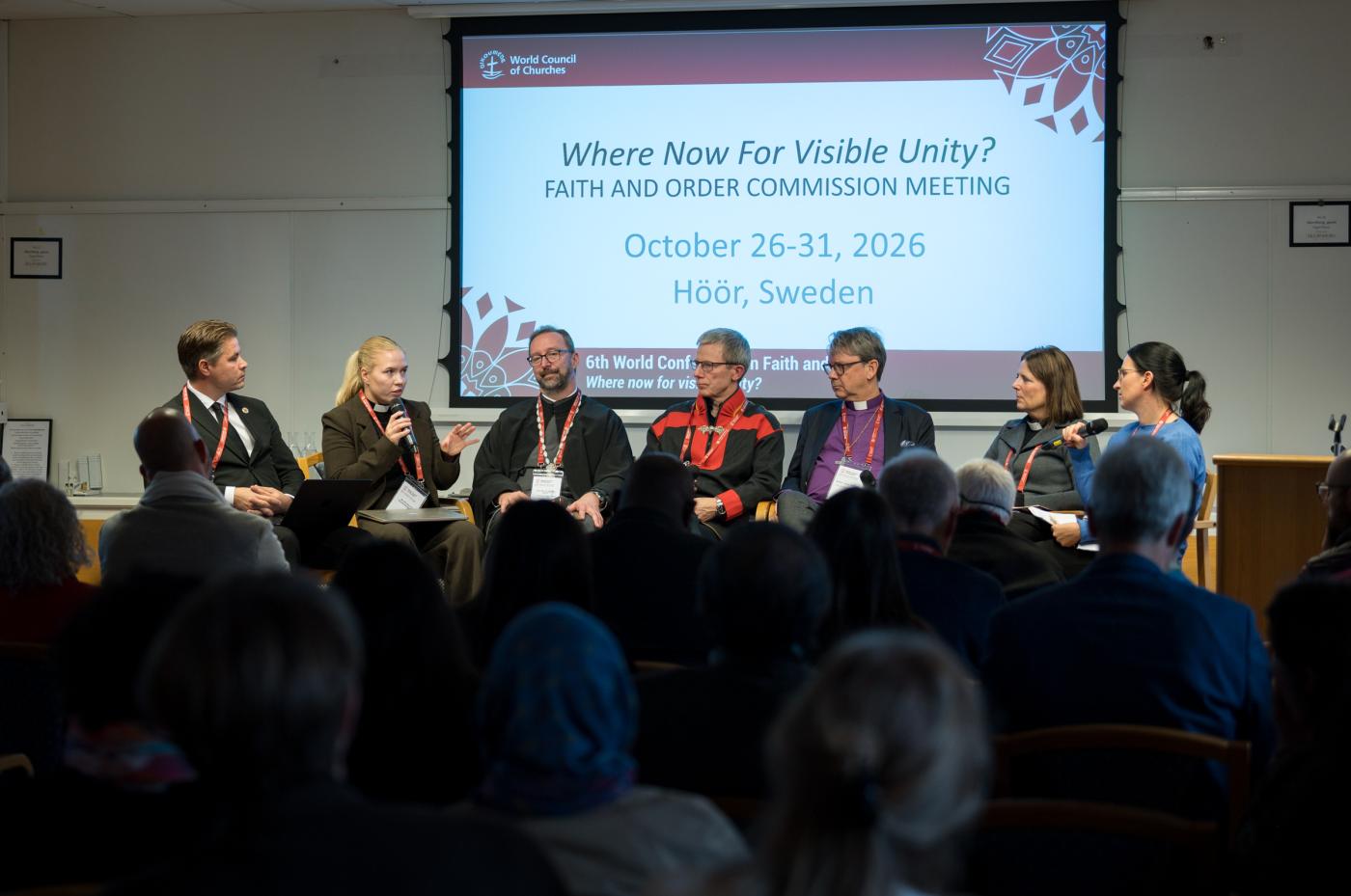
Church of Sweden's interreligious engagement reflects decades of dialogue, trust, shared action
· Read the article →
O
Oct 27
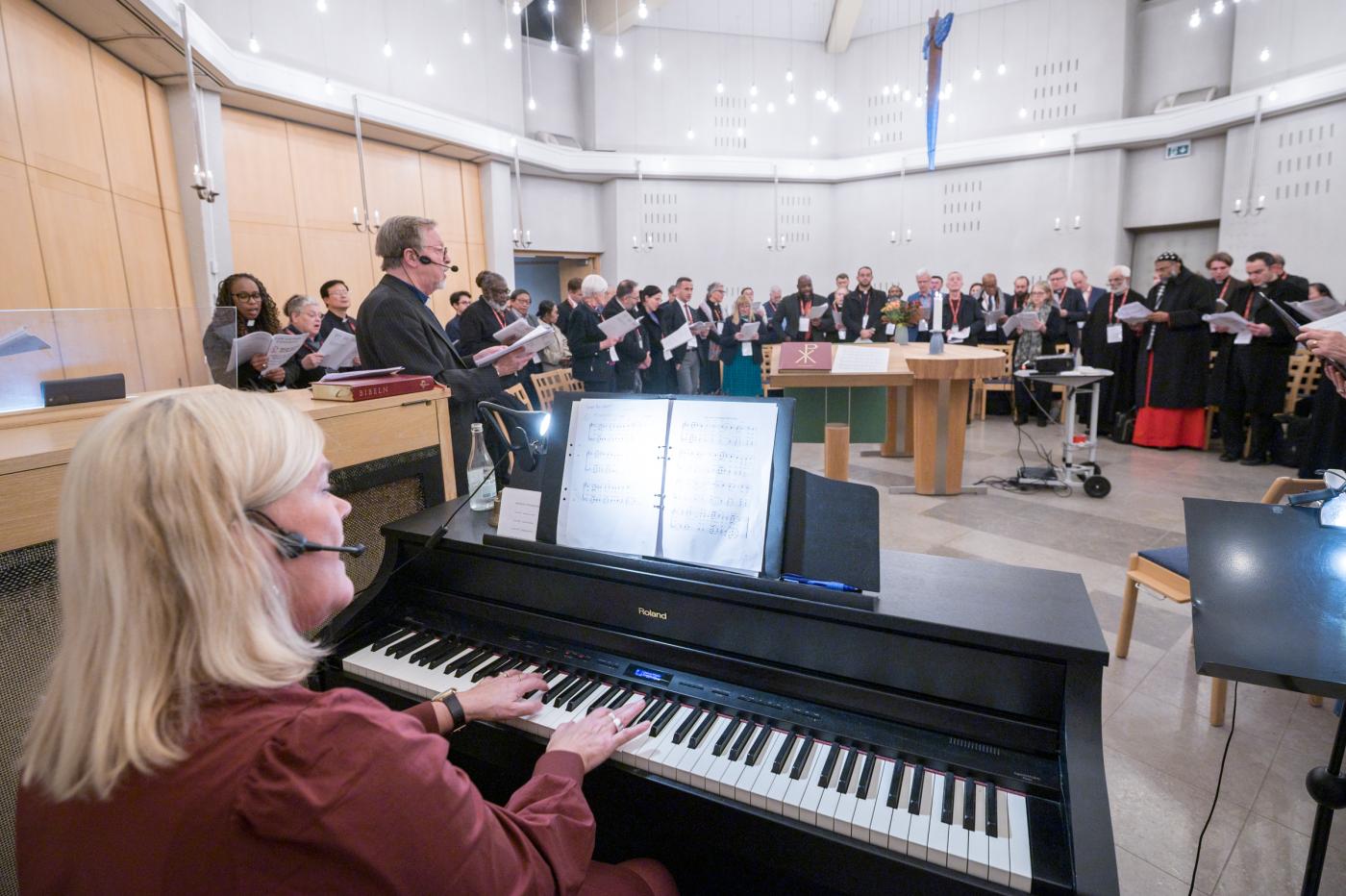
Swedish “Singstunde” invites spiritual encounter with and through music
· Read the article →

O
Oct 27
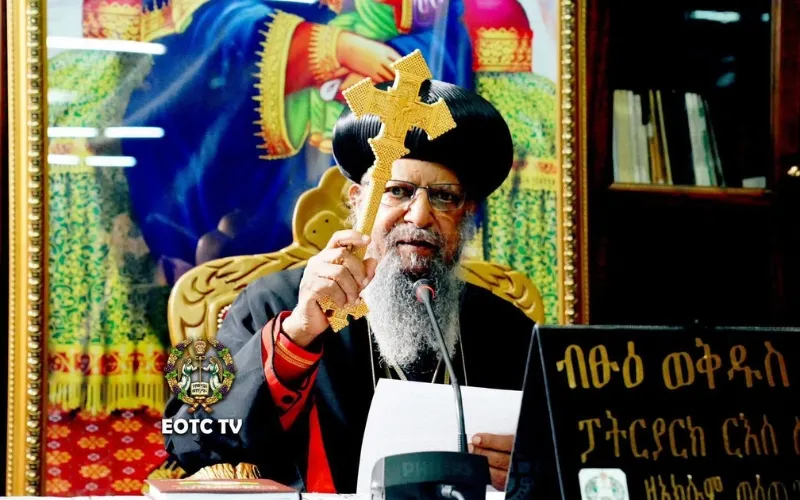
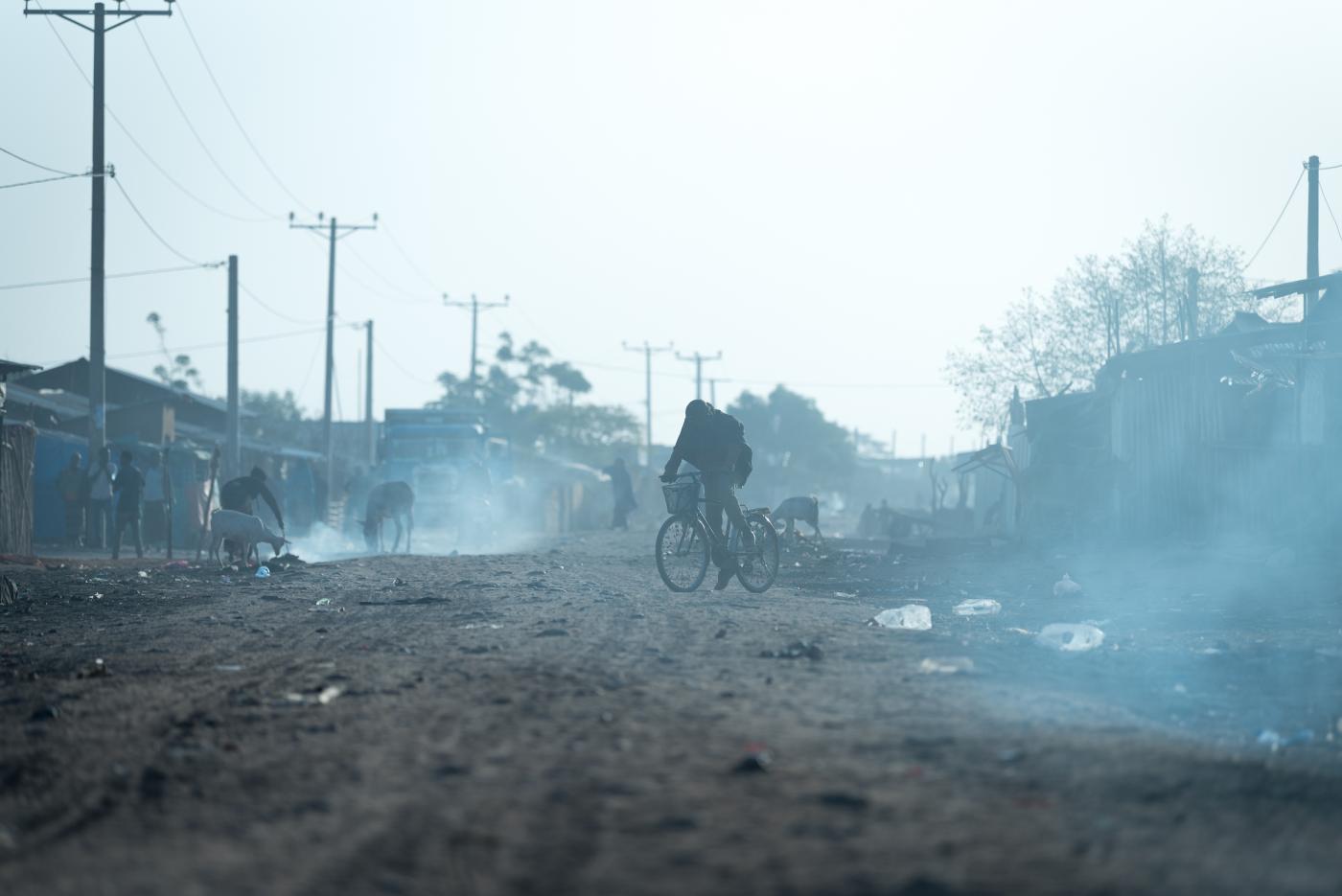
Ethiopian Orthodox Church condemns killings in Oromia as Catholic bishops call for reconciliation
· Read the article →
O
Oct 27
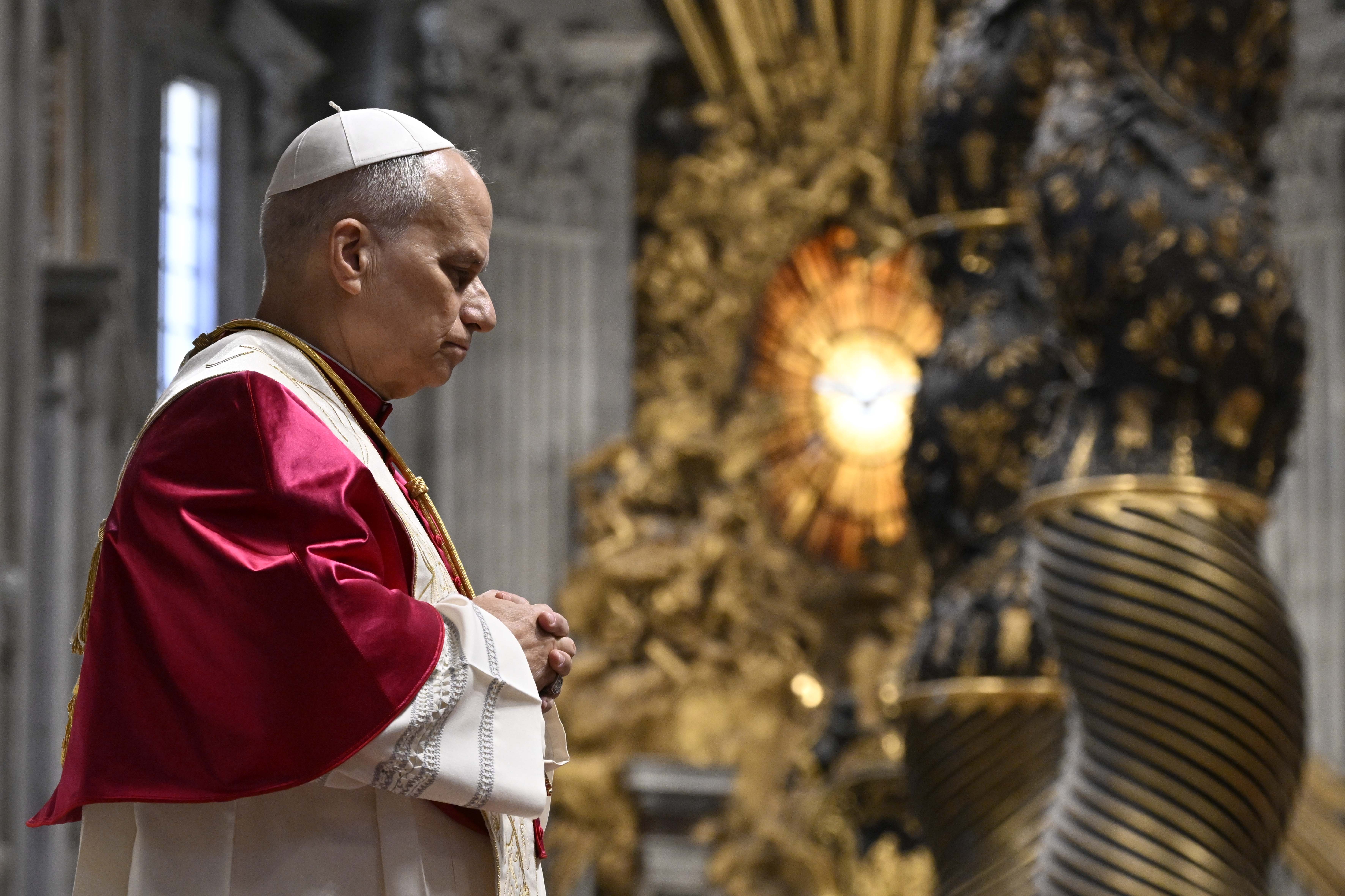
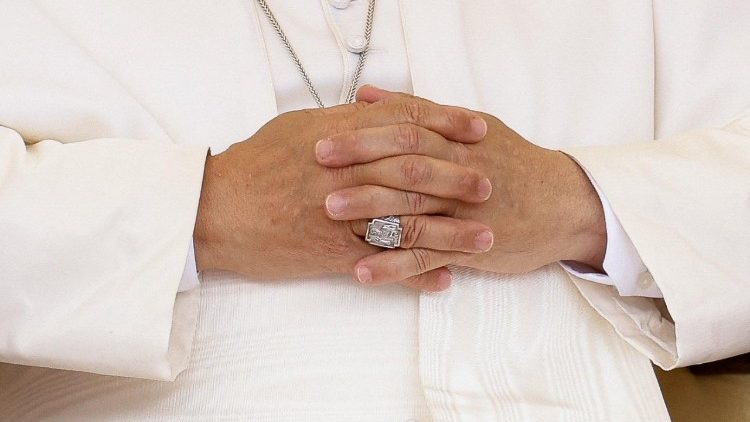
‘There is no such thing as a holy war’: Pope Leo marks 40 years of Assisi peace meeting
· Read the article →
O
Oct 27
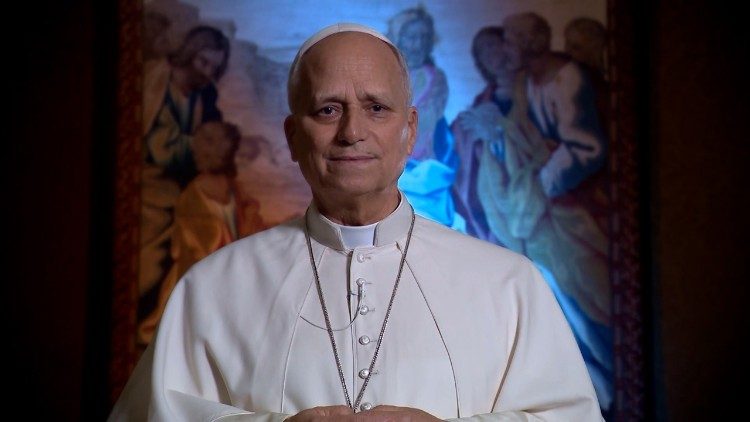
Pope to Assisi Peace Meeting: 'May we be unarmed instruments of God's peace'
· Read the article →