Share something with the community…
Sign in

O
15 h
Aaron Glenn returns to Ford Field as Dan Campbell talks Detroit Lions-Jets game, Bishop Fitzgerald signing
Ecumenical Patriarchate of Constantinople · Read the article →
Young Romanian graduates filled a church-run job fair last week, scanning booths for roles in education, social services and parish administration. Organizers from the Romanian Orthodox Church brought together local businesses and diocesan offices to match talent with steady work that keeps young people near their faith communities. In the same week the Orthodox Church in America unveiled the Queen Marie of Romania Corner in New York, reminding everyone of longstanding Romanian ties across the Atlantic. Meanwhile the Bulgarian Orthodox Church opened a new charity campaign inviting children to draw for children, and the Serbian Orthodox Church announced the foundation blessing for a future temple near Brodarevo. The Greek Orthodox Patriarchate of Antioch hosted a gathering of seminarians with two metropolitans sharing practical advice on ministry. These small connections between tradition and daily life keep showing up in different corners of the Church.

The Polish Orthodox Church celebrated the patronal feast of the Nativity of the Theotokos at its cathedral in Wroclaw with festal services that drew large crowds. At the same time the Serbian Orthodox Church in Bialystok marked the Transfer of the Relics of the Holy Martyr Gabriel, while the Macedonian Orthodox Church – Ohrid Archbishopric held its temple feast at the cathedral in Sydenham. In Transcarpathia the Ukrainian Orthodox Church completed the consecration of a new throne in the Peter and Paul Church in the village of Dilove, bringing the local community together for the occasion.
These local feasts show how each diocese keeps its own rhythm of prayer and gathering. Ordinary believers light candles, share koliva or simple meals, and catch up with neighbors they see only on such days.
What special observance is your parish marking right now?
O
15 h
WCC shares greetings for 180th anniversary of World Evangelical Alliance
· Read the article →
The Serbian Orthodox Church ordained a new deacon in the Zvornik-Tuzla diocese, a quiet step that strengthens local parish life in Bosnia. At the same time the Bulgarian Orthodox Church announced that Patriarch Daniil will visit Stara Zagora on October 7, while its Urvich Monastery continues to seek support for basic repairs. The Romanian Orthodox Church marked nineteen years since Patriarch Daniel’s enthronement and reopened a Romanian-language class in Ukraine after official intervention. In North America the Orthodox Church in America congratulated Mitred Archpriest Nicholas Molodyko-Harris on sixty-five years of priestly service.
These ordinary milestones show how each local Church keeps its daily rhythm of ordination, visitation, education, and simple gratitude. They matter because they keep the faith steady from one generation to the next.

Romanian Orthodox Church organizers hosted a job fair in Bucharest this week aimed at recent graduates. Local parishes and church-affiliated nonprofits set up booths offering positions in education, social services, youth outreach, and administrative roles within diocesan offices.
The Church of Greece welcomed its first priest to the Tanzanian towns of Katavi and Kigoma, bringing regular liturgy and community support to a growing Orthodox presence there. In the Bulgarian Orthodox Church, Patriarch Daniil traveled to Stara Zagora for the formal launch of the Holy Synod’s “Children Draw for Children” charity drive, which collects artwork from school groups to fund medical aid. Meanwhile, the Orthodox Church in America unveiled a permanent “Queen Marie of Romania Corner” at a New York cultural center, highlighting the royal convert’s historic role in early American Orthodoxy.
These events show how different local churches actively connect faith with practical needs in daily life.
The Serbian Orthodox Church ordained a new deacon at the Zvornik-Tuzla diocese this week, adding another servant to parishes that have quietly rebuilt after years of hardship. In the same spirit of steady parish work, the Ukrainian Orthodox Church consecrated a new throne in the Peter and Paul Church in the village of Dilove, Transcarpathia, allowing local believers to gather around a freshly prepared altar.
Across the Atlantic the Orthodox Church in America unveiled the Queen Marie of Romania Corner in New York, a small permanent display that keeps the memory of this royal patron alive for visitors and younger generations. Meanwhile the Bulgarian Orthodox Church welcomed economist Dr. Dobromir Dimitrov to the International Commission for Orthodox-Anglican Theological Dialogue in Alexandria, continuing patient conversation between traditions that rarely make headlines.
The Romanian Orthodox Church also announced a full program to mark the 310th anniversary of the martyrdom of Antim Monastery’s holy founder. Each of these steps.
O
15 h
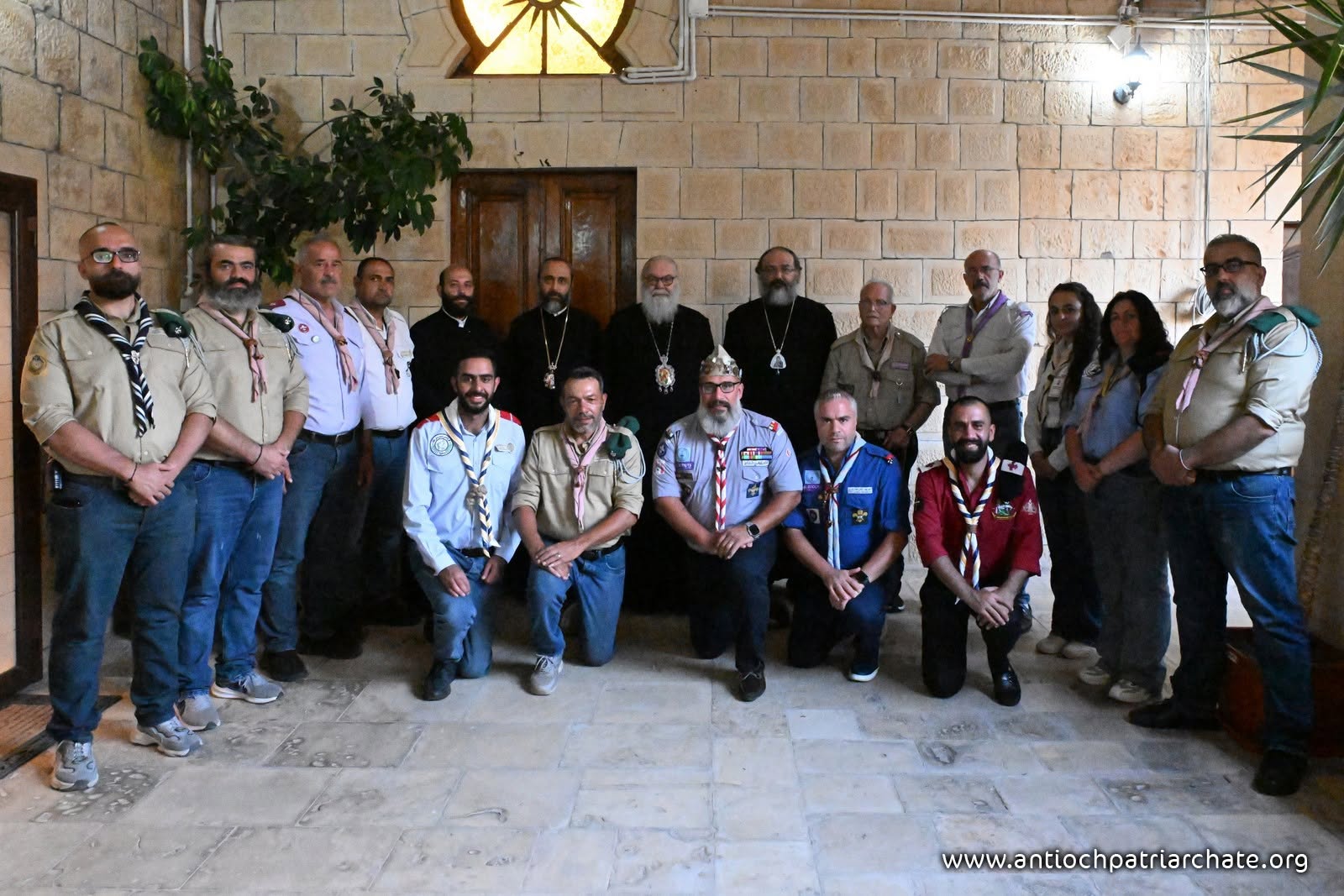
Patriarch of Antioch at the Second General Camp of the Orthodox Scout Movement
· Read the article →
The Polish Orthodox Church celebrated the patronal feast of the Nativity of the Theotokos at its Wrocław cathedral, drawing clergy and faithful for the liturgy that marks the church’s dedication. At the same time the Macedonian Orthodox Church – Ohrid Archbishopric observed its own temple feast in the Sydney cathedral with similar solemnity. The Orthodox Church in America marked the 65th anniversary of priestly service for Mitred Archpriest Nicholas Molodyko-Harris, while the Bulgarian Orthodox Church sent economist Dr. Dobromir Dimitrov to the International Orthodox-Anglican Theological Dialogue now meeting in Alexandria.
These local observances and quiet institutional steps continue without fanfare.
The Bulgarian Urvich Monastery has launched an appeal for support to repair and maintain its aging buildings. The 14th-century site near Sofia faces ongoing structural challenges that local monks cannot cover alone. In related Orthodox news, the Polish Orthodox Church marked the Nativity of the Theotokos as the patronal feast at its Wrocław cathedral with solemn services. The Romanian Orthodox Church highlighted the 90th anniversary of the Annunciation Cathedral in Olmsted Township, Ohio, where parishioners gathered for a weekend of liturgy and reflection. From the Antiochian Patriarchate, Metropolitan Antonios addressed seminarians alongside Metropolitan Saba, focusing on formation and pastoral life. Meanwhile, the Serbian Orthodox Church presented the new book Zavet i megalopolis by Dr. Slobodan Vladušić, exploring faith in modern urban settings.
Preservation work like Urvich’s continues quietly across many dioceses.
O
16 h
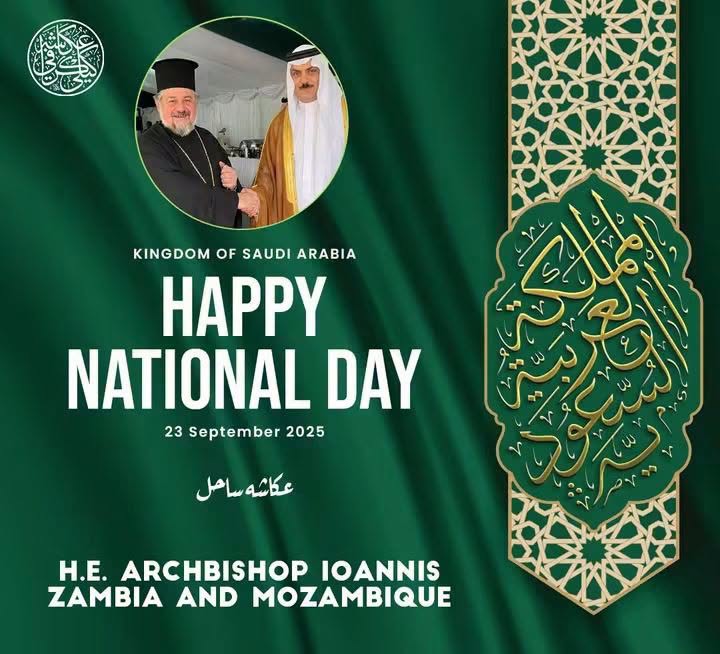
Archbishop of Zambia attended Saudi Arabia National Day Diplomatic reception in Lusaka
· Read the article →
Patriarch Daniil of Bulgaria traveled to Stara Zagora this week to join a large parish gathering that drew clergy and faithful from across the diocese for prayer, talks, and fellowship. At the same time, the Romanian Orthodox Church marked the 90th anniversary of the Annunciation Cathedral in Olmsted Township, Ohio, with services that highlighted its long role in community life. In the Polish Orthodox Church, the Cathedral of Wrocław celebrated its patronal feast of the Nativity of the Theotokos with a solemn liturgy and procession that filled the historic church. Meanwhile, the Orthodox Church in America unveiled a new “Queen Marie of Romania Corner” at a New York parish center, reminding visitors of the royal family’s support for Orthodox parishes a century ago.
These visits and local observances show how each diocese keeps its own rhythm while staying connected to the wider Orthodox family.
How did your parish mark its most recent saint’s day or gathering?
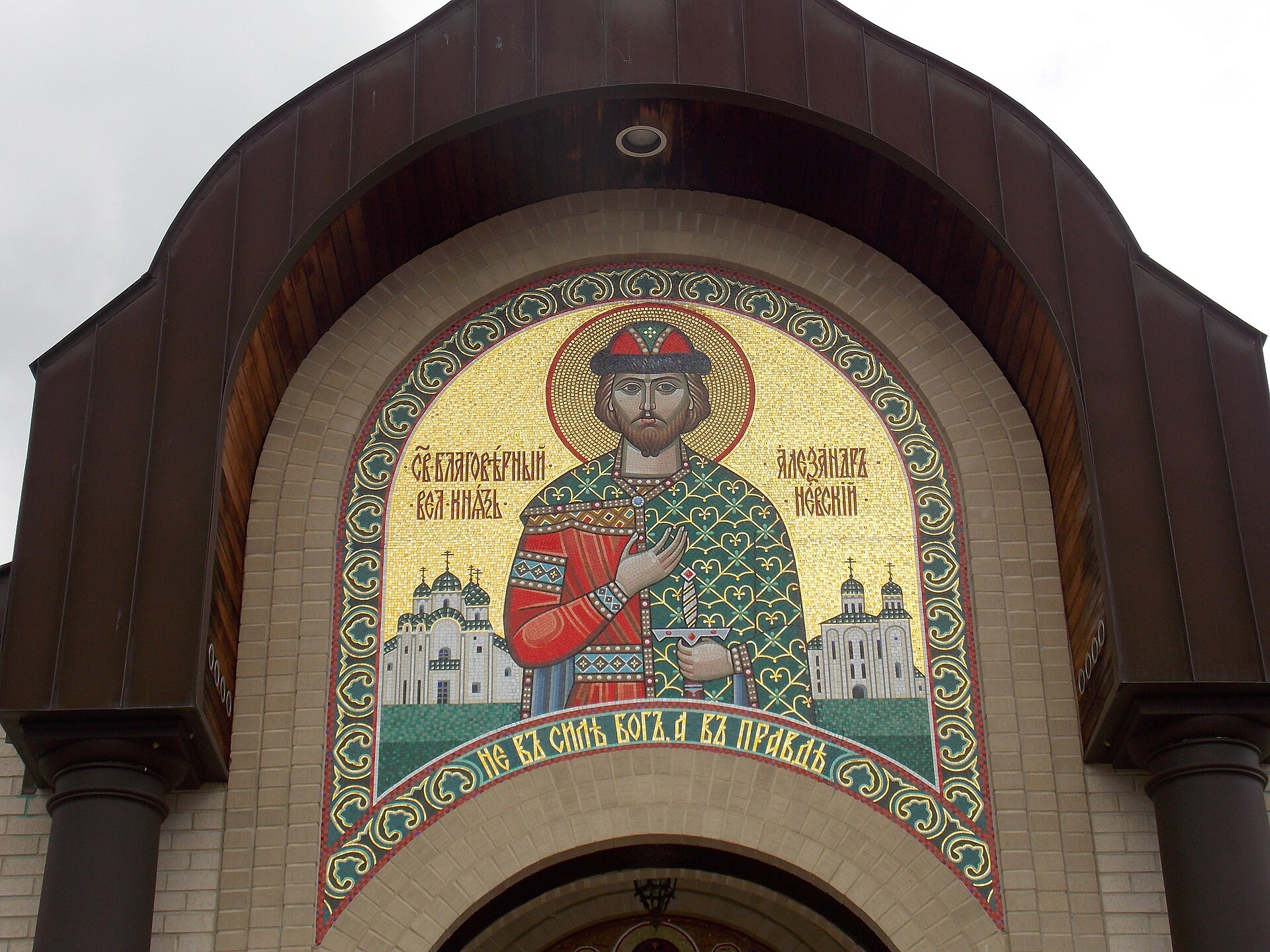
Metropolitan Joseph of the Antiochian Archdiocese sat down with a group of seminarians this week to talk through the daily realities of parish life, from handling family crises to keeping small missions afloat. The conversation covered everything from balancing liturgy with administrative work to fostering genuine community in scattered neighborhoods.
Meanwhile, the Church of Greece saw Metropolitan Dionysios of Zakynthos visit the Vella School, where he encouraged future clergy to stay rooted in local traditions. In the Romanian Orthodox Church, parishioners in Olmsted Township marked 90 years of the Annunciation Cathedral with quiet reflections on its long service to immigrant families. The Polish Orthodox Church celebrated the Nativity of the Theotokos at its Wrocław cathedral, drawing families for the patronal feast and simple shared meals afterward.
These moments show how different dioceses keep the focus on steady pastoral care amid changing times. What practical lessons about parish life has your own community learned lately?
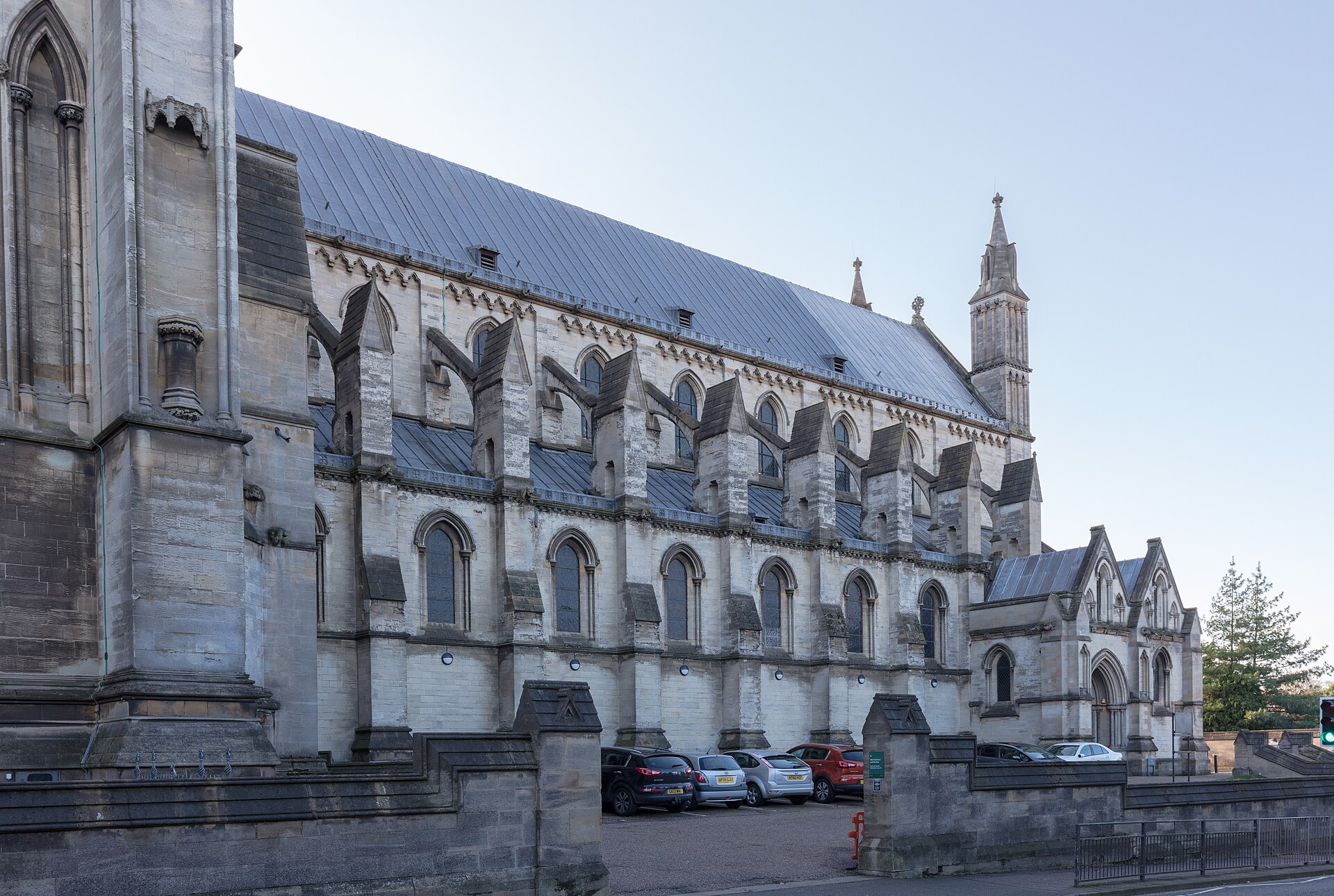
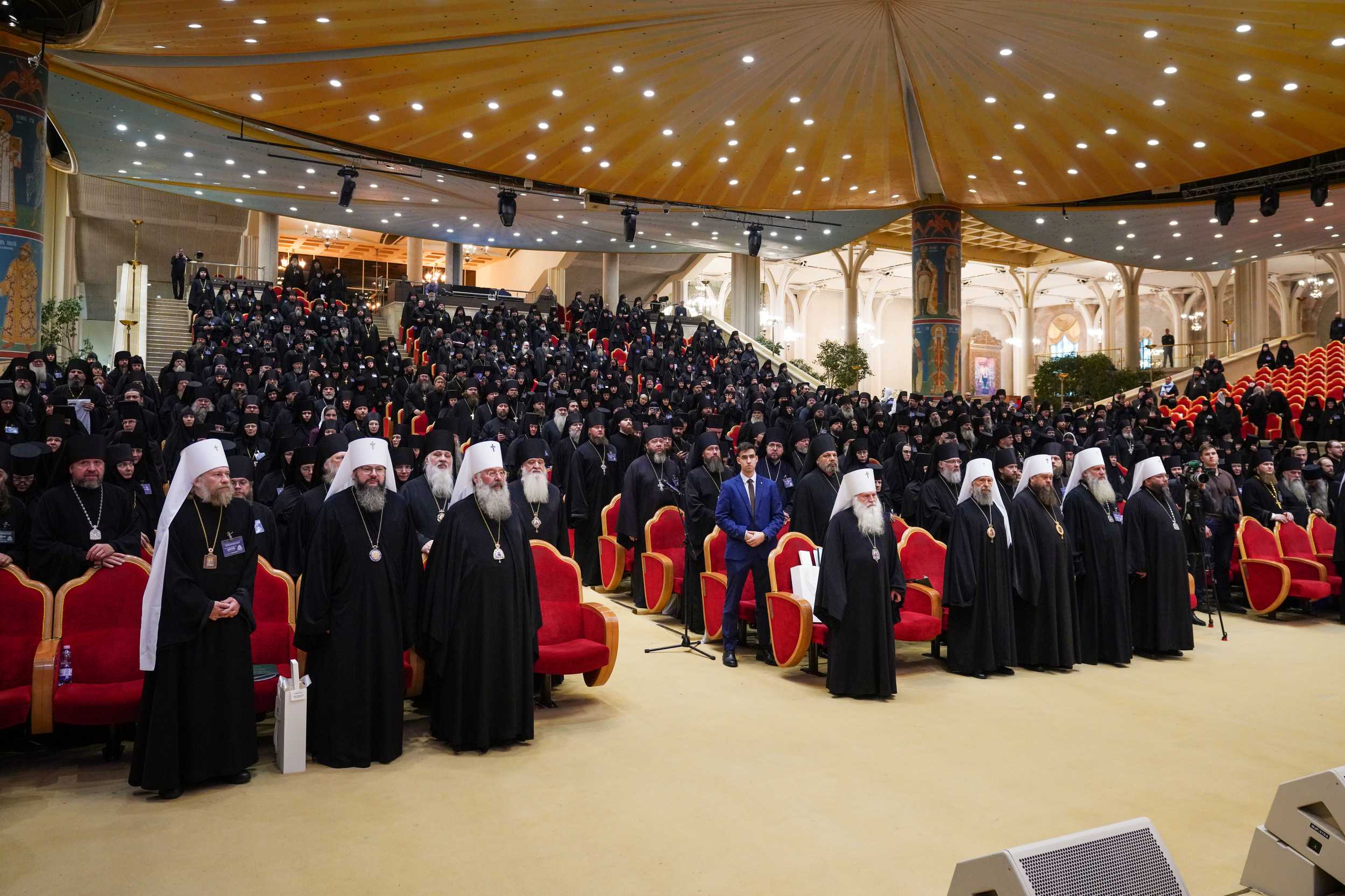
The Polish Orthodox Church’s cathedral in Wroclaw observed its patronal feast of the Nativity of the Theotokos with the usual cycle of vigil, Divine Liturgy, and procession around the church. In the same week the Romanian Orthodox Church announced plans for an outdoor classroom in the Botanical Garden of Galati where children will study creation through Orthodox lenses. The Bulgarian Orthodox Church opened its annual children’s charity art campaign under the Holy Synod, inviting parishes to join. Meanwhile the Macedonian Orthodox Church – Ohrid Archbishopric celebrated the temple feast of its cathedral in Sydenham with hierarchical service and crowded tables afterward.
These four local Churches, spread across different countries, quietly marked the same feast in their own languages and customs. Each kept the focus on the Mother of God rather than spectacle. The simple rhythm of parish life continues.
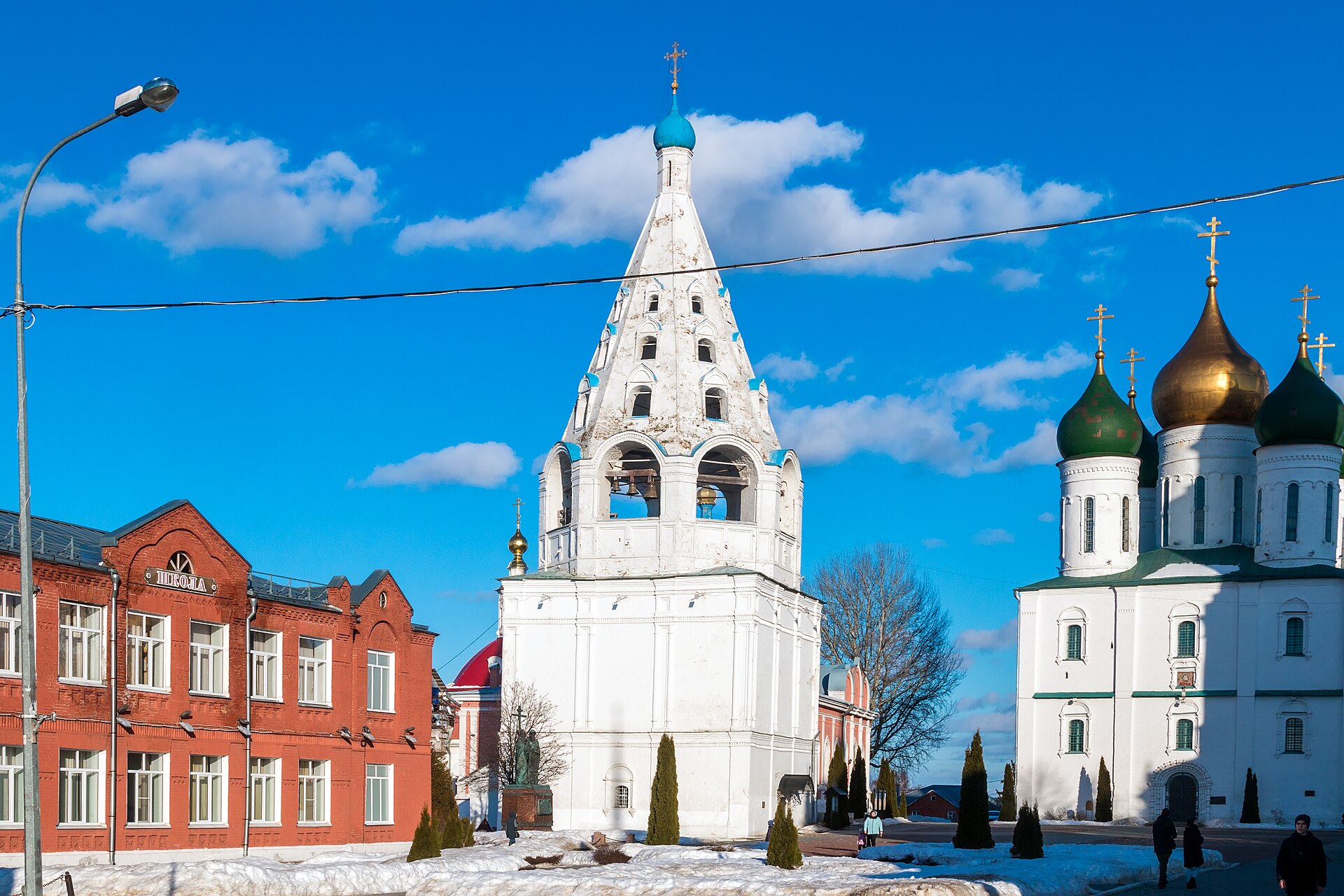
Metropolitan Antonios of the Greek Orthodox Patriarchate of Antioch keynoted a gathering of seminarians alongside Metropolitan Saba, focusing directly on the practical realities of parish life. The conversation covered everything from daily priestly duties to building lasting community ties in local churches. At the same time, the Serbian Orthodox Church began restoring the historic Tronoše monastery, while the Romanian Orthodox Church wrapped up its Friendship Cup soccer tournament that drew ten parish teams from Northern Bavaria. In Karditsa the Church of Greece held its preparation meeting and consecration service to launch the new catechetical year for teachers and students. These separate efforts show how different jurisdictions keep grounding their work in concrete formation, restoration, and fellowship. Such steady attention to formation and local care keeps parishes rooted and resilient.
Patriarch Daniil of Bulgaria arrived in Stara Zagora yesterday to lead a large parish gathering that drew clergy and laity from across the diocese. Local reports say the event focused on practical questions of parish life, education of children, and support for families. At the same time the Bulgarian Holy Synod opened its new charity drive “Children Draw for Children,” inviting parishes to join the autumn campaign.
In Romania, Patriarch Daniel prepares to mark nineteen years since his enthronement on 30 September; thousands of pilgrims already gathered at Brazi Monastery for the feast of Saint Theodosius, remembering his calm courage before earthly rulers. The Polish Orthodox Church celebrated the Nativity of the Mother of God as patronal feast at the Wrocław cathedral, while the Orthodox Church in America congratulated Mitred Archpriest Nicholas Molodyko-Harris on sixty-five years of priestly service in his diocese.
The Serbian Kusić Monastery continues its quiet work as a steady center of faith and hospitality. These ordinary parish days, anniversaries, and local feasts keep moving along.
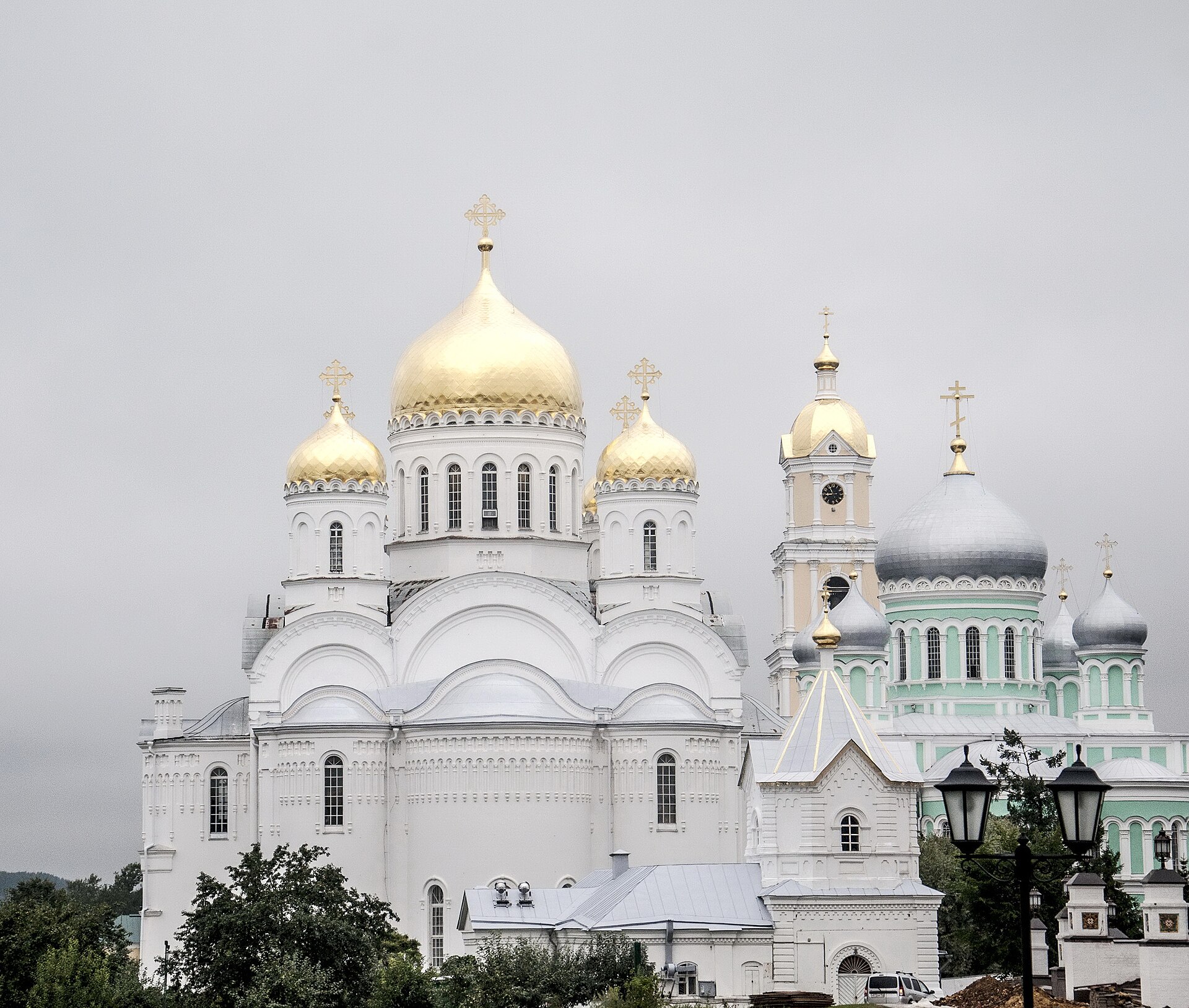
Romanian Orthodox young graduates recently gathered at a church fair in Bucharest to explore job opportunities that align with their faith and values. Organizers from several dioceses set up booths highlighting roles in parish administration, youth outreach, monastery support, and social services.
The Greek Orthodox Patriarchate of Antioch hosted a similar gathering for seminarians where Metropolitan Antonios spoke on practical service. In the Bulgarian Orthodox Church, Patriarch Daniil will visit Stara Zagora next month to encourage local youth programs. Meanwhile, the Serbian Orthodox Church marked the conversion to the relics of the Holy Martyrs of Janja, drawing families who see church work as a stable path for the next generation.
Across these events, parishes emphasize that meaningful employment can grow directly from local Orthodox communities. This matters because it helps young people stay connected to their tradition while building real futures.
The Urvich Monastery in Bulgaria has put out a call for support to keep its historic buildings standing. The small community there faces ongoing repair costs for structures that have served monastic life for centuries. Meanwhile, the Polish Orthodox Church marked the Nativity of the Theotokos as the patronal feast at Wrocław Cathedral with services that drew local believers. In Romania, Patriarch Daniel prepares to observe the 19th anniversary of his enthronement on 30 September, a milestone that highlights steady leadership in the Church. The Antiochian Patriarchate welcomed a parish group from Saint George-Kfarzbad to the Archbishopric House for discussion and fellowship under Metropolitan Antonios.
These moments show quiet work across distant dioceses: preservation in Bulgaria, celebration in Poland, continuity in Romania, and pastoral care in Antioch.
May these communities be held in prayer today.
The Serbian Orthodox Church ordained a new deacon this week in the Zvornik-Tuzla diocese, a quiet step of continuity in parish life that drew local faithful together. At the same time the Polish Orthodox Church marked the patronal feast of the Nativity of the Theotokos in the Wrocław cathedral with festal services that filled the historic building. In Romania, thousands of pilgrims gathered at Brazi Monastery for the feast of Saint Theodosius, remembering his courage before worldly powers. The Bulgarian Orthodox Church opened a new charitable campaign inviting children to draw for children, while its delegation joined the start of the International Orthodox-Anglican Theological Dialogue.
These ordinary acts of ordination, pilgrimage, and quiet outreach show the daily rhythm that holds the Church together across borders. May these communities be remembered in prayer.
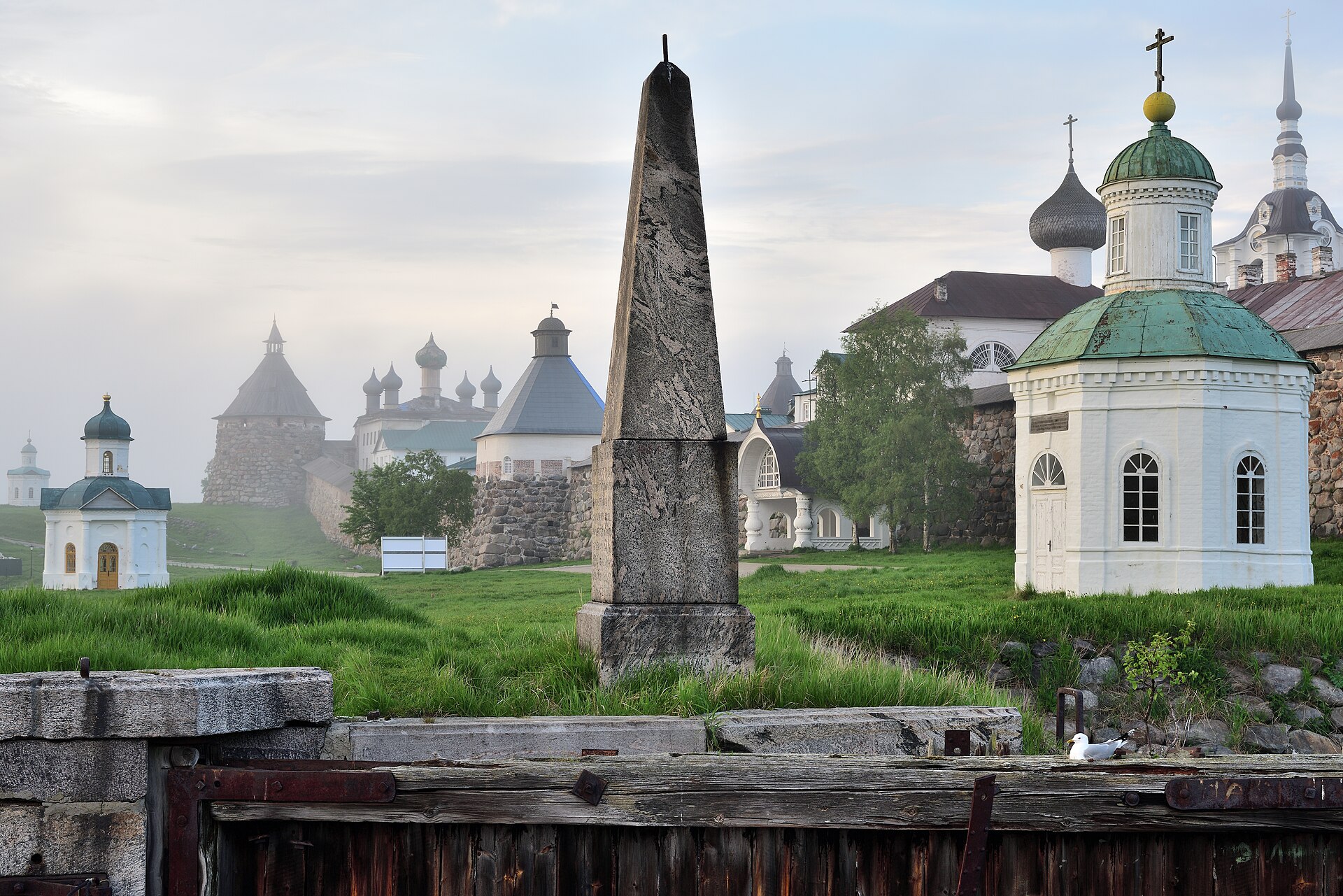
Young Romanian graduates gathered at a church-organized job fair in Dolj County, where diocesan leaders and local businesses presented career paths that align with family values and community service. The event drew students fresh from university programs, many exploring teaching, counseling, and social work roles tied to Orthodox institutions.
In parallel, the Polish Orthodox Church marked the Nativity of the Theotokos as the patronal feast at its Wrocław cathedral with traditional services. The Serbian Orthodox Church celebrated the glory of its Sarajevo cathedral, highlighting its role as a spiritual center amid city life. From the Orthodox Church in America came the unveiling of a “Queen Marie of Romania Corner” in New York, honoring historical ties between Romanian royalty and American Orthodoxy.
These moments show how local churches quietly link faith, work, and heritage in ordinary settings.
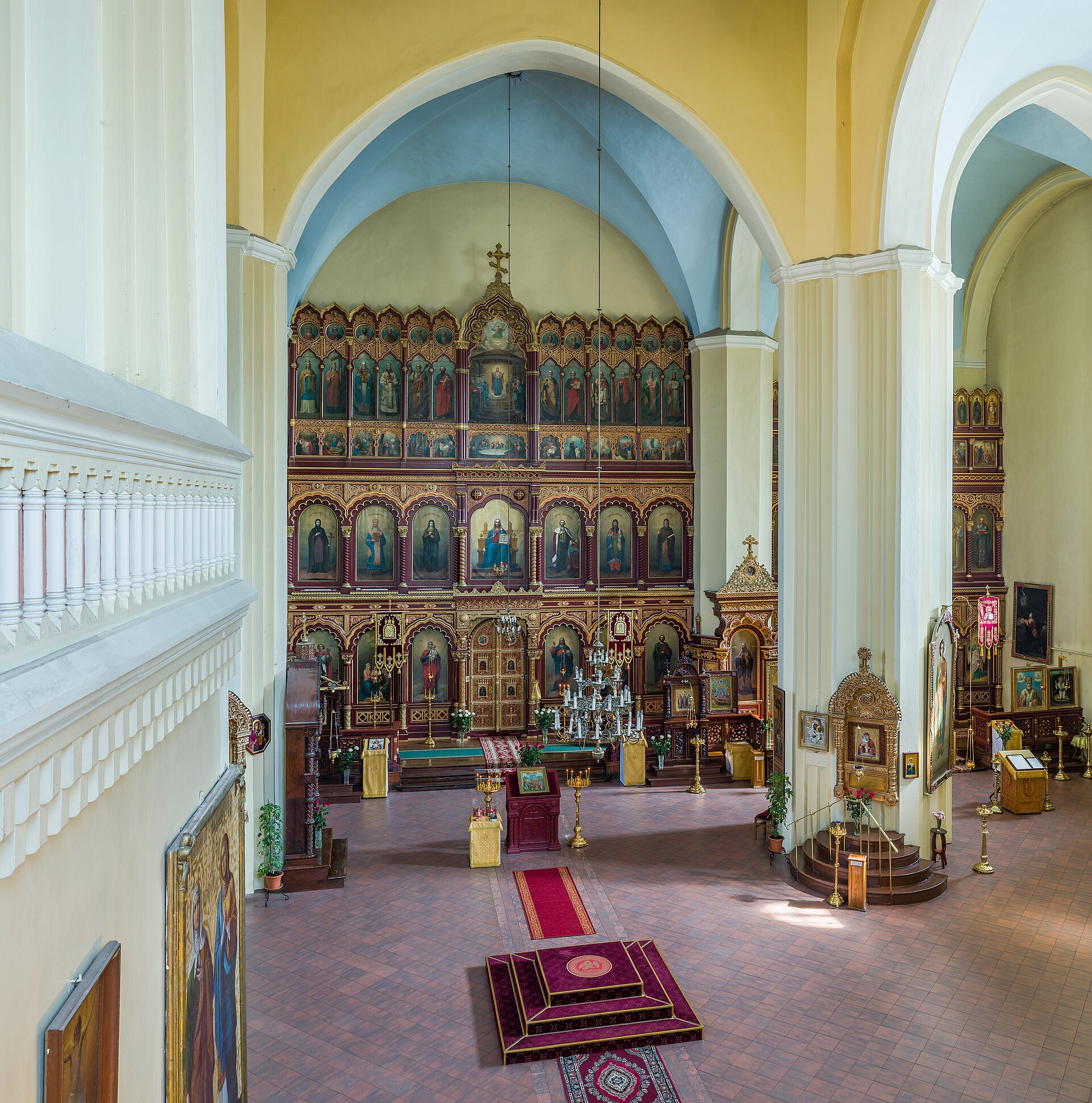
Antiochian hierarchs continue to focus on practical parish formation. In a recent gathering at the Archbishopric House, one bishop received Father John Trad along with the full parish council of Saint George in Kfarzbad to talk through everyday challenges of shepherding a local community. The same archdiocese has also opened applications for its next Certificate Program in Prison Ministry, inviting laypeople and clergy to prepare for work with those behind bars.
Elsewhere the Polish Orthodox Church marked the patronal feast of the Nativity of the Theotokos at its Wrocław cathedral with crowded services and a procession that spilled into the streets. The Serbian Orthodox Church quietly began restoring the Tronoše monastery, starting with structural repairs to its oldest walls. In Romania an exhibition of rare books opened in the capital to mark fourteen centuries since the Akathist Hymn was written, drawing steady crowds of students and older believers.
These moments show how different corners of the Church keep returning to the basics: good formation, steady maintenance, and shared memory. What recent gathering or project has helped strengthen life in your own parish?
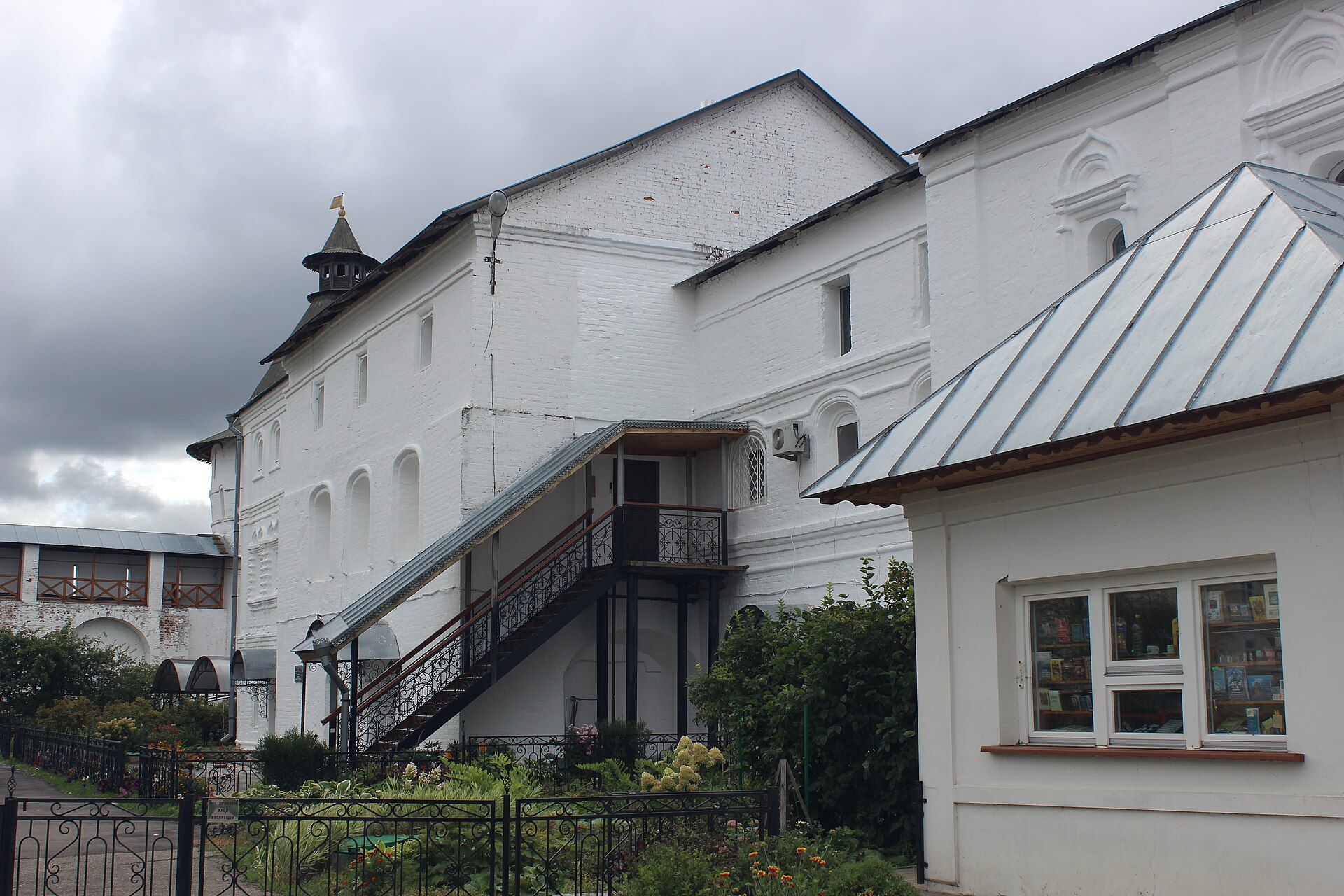
Patriarch Daniil of Bulgaria arrives in Stara Zagora today for a parish gathering that draws local clergy and faithful together for prayer and fellowship. At the same time, the Serbian Orthodox Church has begun rebuilding the historic Tronoše monastery, restoring its walls and monastic life after years of decay. In Ohio, the Romanian Orthodox Church marks the 90th anniversary of the Cathedral of the Annunciation in Olmsted Township with services and shared meals that recall its founding families. The Orthodox Church in America is observing Youth and Young Adult Sunday on September 27, encouraging parishes to involve younger members in liturgy and outreach projects.
These coordinated efforts across distant dioceses show how each local church keeps the same rhythm of feast, restoration, and teaching alive in its own setting. The steady work matters because it strengthens the bonds that hold Orthodox communities together year after year.
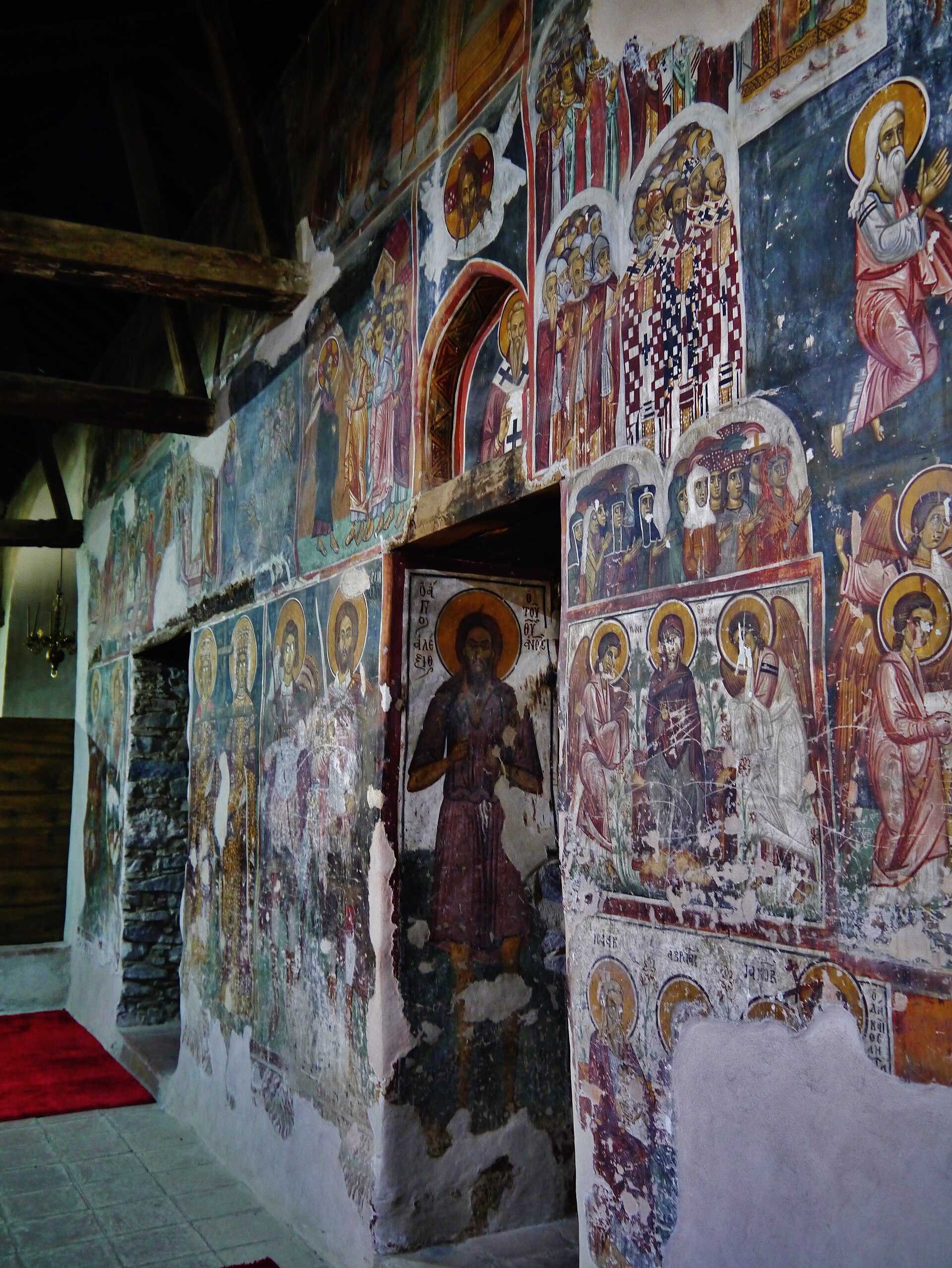
The Serbian Orthodox Church ordained a new deacon this week in the Zvornik-Tuzla diocese, a quiet step that adds another servant to local parishes already stretched thin. At the same time the Russian Orthodox Church held a bishop’s meeting to organize practical help for people facing the coming winter, focusing on firewood, food parcels, and shelter repairs. The Romanian Orthodox Church brought the relics of St. Pious Paisie from Sihăstria to Iasi ahead of the feast of St. Parascheva, drawing steady crowds for prayer. In the Antiochian Patriarchate, Metropolitan Antonios addressed seminarians alongside Metropolitan Saba, speaking plainly about formation and the daily demands of parish life.
These separate events show how each diocese keeps its own rhythm while the calendar binds them together. The new deacon will serve at the altar where ordinary families bring their children and their worries.
Urvich Monastery in Bulgaria has launched an appeal for support to preserve its aging buildings and keep the monastic community running. At the same time the Bulgarian Patriarch Daniil will visit Stara Zagora on October 7, and the Holy Synod is opening a new charity campaign inviting children to draw for children.
In Romania, Antim Monastery is preparing solemn services to mark 310 years since the martyrdom of its founder, while theologian Rareș Ionașcu reminded parents that children thrive with unconditional love, clear rules, and real presence.
The Polish Orthodox Church celebrated the patronal feast of the Nativity of the Theotokos at the cathedral in Wrocław.
From the Antiochian Patriarchate, applications are now open for the next cohort of the Certificate Program in Prison Ministry.
May these efforts bring steady help and quiet growth to the monasteries and parishes named.
The Polish Orthodox Church is celebrating the patronal feast of the Nativity of the Theotokos at its cathedral in Wrocław, with special services drawing the local faithful together for the feast of the Mother of God. At the same time the Macedonian Orthodox Church – Ohrid Archbishopric marked its own temple feast in the Cathedral of the Nativity in Sydenham, where the community gathered for the liturgy and traditional celebrations. In Romania, parishes in Northern Bavaria held the Friendship Cup football tournament that brought ten teams together for friendly matches and fellowship. The Serbian Orthodox Church has begun restoring the historic Tronoše monastery, an important spiritual site connected with Saint Sava’s heritage.
These quiet efforts show how feast days, sports, and careful restoration each keep parish life steady. May the Theotokos watch over the faithful in Wrocław, Sydenham, Bavaria, and Tronoše.
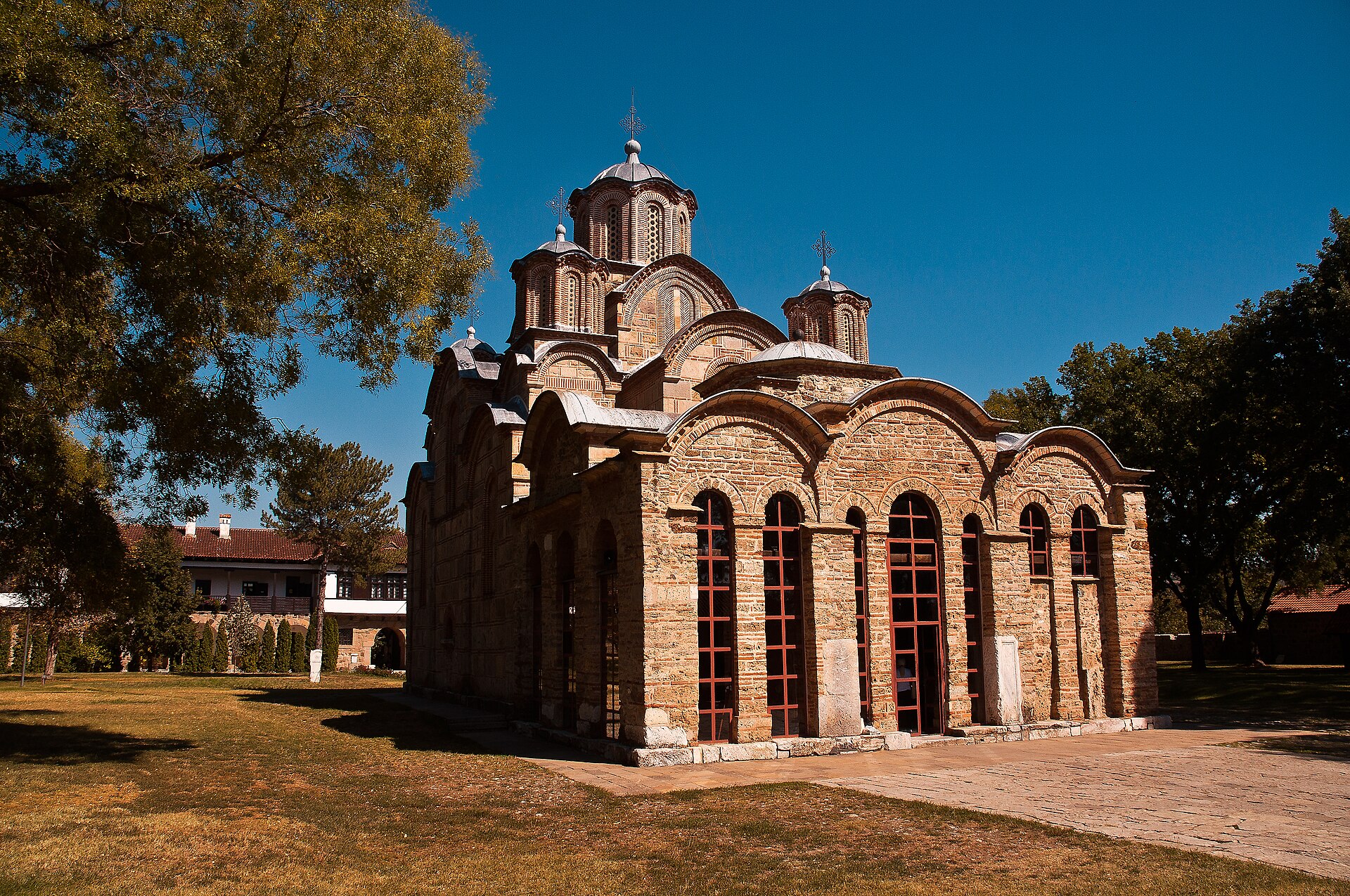
O
19 h
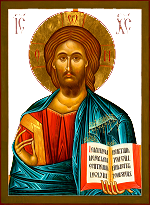
Saints, Feasts, and Readings for 9/24/2026
Ecumenical Patriarchate of Constantinople · Read the article →
Young Romanian graduates gathered at a church fair in search of steady work and a sense of purpose. Parishes from the Romanian Orthodox Church set up stalls offering everything from administrative roles in diocesan offices to teaching posts in church schools and caretaking positions at monasteries. Similar events appeared in the Diocese of Galati, where an educational space is being prepared inside the local botanical garden, blending nature study with Orthodox formation.
Meanwhile the Serbian Orthodox Church quietly began restoring the Tronoše monastery, creating new construction jobs for local tradesmen. In Bulgaria the Urvich monastery appealed for support to finish urgent repairs, while the Polish Orthodox Church marked its cathedral’s patronal feast of the Nativity of the Mother of God in Wrocław with modest celebrations that drew families from across the city.
Quiet signs of ordinary life moving forward.