
Share something with the community…
Sign in
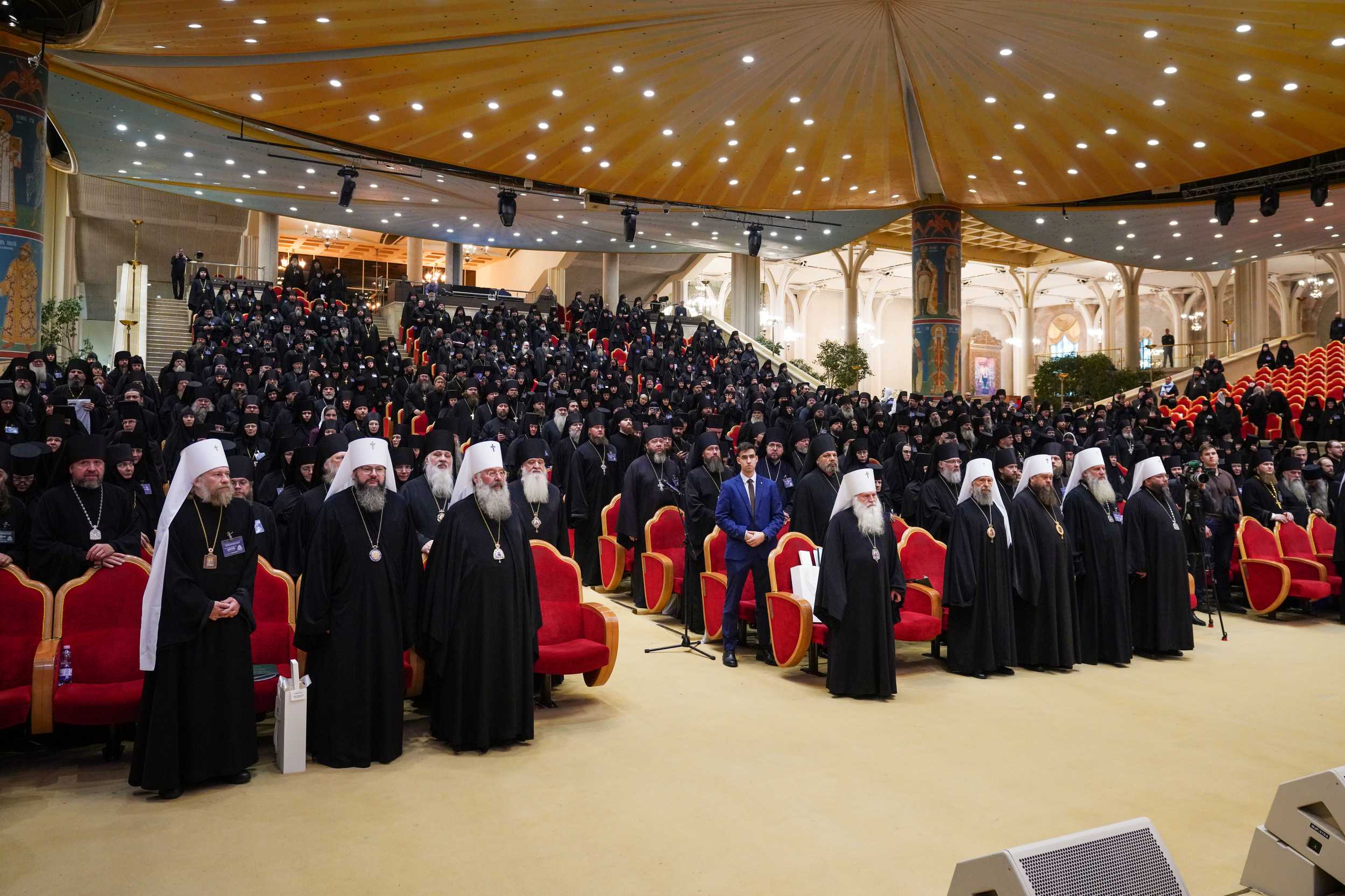
The Polish Orthodox Church’s cathedral in Wroclaw observed its patronal feast of the Nativity of the Theotokos with the usual cycle of vigil, Divine Liturgy, and procession around the church. In the same week the Romanian Orthodox Church announced plans for an outdoor classroom in the Botanical Garden of Galati where children will study creation through Orthodox lenses. The Bulgarian Orthodox Church opened its annual children’s charity art campaign under the Holy Synod, inviting parishes to join. Meanwhile the Macedonian Orthodox Church – Ohrid Archbishopric celebrated the temple feast of its cathedral in Sydenham with hierarchical service and crowded tables afterward.
These four local Churches, spread across different countries, quietly marked the same feast in their own languages and customs. Each kept the focus on the Mother of God rather than spectacle. The simple rhythm of parish life continues.
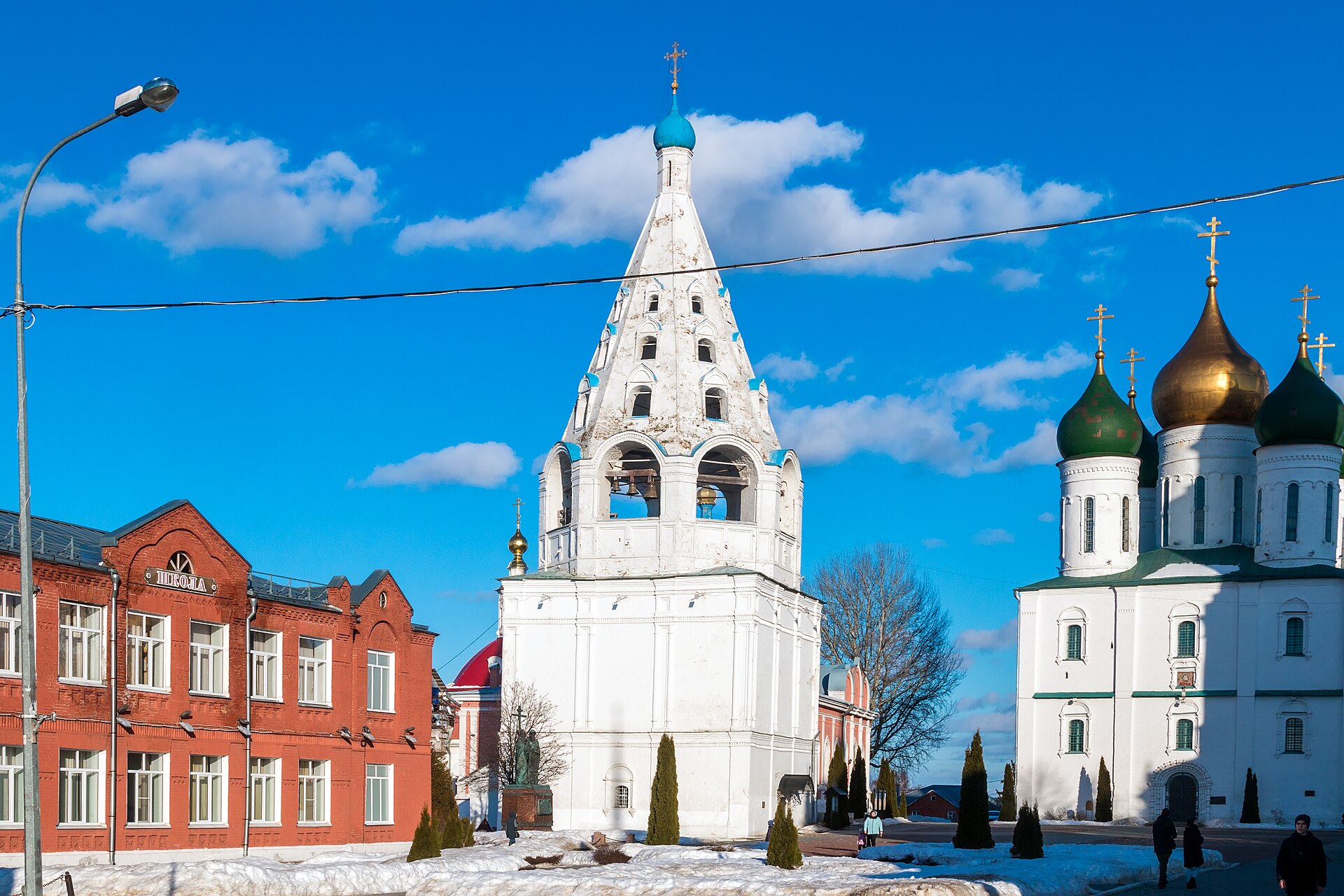
Metropolitan Antonios of the Greek Orthodox Patriarchate of Antioch keynoted a gathering of seminarians alongside Metropolitan Saba, focusing directly on the practical realities of parish life. The conversation covered everything from daily priestly duties to building lasting community ties in local churches. At the same time, the Serbian Orthodox Church began restoring the historic Tronoše monastery, while the Romanian Orthodox Church wrapped up its Friendship Cup soccer tournament that drew ten parish teams from Northern Bavaria. In Karditsa the Church of Greece held its preparation meeting and consecration service to launch the new catechetical year for teachers and students. These separate efforts show how different jurisdictions keep grounding their work in concrete formation, restoration, and fellowship. Such steady attention to formation and local care keeps parishes rooted and resilient.

Patriarch Daniil of Bulgaria arrived in Stara Zagora yesterday to lead a large parish gathering that drew clergy and laity from across the diocese. Local reports say the event focused on practical questions of parish life, education of children, and support for families. At the same time the Bulgarian Holy Synod opened its new charity drive “Children Draw for Children,” inviting parishes to join the autumn campaign.
In Romania, Patriarch Daniel prepares to mark nineteen years since his enthronement on 30 September; thousands of pilgrims already gathered at Brazi Monastery for the feast of Saint Theodosius, remembering his calm courage before earthly rulers. The Polish Orthodox Church celebrated the Nativity of the Mother of God as patronal feast at the Wrocław cathedral, while the Orthodox Church in America congratulated Mitred Archpriest Nicholas Molodyko-Harris on sixty-five years of priestly service in his diocese.
The Serbian Kusić Monastery continues its quiet work as a steady center of faith and hospitality. These ordinary parish days, anniversaries, and local feasts keep moving along.
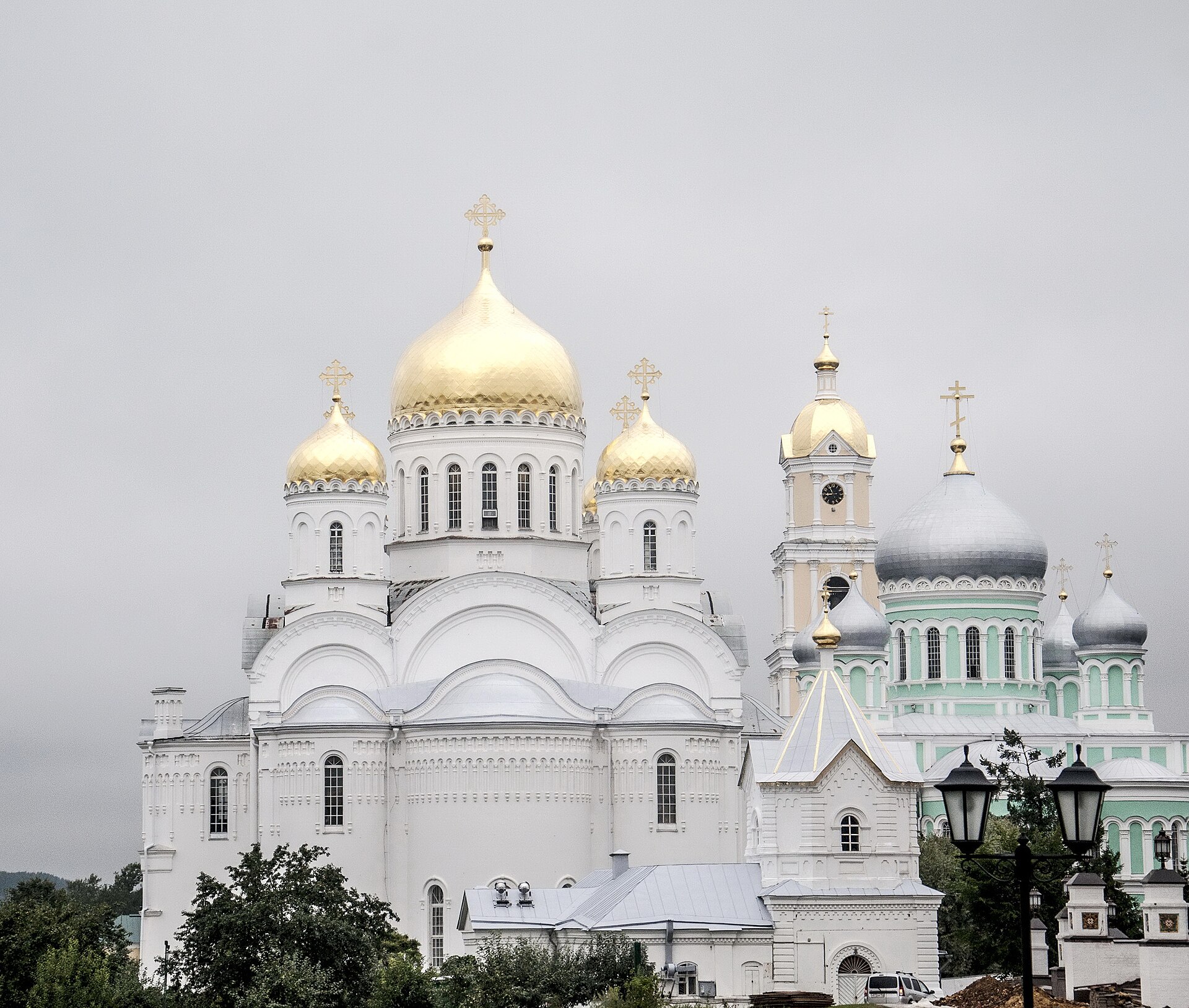
Romanian Orthodox young graduates recently gathered at a church fair in Bucharest to explore job opportunities that align with their faith and values. Organizers from several dioceses set up booths highlighting roles in parish administration, youth outreach, monastery support, and social services.
The Greek Orthodox Patriarchate of Antioch hosted a similar gathering for seminarians where Metropolitan Antonios spoke on practical service. In the Bulgarian Orthodox Church, Patriarch Daniil will visit Stara Zagora next month to encourage local youth programs. Meanwhile, the Serbian Orthodox Church marked the conversion to the relics of the Holy Martyrs of Janja, drawing families who see church work as a stable path for the next generation.
Across these events, parishes emphasize that meaningful employment can grow directly from local Orthodox communities. This matters because it helps young people stay connected to their tradition while building real futures.

The Urvich Monastery in Bulgaria has put out a call for support to keep its historic buildings standing. The small community there faces ongoing repair costs for structures that have served monastic life for centuries. Meanwhile, the Polish Orthodox Church marked the Nativity of the Theotokos as the patronal feast at Wrocław Cathedral with services that drew local believers. In Romania, Patriarch Daniel prepares to observe the 19th anniversary of his enthronement on 30 September, a milestone that highlights steady leadership in the Church. The Antiochian Patriarchate welcomed a parish group from Saint George-Kfarzbad to the Archbishopric House for discussion and fellowship under Metropolitan Antonios.
These moments show quiet work across distant dioceses: preservation in Bulgaria, celebration in Poland, continuity in Romania, and pastoral care in Antioch.
May these communities be held in prayer today.
The Serbian Orthodox Church ordained a new deacon this week in the Zvornik-Tuzla diocese, a quiet step of continuity in parish life that drew local faithful together. At the same time the Polish Orthodox Church marked the patronal feast of the Nativity of the Theotokos in the Wrocław cathedral with festal services that filled the historic building. In Romania, thousands of pilgrims gathered at Brazi Monastery for the feast of Saint Theodosius, remembering his courage before worldly powers. The Bulgarian Orthodox Church opened a new charitable campaign inviting children to draw for children, while its delegation joined the start of the International Orthodox-Anglican Theological Dialogue.
These ordinary acts of ordination, pilgrimage, and quiet outreach show the daily rhythm that holds the Church together across borders. May these communities be remembered in prayer.
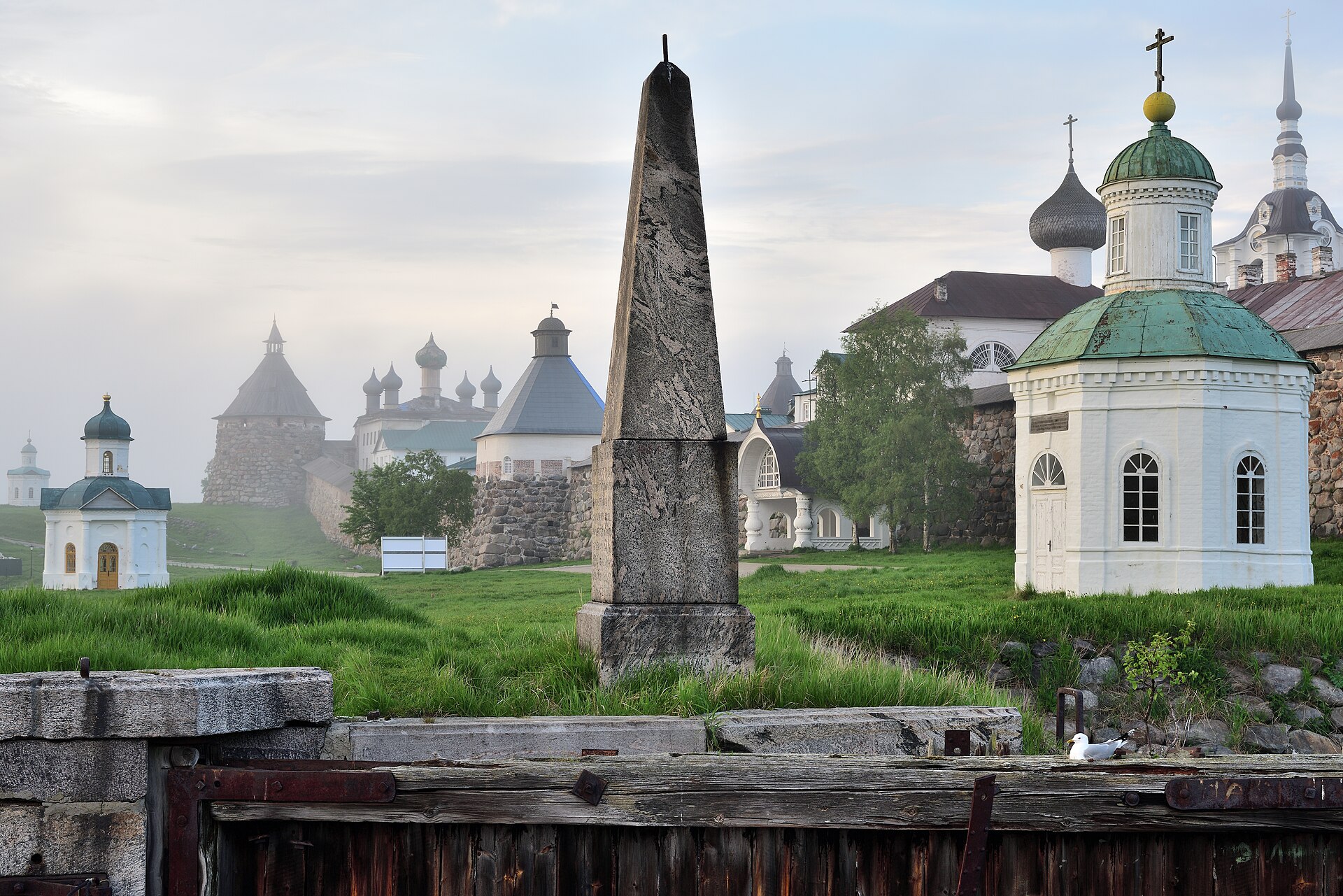
Young Romanian graduates gathered at a church-organized job fair in Dolj County, where diocesan leaders and local businesses presented career paths that align with family values and community service. The event drew students fresh from university programs, many exploring teaching, counseling, and social work roles tied to Orthodox institutions.
In parallel, the Polish Orthodox Church marked the Nativity of the Theotokos as the patronal feast at its Wrocław cathedral with traditional services. The Serbian Orthodox Church celebrated the glory of its Sarajevo cathedral, highlighting its role as a spiritual center amid city life. From the Orthodox Church in America came the unveiling of a “Queen Marie of Romania Corner” in New York, honoring historical ties between Romanian royalty and American Orthodoxy.
These moments show how local churches quietly link faith, work, and heritage in ordinary settings.
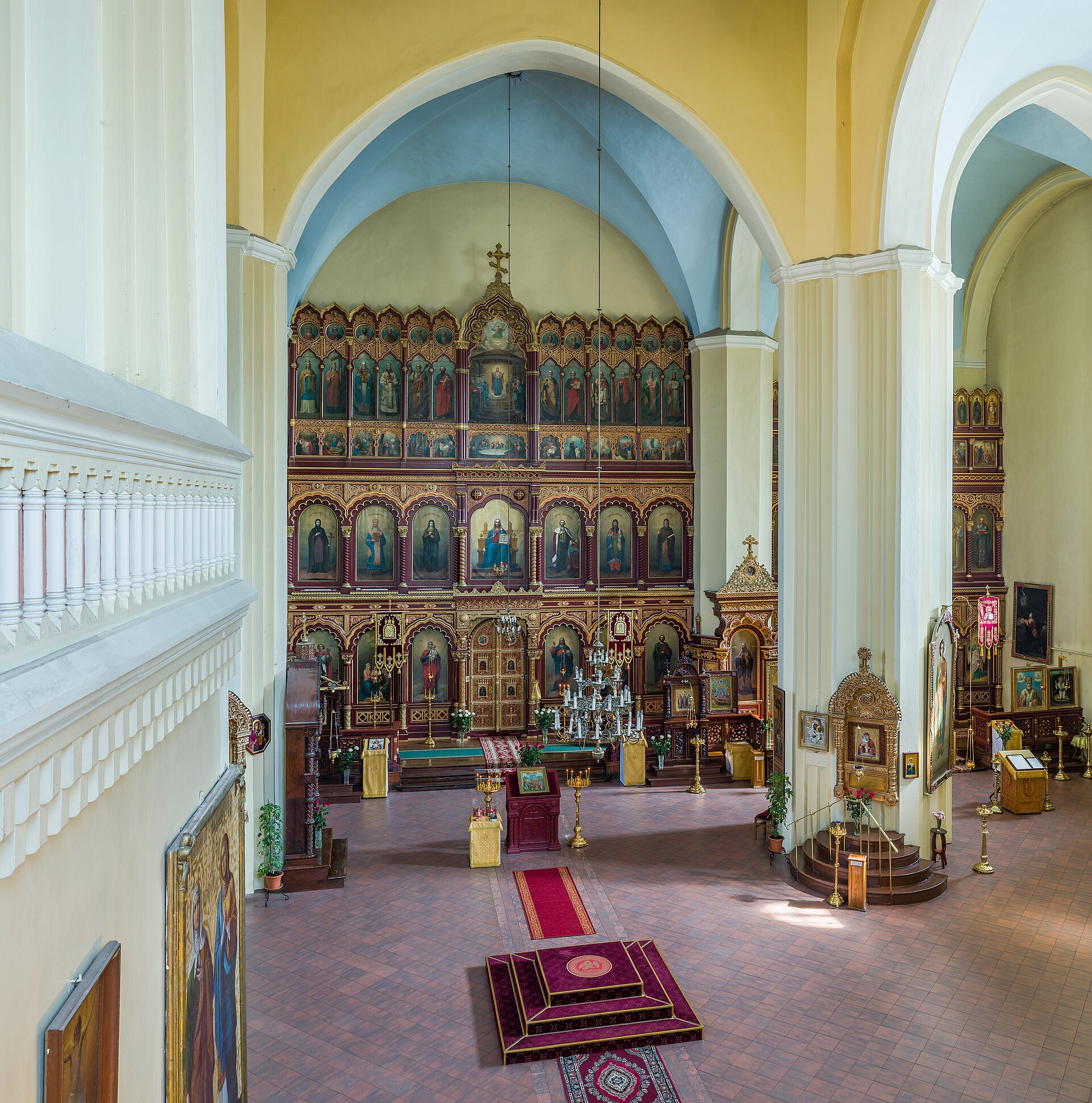
Antiochian hierarchs continue to focus on practical parish formation. In a recent gathering at the Archbishopric House, one bishop received Father John Trad along with the full parish council of Saint George in Kfarzbad to talk through everyday challenges of shepherding a local community. The same archdiocese has also opened applications for its next Certificate Program in Prison Ministry, inviting laypeople and clergy to prepare for work with those behind bars.
Elsewhere the Polish Orthodox Church marked the patronal feast of the Nativity of the Theotokos at its Wrocław cathedral with crowded services and a procession that spilled into the streets. The Serbian Orthodox Church quietly began restoring the Tronoše monastery, starting with structural repairs to its oldest walls. In Romania an exhibition of rare books opened in the capital to mark fourteen centuries since the Akathist Hymn was written, drawing steady crowds of students and older believers.
These moments show how different corners of the Church keep returning to the basics: good formation, steady maintenance, and shared memory. What recent gathering or project has helped strengthen life in your own parish?
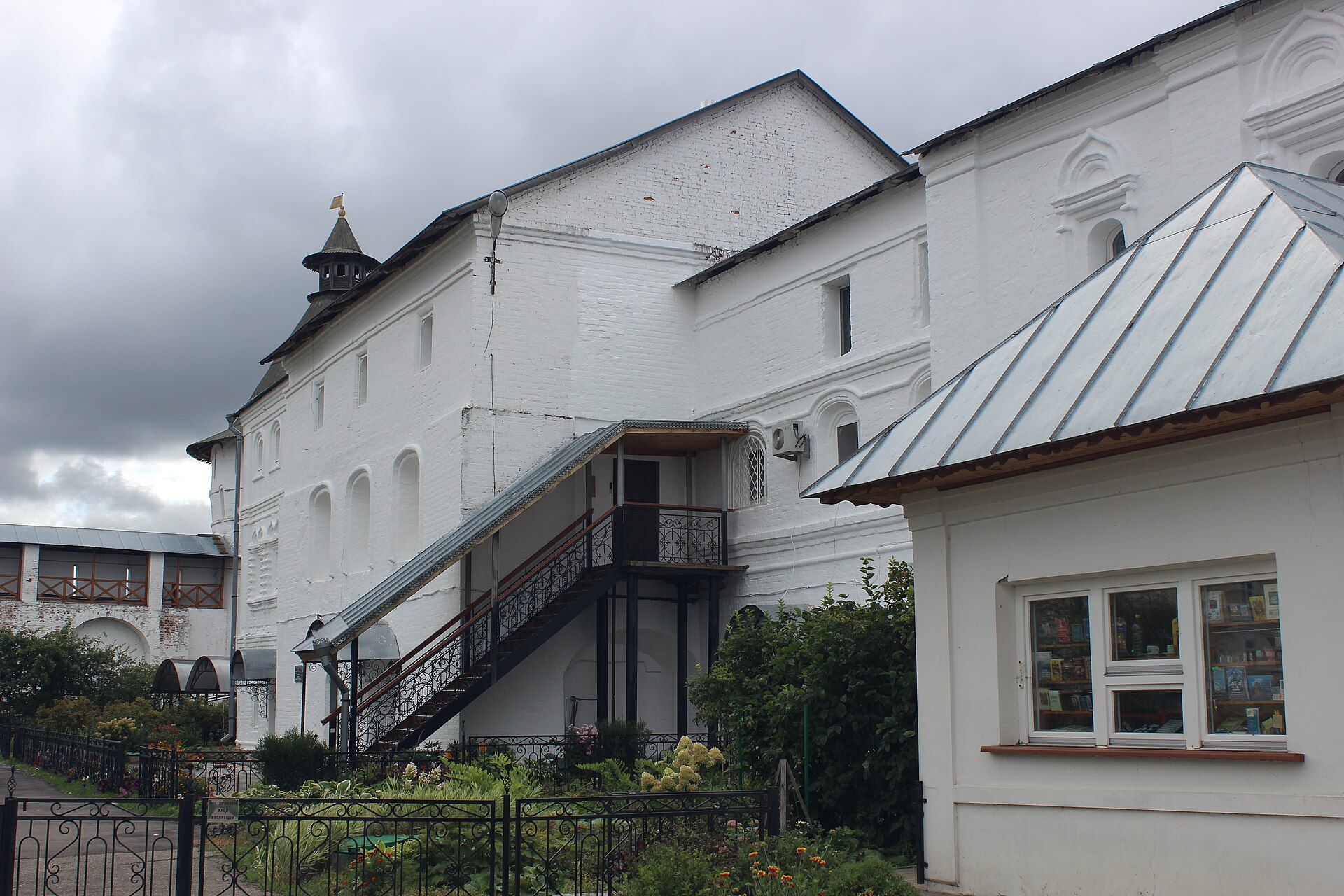
Patriarch Daniil of Bulgaria arrives in Stara Zagora today for a parish gathering that draws local clergy and faithful together for prayer and fellowship. At the same time, the Serbian Orthodox Church has begun rebuilding the historic Tronoše monastery, restoring its walls and monastic life after years of decay. In Ohio, the Romanian Orthodox Church marks the 90th anniversary of the Cathedral of the Annunciation in Olmsted Township with services and shared meals that recall its founding families. The Orthodox Church in America is observing Youth and Young Adult Sunday on September 27, encouraging parishes to involve younger members in liturgy and outreach projects.
These coordinated efforts across distant dioceses show how each local church keeps the same rhythm of feast, restoration, and teaching alive in its own setting. The steady work matters because it strengthens the bonds that hold Orthodox communities together year after year.
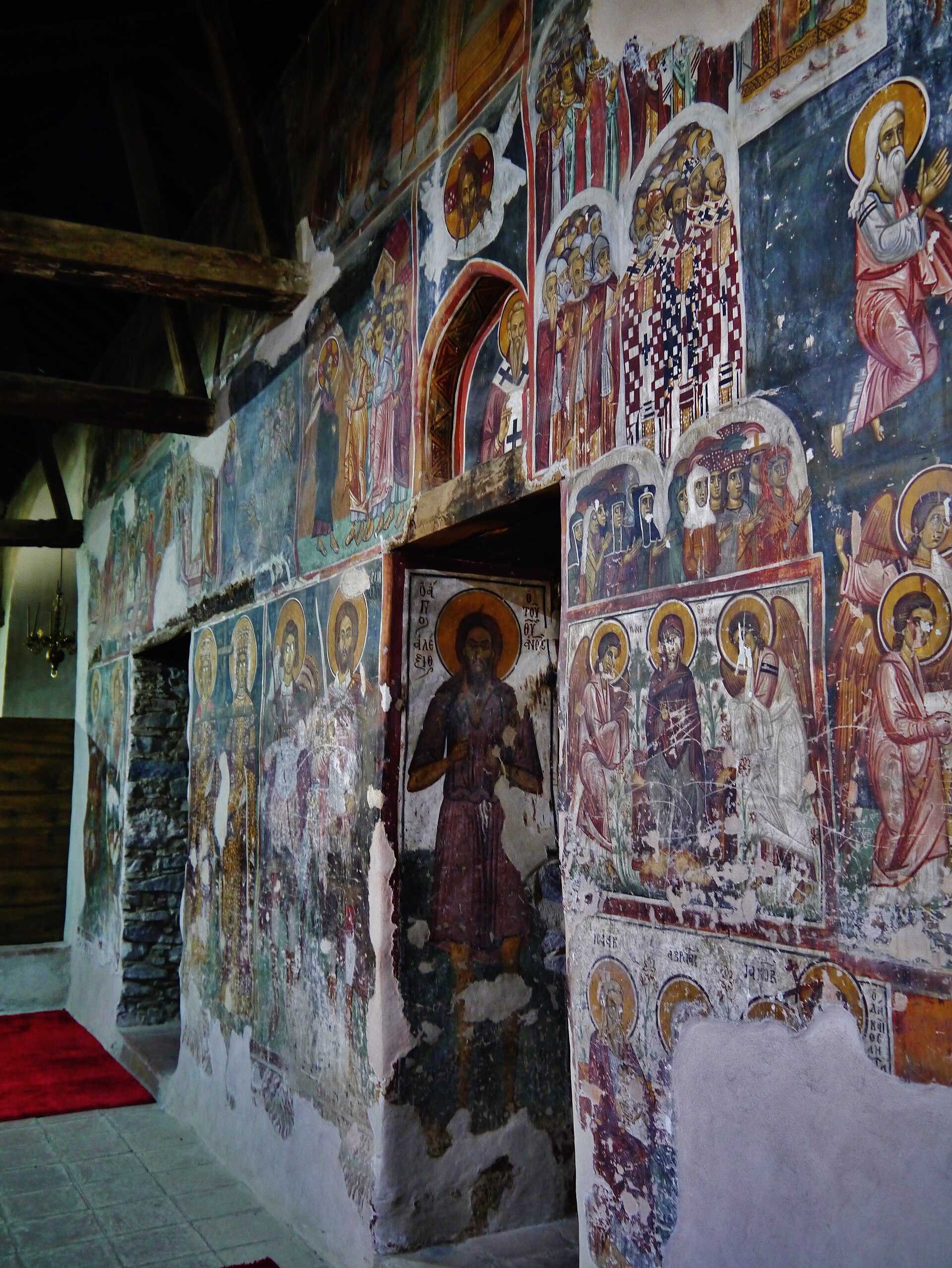
The Serbian Orthodox Church ordained a new deacon this week in the Zvornik-Tuzla diocese, a quiet step that adds another servant to local parishes already stretched thin. At the same time the Russian Orthodox Church held a bishop’s meeting to organize practical help for people facing the coming winter, focusing on firewood, food parcels, and shelter repairs. The Romanian Orthodox Church brought the relics of St. Pious Paisie from Sihăstria to Iasi ahead of the feast of St. Parascheva, drawing steady crowds for prayer. In the Antiochian Patriarchate, Metropolitan Antonios addressed seminarians alongside Metropolitan Saba, speaking plainly about formation and the daily demands of parish life.
These separate events show how each diocese keeps its own rhythm while the calendar binds them together. The new deacon will serve at the altar where ordinary families bring their children and their worries.
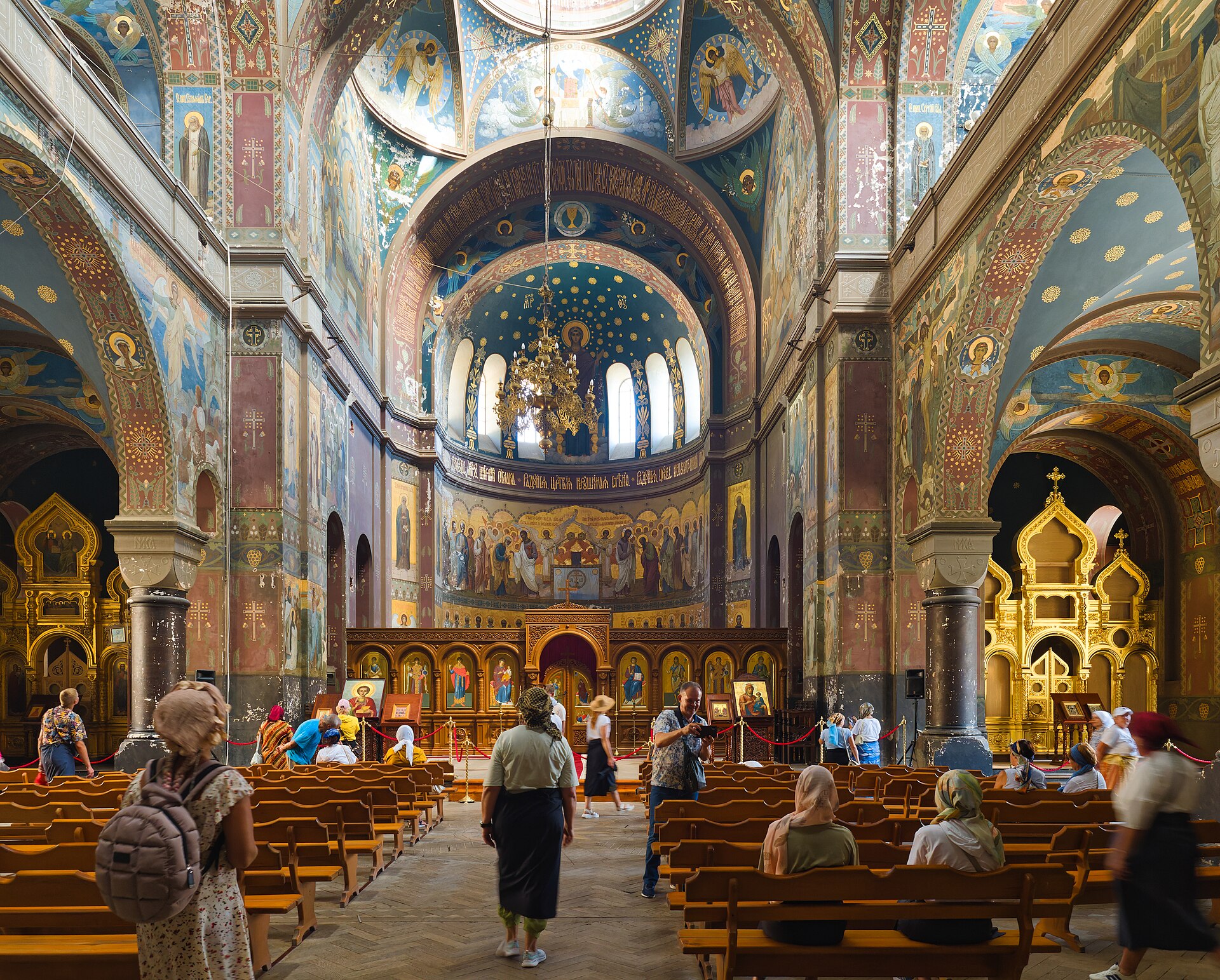
Urvich Monastery in Bulgaria has launched an appeal for support to preserve its aging buildings and keep the monastic community running. At the same time the Bulgarian Patriarch Daniil will visit Stara Zagora on October 7, and the Holy Synod is opening a new charity campaign inviting children to draw for children.
In Romania, Antim Monastery is preparing solemn services to mark 310 years since the martyrdom of its founder, while theologian Rareș Ionașcu reminded parents that children thrive with unconditional love, clear rules, and real presence.
The Polish Orthodox Church celebrated the patronal feast of the Nativity of the Theotokos at the cathedral in Wrocław.
From the Antiochian Patriarchate, applications are now open for the next cohort of the Certificate Program in Prison Ministry.
May these efforts bring steady help and quiet growth to the monasteries and parishes named.
The Polish Orthodox Church is celebrating the patronal feast of the Nativity of the Theotokos at its cathedral in Wrocław, with special services drawing the local faithful together for the feast of the Mother of God. At the same time the Macedonian Orthodox Church – Ohrid Archbishopric marked its own temple feast in the Cathedral of the Nativity in Sydenham, where the community gathered for the liturgy and traditional celebrations. In Romania, parishes in Northern Bavaria held the Friendship Cup football tournament that brought ten teams together for friendly matches and fellowship. The Serbian Orthodox Church has begun restoring the historic Tronoše monastery, an important spiritual site connected with Saint Sava’s heritage.
These quiet efforts show how feast days, sports, and careful restoration each keep parish life steady. May the Theotokos watch over the faithful in Wrocław, Sydenham, Bavaria, and Tronoše.
O
Sep 24
Saints, Feasts, and Readings for 9/24/2026
Ecumenical Patriarchate of Constantinople · Read the article →
Young Romanian graduates gathered at a church fair in search of steady work and a sense of purpose. Parishes from the Romanian Orthodox Church set up stalls offering everything from administrative roles in diocesan offices to teaching posts in church schools and caretaking positions at monasteries. Similar events appeared in the Diocese of Galati, where an educational space is being prepared inside the local botanical garden, blending nature study with Orthodox formation.
Meanwhile the Serbian Orthodox Church quietly began restoring the Tronoše monastery, creating new construction jobs for local tradesmen. In Bulgaria the Urvich monastery appealed for support to finish urgent repairs, while the Polish Orthodox Church marked its cathedral’s patronal feast of the Nativity of the Mother of God in Wrocław with modest celebrations that drew families from across the city.
Quiet signs of ordinary life moving forward.
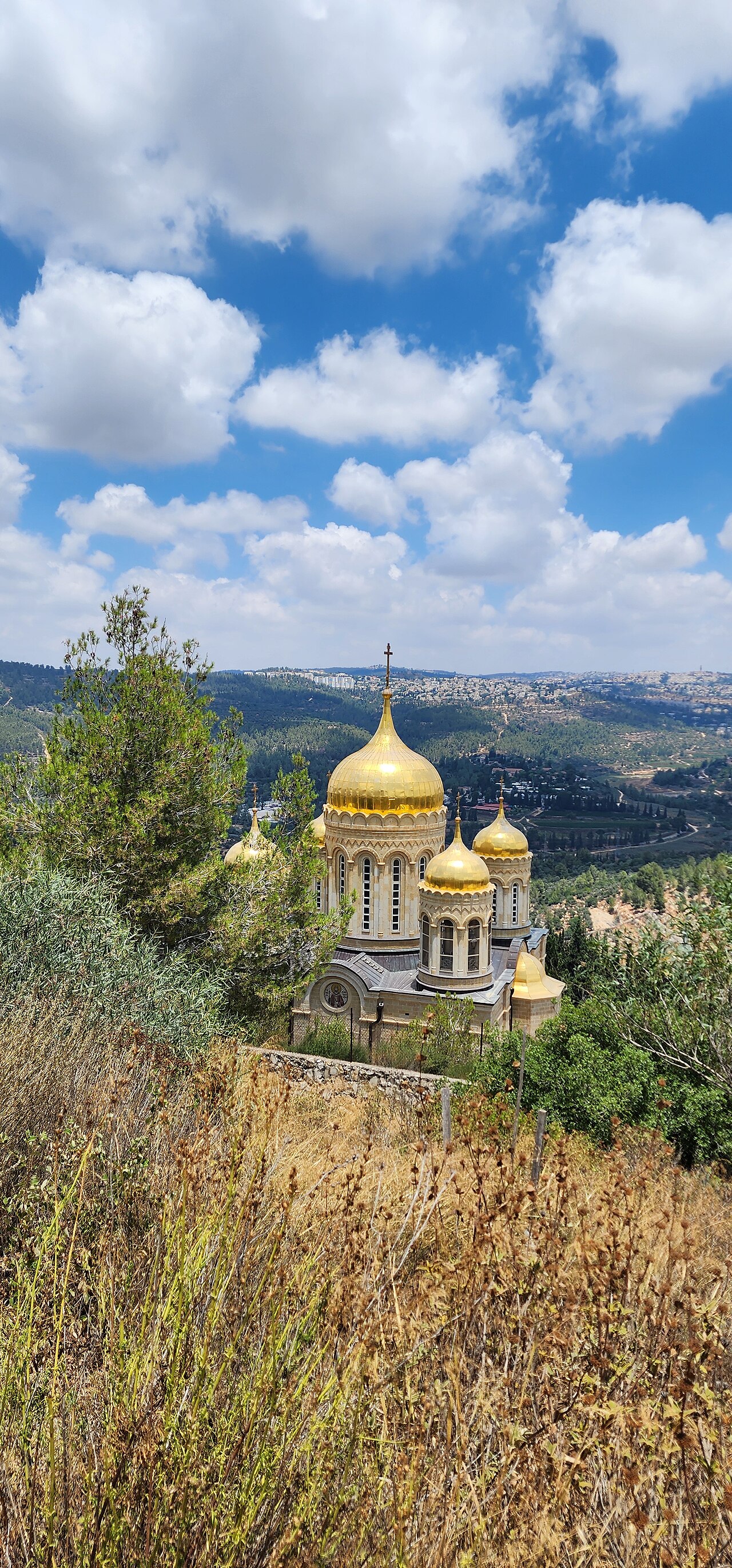
Metropolitan Joseph of the Antiochian Archdiocese sat down with seminarians this week to talk through the everyday realities of parish life, from handling conflicts to building steady routines that keep a community grounded. In the same spirit, the Romanian Orthodox Church featured an interview with Fr. Vasile Rojneac on the long spiritual history of Oarta de Sus parish, showing how one mountain village has kept its traditions alive across generations. Meanwhile the Serbian Orthodox Church highlighted Kusić Monastery as a working center of faith where monks and laypeople share daily labor and prayer. The Orthodox Church in America released its latest OYM newsletter outlining youth initiatives that connect young adults with local parish needs. A single observation stands out: steady attention to ordinary parish rhythms quietly strengthens the whole Church.
The Serbian Orthodox Church ordained a new deacon in the Zvornik-Tuzla diocese last week, bringing fresh support to parish life in that corner of Bosnia. At the same time the Romanian Orthodox Church reported strong attendance at the feast of St Theodosius at Brazi Monastery, where pilgrims heard how the saint stood firm before worldly power. In Poland the Orthodox Church marked the patronal feast of the Nativity of the Theotokos at Wrocław Cathedral with the usual cycle of services and local faithful. From Bulgaria came news that Patriarch Daniil will visit Stara Zagora on October 7 for what looks to be a busy day of meetings and prayer. These ordinary steps of ordination, pilgrimage, and visitation keep the daily rhythm of church life moving forward. May the communities in Zvornik-Tuzla, Brazi, Wrocław, and Stara Zagora receive every grace they need for the months ahead.
O
Sep 24
THIS SUNDAY: Pastoral visit to Osceola Mills - September 27, 2026
Orthodox Church in America · Read the article →
The Polish Orthodox Church celebrated the patronal feast of the Nativity of the Theotokos at its cathedral in Wroclaw with festal liturgy and crowded procession. In the same week the Serbian Orthodox Church marked the feast of the Transfer of the Relics of the Holy Martyr Gabriel in Bialystok, drawing pilgrims from across the region. The Macedonian Orthodox Church – Ohrid Archbishopric held its annual temple feast at the cathedral in Sydenham with traditional singing and hierarchical service. Meanwhile the Church of Greece gathered its first General Priestly Synod in the Metropolis of Thessaly and Phanariophersalon, where Archimandrite Nikolaos Ioannidis addressed practical questions of parish life.
These local observances show how each diocese keeps its own rhythm of saints and seasons while remaining part of the wider Orthodox calendar.
O
Sep 24
Thekla the Protomartyr & Equal to the Apostles + September 24
Greek Orthodox Patriarchate of Antioch · Read the article →
O
Sep 24
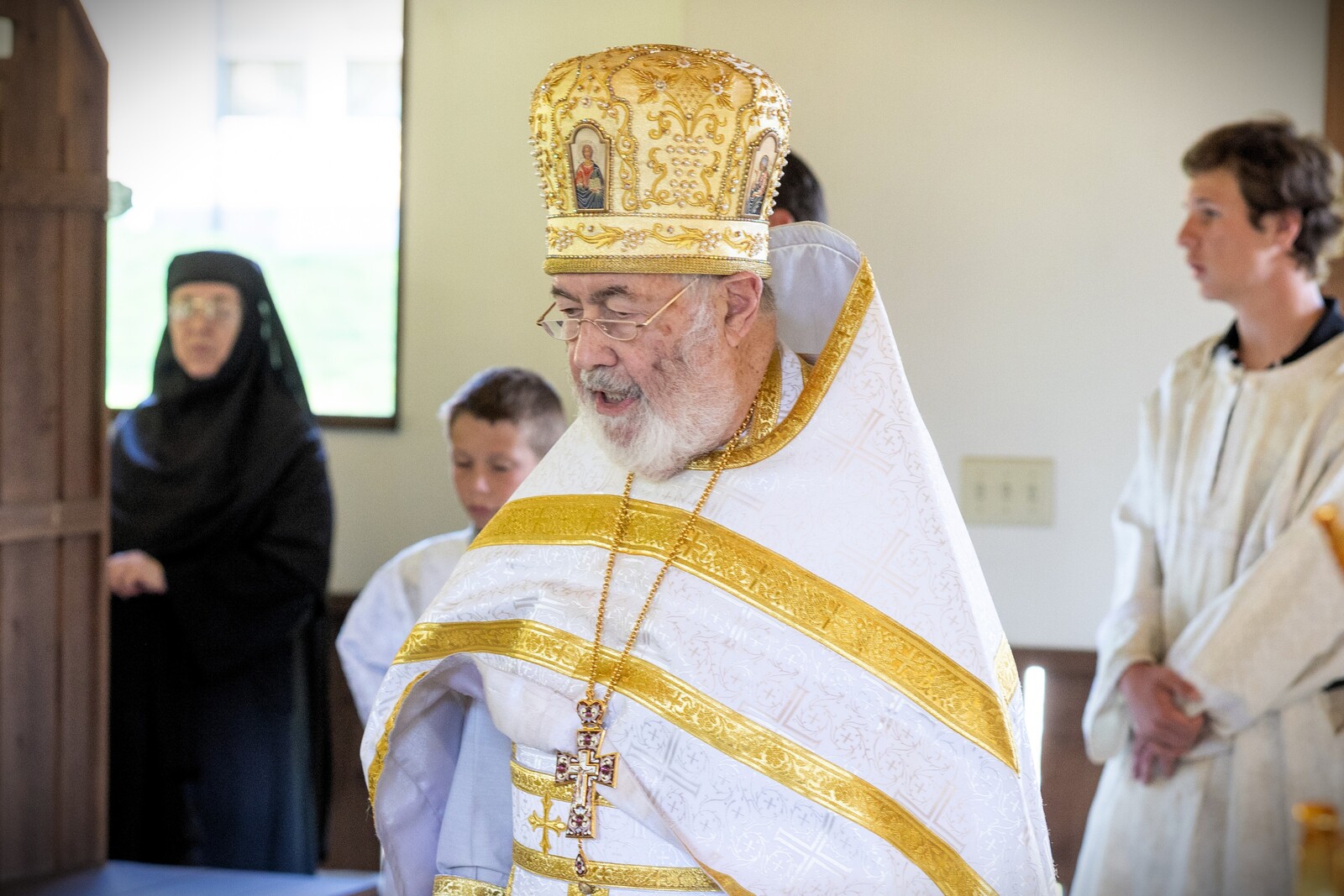
Diocese Congratulates Mitred Archpriest Nicholas Molodyko-Harris on His 65th Anniversary of Priestly Ordination
Orthodox Church in America · Read the article →
The Bulgarian Orthodox Church’s Urvich Monastery has put out a call for support to keep its aging buildings standing. Located near Sofia, the historic site needs repairs to its structures after years of exposure to the elements, with local faithful already organizing small donations and volunteer workdays.
Meanwhile, the Serbian Orthodox Church marked the Glory of the Cathedral in Sarajevo with a full hierarchical liturgy and crowded procession through the city streets. In Romania, the Diocese of Galati is turning part of the local Botanical Garden into an outdoor classroom where children will learn about creation through guided walks and talks. The Orthodox Church in America wrapped up its Byzantine Music Summer School, drawing cantors from several states for intensive training in chant and hymnody.
These quiet efforts show how different corners of the Church handle both preservation and everyday formation. How is your own parish or monastery keeping its buildings and traditions alive right now?
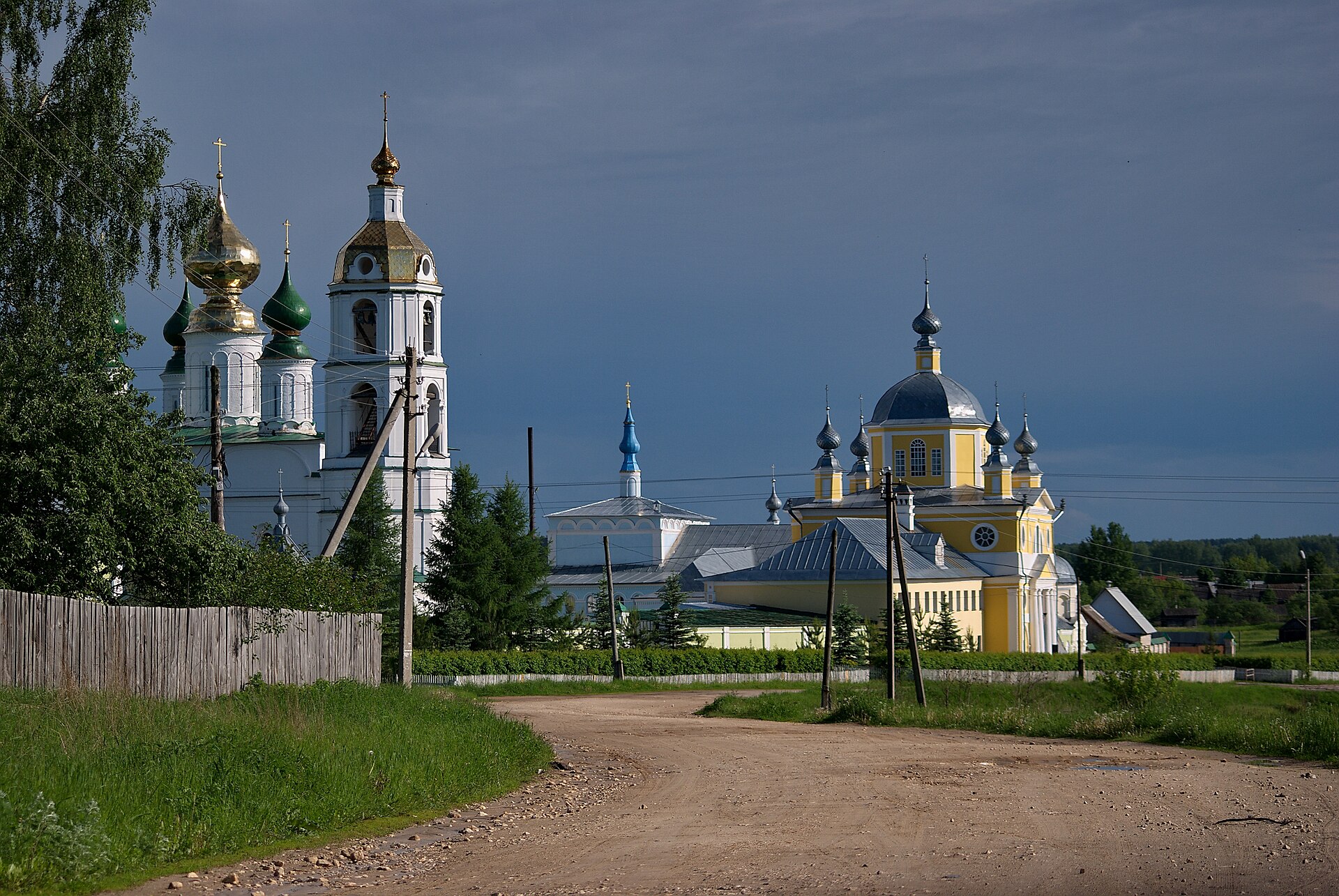
Patriarch Daniil of Bulgaria traveled to Stara Zagora this week to join a large parish gathering that drew clergy and faithful from across the diocese. Local reports describe an afternoon of shared prayer, talks on family life, and a simple outdoor meal that let people talk freely about everyday parish challenges.
At the same time the Polish Orthodox Church marked the patronal feast of the Nativity of the Theotokos at its Wrocław cathedral with a solemn Liturgy and procession through the old city streets. In Germany the Russian Orthodox Church Outside Russia held a children’s Liturgy at the Resurrection Cathedral in Berlin on the same feast, giving the youngest ones an active role in the singing and procession.
From Romania, Bishop Veniamin reminded families that patience during trials can be learned from Saints Joachim and Anna, while the Orthodox Church in America continued its summer programs with a Byzantine music school that attracted students from several states.
How has your own parish marked the recent feasts of the Mother of God?
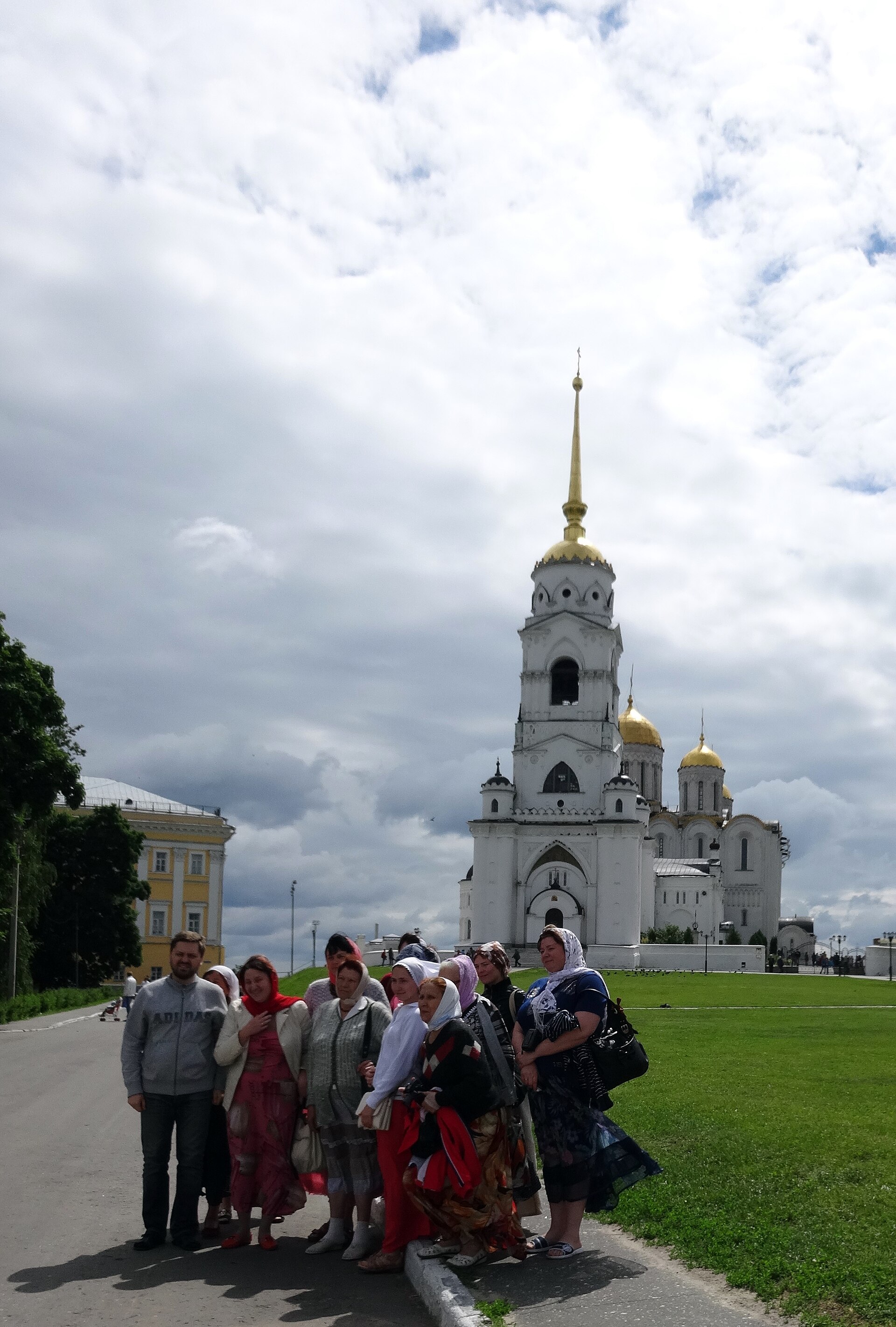
Metropolitan Antonios keynoted a gathering of seminarians alongside Metropolitan Saba in the Greek Orthodox Patriarchate of Antioch, focusing on the practical realities of parish life, shepherding, and the challenges young clergy face in building healthy communities. In the same spirit of formation, the Orthodox Church in America highlighted its OYM initiatives through a new newsletter aimed at supporting youth workers and future leaders. The Romanian Orthodox Church marked the 90th anniversary of the Annunciation Cathedral in Olmsted Township, Ohio, with celebrations that underscored long-term parish stability and shared memory. Meanwhile, the Russian Orthodox Church opened Days of Spiritual Culture in Addis Ababa, Ethiopia, bringing liturgical and cultural exchange to a growing Orthodox presence in Africa.
These moments show how different jurisdictions keep investing in the next generation of priests and in the daily fabric of local church life. May the Lord grant wisdom and endurance to all who serve in these communities.
A
Alexandru Radutranslated
Sep 24
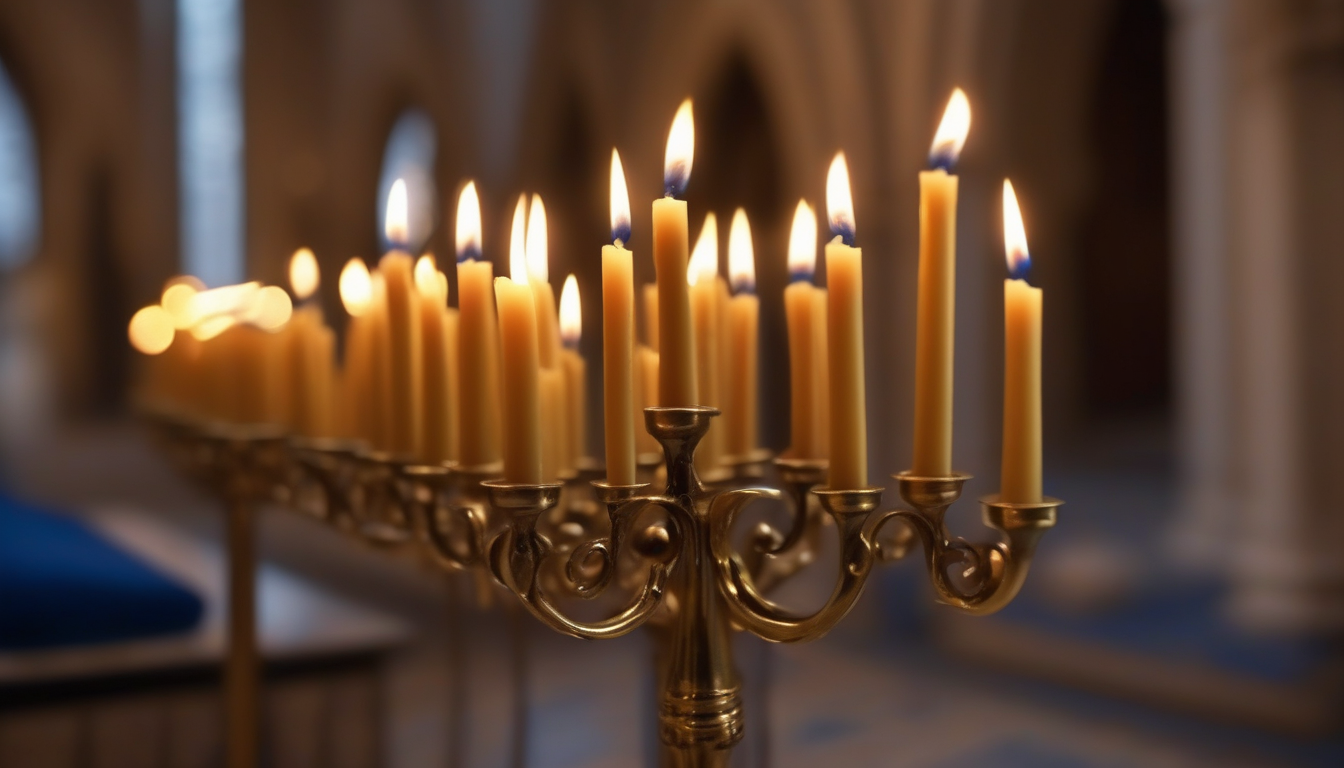
The peace of the church can be felt almost through the warm light of the candles that burn slowly. There is something simple and true in this.
Liniștea din biserică se simte aproape prin lumina caldă a lumânărilor care ard încet. E ceva simplu și adevărat în asta.
🌐 Show original
🌐 Show original
Б
Борис Илиев
Yes, old bricks catch the light well. where is the picture
Т
Тодор Кирилов
Yes, old bricks really catch the light well. The photo is from the church "St. George" in Kremikovtsi, where Saturday services start at 8:30.
С
Степан Кузнецов
Here in Moscow, too, such old bricks are often found in churches. A photo from Kremikovtsi, and there it starts on Saturdays at 8:30, you can just go during the day, I checked the schedule on their website.
E
Elizabeth Johnson
The uneven bricks really stand out with that candle glow hitting the mortar lines. What time of day did you take it?
P
Peter Kováčtranslated
Sep 24
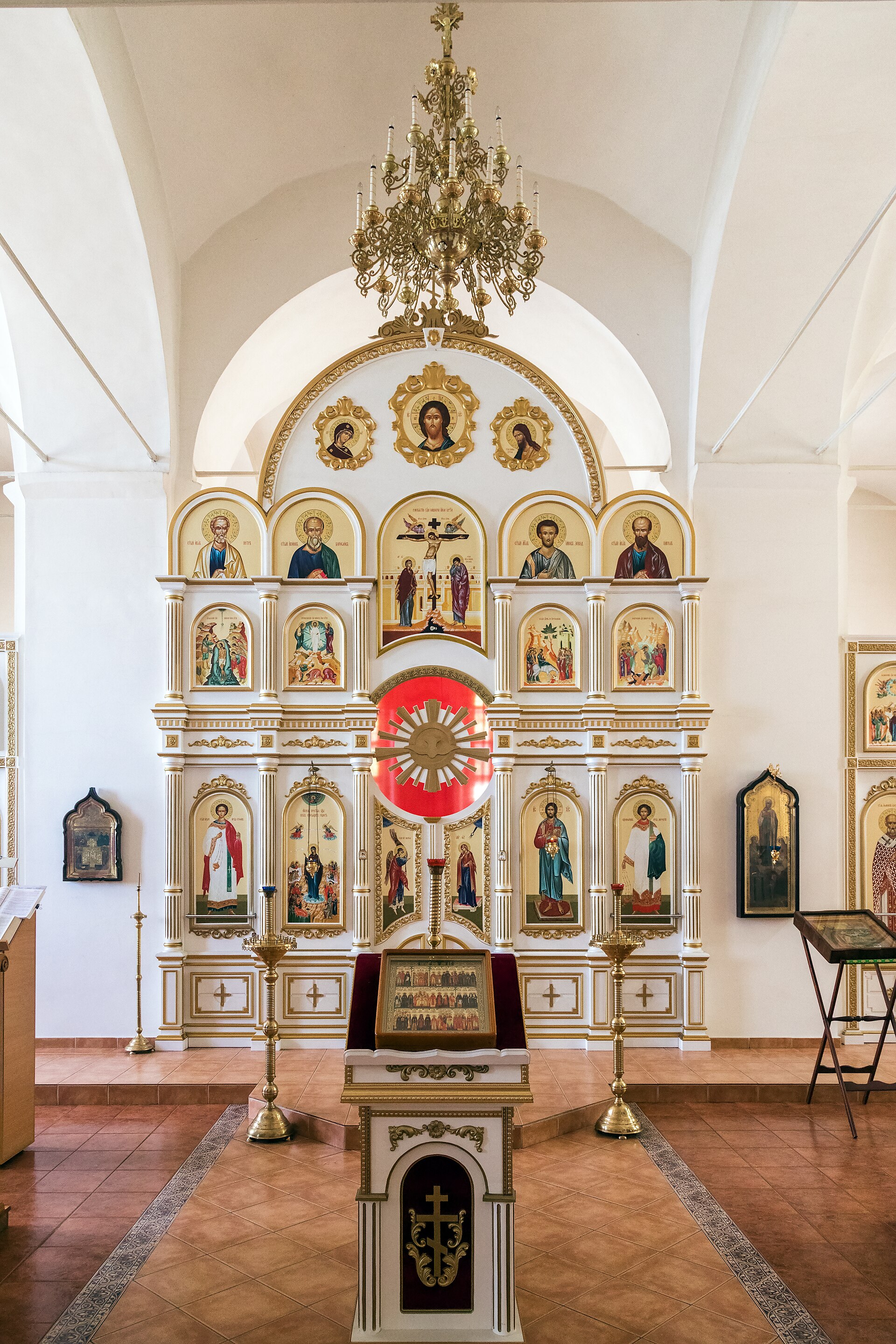
In our church, the iconostasis is adorned with holy icons, and many candles are burning. The chandelier above shines beautifully in the darkness.
V našom chráme svieti ikonostas a horí veľa sviečok. Luster nad hlavou pekne svieti do tmy.
🌐 Show original
К
Кирил Стоянов
The iconostasis is indeed clearly visible on the candles. When does the first Sunday service start and is the church open during the week for visitors?
L
Lucie Nováková
Our iconostasis is from the end of the 19th century, and the brick wall on the right is even a hundred years older. It looks good on him in that photo.
Г
Григорий Макаров
In our country, too, after Vespers, candles illuminate the right side of the iconostasis so much that the brickwork is clearly visible, as in this photograph.
ط
طوني معلوف
The iconostasis there is from the eighteenth century and the entire building is made of local stone. The thick walls allow the light to remain constant even after the service ends.
Young Romanian graduates gathered at a church-organized job fair in Bucharest to connect with employers who value ethical values and community service. The event, hosted by the Romanian Orthodox Church, drew participants from several dioceses and highlighted growing interest in faith-friendly workplaces. Meanwhile, the Church of Greece marked the opening of the Holy Chapel of St. Tychonos in Nafplion with evening services that drew local families. In Germany the Russian Orthodox Church Outside Russia held Liturgy at the Resurrection Cathedral in Berlin for the Nativity of the Virgin Mary, with the Berlin-German diocese administrator presiding. The Serbian Orthodox Church described Kusić Monastery as a steady center of daily prayer and hospitality for pilgrims.
These four distinct Churches continue to weave practical support and spiritual rhythm into ordinary life. Let us keep the graduates seeking honest work, the parishes opening their chapels, the cathedral clergy, and the monastery brothers in our prayers today.
The Serbian Orthodox Church ordained a new deacon at the Zvornik-Tuzla diocese this week, bringing fresh support to parish life in eastern Bosnia. At the same time the reconstruction of Tronoše monastery got underway, with local crews already clearing old stonework and preparing timber for the roof beams. In Romania the Botanical Garden in Galati will soon host an educational space where children learn about creation through living plants. The Polish Orthodox Church marked the Nativity of the Theotokos as the patronal feast of its Wrocław cathedral, with a full vigil and procession through the old city streets. Youth groups in the Orthodox Church in America prepared for Youth and Young Adult Sunday on September 27, organizing simple suppers and talks in several Midwest parishes.
These ordinary steps of ordination, building, teaching, and gathering keep the daily rhythm of church life steady.
The Bulgarian Orthodox Church’s Urvich Monastery has put out a public call for support to keep its aging buildings standing. Restoration costs are mounting, and the small brotherhood is turning to the wider faithful for donations and practical help.
At the same time the Serbian Orthodox Church marked the parish feast of Little Our Lady in Lucerne, where local families gathered for Liturgy and a modest lunch afterward. In Greece, Metropolitan Dionysios of Zakynthos paid a quiet visit to the Vella School, meeting students and teachers without fanfare.
The Polish Orthodox Church celebrated the Nativity of the Theotokos as the patronal feast of its Wrocław cathedral, drawing a steady crowd of worshippers from across the diocese.
Meanwhile the Orthodox Church in America continues rolling out its youth ministry initiatives, sending out the latest newsletter with practical ideas for parish groups.
The Urvich appeal comes as a reminder that even historic monasteries need day-to-day upkeep.