Share something with the community…
Sign in
Serbian high-school students from several Belgrade parishes recently spent a week visiting parishes along the Montenegrin coast. The group toured historic churches in the Budimlje-Niksic Diocese, joined evening services in Kotor, and helped clean the grounds of the monastery in Cetinje. Local clergy arranged boat trips to show them the Bay of Kotor from the water and spoke about the saints who lived in these hills centuries ago.
At the same time, the Romanian Orthodox Diocese of Slatina and Romanați distributed school supplies to more than 1,700 children in villages across Olt County. In Bulgaria, the Iskretski Monastery is preparing a full celebration for the feast of the Protection of the Theotokos with expected pilgrims from Sofia and nearby towns. The Antiochian Archdiocese in North America held its annual Camp St. Innocent at Pigeon Lake, Alberta, where young people from several provinces spent days in prayer, work, and quiet talks by the water.
How is your own parish marking the start of the school year?
The election of a new Metropolitan of Paphos in Cyprus has drawn attention after questions surfaced about the legality of the voting process and whether all canons were properly observed. Meanwhile the Church of Greece saw Metropolitan Chrysostomos lead a sanctification service at the University of Patras, reminding students of the place of faith in higher education. In Romania, a mosaic workshop in Deva brought theology students from Alba Iulia together with local artists to learn an ancient craft, and the Romanian Church also announced that Orthodox religion will be part of the 2030 Baccalaureate syllabus. The Serbian Orthodox Church welcomed a new deacon in the Eparchy of Zvornik-Tuzlan, a quiet but steady step in strengthening parish life there. These developments show how each local Church balances tradition with the practical needs of its people. The debate in Cyprus is likely to continue as lawyers and hierarchs review the statutes.

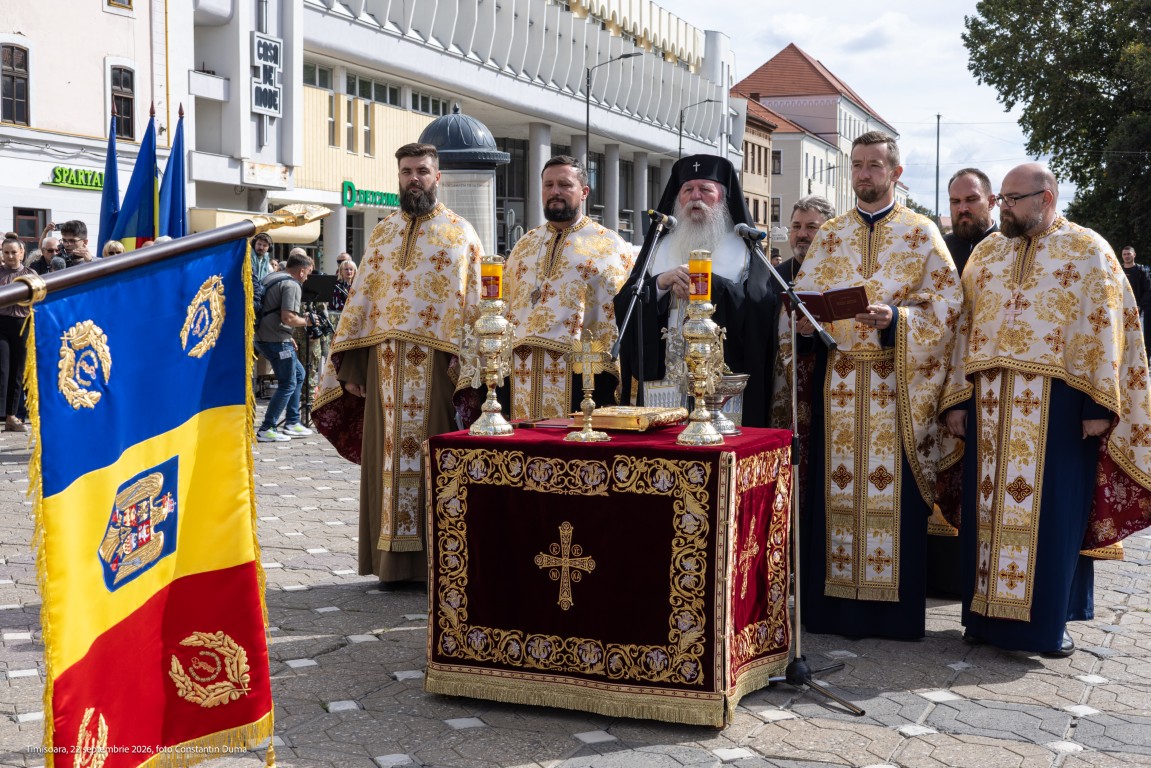
Drapelul de Luptă al Spitalului Clinic Militar de Urgență „Dr. Victor Popescu” din Timișoara, sfințit în cadrul unei ceremonii militare și religioase
Romanian Orthodox Church · Read the article →
A workshop for Orthodox musicians is set to launch soon in New Jersey, offering training in liturgical chant and choral direction for parishes across the region. The initiative comes at a time when several dioceses are already deepening their musical traditions. In Warsaw, Metropolitan Sawa of the Polish Orthodox Church presided over the Nativity of the Theotokos at Hagia Sophia Church, where the choir’s careful rendering of ancient hymns drew local families back for evening services. Meanwhile the Bulgarian Orthodox Church’s Saint Sophia parish in Des Plaines, Illinois, marked its 80th anniversary with a full weekend of festal singing that included newly composed anthems by resident composers. In London, the Russian Orthodox Church Outside Russia celebrated its cathedral’s altar feast with a monastic tonsure and the elevation of several readers and subdeacons, all of whom will now help sustain the cathedral’s established choral program. Separately, the Romanian Orthodox Church continues restoration at the Old Court ensemble in Bucharest, preserving the acoustic spaces where generations of chanters once learned their craft.
May these communities and their singers be remembered in prayer.
The Lebanese Orthodox community held a fundraising lunch to back the International Orthodox College project, drawing families from across the Antiochian archdiocese who shared traditional meals and stories of local youth studying there. In the same week, Metropolitan Saba of the Greek Orthodox Patriarchate of Antioch ordained third-year seminarians, preparing new clergy for parish life. From the Serbian Orthodox Church, the Eparchy of Zvornik-Tuzlan welcomed a newly ordained deacon ready for service in local parishes. Meanwhile, the Romanian Orthodox Church announced that Orthodox religion will be part of the national Baccalaureate syllabus by 2030, giving students structured teaching in faith and culture. These steps show steady work in education, ordination, and public witness across distant corners of the Church. May the Lord strengthen the hands of all who labor in these communities.
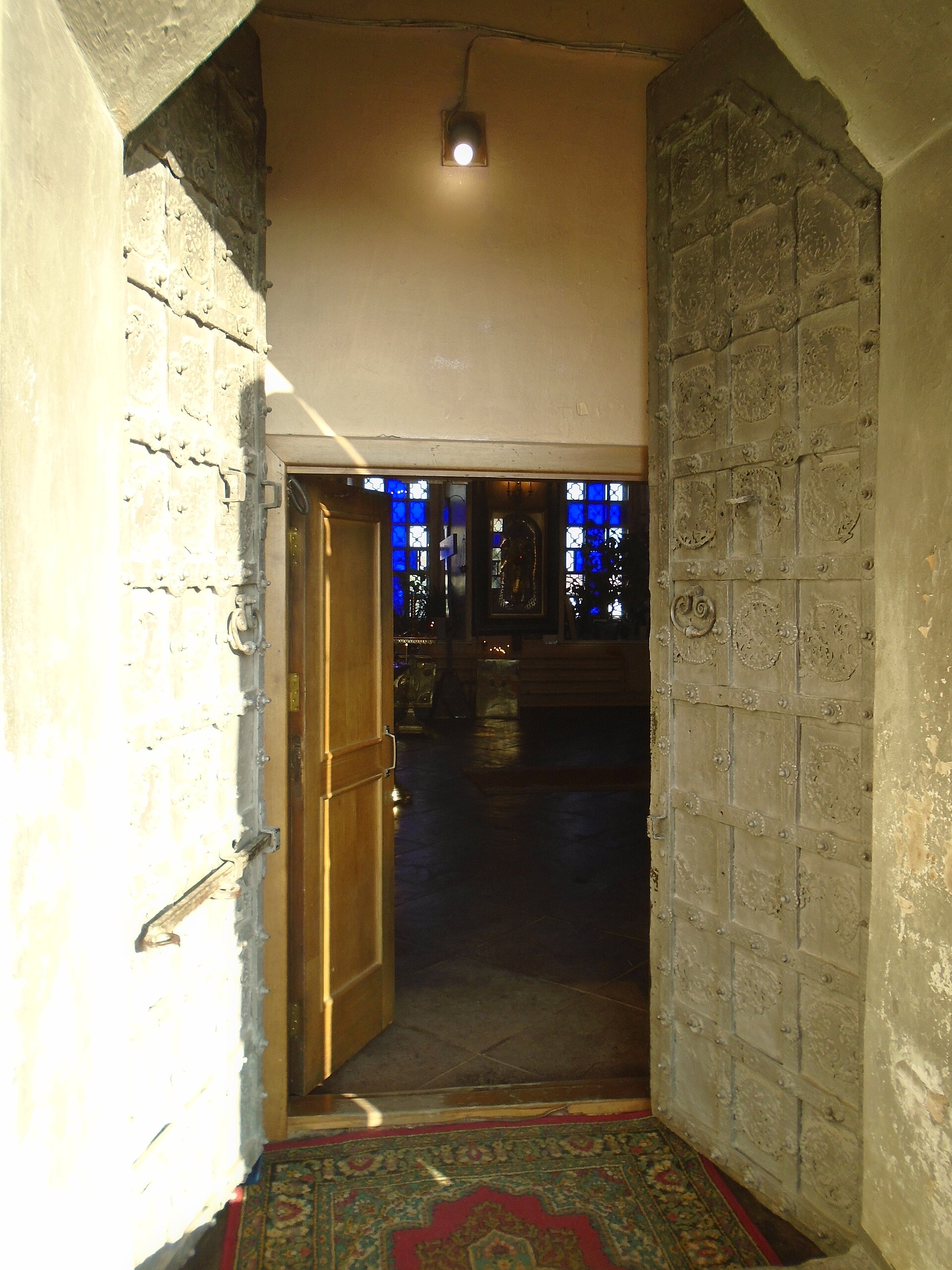
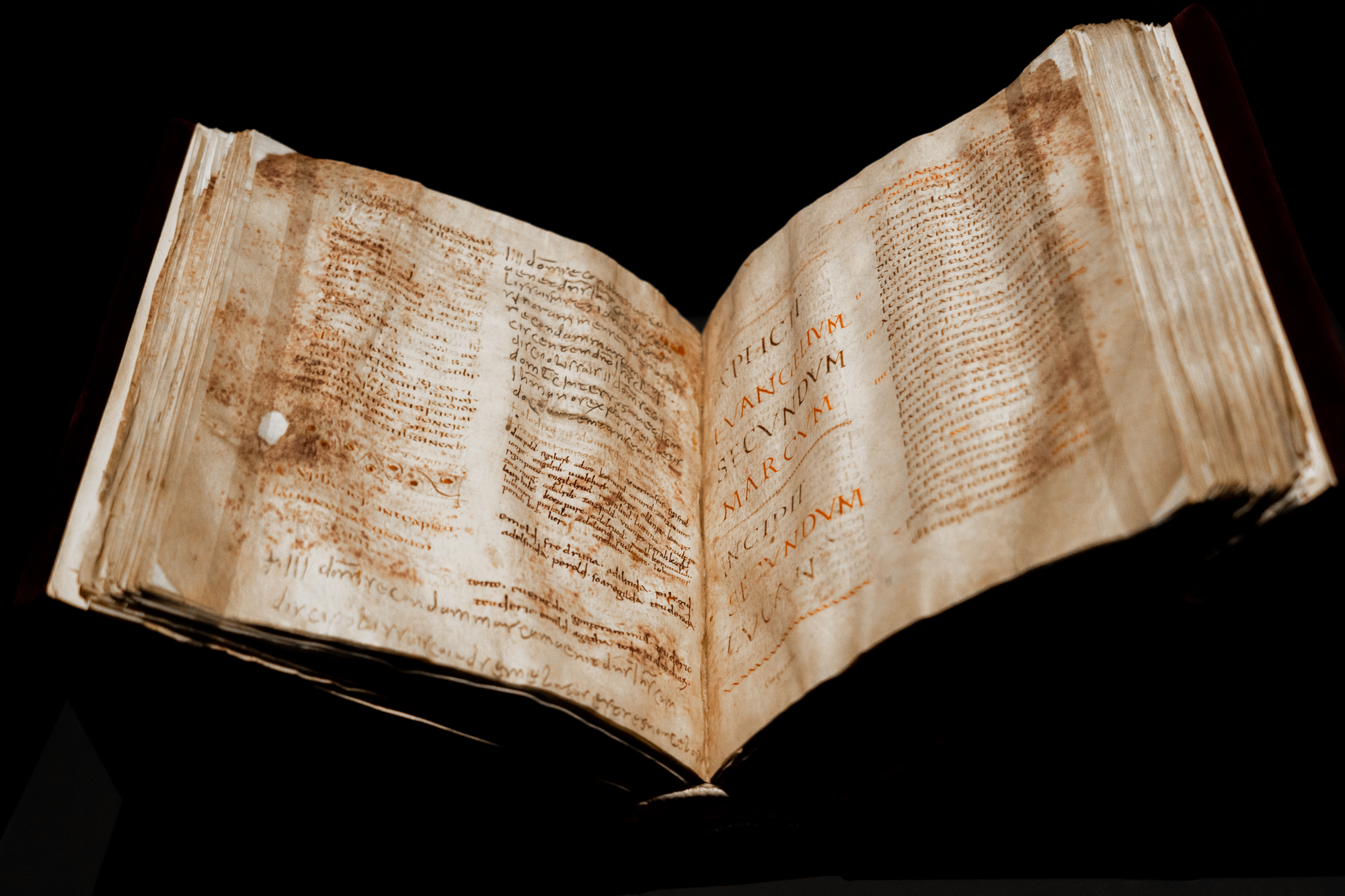
Fragments of medieval Gospel of St. Mark-turned-relic reunited after 7 centuries
· Read the article →
Romanian Orthodox students gathered in Bucharest this week for a national consultation on integrating faith into their academic lives. The event drew participants from across the country to discuss moral formation and the upcoming inclusion of Orthodox religion in the 2030 Baccalaureate syllabus. At the same time, the Romanian Church consecrated a new chapel at the Municipal Hospital in Rădăuți, giving patients and staff a quiet place for prayer and reflection.
In Greece, the Church of Greece held a sanctification service at the Preveza Courthouse, while the Bulgarian Orthodox Church prepared to mark the feast of the Protection of the Theotokos at the Iskretski Monastery with solemn services. The Serbian Orthodox Church celebrated the Nativity of the Theotokos in Seljani with traditional hymns and local families filling the temple.
These moments show how education, hospitals, and feast days keep drawing ordinary believers together. How is your own parish supporting young people or marking the recent feasts?
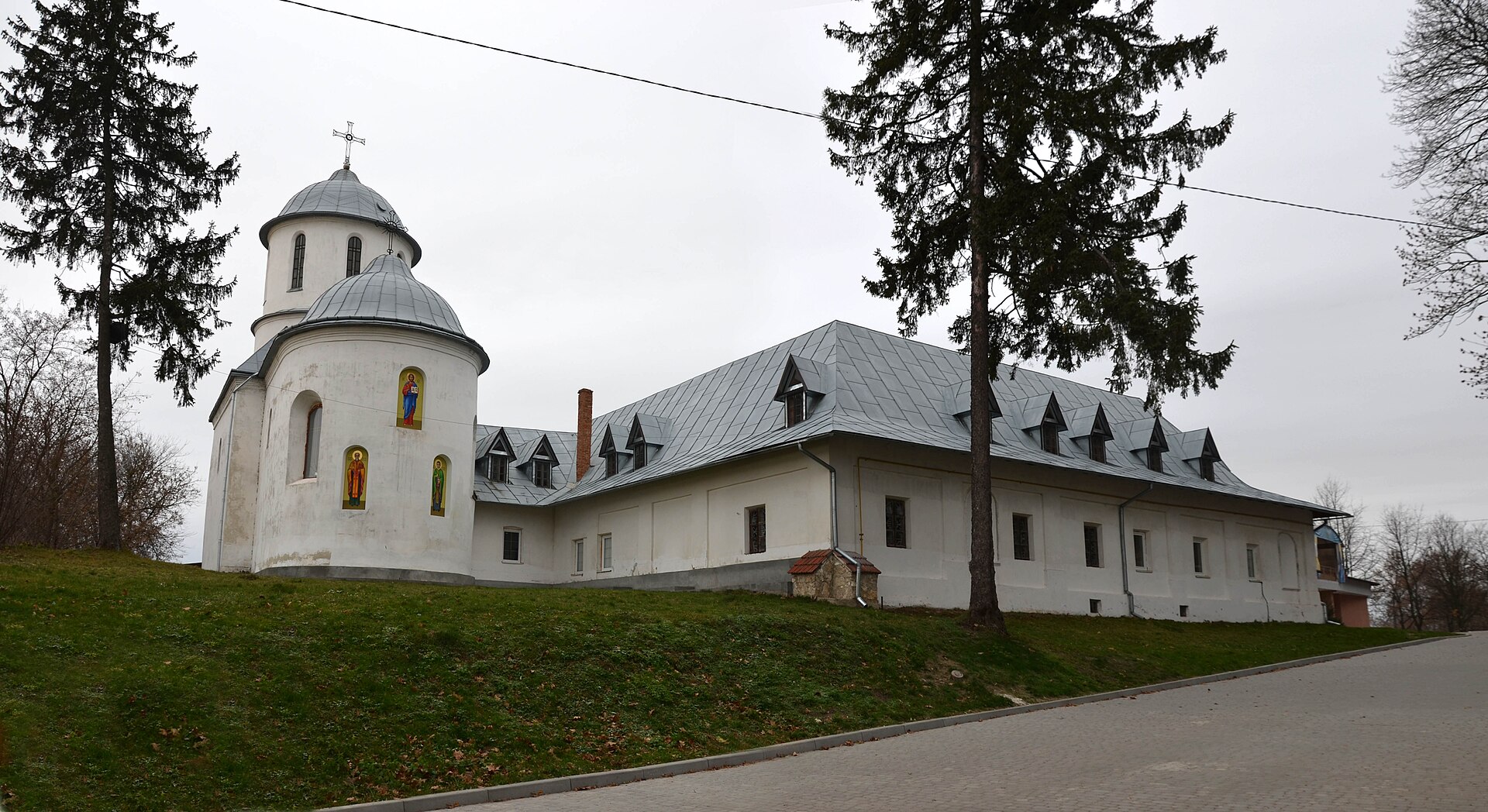
The parish of Alios in Romania is marking two centuries of unbroken faith this week, with local believers gathering for special services that trace their community back to its founding in the early 1800s. In related news, the Romanian Orthodox Church received a fragment of the Holy Cross brought by a Greek Orthodox metropolitan, while the same Church celebrated the first Western Mountains Day on September 21. From the Serbian side, the eparchy of the non-canonical Montenegrin group lost its legal dispute against both the state and the Serbian Orthodox Church, preserving long-standing property claims. Meanwhile, the Bulgarian Orthodox Church saw clergy, monks, and laity voice strong opposition to the planned visit of Ecumenical Patriarch Bartholomew at Rila Monastery for the feast of Saint Ivan of Rila.
The Greek Orthodox Patriarchate of Antioch reported Metropolitan Saba ordaining third-year seminarians, continuing steady formation work in its dioceses. These moments show parishes and hierarchies quietly holding their ground across borders. A modest wooden cross still stands at the gate of Alios after two hundred years.

Serbian high-schoolers from several Belgrade parishes spent a week visiting the Montenegrin coastal diocese, touring monasteries in the Bay of Kotor and joining evening services at the cathedral in Kotor. Local clergy guided the teenagers through the history of the region’s shrines and led discussions on everyday Christian life. At the same time the Serbian Orthodox Church held an archierarchical Liturgy in Biograd, while the Bulgarian Orthodox community in Strasbourg marked the feast of Saints Sophia, Faith, Hope and Love with a moleben and parish gathering. In Romania, Archbishop Calinic reminded believers that peace starts with personal responsibility during a sermon at a Cluj county monastery that shelters children. These quiet exchanges between youth and older parishes keep the thread of shared tradition alive.
May the Lord strengthen the young visitors and all the communities who welcomed them.
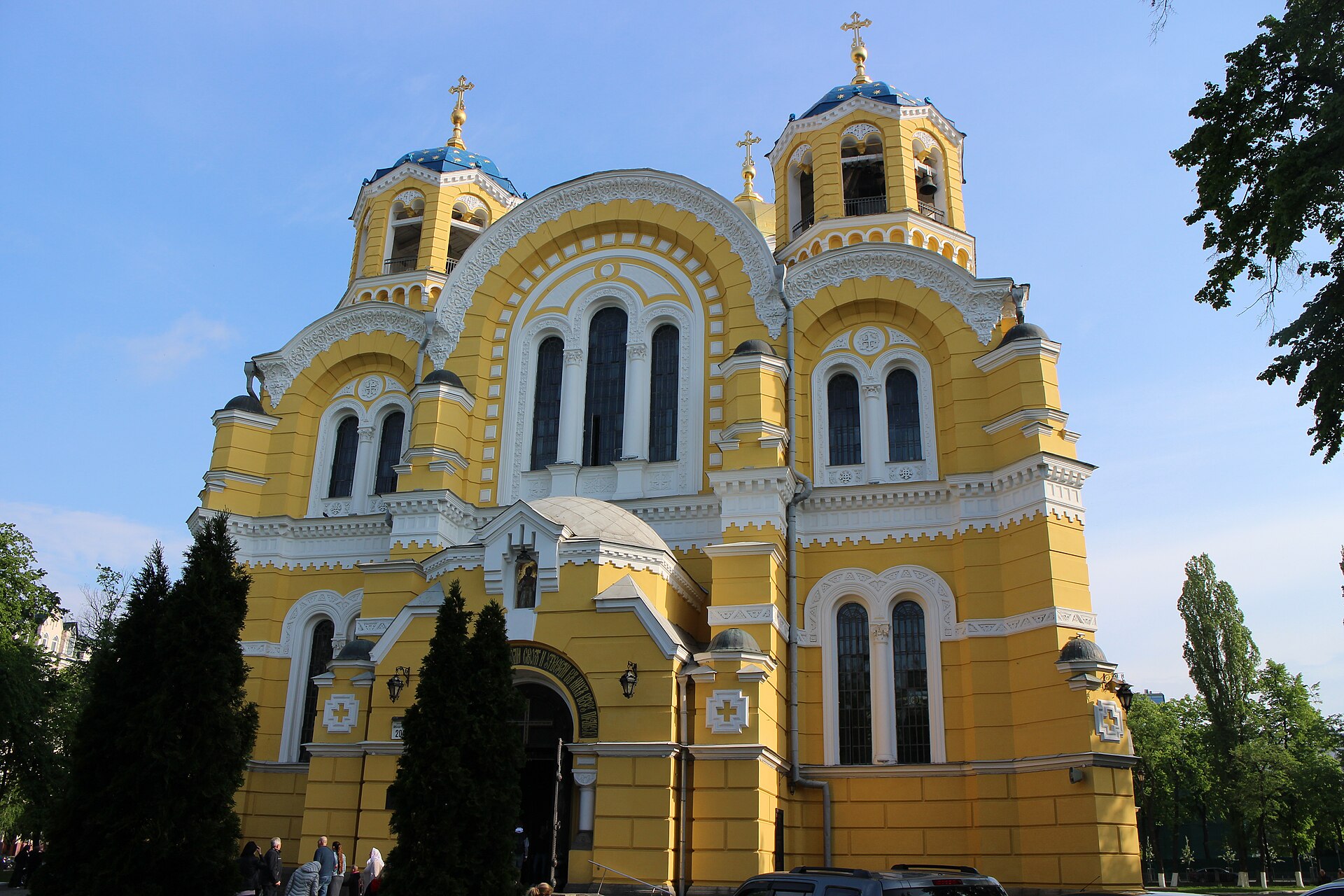
Serbian high-school students from several Belgrade gymnasiums spent last week on a pilgrimage along the Montenegrin coast, hosted by the Diocese of Budimlje-Niksic. They visited ancient monasteries, joined evening services, and talked with local clergy about the challenges of keeping faith in a secular school environment. At the same time, the Romanian Orthodox Church marked two centuries since the consecration of a Banat church where Metropolitan Ioan reminded everyone that “a name is written on each brick.” In the Greek Orthodox Patriarchate of Alexandria, the dialogue committee with Anglicans held its latest session, focusing on practical cooperation rather than grand declarations. Meanwhile, the Orthodox Church in America saw Bishop Andrei join the faithful in Middle Village, New York, for the parish’s modest but joyful 30th anniversary.
These visits and anniversaries show how younger generations and older parishes alike keep finding ways to stay connected across borders. May the Lord grant strength and peace to the youth of Serbia, the faithful in Budimlje-Niksic, the Romanian communities in Banat, and the parishes in Alexandria and America.
A workshop for Orthodox musicians is set to launch in New Jersey this fall, offering training in chant, conducting, and liturgical music for parishes across the country. The initiative coincides with the Orthodox Church in America marking its annual Church Musician Sunday on October 4, highlighting the vital role singers and choir directors play in worship. Meanwhile, the Russian Orthodox Church Outside Russia elevated new clergy and tonsured a monk during the altar feast at its London cathedral, recognizing dedicated servants in music and liturgy. In Canada, the Greek Orthodox Patriarchate of Antioch ran its Camp St. Innocent at Pigeon Lake, Alberta, where young participants learned hymns and built lasting memories around the feast of the Nativity of the Theotokos. The Serbian Orthodox Church also kept the same feast with special services for the Little Lady, drawing families into the rich tradition of Marian hymnody. May these efforts strengthen the voices that carry our prayers in every parish.
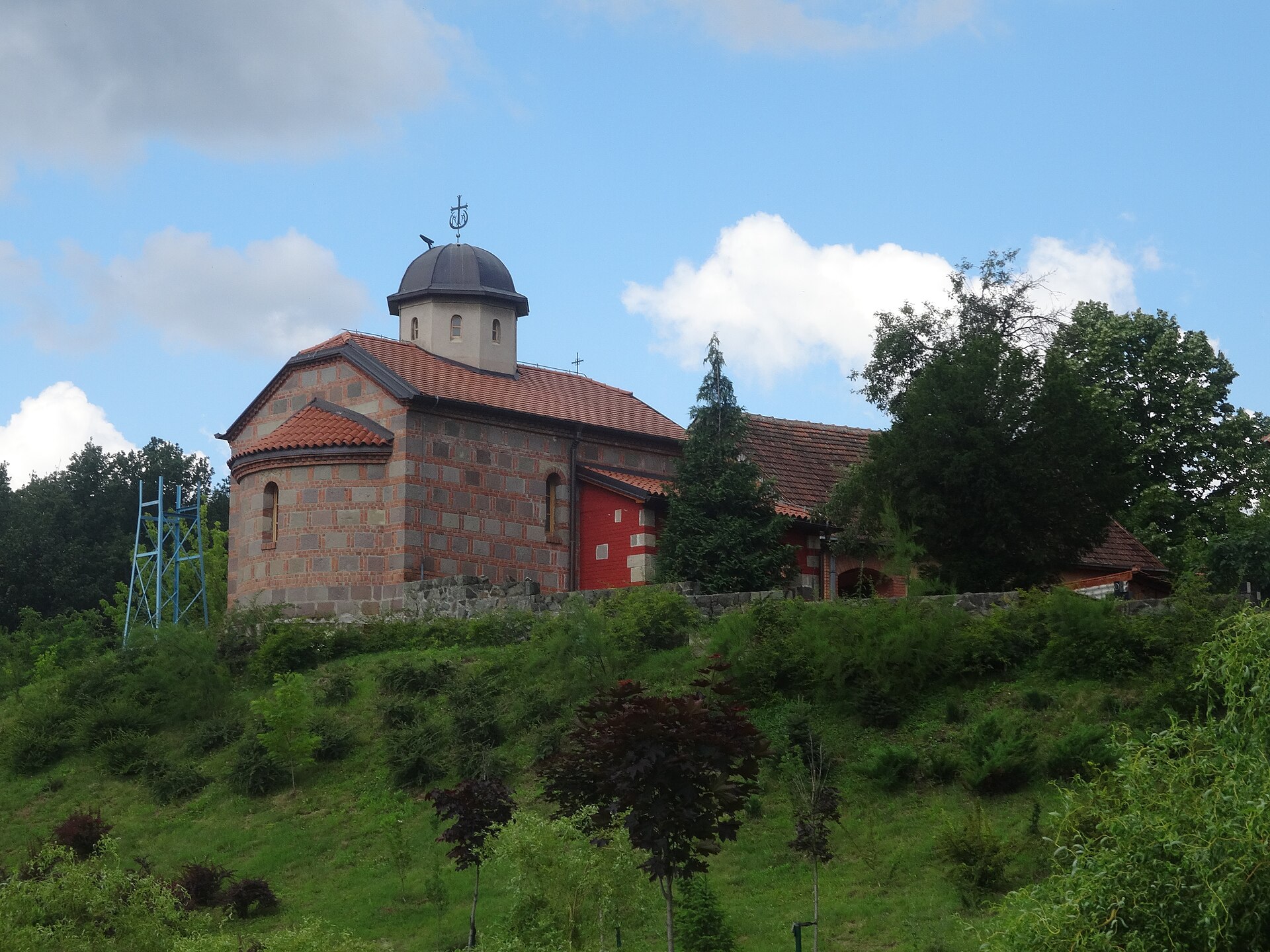
The election of a new Metropolitan of Paphos in the Church of Cyprus has drawn attention because of ongoing legal questions about the voting process and eligibility. Local courts are reviewing complaints from clergy who say the procedures did not fully follow established canons. Meanwhile, the Bulgarian Orthodox Church is preparing to mark the feast of the Protection of the Theotokos at the Iskret Monastery with the usual solemn services and procession. In the Serbian Orthodox Church, the feast of the Nativity of the Theotokos was quietly celebrated in Seljani with parish Liturgy and traditional hospitality afterward. The Romanian Orthodox Church marked two hundred years of continuous parish life at Alios, where the community held a modest anniversary Liturgy followed by a small outdoor meal for the villagers. These separate events show how each local Church keeps its own rhythm of feasts, elections, and anniversaries even when questions of order arise in one corner. A quiet reminder that patience and careful reading of the rules still matter most.
O
10 h
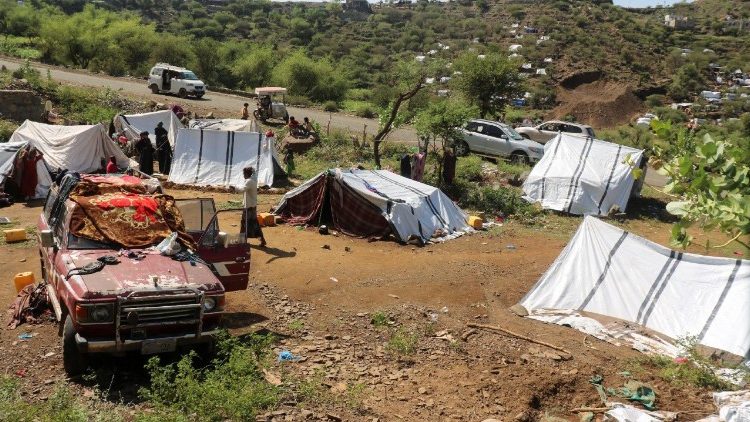
Middle East governments brace for possible escalation as Iran warns against U.S. action
· Read the article →
O
10 h
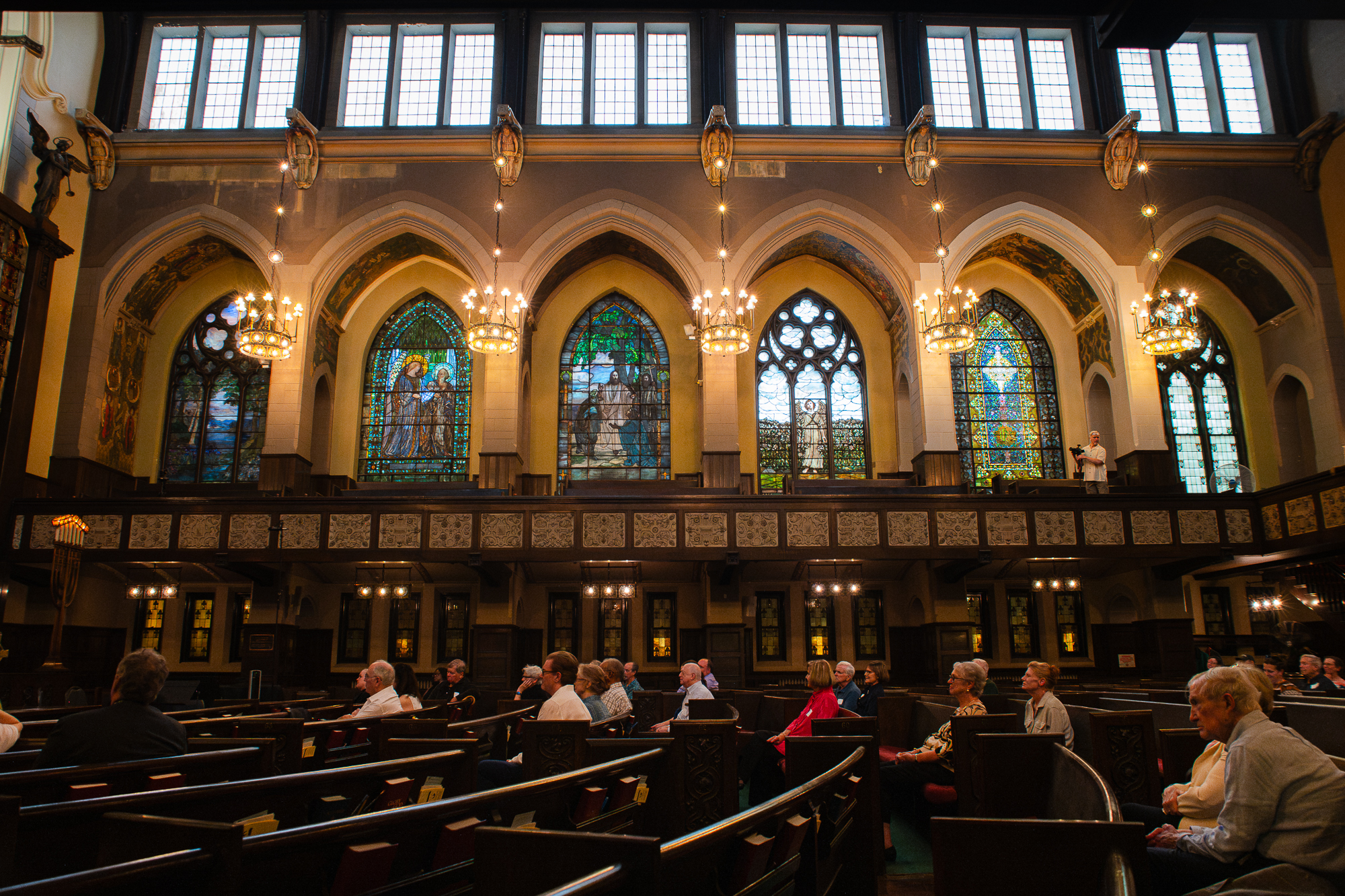
After More Than A Century, Tiffany Windows At Historic Chicago Church Are Glowing Again
Ecumenical Patriarchate of Constantinople · Read the article →
The Parish of Alios in Romania is marking two full centuries of unbroken parish life this week, with liturgies, talks on local saints, and a small museum opening that displays vestments and icons passed down since the early 1800s. At the same time the Romanian Orthodox Church remembered Hieromartyr Theodosius of Brazi and Hieromartyr Phocas with services that drew families from neighboring villages. In Bulgaria the Iskretski Monastery prepared a solemn feast for the Protection of the Mother of God, while the head of the church library received a certificate from Bachkovo Monastery honoring the glorification of Patriarch Euthymius’s relics. The Orthodox Church in America saw its diocesan vice-chancellor serve a moleben after the Pennsylvania March for Life at the state capitol, and the Church of Greece had Metropolitan Irenaios of Florina preaching at the Church of Agia Sophia in Neo Psychiko. These quiet anniversaries and local gatherings keep showing how each diocese simply carries on the same daily rhythm of prayer and memory.
The Lebanese Orthodox community gathered for a simple lunch fundraiser that raised funds for the International Orthodox College project, drawing families from across Beirut parishes to share traditional dishes and quiet conversation about supporting Orthodox education in the region.
In parallel, the Greek Orthodox Patriarchate of Antioch saw Metropolitan Saba ordain third-year seminarians, reinforcing the same emphasis on formation and future clergy. From Romania, a fragment of the Holy Cross arrived through the hands of a Greek Orthodox metropolitan, bringing visible comfort to parishes marking local feasts. Meanwhile, the Orthodox Church in America celebrated two parish anniversaries—one in New York with Bishop Andrei and another in Indiana with Archbishop Nathaniel—where long-time members spoke about passing on the faith to younger generations.
These moments show how practical support and steady sacramental life continue side by side. The lunch ended with plans already forming for the next gathering.
Romanian students filled Bucharest this week for a national consultation on faith and education, drawing participants from universities across the country who discussed practical ways to keep Orthodox values alive in classrooms and campus life. At the same time the Romanian Senate voted to name 2029 the Year of Doina Cornea, honoring the late dissident’s defense of Christian conscience under communism. In Bulgaria the Iskretski Monastery prepared solemn services for the Protection of the Theotokos. The Greek Orthodox Patriarchate of Alexandria reported steady progress in its official dialogue committee with Anglicans, while the Serbian Orthodox Church marked the temple feast at Ljubinje with traditional parish gatherings and choir singing.
These events show how each local Church quietly tends its own corner of the vineyard.
O
10 h
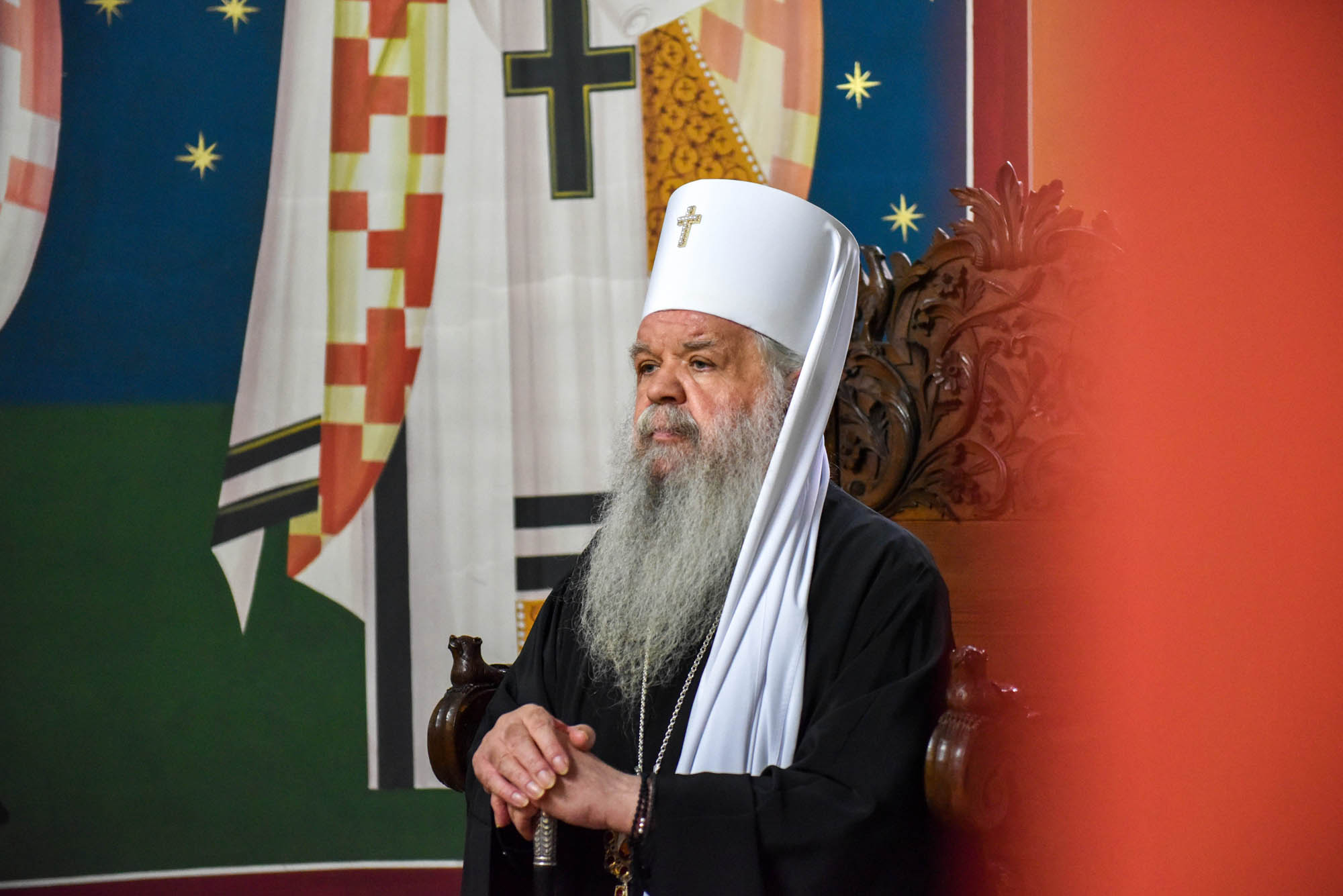
Archbishop of Ohrid returns to public worship after absence for health reasons
· Read the article →
O
10 h
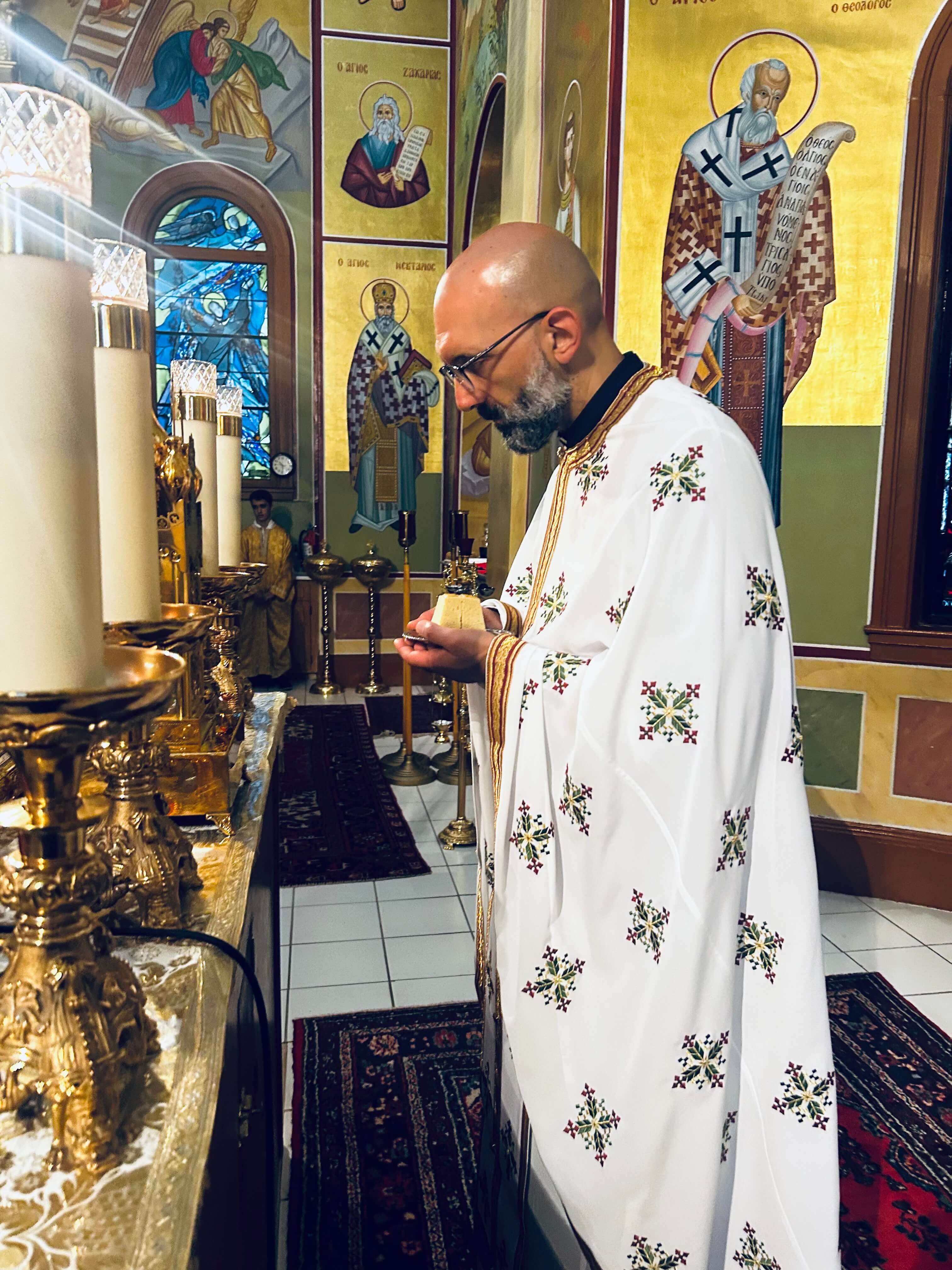
Metropolitan Methodios Visits Greek Festivals Throughout the Metropolis
Ecumenical Patriarchate of Constantinople · Read the article →
O
10 h
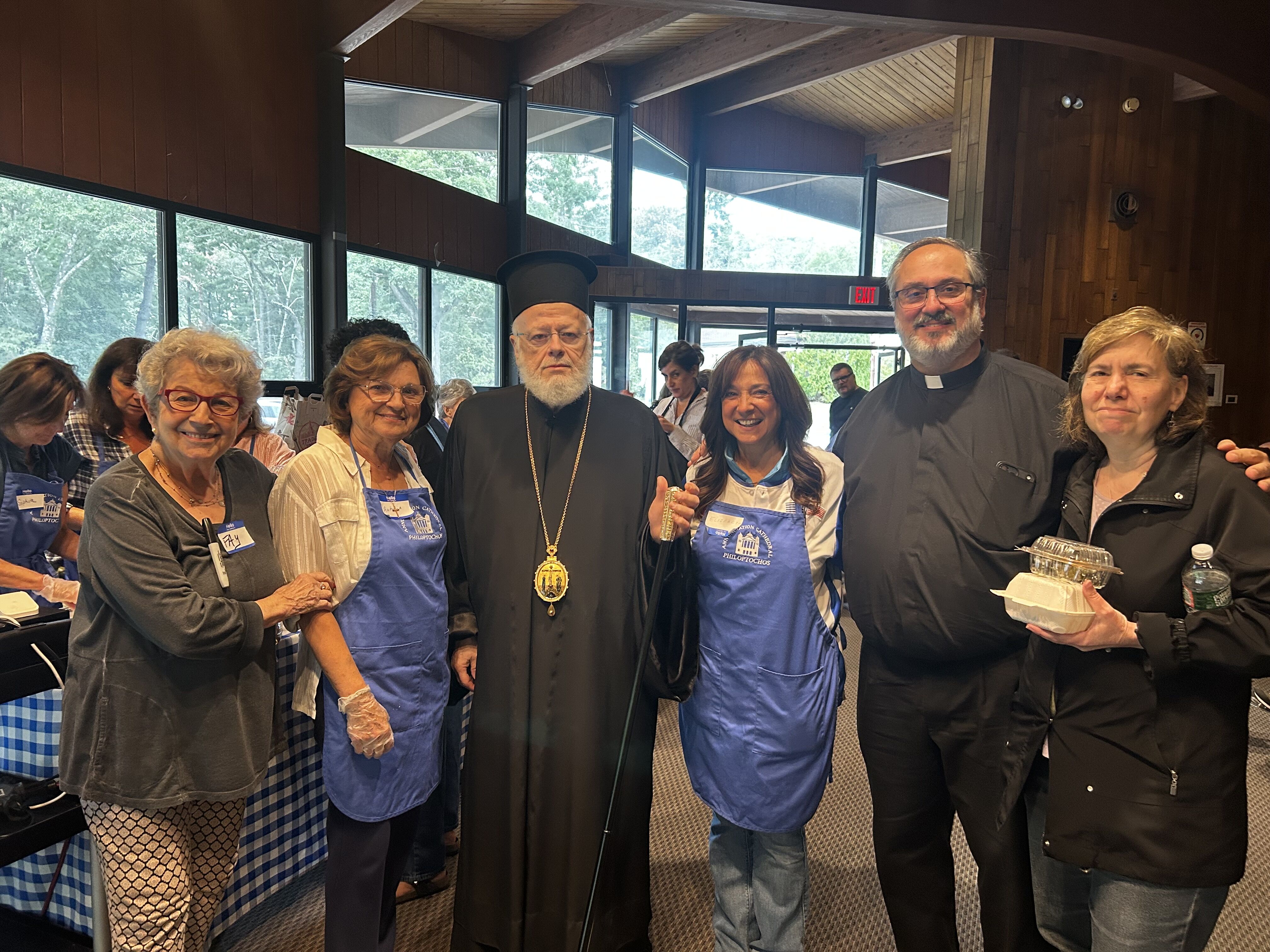
Metropolitan Methodios Celebrates Ordination, Installation, and Annual Festival at St. George Cathedral in Manchester
Ecumenical Patriarchate of Constantinople · Read the article →
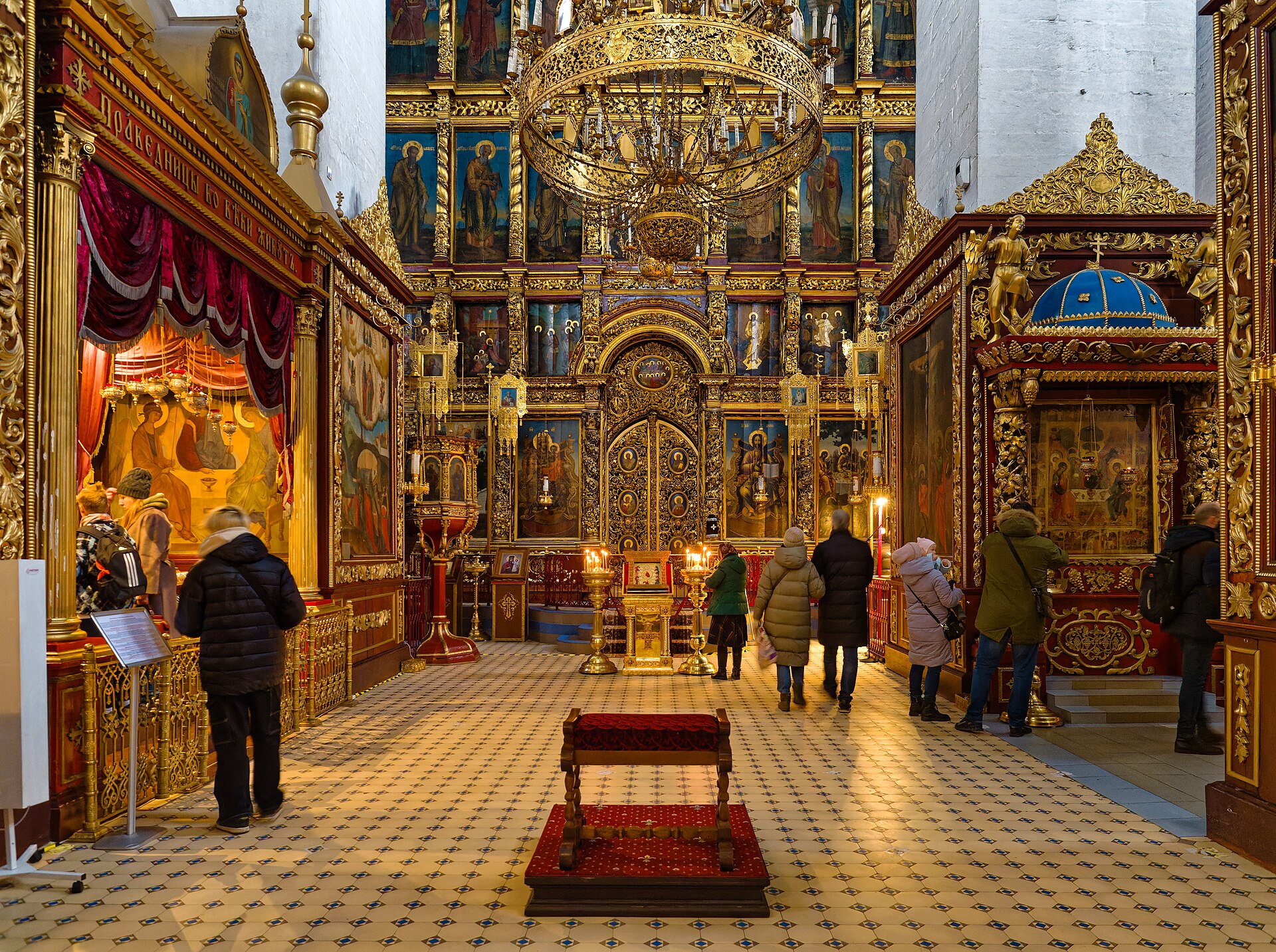
The Romanian Orthodox Church’s parish in Alios is marking two full centuries of unbroken worship this month. Local clergy and families gathered for a special Divine Liturgy in the same stone church their ancestors built in 1824, followed by a modest procession and shared koliva. Restoration work on the iconostasis revealed original 19th-century inscriptions that had been hidden under layers of later paint.
Elsewhere, Metropolitan Nicholas of the Russian Orthodox Church Outside Russia presided at the Synodal Cathedral in New York for the 16th Sunday after Pentecost, while in Canada Archbishop Apostolos served his first Divine Liturgy as head of the Archdiocese, urging the faithful to focus on unity. The Serbian Orthodox Church highlighted the historic church of Karađorđe in Topola, where recent conservation has brought fresh attention to its frescoes and relics.
These quiet observances of continuity and fresh beginnings show how parishes keep the same faith across borders and centuries. What milestone or simple tradition is your own parish remembering right now?
O
10 h
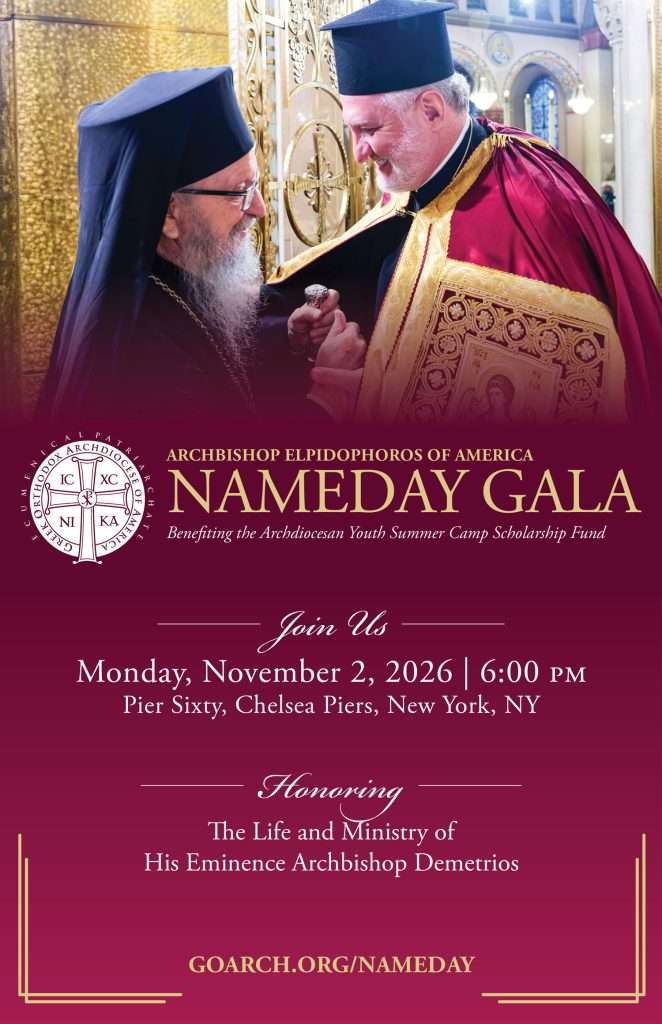
Archbishop Elpidophoros’ nameday celebration to honor former Archbishop Demetrios of America
· Read the article →
O
11 h
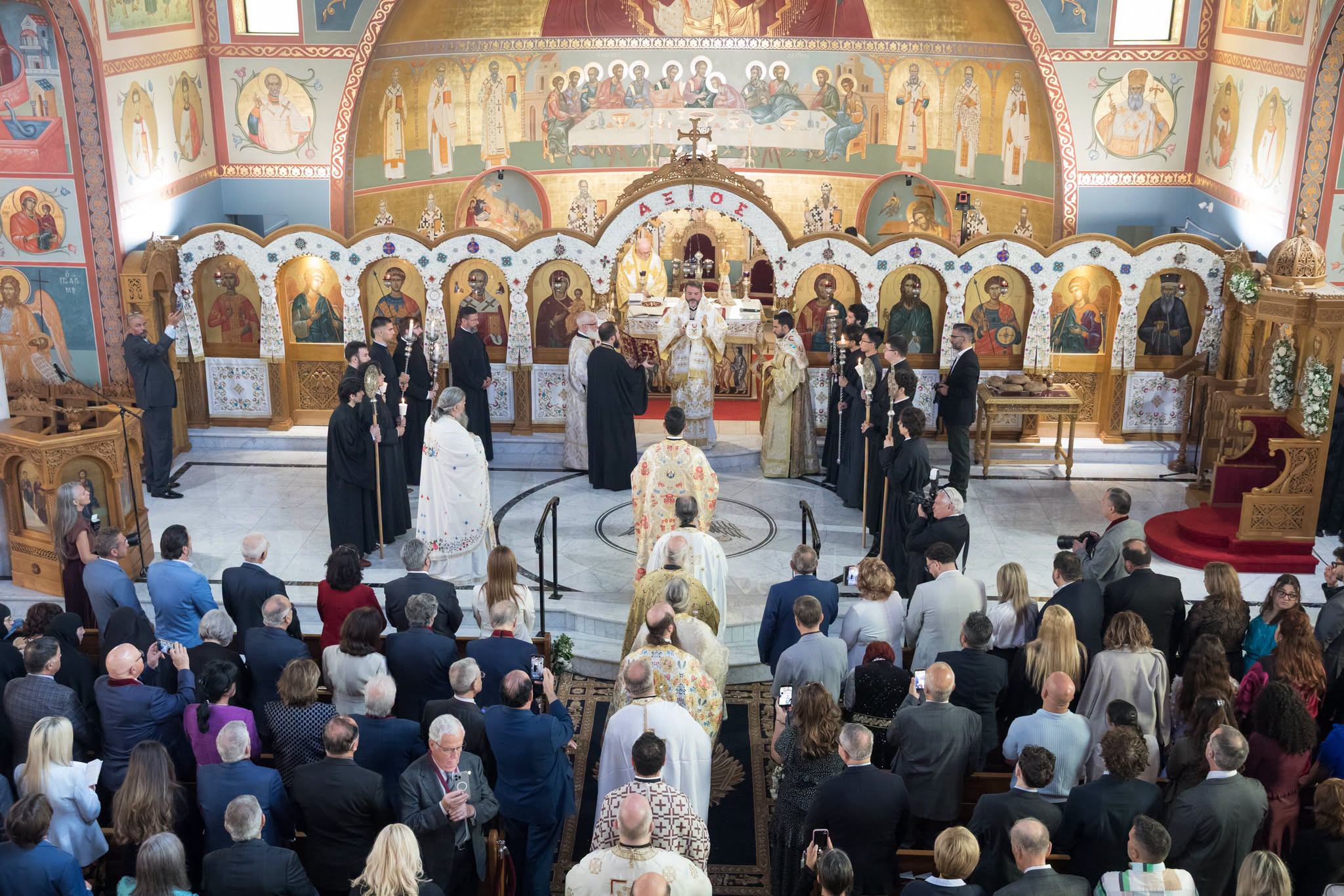
Archbishop Apostolos presides over first Divine Liturgy as Archbishop of Canada
· Read the article →
The Lebanese Orthodox community hosted a fundraising lunch in support of the International Orthodox College project, drawing families and clergy together over traditional dishes to raise funds for scholarships and campus improvements. In parallel, the Greek Orthodox Patriarchate of Antioch saw Metropolitan Saba ordain third-year seminarians at the Balamand seminary, while the Church of Greece welcomed Minister Domna Michailidou for talks with Archbishop Elpidophoros of America on social cohesion initiatives. From the Romanian Orthodox Church, fresh restoration work at Hagia Sophia uncovered nine kilometres of hidden tunnels, offering new insights into its layered history. These quiet efforts show how local parishes keep finding practical ways to strengthen education, formation, and historic preservation across distant corners of the Church. What recent gathering or project in your own parish has helped build up the next generation?