Share something with the community…
Sign in
The Orthodox Church in America’s Bishop Paul conducted a pastoral visit to Central City parish this Sunday, joining the local community for the Divine Liturgy on the feast of the Beheading of Saint John the Baptist. The bishop encouraged the faithful to draw practical courage from the saint’s example of speaking truth regardless of cost.
At the same time the Serbian Orthodox Church held its central commemoration of the Holy New Martyrs of Jasenovac, focusing on endurance under persecution. In Romania, Bishop Lucian marked his 56th birthday with quiet thanks for God’s gifts while the diocese continued its school-supply drive for 455 children in Olt county. Over in Constantinople the Ecumenical Patriarchate wrapped up another session of its ongoing Bible study on the Psalms, drawing steady attendance from laypeople and clergy alike.
These ordinary acts of gathering, teaching, and remembering keep parishes grounded. The visit in Central City ended with coffee hour and plans for a new youth Scripture group next month.
The Romanian Orthodox Church recently hosted an international conference at the Bose monastic community in Italy focused on the life and monastic rule of St Pachomius the Great. Scholars and monastics from several traditions gathered to examine his fourth-century foundations for cenobitic life that still shape Orthodox monasteries today. At the same time, the Romanian Orthodox Episcopate of America opened its 94th annual congress with a clergy conference, while the Church of Greece continued practical cooperation with the Greek state on support for the Patriarchate of Jerusalem. In Bucharest, Romanian clerics, theologians, and lawyers met at Sihăstria Putnei Monastery to discuss the challenges facing Christian families in modern society. These quiet but steady efforts show how the memory of early saints like Pachomius keeps feeding the daily work of parishes, dioceses, and homes across continents. May these communities be remembered in prayer as they seek to live the Gospel in their own time and place.
The Romanian Orthodox Church brought fresh attention to early monasticism at the Bose conference this week, where scholars examined the iconography of St Pachomius’ life painted in Sucevița Monastery. Participants traced how the founder of cenobitic monasticism shaped communal rules that still influence Orthodox houses today. Nearby, the same Church hosted a gathering at Sihăstria Putnei where clerics, theologians and lawyers discussed practical ways the Christian family can live out those ancient values in modern society. From the Bulgarian Patriarchate, a lithium procession and special services marked 1700 years since the finding of the Holy Cross, reminding everyone of the shared ascetic heritage. In the Serbian Orthodox Church, a liturgical celebration for Saint Stephen Tronoški quietly echoed the same call to disciplined prayer and community. These events show how different local Churches keep turning back to the same early sources for guidance. How is your parish marking the memory of the desert fathers this season?
🌐 Show original
Н
Николай Петков
Look at the bricks on the wall of the monastery, how they are stacked on top of each other, as if they have been standing like that for 500 years. Interesting how they depicted St. Pachomius on the icon.
O
Sep 11

Pro-life, pro-family champion takes helm of Colombia’s Education Ministry
· Read the article →
O
Sep 11

Mesajul Înaltpreasfințitului Părinte Arhiepiscop Nathaniel către membrii celui de-al 94-lea Congres Anual al Episcopiei Ortodoxe Române din America
Orthodox Church in America · Read the article →
А
Анастасия Волковаtranslated
Sep 11
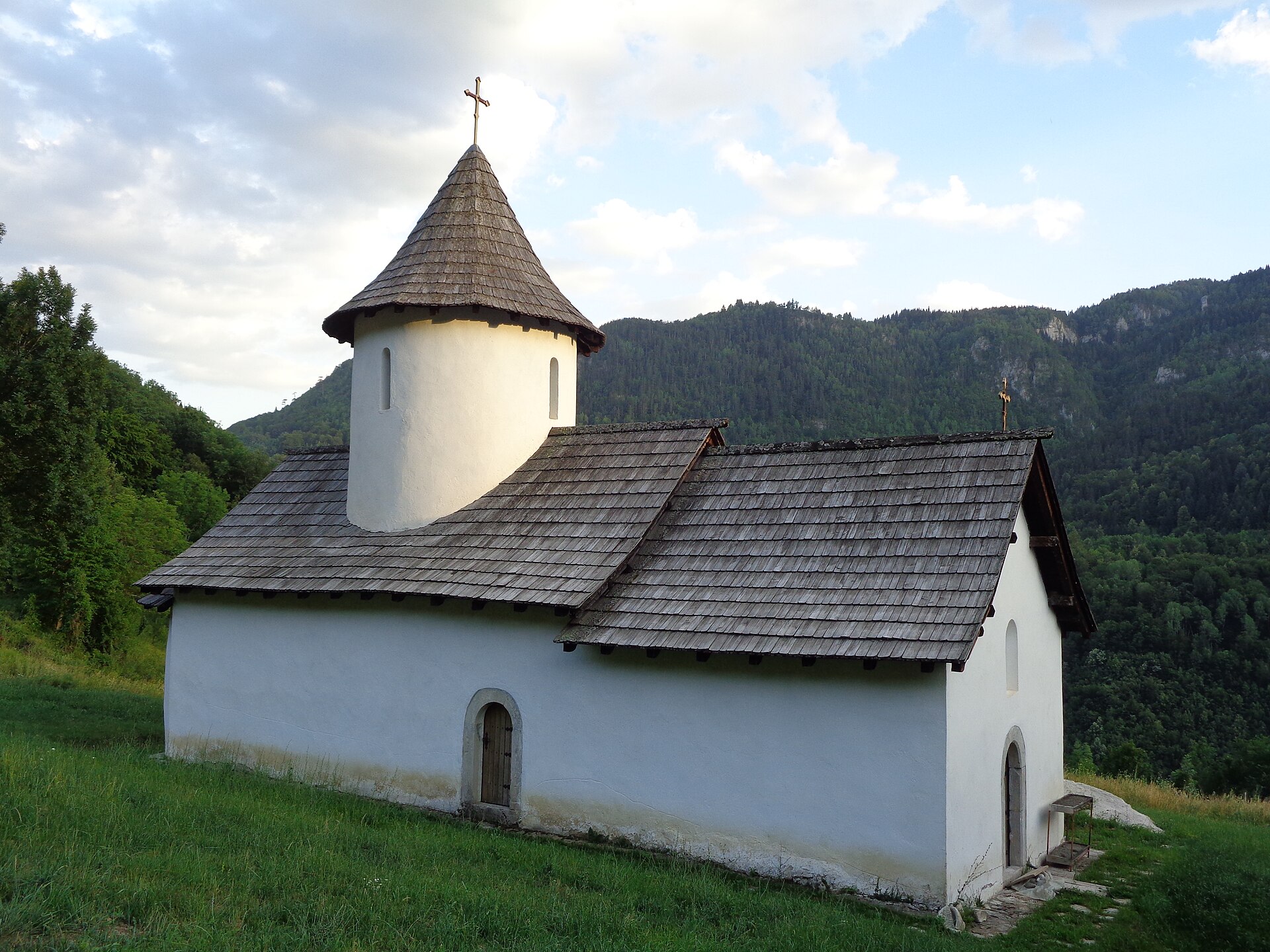
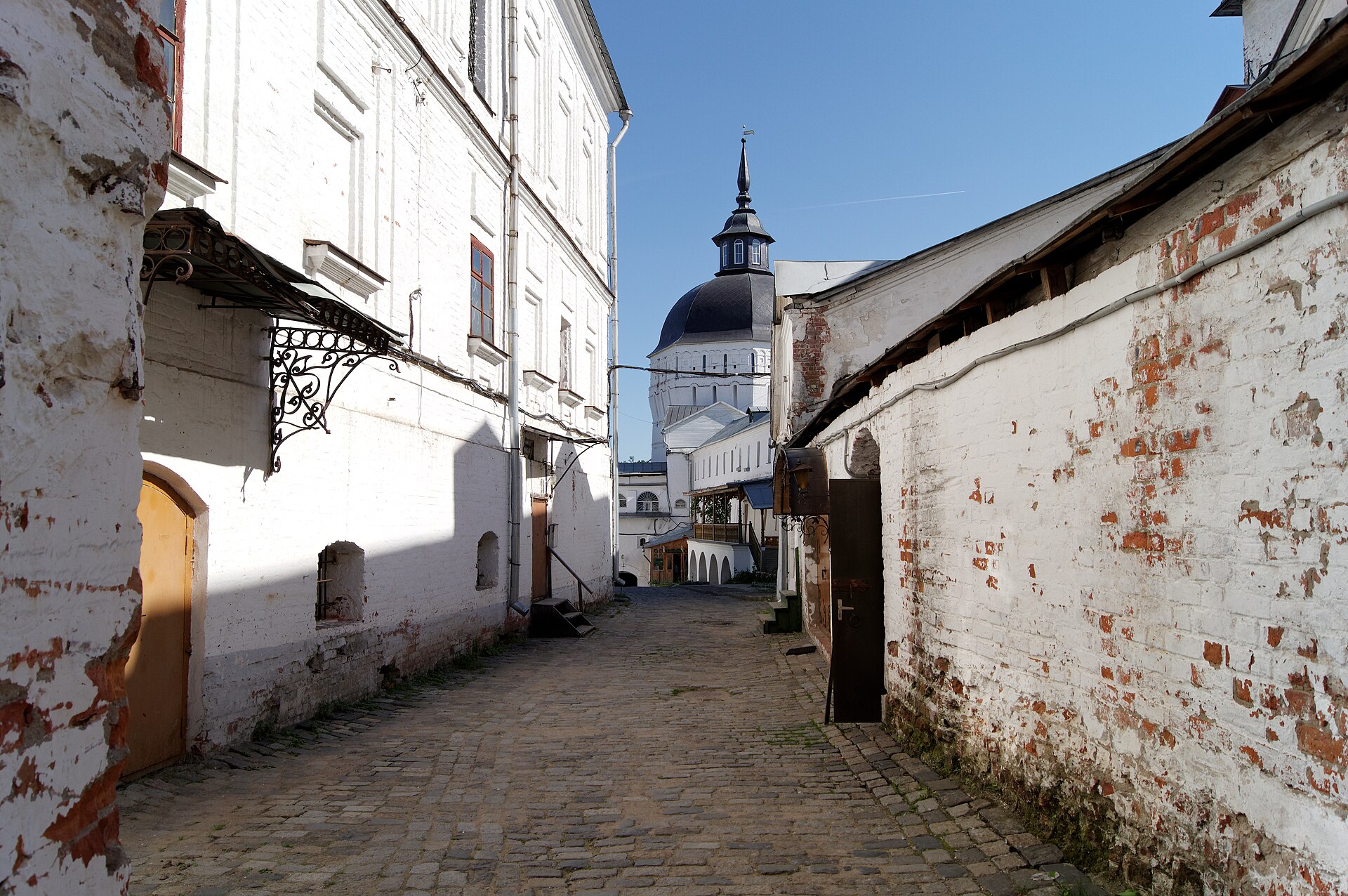
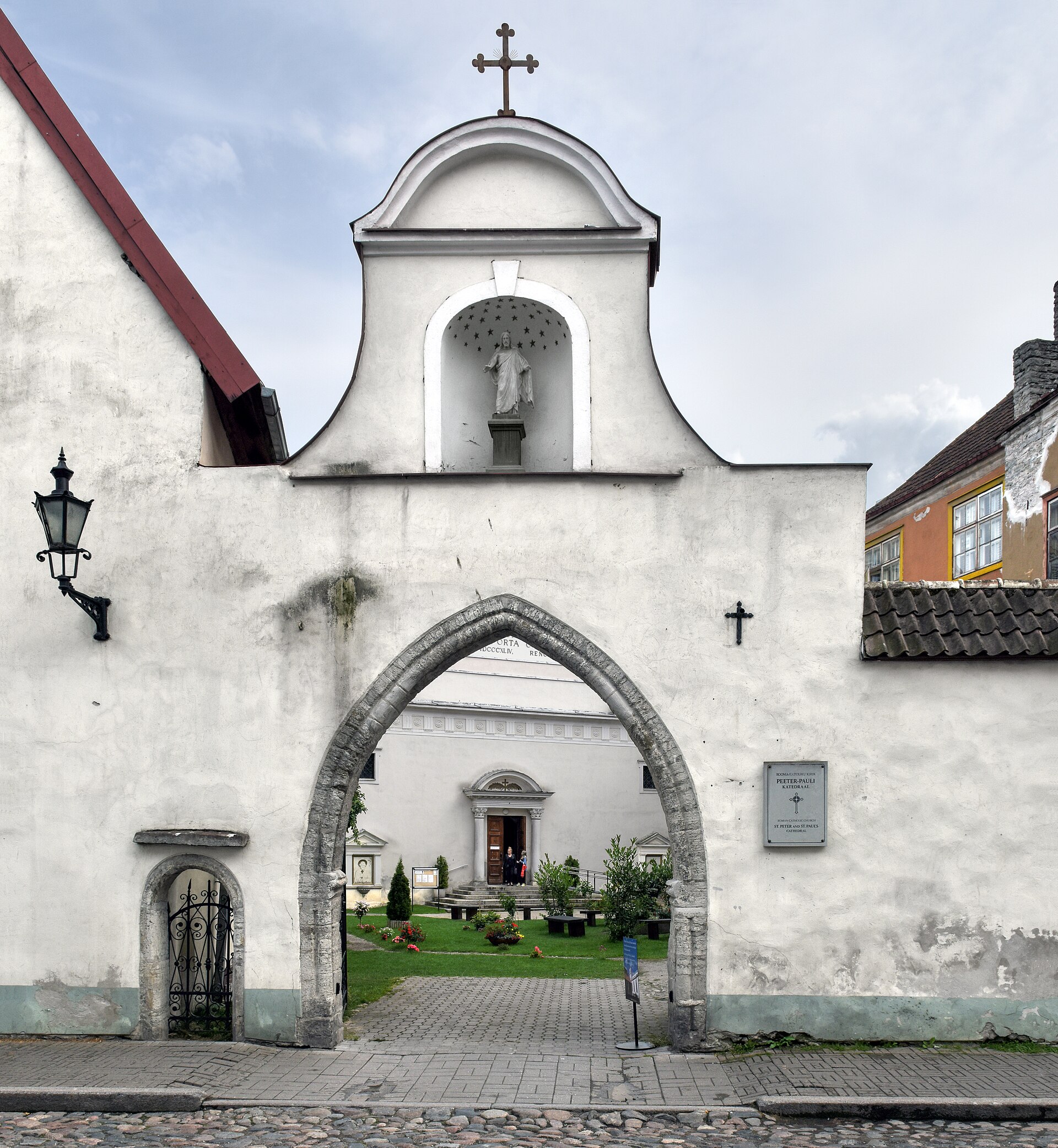
A narrow paved alleyway between old white houses leads directly to the open-air church. The photo turned out calm, even easier to breathe when you look at it.
Узкая мощёная улочка между старыми белыми домами ведёт прямо к церкви под открытым небом. Снимок получился спокойный, даже дышится легче, когда смотришь.
🌐 Show original
Ა
ალექსანდრე წიკლაური
The white walls in the photo are really white, but I was more drawn to the tiles on the roof of the church - uneven, darkened with time, you can see how pieces have already fallen off. I wonder when the last time it was blocked off.
Π
Παναγιώτης Χατζής
The arches at the entrance that Fotini says really look old. However, from the main square, how long does it take to walk there and are they open on weekdays?
D
Diego Martínez
The walls look really thick.
О
Олександр Ткаченко
Yes, services on Saturdays and Sundays from the 8th, you can just come by. But the tiles on the roof are really old, they haven't been changed in a long time.
Polish Orthodox faithful gathered in Gorlice this week for the annual St. Maximus the Confessor festival, drawing pilgrims from across the Carpathian region to the historic church that bears his name. Local clergy led the festal Liturgy and an evening concert of traditional hymns, while families brought children for the blessing of school bags and icons. The Polish Orthodox Church kept the observances focused on quiet prayer and teaching about the saint’s defense of the faith.
In Romania, the Archdiocese of Roman and Bacău distributed school supplies to over seven thousand children, turning the start of the academic year into a tangible act of charity. The Serbian Orthodox Church held a moleben in Prijepolje for a peaceful school opening, asking the Lord’s protection over teachers and pupils. Meanwhile, the Bulgarian Orthodox Church marked 1,700 years since the finding of the True Cross with a lithium procession through Sofia’s streets.
Small gatherings like these continue to knit ordinary parish life together.
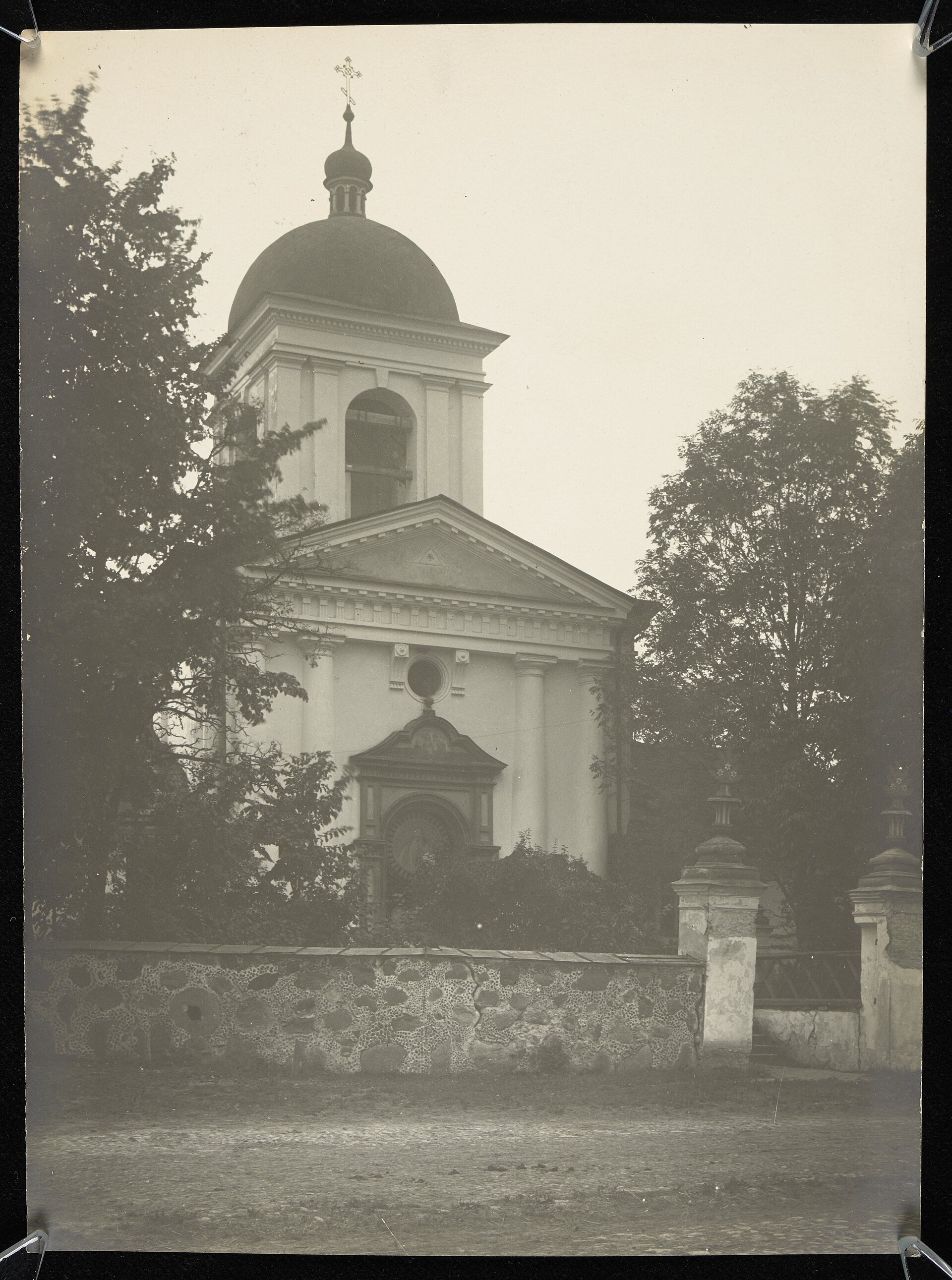
The Antiochian Orthodox Christian Archdiocese runs its annual Camp Transfiguration youth program each summer, drawing teenagers into a week of prayer, service projects, and outdoor challenges rooted in the tradition of Christ's radiant change on Mount Tabor. This year the camp again filled quickly, with sessions focused on building resilience through early liturgies, icon painting, and talks on living the faith amid everyday pressures.
Elsewhere, the Ecumenical Patriarchate of Constantinople opened registration for its own MBC Fall Camp, offering similar formation for young people in a different season. The Romanian Orthodox Church invited families from its Northern Europe diocese to gather in Copenhagen for talks on keeping Christ at the center of home life. Meanwhile, the Church of Greece marked the feast of Saint Chrysostom of Smyrna at the Holy Monastery of the Transfiguration in Kameni Vourla, where Metropolitan Maximos led school consecrations that echoed the same concern for the next generation.
These overlapping efforts show how each local church finds its own way to pass on the light of Transfiguration.
O
Sep 11

Leave-taking of Nativity of Birthgiver of God; Hieromartyrs Autonomus, Macedonius & Theodulus
Romanian Orthodox Church · Read the article →
The Bulgarian Orthodox Church marked the 1700th anniversary of the finding of the Holy Cross with a lithium procession through Sofia followed by a full hierarchical liturgy at the cathedral. Clergy carried the cross relic while thousands of faithful walked behind, singing the troparion in the crisp September air. Similar observances took place in smaller Bulgarian parishes abroad, including the St. Ivan Rilski community in Vienna, which published its full September schedule of services built around the feast.
At the same time the Serbian Orthodox Church gathered at the Jasenovac memorial for the central commemoration of the Holy New Martyrs, with bishops leading prayers for those killed during the Second World War. In Greece, the Church of Greece highlighted the story of Panagia of Scripous, where the icon’s appearance during the occupation still draws local families each year. The Romanian Orthodox Church, meanwhile, opened an exhibition at the Library of the Romanian Academy displaying prints and manuscripts from the legacy of St. Antim Ivireanul.
These quiet, steady acts of memory keep the calendar moving.
O
Sep 11

Surrogate mother petitions Supreme Court to ensure lifesaving care for newborn
· Read the article →
The Orthodox Church in America welcomed a pastoral visit from the Orthodox Autocephalous Church of Albania to Central City parish this Sunday. Archbishop Anastasios joined local clergy for the Divine Liturgy, greeted families after the service, and spent time with the youth group discussing everyday life in the faith. In related news, the Romanian Orthodox Church highlighted relics of St Anne as a source of hope for couples seeking children, while the Bulgarian Orthodox Church in Vienna released its full schedule of September services for the St Ivan Rilski community. The Church of Greece saw Archbishop Hieronymos formally revoke an honorary title from a former metropolitan who had resigned years earlier.
These developments show steady pastoral care across jurisdictions and keep parishes grounded in practical ministry.
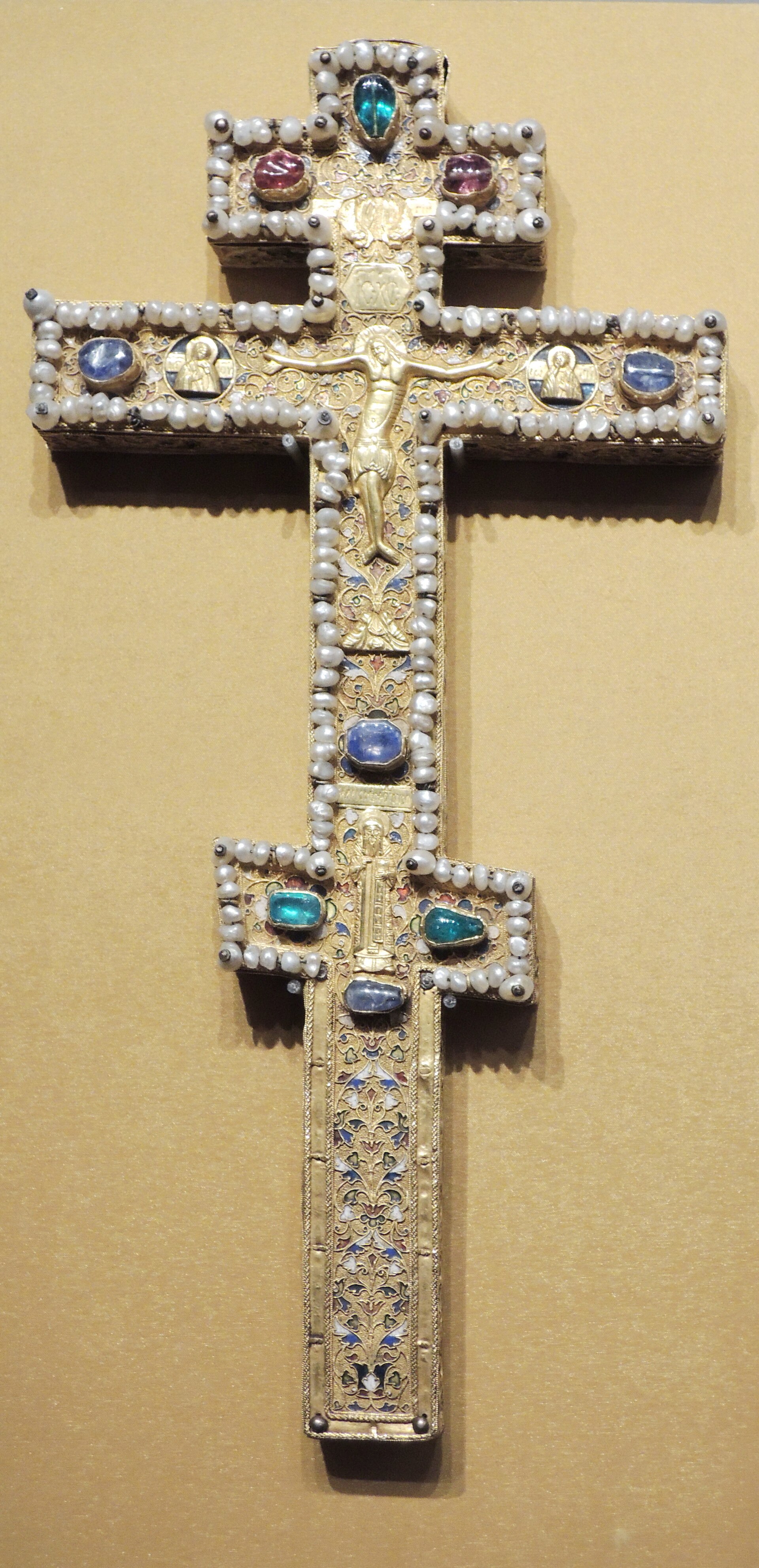
Serbian Patriarch Porphyry met with a government minister this week to discuss practical church-state matters, underlining the need for clear cooperation on heritage protection and education. In Jerusalem, workers are putting finishing touches on restoration inside the Church of the Resurrection, while the Bulgarian Patriarchate held a lithium procession marking 1700 years since the finding of the True Cross. The Romanian Orthodox Church saw another act of quiet charity as a parish in Austria gave nearly a hundred schoolbags filled with supplies to children back home in Botoșani. Meanwhile, the Church of Greece heard Bishop Dorotheos of Syros remind his flock that the Virgin brought salvation into the world.
These ordinary labors keep parishes steady and connected across borders. May the Lord grant wisdom to all the communities named.
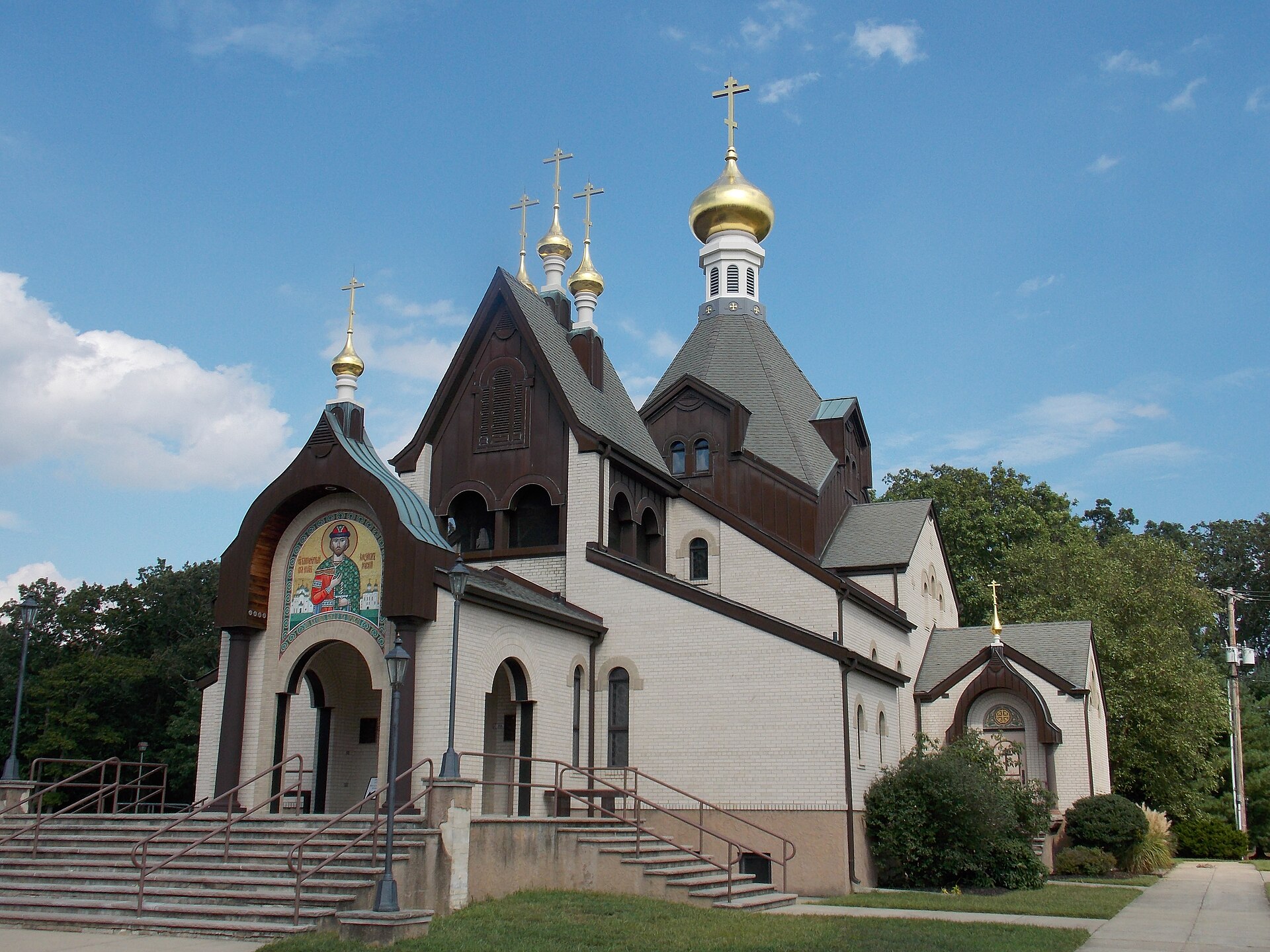
М
Методи Костовtranslated
Sep 11 · Church News & Reviews
Days pak mesikh prosphora for weekday service. I kneaded the dough with a little salt and water, like some old navik from Mikey, and left it until the evening. Early in the morning, the wood chips were baked and the wood chips were brought into the church before the liturgy.
Днес пак месих просфора за неделната служба. Замесих тестото с малко сол и мая, както ми е по стар навик от майка ми, и оставих да втаса до вечерта. Утре рано ще ги изпека и ще ги занеса в храма преди литургия.
🌐 Show original
I
Ion Floreatranslated
Sep 11
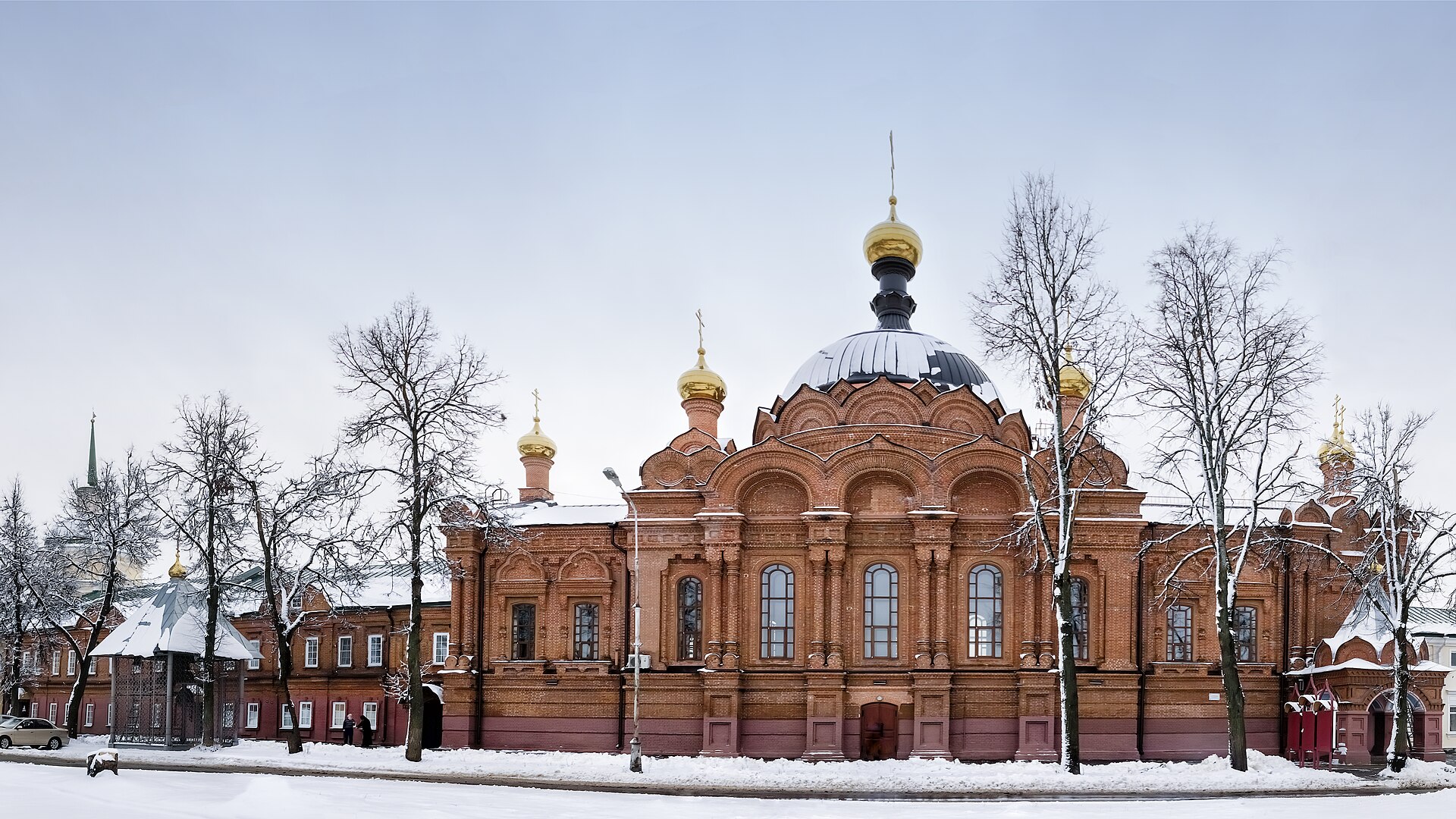
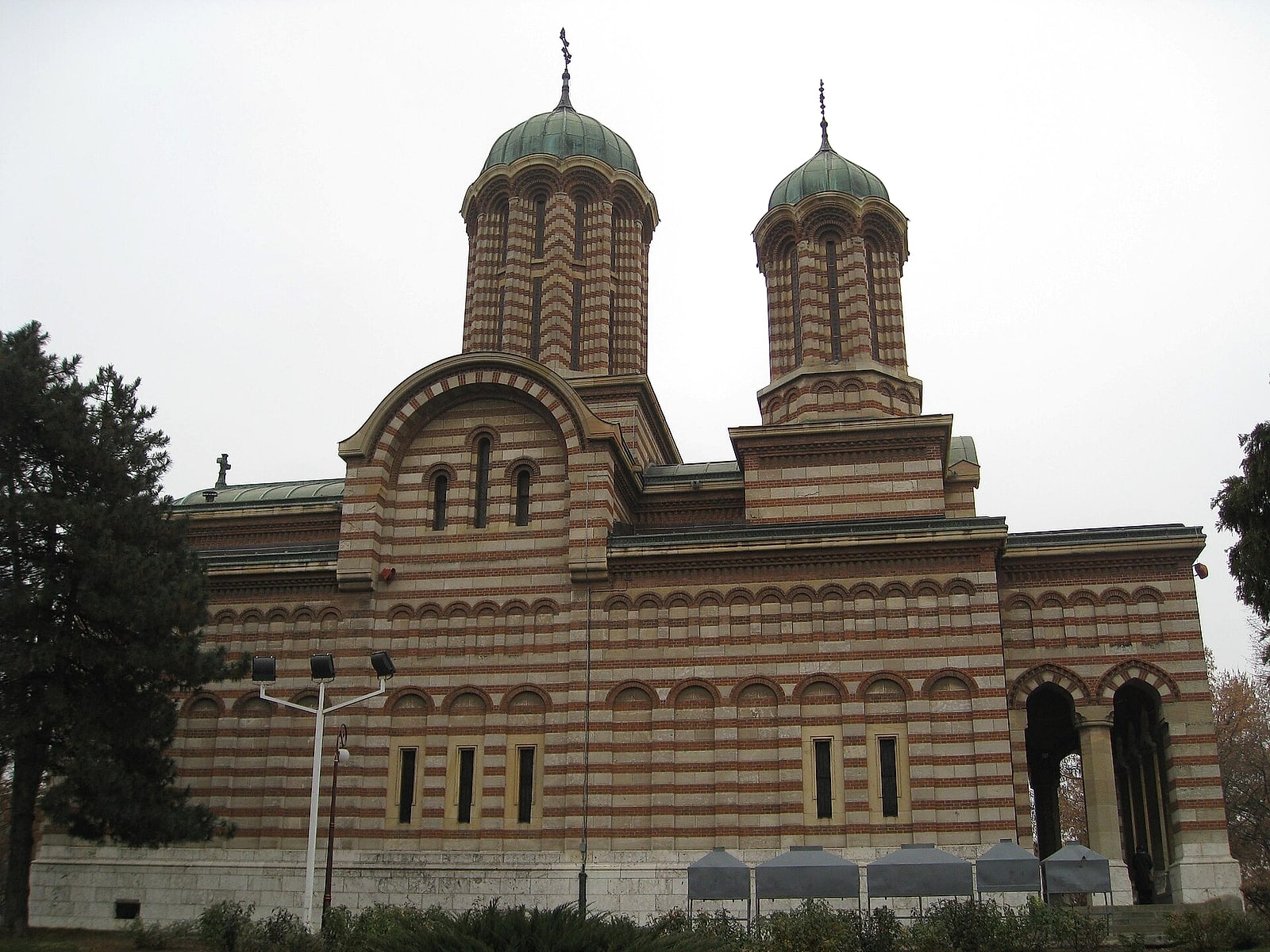
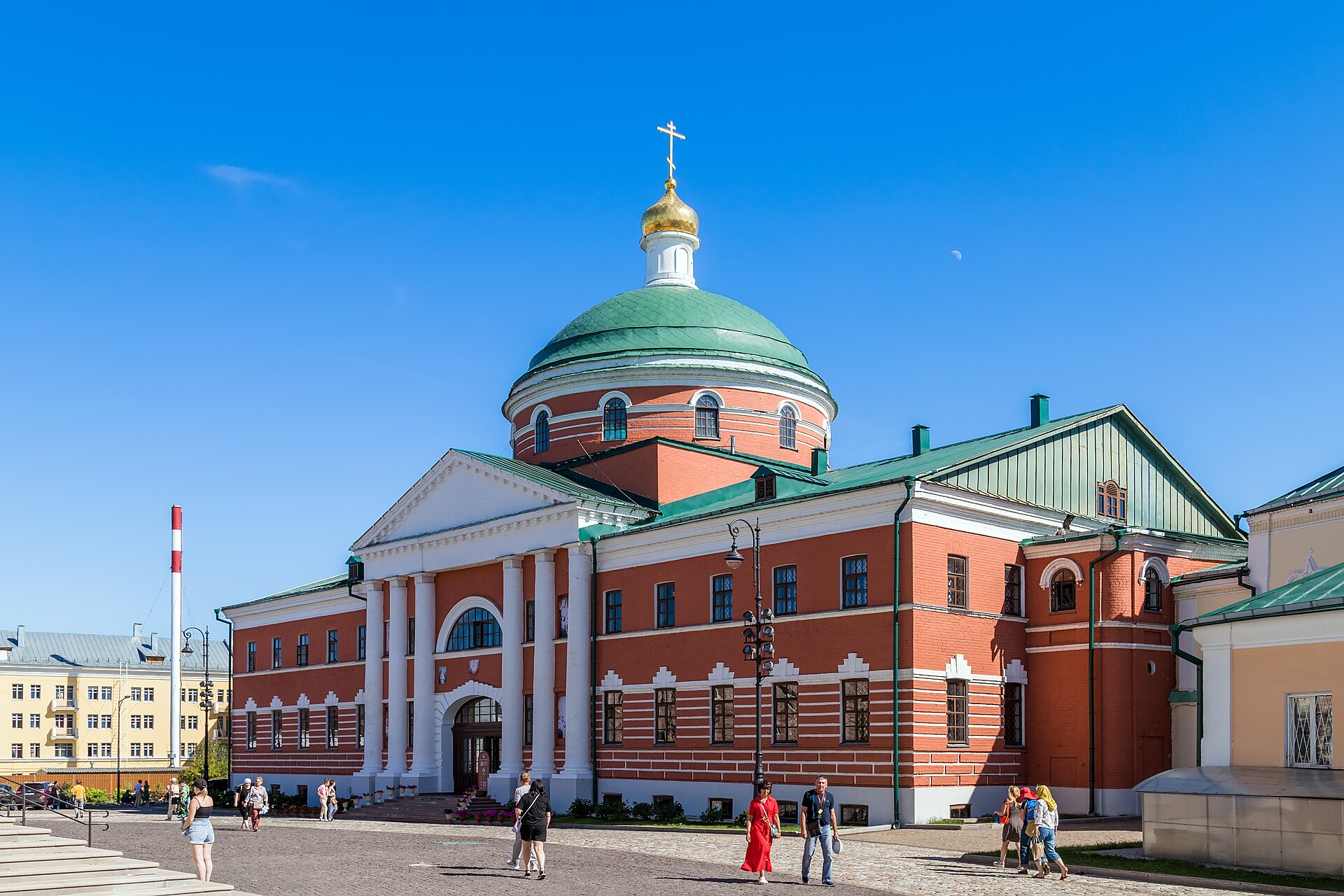
This large church with beautiful brickwork and two towers with crosses sits quietly among the trees. I took the picture myself this morning.
Biserica asta mare cu cărămidă frumoasă și cele două turnuri cu cruci stă liniștită printre copaci. Am făcut poza chiar eu azi-dimineață.
🌐 Show original
I
Ioana Stan
This red brick church looks durable, you can see that the masonry was done properly. Saint Nicholas, the patron saint of sailors, is a perfect match for her tall towers.
С
Светлана Новикова
The red brick is arranged in regular rows, it can be seen that the masons worked carefully at the corners. The towers appear to have been erected around the 1880s, as their proportions show.
D
Damien Moreau
The red brick looks uniform in this picture as well, but the tilt of the tower on the right really catches the eye as Elena Florea said.
L
Luke Johnson
The red brick looks properly laid in straight courses. That slight lean on the right tower is more noticeable than I thought it would be.
O
Sep 11

At NBCUSA denominational meeting, leaders, advocates and AOC urge midterm voter turnout
· Read the article →
The Bulgarian Orthodox Church marked the 1700th anniversary of the finding of the Holy Cross with a lithium procession through Sofia streets followed by a solemn liturgy at the cathedral. Clergy and thousands of faithful carried icons and candles while singing hymns that recalled St. Helena’s discovery. At the same time the Church of Greece saw Metropolitan Athanasios of Limassol deliver a series of talks on spiritual life to packed halls in several dioceses. In Romania, firefighters in Timișoara received a special blessing on the feast of their patron, St. Joseph the New of Partoș, with the local bishop praising their daily service. The Serbian Orthodox Church celebrated the Beheading of St. John the Baptist in Priboj with an all-night vigil and in Prijepolje with a moleben for the new school year.
These local observances show how each diocese keeps ancient feasts alive in its own setting. May these communities be remembered in prayer.
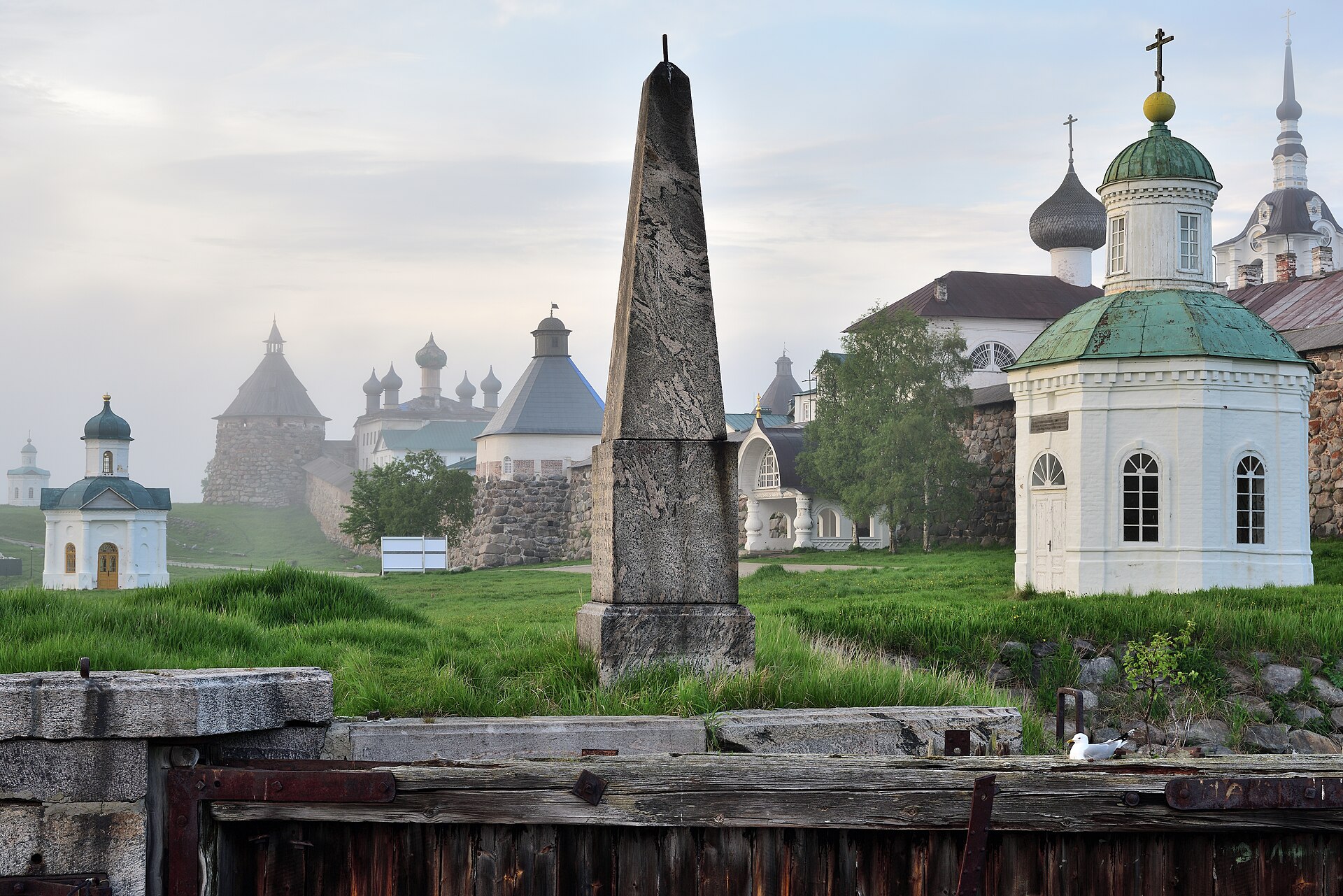
The Orthodox Church in America’s Alaska Diocese wrapped up its pastoral visit to Central City parish this Sunday, with Archbishop Alexis leading services and meeting families in the small Yukon River community. At the same time, the Greek Orthodox Patriarchate of Antioch saw Metropolitan Saba ordain a new priest and deacon at St. George Church in Illinois, strengthening parish life in the Midwest. In Romania, the Olt diocese distributed school supplies to 455 children through the “Help a Student” campaign, while the Serbian Orthodox Church in Prijepolje held a moleben asking God’s blessing on the new academic year for local students and teachers. These quiet, practical steps across distant dioceses show the steady rhythm of parish care and formation that continues week after week. May these communities be remembered in prayer.

Serbian Patriarch Porphyry met with a government minister this week to discuss practical matters affecting church life and state cooperation. The conversation touched on legal protections for parishes, support for religious education, and joint efforts on social projects. At the same time the Serbian Church held a moleben in Prijepolje asking blessing for the new school year, while Romanian parishes in Huedin observed the first official Day of the Romanian Martyrs under Horthyist occupation. In Illinois the Antiochian Archdiocese saw Metropolitan Saba ordain a new priest and deacon, strengthening local clergy. Bulgarian hierarchs issued a statement on the suspension of Archimandrite Nikanor and continued commemorations for the 1700th anniversary of the finding of the Holy Cross with processions and special services. These ordinary steps keep parishes steady and connected to their people. May the Lord grant wisdom to all the communities involved.
In Gorlice, Poland, the faithful gathered for vibrant festivities honoring St. Maximus the Confessor, with processions, liturgical services, and talks that drew hundreds from the region. The Church of Poland marked the day with special emphasis on his defense of orthodox faith amid trials. At the same time, the Bulgarian Orthodox Church held a lithium procession and solemn services commemorating 1700 years since the finding of the Holy Cross. The Serbian Orthodox Church observed the central celebration for the Holy New Martyrs of Jasenovac, focusing on remembrance and prayer for the victims. Meanwhile, the Orthodox Church in America announced its annual DOM Liturgical Practicum, inviting clergy and laity to deepen their understanding of worship. These varied observances show how different local churches keep ancient feasts and modern formation alive in practical ways. How did your own parish keep the memory of a saint or martyr this month?

O
Sep 11

Pope Leo XIV grants jubilee year for 50th anniversary of new Basilica of Guadalupe
· Read the article →
Youth programs grounded in the Antiochian tradition drew fresh attention this week as Metropolitan Saba ordained a new priest and deacon at a parish in Illinois, directly supporting the formation of clergy who often lead summer camps like Camp Transfiguration. The same Antiochian diocese also held a public event in the Bekaa Valley honoring retired special-education teachers, many of whom volunteer with youth formation across the region.
Meanwhile the Romanian Orthodox Church prepared a theatrical performance at Mărcuța Parish in Bucharest dedicated to Saint Pious Platonida, an event that will include local youth choirs and catechists. In the Serbian Orthodox Church, central commemorations for the Holy New Martyrs of Jasenovac brought together families and teenagers for services that emphasize resilience and forgiveness, themes echoed in many Orthodox youth curricula.
These coordinated efforts across jurisdictions keep the next generation connected to the faith through concrete service, liturgy, and shared memory. Such formation quietly shapes the future of parish life.
The Romanian Orthodox Church sent Bishop Maxim Danubian to the international Orthodox Spirituality Conference at Bose, where the life of St Pachomius took center stage. The gathering drew monks, scholars, and laypeople from several traditions to examine how the saint’s rule shaped early cenobitic monasticism. In Athens, the Church of Greece highlighted the same legacy in a public talk by Romanian Metropolitan Daniel, stressing that true unity among Christians rests in Christ rather than in external structures. Meanwhile the Bulgarian Orthodox Church marked 1700 years since the finding of the Holy Cross with a lithium procession through Sofia, and the Orthodox Church in America continued its annual pilgrimage to the Hermitage of the Annunciation in Redding.
These events show how the memory of the desert fathers still guides concrete parish and diocesan life across continents. How has the example of St Pachomius or the early monks shaped the rhythm of your own parish lately?
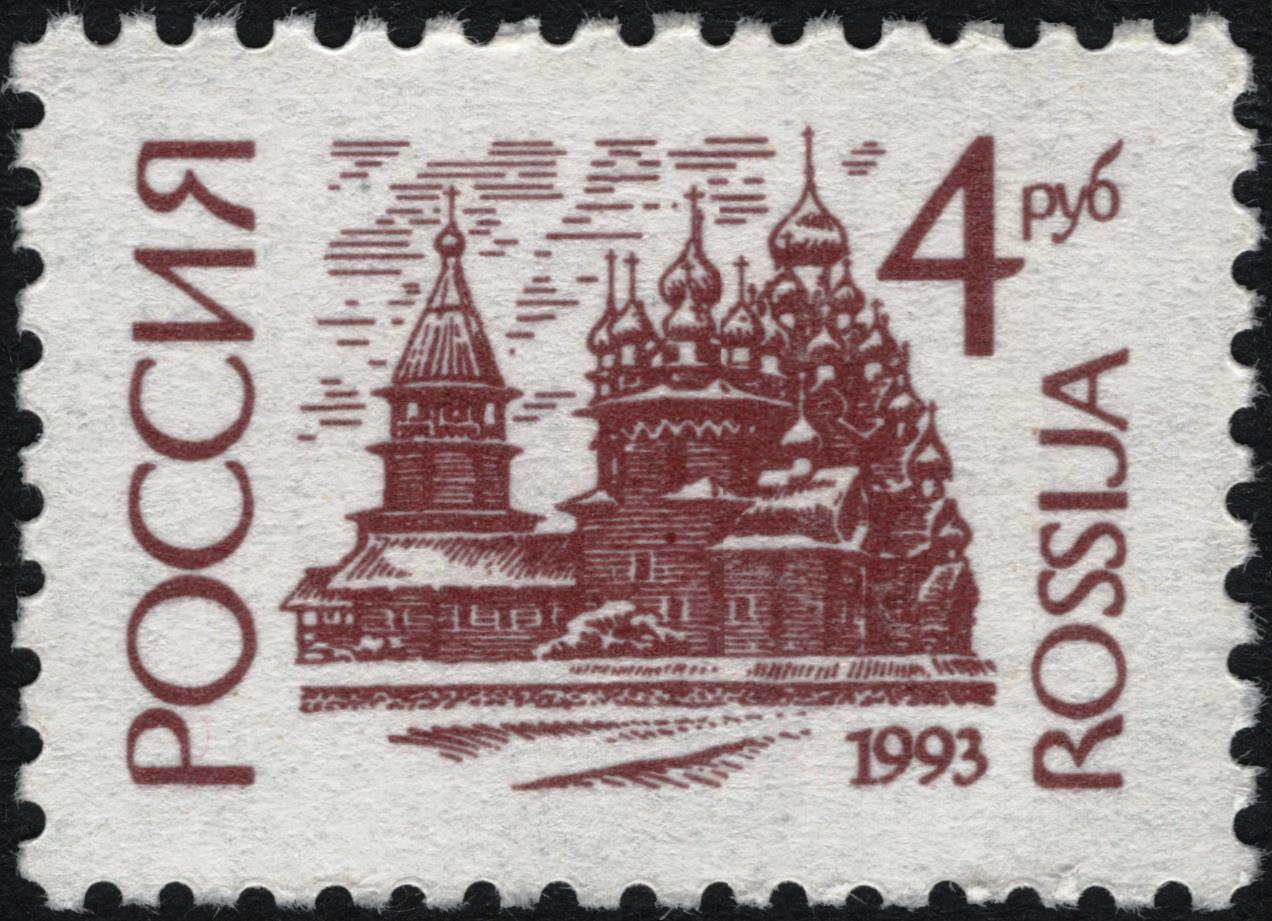
The Bulgarian Orthodox Church marked the 1700th anniversary of the finding of the Holy Cross with a lithium procession through Sofia followed by solemn liturgy at the patriarchal cathedral. Clergy and faithful carried processional crosses and icons while chanting the troparion of the feast. At the same time, the Romanian Orthodox Church uncovered the ancient gate in Alba Iulia through which Michael the Brave once entered, linking archaeology to living memory of the nation’s Christian roots. The Serbian Orthodox Church held a full liturgical celebration for Saint Stephen of Tronoški, drawing pilgrims to the monastery for vespers and the Divine Liturgy. In Jerusalem, workers reported that restoration inside the Church of the Resurrection is nearly finished, allowing better access for prayer at the site of the Lord’s tomb. These quiet acts of remembrance keep the calendar alive across distant dioceses.
May these communities be held in prayer today.
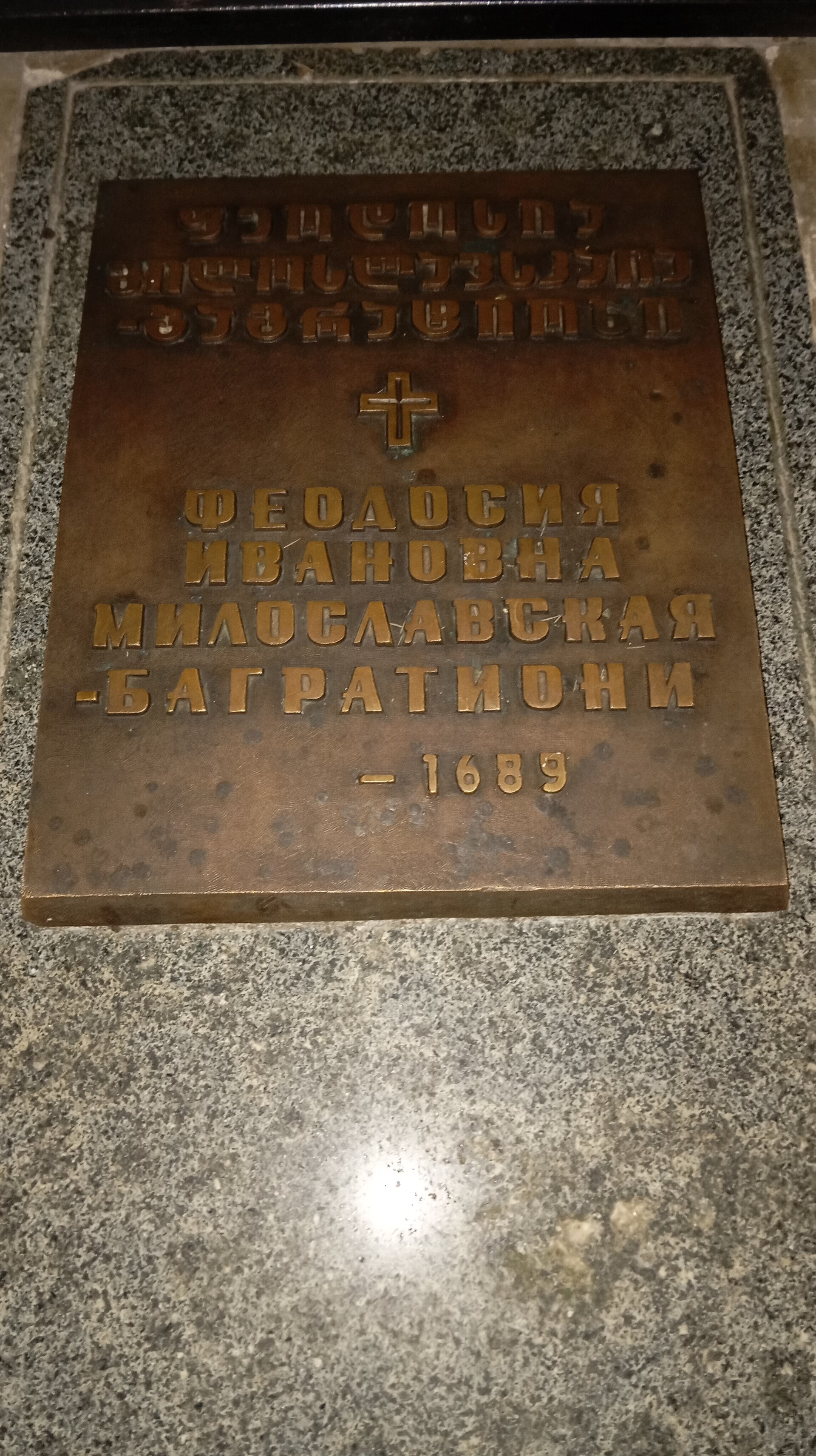
The Antiochian Orthodox Christian Archdiocese of North America launched its annual Camp Transfiguration youth program this week, drawing teens from several states for a week of prayer, outdoor challenges and teachings rooted in the Transfiguration feast. In Illinois, Metropolitan Saba of the Greek Orthodox Patriarchate of Antioch recently ordained a new priest and deacon at St. George Church, strengthening local clergy for work with young people. Meanwhile, the Orthodox Church in America held its annual pilgrimage at the Hermitage of the Annunciation, where families joined talks on living the faith in daily life. The Bulgarian Orthodox Church marked 1700 years since the finding of the Holy Cross with a lithium procession and special services in Sofia, reminding everyone of the power of the Cross that the camp youth also carry in their hikes and evening prayers. These quiet efforts keep the next generation connected to the Church’s rhythm.
May the light of the Transfiguration shine brightly on all the youth and their pastors.
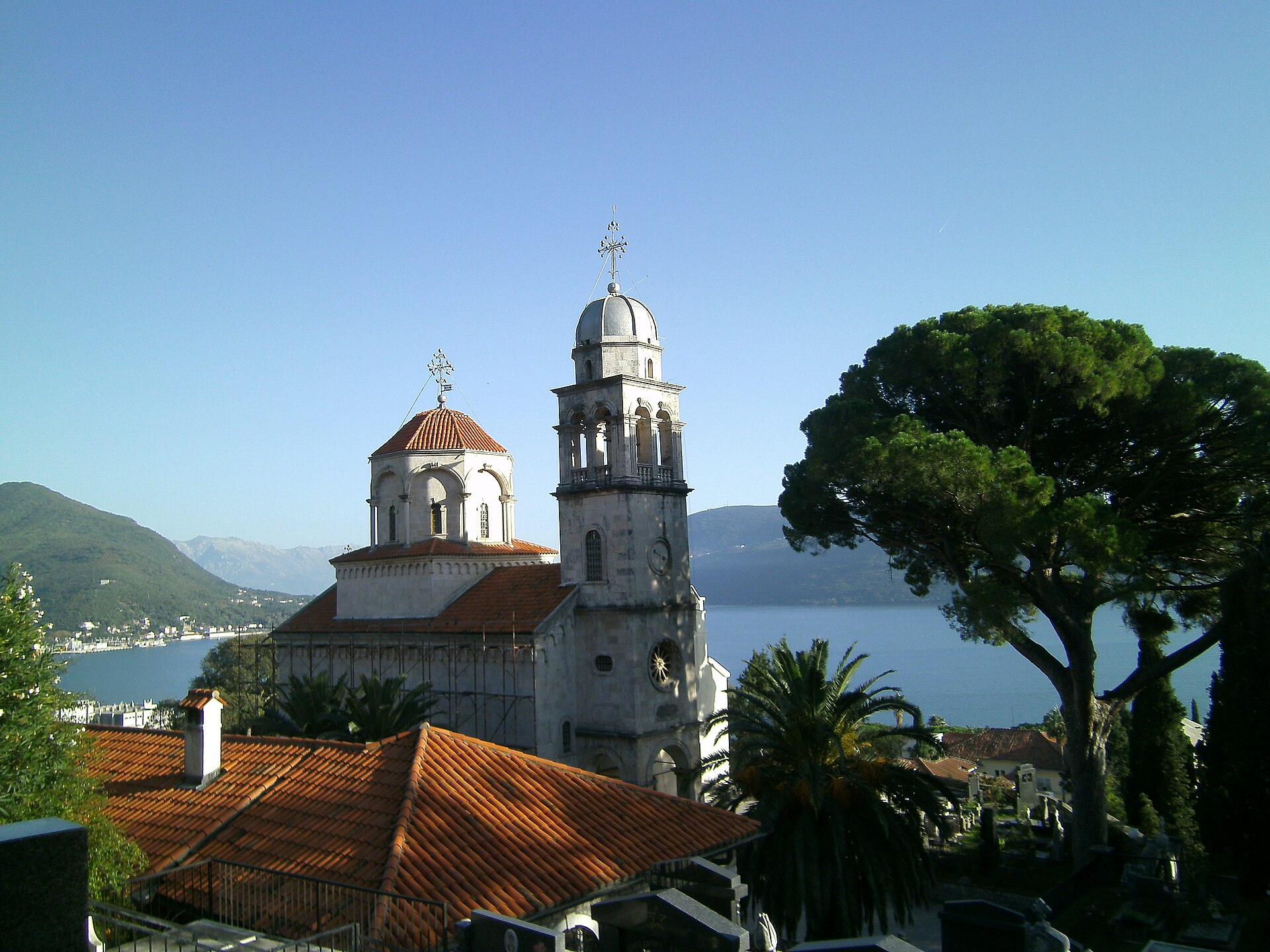
O
Sep 11

Bishop Barron’s new film explores beauty of France’s gothic cathedrals ahead of pope’s visit
Ecumenical Patriarchate of Constantinople · Read the article →
An international conference at the Bose monastic community in Italy brought together scholars and monastics to explore the life and rule of St Pachomius, the father of cenobitic monasticism. The Romanian Orthodox Church took a leading role in the gathering, with several hierarchs and theologians presenting papers on how his communal vision still shapes monasteries across the region. At the same time the Bulgarian Orthodox Church marked 1700 years since the finding of the True Cross with a lithium procession and special services in Sofia. In Greece, parishes of the Church of Greece held Agiasmos services and offered prayers for the new school year. The Serbian Orthodox Church celebrated the anniversary of the Church of the Nativity of the Theotokos in Visegrad with liturgies and local gatherings. These quiet commemorations and academic exchanges show how the early monastic tradition remains a living reference point for Orthodox life today.
How has your own parish or monastery drawn on the example of St Pachomius this year?
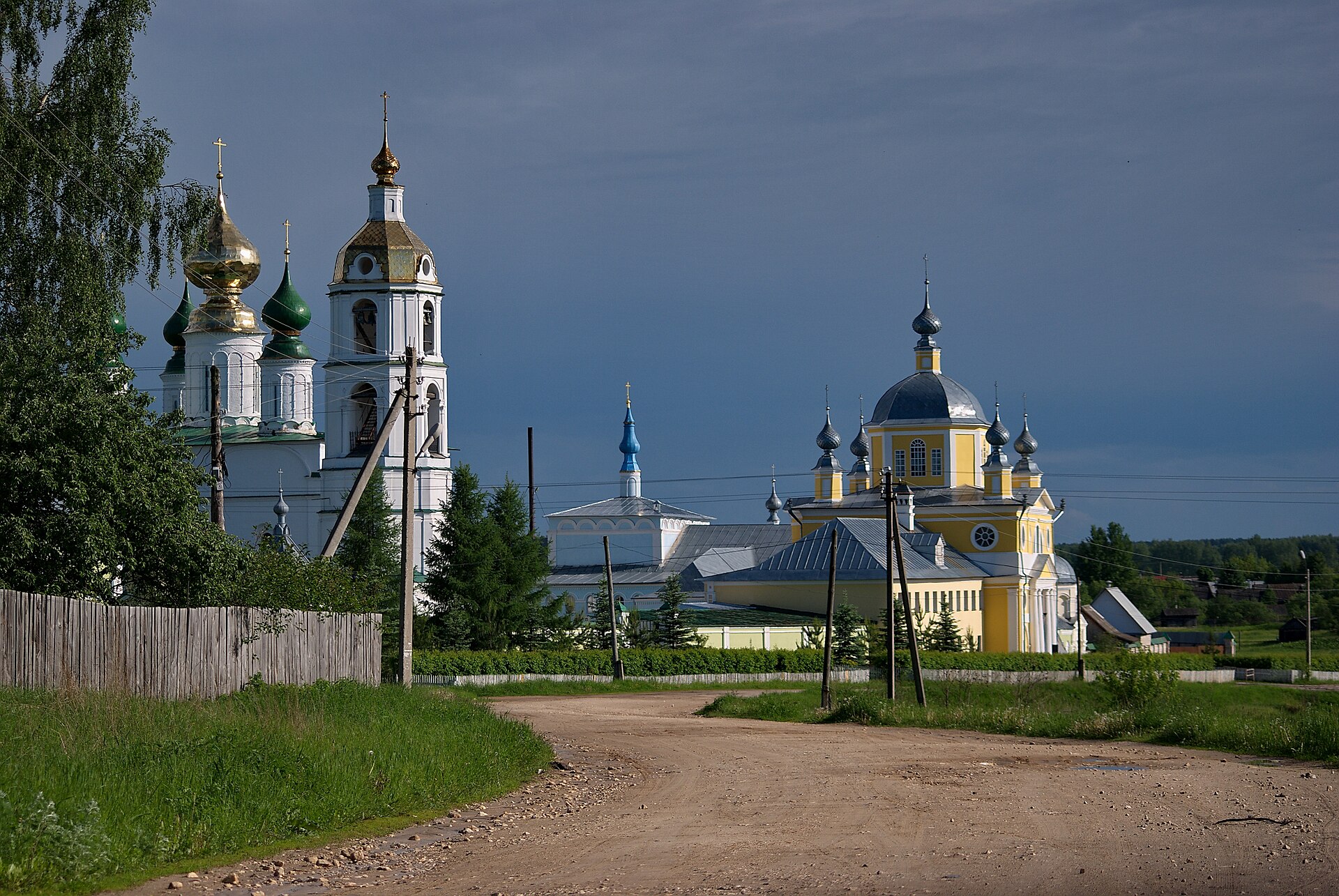
In Gorlice, Polish Orthodox believers gathered for a lively festival honoring St Maximus the Confessor, filling the local church with hymns, talks on his writings, and shared meals that lasted well into the afternoon. The Greek Orthodox Patriarchate of Jerusalem reported that restoration crews are nearly finished with repairs inside the Church of the Resurrection, allowing pilgrims to move more freely around the ancient stone walls again. Over in Romania, Bishop Timotei reminded families that the relics of St Anne remain a quiet source of hope for those praying for children, with several new baptisms already attributed to her intercession. The Bulgarian Orthodox Church marked 1700 years since the discovery of the True Cross with a lithium procession through Sofia streets, drawing large crowds who carried icons and sang the troparion late into the evening. Serbian parishes in Prijepolje held a simple moleben for teachers and students starting the new school year, asking for protection and clear minds. All these small acts of memory and prayer keep happening side by side.