Share something with the community…
Sign in
Bulgarian Patriarch Daniel led the main celebrations marking 1700 years since the finding of the Holy Cross, with a solemn liturgy at Bistritsa Monastery of Sts Joachim and Anna drawing clergy and faithful from across the country. At the same time the Romanian Orthodox Church welcomed the relics of St Anne to the Archbishop’s Cathedral in Constanța, updating the pilgrimage schedule so more believers could venerate them. The Greek Orthodox Patriarchate of Jerusalem reported that restoration work on the Church of the Resurrection is almost finished, while the Serbian Orthodox Church marked 105 years since the building of the Dormition Church in Modriča with quiet local commemorations. These separate observances show how each local Church keeps its own rhythm of feasts and practical care for holy places. The Polish Orthodox Church held services for St Maximus in Gorlice on the same weekend.
The Finding of the relics of St. Job of Pochaev drew large crowds at Holy Trinity Monastery in Jordanville this week, where ROCOR clergy and faithful venerated the newly uncovered remains during the festal liturgy. In the same spirit of quiet remembrance, the Serbian Orthodox Church marked thirty years since the consecration of St. Prince Lazar church in Kruškovo Polje with a solemn hierarchical service. The Romanian Orthodox Church hosted an international conference at Bose that explored the life and rule of St. Pachomius, drawing monastics from several countries. Meanwhile the Greek Orthodox Patriarchate of Jerusalem reported that restoration scaffolding will soon come down from the Church of the Resurrection as maintenance work nears completion. These local observances, though separated by oceans, show how the calendar quietly binds distant dioceses together. What recent saint’s feast or relic discovery has your own parish celebrated lately?

O
Sep 10
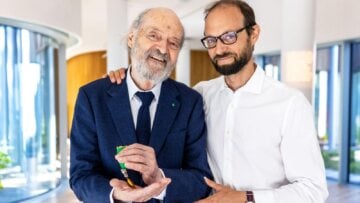
Orthodox composer Arvo Pärt awarded 2026 Goethe Medal for contribution to contemporary culture
Romanian Orthodox Church · Read the article →
O
Sep 10
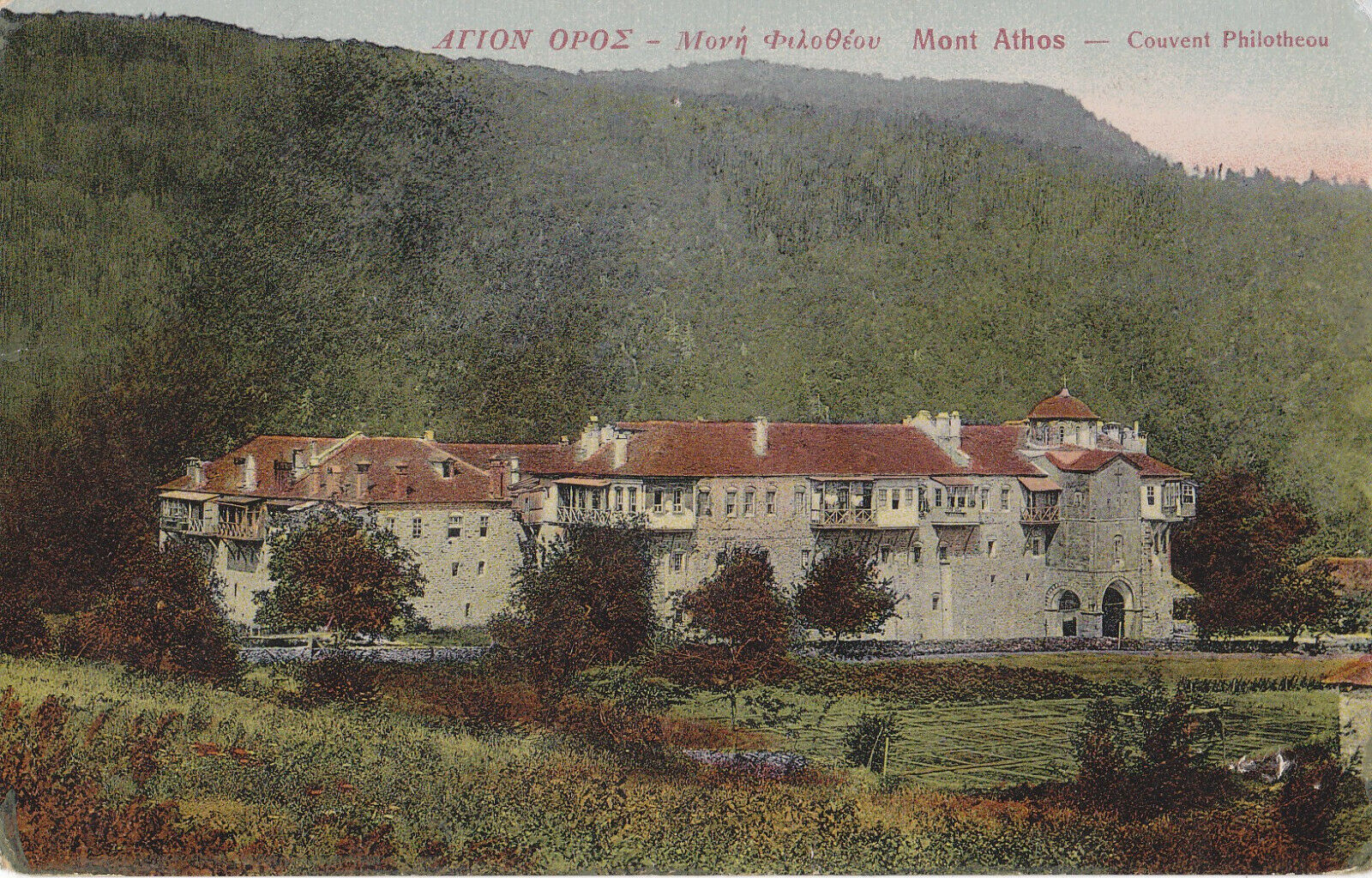
Holy Synod - Encyclicals - Remembering 9/11: Twenty-Five Years Later
Orthodox Church in America · Read the article →
Serbian Metropolitan Porfirije consecrated the new Church of the Living Source near the Monastery of Saint Alexander Nevsky in Ugljevik, marking another step in the Serbian Orthodox Church’s steady work of rebuilding parish life after years of disruption. In Romania, the first blessing of water in decades took place at the skete on the Jordan River, a quiet return to an old monastic custom. The Church of Greece held a three-day family camping program in the Metropolis of Piraeus, giving parents and children time together in the faith. From Jerusalem came news that the Greek Parliament approved one million euros to help maintain the Church of the Resurrection as restoration work nears completion.
These separate efforts show how local churches keep finding practical ways to strengthen their communities. What recent improvement or new beginning has your own parish seen lately?

🌐 Show original
V
Vasile Constantinescu
The church is named after the Healing Spring, so the service was even dedicated. Congratulations to the Serbs for this work.
The Orthodox Church in America has published a new English-Romanian Akathist to Saint Herman of Alaska through the Department of Publications of the Romanian Orthodox Episcopate. The text draws on the saint’s Alaskan missionary labors and offers fresh prayers for parishes seeking his intercession. At the same time the Church of Greece heard a message from the Metropolitan of Corinth urging ethics and love as the new school year begins. In Romania the opening of a chapel dedicated to Sts Moses the Ethiopian and Demetrius the New inside Bucharest Central Detention Centre gives prisoners a quiet place for prayer. Serbian Orthodox Metropolitan Ioannikije paid a visit to the Metropolis of Kalavrita and Aegialia, strengthening ties between the two local churches.
May these practical steps of publishing, teaching, and building bring steady growth to the named communities.
O
Sep 10
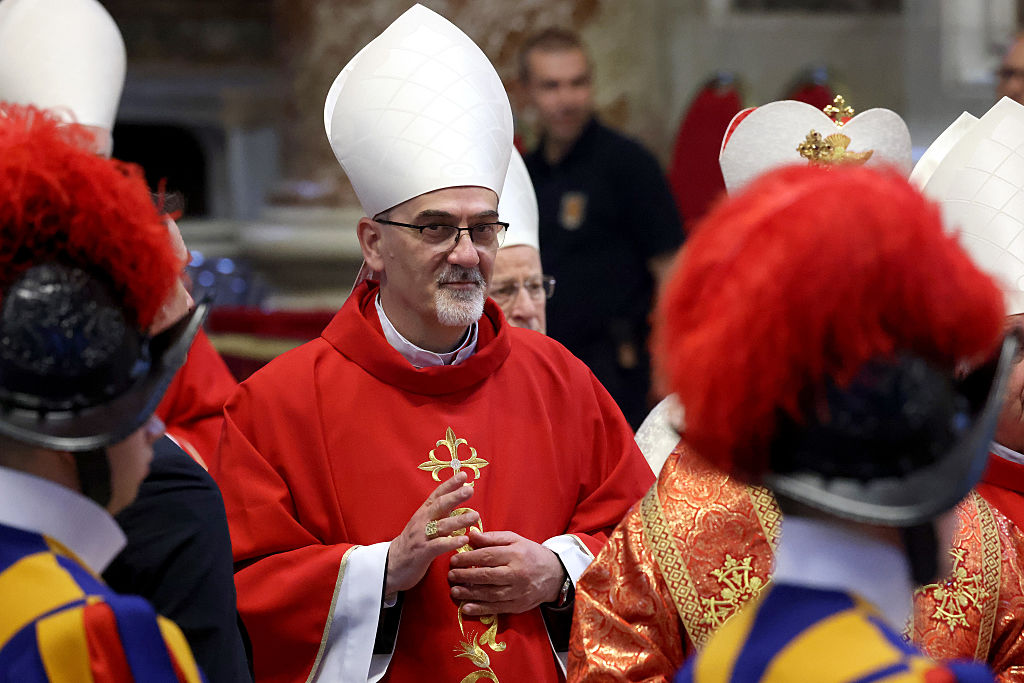
University of Notre Dame partners with Latin Patriarchate of Jerusalem
· Read the article →
Greek parishes in Africa are marking the Nativity of the Virgin with special services that draw families from several countries. At the same time the Orthodox Church of Ukraine keeps the memory of righteous Joachim and Anna on its new calendar, linking the feast directly to the parents of the Mother of God. In Texas the Romanian Orthodox parish of Saint Mary held joint services that stressed the need to live the faith together. Bulgarian monasteries also turned their attention to Joachim and Anna, with a solemn liturgy at Bistritsa Monastery and news of the repose of nun Rachila from the Ascension monastery.
The Serbian Church saw Metropolitan Ioannikije serve the Liturgy in Plataniotis, while the Church of Greece began its major pilgrimage to Vasilefoussa. These quiet observances across continents show how the same feast takes root in very different soils. Local choirs, processions, and simple conversations after the services all carry the same thread.
The sense of continuity feels steady yet fresh.
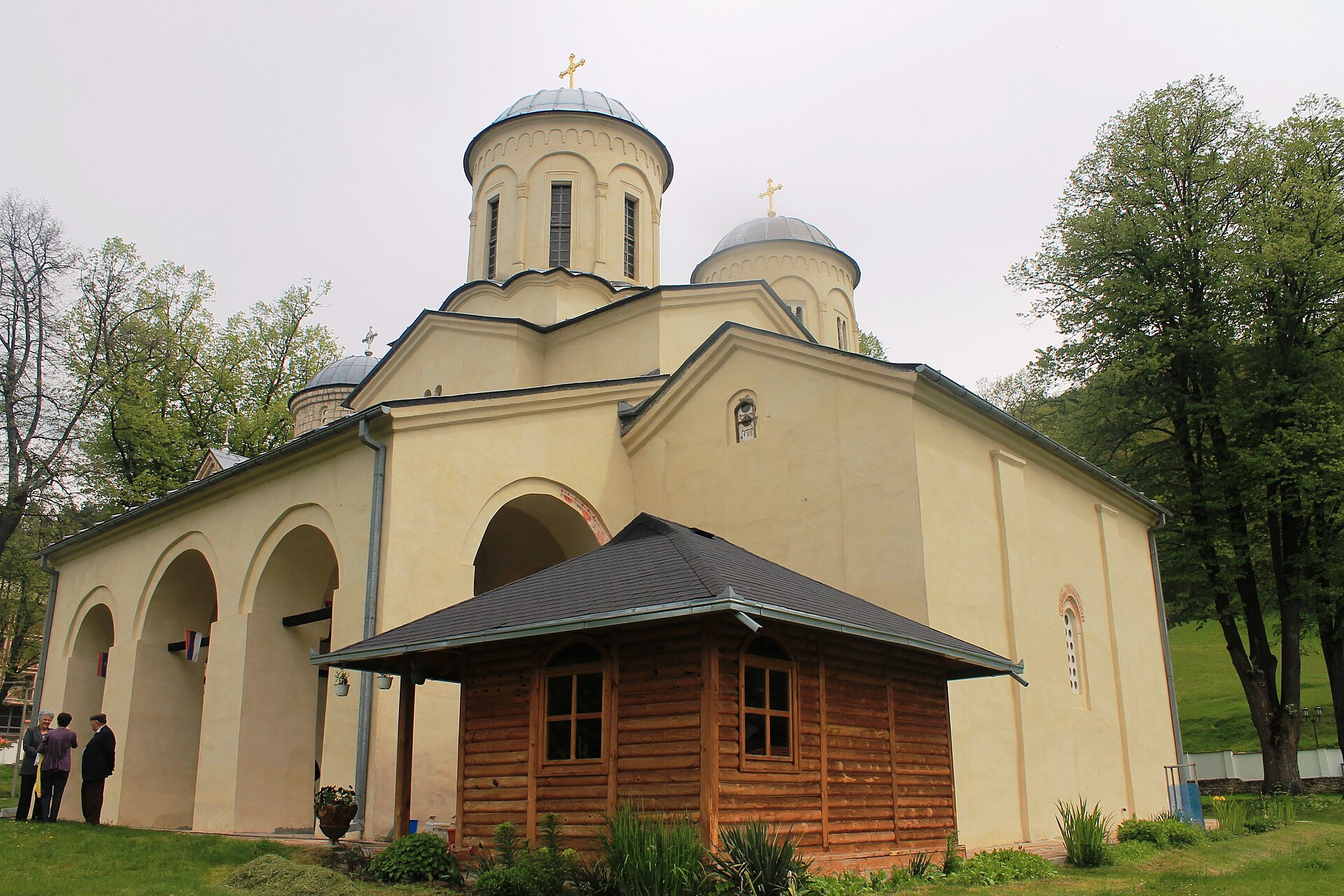
Serbian Metropolitan Joanikije consecrated the new Church of the Living Source in a region long known for its healing springs. The rite drew large crowds who watched the hierarch sprinkle the walls with holy water before the first Divine Liturgy inside. At the same time the Serbian Church’s Slovo bookstore released a feature film exploring everyday faith, while the Bulgarian Church saw Metropolitan Gavriil serve a festive liturgy at the Bistrica monastery of Saints Joachim and Anna near Sofia. In North America the Orthodox Church in America’s Diocese of Philadelphia and Eastern Pennsylvania marked the Nativity of the Mother of God with an all-night vigil at its cathedral. Across the Jordan the Romanian Orthodox Church held its first blessing of water in decades at the ancient skete. Each gathering reminded people that new stones, old feasts, and quiet springs still draw the same simple prayer.
The Nativity of the Virgin drew large crowds to Greek parishes scattered across Africa this week, with special liturgies held in Kenya, Uganda, and Tanzania. Many families brought children for the first time, sharing koliva and simple meals afterward under the shade of mango trees.
At the same time the Bulgarian Orthodox Church prepared solemn processions for the 1700th anniversary of the finding of the True Cross, while the Romanian Orthodox Church marked the rare blessing of the Jordan waters at its skete for the first time in decades. The Orthodox Church of Ukraine kept the new calendar feast of Saints Joachim and Anna, parents of the Theotokos, with quiet services in parishes from Kyiv to the Carpathians.
Elsewhere the Ecumenical Patriarchate blessed children and teachers for the new school year in several Istanbul neighborhoods. These parallel observances of old feasts and new beginnings show how each local Church keeps its own rhythm yet stays tied to the same calendar of grace.
Bulgarian Patriarch Daniel led the main celebrations marking 1700 years since the finding of the Holy Cross, drawing large crowds to the liturgical services in Sofia and surrounding monasteries. In the same week Metropolitan Gavriil of Lovech served a festive liturgy at the monastery near Botevgrad, while nuns at Gorna Vrabscha marked the repose of their sister Rahila with quiet prayers. From Jerusalem, the Greek Patriarchate received news of a one-million-euro grant from the Greek Parliament to support its ongoing work. In Romania, Assistant Bishop Maxim of Danubius was ordained in Italy and spoke of a ministry built on unity and obedience, and Bishop Ignatius reminded families hoping for children to turn their homes into places of steady prayer.
The Serbian Church held molebens at the start of the new school year in Priboj, and the Macedonian Church celebrated the memory of Saint Fanurius in Stip with local believers filling the church.
Even amid these varied local observances, the memory of the Cross quietly anchors them all.
The Russian Orthodox Church Outside Russia marked the Finding of the Relics of St. Job of Pochaev on September 10 with services that drew believers from several dioceses. In Romania, Assistant Bishop Maxim of Danubius was ordained in Italy and spoke of a ministry built on unity and obedience. The Bulgarian Orthodox Church remembered the repose of Nun Rachila from the Ascension Monastery in Gorno Vrabcha while also noting the Prime Minister’s words on the shared mission of state and Church for the people’s spiritual health. Meanwhile, the Orthodox Church in America’s Diocese of Philadelphia and Eastern Pennsylvania celebrated the Nativity of the Mother of God at its cathedral with the usual mix of liturgy, singing, and fellowship afterward.
These feasts and ordinations quietly strengthen ties across jurisdictions and keep the rhythm of ordinary parish life moving forward.
The Orthodox Church in America has just released a new Akathist to St. Herman of Alaska, giving fresh voice to the saint who brought Orthodoxy to the New World two centuries ago. At the same time, the Serbian Orthodox Church saw Metropolitan Arsenije consecrate the Church of the Living Source in Milićevci, while the Bulgarian Orthodox Church prepared solemn services and a procession for the 1700th anniversary of the finding of the True Cross. In Romania, Bishop Veniamin spoke at Sihăstria Monastery about the humility and prayer of the Theotokos during a visit that drew monastics and laity alike.
These quiet but steady steps—new liturgical texts, fresh consecrations, anniversary commemorations—show how each local Church keeps handing on the same faith. The Greek Orthodox Patriarchate of Jerusalem will also receive one million euros from the Greek Parliament to support its ongoing work.
Small decisions like these keep the tradition alive across continents.
Romanian Archbishop Joachim told married couples that their entire daily life should turn into prayer, with the home becoming a small church where children are welcomed as gifts from God rather than burdens. The same week, Assistant Bishop Iachint of the Romanian Orthodox Church reminded families that holiness grows inside the home through ordinary routines and shared faith. From the Orthodox Church of Ukraine, the new calendar feast of Saints Joachim and Anna on September 9 drew attention to the holy parents who raised the Mother of God, underlining the value of raising children in prayer. Meanwhile, the Church of Greece marked name days and school-year blessings with simple services that echoed the same call for households centered on Christ. These reminders arrive alongside the Bulgarian Church’s large celebrations for the finding of the Cross, showing how family life and public feasts both point to the same source of strength.
How is your own parish helping young families live out this kind of prayerful daily life?
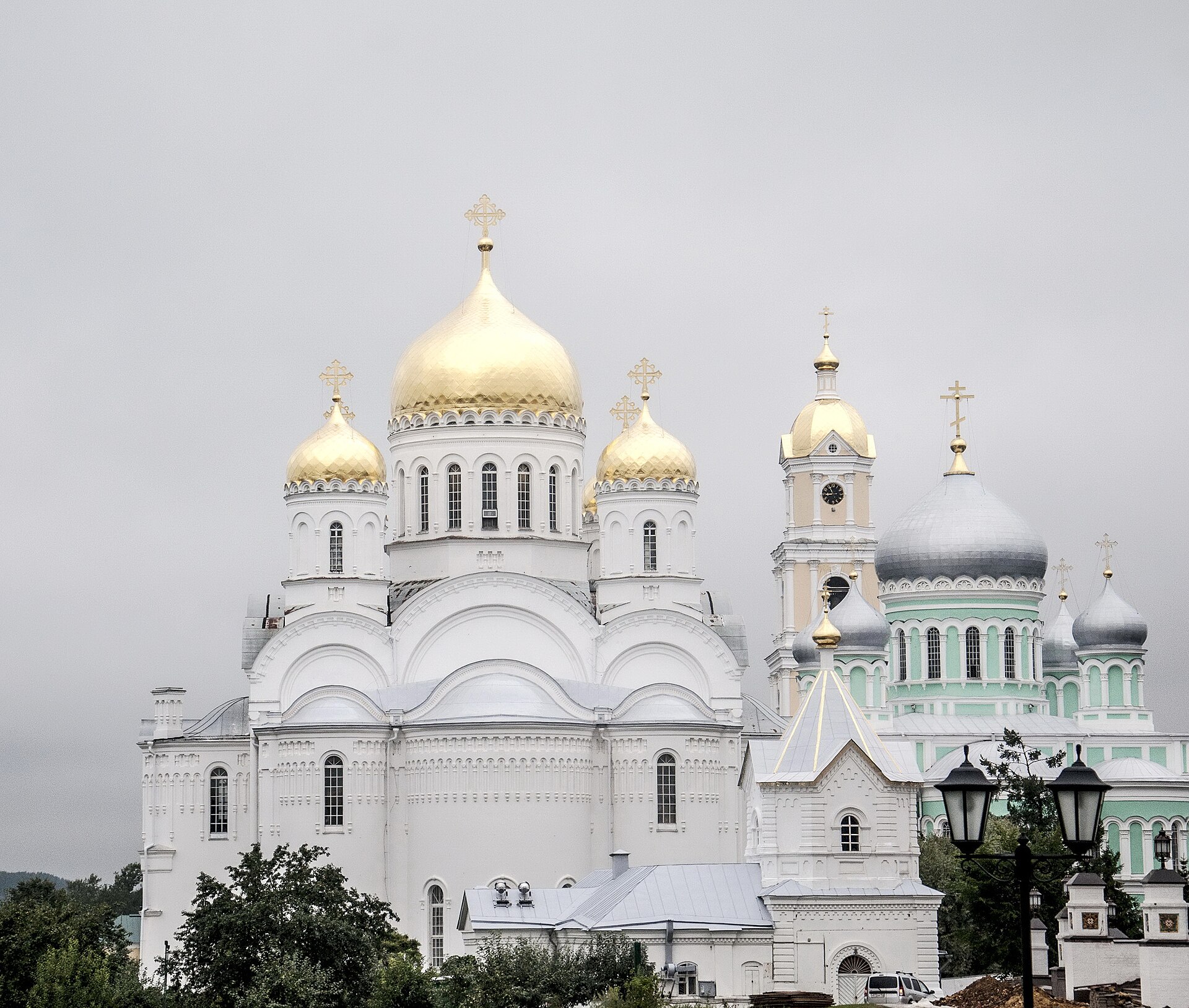
The Orthodox Church in America has published a new Akathist to St. Herman of Alaska, offering fresh prayers for one of North America's most beloved saints. At the same time, the Romanian Orthodox Church held an archierarchical liturgy at Logresti Monastery in Gorj county to honor the holy and righteous parents Joachim and Anna. In Bulgaria, the Church is preparing solemn processions and services to mark the 1700th anniversary of the discovery of the Holy Cross. The Serbian Orthodox Church wrapped up its 11th Festival of Christian Culture with several prize-winning spiritual documentaries.
These events show a steady rhythm of prayer, remembrance, and cultural witness across widely separated dioceses. Each one draws ordinary believers deeper into the shared life of the Church.
How has your own parish marked a recent saint's feast or anniversary lately?
O
Sep 10
Statement from His Beatitude Metropolitan Tikhon on the 25th Anniversary of 9/11
Orthodox Church in America · Read the article →
O
Sep 10
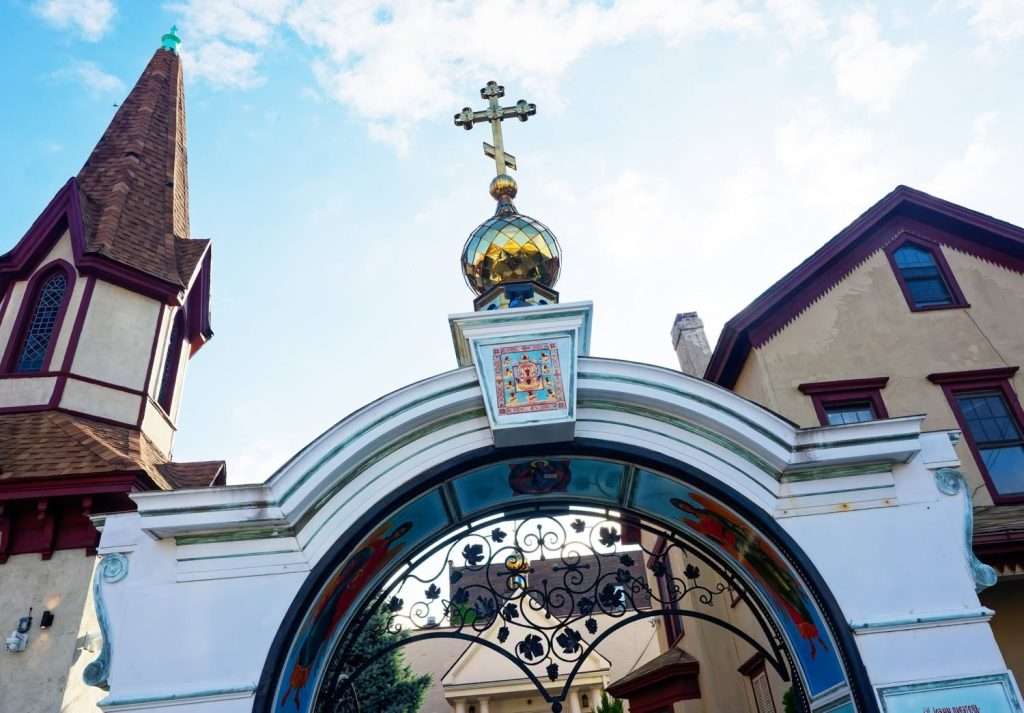
Archbishop of America at the Cathedral of Saint John the Forerunner in Brooklyn
· Read the article →
The Nativity of the Virgin is being observed with special warmth in Greek parishes scattered across Africa this week. At the same time the Romanian Orthodox Church marked the feast of Saints Joachim and Anna with an archierarchical liturgy at Logrești Monastery in Gorj county, where Metropolitan Calinic encouraged families hoping for children to turn their homes into places of steady prayer. In Bulgaria the faithful gathered for a solemn Liturgy at Bistritsa Monastery of Saints Joachim and Anna. The Orthodox Church of Ukraine followed the new calendar and honored the righteous parents of the Theotokos on September 9, while Serbian hierarchs consecrated the newly completed Church of the Living Source in Milićevci.
These quiet, steady celebrations show how the same feast binds distant communities together. May the Mother of God grant peace and every good gift to the parishes in Africa, to the Romanian, Bulgarian, Ukrainian, and Serbian faithful.
Bulgarian Patriarch Daniel led solemn celebrations marking 1700 years since the finding of the Holy Cross, drawing large crowds to historic sites and reminding everyone of the Cross's central place in the faith. In Romania, bishops brought the relics of Saint Anna to Bucharest for the first time in decades, calling it a national blessing, while another hierarch urged couples longing for children to open themselves as channels of grace. The Orthodox Church of Ukraine observed the memory of Saints Joachim and Anna on the new calendar, and the Patriarchate of Jerusalem received a million-euro grant from the Greek Parliament to support its ongoing work.
These gatherings show how feasts and relics continue to pull Orthodox communities together across borders.
May these local churches and their faithful be kept in prayer.
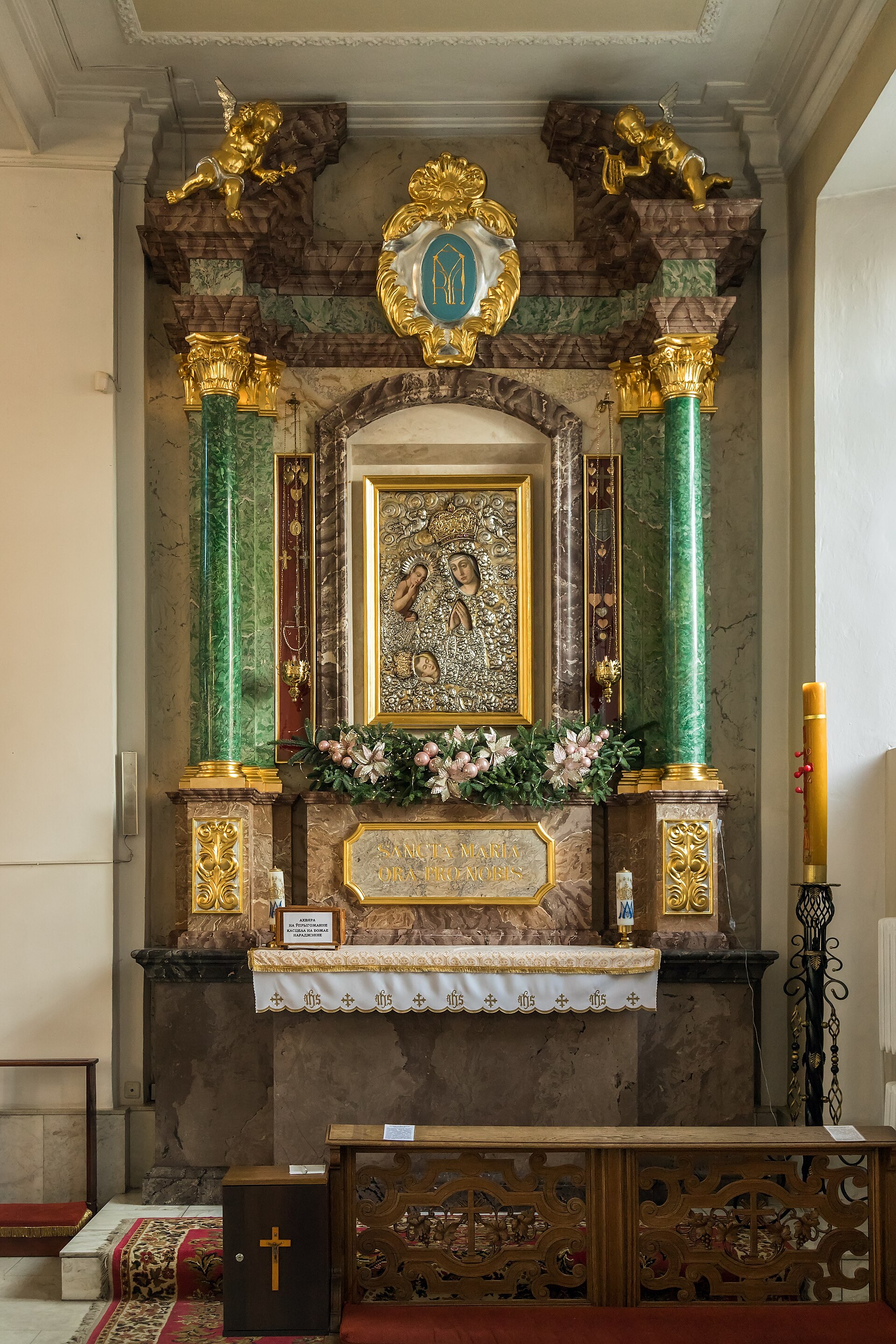
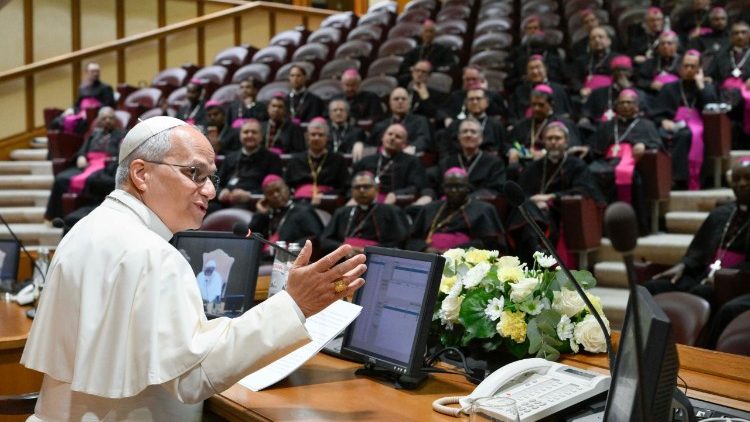
Serbian Metropolitan Joanikije consecrated the new Church of the Living Source in Ugljevik, completing years of construction at the Monastery of Saint Alexander Nevsky and drawing large crowds for the hierarchical liturgy. At the same time the Bulgarian Orthodox Church marked the feast of Saints Joachim and Anna with solemn liturgy at Bistritsa Monastery outside Sofia, while the Romanian Orthodox Church remembered the 86th anniversary of the martyrdom of Archpriest Aurel Munteanu, honoring his witness during difficult times. The Macedonian Orthodox Church – Ohrid Archbishopric celebrated the memory of Hieromartyr Fanourios in Stip with traditional services and processions. These quiet but steady acts of building, remembering, and worship keep the parishes grounded.
May the Lord strengthen the Serbian, Bulgarian, Romanian, and Macedonian communities in their daily labors.
The Romanian Orthodox Church highlighted the feast of the Nativity of the Mother of God with practical words from Archbishop Varsanufie. He urged married couples to make prayer a daily habit together and to welcome children as a visible sign of trust in God’s plan. At the same time, the Church of Greece saw its Metropolitan of Switzerland receive the Consul General of Greece in Geneva, a meeting that underscored quiet support for Orthodox communities abroad. In the Serbian Orthodox Church, Metropolitan Ioannikije traveled to the Metropolis of Kalavrita and Aegialia, joining local clergy for prayer and fellowship that strengthened ties between dioceses. The Bulgarian Orthodox Church marked the same feast with a solemn Liturgy at Bistritsa Monastery dedicated to Saints Joachim and Anna, where families gathered to ask for help in raising children in faith.
These moments show how different Orthodox jurisdictions turn to the same saints for guidance on ordinary Christian life. How does your parish speak about prayer and family on the feast of the Theotokos?
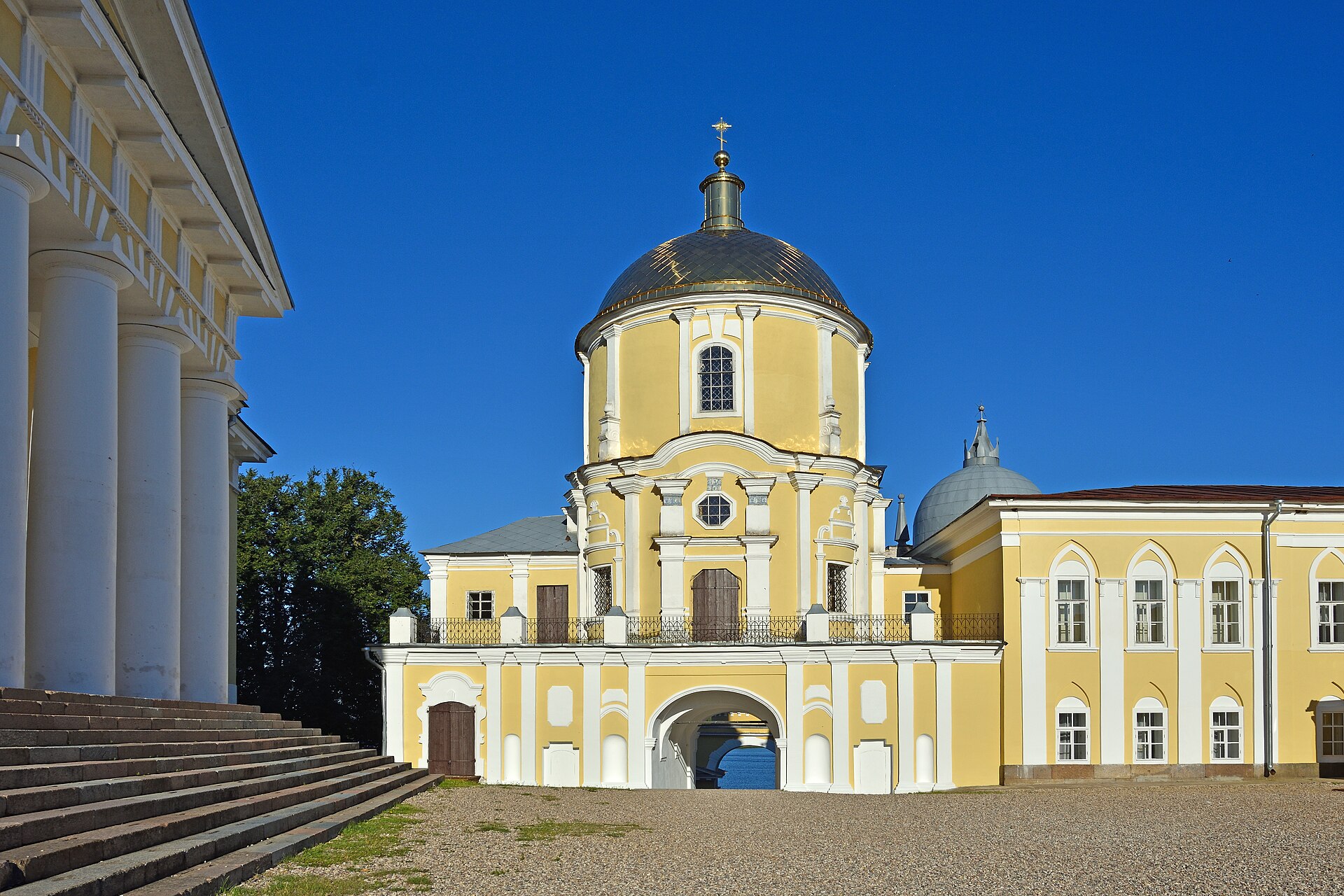
The Russian Orthodox Church Outside Russia marked the Finding of the Relics of St. Job of Pochaev on September 10 with services that drew clergy and laity from several dioceses. At the same time, the Serbian Orthodox Church saw Metropolitan Arsenije consecrate the Church of the Living Source in Milićevci, while Metropolitan Ioannikije served the Holy Liturgy in Plataniotis. The Romanian Orthodox Church noted the 86th anniversary of the martyrdom of Archpriest Aurel Munteanu, honoring him as a national hero whose steadfast faith still inspires. In the Orthodox Church in America, the Diocesan Cathedral of Philadelphia and Eastern Pennsylvania observed the Feast of the Nativity of the Mother of God with quiet devotion.
These observances show how local feasts and quiet commemorations keep the calendar alive across jurisdictions. They matter because they quietly strengthen the bonds that hold Orthodox life together from one generation to the next.
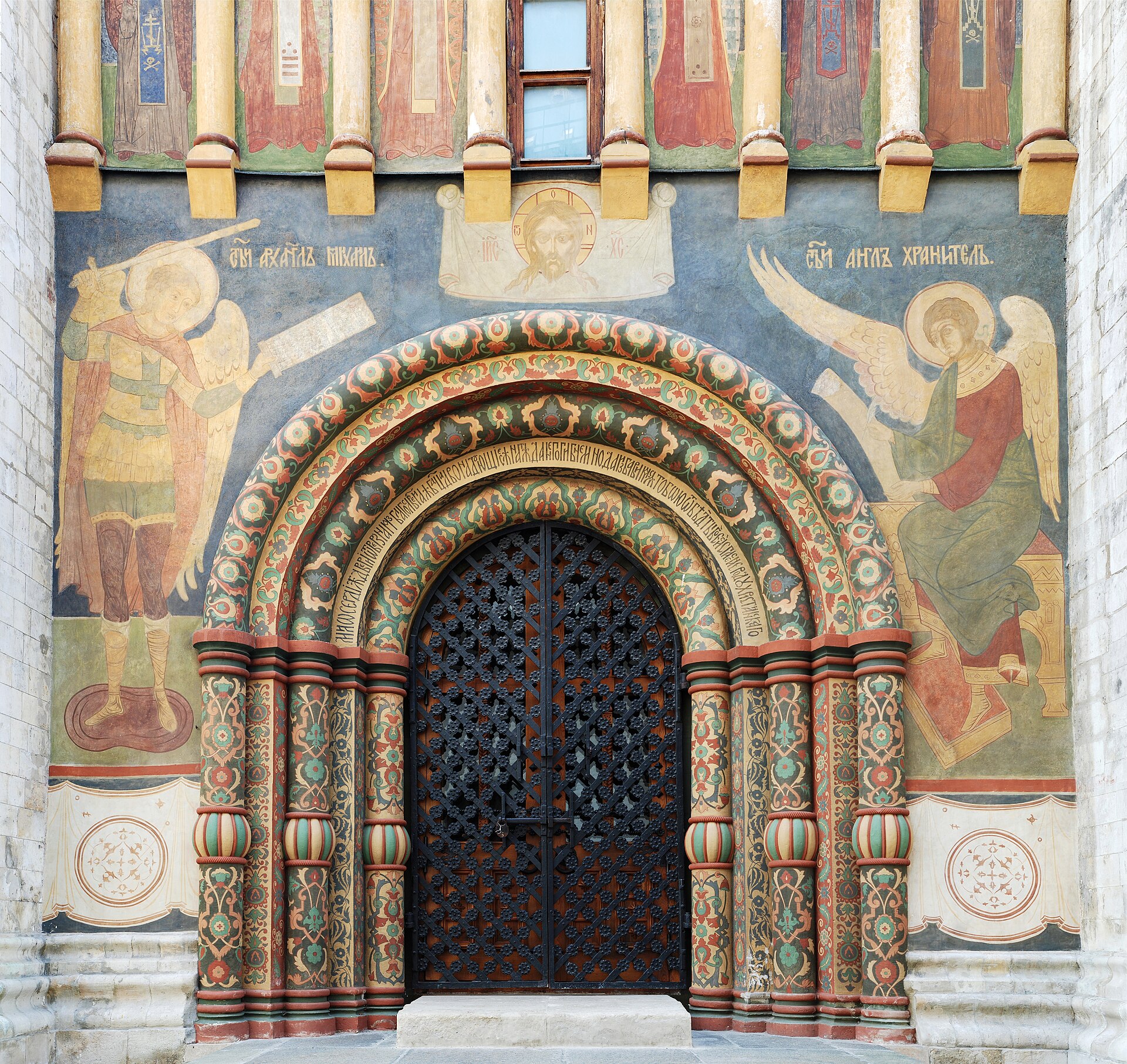
Metropolitan Arsenije of the Serbian Orthodox Church consecrated the new Church of the Living Source in Milićevci, marking another step in the steady rebuilding of parish life there. In Philadelphia, the Orthodox Church in America’s diocesan cathedral observed the Nativity of the Mother of God with crowded services that spilled into the side streets. The Romanian Archdiocese of Râmnic kept the whole month of September focused on St Anthimos the Iberian, using the occasion to strengthen ties with Georgian believers through joint pilgrimages and talks. Meanwhile, the Bulgarian Metropolitan Gavriil served a festive liturgy at the monastery near Botevgrad, drawing families from surrounding villages who brought baskets of late summer fruit for blessing.
These four local events, spread across different corners of the Orthodox world, show how each diocese keeps its own rhythm yet shares the same calendar and the same saints. A quiet reminder that the faith travels lightly from one nation to the next.
The Orthodox Church in America has published a new Akathist to St. Herman of Alaska, offering fresh prayers for one of the New World’s most beloved missionaries. At the same time the Romanian Orthodox Church opened an exhibition on Saint Antimus the Ivirean at the Library of the Romanian Academy and dedicated the whole month of September to his memory in the Râmnic Archdiocese. In Poland, faithful gathered in Gorlice for solemn observances honoring St. Maximus. The Bulgarian Church marked the 1700th anniversary of the finding of the Cross with Patriarch Daniel leading the main celebrations.
These separate efforts show how each local Church quietly tends its own saints and calendar while the shared faith moves forward. A simple new text joins older traditions without replacing them.