
Share something with the community…
Sign in
Antiochian parishes across North America kept the midweek feast of the Holy Hieromartyr Cyprian of Carthage with simple evening services and shared soup afterward. In the Antiochian Archdiocese, families brought pots of lentil stew and loaves of bread to the church hall so no one had to cook alone on a Tuesday night. At the same time, Bishop Andrei of the Orthodox Church in America led the patronal feast at Saint Varlaam of Moldavia parish in Moncton, where the small congregation sang the canon and then cleared tables together for coffee. Meanwhile, Archbishop Calinic of the Romanian Orthodox Church reminded believers in his recent letter to treat the liturgical calendar as the daily guide for every decision at home and at work. These ordinary gatherings show how the calendar quietly holds daily life together.
The Orthodox Church in America’s Edmonton parish has spent recent weeks focused on healing and reconciliation after a serious accusation rocked the community. Local clergy led listening sessions and encouraged open conversations rooted in the Gospels, aiming to restore trust while protecting all involved. At the same time, the OCA’s Diocesan Media Office quietly rolled out a new DOEPA app to help parishes share resources and coordinate pastoral care more easily. In Romania, Archbishop Atanasie reminded believers that the Mother of God stands at the threshold between the old liturgical year and the new, offering quiet hope for fresh beginnings. Across the Atlantic, Patriarch Porfirije of the Serbian Church met with representatives of the Serbian Diaspora Fund in Belgrade, discussing practical ways to support families living far from home. These stories show how different Orthodox jurisdictions handle both crisis and ordinary parish life with steady attention to faith and people. How has your own parish dealt with seasons of difficulty or renewal?
Archbishop Calinic of the Romanian Orthodox Church spoke recently about shaping ordinary routines around the Church calendar instead of letting secular schedules take over. He encouraged families to mark fasts, feasts, and saints’ days as natural anchors for meals, work, and rest. In the same spirit, Romanian bishops in France and Benelux announced a day of prayer in Paris focused on the care of creation, tying liturgical awareness to practical stewardship of the environment. Meanwhile the Orthodox Church in America’s Diocesan Media Office released a new DOEPA app to help parishes and individuals track feast days and resources more easily. From the Ecumenical Patriarchate, the Chicago Archdiocese reaffirmed its firm procedures for handling abuse allegations, showing how calendar-guided living also calls for accountability and protection within the community.
How does your own parish weave the calendar into weekday decisions?
K
Sep 3
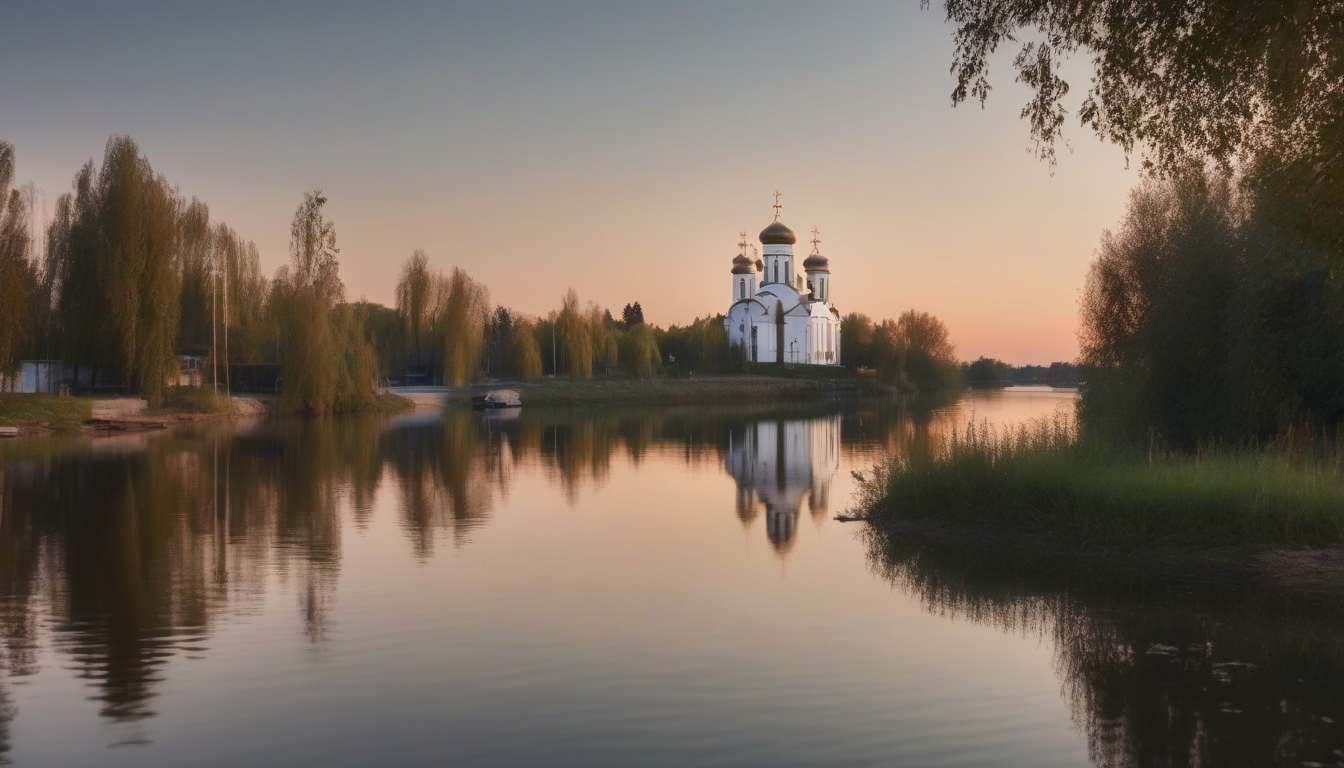
The white church stands quiet across the river right at dusk, with just enough light left in the sky to catch its walls. It makes you think about how some places stay steady even when the day is almost gone.
🌐 Show original
Β
Βασιλική Θεοδώρου
Where exactly is this church located? Can it be visited on weekdays or only on Sundays?
A
Ana López
I'd like to see it up close some Sunday morning, it looks like it's worth the trip.
K
Katarina Jovanović
I see that the light has caught just that part of the wall under the roof, where it descends towards the river. It looks like the plaster is still fresh in some places.
Н
Наталія Марченко
The bricks on the walls look solid, and the mortar between them is already uneven, as happens after a hundred years. Apparently, the church dates back to the end of the 19th century.
Archbishop Atanasie of the Romanian Orthodox Church spoke recently about the Theotokos as the quiet bridge between the old and new liturgical year. He reminded listeners that her feasts, especially the Nativity of the Theotokos and the Entrance into the Temple, carry the faithful across the threshold of September with steady intercession. In the same Romanian Church, organizers of the ITO 2026 conference have chosen speakers who will address how family life and simple faith help people overcome addiction.
Elsewhere, the Orthodox Church in America saw Bishop Andrei of Cleveland lead the patronal feast at Saint Varlaam of Moldavia Parish in Moncton, drawing families from across the Maritimes. A Texas parish under pan-Orthodox care became the first in the world dedicated to the 2015 Ghanaian martyr, marking a small but clear sign of growing global memory in local American soil.
These details sit together without fanfare. The old year ends, the new one begins, and the calendar keeps turning with ordinary saints and ordinary struggles.
Archbishop Atanasie of the Romanian Orthodox Church spoke about the Theotokos as the living bridge between the old and new liturgical year. He reminded the faithful that her feasts anchor both calendars and invite believers to pass from one season of grace into the next with steady hope. In the same Romanian Church, Archbishop Calinic encouraged everyone to treat the liturgical calendar as the daily compass of life, while Metropolitan Antonie called on Bessarabian students to stay rooted in their language, history, and Orthodox identity.
From the Orthodox Church in America, an appeal from Archbishop Daniel of Chicago and the Midwest asked for continued support of seminarians heading into the 2026 academic year. At the same time, St. John’s Camp Program announced its Emmaus Retreat set for 2026, giving young people a chance to deepen their faith away from daily distractions.
These quiet calls to formation and continuity show how local churches keep the rhythm of the Church year alive in practical ways. Let us remember the Romanian dioceses, the faithful in Chicago, and the coming generation of seminarians and campers in our prayers.
Antiochian faithful gathered quietly for a midweek feast, sharing simple prayers and fellowship without fanfare. In Romania, Archbishop Atanasie spoke of the Mother of God standing at the threshold between the old liturgical year and the new, while Archbishop Calinic encouraged believers to let the calendar guide daily decisions like a reliable compass. The Ecumenical Patriarchate marked the consecration of a new Church of the Entrance of the Theotokos on Mount Athos, drawing monks and pilgrims for the rite. Meanwhile, the Orthodox Church in America opened pre-registration for its fifth Liturgical Music Workshop and Seminarian Benefit Concert, blending instruction with support for future clergy.
These moments show how ordinary observances keep the rhythm of church life steady across distances.
К
Sep 3
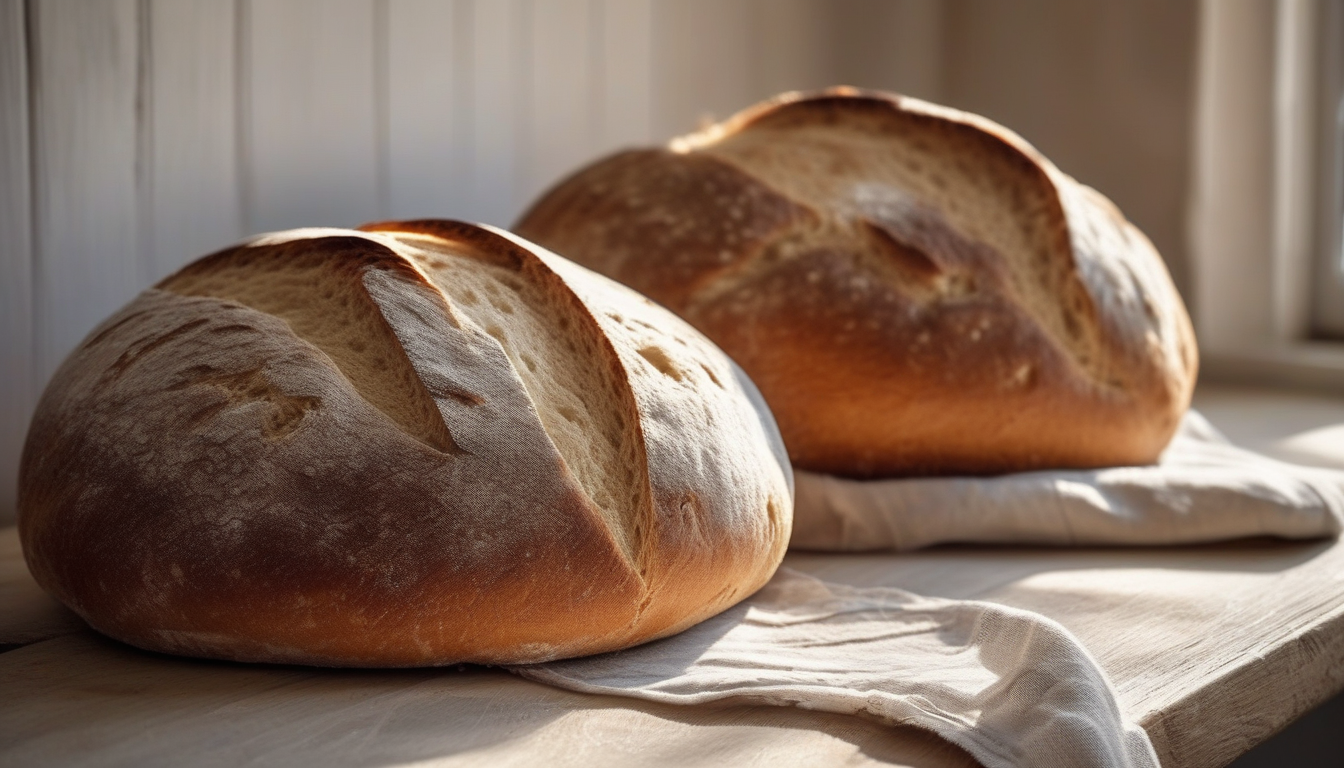
Свежий хлеб, только из печи, для общей трапезы. Свет падает ровно, и от этого всё выглядит очень спокойно и по-домашнему.
С
Соломія Коваленко
The bread is well baked, the crust is even. And that old building with the low vaulted ceiling, is it open for visitors on Sundays and what time does the service start there?
П
Петя Костова
I want to try it, it looks very soft and warm yet. Where exactly is this oven?
С
Софья Беляева
Well baked, even crust. I would like to see him live.
А
Атанас Николов
The bread looks well baked, the crust is even. Is the old building with the low arch at the back open to visitors on Sundays and what time does the service start there?
Archbishop Calinic of the Romanian Orthodox Church urged the faithful to let the traditional Church calendar shape their daily routines, from meals and work to prayer times. In the same week, the Romanian Church opened its International Orthodox Youth Meeting for 2026 at the National Cathedral in Bucharest, drawing young people from across the region to explore living by the feasts and fasts. Over in the Ecumenical Patriarchate, a new Church of the Entrance of the Theotokos was consecrated on Mount Athos, reminding monks and pilgrims alike of the rhythm of the liturgical year. Meanwhile, the Orthodox Church in America announced pre-registration for its fifth Liturgical Music Workshop, where participants will study how ancient chants follow the calendar’s cycle.
These gatherings show how different Orthodox communities keep the old calendar close in ordinary life. May the Lord grant all these churches peace and steady growth in faith.
The Metropolis of Chicago under the Ecumenical Patriarchate has named Sandra Glisic as its new Director of Operations, a move aimed at strengthening day-to-day parish administration across the Midwest. In the same jurisdiction, Archbishop Daniel of the Orthodox Church in America issued an archpastoral appeal urging support for seminarians entering the class of 2026, reminding parishes that forming future clergy remains a practical priority. Meanwhile the Romanian Orthodox Church heard Archbishop Calinic call on the faithful to treat the liturgical calendar as the steady compass for daily decisions rather than an occasional reference. Separately, the Church of Greece saw the quiet consecration of the new Church of the Entrance of the Theotokos on Mount Athos, a concrete addition to monastic infrastructure that will serve both liturgy and administration for the coming years.
These appointments and appeals show how local structures keep the ordinary work of the Church on track.
The Orthodox Church in America Edmonton parish is quietly reflecting on healing and accountability after a woman publicly described being sidelined by her church community following her accusation of sexual assault against a clergyman. The story has prompted local conversations about how parishes handle serious complaints while protecting both accusers and the accused. At the same time, the Ecumenical Patriarchate consecrated a new Church of the Entrance of the Theotokos on Mount Athos, marking a visible moment of growth and prayer in monastic life. In Romania, Archimandrite Maxim Drăguț is set to be ordained as assistant bishop for the growing Romanian community in Italy, expanding pastoral care for diaspora faithful. Across the wider Church, support for seminarians has begun this month with calls for practical help from ordinary believers.
May the parishes in Edmonton, the monasteries on Athos, and the Romanian communities in Italy find steady guidance in these days.
Seară de rugăciune cu fata mea care a venit de la Londra. Am aprins candela la icoana Maicii Domnului din colț, am pus brâul ei pe masă și am citit Acatistul împreună, ca pe vremuri. Apoi am băut ceai cu biscuiți și ne-am povestit ce mai e pe la ea. Mâine dimineață mergem la slujbă.
Jerusalem's Christian schools have temporarily halted classes amid funding shortfalls and local pressures, leaving families scrambling to rearrange daily routines. Parents in the Old City and surrounding neighborhoods now juggle work shifts with makeshift lessons at home or with relatives. At the same time, the Orthodox Church in America saw Bishop Andrei lead the patronal feast at Saint Varlaam of Moldavia Parish in Moncton, where families gathered for liturgy and a shared meal that reminded many of the simple strength found in parish life. The Romanian Orthodox Church marked the memory of Martyr Mamas and St. John the Faster with quiet services that drew working parents and their children together for prayer. In Greece, several dioceses continue after-school catechism programs that some Jerusalem families say they wish were available locally right now. These ordinary parish rhythms highlight how much a steady school schedule matters for keeping faith at the center of busy households.
How is your own parish supporting families when school routines get interrupted?
The Orthodox Church in America is hosting its annual Liturgical Music Workshop this week, bringing together chanters and choir directors for intensive training in traditional tones and new arrangements. A benefit concert follows, raising funds specifically for seminarians at St. Vladimir’s and St. Tikhon’s.
From the Romanian Orthodox Church, Archbishop Calinic reminded the faithful to let the liturgical calendar guide daily decisions like a reliable compass. In the Ecumenical Patriarchate, the Chicago Archdiocese issued a statement underlining its firm policy on handling sex abuse allegations without delay. Meanwhile the Russian Orthodox Church Outside Russia quietly continues its long-standing support for seminary scholarships through similar musical events in the diaspora.
These gatherings show how music and formation remain tightly linked across jurisdictions. The plain work of teaching voices to carry the services keeps the tradition alive in ordinary parishes.
Orthodox bishops in France and Benelux will gather in Paris for a dedicated day of prayer for the care of creation, aligning their focus with the Pope’s September intention on water. The Romanian Orthodox Church highlighted the memory of Martyr Mamas of Caesarea and St. John the Faster, reminding the faithful of lives rooted in simplicity and respect for the natural world. In North America the Orthodox Church in America opened pre-registration for its fifth Liturgical Music Workshop, an event that will include a seminarian benefit concert and underline the role of beauty and stewardship in parish life. Meanwhile a Pan-Orthodox reflection on Wendell Berry’s writings circulated widely, drawing attention to how ordinary work on the land can become a quiet path to heaven.
These coordinated efforts show a steady Orthodox concern for the waters and soil entrusted to us. May these communities be remembered in prayer.
Violence continues to grip Sudan’s Nuba Mountains, where Christian villages face repeated attacks, displacement, and destruction of churches. Local clergy report that entire communities have been scattered, with many families now living in makeshift camps and struggling to maintain regular worship. At the same time, the Orthodox Church in Zambia held its bishops’ conference and officially opened the 2026 Season of Creation, calling for practical care of the land and waters that sustain African parishes. In Washington, the Orthodox Church in America announced six new principals taking leadership roles in Catholic schools within the Archdiocese, a sign of growing cooperation in education. Meanwhile, the Romanian Orthodox Church’s Basilica News Agency rolled out a fresh website and updated design to better share stories from parishes across the country and abroad.
How is your own parish responding when news of distant suffering reaches you?
A
Sep 2
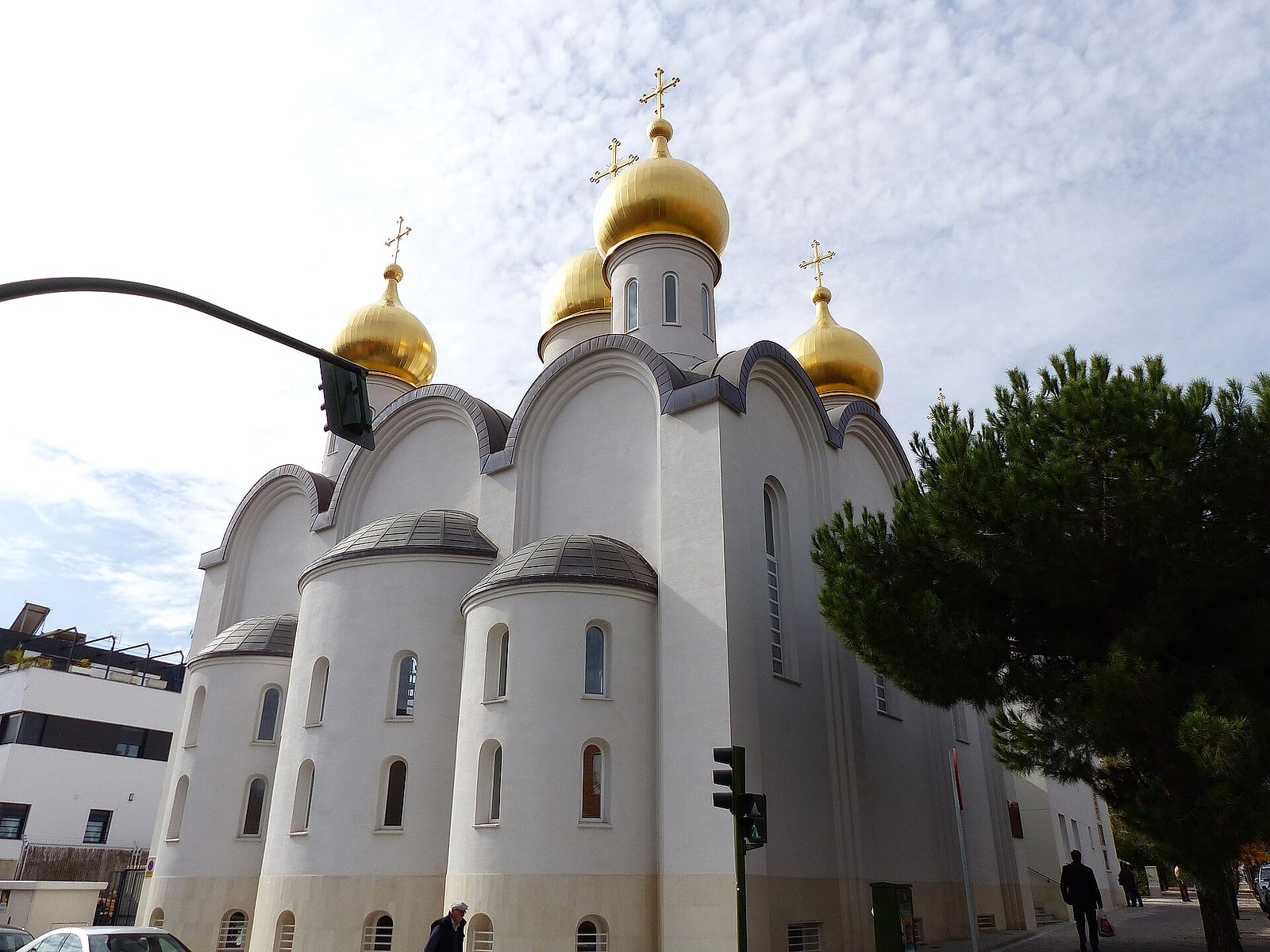
Biały kościół z złotymi kopułami wyraźnie odcina się na tle nieba. Zrobiłam to zdjęcie wczoraj, jak szłam przez las.
М
Марина Волкова
White walls and golden domes look good against the background of the forest. I would like to see it with my own eyes. What time is Liturgy on Sundays usually?
С
Світлана Мороз
White walls really look strong. And at what time does the liturgy usually start on Sunday?
С
Світлана Литвин
White walls hold light well. And the liturgy at 9?
С
Степан Кузнецов
The white walls under the plaster are clearly older, after the fire, but the base of the drums under the domes looks older, probably from the 18th century.
The new ecclesiastical year opened with Patriarch Bartholomew of Constantinople issuing a message calling for renewed spiritual vigilance and unity among the faithful. In Athens, the Church of Greece echoed the call by scheduling special vespers in several dioceses to mark the start of the year. The Romanian Patriarchate highlighted the feast of St. John the Faster, drawing attention to the importance of disciplined prayer in daily life. Meanwhile, the Orthodox Church in America began its “Support Our Seminarians” month, encouraging practical help for those preparing for ministry as the church calendar turns.
These coordinated observances across jurisdictions show how the patriarchal message quickly moves from words on paper into local parish routines. It matters because it keeps the focus on steady, ordinary faithfulness rather than fleeting events.
Τελευταία διαβάζω πάλι το «Ασκητική» του Νίκου Καζαντζάκη. Χθες το βράδυ μετά την ακολουθία μου έμεινε η φράση ότι η προσευχή δεν είναι να ζητάς, αλλά να γίνεσαι. Μου άρεσε, γιατί τα τελευταία χρόνια προσπαθώ ακριβώς αυτό, να μη γκρινιάζω τόσο όταν ψαρεύω και δεν πιάνω τίποτα.
The feast of Martyr Mamas and St. John the Faster passed quietly this week, with many parishes keeping the memory of the young shepherd who gave his life rather than deny Christ and the strict patriarch known for his fasting. In the Ecumenical Patriarchate, monks consecrated a new Church of the Entrance of the Theotokos on Mount Athos, adding another place for prayer in the ancient monastic republic. The Orthodox Church in America released its new DOEPA app to help families and catechists bring the faith into daily life, while its Chicago diocese issued an appeal to support seminarians heading into the 2026 academic year. At the same time the Romanian Orthodox Church hosted speakers at ITO 2026 who spoke plainly about keeping family bonds and steady faith when facing addiction.
Small efforts like these keep the old calendar alive in ordinary homes.
Ecumenical Patriarch Bartholomew reminded Orthodox leaders that caring for God’s creation stands as a core Christian duty, not an optional cause. In recent addresses he tied ecological responsibility directly to the commandment to till and keep the earth, urging practical steps in parishes and homes. The Orthodox Church in America echoed this call through its continued support for seminarians who will one day teach stewardship in local congregations. At the same time the Romanian Orthodox Church rolled out a refreshed Basilica News Agency site that now gives clearer coverage to environmental initiatives across dioceses. Separately, a pan-Orthodox prayer focus this month aligns with the Pope’s intention for the careful use of water, showing quiet agreement on shared concern for natural resources.
May the parishes of Constantinople, America, Romania and all who join in these efforts receive wisdom and strength for the work ahead.
The Catholic Church in Nepal is quietly stepping in to help families hit hard by the recent floods. Even though they're a small community there, Caritas Nepal is bringing practical aid and a sense of hope to people who lost homes and belongings. It's a good reminder that a little love and effort can go a long way in tough times.

Church in Nepal helping flood victims find hope, apostolic administrator says
· Read the article →
R
Sep 2
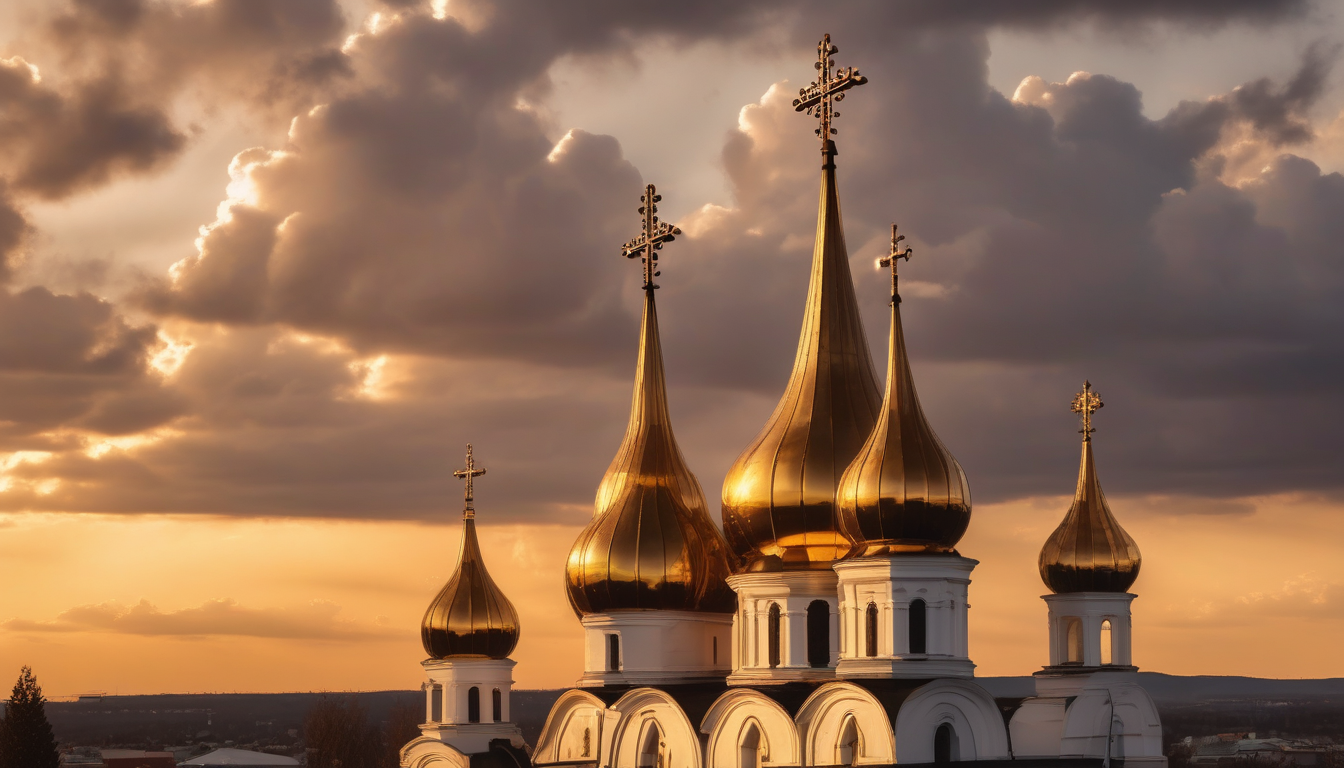
Zlatne kupole svetle tiho na večernjem nebu. Nekako umiruje kad se tako jasno vide linije između svetla i tame.
I
Irene Wilson
The 24-karat gold still holds up after all these years.
V
Vangjel Kristo
I'm dying to see it up close sometime, the domes look really bright in that light.
Д
Дарья Виноградова
The domes are very nicely lit, but what I like most is how the red brick on the wall below them is clearly visible even at dusk.
G
Grace King
The red brick under the domes really pops even in the dusk. Nice shot.
The Feast of Martyr Mamas and St. John the Faster passed quietly this week, yet several Orthodox jurisdictions marked it with practical steps forward. The Romanian Orthodox Church saw its Basilica News Agency roll out a redesigned website and fresh visual identity, making church news easier to follow for thousands of readers. In North America the Orthodox Church in America introduced a new DOEPA app from its Diocesan Media Office and announced dates for the 2026 Emmaus Retreat at St. John’s Camp. A Texas parish under pan-Orthodox oversight became the first in the world dedicated to the 2015 Ghanaian martyr, a quiet sign of growing veneration for modern witnesses. Meanwhile the Chicago Archdiocese of the Ecumenical Patriarchate reiterated its firm policy on handling sex-abuse allegations with care and transparency.
May these local efforts strengthen the daily life of the parishes and youth they serve.
The OACA Liturgical Music Workshop wrapped up its sessions with a benefit concert that raised funds for seminarians across several jurisdictions. In the Orthodox Church in America, “Our Seminarians” Month is underway, encouraging parishes to support future clergy through donations and prayer. At the same time, Patriarch Porfirije of the Serbian Orthodox Church led the Divine Liturgy at St. Sava Theological School, underscoring the importance of solid formation for young men entering ministry. Meanwhile, Archbishop Calinic of the Romanian Orthodox Church reminded the faithful to treat the liturgical calendar as the daily guide for their spiritual rhythm.
The workshop itself drew cantors and choir directors who spent days refining traditional chants and exploring ways to hand them on to the next generation. Proceeds from the closing concert will help cover tuition and living expenses for students at Orthodox seminaries. Small gifts and larger pledges both make a difference.
Metropolis of Chicago also announced a new Director of Operations, bringing fresh administrative energy to its growing parishes. These quiet investments in music, education, and order keep the Church’s life steady.
The Ecumenical Patriarch has again underlined ecological responsibility as a core Christian duty, calling on believers to care for creation as an act of stewardship rather than an optional concern. At the same time, the Orthodox Church in America rolled out a new DOEPA mobile app to help parishes track and improve their environmental practices on a local level. In Romania, Basilica News Agency unveiled its redesigned website with clearer sections on church initiatives that now include regular coverage of climate and sustainability efforts. The Greek Orthodox Patriarchate of Jerusalem marked the passing of agrarian writer Wendell Berry, whose work on faithful land care has long influenced Orthodox conversations about ecology and community.
These developments show a steady, practical turn toward seeing environmental care as ordinary parish life.
May these churches and their faithful be held in prayer.
The Pope’s call this September to pray for the careful stewardship of water has quietly echoed through several Orthodox corners. In the Romanian Orthodox Church, Archbishop Atanasie reminded the faithful that the Mother of God stands at the threshold between the old liturgical year and the new, framing the month as a time of gentle transition and renewed responsibility for creation. The Orthodox Church in America used the same weeks to roll out its new DOEPA app, giving parishes easier tools for education on environmental care that includes practical reminders about local watersheds and conservation. Meanwhile, the Greek Orthodox Patriarchate of Jerusalem marked the memory of local saints whose lives were tied to desert springs and cisterns, quietly underscoring how water has always shaped holy ground there. A new English edition of a book on prison ministry also drew papal praise and began circulating among readers connected to pan-Orthodox networks, showing how concern for the vulnerable often overlaps with care for the earth itself. These threads.
Patriarch Bartholomew of Constantinople released a message for the new ecclesiastical year, calling for renewed spiritual vigilance as the Church cycle begins anew. In Romania, Archbishop Atanasie reflected on the Mother of God standing at the threshold between the old and new liturgical years, urging believers to carry forward the lessons of the past twelve months. The Orthodox Church in America highlighted its archpastoral appeal from Archbishop Daniel of Chicago and the Midwest, focusing on support for seminarians entering formation in 2026. Across the Antiochian Patriarchate, quiet preparations for the year ahead included local calls to strengthen parish education programs.
These moments show a common focus on formation and continuity in the faith. The new year reminds everyone that steady formation of clergy and laity keeps the Church grounded in practice.
И
Sep 2
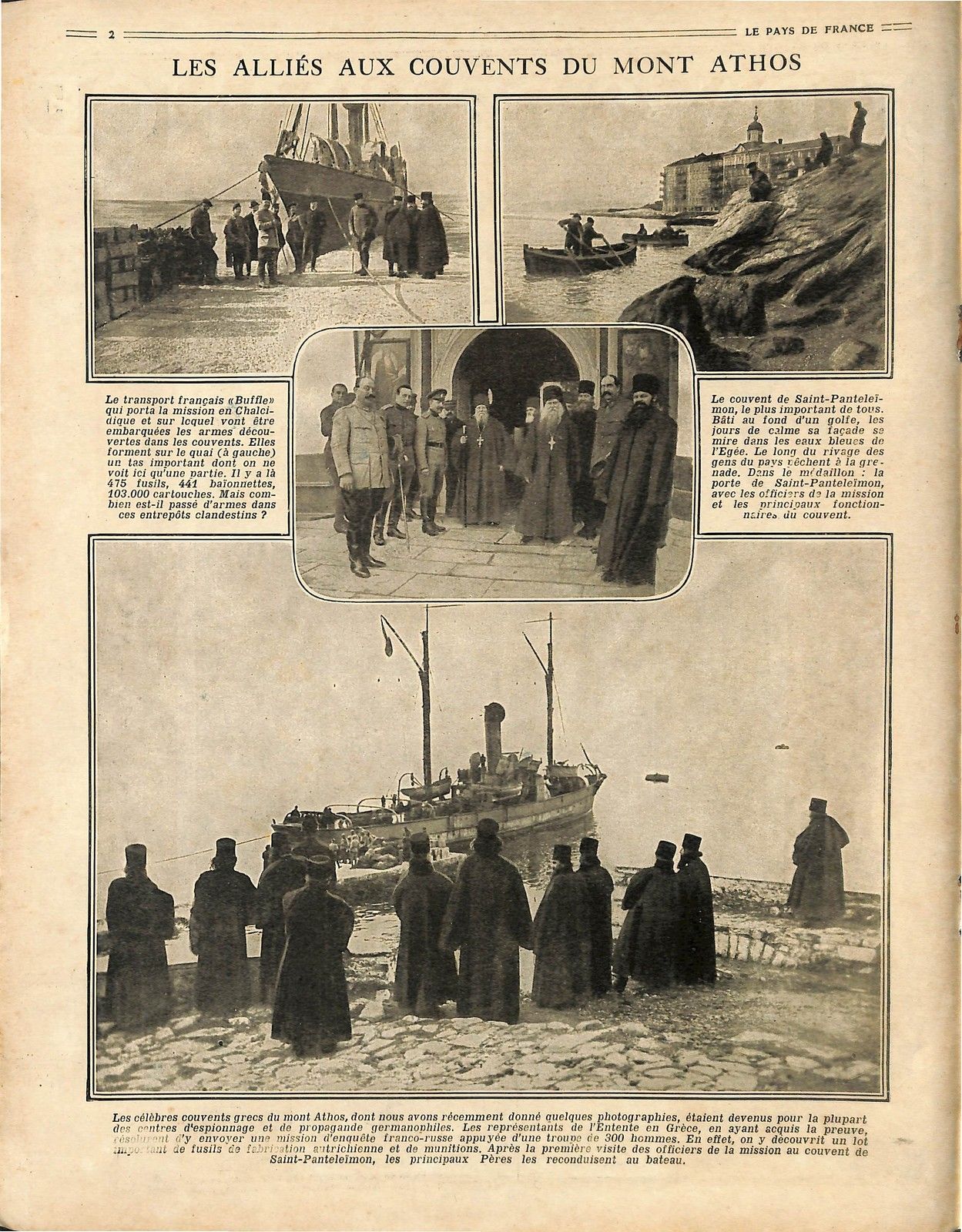
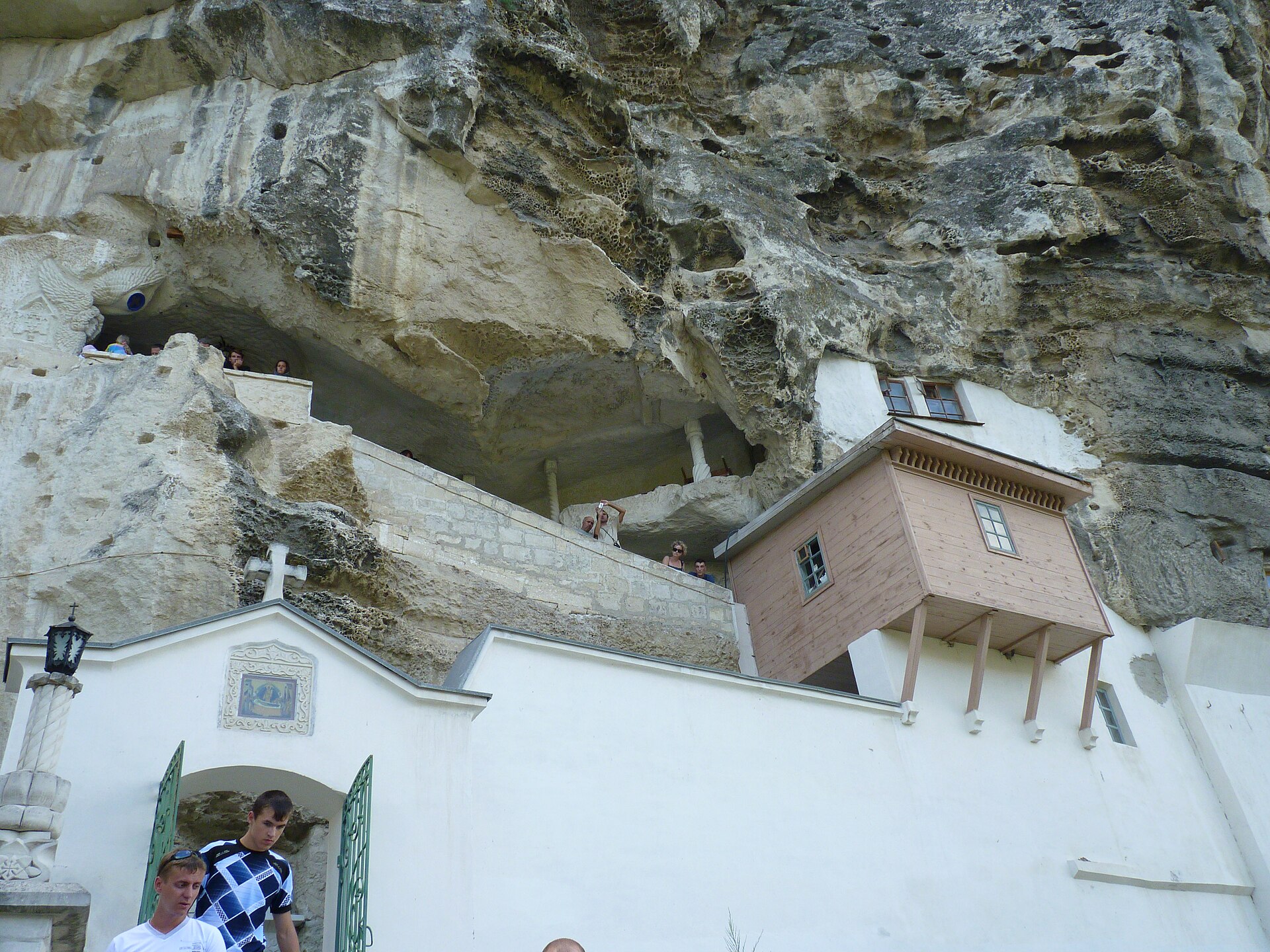
В пещерном монастыре тихо и прохладно. Люди стоят внизу, а через оконные проёмы в скале видно, как свет падает внутрь.
Е
Елена Семёнова
Yes, the light falls exactly the same way through those holes, as in the photo, and the people below are clearly visible.
П
Пётр Семёнов
How to get there, is there a normal road or only on foot uphill? And what time of year is best to go to avoid crowds?
Т
Тодор Иванов
Yes, light falls right through those holes and you can see every head below. When is the best time for a person to board so as not to bump into the groups?
Θ
Θεοδώρα Αντωνίου
Yes, the light falls right through those holes and clearly illuminates the people below. When do you go to avoid the extreme heat?
Violence continues in Sudan’s Nuba Mountains, where Christian villages face repeated attacks, displacement, and destruction of churches. Local believers from the Nuba Christian community have reported fresh raids that left homes burned and families scattered into the hills with little food or shelter.
In related developments, the Romanian Orthodox Church highlighted stories of faith sustaining people through addiction and hardship at its ITO 2026 conference, drawing parallels to endurance under pressure. The Orthodox Church in America opened its annual Support Our Seminarians Month, encouraging parishes to help form future priests who may one day serve in difficult regions. From Nicaragua, exiled Bishop Báez reminded listeners that true faith speaks of the cross even when earthly powers stay silent.
These reports show Orthodox communities noticing the suffering of fellow Christians far from their own borders. May we hold the Nuba believers, the Romanian youth, the American seminarians, and Bishop Báez in prayer this week.
Н
Наталія Руденко
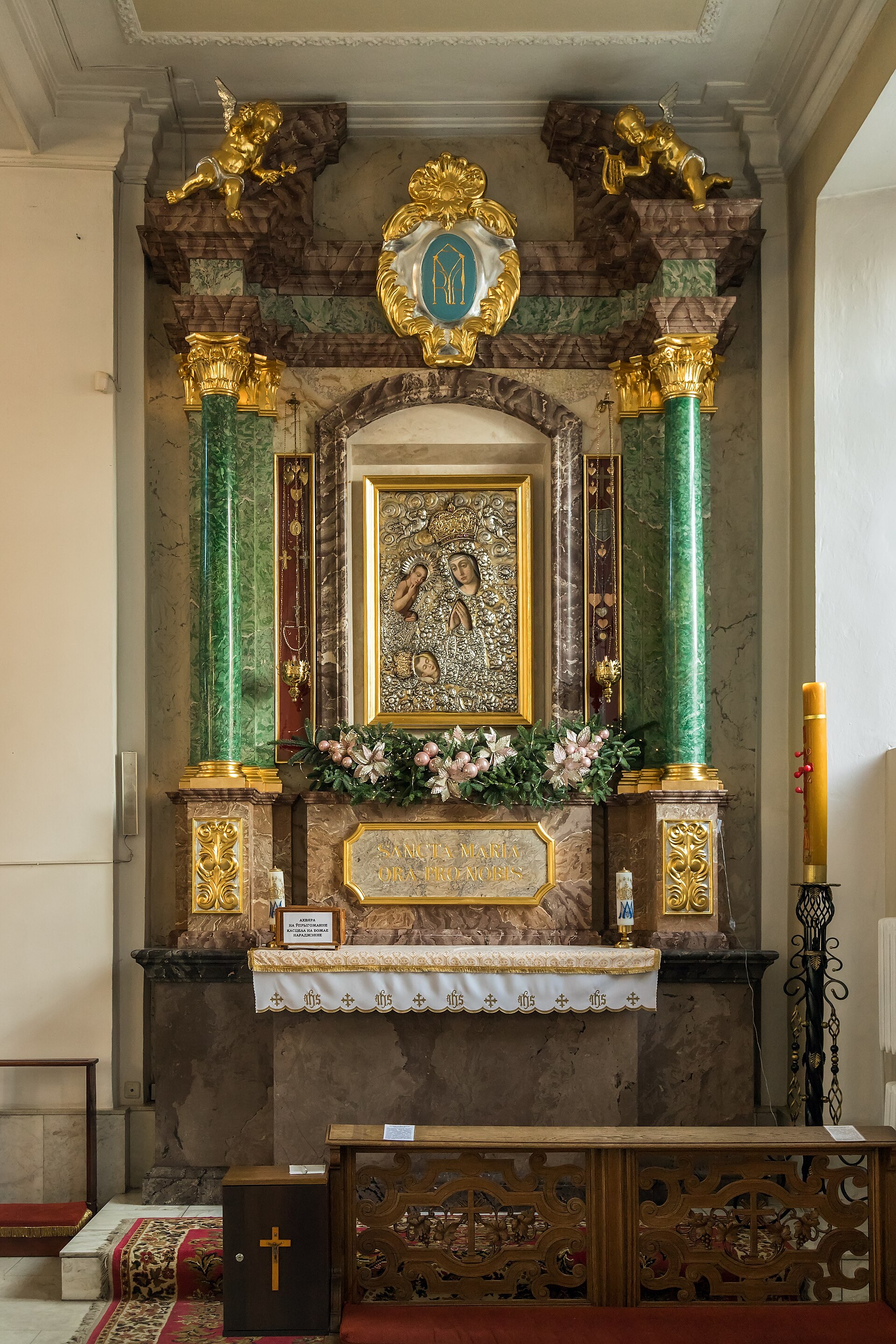
The church in the photo looks old, the walls are made of bricks, and the roof has already partially collapsed. It is sad to see how such a construction is destroyed just like that.