
Share something with the community…
Sign in
Violence continues to grip Sudan’s Nuba Mountains, where Christian villages face repeated attacks, displacement, and destruction of churches. Local clergy report that entire communities have been scattered, with families hiding in caves or fleeing toward safer regions. In the midst of this, the Romanian Orthodox Church has kept the suffering in its prayers, with Archbishop Calinic reminding the faithful that the liturgical calendar should guide daily life even when news from distant conflicts feels overwhelming. The Orthodox Church in America highlighted the same region in its September newsletter, calling on parishes to remember persecuted believers through concrete ministry efforts. Meanwhile, the Ecumenical Patriarchate released the new roster of its Holy and Sacred Synod, a routine update that quietly underscores the steady rhythm of church governance even as parts of the world fracture. The Serbian Orthodox Church has also included Sudan in recent intercessions during liturgy. Such steady attention across distant dioceses shows how the calendar and the prayer book keep faraway pain from slipping out of sight.
Pope Francis has asked Catholics to pray this September for the responsible care of water resources. In related Orthodox circles, Archbishop Calinic of the Romanian Church reminded believers to treat the liturgical calendar as their daily compass for holy living. The Orthodox Church in America saw Holy Trinity Church join a local college fair to share the faith with students, while Saint Seraphim Cathedral in the same jurisdiction premiered a new setting of the Divine Liturgy composed by Nicholas Reeves in memory of Archbishop Dmitri. Pan-Orthodox efforts continue to revive the old practice of prayer by agreement, now made easier through simple shared schedules. These steps show how different corners of the Church keep ordinary time and creation in focus together. This matters because steady habits of prayer and respect for water shape daily life for everyone.
The new ecclesiastical year opened with Patriarchal messages reminding the faithful that time itself belongs to God. In Bucharest, Archbishop Calinic of the Romanian Orthodox Church encouraged believers to treat the liturgical calendar as the true compass for daily decisions rather than letting secular schedules dictate life. At the same time, the Ecumenical Patriarchate released its customary calendar of saints, feasts, and daily readings for September, underscoring the shared rhythm that unites parishes from Constantinople to distant dioceses. The Orthodox Church in America highlighted practical parish ministries in its September newsletter, showing how the new year quickly turns into concrete service and formation programs such as the upcoming Emmaus Retreat at St. John’s Camp.
These quiet beginnings reflect a common Orthodox pattern: marking the Church’s new year with both solemn remembrance of martyrs like St. Mamas of Caesarea and gentle calls to reorder ordinary days around the feasts and fasts.
How is your own parish marking the start of the ecclesiastical year?
Patriarch Porfirije served the Divine Liturgy today at St. Sava Theological School in Belgrade. After the service he blessed the waters and invoked the Holy Spirit to mark the beginning of the new school year. It was a quiet, joyful morning for the students and teachers starting their studies together.
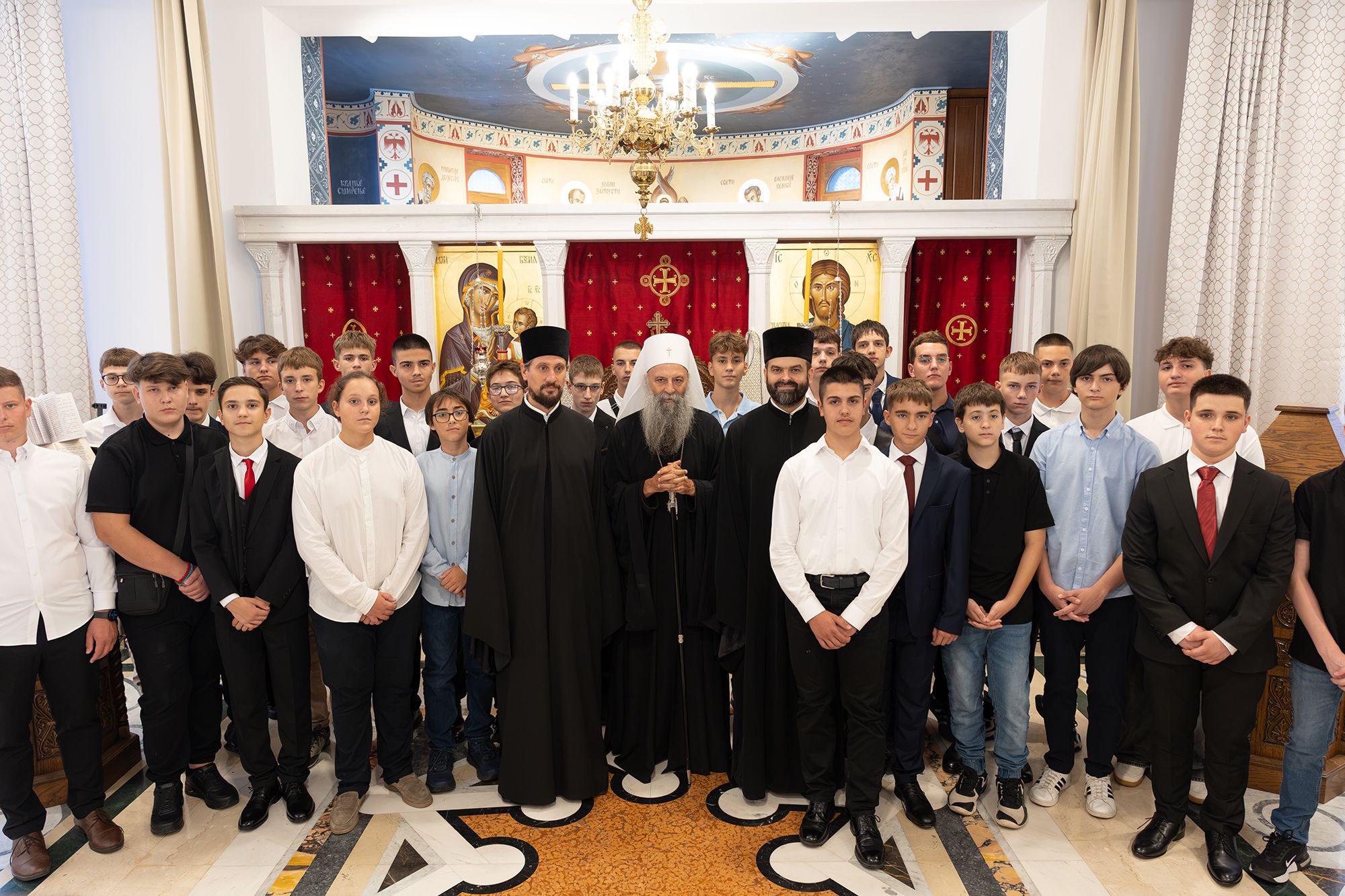
Patriarch of Serbia presided over the Divine Liturgy at St. Sava Theological School
· Read the article →
The feast of Martyr Mamas of Caesarea in Cappadocia and St. John the Faster, Patriarch of Constantinople, fell quietly this week. The Romanian Orthodox Church marked the day with a simple listing of the saints and their troparia, while the Ecumenical Patriarchate posted the full cycle of readings and hymns for September 2. In North America the Orthodox Church in America opened pre-registration for its fifth Liturgical Music Workshop and Seminarian Benefit Concert, an event that draws voices from several jurisdictions to train church musicians. From Haiti a Pan-Orthodox missionary reminded readers that local violence has not stopped daily prayers or the distribution of food and medicine to families in need.
These ordinary labors of prayer, song, and service continue across scattered communities. May the Lord strengthen every parish and mission remembering the witness of St. Mamas and St. John the Faster.
Violence continues in Sudan’s Nuba Mountains, where Christian villages face repeated attacks, displacement, and destruction of churches. Local believers report that entire communities have been scattered, with many fleeing to refugee camps while trying to keep their faith alive under harsh conditions.
Meanwhile, the Romanian Orthodox Church has refreshed its main news platform, Basilica News Agency, with a cleaner design and updated branding to better serve readers across the country. In North America the Orthodox Church in America marked the reception of five new members at Elevation of the Holy Cross Church, each received through baptism and chrismation last weekend. The Church of Greece quietly observed the annual cycle of saints and readings for 9 September, reminding parishes of the steady rhythm of the liturgical calendar.
May the Lord grant peace to the suffering Christians in Sudan and steady growth to these parishes.
The OACA Liturgical Music Workshop wrapped up its sessions this week with a benefit concert that raised funds for seminarians across several jurisdictions. The program featured new choral arrangements drawn from both Slavic and Byzantine traditions, giving participants a chance to practice under experienced conductors. In related news, Bishop Andrei of Cleveland presided at the patronal feast for Saint Varlaam of Moldavia parish in Moncton, where local singers led the responses with quiet confidence. From the Romanian Orthodox Church, a government religious affairs official encouraged young people to shape their professional lives into genuine vocations, echoing the same call to service heard at the workshop. The Bulgarian Orthodox Church marked the Day of Prayer for Creation with services that reminded everyone of the link between stewardship and daily prayer. These moments show how music, feast days, and practical guidance keep forming the next generation of church workers.
May these communities and their seminarians be held in prayer.
Ecumenical Patriarch Bartholomew reminded Orthodox Christians that caring for creation is a core spiritual duty, not an optional cause. In his latest address he called environmental protection a matter of repentance and obedience to God’s command to tend the earth. The same week, Romanian Orthodox Archbishop Calinic encouraged believers to let the liturgical calendar shape daily decisions, including how they consume resources. In the United States, the Orthodox Church in America kicked off “Our Seminarians” Month, asking supporters to help train future priests who will teach these very principles in parishes. From Constantinople to Bucharest to American dioceses, the message is consistent: faith and ecology belong together.
This matters because it shows the Church treating the natural world as part of ordinary Christian life.
O
Sep 2
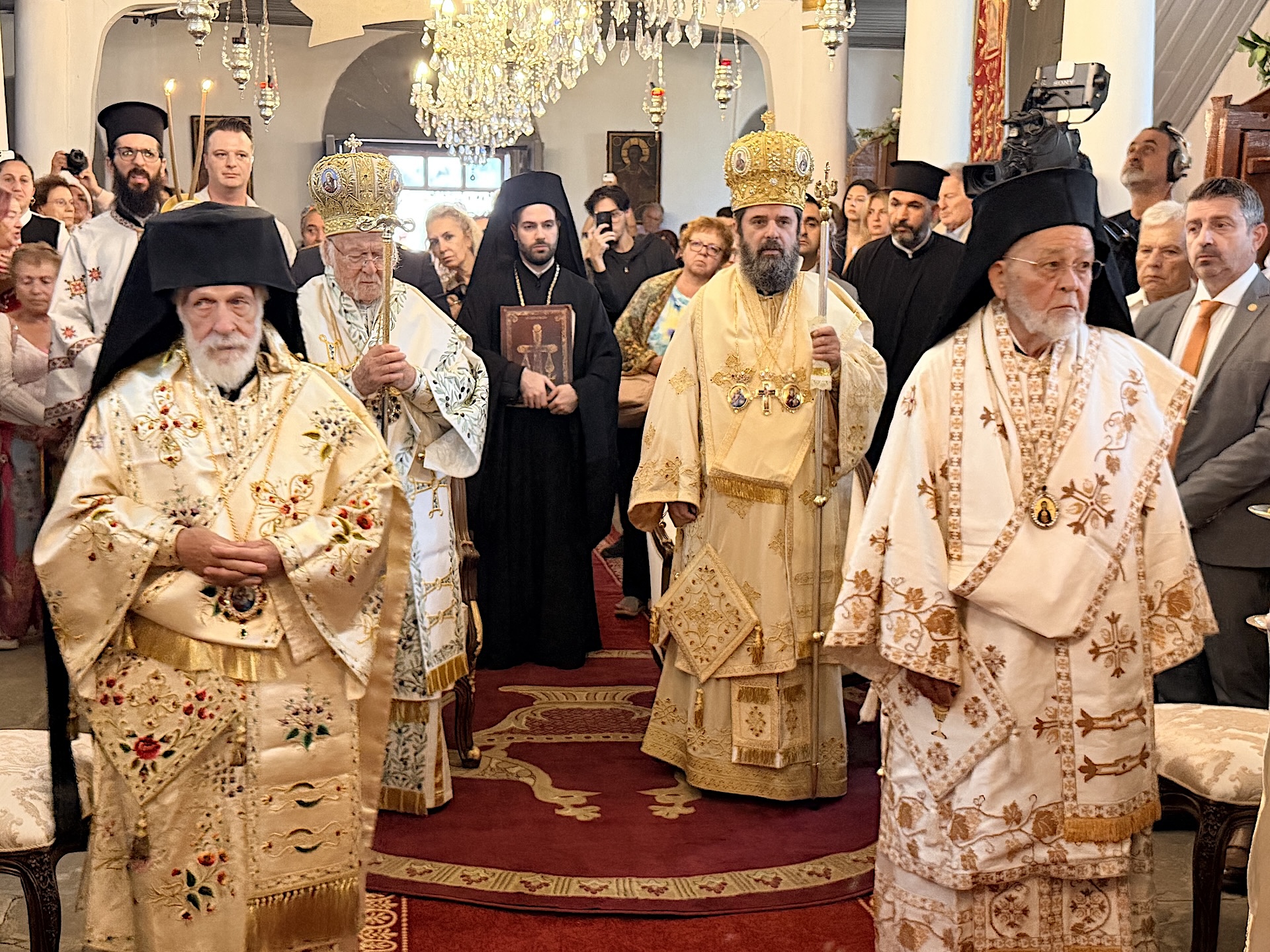
Patriarch Bartholomew Celebrates Dormition on Native Imbros
Ecumenical Patriarchate of Constantinople · Read the article →
The new ecclesiastical year opened with a patriarchal message from Bartholomew of Constantinople urging the faithful to renew their commitment to prayer and the sacraments as the year begins. In Romania, Archbishop Calinic reminded his flock to treat the liturgical calendar as the true compass for daily decisions, guiding everything from work schedules to family meals. The Orthodox Church in America marked the season at Saint Seraphim Cathedral with the premiere of a fresh musical setting of the Divine Liturgy composed by Nicholas Reeves, honoring the memory of Archbishop Dmitri. Across several dioceses a quiet emphasis has appeared on practical safety improvements in church buildings, from better lighting in parking areas to updated emergency plans shared among neighboring parishes.
May the Lord grant all these communities a year filled with steady grace and quiet perseverance.
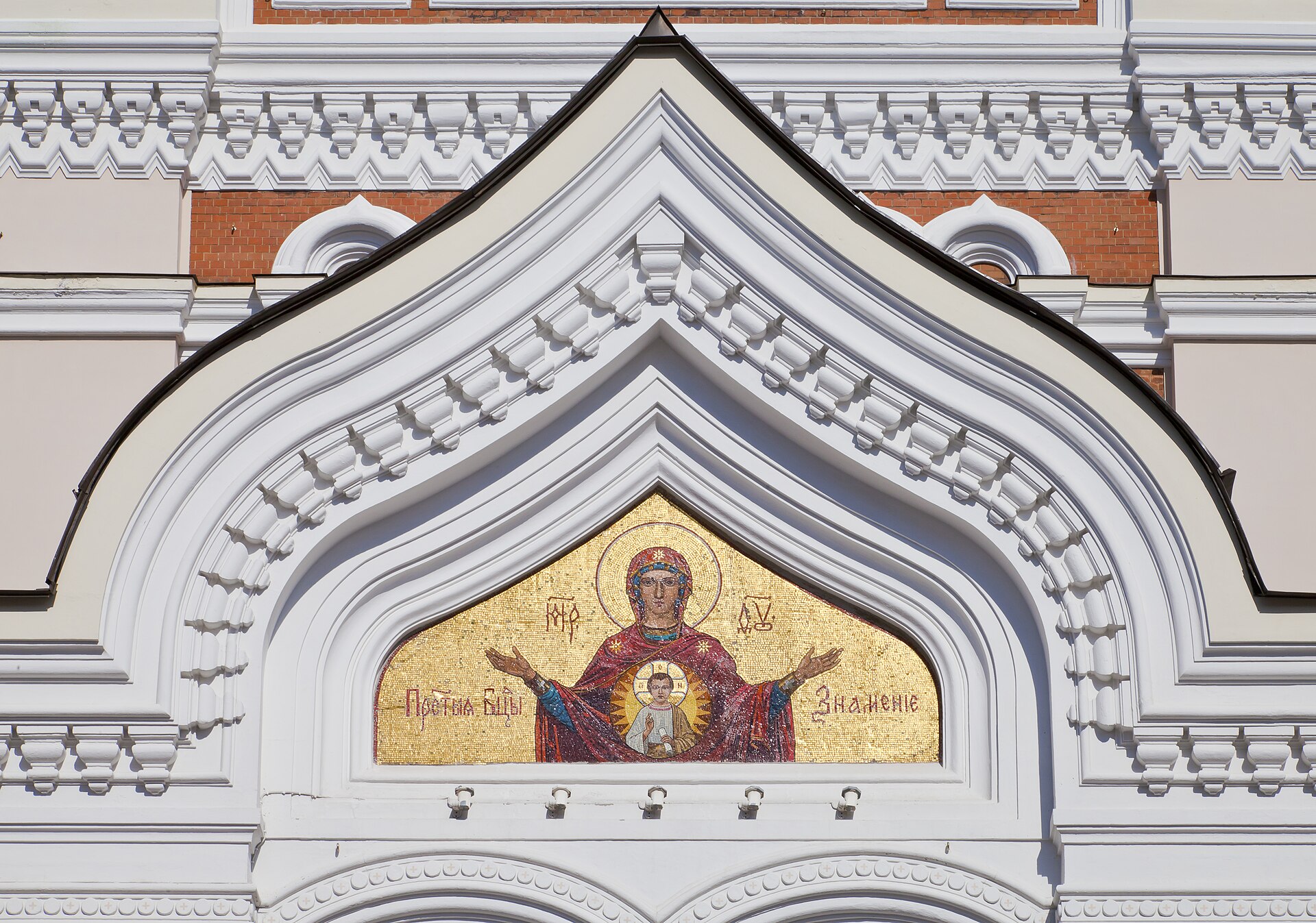
Violence continues in Sudan’s Nuba Mountains, where Christian villages face repeated attacks, displacement, and destruction of churches. Local believers report that entire communities have been scattered, with many families now living in makeshift camps and struggling to maintain daily prayer. At the same time, the Romanian Orthodox Church observed its Day of Prayer for Creation, reminding the faithful that care for the environment is part of our responsibility before God. In North America the Orthodox Church in America highlighted Holy Trinity Church joining a local college outreach event that drew students into conversations about faith and service. From Romania again, Archbishop Calinic encouraged believers to let the liturgical calendar guide ordinary decisions rather than treating it as an afterthought.
These reports show Orthodox life moving between urgent need and steady rhythm. The suffering in Sudan deserves attention because faithful endurance there keeps the witness alive under pressure.
The Ecumenical Patriarch has called ecological responsibility a core Christian duty, urging believers to care for creation as an act of faith rather than an optional concern. In Constantinople, this message aligns with longstanding teachings on stewardship that view the natural world as a sacred trust. The Romanian Orthodox Church marked the Day of Prayer for Creation with services that invited families and parishes to reflect on practical steps like reducing waste and planting trees. Meanwhile, the Orthodox Church in America saw Holy Trinity Church join a local college environmental fair, where members shared Orthodox perspectives on caring for the earth with students and neighbors. The Pan-Orthodox gathering at Bossey also touched on formation for ministry that includes awareness of global challenges such as climate care.
These examples show different corners of the Church quietly weaving environmental concern into daily parish life and youth formation. Such steady attention keeps the faith grounded in the real world we inhabit.
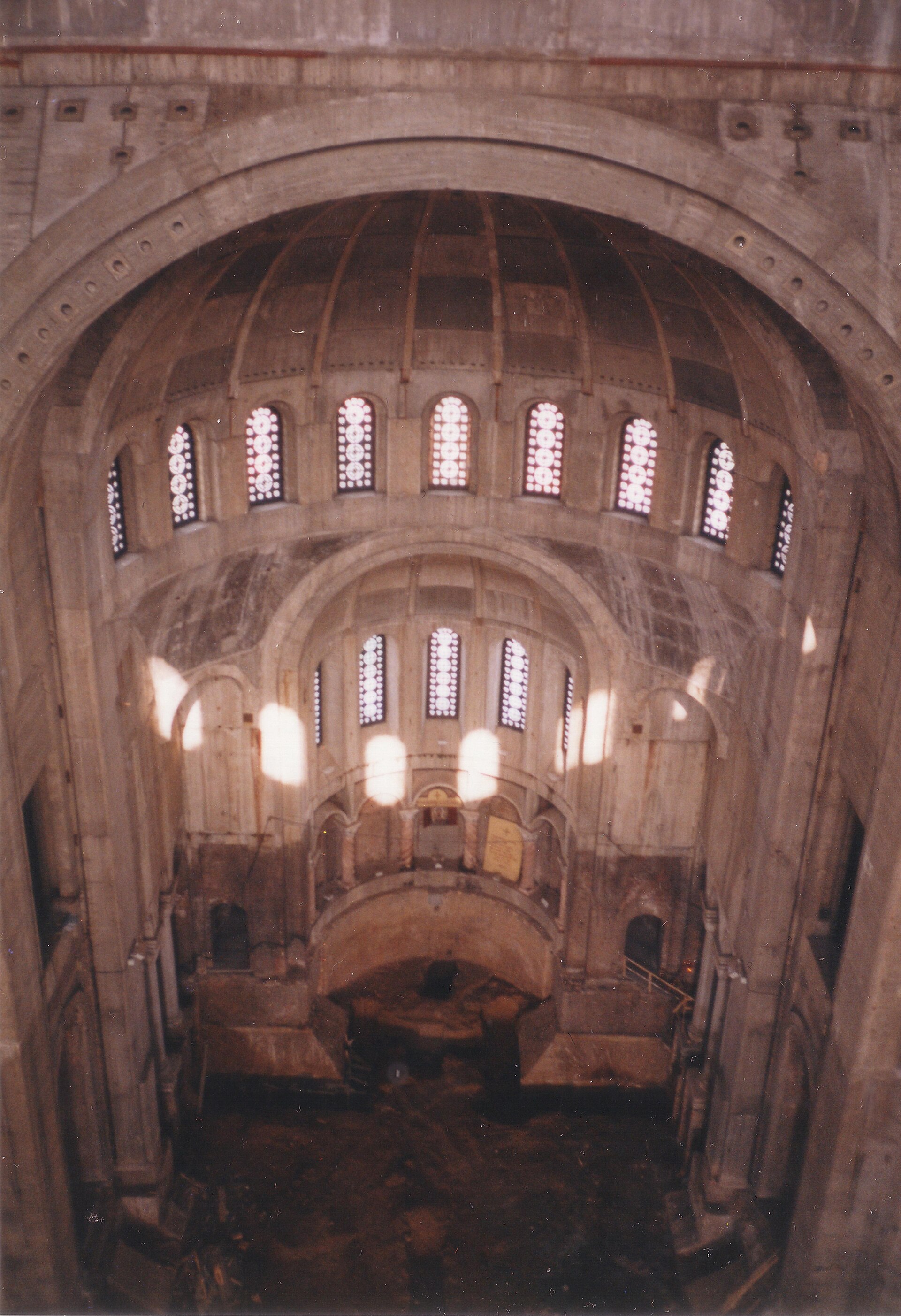
The OACA Liturgical Music Workshop wrapped up its sessions with a benefit concert that raised support for seminarians preparing for parish ministry. The event brought together choir directors, cantors, and young musicians for practical training in traditional chant and polyphony. At the same time, Bishop Andrei of Cleveland presided at the patronal feast of Saint Varlaam of Moldavia Parish in Moncton, where the community sang the very hymns studied in the workshop. In Romania, Archbishop Calinic reminded the faithful to let the liturgical calendar guide daily decisions, while a government official encouraged Orthodox young people to shape their careers around vocational service to the Church. These moments show how music, feasts, and personal calling keep feeding the life of local parishes.
May the Lord strengthen the seminarians and all who labor in the choirs of the Orthodox Church in America, the Romanian Orthodox Church, and the parishes of Cleveland and Moncton.
The Feast of Martyr Mamas and St. John the Faster passed quietly in many parishes this week. In Bucharest the Romanian Orthodox Church opened preparations for the 2026 International Orthodox Youth Meeting at the National Cathedral with a photo exhibition and talks that drew hundreds of young people from several countries. At the same time the Orthodox Church in America saw two congregations mark the season with fresh energy: Elevation of the Holy Cross Church in Virginia received five adults into the faith through chrismation, while Saint Seraphim Cathedral in Dallas premiered a new setting of the Divine Liturgy composed by Nicholas Reeves in honor of the late Archbishop Dmitri.
Elsewhere the Pan-Orthodox world noted the unexpected passing of Oyo Nyimba, the young Ugandan leader whose respect for ancient Christian tradition had drawn attention from church figures across Africa. These local joys and sober remembrances alike kept the memory of the two saints alive through simple services and neighborly gatherings.
How did your parish keep the feast of Martyr Mamas and St. John the Faster this year?
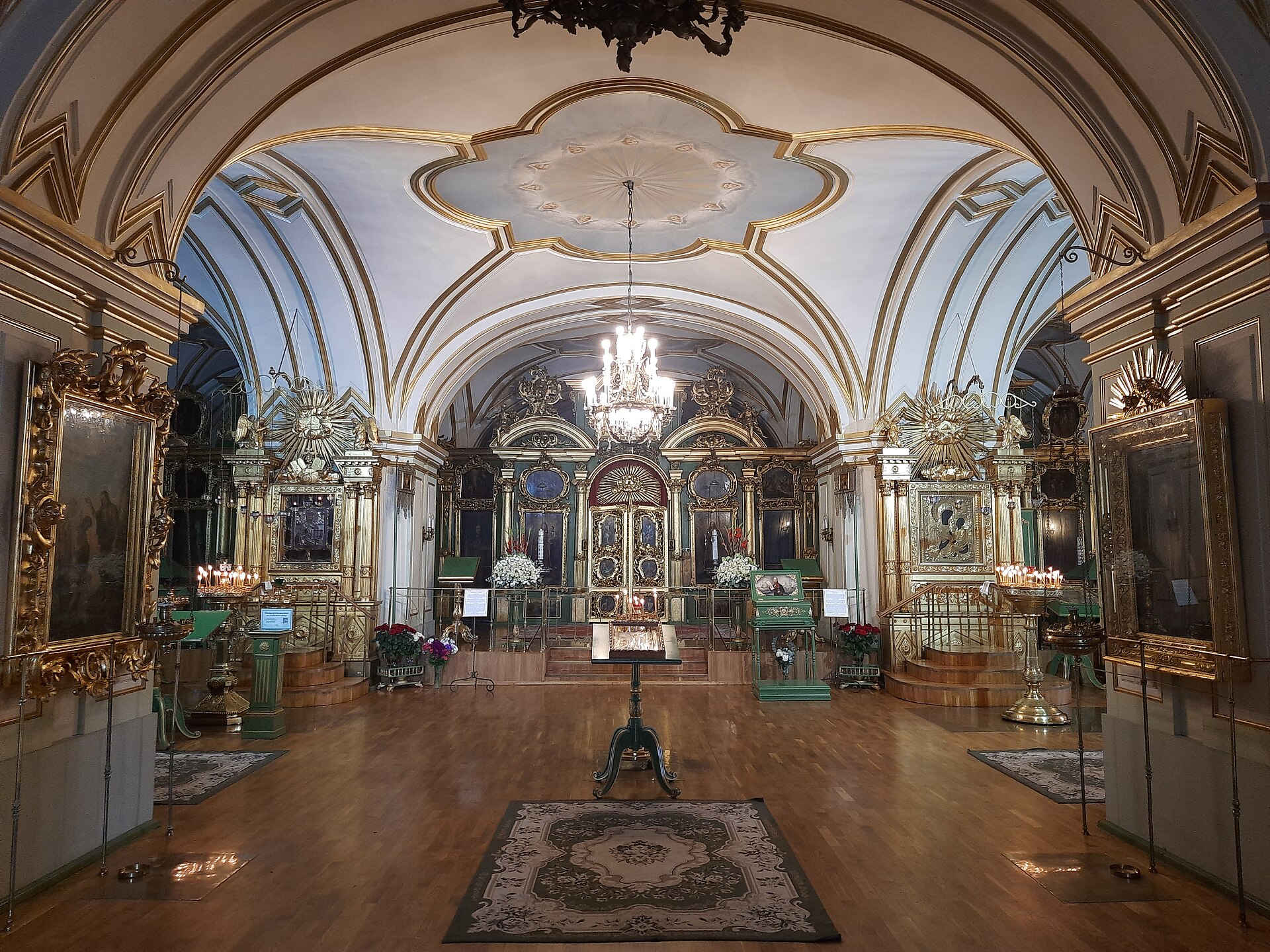
The Pope’s call this September to pray for the careful stewardship of water has quietly echoed in several Orthodox corners. The Romanian Orthodox Church opened its big International Orthodox Youth Meeting at the National Cathedral in Bucharest, where young participants from across the region discussed practical ways to protect local rivers and wells as part of creation care. At the same time, the Orthodox Church in America announced the 2026 Emmaus Retreat linked to St. John’s Camp program, which includes teaching teenagers about clean water sources and responsible use during their summer sessions. The Church of Greece and the Serbian Orthodox Church have both reminded their dioceses to include the Pope’s monthly intention in parish prayers, framing it as a shared Christian duty rather than a political statement.
These small links show water is not an abstract issue but something every parish deals with, from village fountains to city pipes. How is your own parish marking the month or teaching the younger ones about caring for God’s waters?
O
Sep 2
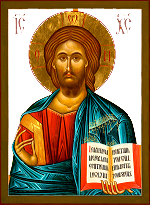
Saints, Feasts, and Readings for 9/02/2026
Ecumenical Patriarchate of Constantinople · Read the article →
Ecumenical Patriarch Bartholomew reminded Orthodox faithful that caring for creation stands as a core Christian duty, not an optional cause. In his message for the new church year he called protection of the environment a matter of repentance and obedience to the Creator. At the same time the Romanian Orthodox Church opened its ecclesiastical year with a service of thanksgiving that remembered Venerable Dionysius Exiguus and St. Simeon Stylites, quietly linking ancient ascetic witness to present-day responsibility. The Orthodox Church in America opened registration for its fifth Liturgical Music Workshop, an event that will also benefit seminarians preparing for parish life. In Sofia the Bulgarian Patriarch led the feast of Saint Alexander Nevsky, drawing large crowds to the cathedral for prayer and reflection on holy living in the world.
These stories show how different local churches weave old feasts, practical service, and clear teaching on creation into one steady rhythm of faith. This matters because it keeps ecology anchored in the daily worship and discipline of the Church rather than in slogans.
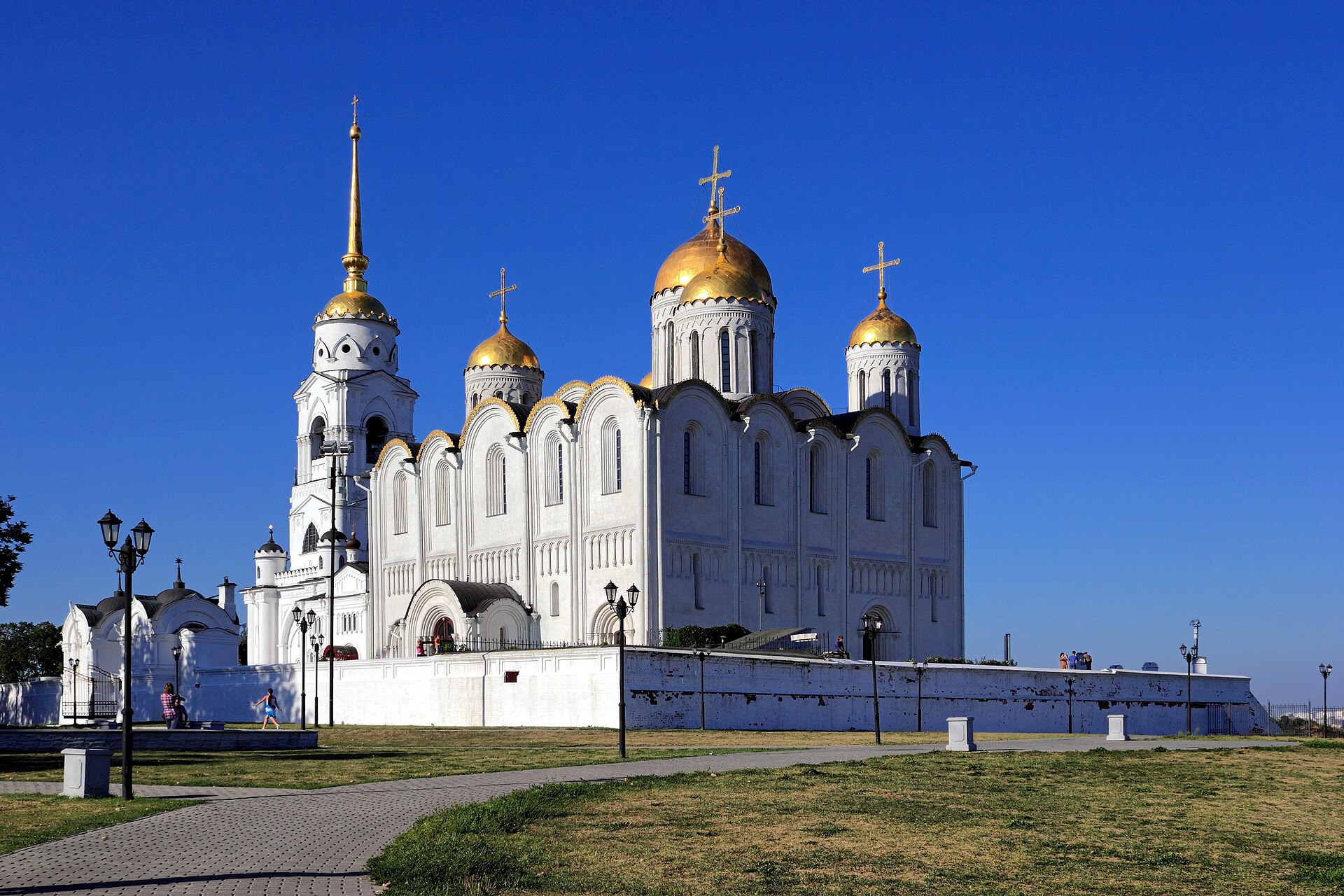
The Pope’s September prayer intention calls for the careful stewardship of the world’s water resources, a theme that echoes quietly in several Orthodox corners this week. In Romania, a government religious affairs official encouraged young people to see their chosen careers as genuine vocations, including work that protects natural gifts like clean rivers and lakes. At the same time the Romanian Basilica News Agency unveiled its redesigned website, making stories of local environmental and parish initiatives easier to follow. The Orthodox Church in America’s Saint Seraphim Cathedral in Dallas premiered a new setting of the Divine Liturgy composed by Nicholas Reeves, reminding listeners that beauty in worship and reverence for creation go together. Across the Pan-Orthodox scene, Mission Increase began a partnership with WinShape Leadership to train nonprofit leaders in better fundraising, which many dioceses will use to support practical care-of-creation projects.
How is your own parish marking the need to look after water and the land around it?
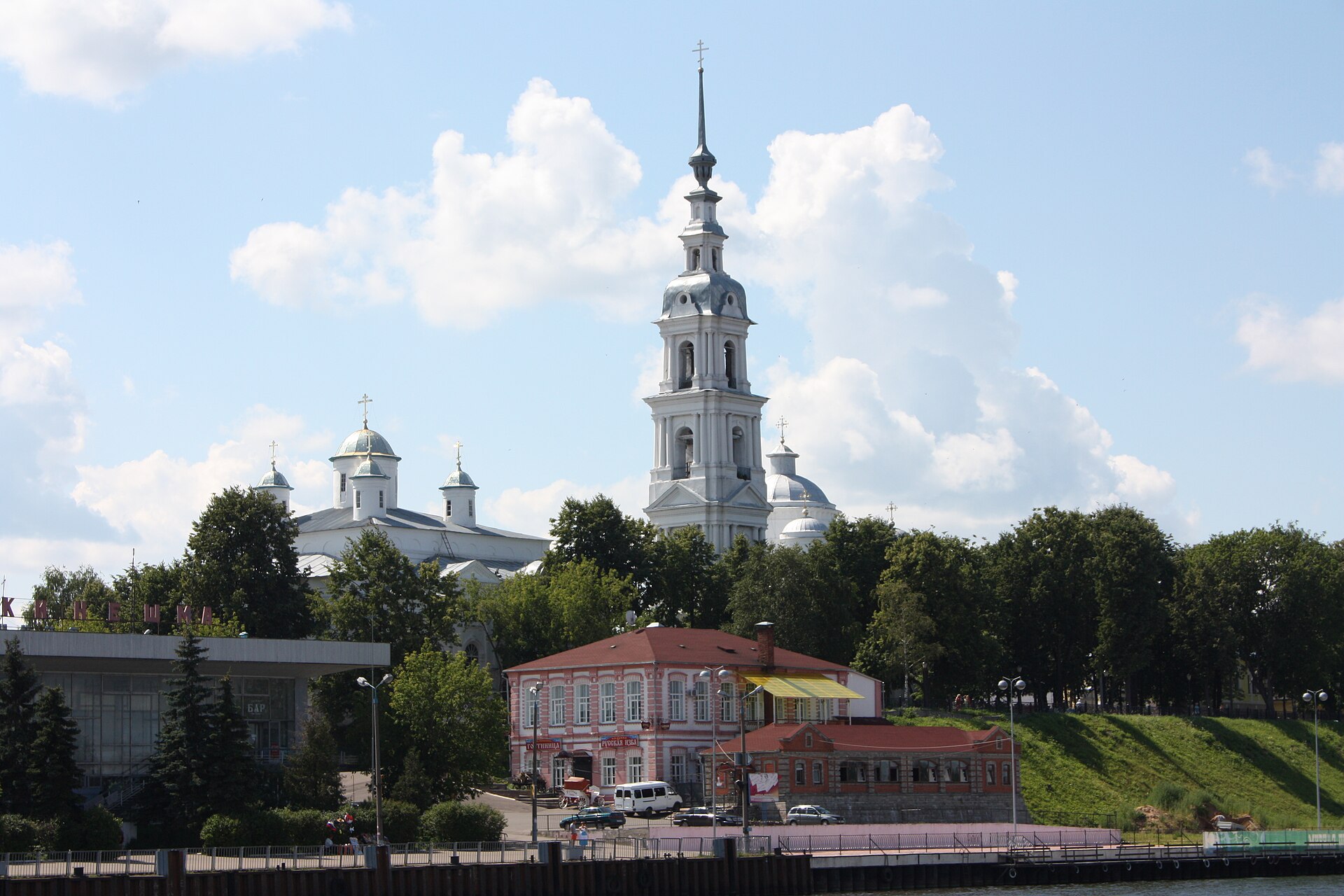
The OACA Liturgical Music Workshop wrapped up its sessions with a benefit concert that raised funds for seminarians preparing for parish ministry. In the same week, the Orthodox Church in America’s September newsletter invited readers to reflect on their own service roles, while Elevation of the Holy Cross Church in its diocese received five new members into the faith through chrismation. Over in Romania, Archbishop Calinic encouraged the faithful to let the liturgical calendar guide daily decisions, and a religious affairs official called on young people to shape their professional lives as genuine vocations. Meanwhile, the Cathedral of Beira in Mozambique marked a Day for Catechists, gathering local teachers to deepen their work with new believers. These ordinary efforts show how music, formation, and steady parish life keep feeding the Church across continents.
How is your own parish supporting musicians or seminarians right now?
🌐 Show original
A
Anthony Brown
Nice work by the OACA crew. That benefit concert sounds like it really helped the seminarians.
Е
Елена Иванова
It would be nice to watch this concert in a recording, I wonder how they did it.
O
Sep 2
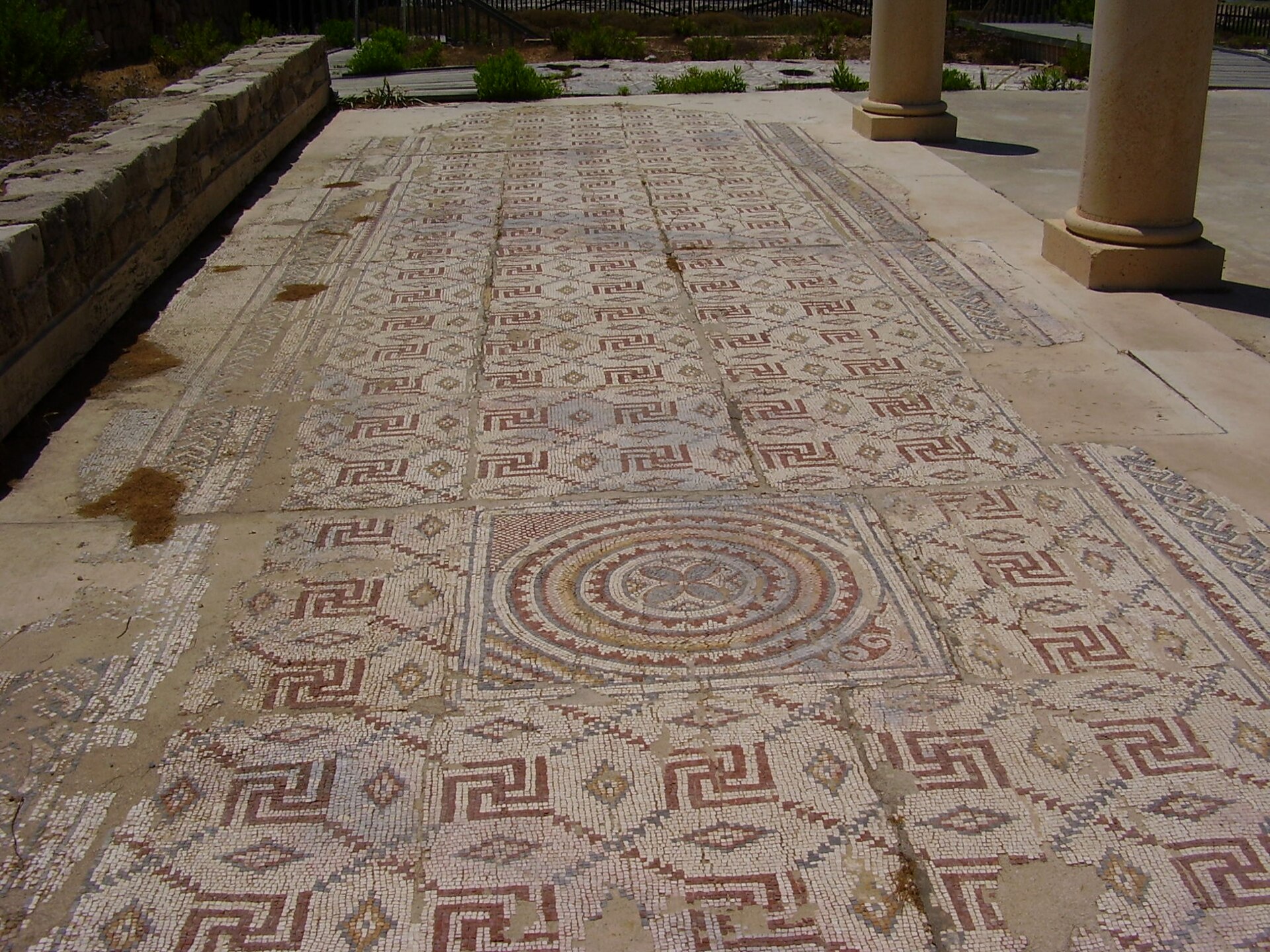
"Rooted and Resilient": Clergy Wives Weekend is Oct. 16-18
Greek Orthodox Patriarchate of Antioch · Read the article →
Patriarch Bartholomew of Constantinople issued a patriarchal encyclical for the new ecclesiastical year, urging the faithful to renew their spiritual lives through prayer, repentance, and acts of mercy amid global challenges. In Bucharest, the Romanian Orthodox Church hosted the opening of the International Meeting of Orthodox Youth for 2026 at the National Cathedral, drawing hundreds of young people for workshops and liturgies. The Orthodox Church in America reminded clergy to register for its upcoming Pastoral Retreat, aimed at strengthening parish leadership. Meanwhile, researchers gathered at a pan-Orthodox forum to explore practical steps for bridging divides within church communities and wider society. These gatherings show a shared focus on formation and unity as the year begins.
May these local churches and their leaders remain in our prayers.
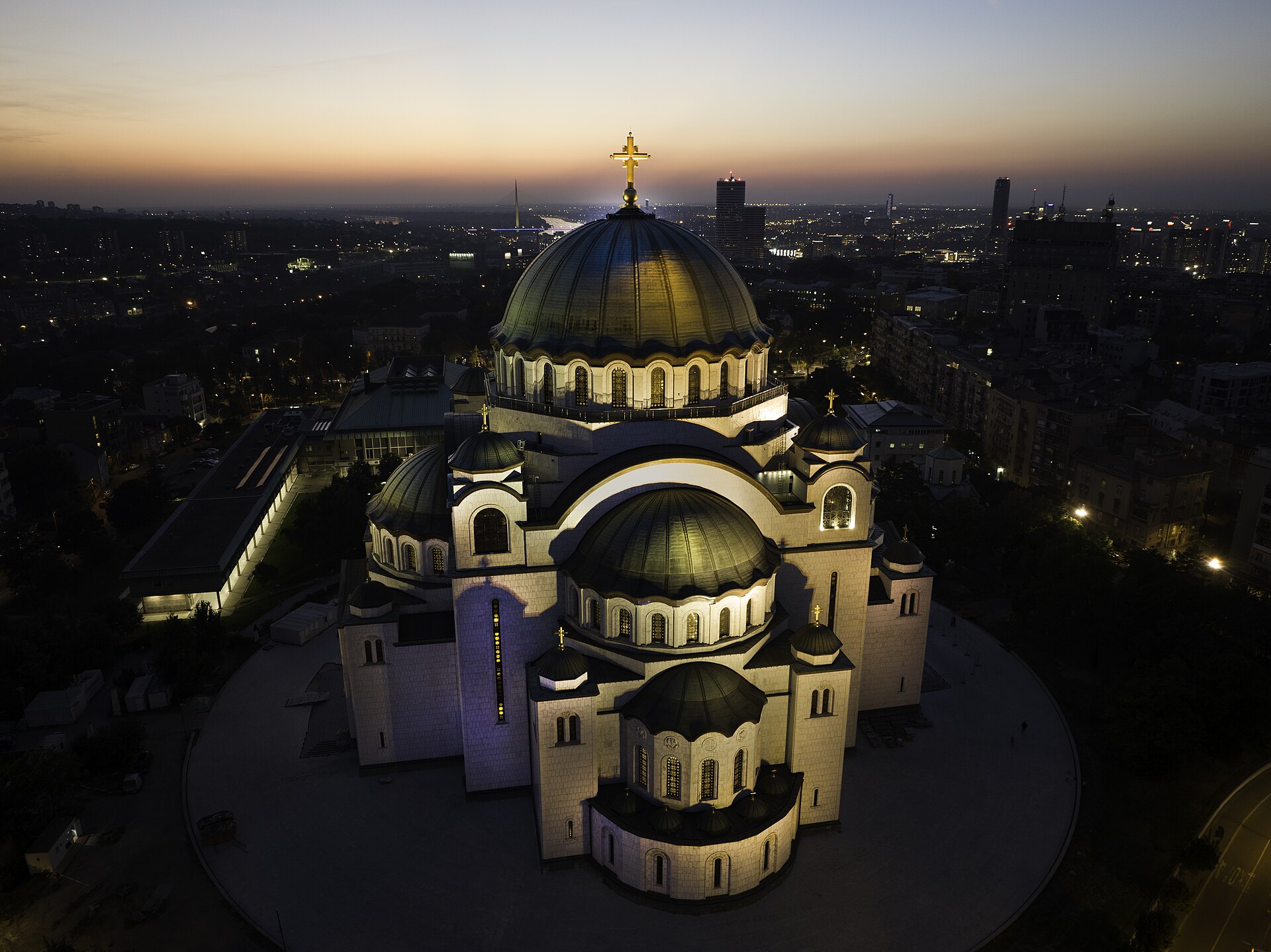
The Feast of Martyr Mamas and St. John the Faster passed quietly in many parishes. In the Romanian Orthodox Church, priests read the service for the beginning of the Church year right after the saint’s commemoration, ending with a short thanksgiving moleben that included prayers for farmers and livestock. At the same time the Orthodox Church in America opened registration for its fifth Liturgical Music Workshop, where new cantors will learn the tones used on days like this one. The Serbian Orthodox Church marked the feast with an early Divine Liturgy in several mountain monasteries so that the local faithful could return to their fields before the heat rose. These simple observances show how the calendar still shapes daily work and study across widely different places. This matters because the lives of the saints quietly order the ordinary week.
Violence continues in Sudan’s Nuba Mountains where Christian villages face repeated attacks, forcing families to flee into the hills with little more than the clothes they wear. Local clergy report that churches have been burned and crops destroyed, leaving communities without food or shelter as the rainy season sets in. In the midst of this, the Romanian Orthodox Church has called its youth to shape ordinary careers into genuine vocations, reminding young people that service can begin wherever daily work meets faith. At the same time the Orthodox Church in America marked the legacy of Archbishop Dmitri through a new musical setting of the Divine Liturgy, showing how tradition keeps growing even far from conflict zones. These stories from distant places underline why the Church keeps praying for the persecuted and for those who quietly build up the faith at home. The suffering in Sudan shows how urgently Christians everywhere need one another.
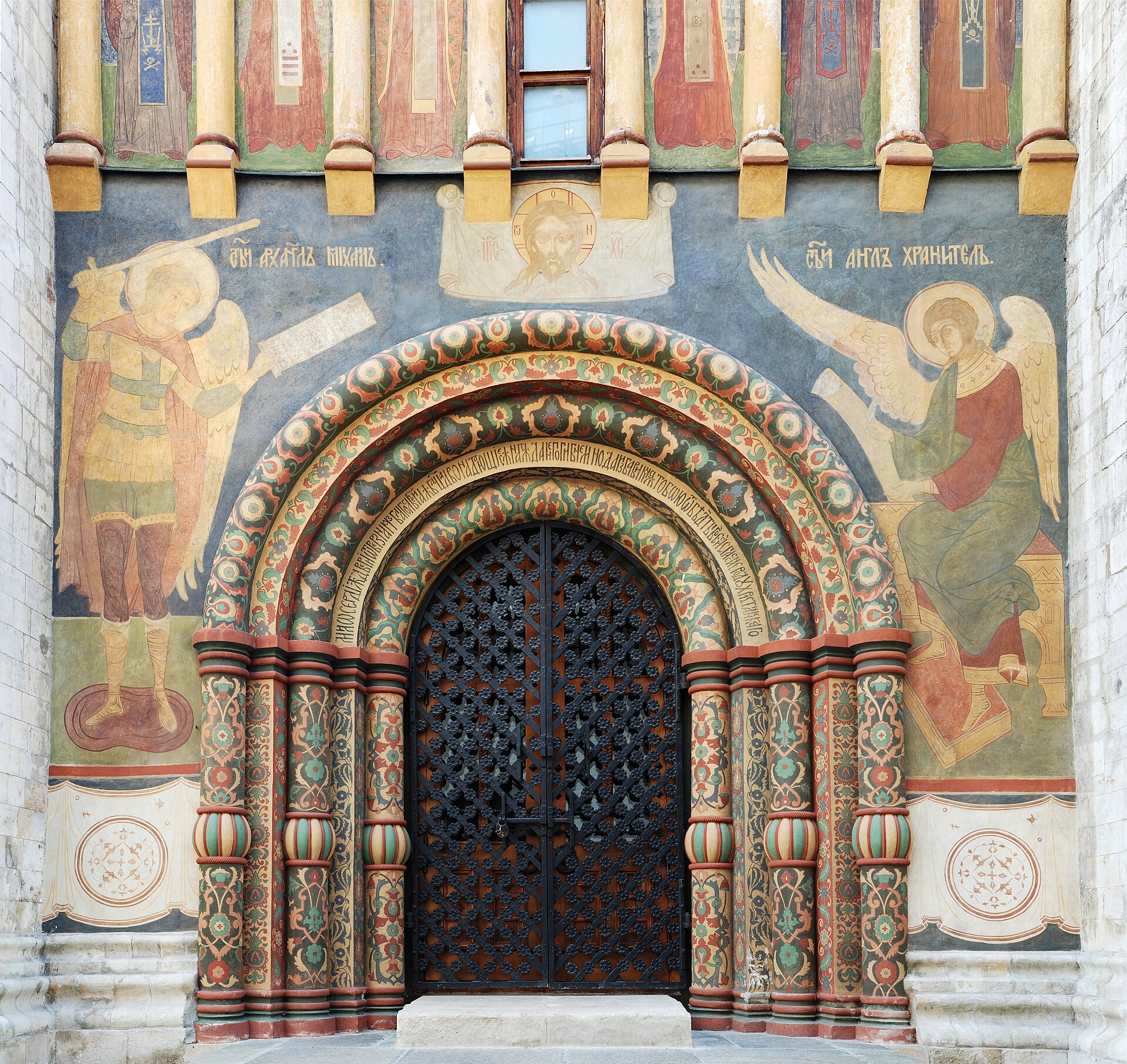
Ecumenical Patriarch Bartholomew addressed ecological responsibility as a core Christian duty during a recent gathering, stressing that caring for creation flows directly from the commandment to love one’s neighbor and honor the Creator. In parallel, the Romanian Orthodox Church heard Archbishop Calinic call on the faithful to let the liturgical calendar shape daily decisions like a reliable compass. The Orthodox Church in America marked the start of the new church year 2026 with quiet services reminding parishes of steady rhythms of prayer and fasting. From the Romanian side, a government religious affairs official encouraged young Orthodox professionals to treat their careers as genuine vocations rather than mere jobs.
These developments show how different corners of the Church keep linking ancient teaching to concrete living. The topic matters because it quietly anchors faith in the everyday choices that sustain both people and the world around them.
J
Sep 2
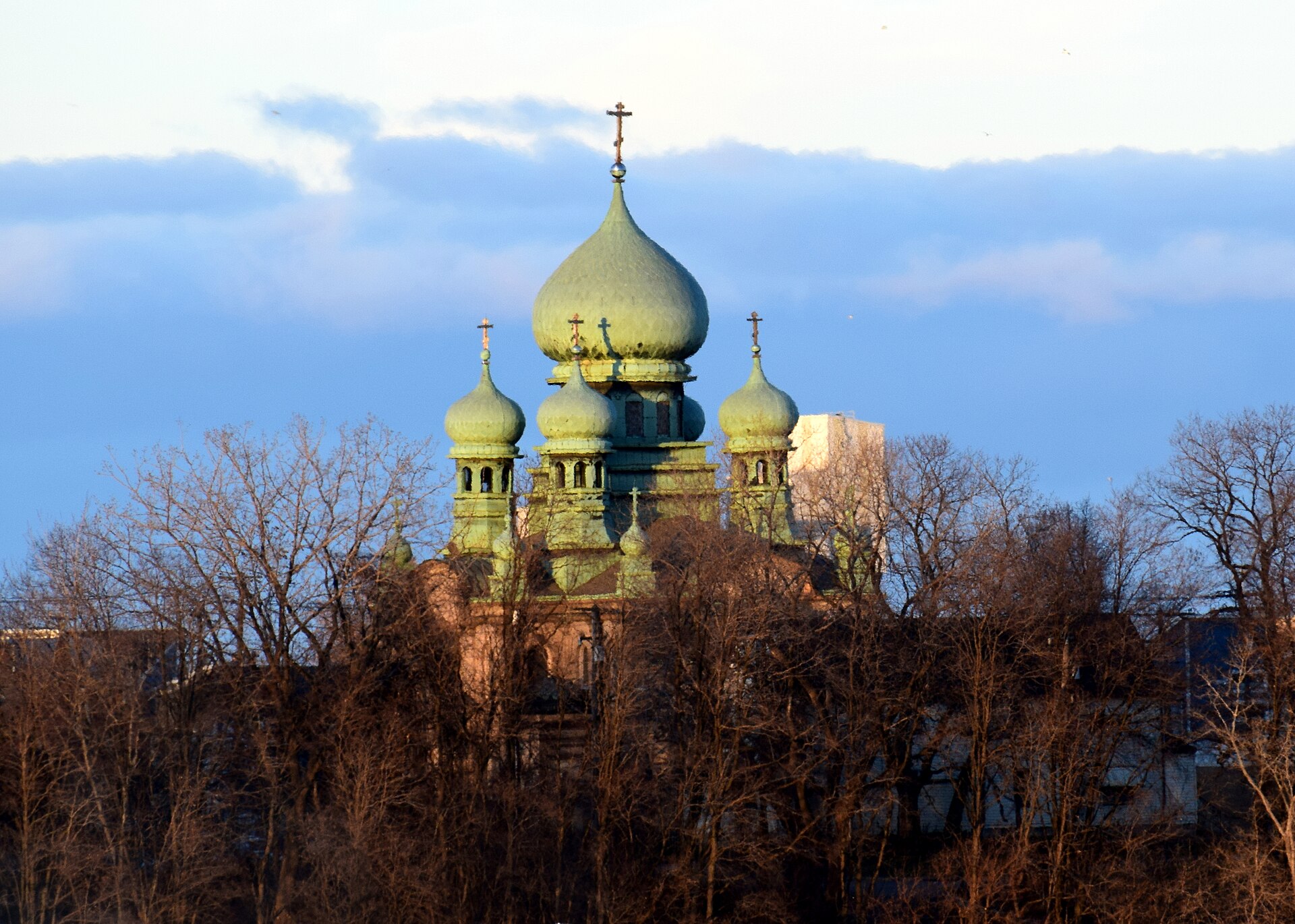
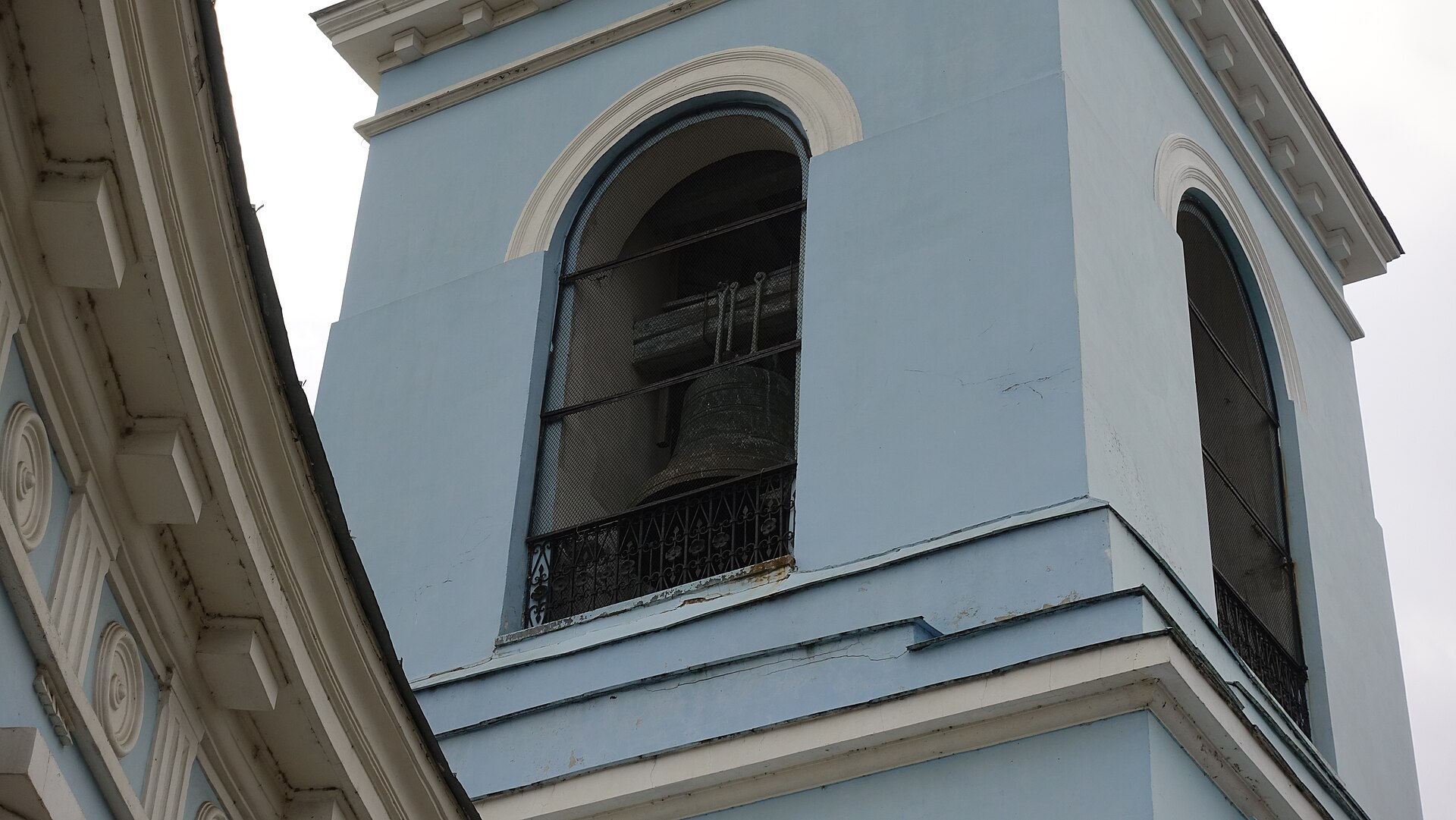
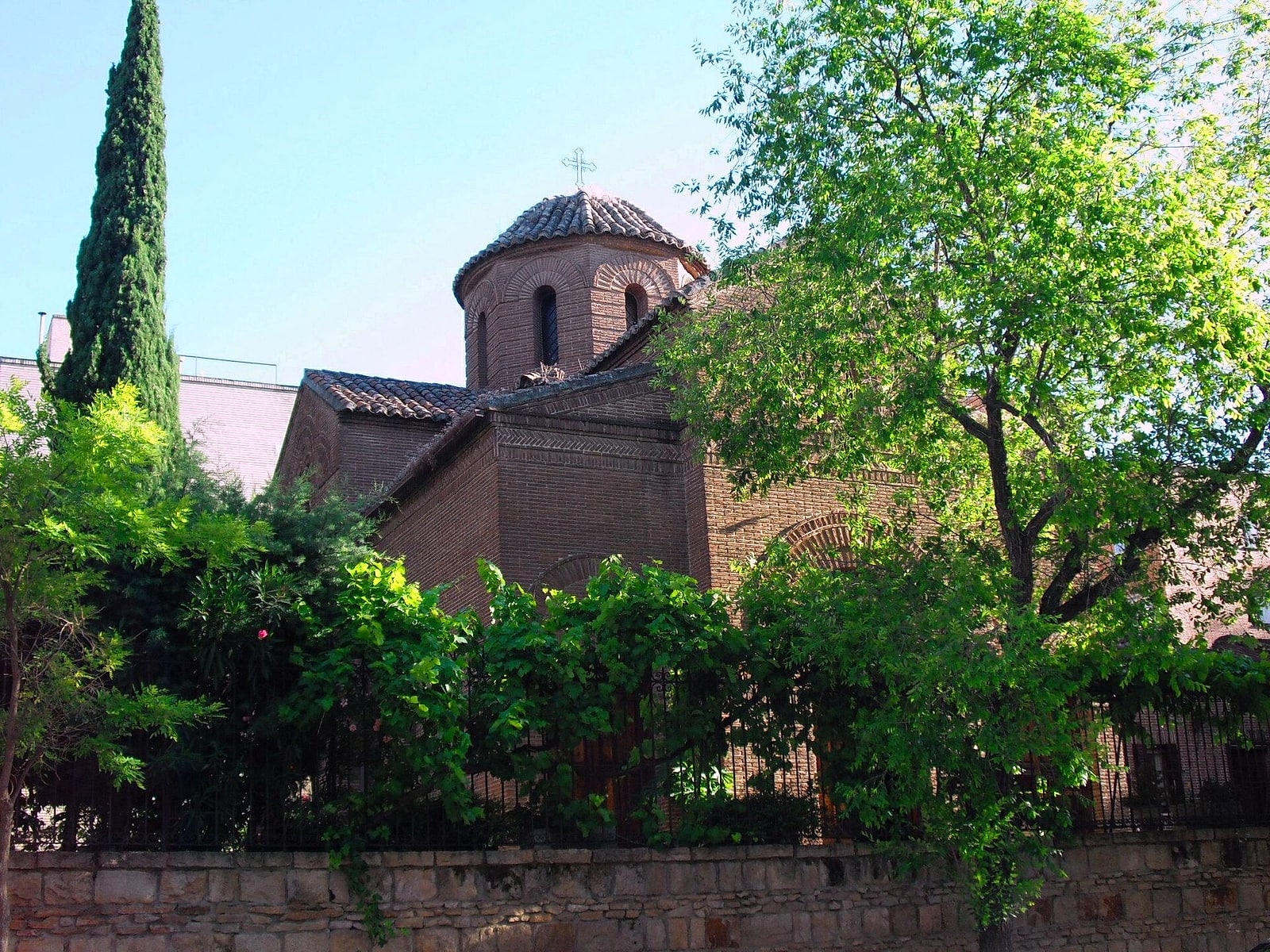
Crkva od crvene cigle sa kupolom lijepo stoji među drvećem i kamenim zidom. Snimio sam je juče dok sam prolazio.
Ქ
ქეთევან მამულაშვილი
I wonder where exactly this place is. I want to see you personally.
А
Анастасия Волкова
Beautiful brickwork.
С
Светлана Соловьёва
Beautiful masonry at the dome.
А
Александар Ристески
The red brick of the dome looks quite old, it must have been baked a hundred years ago or more. When viewed from the side, the wall appears solid, without cracks.
The papal intention for September, focused on the responsible care of water as a precious gift, has drawn quiet attention across several Orthodox corners this week. In Romania, a senior religious affairs official encouraged young people to shape their professional paths into genuine vocations, echoing the call to stewardship. The Orthodox Church in America announced details of its 2026 Emmaus Retreat at St. John’s Camp, a gathering that often includes practical teaching on living out faith in daily creation. Meanwhile, the Season of Creation opened with coordinated worldwide prayer for our common home, involving parishes from the Serbian Orthodox Church and the Greek Orthodox Patriarchate of Antioch.
These modest steps show communities taking the theme of water and the environment into local life without fanfare.
May these Churches and their faithful be kept in prayer this month.
The OACA Liturgical Music Workshop wrapped up its sessions with a benefit concert that raised funds for seminarians across several jurisdictions. Participants from the Orthodox Church in America spent days refining chant techniques and learning new settings for the Divine Liturgy. At the same time, the Romanian Orthodox Church highlighted stories of young people turning professional skills into church vocations, showing how music and service often go hand in hand. The Serbian Orthodox Church quietly noted several of its own seminarians who benefited from similar past workshops, now serving in parishes that value strong liturgical singing. These practical gatherings keep the tradition alive without fanfare, giving future clergy the tools they need for the altar and choir loft.
How is liturgical music practiced in your own parish these days?
The new ecclesiastical year opened with a patriarchal message from Ecumenical Patriarch Bartholomew calling the faithful to renewed prayer and service as the Church calendar begins. In Bucharest, the Romanian Orthodox Church welcomed hundreds of young people to the International Orthodox Youth Meeting at the National Cathedral, where speakers encouraged fresh commitment to parish life and mission. The Orthodox Church in America launched its annual Support Our Seminarians Month, inviting parishes to contribute to the formation of future clergy through practical gifts and steady prayer. At the same time, the Church of Greece marked the first day of the year with quiet services honoring the saints and the rhythm of the liturgical cycle that shapes daily Orthodox existence.
These moments show how each local Church enters the same calendar with its own concrete tasks. May the Lord strengthen the youth in Romania, the seminarians in America, and every community that seeks to walk faithfully through the coming year.
The Feast of Martyr Mamas and St. John the Faster passed quietly this week. In Romania, Archbishop Calinic reminded the faithful to keep the liturgical calendar as the true compass of daily life, while the Basilica News Agency rolled out its fresh website design and new look. The Orthodox Church in America opened pre-registration for its fifth Liturgical Music Workshop and Seminarian Benefit Concert, drawing cantors and students from several dioceses. Across the wider Orthodox world a modest Advent book that invites readers to watch animals instead of rushing to shops has now sold 110,000 copies, and news arrived of the passing of agrarian writer Wendell Berry at age 92, whose work many Orthodox have quietly valued for its attention to creation and ordinary labor.
May these communities and their steady work be held in prayer.
Δ
Δέσποινα Χατζή
Yes, I really liked 'Jayber Crow', especially the part about the fishing in the river. I also read "The Unsettling of America" years ago, which talks about how we are losing our connection to the land. I'm also going to read the life of St. Mama this week, let me know how you like it when you finish it.
Δ
Δέσποινα Χατζή
"Jayber Crow" is one of my favorites too, but I hadn't read that plowing essay. I tried 'Hannah Coulter' last year and I was impressed with how it shows patience in field work. Tell me, did you like the essay or the novel better?
Α
Ανδρέας Παναγιωτόπουλος
I read "Hannah Coulter" two years ago and agreed, the patience in plowing and reaping comes across as very real. I liked the plowing essay better though, because it is more direct and shows the work of the hand without much words. Which Berry book would you re-read first?
Α
Ανδρέας Παναγιωτόπουλος
Yes, 'Jayber Crow' is definitely worth after Berry, especially if you like the quiet description of everyday life and the land. I read it last year while I was making pumpkins on the balcony and it stuck with me. What else are you growing this year?
Violence has intensified in Sudan’s Nuba Mountains, where Christian villages face repeated attacks, displacement, and destruction of homes and churches. Reports from local clergy describe families hiding in caves while militias burn crops and livestock. The Orthodox Church in America has highlighted the crisis in recent statements, calling for immediate humanitarian corridors. Meanwhile, the Romanian Orthodox Church included prayers for persecuted believers in its services marking the new Church year. In parallel, the Polish Orthodox bishops issued a strong reminder that surrogacy contradicts Christian teaching on the dignity of life, tying the statement to upcoming Warsaw discussions. Separately, Bishop Andrei of Cleveland led the patronal feast at Saint Varlaam of Moldavia parish in Moncton, drawing faithful from across the Maritimes for liturgy and fellowship.
May these communities in Sudan, Romania, Poland, and Canada be remembered in prayer.