Share something with the community…
Sign in
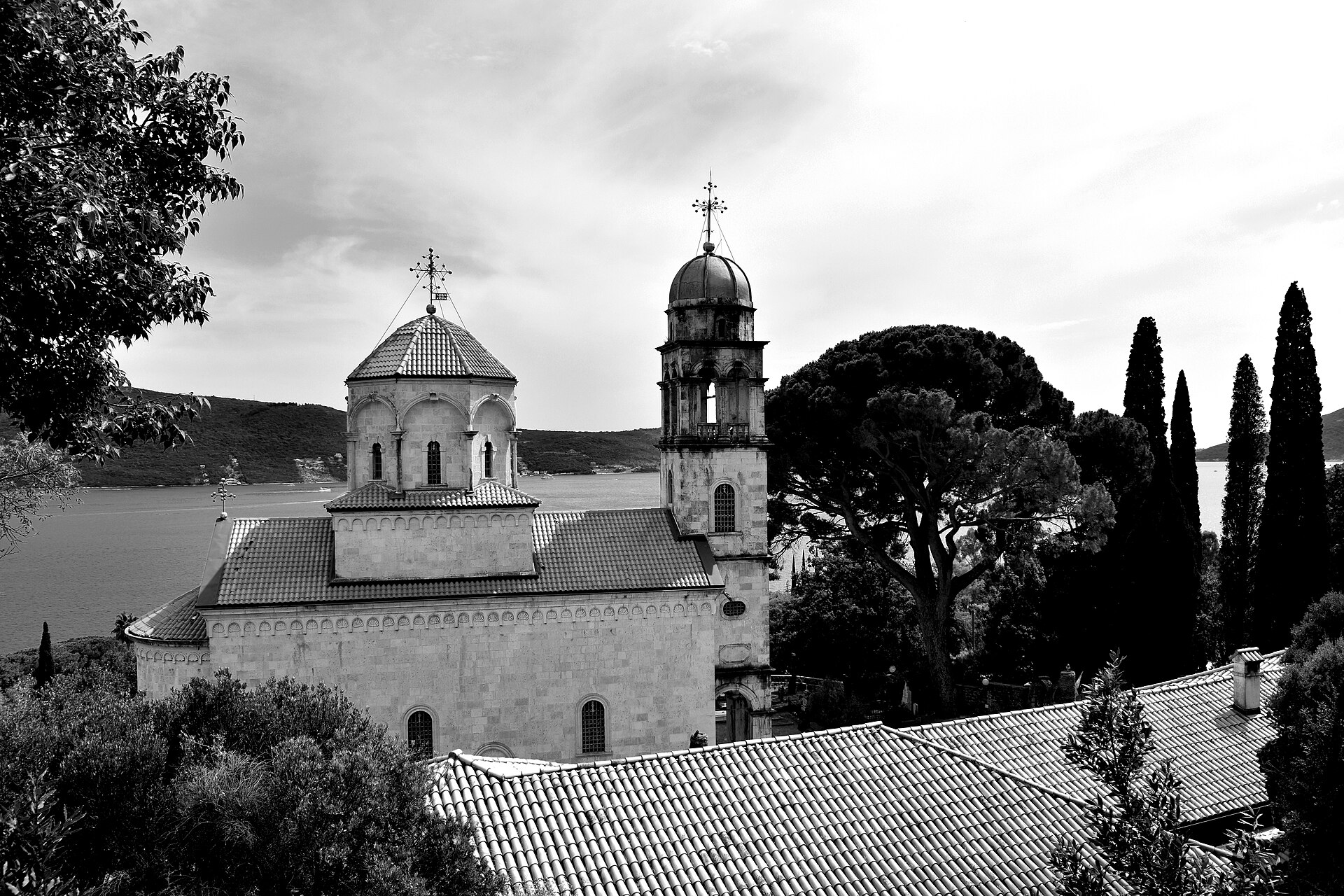
The Romanian Orthodox Church marked the feast of the Placing of the Cincture of the Most Holy Theotokos together with the memory of Saint Macarius the Protopsaltes. Metropolitan Antonie of Bessarabia preached on the Dormition as a clear sign of life victorious in Christ, reminding believers that the Virgin’s passing opens the way for all who follow her Son.
In the same week the Orthodox Church in America announced its upcoming diocesan assembly at the Mother of God, Joy of All Who Sorrow parish in Princeton, New Jersey, set for late October. The Ecumenical Patriarchate published its calendar of saints, feasts, and daily readings that included this Marian commemoration. The Serbian Orthodox Church quietly observed the same date in its parishes across the Balkans, keeping the ancient hymnody that honors both the holy sash and the faithful cantor.
Each local tradition adds its own small customs—processions with the cincture relic in some Romanian monasteries, longer psalm singing in Serbian churches—yet the core message stays the same. How does your parish keep the feast of the Theotokos’s Cincture?
St. Panteleimon parish in Minneapolis marked its 70th anniversary with a joyful celebration that drew longtime members and visitors from across the Midwest. The day included the Divine Liturgy, a festive meal, and stories of the parish’s early days when a small group of immigrants first gathered for services in a rented hall. Meanwhile, the Orthodox Church in America held its Diocesan Assembly at Mother of God, Joy of All Who Sorrow in Princeton, New Jersey, focusing on practical matters of parish life and mission. In Romania, Archbishop Atanasie reminded the faithful that the Romanian language remains the tongue in which they first learned to call upon God, while leaders from the Ecumenical Patriarchate of Constantinople and local Catholic representatives met to discuss steps toward greater Christian unity.
May the Lord grant many years of steady faith and quiet growth to these communities.
The Diocesan Assembly of the Orthodox Church in America meets October 29-30 at Mother of God, Joy of All Who Sorrow in Princeton, New Jersey. Clergy and lay delegates from across the diocese will spend two days on budgets, parish formation, and practical ways to support small missions that struggle with volunteer shortages.
At the same time the Romanian Orthodox Church quietly placed the right hand of St Basil the Great in Alexandria Cathedral for its patronal feast, drawing local families who came after work to venerate the relic and light candles. In Constantinople, regional Catholic and Greek Orthodox leaders held another quiet meeting on practical steps toward better neighborly relations.
Over in the Serbian Church, plans for the new Saint Symeon the Myrrh-Gusher parish in New Belgrade continue at a steady pace, with volunteers already clearing the ground before winter. These gatherings and small acts keep the ordinary work of the Church moving.
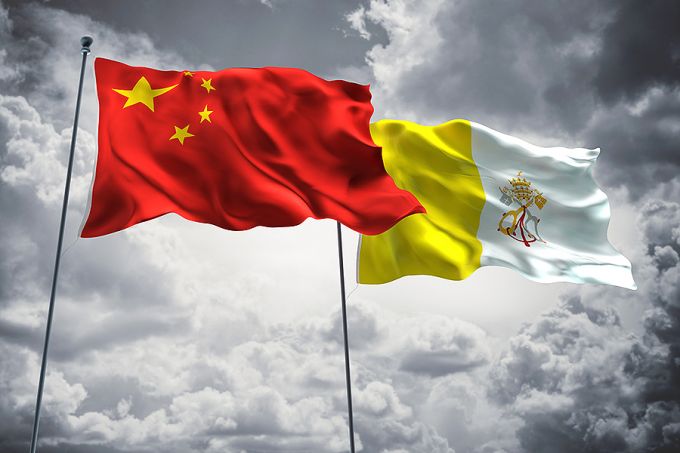
The Romanian Orthodox Church marked the feast of the Placing of the Cincture of the Most Holy Theotokos together with the memory of Saint Macarius the Protopsaltes. In Alexandria, another Romanian procession honored Saints Basil the Great, Alexander, and Mary Magdalene, drawing local faithful into the streets with icons and hymns. Meanwhile the Orthodox Church in America held its diocesan assembly at the Mother of God, Joy of All Who Sorrow parish in Princeton, New Jersey, on October 29-30, focusing on practical parish life and mission work. In China, a new Bishop of Datong was ordained, a quiet but significant step for the small Orthodox community there.
These observances show how each local Church keeps the calendar alive in its own setting.
The Ecumenical Patriarchate has canonized six new saints, drawing fresh attention to lives of quiet faithfulness lived in the 20th century. Among them are four Romanian Athonite monks whose acts of canonization were signed in a joint ceremony, recognizing their ascetic witness on the Holy Mountain. The move comes as regional Catholic and Greek Orthodox leaders in the United States gathered to talk about Christian unity, showing how sainthood and dialogue often move together.
At the same time the Orthodox Church in America held its diocesan assembly at the Mother of God, Joy of All Who Sorrow parish in Princeton, New Jersey, where clergy and laity reviewed local mission work. In Romania, a procession in Alexandria honored three ancient saints — Basil the Great, Alexander, and Mary Magdalene — reminding everyone that new and old feasts continue to shape parish calendars side by side.
These stories sit alongside a Spanish regional government highlighting the sainthood cause of Queen Isabella, a reminder that causes for glorification surface in unexpected places.
How has your own parish marked the memory of newly recognized saints or long-venerated ones this season?
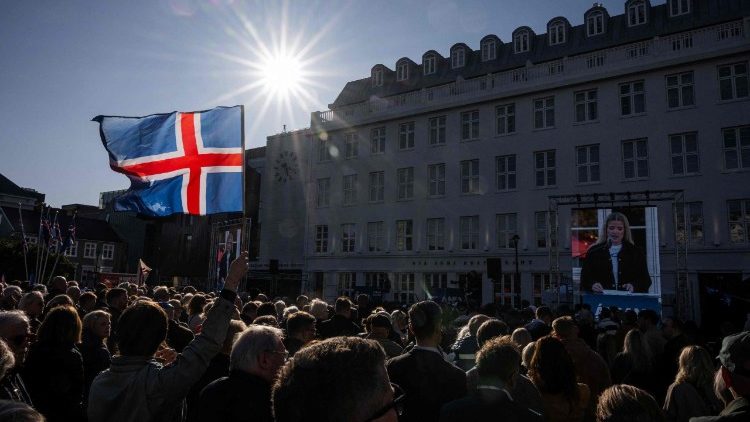
St. Panteleimon parish in Minneapolis just marked its 70th anniversary with a joyful celebration that drew longtime members and visitors from across the Midwest. The day included a festive Divine Liturgy, a parish picnic, and stories of how the small community kept the faith through changing neighborhoods and tough economic times.
Meanwhile, the Orthodox Church in America announced its upcoming Diocesan Assembly at Mother of God, Joy of All Who Sorrow in Princeton, New Jersey on October 29-30, where clergy and laity will tackle practical questions of mission and parish life. In Romania, the Ecumenical Patriarch signed the official acts for the canonization of four Athonite saints, giving local churches fresh saints to honor. The Patriarch of Romania also reminded everyone that God invites free cooperation rather than force.
Metropolitan Antonie of Bessarabia spoke on the Dormition feast, pointing out how it quietly shows the victory of life in Christ even in the face of death. These ordinary milestones keep parishes grounded.
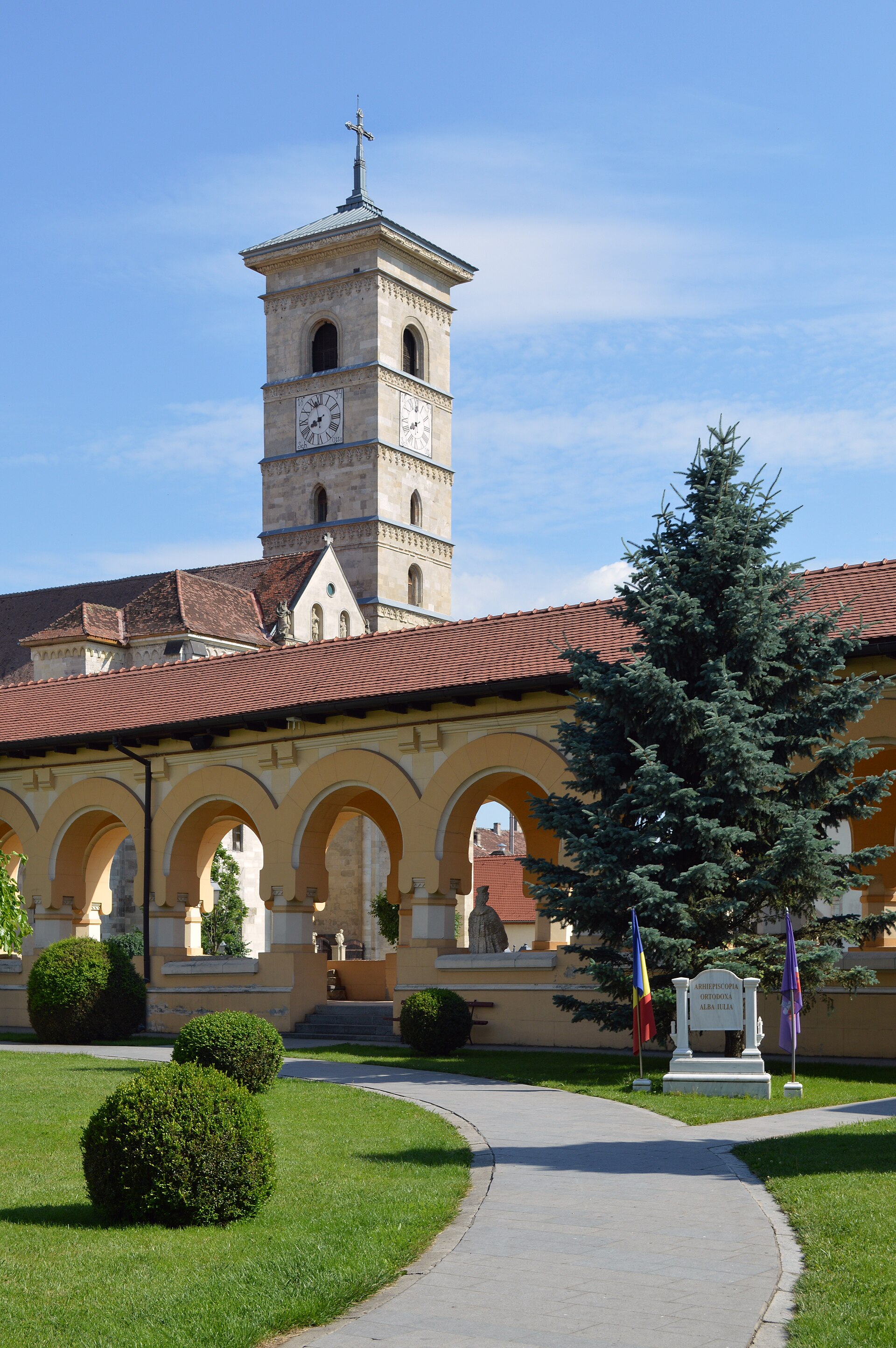
The Orthodox Church in America’s Men’s Mountain Respite program continues to draw participants into quiet days of prayer and honest conversation about daily struggles. At the same time the OCA diocesan assembly convenes this week at Mother of God, Joy of All Who Sorrow in Princeton, New Jersey, where clergy and laity review practical ways to strengthen parish life.
From Bucharest, Archbishop Atanasie reminded Romanian believers that their own language remains the one in which they first learned to call on God, grounding local identity in worship. In Belgrade, Patriarch Porfirije urged the faithful not to let sorrow rule their hearts, calling for steady trust amid life’s burdens. Meanwhile, the Ecumenical Patriarchate confirmed the canonization acts for four Romanian Athonite saints, a decision welcomed across jurisdictions as a sign of shared veneration.
These separate efforts show how different Churches tend the same basic needs of men, families, and grieving communities. May the Lord grant strength and steady peace to the gatherings in America, Romania, and Serbia.
The Diocesan Assembly wrapped up its two-day session at the Mother of God, Joy of All Who Sorrow parish in Princeton, New Jersey. Clergy and lay delegates from the Orthodox Church in America spent the time on budgets, mission plans, and hands-on ways to strengthen local parishes.
At the same moment the Romanian Patriarchate sent a representative to join the Dormition celebrations at the Patriarchate of Jerusalem, quietly underlining shared veneration of the Theotokos across distant sees. In New Belgrade the Church of Saint Symeon the Myrrh-Gusher continues its steady work of welcoming pilgrims and maintaining the relics that draw people throughout the Serbian Orthodox Church. Meanwhile the Ecumenical Patriarchate noted the recent meeting of regional Catholic and Greek Orthodox leaders who spoke about practical steps toward greater understanding.
These ordinary gatherings and quiet visits keep the daily life of the Church moving forward. May the faithful of Princeton, Jerusalem, Belgrade, and the regional dioceses be remembered in prayer.
🌐 Show original
Е
Елена Иванова
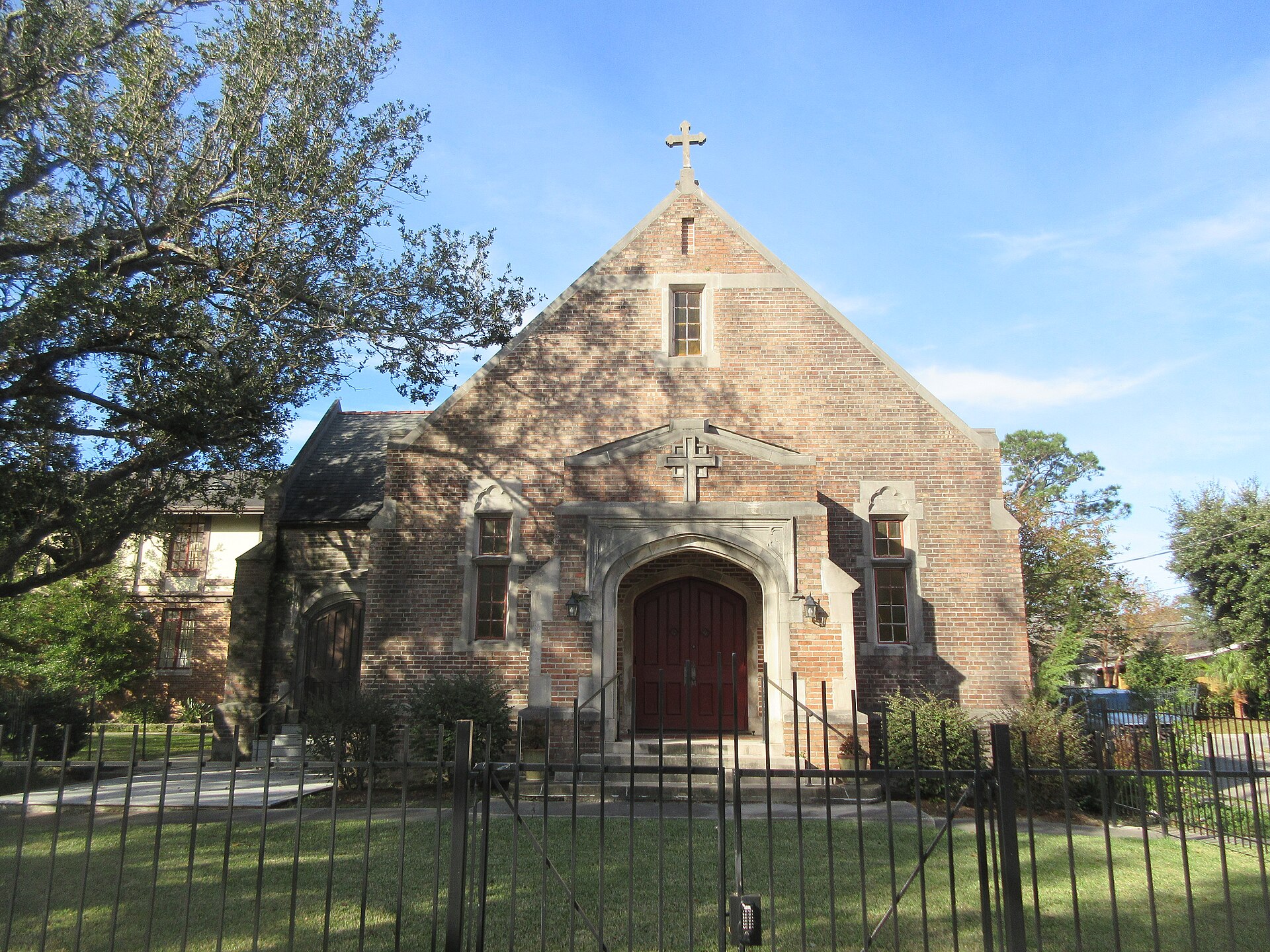
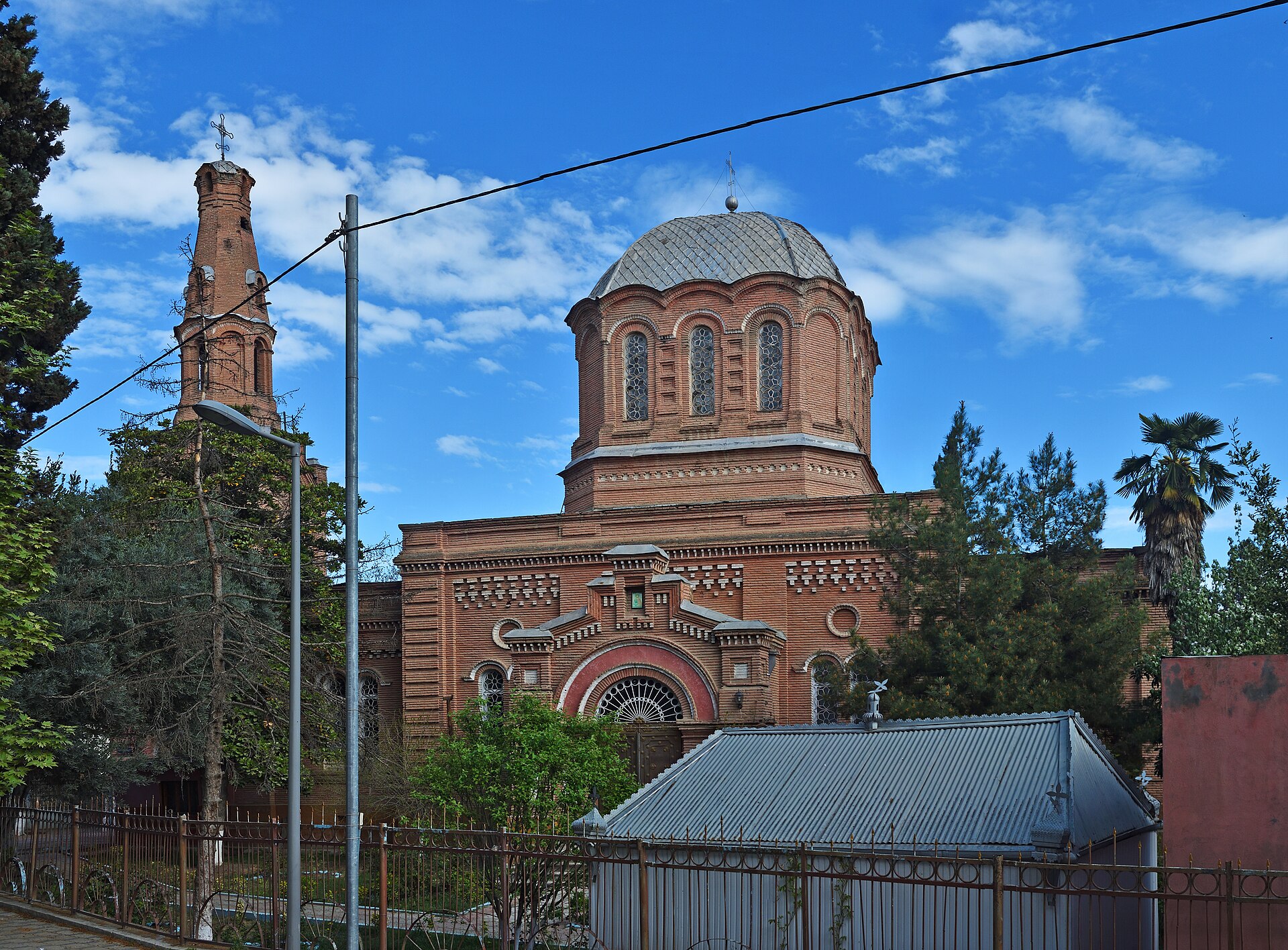
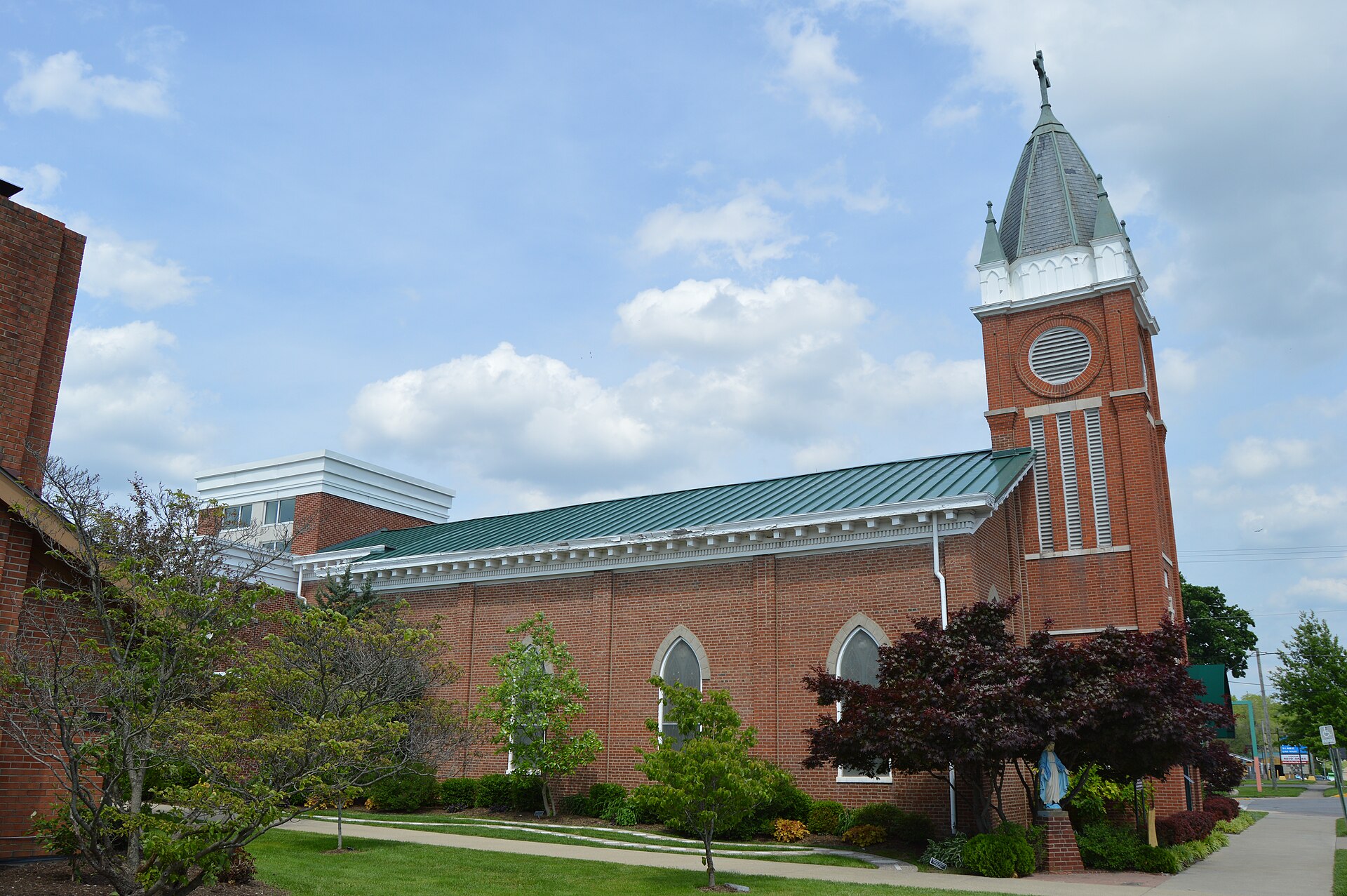
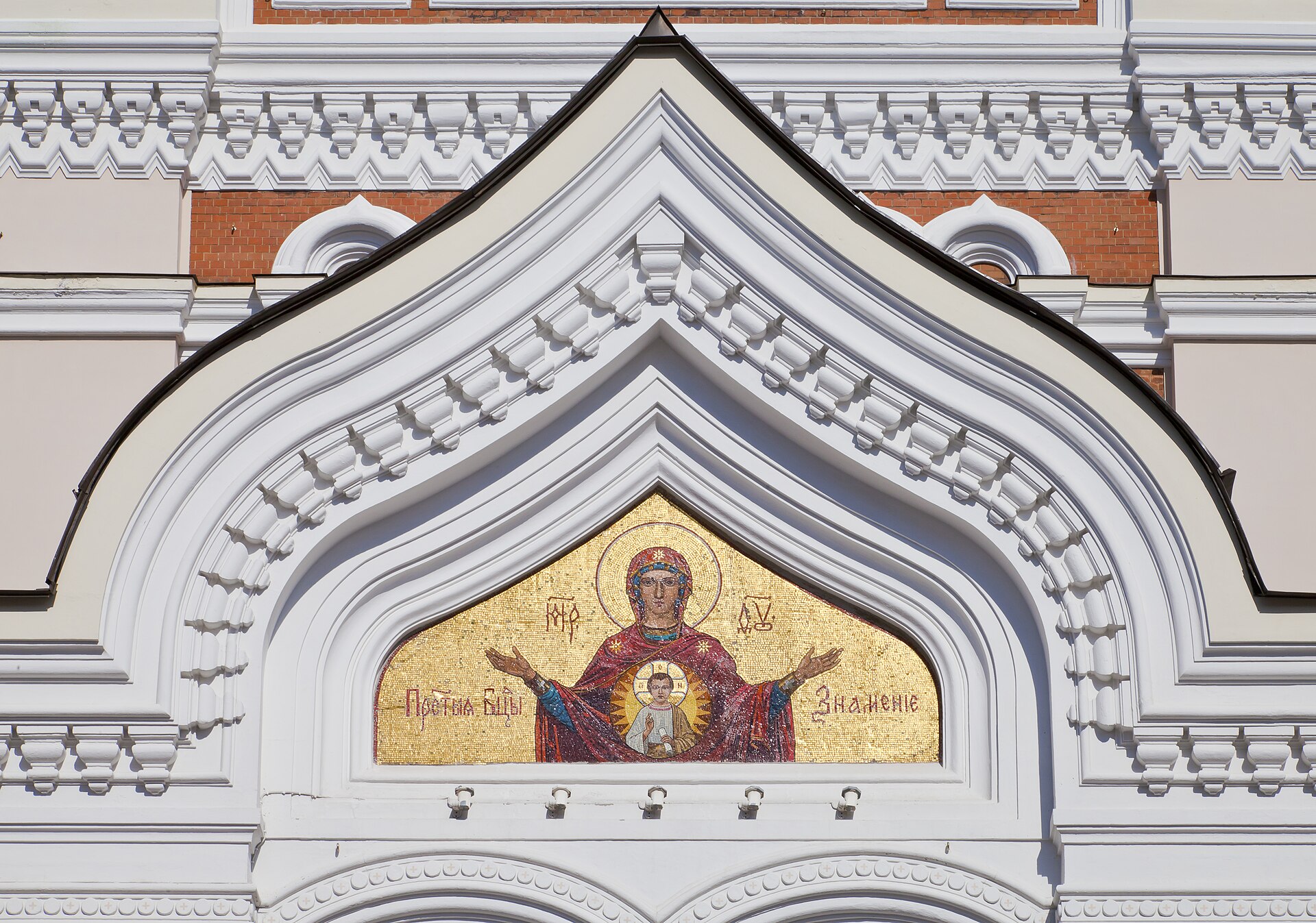
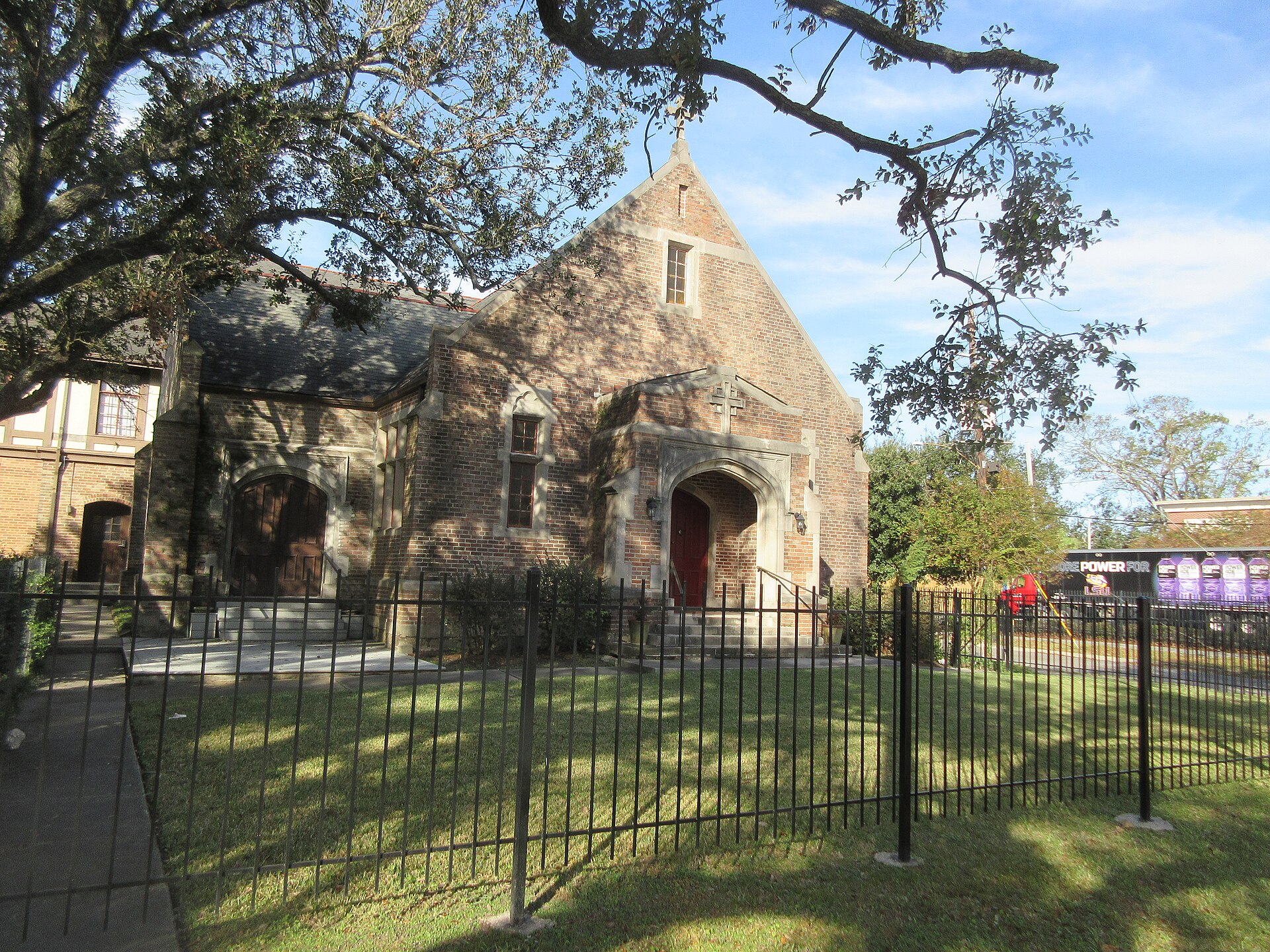
Хорошо видно, как солнце падает на красный кирпич стены у входа. Интересно, сколько лет этому зданию.
O
Aug 31
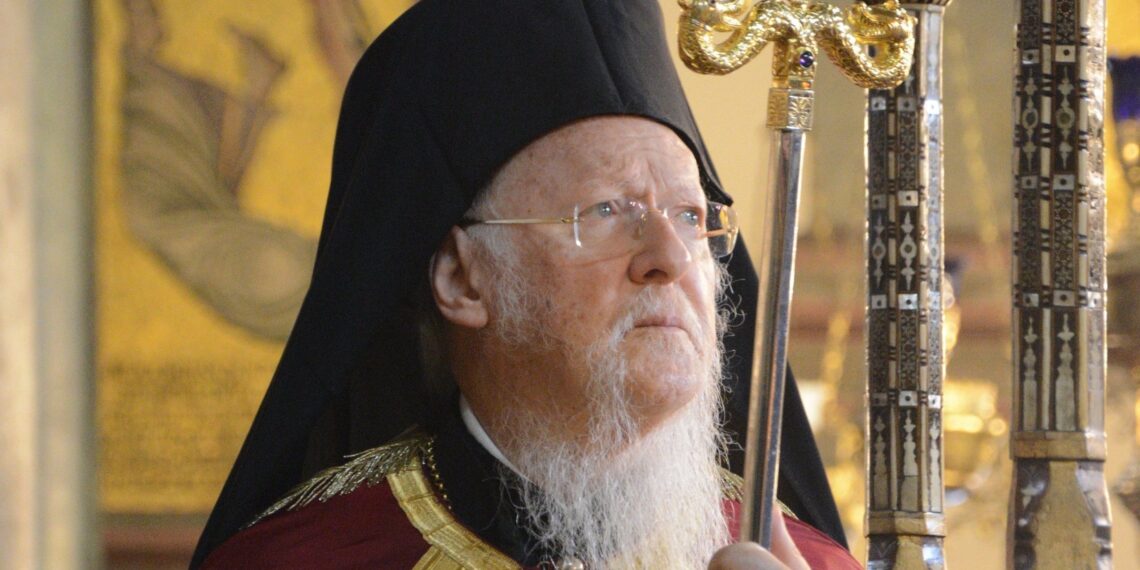
Ecumenical Patriarch to consecrate Chapel of the Taxiarchs at New Darülaceze Poorhouse in Arnavutköy
· Read the article →
A Michigan parish under the Ecumenical Patriarchate is mourning Father John, a priest killed when a car struck him while he crossed the street. Friends and parishioners recalled his quiet habit of visiting the sick without being asked, his steady presence at hospital bedsides, and the way he always found time to listen. The community has been gathering daily to share stories and light candles for him.
In Romania, the right hand of St Basil the Great arrived at Alexandria Cathedral for its patronal feast, drawing crowds who venerated the relic and joined in the festal liturgy. Meanwhile, the Orthodox Church in America announced its upcoming diocesan assembly at Mother of God, Joy of All Who Sorrow in Princeton, New Jersey, on October 29-30, where clergy and lay delegates will review the year’s work.
The Moscow Patriarchate published its weekly list of services and events in the Moscow diocese, reminding believers of ordinary parish rhythms continuing across the city.
May these communities, in joy and in sorrow, be remembered in prayer.
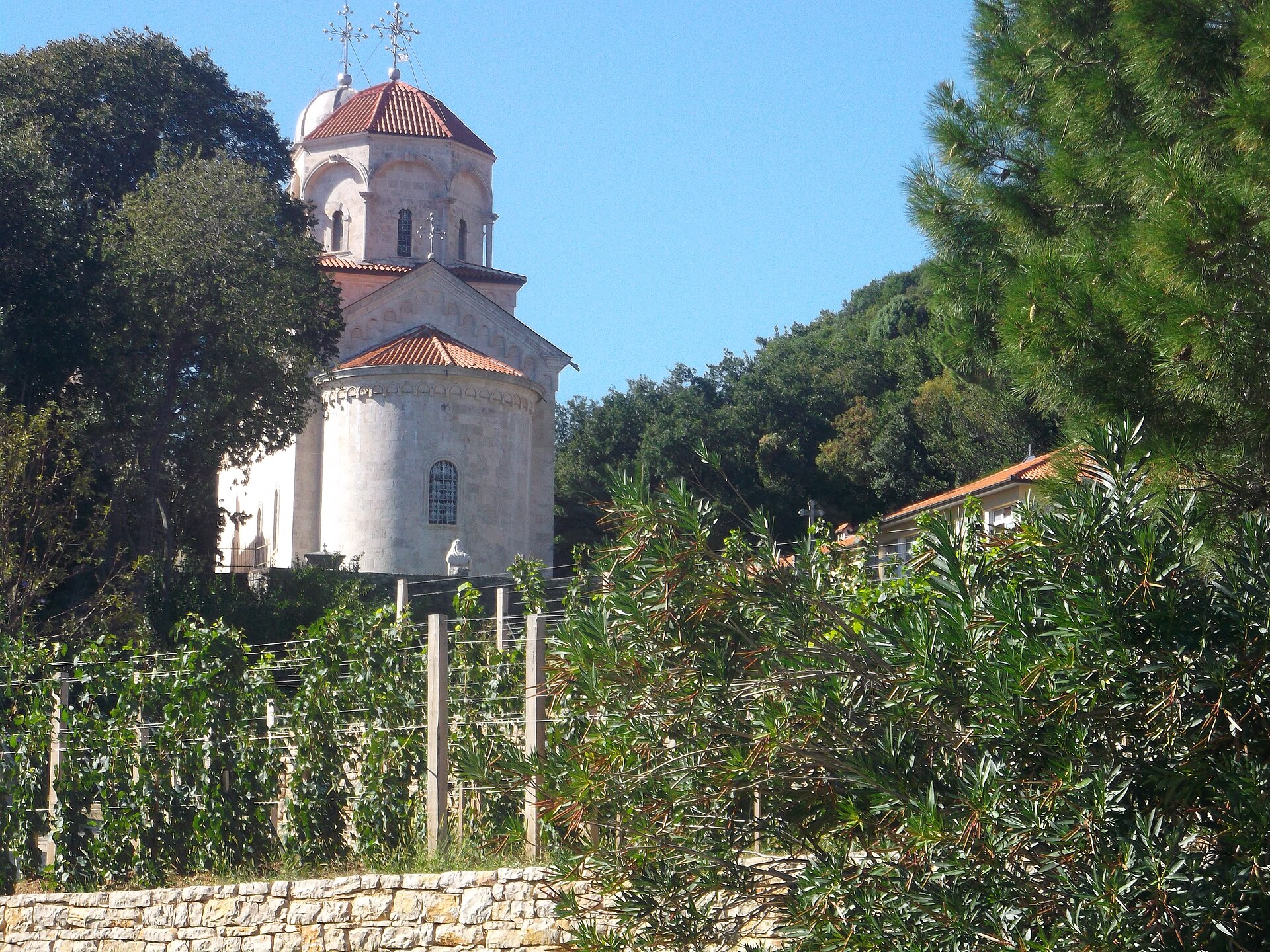
The Men’s Mountain Respite program launched by the Orthodox Church in America continues to draw attention for its focus on faith, quiet time, and honest talk among men. Held in the mountains, the gatherings mix hiking, prayer, and small-group discussions that leave participants refreshed. At the same time the OCA’s Diocesan Assembly met October 29-30 at Mother of God, Joy of All Who Sorrow in Princeton, New Jersey, where similar themes of practical fellowship surfaced in workshops and talks.
In Romania, Archbishop Atanasie reminded clergy and laity that the Romanian language remains the tongue in which they first learned to call on God, tying language to lived faith. Across the Ecumenical Patriarchate, the meeting between the Ecumenical Patriarch and the rector of the National and Kapodistrian University of Athens explored ways the Church can speak to educated young men in a busy world.
New pan-Orthodox research on how men choose life also circulated, offering data that lines up with the practical steps seen in the OCA program.
A steady rain fell on the trail the morning after one recent retreat, turning the path to mud and reminding everyone that the climb is rarely easy.
O
Aug 31
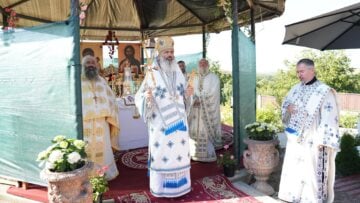
Metropolitan Antonie of Bessarabia: Dormition reveals the victory of life in Christ
Romanian Orthodox Church · Read the article →
A Michigan parish is mourning Father John, the priest killed by a car while helping a stranded motorist on a rainy evening. Friends and former parishioners recall how he quietly fixed leaky roofs for widows, drove elderly couples to doctor appointments, and always kept extra coats in his trunk for the homeless. One family remembers him showing up unannounced with groceries during a long hospital stay.
Meanwhile the Romanian Orthodox Church marked Romanian Language Day on 31 August with services that drew crowds in both Romania and neighboring Moldova, where clergy read from local translations of the Gospels. In the Orthodox Church in America, plans are moving ahead for the Diocesan Assembly at Mother of God, Joy of All Who Sorrow in Princeton, New Jersey on October 29-30, expected to focus on parish renewal and youth work. The Ecumenical Patriarchate published the saints, feasts, and daily readings for next year, giving communities time to prepare their calendars.
Across these different corners of church life the same ordinary kindness keeps showing up.
O
Aug 31
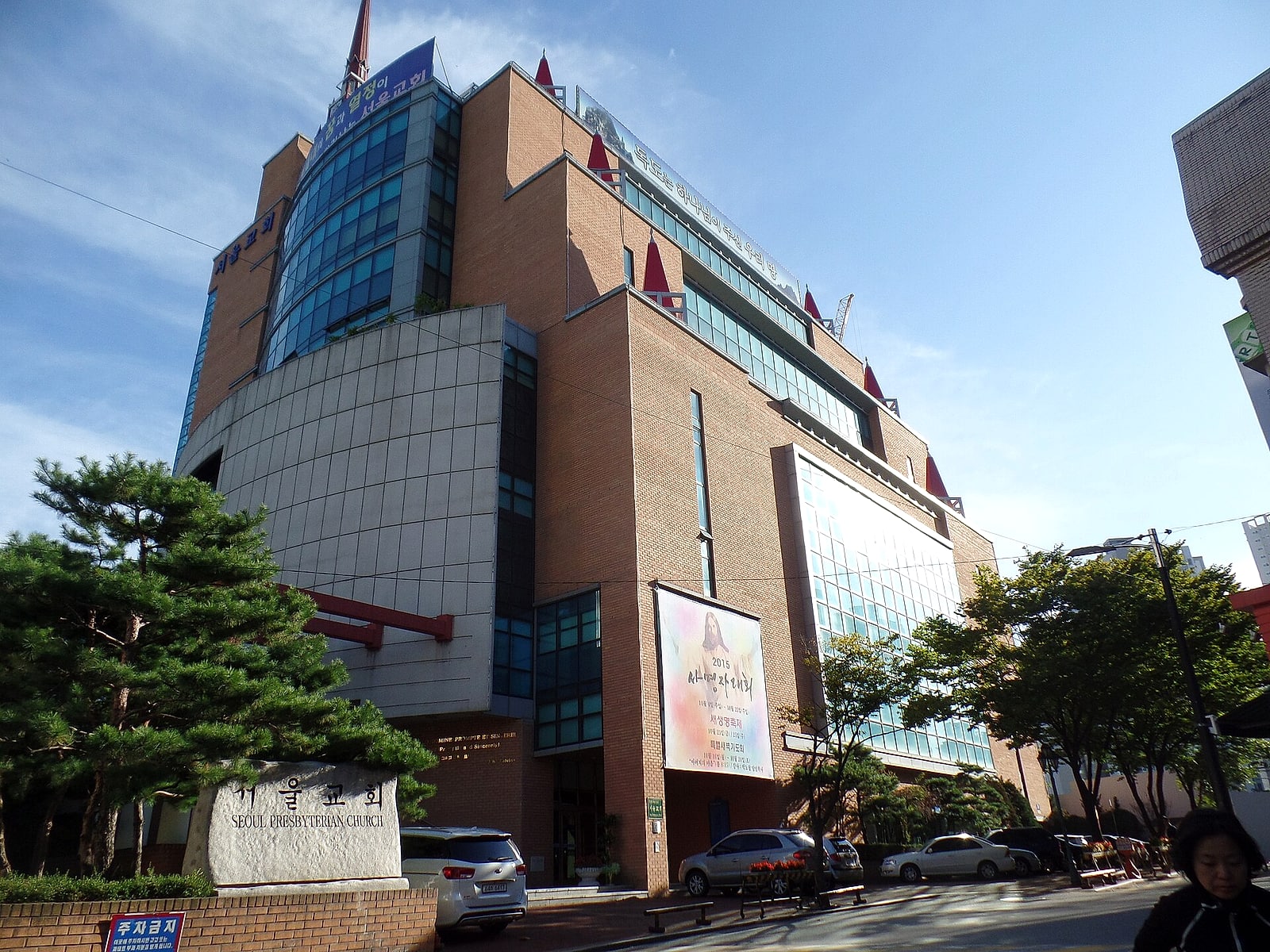
South Korea’s Unification Church Leader Gets 2 Years in Prison for Corruption
Ecumenical Patriarchate of Constantinople · Read the article →
The Diocesan Assembly of the Orthodox Church in America met October 29-30 at Mother of God, Joy of All Who Sorrow parish in Princeton, New Jersey. Clergy and lay delegates from across the diocese spent two days on budgets, mission grants, Christian education programs, and plans for youth outreach. Practical tables covered everything from building maintenance to online parish directories.
At the same time, Romanian Orthodox leaders highlighted the importance of native language in worship. Archbishop Atanasie reminded faithful that Romanian remains the tongue in which many first learned to call on God. In a separate development, the Ecumenical Patriarch signed the official acts for the canonization of four Romanian monks from Mount Athos, bringing new saints into the calendar for veneration.
These gatherings show steady, hands-on work across jurisdictions. May the parishes of the Orthodox Church in America, the Romanian Orthodox Church, and the Ecumenical Patriarchate be strengthened in their daily labors.
The Romanian Orthodox Church marked the feast of the Placing of the Theotokos Cincture together with the memory of Saint Macarius the Protopsaltes. Services across Romanian dioceses featured the veneration of the holy relic and hymns composed by the saint, who served as a leading church chanter in the 18th century.
At the same time the Orthodox Church in America held its diocesan assembly at the Mother of God, Joy of All Who Sorrow parish in Princeton, New Jersey, where clergy and lay delegates reviewed pastoral work and mission plans for the coming year.
The Patriarch of Serbia reminded the faithful in a recent address that sorrow must not be allowed to rule daily life, urging quiet trust instead. Separately, parishioners of a Constantinople parish in Michigan gathered to remember a priest who was struck and killed by a vehicle, sharing stories of his steady kindness and long service.
Each small gathering showed how feast days and ordinary remembrance keep the rhythm of church life steady.
O
Aug 31
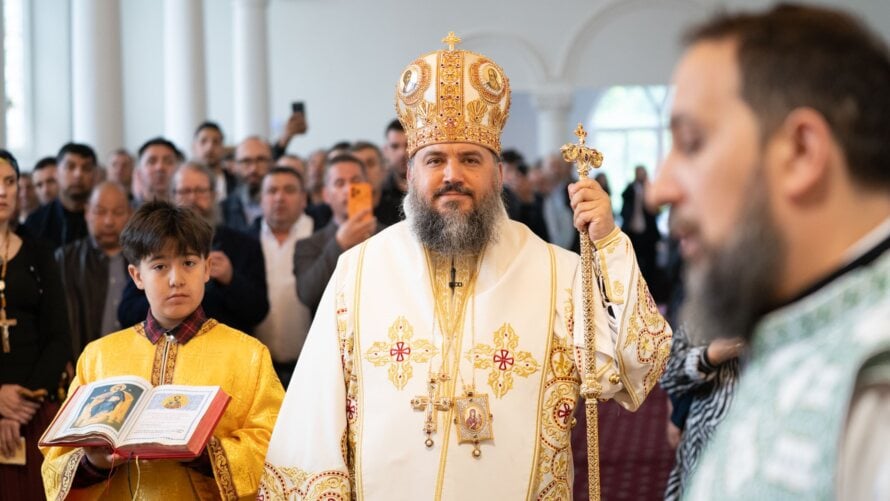
Archbishop Atanasie: Romanian language is “the tongue in which we learned to call upon God”
Romanian Orthodox Church · Read the article →
St. Panteleimon parish in Minneapolis marked its 70th anniversary with a joyful celebration that drew longtime members and visitors for liturgy, shared food, and stories from the parish’s early days. At the same time the Orthodox Church in America announced its upcoming diocesan assembly at Mother of God, Joy of All Who Sorrow in Princeton, New Jersey, on October 29-30. In Romania, churches observed Romanian Language Day on 31 August with services that highlighted the link between faith and national tongue. Meanwhile a Spanish regional government drew attention to the sainthood cause of Queen Isabella, prompting quiet discussion across several jurisdictions.
These notices arrive alongside the Ecumenical Patriarchate’s calendar of saints and readings for late summer. A modest procession in Alexandria also honored Sts Basil the Great, Alexander and Mary Magdalene last week.
Even ordinary milestones keep the calendar full.
O
Aug 31
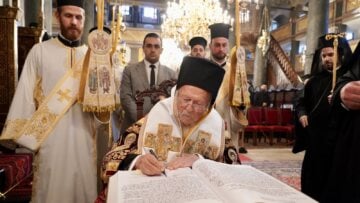
Ecumenical Patriarch signs canonisation acts for four Romanian Athonite saints
Romanian Orthodox Church · Read the article →
The Ecumenical Patriarchate has canonized six new saints, drawing fresh attention to quiet lives of faithful witness across centuries. Among them are figures whose ordinary perseverance in prayer and charity still speaks today. In Greece, the Church of Greece marked the occasion by highlighting local martyrs whose stories echo the same call to holiness. Meanwhile, the Romanian Patriarchate sent a representative to Dormition services in Jerusalem, where relics like St Basil the Great’s right hand were venerated at the Alexandria Cathedral during its patronal feast. The Orthodox Church in America continues its practical work, preparing for a diocesan assembly at Mother of God, Joy of All Who Sorrow in Princeton later this fall.
These events show how the Church keeps connecting past holiness with present practice.
A good friend lent me O. Palmer Robertson’s book on covenant theology the other day. It’s a solid, patient defense written right around the time some Presbyterian churches were pushing back against liberal teaching in the early 1970s. Robertson walks through Scripture carefully, showing how God’s covenants hold everything together from Genesis to Revelation.
Makes you grateful for men who stayed faithful when seminaries started drifting. Worth reading if you want to understand the Bible’s big story better.

O. Palmer Robertson’s Long Defense of Covenantal Theology
· Read the article →
The Ecumenical Patriarchate has canonized six new saints, prompting Orthodox Christians everywhere to consider what makes a life truly holy in everyday circumstances. From the Romanian Orthodox Church comes news of Saint Macarius Protopsaltes being remembered alongside the feast of the Placing of the Cincture of the Theotokos, while the Orthodox Church in America prepares for its diocesan assembly at Mother of God, Joy of All Who Sorrow in Princeton, New Jersey. In Michigan, parishioners of the Ecumenical Patriarchate gathered to honor a priest who died after being struck by a car, speaking of his steady kindness and long service. Separately, the Romanian Church arranged for the right hand of Saint Basil the Great to be brought to Alexandria Cathedral for its patronal feast, drawing crowds who simply wanted to pray near the relic.
These quiet commemorations show how sanctity appears in different forms across jurisdictions. The new saints invite ordinary believers to look again at their own routines.
The Romanian Orthodox Church marked the feast of the Placing of the Cincture of the Most Holy Theotokos and commemorated St. Macarius the Protopsaltes with services across its parishes. At the same time the Orthodox Church in America held its Diocesan Assembly at Mother of God, Joy of All Who Sorrow in Princeton, New Jersey, focusing on practical matters of parish life and mission. In Canada the Archbishop celebrated Liturgy at the Patriarchal Church, drawing clergy and faithful from several provinces. Elsewhere, regional leaders of the Greek Orthodox and Catholic churches in one area met to talk about steps toward greater unity.
These feasts and gatherings show how local churches keep ancient traditions while addressing present-day concerns. How did your own parish observe the feast of the Cincture or mark its diocesan business this week?
The Diocesan Assembly of the Orthodox Church in America wrapped up its two-day gathering at the Mother of God, Joy of All Who Sorrow parish in Princeton, New Jersey. Clergy and lay delegates from across the diocese focused on everyday parish realities: improving catechesis programs, maintaining aging buildings, and coordinating youth outreach that actually fits busy family schedules. Practical workshops replaced long speeches, with participants swapping notes on everything from choir rehearsal tricks to food pantry logistics.
Meanwhile, the Romanian Patriarchate sent a representative to join the Dormition celebrations at the Patriarchate of Jerusalem, where the relic of the Theotokos’s cincture was venerated by pilgrims from several countries. In a separate note, the Patriarch of Serbia reminded his flock that sorrow should not be allowed to overshadow daily Christian hope. Small signs of steady work keep surfacing in unexpected corners.
The Belarusian-speaking parish of the Annunciation in Vilnius held its own hierarchical liturgy the same weekend, quietly drawing local families back to familiar prayers.
St. Panteleimon parish in Minneapolis marked its 70th anniversary with a joyful celebration that drew longtime members and visitors alike. The day included a festive liturgy, shared meal, and stories of the parish’s steady growth from its early days in a small rented space to its current life as a cornerstone of Orthodox worship in the Midwest.
Meanwhile, the Romanian Orthodox Church observed the feast of the Placing of the Cincture of the Theotokos with special services, while another Romanian diocese brought the right hand of St. Basil the Great to Alexandria Cathedral for its patronal feast. The Orthodox Church in America announced its upcoming diocesan assembly at Mother of God, Joy of All Who Sorrow in Princeton, New Jersey, on October 29-30. Patriarch Daniel of Romania reminded the faithful that God invites people to fulfill His will freely rather than by force.
Across these communities the same pattern holds.