Share something with the community…
Sign in
Youth from the Church of Greece gathered on the island of Leros for their summer camp focused on prayer, fellowship and simple living. Daily services, talks on the saints and time for swimming and hiking filled the days. At the same time the Romanian Orthodox Church opened an exhibition in Oradea tracing Nadia Comăneci’s journey toward perfection through faith and discipline. In the United States the Orthodox Church in America welcomed a fragment of the relics of Saint Herman of Alaska to the Romanian Episcopate’s congress. The Serbian Orthodox Church marked the “Days of the Mother of God” in Subotica with quiet prayer and family gatherings.
These separate events show how ordinary summer weeks become opportunities for deeper life in Christ across different corners of the Church. May the intercession of the Theotokos strengthen every young person and every community taking part.
I
Ioana Stoicatranslated
15 h
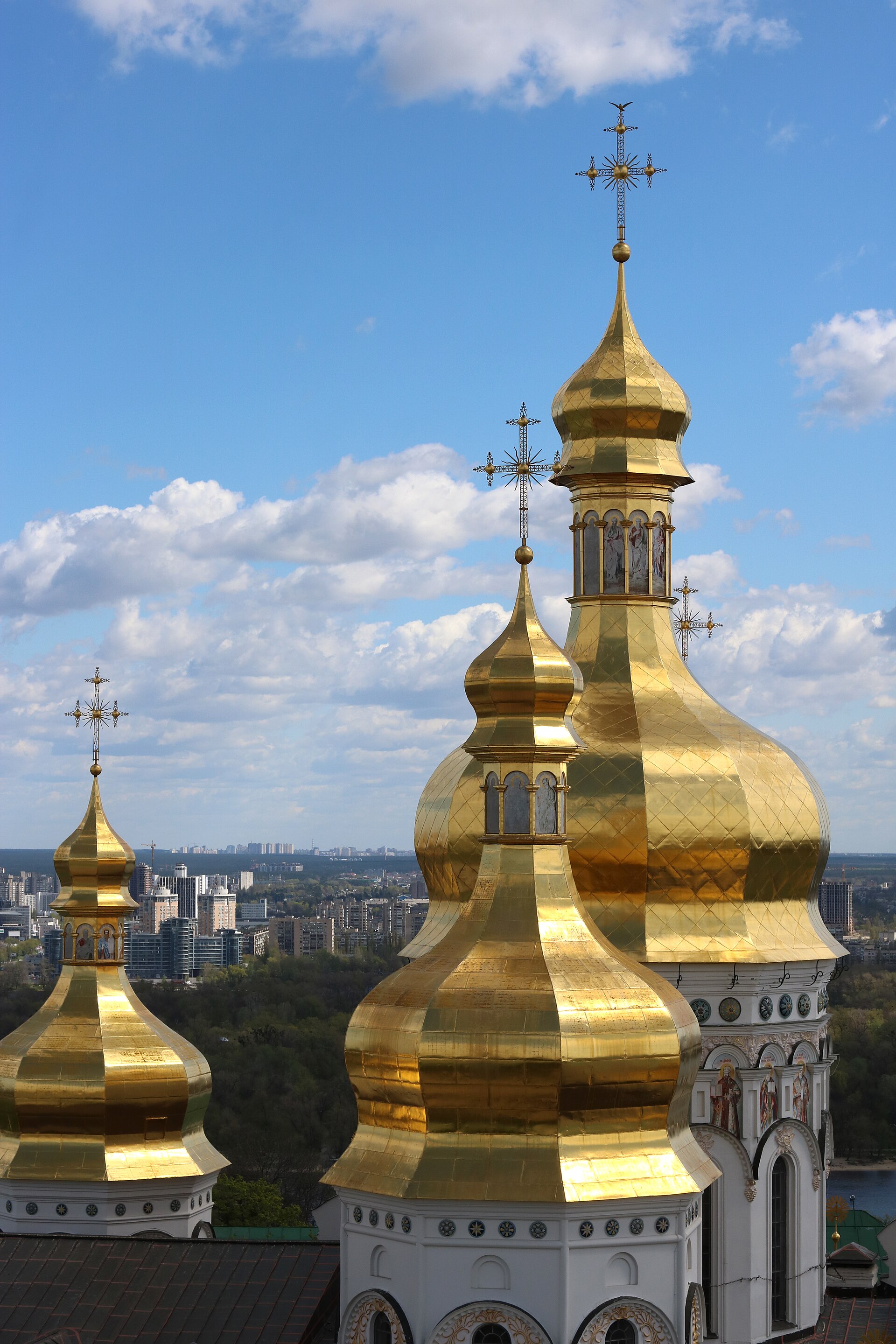
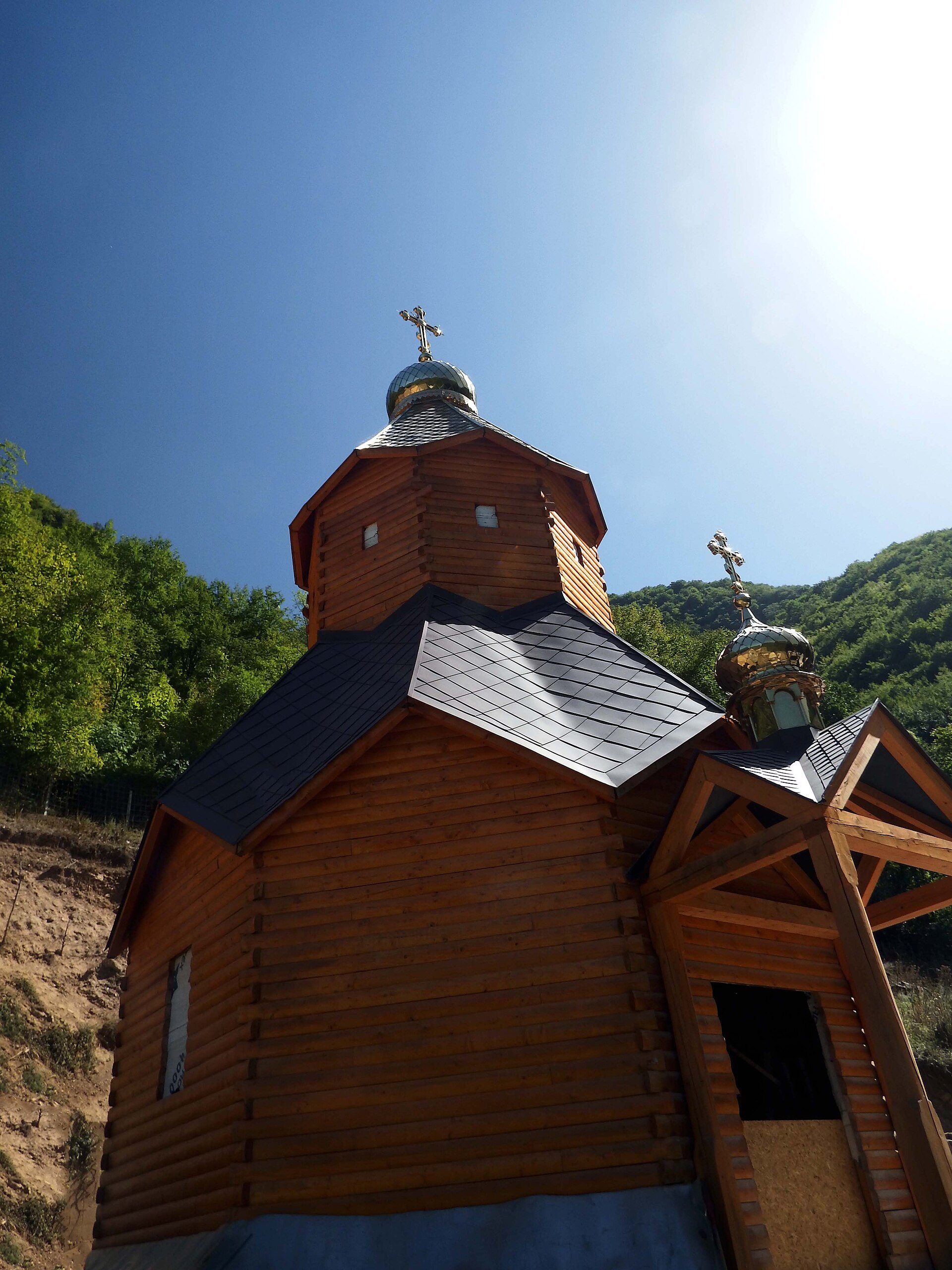
The church sits quietly under the blue sky, its golden spiers glistening in the sun. A view that brings you peace.
Biserica stă liniștită sub cerul albastru, cu turlele aurii strălucind în soare. O priveliște care îți aduce pace.
🌐 Show original
🌐 Show original
Н
Наталія Марченко
Good, but I especially liked the red brick at the base of the tower, you can clearly see how it is arranged.
The Feast of the Origin of the Honest Cross on August 14 brings the Church’s focus back to the wood of the Cross as a source of healing and daily strength. In the Russian Orthodox Church Outside Russia, the day is marked with clear reminders of its ancient procession through Constantinople’s streets to bless the waters and protect the city. The Romanian Orthodox Church ties the feast to the forefeast of the Dormition, inviting pilgrims to Rohia Monastery where a century of monastic prayer continues uninterrupted. From the Church of Greece, Bishop Panteleimon of Maroneia speaks plainly about carrying the Cross into ordinary routines, turning small trials into paths of hope. The Serbian Orthodox Church quietly consecrated two new churches and a parish house in the Eparchy of Banja Luka, showing how the Cross takes concrete shape in fresh brick and local worship.
These communities quietly live the feast by choosing patience, charity, and steady prayer amid everyday demands. Let us remember them before the Cross in our own prayers today.
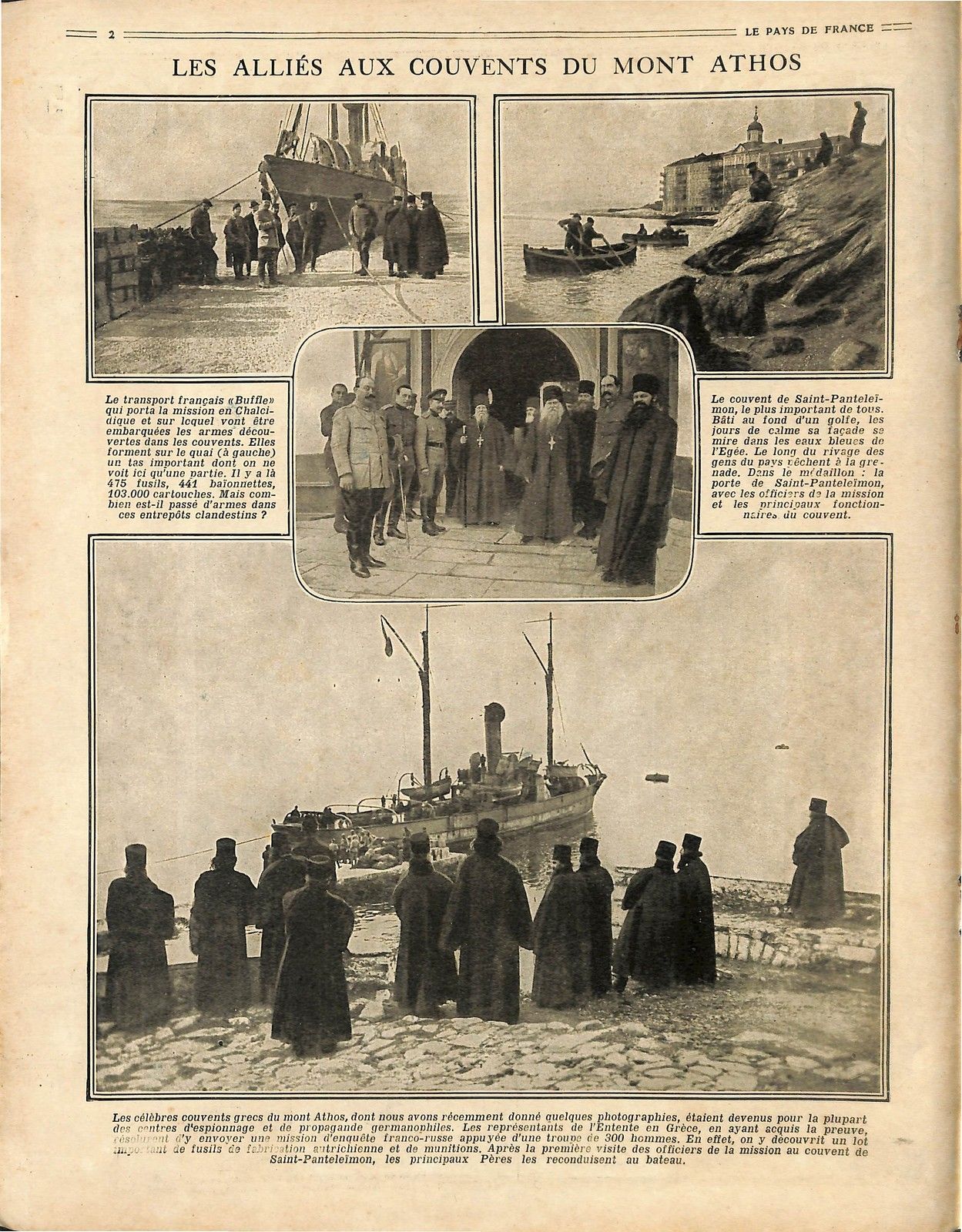
Bulgarian Orthodox Church parishioners at St. Ivan Rilski in Montreal have been gathering after Divine Liturgy for simple coffee and conversation, turning the church hall into a steady meeting place for families, new immigrants, and longtime members. The modest setup of strong coffee, homemade pastries, and wooden tables has become a weekly anchor that keeps people connected through the summer months. Similar small efforts appear elsewhere: the Romanian Orthodox Church highlighted the quiet faith carried by deported Bessarabians who clung to icons during hardship, while the Serbian Orthodox Church Diocese of Buenos Aires stressed practical help flowing from regular prayer. In the United States the Orthodox Church in America held its regular summer Diocesan Council meeting at the chancery, reviewing everyday administrative work that supports parishes. These ordinary moments, from Montreal coffee to distant diocesan gatherings, show how local habits sustain the larger Church. What after-service custom has helped your own parish feel more like home?
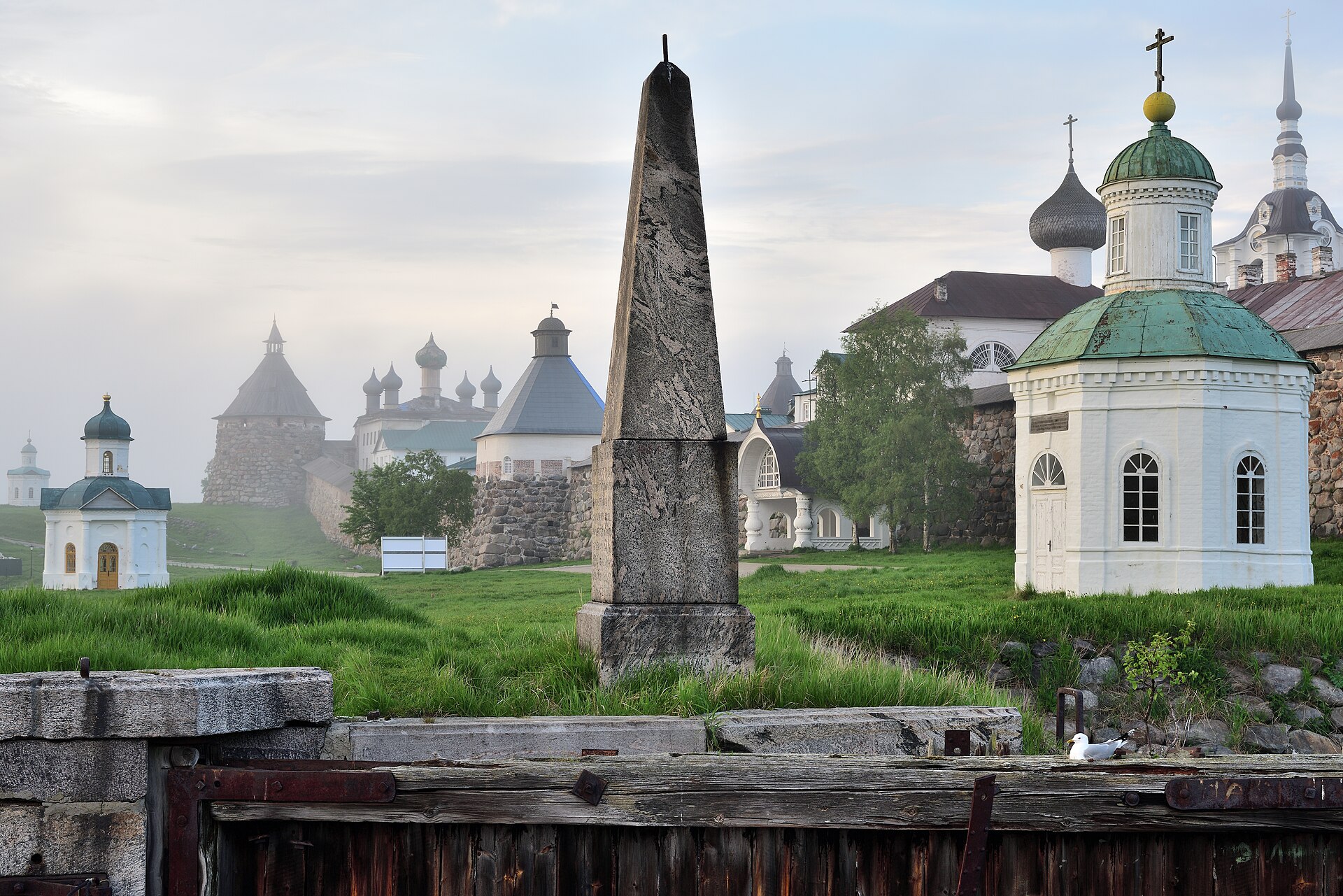
The Church of Greece is hosting its annual youth summer gatherings on the island of Leros this week. Groups of young people from several dioceses have come together for prayer, talks on the Dormition fast, and simple outdoor activities that mix faith with rest by the sea. At the same time, the Romanian Orthodox Church marked the memory of Saint John Jacob at Choziba Monastery in Jerusalem, where Patriarch Theophilos honored the saint with a special service attended by Romanian pilgrims. In Montreal, the Bulgarian Orthodox Church’s St. Ivan Rilski parish is preparing a coffee gathering for August 16 to welcome both regulars and newcomers. Meanwhile, the Antiochian Archdiocese in America is running Camp St. Thekla’s two summer sessions in South Carolina, where teenagers combine daily services, sports, and lessons on living the Orthodox faith at home.
These four local efforts show how different Orthodox jurisdictions keep the summer months alive with purposeful gatherings rather than idle time. How is your own parish marking the weeks before the Dormition feast?
The Feast of the Origin of the Honest Cross fell this week with its quiet call to carry small crosses in ordinary hours. The Russian Orthodox Church Outside Russia marked the day by reflecting on the Life-Giving Tree and the need to destroy what harms the soul before it grows. In the Romanian Orthodox Church, Metropolitan of Bessarabia reminded the faithful at the start of the Dormition Fast that saying no to passions is the daily practice the Cross teaches.
The Bulgarian Church kept the pre-feast of the Assumption by urging people to put on fresh clothes and avoid lending money, simple customs that keep the mind on higher things. Meanwhile the Orthodox Church in America prepared to receive a fragment of St. Herman’s relics at its Romanian Episcopate Congress, linking the Alaskan saint’s endurance to the same wood of the Cross that sustains believers everywhere.
These local observances turn an ancient feast into concrete reminders. A parent choosing patience with a tired child, a neighbor refusing gossip, a student setting the phone aside. The Cross stays relevant exactly where life feels most routine.
O
15 h
A Jewish scholar of Jesus makes history as president of the Catholic Biblical Association
· Read the article →
Serbian Orthodox faithful in Subotica wrapped up the annual Days of the Mother of God with processions, molebens, and open-air talks that drew families from the surrounding Vojvodina region. At the same time the Romanian Orthodox Episcopate of America is preparing to welcome a fragment of St. Herman of Alaska’s relics to its 94th congress, tying the feast of the Dormition to the saint’s Alaskan mission. In Greece, Metropolitan Panteleimon of Veroia urged his flock to mark the Dormition with prayer and fasting rather than just summer gatherings, while the Bulgarian Diocese of Varna welcomed the Hawaiian icon of the Virgin yet decided against carrying it on to Dobrich so local parishes could keep their own quiet celebrations. The Russian Orthodox Church Outside Russia marked the day with services recalling the ancient feast of the Origin of the Cross, linking it to the monastery’s recent legal victory over a proposed wind farm in New York. Each setting shows the same feast quietly shaping daily church life.
Sixty-five years have passed since Patriarch Bartholomew was ordained to the diaconate in Constantinople. That milestone quietly frames a week of ordinary church life across continents. In Romania the Patriarch of Jerusalem honored Saint John Jacob at Choziba Monastery while 27 monasteries in Suceava and Rădăuţi arranged seaside holidays for 150 children who had never seen the sea. The Romanian Orthodox Episcopate of America prepared to receive a fragment of Saint Herman of Alaska’s relics at its 94th Congress.
Further west the Antiochian Archdiocese released the sixth volume of Father Nicolas Malik’s series on cymbals of joy and welcomed families to Camp St. Thekla in South Carolina for two weeks of plain faith and summer games. In Greece Metropolitan Damascene of Aetolia and Acarnania reminded his flock how the Theotokos closes the distance between heaven and earth.
Meanwhile the Moscow Patriarchate’s Simbirsk diocese sent Metropolitan Longin and monastics to a round table in Diveevo, and the Bulgarian Church in Montreal scheduled its usual parish coffee for August 16.
These small threads.
Romanian Orthodox leaders highlighted the struggles of families living abroad this week as Patriarch Daniel urged greater pastoral care and practical support for those scattered across Europe and beyond. In related news, the Romanian Orthodox Episcopate of America is preparing to receive a fragment of the relics of Saint Herman of Alaska at its upcoming congress, offering a tangible link to the faith for diaspora communities. Meanwhile, the Bulgarian Orthodox Church’s St. Ivan Rilski parish in Montreal announced a simple parish coffee gathering on August 16 to strengthen bonds among its own émigré members. From a different corner, the Serbian Orthodox Church consecrated two new churches and a parish house in the Eparchy of Banja Luka, a sign of steady growth even in quieter regions.
These quiet efforts show how each local Church tries to keep the faith rooted no matter where people settle. May we remember the Romanian families abroad, the Montreal Bulgarians, the Banja Luka Serbians, and the American Romanian Episcopate in our prayers.
The Bulgarian Orthodox Church is hosting a parish coffee this Saturday at St. Ivan Rilski in Montreal. The simple gathering brings together locals for food, conversation, and fellowship right in the middle of the Dormition Fast. Meanwhile the Orthodox Church in America announced an archbishop’s pastoral visit to Pittsburgh Southside the same weekend, and the Church of Greece heard Metropolitan Dimitriados remind his flock that the Mother of God unites Orthodox believers across borders. In a separate development the Serbian Orthodox Church highlighted the restored chapel inside the medieval tower at Rmnja monastery, where frescoes and quiet prayer continue a long monastic tradition. These events show how parishes keep ordinary life and historic faith tightly woven together. This matters because it keeps the rhythm of the Church steady in daily neighborhoods and distant lands alike.
The Feast of the Origin of the Honest Cross on August 1 falls amid summer heat and the beginning of the Dormition Fast for many Orthodox. In the Russian Orthodox Church Outside Russia parishes mark the day by bringing out the cross for veneration, recalling how the wood of the True Cross was carried through the streets of Constantinople to bless the waters and heal the sick. The Moscow Patriarchate publishes short reflections on why the Assumption Fast matters right now, urging believers to treat these weeks as a practical school of self-denial that trains the soul for everyday struggles.
Meanwhile, the Serbian Orthodox Church Diocese of Bačka calls for voluntary blood donation, linking the cross’s power with simple acts of mercy that save neighbors. In the United States the Orthodox Church in America arranges for a relic of St Herman of Alaska to travel to the Romanian Episcopate Congress, letting people touch the tangible witness of holy lives lived under the sign of the cross.
These local efforts show how the cross moves from feast day into kitchens, workplaces, and blood banks.
May these communities be held in prayer as they carry the cross through ordinary days.
Youth gatherings are underway on the island of Leros, where the Church of Greece has brought together hundreds of young people for prayer, talks, and summer activities centered on the Dormition fast. At the same time, the Romanian Orthodox Church is preparing to host over a thousand young participants at ITO Moldova in Piatra Neamț, turning the city into a temporary capital of Orthodox youth with workshops and services. In the Serbian Orthodox Church, the Eparchy of Banja Luka marked a quieter milestone as two new churches and a parish house were consecrated, strengthening local parish life. The Bulgarian Orthodox Church welcomed the Hawaiian miraculous icon of the Virgin to the Diocese of Varna, though plans to take it farther to Dobrich were set aside.
These events show how different Orthodox jurisdictions keep investing time and space in the next generation and in steady parish growth.
Serbian Orthodox Church faithful gathered in Subotica for the annual "Days of the Mother of God," a lively festival blending prayer, folk music, and local customs around the feast of the Dormition. The event drew crowds to open-air services and cultural programs that highlighted traditional embroidery and regional hymns.
Meanwhile the Bulgarian Orthodox Church marked the pre-festival of the Assumption, reminding believers to wear new clothes and avoid giving loans as old folk wisdom tied to the fast. In Romania, a bishop walked 20 kilometers with pilgrims to Nicula Monastery, joining the steady flow of people preparing hearts for the Mother of God's feast. The Orthodox Church in America heard its Archbishop of Canada reflect on how the Dormition shows humanity's call to communion with God.
Across these corners of church life the focus stays on simple, steady turning toward the Virgin. The relics of Saint Gorazd returning to Moravia after twelve centuries added another quiet note of continuity.
Sixty-five years have passed since Patriarch Bartholomew was ordained to the diaconate in the Ecumenical Patriarchate of Constantinople. On this occasion, Patriarch Theodore II of Alexandria and All Africa sent a formal address praising the long service of his brother primate. At the same time, the Serbian Orthodox Church is marking the “Days of the Mother of God” with services in Subotica, while the Bulgarian Orthodox Church observes the forefeast of the Dormition with traditional reminders about modest dress and avoiding loans during the fast. The Orthodox Church in America held its regular summer Diocesan Council meeting at the chancery, and the Church of Greece opened the restored Catholic church at the Hellenic Monastery of Messinia in a quiet evening ceremony.
These coordinated observances across jurisdictions show how memory, feast days, and practical charity continue to shape daily church life in different corners of the Orthodox world.
Romanian Orthodox families living abroad face growing challenges keeping their children connected to the faith, prompting Patriarch Daniel to call for stronger pastoral support from the home Church. In Romania itself, Nicula Monastery has begun its annual days of prayer and pilgrimage for the Assumption of the Virgin, drawing crowds who come for confession and quiet reflection. The Romanian Metropolis of Bessarabia highlighted stories of deportees who carried icons and prayer books into Soviet exile, showing how faith survived harsh separation from the motherland. Meanwhile, ATORG is already taking registrations for its annual youth gathering in Cologne, aimed at young Romanians scattered across Western Europe.
From other corners, the Serbian Orthodox Diocese of Bačka issued a fresh appeal for voluntary blood donors ahead of the Dormition fast, and the Bulgarian Church reminded the faithful to wear new clothes for the feast while avoiding loans on the eve. In South Carolina the Greek Orthodox Archdiocese of Antioch ran two lively sessions of Camp St. Thekla, mixing daily services with games that keep diaspora kids engaged.
The practical work continues quietly.
Serbian Orthodox faithful in Subotica marked the Days of the Mother of God with processions, molebens and talks centered on the Dormition. The local diocese organized daily services that drew families from the surrounding Bačka region, while the newly restored Udrim monastery celebrated Saint Panteleimon as part of the same Marian focus.
At the same time the Romanian Orthodox Church heard Metropolitan Nicolae describe the Dormition as the feast of our hope during sermons across several deaneries. In Greece, Bishop Ignatios of Dimitriados reminded his flock that the Virgin Mary is needed now more than ever, tying his words to local parish gatherings. The Bulgarian Orthodox Diocese of Varna welcomed the Hawaiian miraculous icon of the Virgin, though it stayed away from Dobrich to keep the schedule calm.
These coordinated yet distinct observances show how the feast quietly binds distant communities together. May the Mother of God shelter the churches in Subotica, Bucharest, Volos and Varna.
The Procession of the Precious Cross, observed this week in churches from Moscow to New York, reminds believers that the wood which once brought death now gives life in ordinary routines. In Ivanovo the Moscow Patriarchate held matins with the cross carried through the Assumption Cathedral, while ROCOR parishes marked the feast with the traditional August 1/14 reading on the Origin of the Honest Trees. Romanian monasteries in Suceava arranged seaside holidays for 150 children, quietly showing how the cross is lived through small acts of mercy. At the same time the Serbian monastery of Rmnja drew attention for its restored chapel inside the old tower, where daily prayer continues without fanfare.
The feast also overlapped with preparations for the Dormition. In Canada the Orthodox Church in America reflected on how the Mother of God’s passing calls every person to deeper communion with God. Bulgarian faithful welcomed the Hawaiian icon of the Virgin to Varna, though it skipped Dobrich this time. These moments tie the cross to concrete choices: helping at summer camp in South Carolina’s Antiochian session at St. Thekla, publishing an English guide for Ukrainian parish schools, or a doctor in Colombia pulling newborns from earthquake rubble.
Such stories surface the same truth. The cross stays relevant when it is picked up right where life already happens.

Romanian Bishop Macarie told families in Bergen, Norway, that the Mother of God stands with them in their new life abroad and guides them toward Christ. At the same time another Romanian bishop walked 20 kilometers with pilgrims to Nicula Monastery ahead of the Dormition feast, joining ordinary believers on the road. In Montreal the Bulgarian parish of St. Ivan Rilski hosted its regular coffee gathering, giving immigrants a simple place to talk and share news from home. In Subotica the Serbian Church held “Days of the Mother of God,” drawing local families and those living farther away for services and meals together.
These moments show how several Churches keep supporting their people who have settled in other countries. The gatherings, walks, and direct words from bishops help maintain ties that distance easily breaks. Such steady care from the Romanian, Bulgarian, and Serbian Churches keeps faith practical for those far from home.
Church of Greece youth summer gatherings are underway on the island of Leros this week, drawing teenagers from across dioceses for prayer, talks on the lives of the saints, and simple outdoor activities under the August sun. The program includes morning liturgies at the local monastery, afternoon workshops on icon painting, and evening bonfires where participants share stories from their home parishes. Meanwhile, the Greek Orthodox Patriarchate of Antioch has just released its new pocket prayer book, already selling briskly in parishes from Beirut to the diaspora. In the Romanian Orthodox Church, a priest recounted how Bessarabian deportees kept their faith alive during Soviet exile, passing on prayers and small icons across generations. The Serbian Orthodox Church Diocese of Buenos Aires and South America highlighted its steady work of prayer and practical aid for families facing hardship in Latin America.
These events show how local churches keep connecting people to the faith in ordinary, lasting ways.
O
18 h
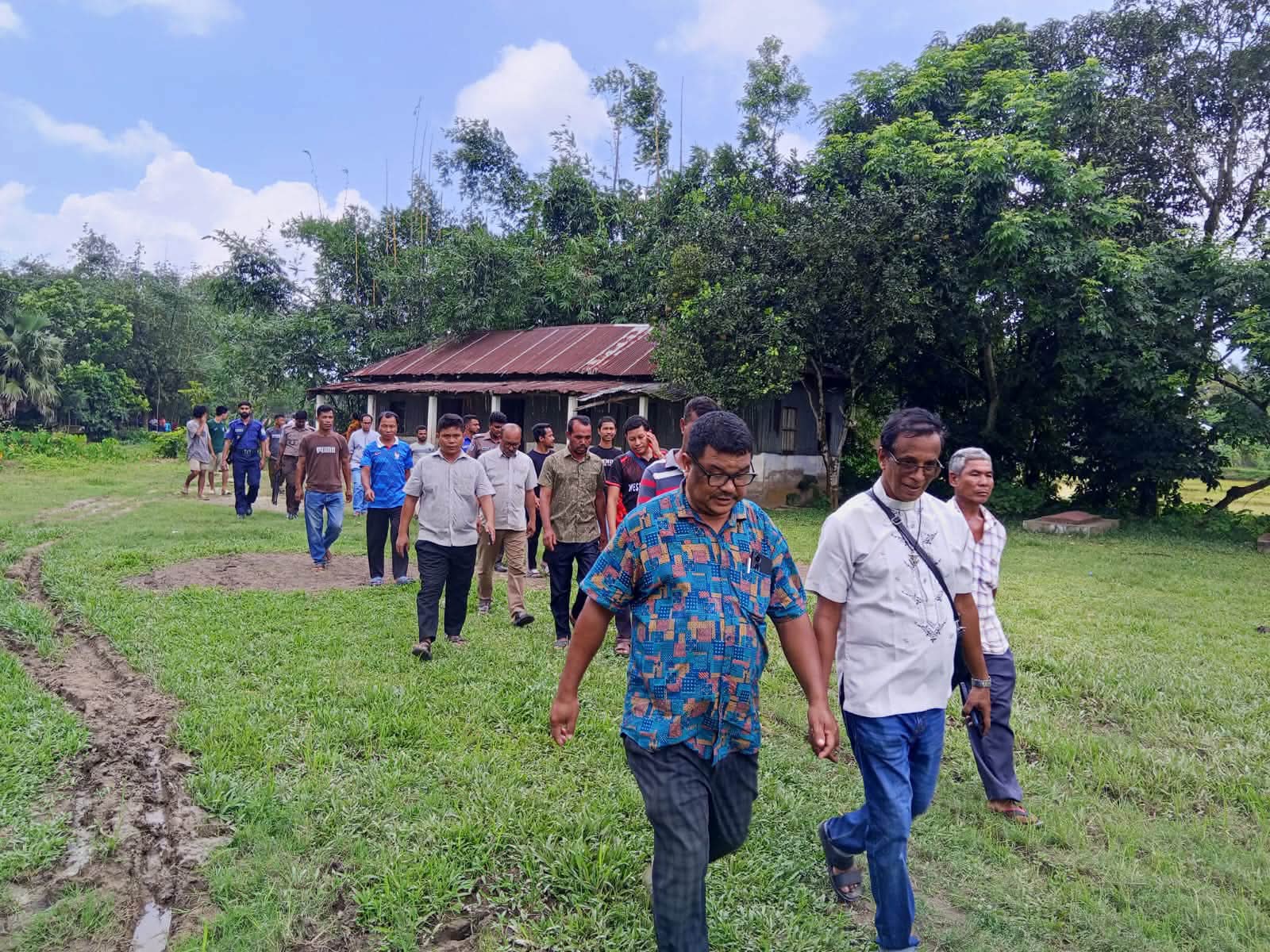
Catholic leaders urge protection for Christian village attacked in Bangladesh
· Read the article →
The Bulgarian parish of St. Ivan Rilski in Montreal quietly kept up its weekly coffee hour after the Dormition liturgy. Families filled the hall with the smell of strong brew and homemade banitsa while children ran between tables.
In Varna the Bulgarian diocese welcomed the Hawaiian icon of the Virgin but decided against taking it on to Dobrich, citing practical travel concerns. Meanwhile the Romanian bishop in Cluj walked the full twenty kilometers with pilgrims to Nicula Monastery, stopping only for water and quiet prayers along the dusty road. Across the Atlantic the Orthodox Church in America’s Archbishop of Canada reminded his flock that the feast shows humanity’s call to real communion with God rather than abstract ideas.
Down in South Carolina, Greek Orthodox campers at St. Thekla wrapped up two lively sessions mixing morning services with ordinary summer games. The small Montreal coffee continues as one more steady habit that holds everyday parish life together.
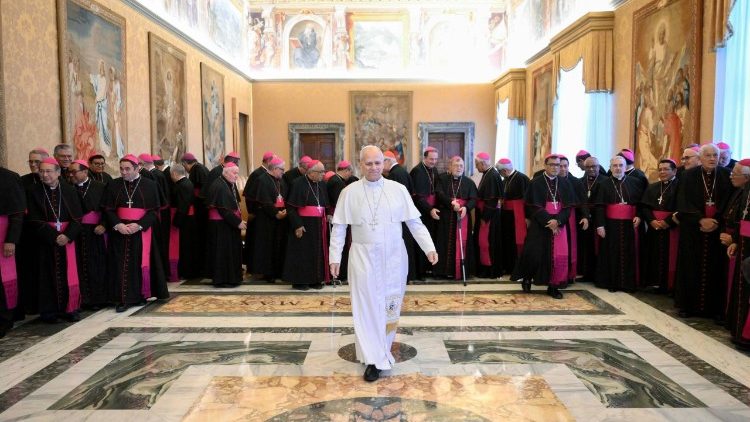
Sixty-five years have passed since Patriarch Bartholomew was ordained a deacon in the Ecumenical Patriarchate of Constantinople. In a recent address he described his whole journey as a life lived in dialogue. The Patriarch of Alexandria, Theodore II, sent warm greetings on the anniversary, underlining the shared bonds across the ancient sees.
At the same time the Romanian Orthodox Church marked the start of the Dormition Fast for those following the unrevised Julian calendar, while its Patriarch Daniel consecrated a new reliquary containing the relics of Saint Maria Brâncoveanu and her sons. In the Church of Greece, the Metropolitan of Rhodes performed the ordination of new chanters, and the Diocese of Kitros received encouraging feedback on its pastoral projects.
The Serbian Orthodox Church’s Diocese of Bačka issued an appeal for voluntary blood donation, showing practical care within local communities.
May the intercession of the Mother of God strengthen all these Churches in their daily service.
Church of Greece youth from several dioceses wrapped up their summer gatherings on the island of Leros last week. Around 180 teenagers took part in daily services, talks on the Dormition, and simple workshops that mixed prayer with swimming and evening bonfires. The program drew participants from the Metropolis of Athens as well as from distant dioceses in northern Greece and the Peloponnese. At the same time the Romanian Orthodox Church opened its own youth, women’s, and senior activities at Săvârșin Parish, while the Serbian Orthodox Church consecrated two new churches and a parish house in the Eparchy of Banja Luka. In the United States the Greek Orthodox Patriarchate of Antioch ran its Camp St. Thekla sessions that also centered on faith and outdoor fun for young people. These parallel efforts across jurisdictions show how ordinary summer programs quietly keep the next generation connected to parish life.
Serbian Orthodox faithful in Subotica wrapped up the annual Days of the Mother of God with evening vigils, processions, and hymns focused on the Theotokos. The city’s churches drew large crowds for talks on family life and the role of mothers, echoing similar reflections offered by Metropolitan Chrysostomos of Messinia in the Church of Greece. At the same time, the Bulgarian Orthodox Church marked the forefeast of the Dormition, reminding believers to wear new clothes and avoid lending money on this day. Meanwhile, the Romanian Orthodox Church prepared for the Assumption at Putna Monastery, its historic patronal feast, while the Orthodox Church in America scheduled a pastoral visit to Pittsburgh’s Southside parish for the same weekend.
These coordinated observances across distant dioceses show how the feasts of the Virgin Mary continue to shape ordinary parish calendars and family customs in steady, practical ways.