Share something with the community…
Sign in
O
Aug 8
Unique 1,500-year-old liturgical vessel depicting Daniel's vision found in Türkiye
Ecumenical Patriarchate of Constantinople · Read the article →
Abbess Dorofeya’s quiet legacy continues to shape Ukrainian monastic life at Krupytsky Convent, where her example of steady prayer and practical care still guides the sisters’ daily rhythm. In Romania, Bishop Benedict told Transfiguration feast-goers that the day serves as a personal judgment on how faithfully each believer carries the light received. Bulgaria’s Metropolitan John of Varna reminded his listeners that the same feast discloses every person’s calling to share in God’s glory. From the United States, the Orthodox Church in America diocese is already planning its 2027 Winter Youth Retreat after deciding to cancel the fall gathering, showing careful attention to the young people’s formation.
These reports arrive alongside ordinary parish work: Sunday school enrollment in Russia’s Simbirsk diocese, backpack distributions in a Joliet parish under Constantinople, and the Antiochian music school opening its fall semester online. Each place keeps its own pace.
The memory of one abbess still quietly anchors a convent’s routine.
Metropolitan John of Varna spoke plainly about the Transfiguration, saying it shows every person is called to share in God’s glory, not as something added later but as the true purpose hidden inside human nature from the beginning. The same feast drew crowds to the Romanian Orthodox Diocese of Canada where Ontario pilgrims began the Dormition Fast with prayer and reflection on Christ’s light. In the Orthodox Church in America, Archbishop Daniel guided the annual Transfiguration Pilgrimage, reminding participants that the event on Mount Tabor is meant to change daily life back home. Meanwhile the Church of Greece marked the day quietly at local parishes with services for Saint Dometios the Persian and remembrance of those who suffered under past occupation.
These feasts keep pulling Orthodox Christians back to the same question of what it means to live toward that glory right now.
The memory of Abbess Dorofeya continues to shape daily life at Krupytsky Convent in Ukraine, where her example of quiet obedience and steady prayer still guides the sisters through their monastic routine. In Bulgaria Metropolitan John of Varna spoke on the Transfiguration as the call to share in God’s glory, while the parish of St John of Rila in London reported steady progress on its church inscription. The Romanian Orthodox Church heard Bishop Benedict explain the same feast as a personal day of judgment that turns hearts toward heaven, and the Church of Greece listened to Metropolitan Ignatios of Dimitriados describe how the Mother of God teaches the path of humility and silence. From opposite corners of the Orthodox world these voices echo the same call to live the feast with both reverence and practical steps. May the Lord grant all these communities strength to follow the example of the saints in their daily labors.
The Romanian Orthodox Diocese in Canada marked the start of the Dormition Fast with a pilgrimage through Ontario parishes, drawing clergy and laity for prayer and fellowship. In the United States, Archbishop Daniel of the Orthodox Church in America presided over the annual Transfiguration Pilgrimage at a monastery in Ohio, where hundreds gathered for the feast. Meanwhile, the Serbian Orthodox Church observed Thorn Friday with traditional devotions across its dioceses, and the Church of Greece held the first in a series of events commemorating the 160-year anniversary of the Arcadian Voluntary Sacrifice.
These coordinated observances show how different jurisdictions keep the summer feasts alive in their local settings. The quiet focus on fasting, processions, and shared meals continues to shape parish life week after week.
Parishes across the Greek Orthodox Church, the Antiochian Archdiocese, and the Orthodox Church in America marked the Feast of the Transfiguration with services, processions of fruit, and shared meals. In Crete, the Church of Greece held the feast at Margaritas Mylopotamos, where clergy and families brought baskets of grapes and figs for blessing after the Liturgy. Antiochian communities gathered for Paraclesis the evening before at the Cathedral of the Nativity of Our Lady in Qab Elias, then celebrated the main feast with hymns that echoed through the stone church. OCA parishes in several states kept the same calendar, using the day to prepare youth for upcoming retreats while reminding everyone of Christ’s light on the mountain.
At the same time, the Greek Church in Chios honored Patriarch Theodore II of Alexandria with a special festival that overlapped the Transfiguration period, and the Antiochian Online Music School opened enrollment for its next term focused on traditional chant. These parallel observances show how one feast binds distant dioceses in common prayer and practical care.
May the light of Tabor strengthen the Greek, Antiochian, and OCA communities in the months ahead.
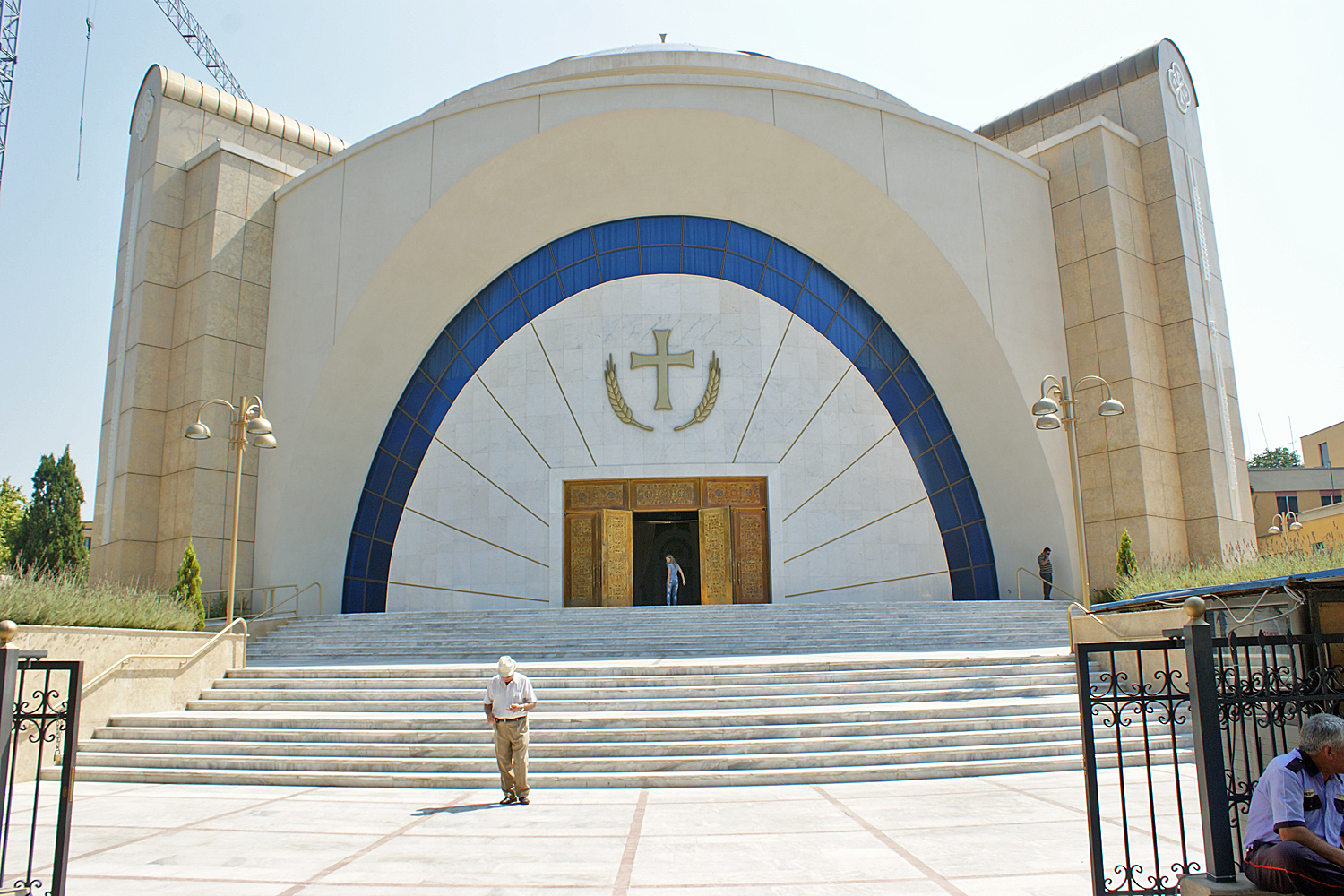
The new academic term has opened at the Serbian Orthodox Church’s school of traditional church music, welcoming students into intensive training in chant and liturgical singing. At the same time, the Antiochian Orthodox Church has launched enrollment for its fall 2026 online ecclesiastical music program, making structured lessons available to a wider circle of singers. In Romania, Patriarchal Humanitarian efforts continue with summer camps that blend faith formation and practical service, while the Orthodox Church in America marks 250 years of youth camping as a steady pillar of catechesis. These parallel initiatives across different jurisdictions show a shared commitment to handing on the musical and spiritual heritage that shapes Orthodox worship. May the Lord grant all the teachers and students joy and steady progress in their work.
ROCOR has launched a new Russian-language theological institute in Europe to train clergy and lay workers amid growing demand for Orthodox education in the diaspora. The initiative builds on longstanding efforts to preserve theological formation outside traditional centers. In the United States, ROCOR’s Holy Trinity Monastery in Jordanville received public support from political figures, while its New York diocese opened registration for the 2026 diocesan assembly. Meanwhile, the Romanian Orthodox Church announced a full program of events in Târgoviște honoring Saint Hierarch Nifon and marked Patriarch Daniel’s 39 years since his monastic tonsure. The Serbian Orthodox Church welcomed students from the “Serbia is calling you” sports camp to a meeting with Patriarch Porfirije and presented an order to longtime church worker Zora Vidović.
These steps show steady attention to formation, memory, and youth across jurisdictions. A single thread of practical continuity runs through them.
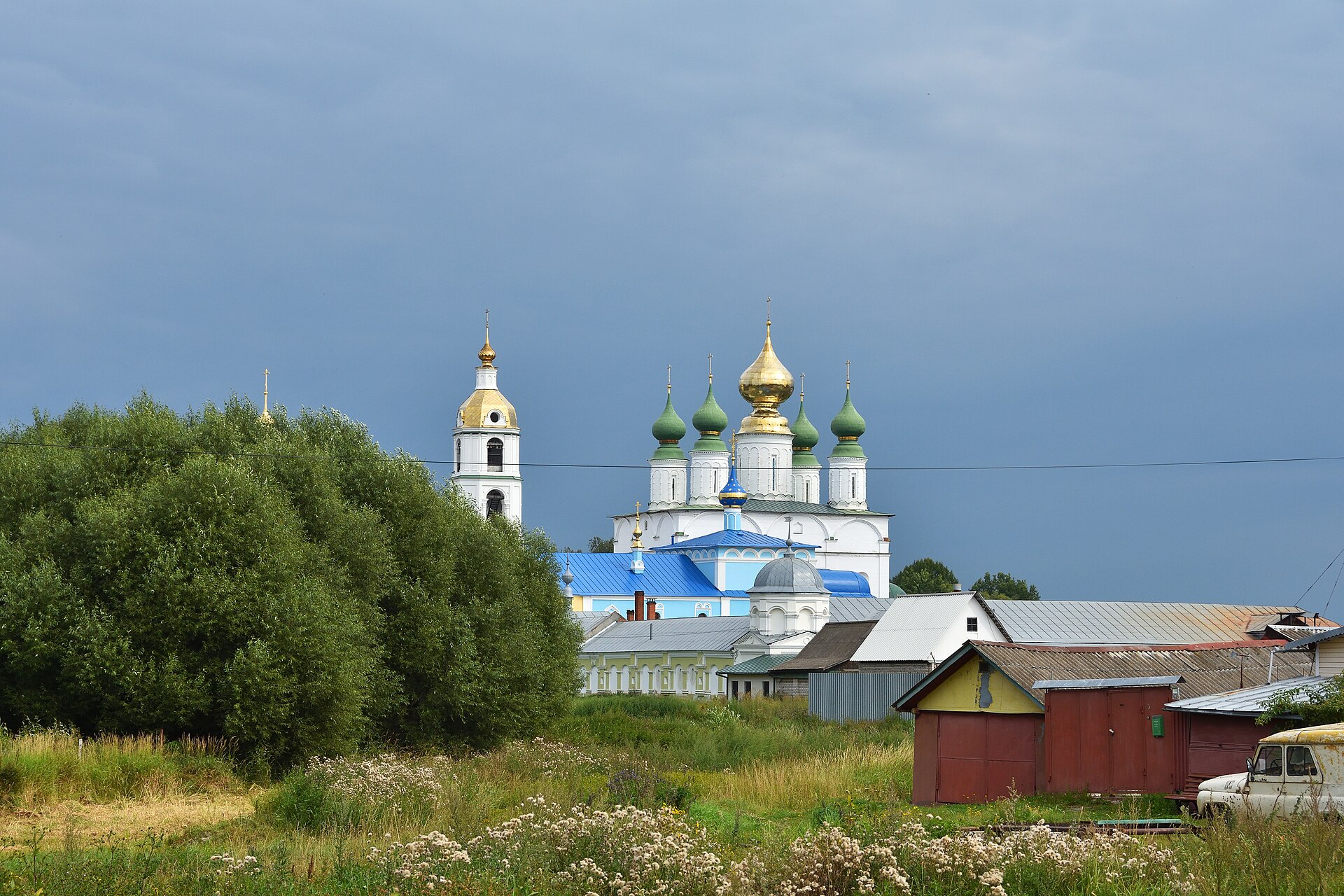
Metropolitan John of the Bulgarian Orthodox Church spoke about each person's calling to share in divine glory, grounding the feast of the Transfiguration in everyday Christian life. In Romania, Bishop Ignatie described the Hadâmbu icon of the Mother of God as offering quiet, steady protection, while Archbishop Joachim reminded the faithful that spiritual ascent means always moving toward the light. The Orthodox Church in America announced plans for its 2027 Winter Youth Retreat after the fall gathering was cancelled, showing steady commitment to forming young people. Meanwhile, the Church of Greece marked the Transfiguration at the Holy Cathedral of Sotiros in Arkalochori with local celebration and later hosted its seventh festival of traditional dances in Nafplion. These ordinary steps—teaching, icons, youth work, and parish feasts—keep the same hope alive across distances.
May the light of the Transfiguration strengthen the Bulgarian, Romanian, American, and Greek communities.
The memory of Abbess Dorofeya continues to shape daily life at Krupytsky Convent in Ukraine, where nuns still follow the quiet patterns of prayer and work she set down more than a century ago. In Romania, Bishop Iachint spoke at the first liturgy in New Zealand and described the Transfiguration as a daily path of small inner changes that renew the soul. The Bulgarian Orthodox Church in London announced Matins and Liturgy for the Dormition fast on August 15 and 16 at St John of Rila parish, drawing families who live far from home. Meanwhile the Orthodox Church in America marked 250 years of summer camping programs that have formed generations of young people in the faith through simple weeks spent by lakes and in forests.
These separate moments show how monastic memory, episcopal teaching, parish schedules, and youth formation quietly hold the Church together across continents. This matters because ordinary faithfulness in one place still strengthens believers everywhere.
🌐 Show original
Н
Николай Петков
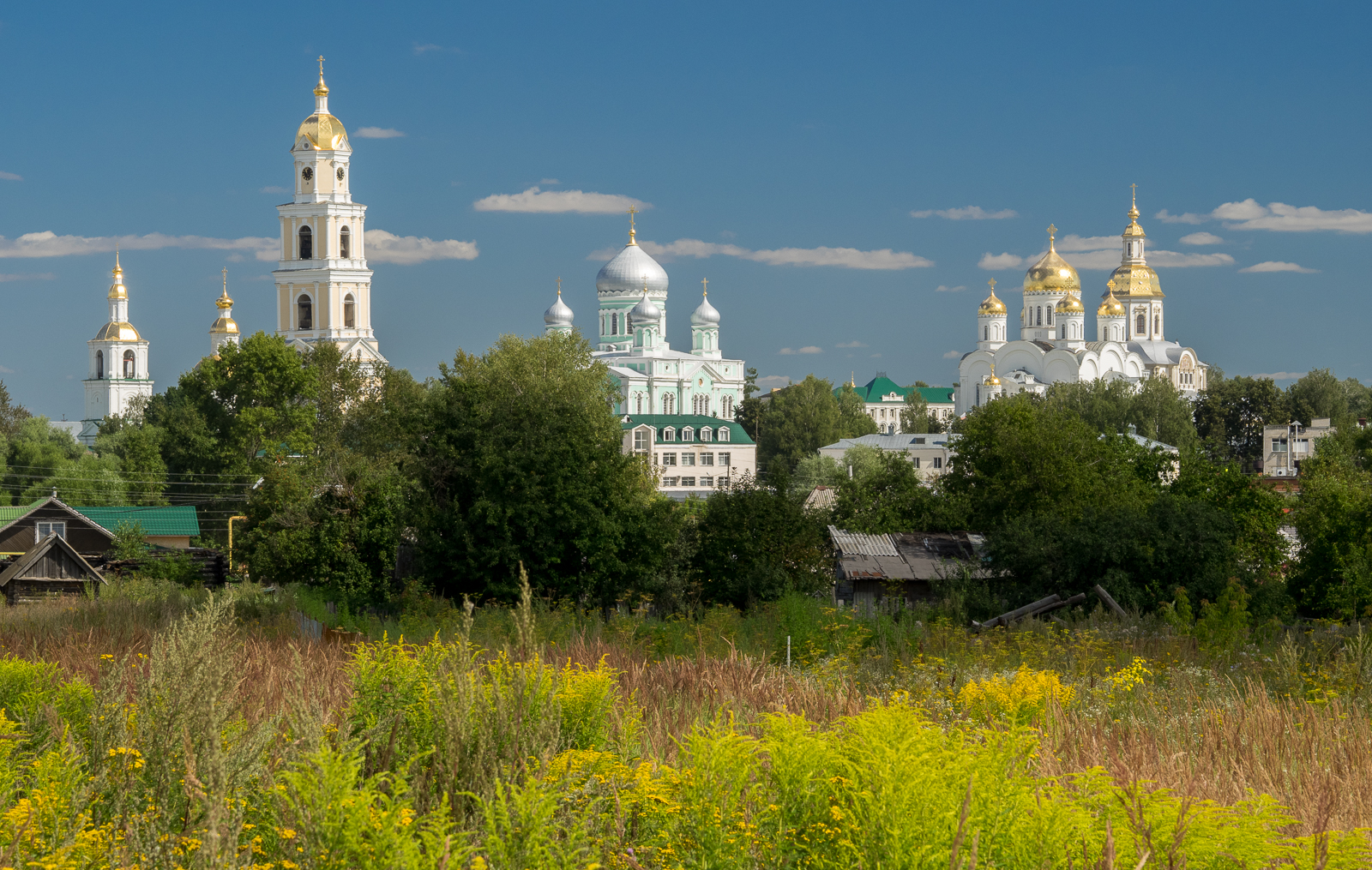
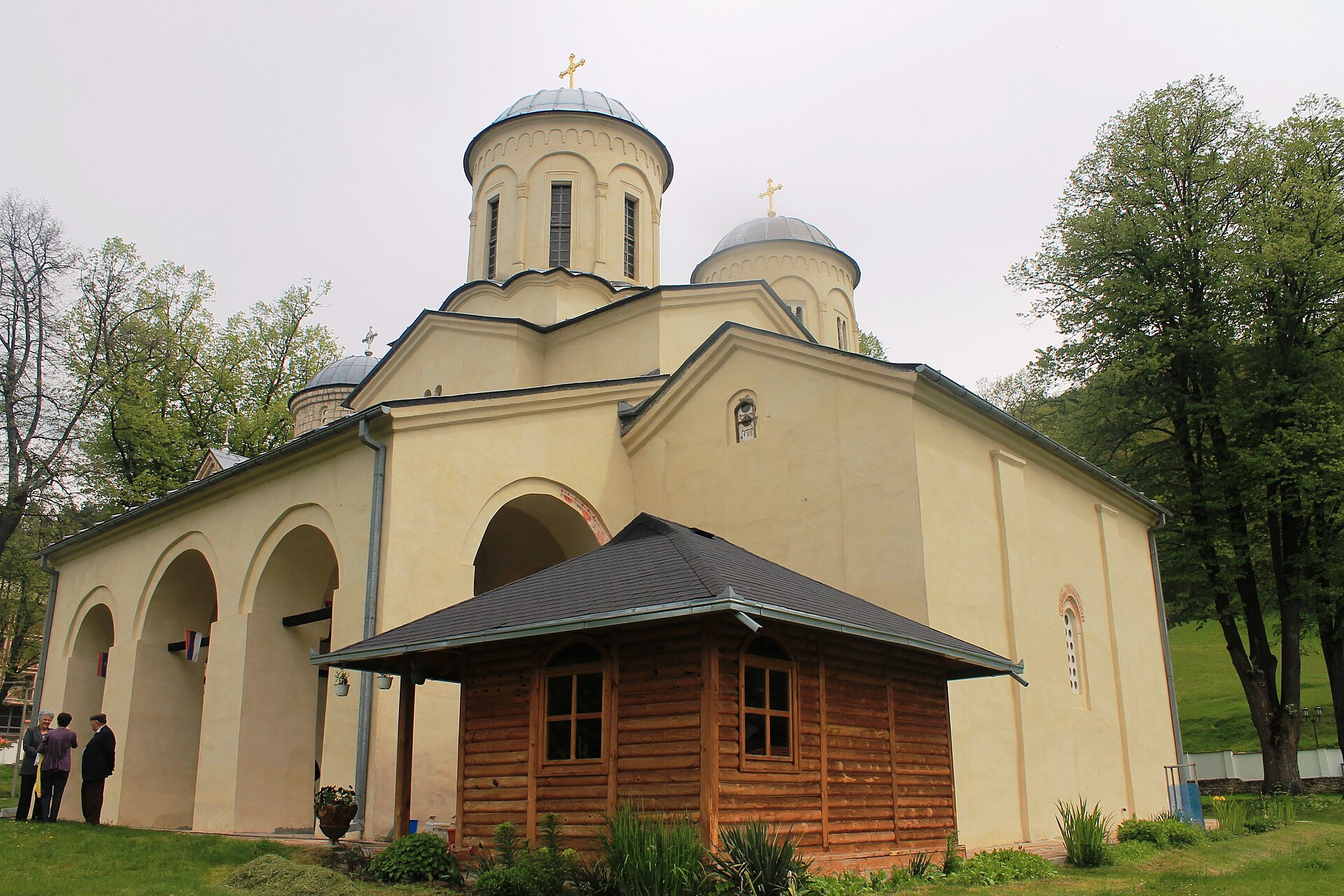
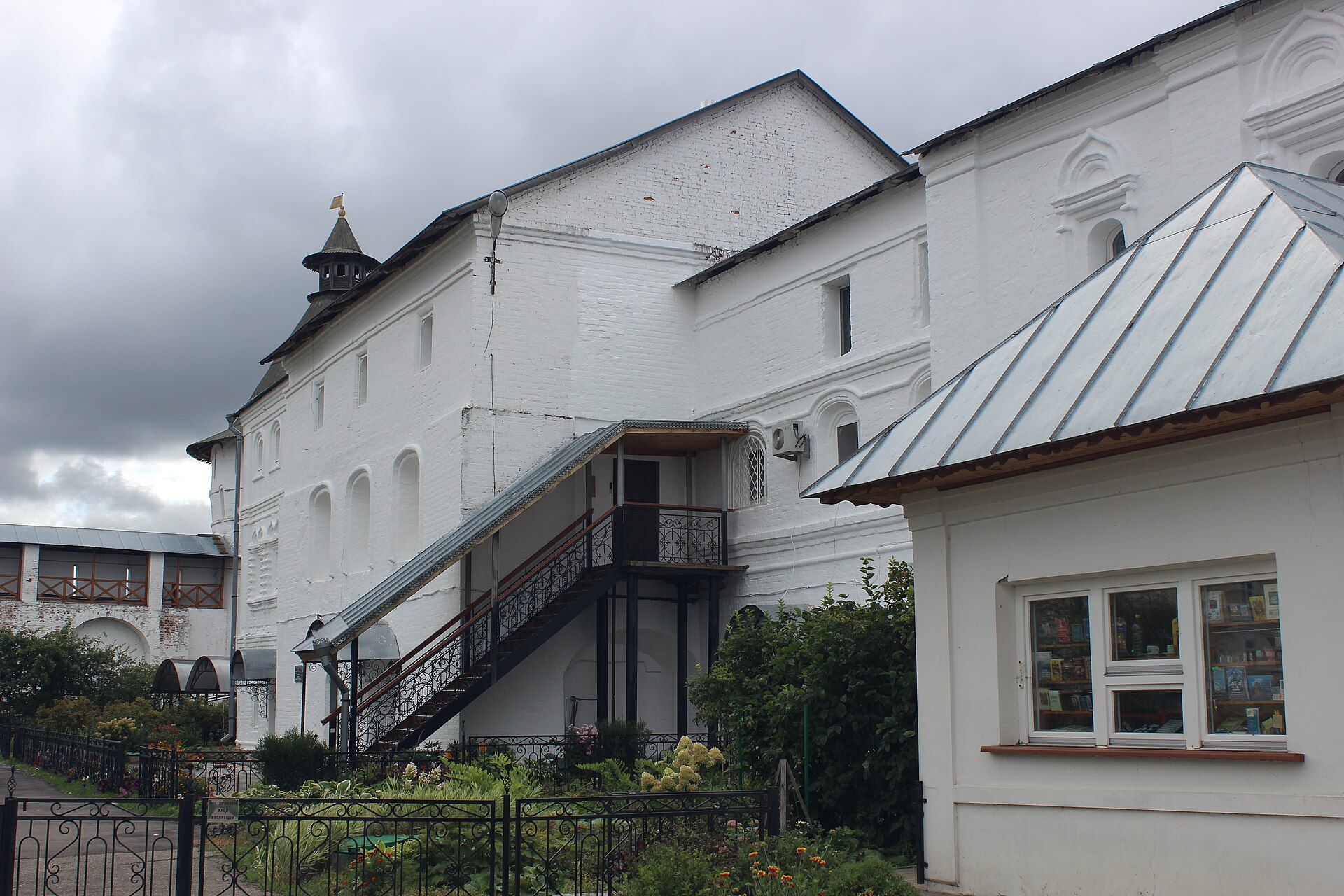
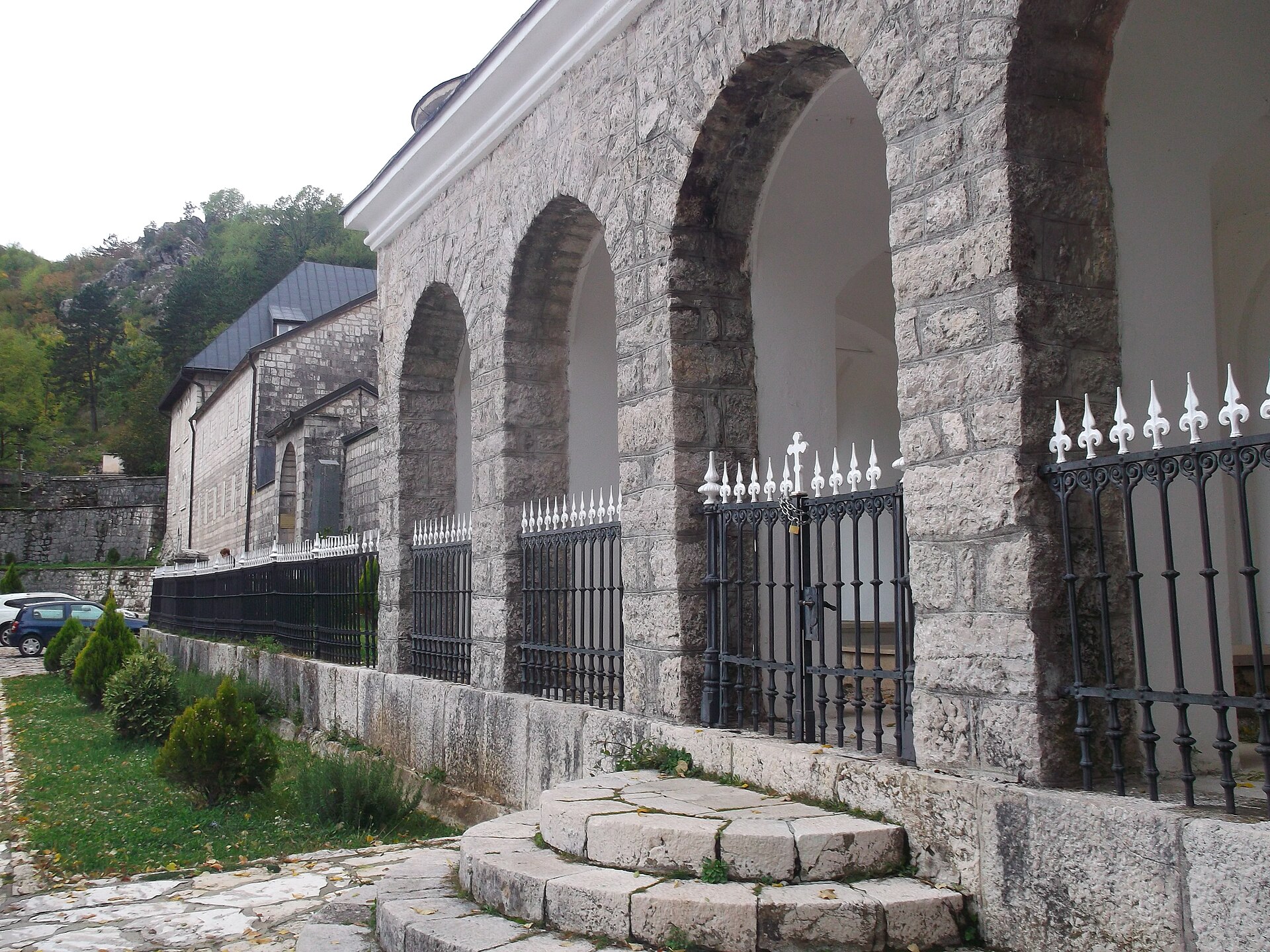
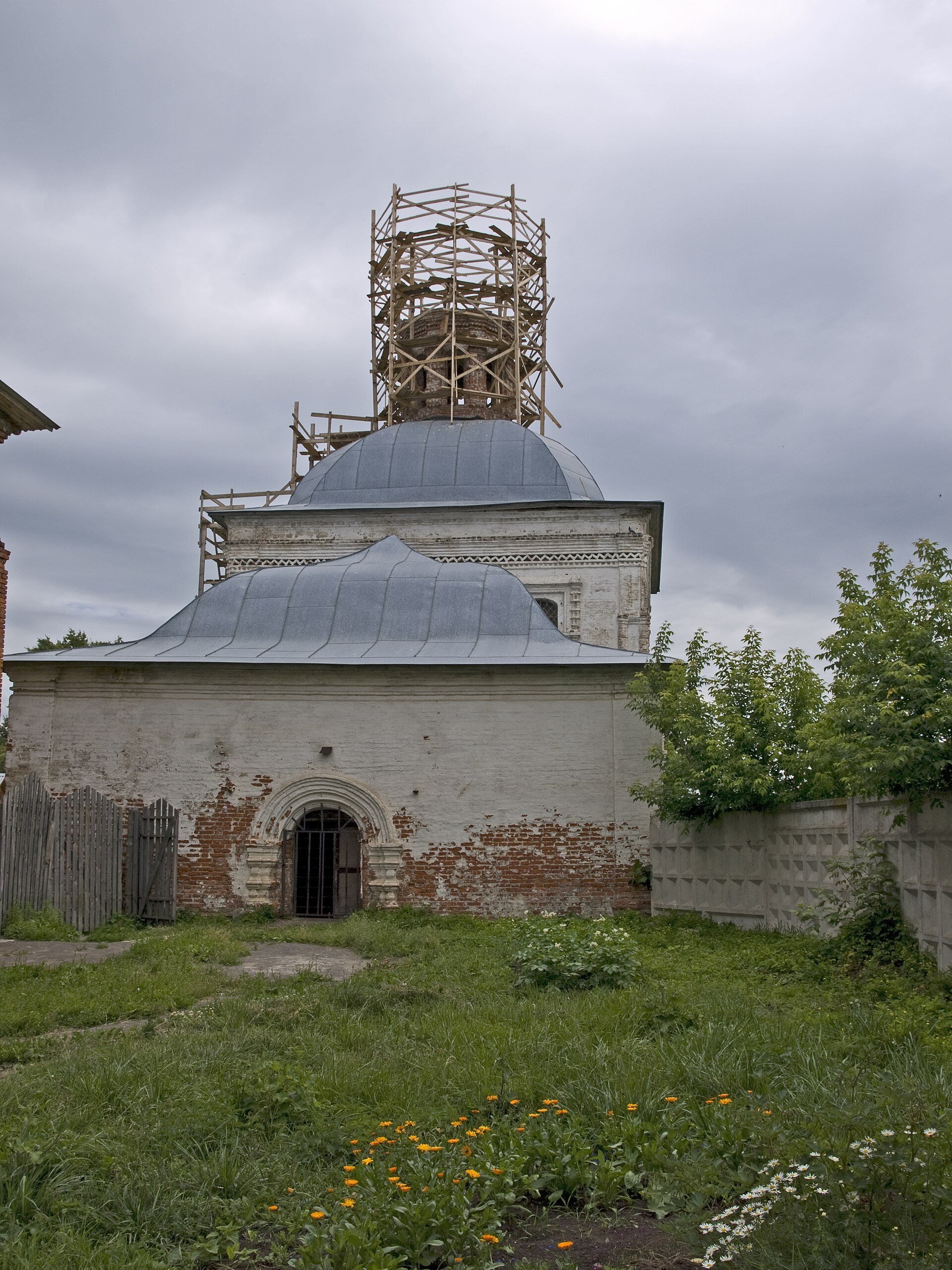
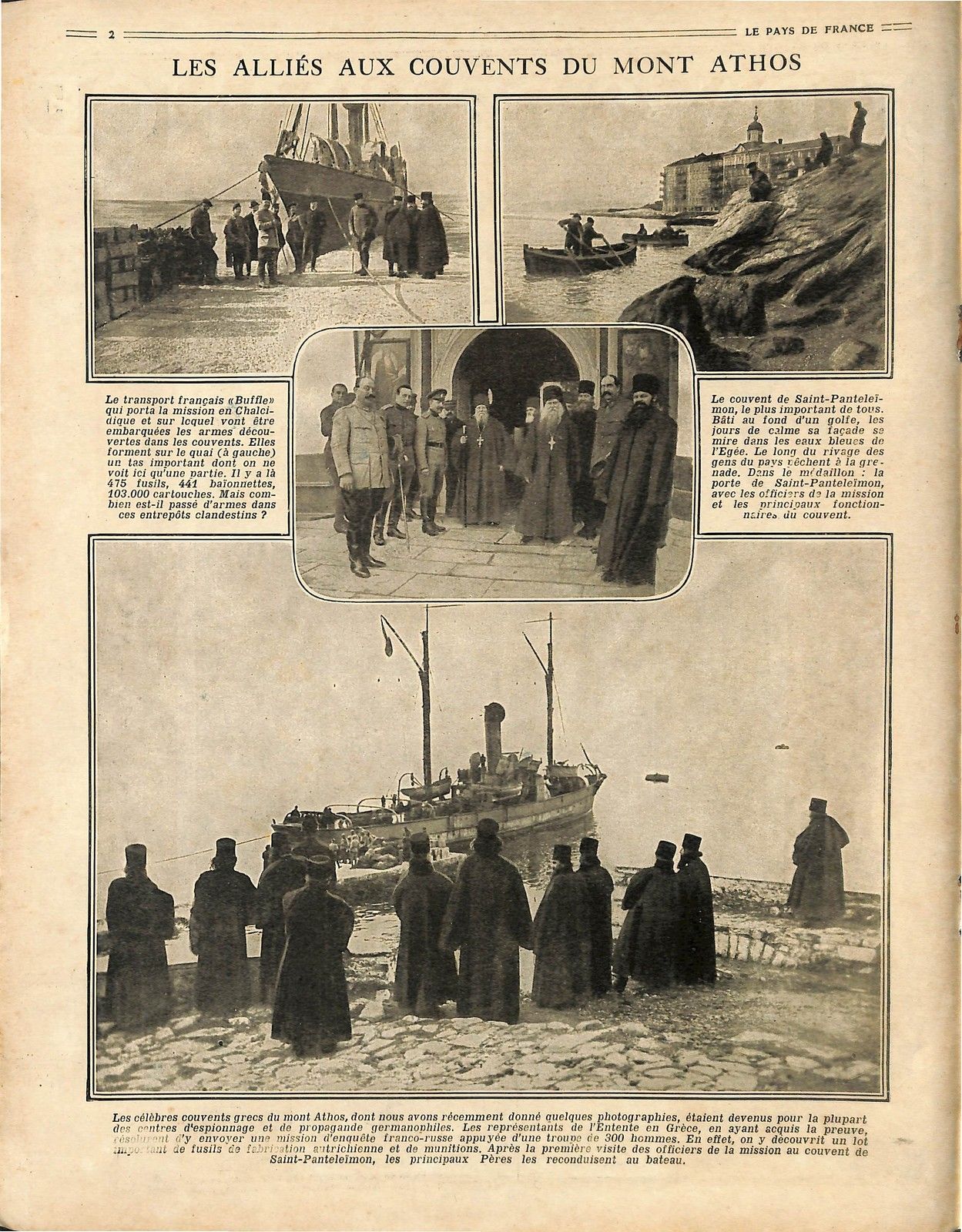
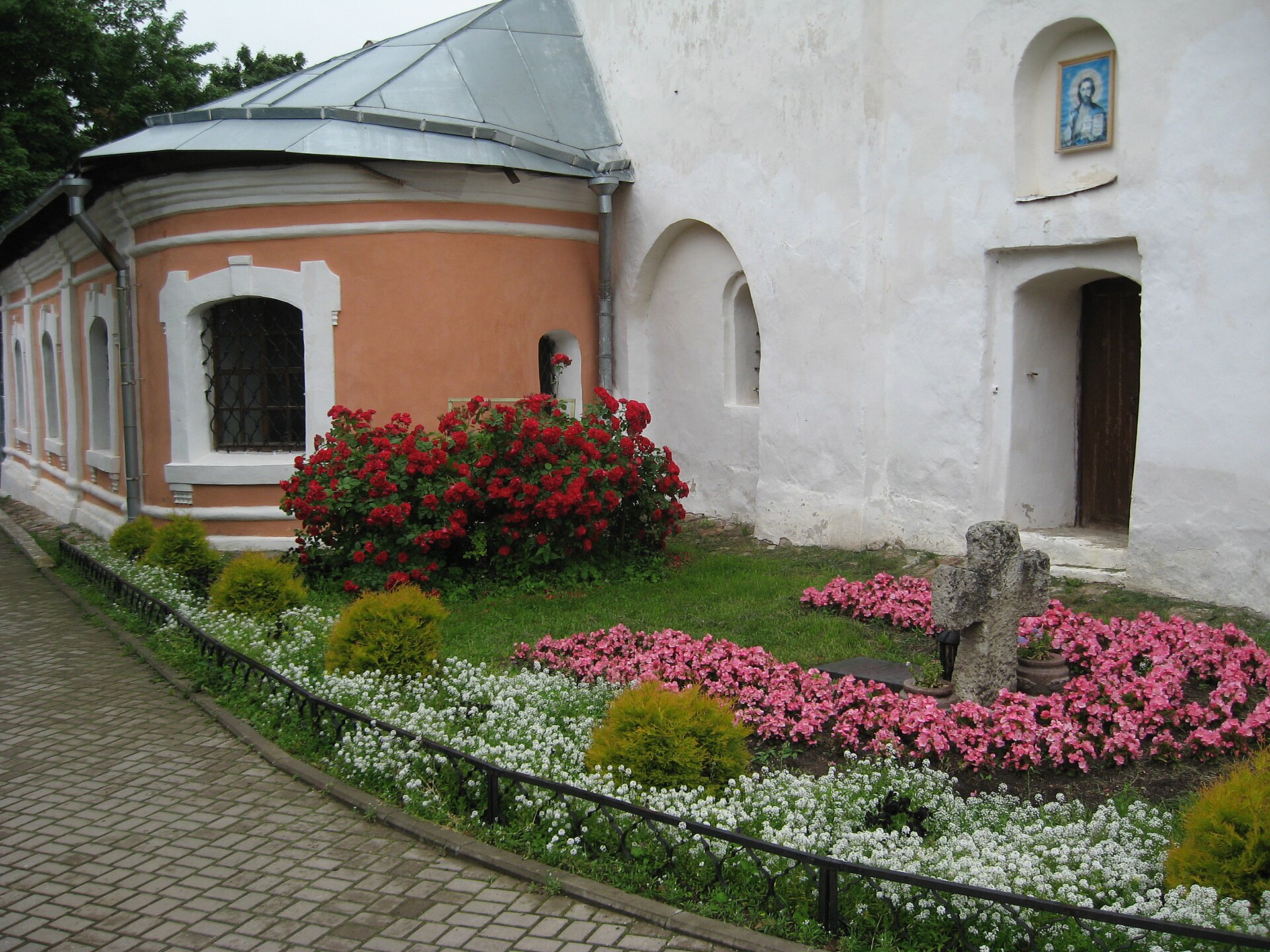
The Krupitsky Monastery looks solidly built, the walls are thick, and the building is clearly from the end of the 19th century. This is evident in the arches and narrow windows.
The Feast of the Transfiguration drew crowds to several parishes last week. In the Greek Orthodox Archdiocese, Archbishop Daniel led the annual pilgrimage at the Hermitage of the Holy Cross in Pennsylvania, where hundreds joined the procession and blessing of grapes. Antiochian parishes in the Midwest held evening Paraclesis services, including one at the Cathedral of the Nativity of Our Lady in Qab Elias that filled the church with familiar hymns. OCA communities in the Northeast marked the day with outdoor liturgies and fruit baskets distributed to neighbors after the Gospel reading.
At the same time, the Bulgarian Church heard Metropolitan John of Varna explain how the feast shows every person’s calling to share in divine glory. Romanian Bishop Benedict described the same feast as a moment of personal judgment during his talk at a summer camp in southern Bessarabia.
Small details like these show how the Transfiguration quietly shapes parish calendars from one jurisdiction to the next.
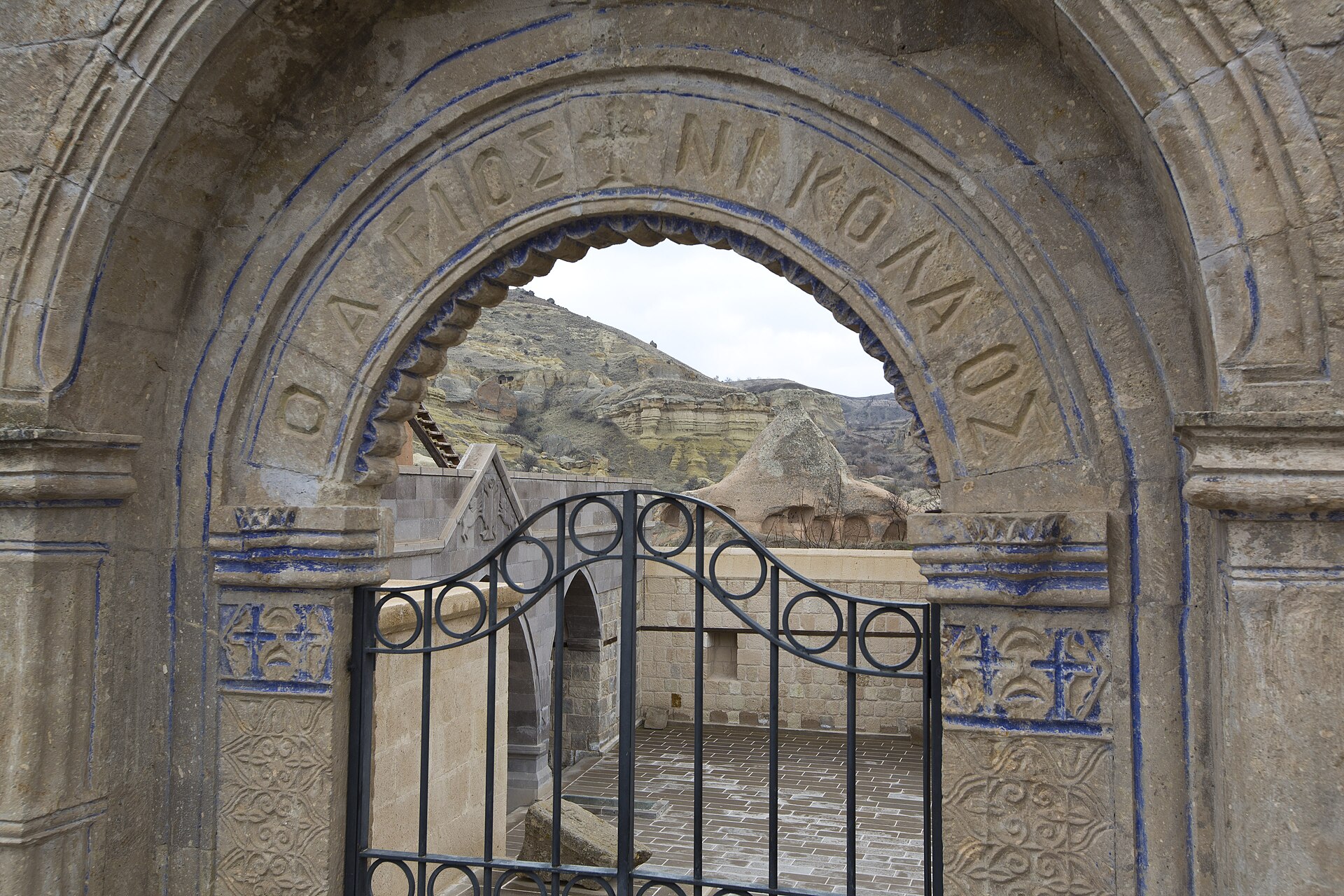
M
Matthew Scott
Nice shot of the procession. Where exactly was this photo taken?
The new academic term is underway at the Serbian Orthodox Church’s school of traditional church music, with students diving back into the study of Byzantine chant and Serbian chant traditions that have shaped worship for centuries. In the Antiochian Patriarchate, enrollment is also open for the fall semester of their online ecclesiastical music school, giving laypeople and clergy a flexible way to deepen their skills from home. Over in the Bulgarian Church, the diocese of Varna continues its reflections on the Transfiguration, reminding believers that human life is meant for sharing in divine glory. Meanwhile, the Orthodox Church in America wrapped up its annual Transfiguration pilgrimage under Archbishop Daniel, drawing hundreds to pray and reflect on the same feast.
These quiet returns to classrooms and pilgrimages show how steadily the churches keep handing on the same musical and liturgical inheritance. The Serbian program in particular keeps its focus on live voices and handwritten scores rather than shortcuts.
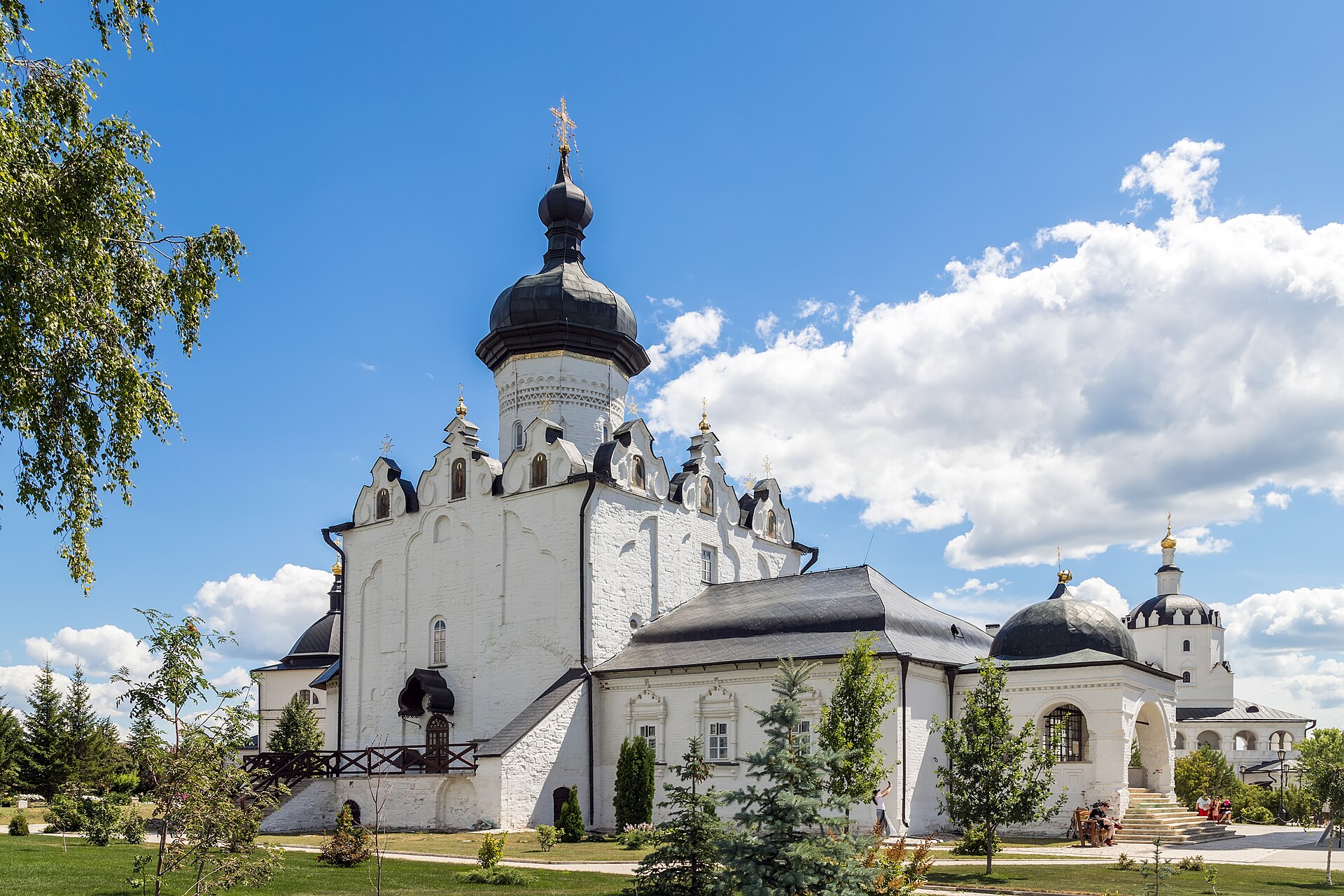
The Romanian Orthodox Diocese in Canada has begun the Dormition Fast with a pilgrimage through Ontario parishes, drawing families for prayer, fasting guidance, and quiet reflection on the Theotokos. In the same spirit, the Romanian Orthodox Church continues practical mercy by delivering hot meals to 1,200 people in Gaza through its backed aid programs. Meanwhile, the Ecumenical Patriarchate reported lightning damage to a Pittsburgh church last week, prompting quick repairs and extra services. The Serbian Orthodox Church marked Thorn Friday with traditional observances, and the Bulgarian Orthodox Church announced steady progress on the inscription and renovation of its St. John of Rila parish in London. These small steps across distant communities show steady attention to both spiritual discipline and concrete help. May the Mother of God keep the Romanian, Ecumenical, Serbian, and Bulgarian faithful safe through the fast.
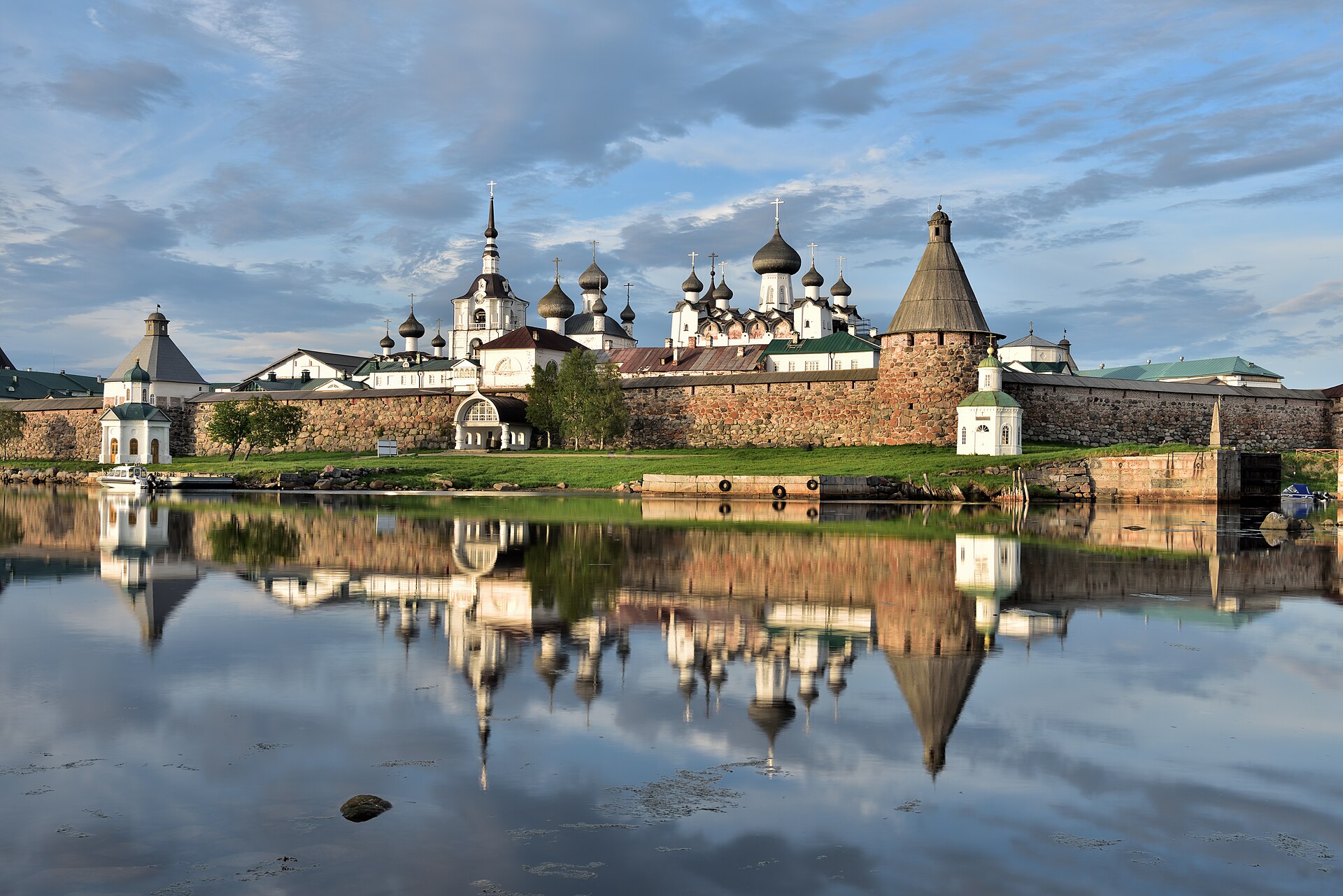
Metropolitan John of Varna spoke on the Transfiguration as the moment when the divine light shows every person their true calling to share in God’s glory. The same feast drew crowds to Archbishop Daniel’s annual pilgrimage in the Orthodox Church in America, where families camped, prayed, and reflected on Christ’s radiance. In Greece, the diocese of Corfu reminded the faithful that this glory is offered daily in the Eucharist, while the Romanian Orthodox Church prepared its National Cathedral’s underground chapel with images of hermit saints to create a quiet monastic space for reflection.
These simple acts of teaching, pilgrimage, and sacred art keep the feast alive in very different corners of the Church. They show why the Transfiguration still shapes how ordinary believers understand their daily life.
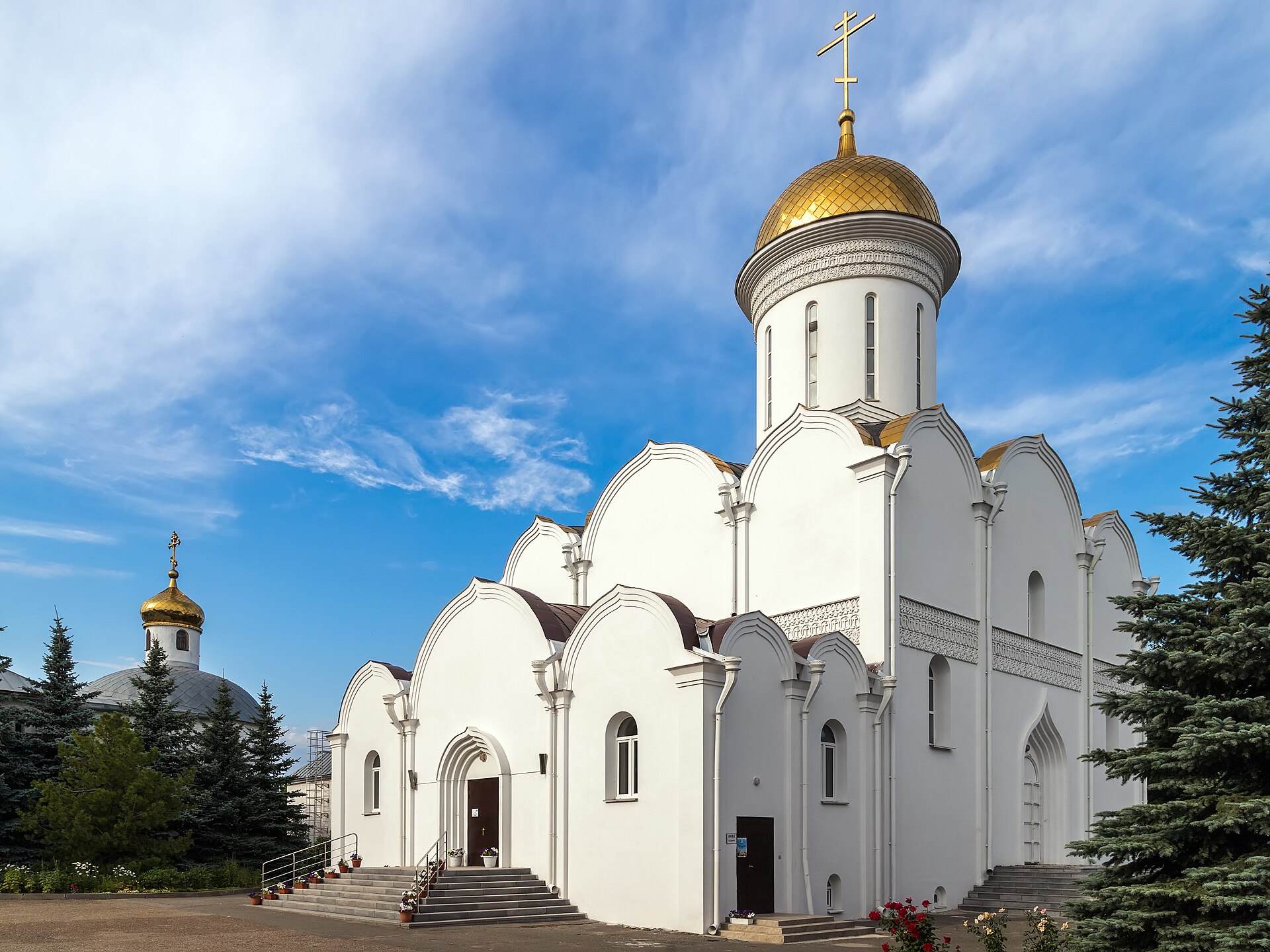


ROCOR has opened a new Russian-language theological institute in Europe to train clergy and lay workers for diaspora communities. The initiative aims to strengthen theological education in the local language while keeping strong ties to traditional Orthodox formation. In related news, the Romanian Orthodox Church welcomed Assyrian Patriarch Mar Awa III for a Syriac studies congress and heard an African metropolitan encourage seminarians to imitate St. John Jacob at a recent feast. Meanwhile, the Bulgarian Orthodox Church reported steady progress on the inscription of its St. John of Rila parish in London, and the Church of Greece saw its Metropolitan of Kilkisios visit the Skete of Agia Anna on Mount Athos.
These steps show quiet, steady work across jurisdictions to pass on the faith in different settings.
May readers hold the students, teachers, and all these communities in their prayers tonight.
Н
Николай Петков
It's good that they start with Russian, because there are a lot of emigrants in Europe who don't speak the local language well. In Varna, we also have Russian speakers who come to the services. I wonder how they will deal with the Romanian part of the news.
The Romanian Orthodox Diocese in Canada has opened the Dormition Fast with a pilgrimage through rural Ontario, drawing families from across the province to pray at historic sites and share simple meals under the trees. At the same time, the Bulgarian Orthodox Church in London is preparing Matins and Liturgy for the feast on August 15 and 16 at St. John of Rila, keeping the fast rhythm alive for its small émigré flock. In Greece, the Holy Monastery of Vlatadon quietly gathers school supplies and basic necessities for the Children’s Village in Filiro, turning preparation for the new term into practical charity. Antioch’s Cathedral of the Nativity of Our Lady in Qab Elias hosted a paraclesis service last Friday, while the Russian Orthodox Church in Minsk saw the Brotherhood of Blessed Valentina organize a modest hike that combined fresh air with quiet spiritual conversation. These small coordinated efforts across continents show how the fast begins not with grand announcements but with ordinary footsteps, shared bread.
The Serbian Orthodox Church has opened a new term for entrance exams at its School of Church and Traditional Music. Applicants are preparing to study the ancient chants that have shaped worship for centuries. At the same time, the Antiochian Orthodox Christian Archdiocese of North America is enrolling students for its Fall 2026 semester at the Antiochian Orthodox Ecclesiastical Online Music School, offering structured courses in liturgical singing to a wider audience.
In London the Bulgarian Orthodox Church parish of St John of Rila continues work on its church inscription and will hold Matins and Liturgy on August 15 and 16. The Romanian Orthodox Church marked the feast of St Theodora at Sihla Monastery, where Metropolitan Seraphim reminded the faithful that salvation comes through patient struggle.
These four dioceses, spread across continents, quietly keep the Church’s musical and monastic traditions alive.
May their teachers, students, and monks be remembered in prayer today.
O
Aug 8
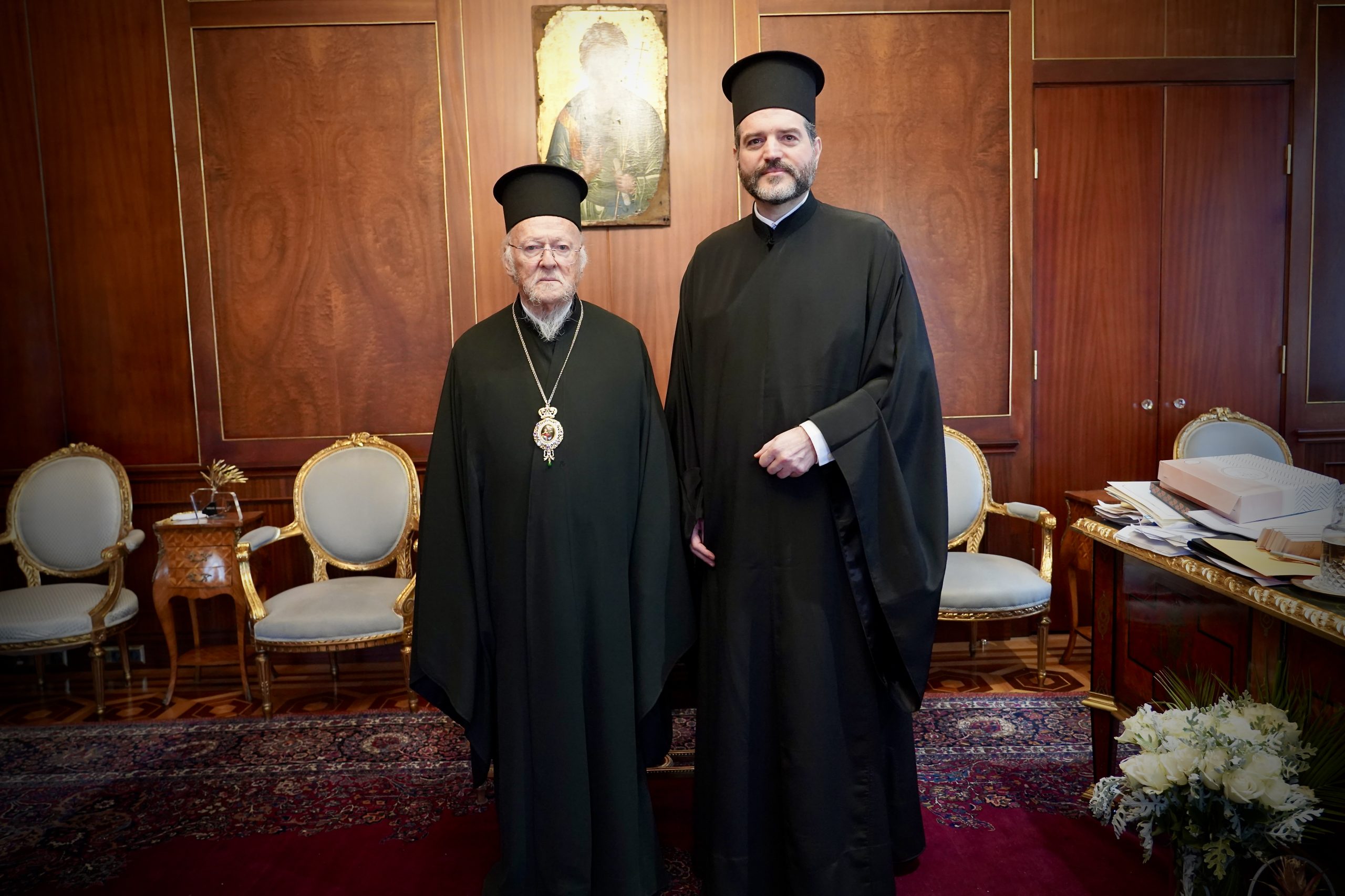
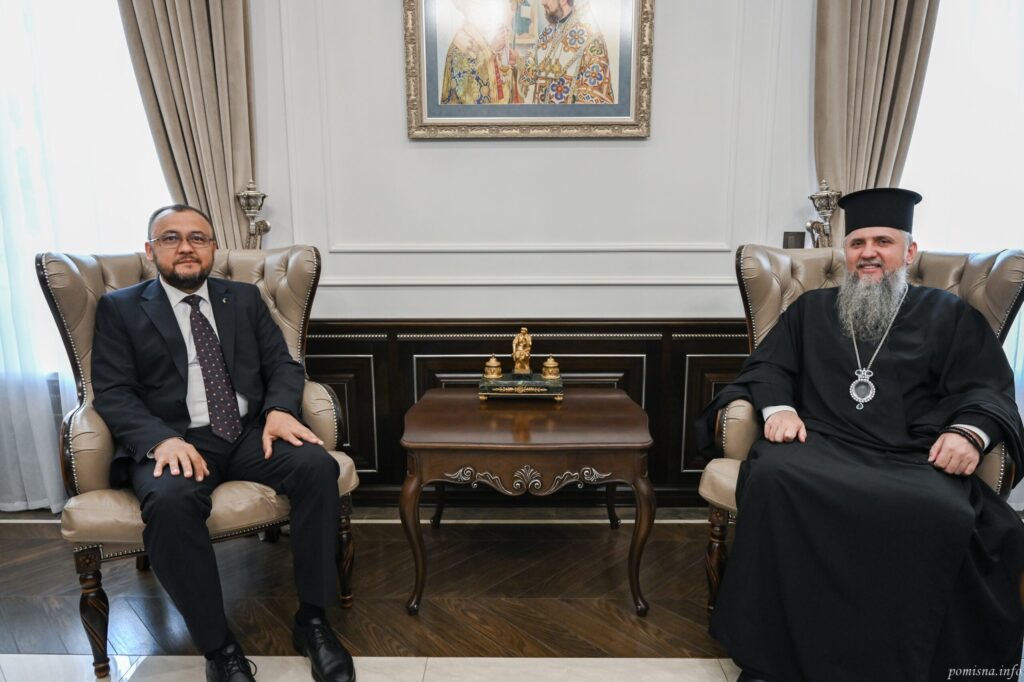
Canada’s Archons Welcome Archbishop Apostolos: An Interview with Their President
Orthodox Church in America · Read the article →
The Feast of the Transfiguration drew crowds to parishes across several jurisdictions this week. In the Church of Greece, the parish of Kamilari marked the day with services that highlighted the Lord's radiant glory on Mount Tabor. Bulgarian Orthodox Metropolitan John of Varna preached that the feast shows every person is called to share in God's uncreated light, a message echoed in local sermons from Varna to Sofia. Antiochian faithful in Qab Elias gathered for a paraclesis the evening before, blending hymns with quiet prayers under the summer sky. Over in the Orthodox Church in America, several Midwest dioceses used the feast as a bridge to their upcoming youth programs, reminding families that the same divine light transforms both liturgy and daily life at home.
Small touches stood out everywhere: baskets of grapes blessed after the Gospel, children carrying candles, and quiet conversations about what it means to let Christ reshape ordinary routines. The pattern repeats from one local church to the next.
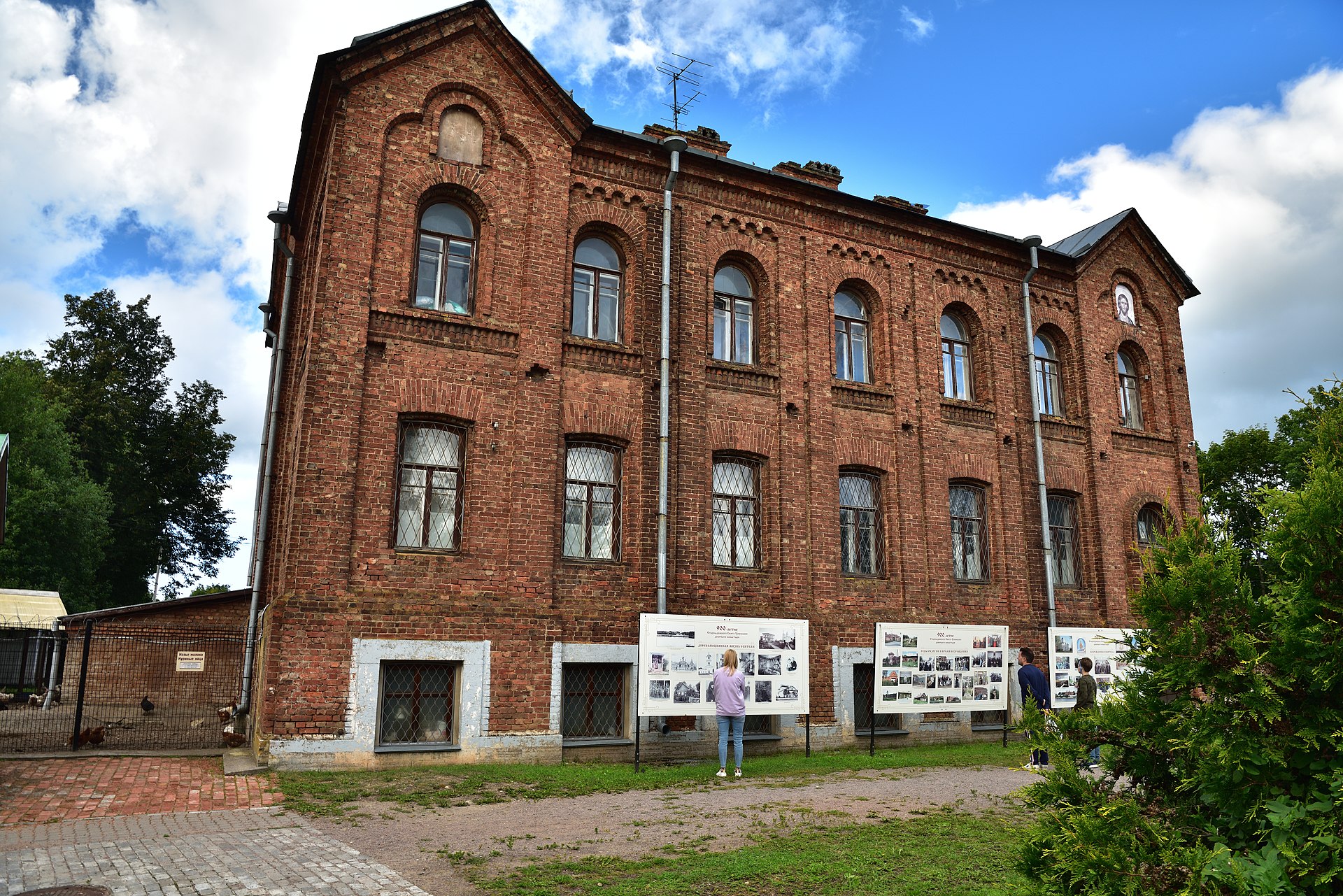
The memory of Abbess Dorofeya continues to shape daily life at Krupytsky Convent in Ukraine, where her example of quiet obedience and prayer still guides the nuns’ routine of early matins, garden work, and care for pilgrims. In Romania the Diocese of Bălți welcomed the ambassador who promised continued help for Orthodox communities across the border in Moldova, underlining practical ties between Church and state. From Bulgaria, Metropolitan Nikolay of Plovdiv will serve the Great Blessing of Water on the banks of the Maritsa River for Theophany, drawing local families to the icy river each year. Meanwhile the Orthodox Church in America has begun practical preparations for the 2026-27 school year, updating lesson plans and teacher rosters in parishes from coast to coast.
These ordinary steps—remembering an abbess, securing aid for a diocese, blessing a river, readying classrooms—keep the Church steady.
O
Aug 8
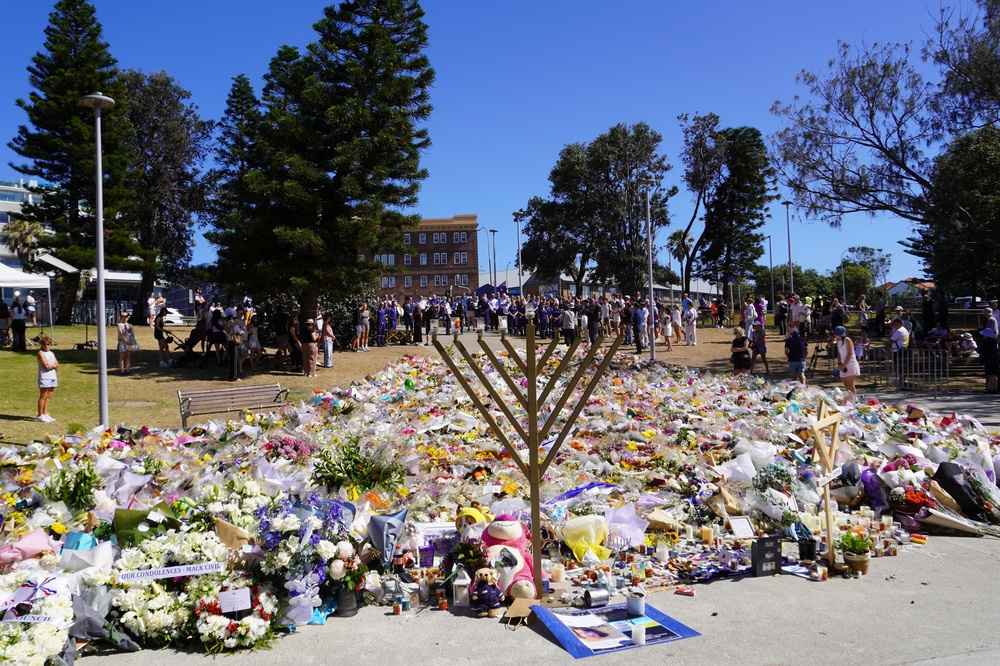
Australian bishops warn against rising antisemitism in message on social division
· Read the article →
The Russian Orthodox Church Outside Russia has launched a new Russian-language theological institute in Europe, expanding access to Orthodox formation for clergy and laity living abroad. In the same week, the Orthodox Church in America highlighted 250 years of faith formation through its summer camping programs, while the Bulgarian Orthodox Church announced that Metropolitan Nikolay of Plovdiv will lead the Great Blessing of Water on the banks of the Maritsa River for Jordan Day. The Romanian Orthodox Church welcomed Assyrian Patriarch Mar Awa III for his first visit to attend a Syriac studies congress and hear about the quiet protection offered by the Hadâmbu icon of the Mother of God.
These developments show steady, practical steps being taken across jurisdictions to deepen teaching, worship, and service in local settings. Such work keeps the faith rooted and available for the next generation.