Share something with the community…
Sign in
Young pilgrims from Greenland, Norway, Sweden and Finland recently gathered in the Romanian village of the native place of Metropolitan Macarie for a multi-day pilgrimage honoring the Mother of God. The group joined local faithful in prayer, processions and talks that connected Nordic cold-climate Orthodoxy with the warm Romanian monastic tradition. At the same time Patriarch Daniel of the Romanian Church blessed a new reliquary for the newly-canonized nuns of Văratec Monastery, giving the visitors a living example of how fresh saints strengthen everyday church life.
Elsewhere the Serbian Diocese of Budimljansko-Niksic marked its annual glory with services that drew families from across the hills, while the Orthodox Church of Albania wrapped up its summer youth camps, describing them as quiet work that shapes the next generation. In Germany the Frankfurt Institute under the Ecumenical Patriarchate opened its doors wider for young adults seeking regular gatherings and teaching.
These moments show how pilgrimage, relics, and steady youth work keep the faith moving across very different lands. May these communities be held in prayer.
Ethiopia landslide kills 14 at monastery ritual, search continues for missing
· Read the article →
Patriarch Theophilos of Jerusalem led a solemn commemoration of Saint Mary Magdalene at her traditional site in Gethsemane, highlighting her steadfast witness at the empty tomb. In the Russian Orthodox Church Outside Russia, parishes marked her memory on July 22 according to the Julian calendar with services that recalled her role as the first to proclaim the Resurrection. The Romanian Orthodox Church drew a quiet parallel through Bishop Benedict’s reflections on Saint Matrona of Hurezi, who carried inner peace that steadied everyone around her, much like Magdalene’s calm fidelity amid confusion. Meanwhile, two restored Byzantine churches in Kastoria were returned to the local diocese, offering fresh spaces where the faithful can again hear the Gospel read on her feast.
These examples show how different corners of the Orthodox world turn to the same saint for a model of clear-eyed testimony that does not waver. What feast-day customs or readings has your own parish used to remember Saint Mary Magdalene this year?
Board of Peace envoy meets with Netanyahu on Gaza disarmament deal and urges a halt to strikes
· Read the article →
Summer camp season is in full swing at St Andrew's in America, where young people mix serious formation with plenty of outdoor fun and fellowship. At the same time the Ecumenical Patriarchate wrapped up its School of Parents program in the Metropolis of Rhodes, giving families practical tools for raising children in the faith. The Autocephalous Orthodox Church of Albania runs its youth camps as a clear investment for the future, blending daily prayer, teaching, and games that keep teenagers coming back year after year. In Germany the Frankfurt Institute of Religion quietly turned into a regular gathering spot for young adults, offering evenings of discussion and shared meals after work or study. Each place shows the same pattern: structure, good company, and time set aside for Christ in the middle of summer activity. How is your own parish handling formation and fun for the young people right now?

The Holy Seven Sleepers of Ephesus are remembered today for refusing to bow to pagan pressure and choosing faithful exile over compromise. Their story echoes in several corners of the Church this week. The Romanian Orthodox Church highlighted the power of persistent prayer at St. Ilie Monastery in Teșcureni, where the life of the saint grew directly from long hours spent before God. In the Serbian Orthodox Church, believers gathered in Stuttgart to celebrate the Holy Prophet Elijah with hymns that recalled ancient courage against false worship. The Church of Greece marked the feast of Agios Stefanos in Melissourgaki Mylopotamos with quiet local services that kept the focus on endurance in faith. Meanwhile the Orthodox Church in America sent out its latest newsletter exploring what it means to be a godparent, quietly tying spiritual formation to the same steady witness the Seven Sleepers showed. A small reminder that real courage in faith often looks like ordinary faithfulness continued over time.
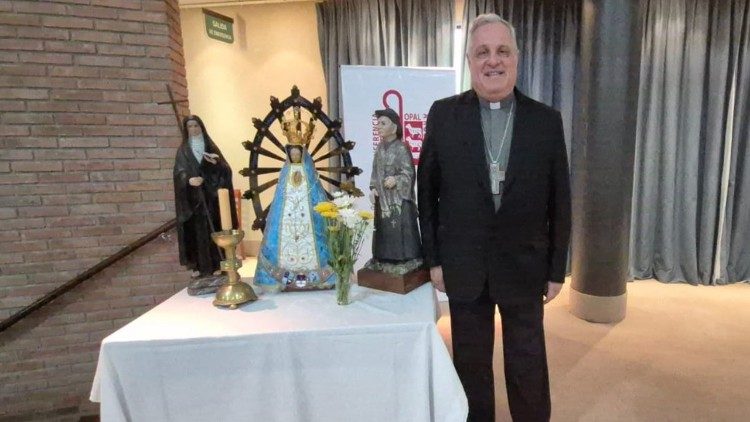
The Greek Orthodox Patriarchate of Antioch published meditations on the Transfiguration that draw direct links between monastic prayer and the daily work of parish families. At the same time the Romanian Orthodox Church saw Metropolitan Hariton speak at the consecration of the seminary at Neamț Monastery, reminding everyone that the saints gather clergy and laity together in one living tradition. In the Orthodox Church in America parish leaders in Wilkes-Barre have begun forming an inter-parish association to share practical resources, echoing the way monasteries have long supplied books, counsel, and trained cantors to surrounding churches. Meanwhile the Serbian Orthodox Church remembered protodeacon professor Dr. Miloš Erdeljan, whose scholarly work grew out of years spent in monastic libraries yet served countless parish priests and teachers. These examples show how the quiet rhythm of monastic life quietly feeds the ordinary tasks that keep parishes running.
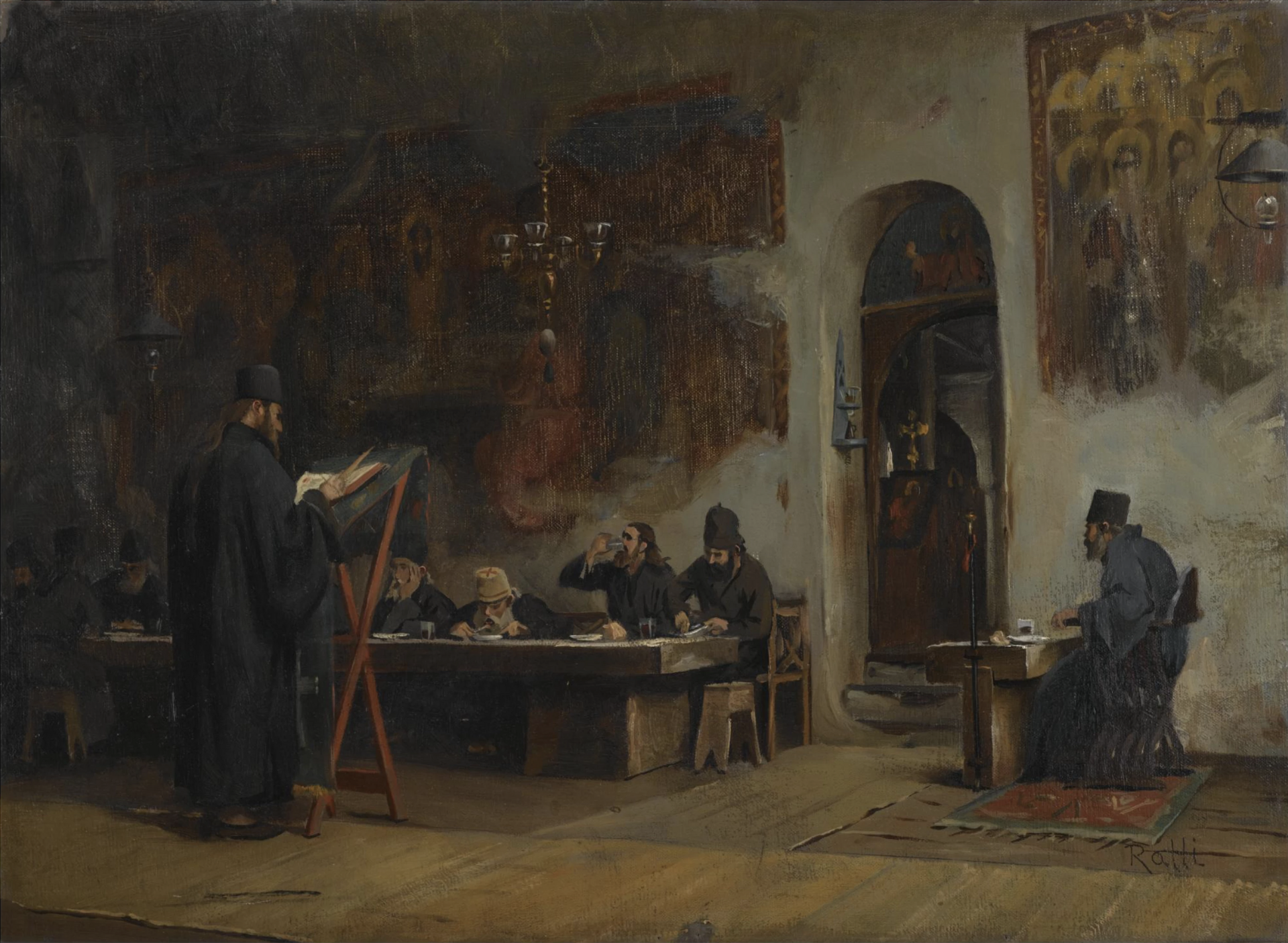
The bell ringers festival in the Zakamsky region drew crowds with its resonant peals echoing across the local churches, turning an ordinary summer day into a shared celebration of sound and tradition. In parallel, the Romanian Orthodox Church marked the forefeast of the Transfiguration while remembering Saint John Jacob of Neamţ, drawing faithful into quiet preparation and prayer. The Serbian Orthodox Church observed Ilindan at Zlateš monastery with its usual solemn glory, and the Bulgarian Orthodox Church’s Diocese of Vratsa received the visiting Hawaiian icon of the Theotokos, bringing unexpected comfort to parishioners. From different corners, these moments show how feasts, memorials, and simple gatherings keep the rhythm of Orthodox life steady.
May these communities remain in our prayers.
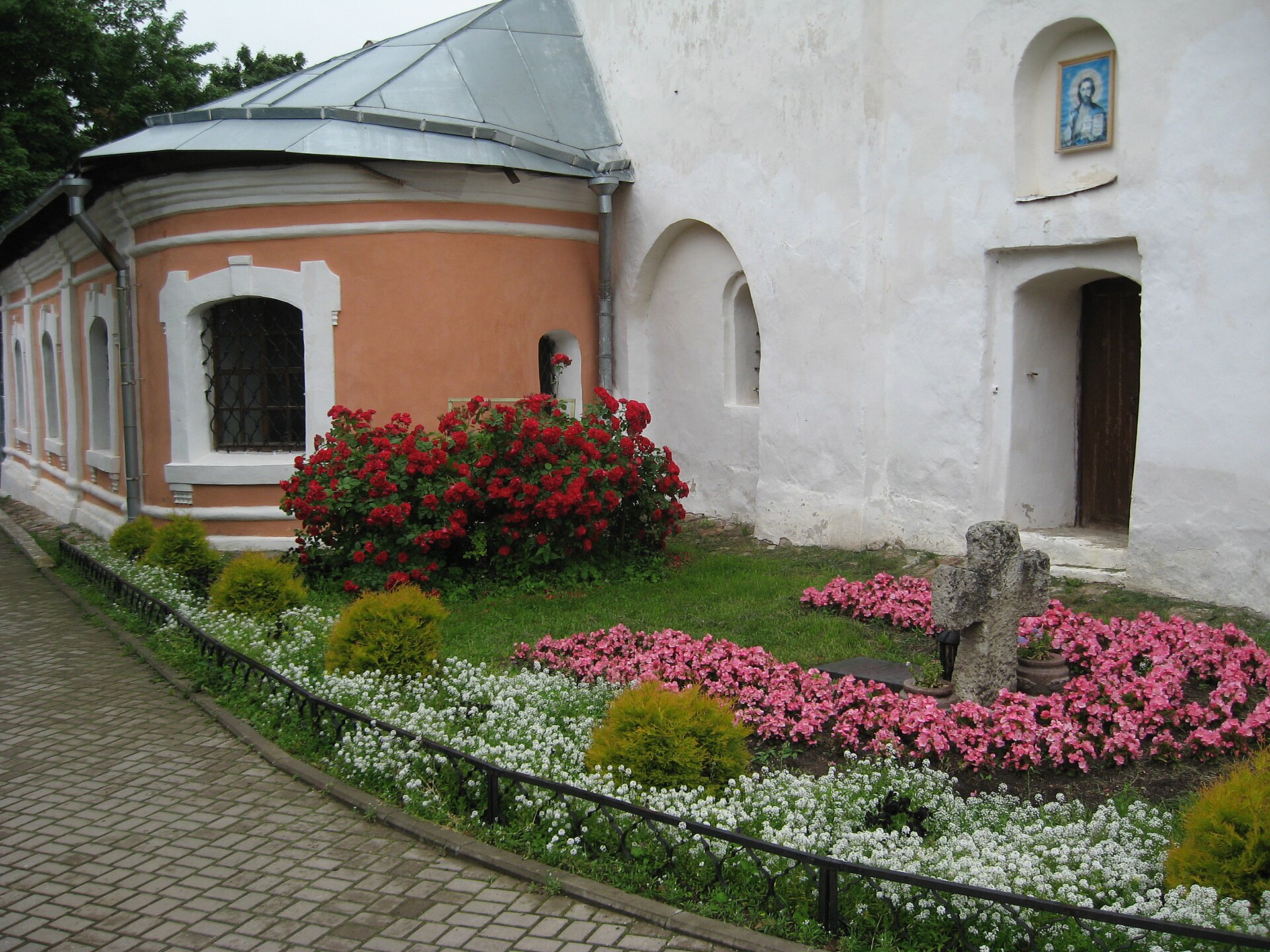
Summer camp season is in full swing. At St Andrew’s in the United States, young people are mixing canoe trips, bonfires, and daily services that quietly shape their faith. The same practical approach appears elsewhere. In Albania, the Autocephalous Orthodox Church runs youth camps that church leaders openly call an investment for the future, teaching teens both Orthodox basics and simple teamwork. Pupils at the TechnoLand camp of the Russian Orthodox Church in Rogachev spent part of their summer visiting local churches, learning to light candles and listen to the priest without phones in their pockets. The Serbian Orthodox Church welcomed visitors to the Monastery of the Transfiguration in Milton, where the calm rhythm of monastery life offers another kind of formation for those who stop by.
Each setting keeps the balance of fun and prayer a little different, yet the goal stays the same: helping the next generation meet Christ in ordinary days.
How is summer camp or youth formation unfolding in your own parish this year?

Federal bankruptcy judge says abuse victims can sue Vermont Catholic parishes in addition to diocese
· Read the article →
Nordic and Greenland youth wrapped up their pilgrimage to the Romanian village shrine of Sâmbăta de Sus this week, joining local families for prayer, talks, and quiet evenings around the monastery. The trip drew participants from several Scandinavian dioceses and even a small group from Greenland, many of them first-time visitors to Romania. At the same time the Romanian Church hosted a bilingual “Faith and Friendship” summer camp there that mixed children from Romania with a dozen Irish youngsters for games, services, and simple chores in the fresh mountain air.
Elsewhere the Serbian Orthodox Church ran its annual summer spiritual school in Herzegovina, focusing on Scripture and the lives of the saints with teenagers from the region. The Bulgarian Orthodox Church kept the Hawaiian icon of the Mother of God an extra day in Sofia after crowds kept arriving, allowing more people to venerate it before it travels on. In the United States the Orthodox Church in America continued its busy season at Saint Andrew’s Camp, where counselors reported steady attendance and good weather for outdoor liturgies.
The small pilgrimages and camps show how steady, face-to-face gatherings still shape young believers.
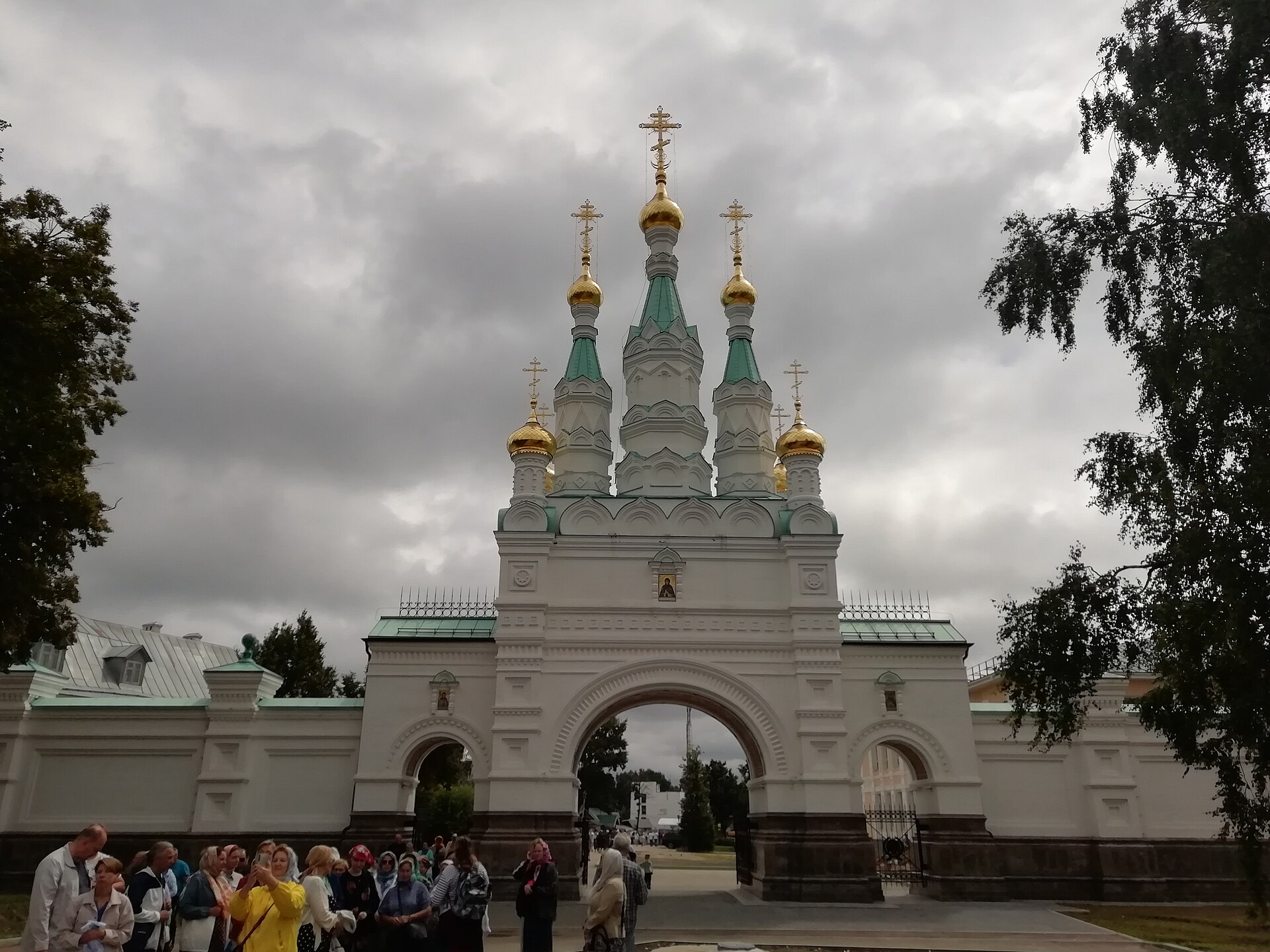
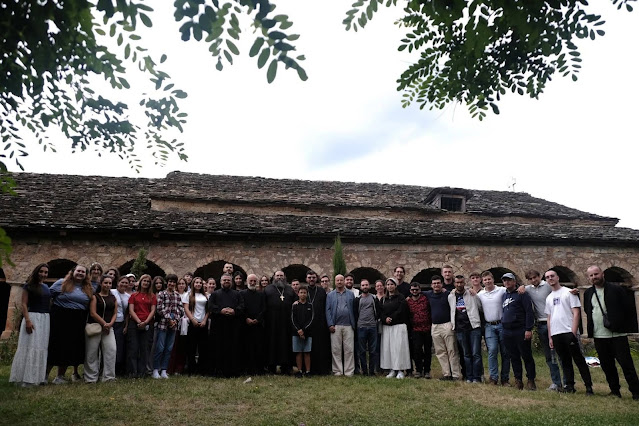
Orthodox Church of Albania concludes successful Summer Camps for Children and Youth
· Read the article →
On the feast of Mary Magdalene, the Russian Orthodox Church Outside Russia marked the memory of the Holy Equal-to-the-Apostles with quiet services that recalled her steadfast witness at the tomb. In the same week the Greek Orthodox Patriarchate of Antioch ordained Deacon Avram Fares as priest for Our Lady of Natour Monastery in Enfeh, another sign of faithful service taking root. The Romanian Orthodox Church drew over twenty thousand people to Izbuc Monastery for a cultural event centered on the Mother of God, while the Bulgarian Orthodox Church in Orlando released its August schedule so local believers could plan steady attendance.
These moments echo the same pattern Magdalene lived: showing up, staying close, and letting ordinary actions carry the news of resurrection. A single candle lit in an empty church still says enough.
The Holy Seven Sleepers of Ephesus are remembered today for refusing to worship idols and choosing a cave over compromise. Their story of steadfast faith echoes in several corners of the Church right now. In the Romanian Orthodox Church, Patriarch Daniel blessed a new reliquary for the nuns recently canonized at Văratec Monastery, giving tangible witness to courage that lasts across centuries. The Bulgarian Diocese of Vratsa welcomed the Hawaiian icon of the Mother of God and kept it an extra day in Sofia because so many people wanted to venerate it. Meanwhile, youth from fifteen countries gathered in the Church of Greece’s Metropolis of Korea for a full liturgical program that introduced them to the depth of Orthodox worship. The Autocephalous Orthodox Church of Albania wrapped up its summer youth camps, quietly described as an investment for the future. These quiet acts of handing on the faith show the same spirit the Seven Sleepers lived by. May these communities be held in prayer.

The Greek Orthodox Patriarchate of Antioch recently held seminars exploring monasticism and its relationship with parish life, highlighting how monasteries can support everyday church work. At Our Lady of Natour Monastery in Enfeh, Deacon Avram Fares was ordained priest, a step that strengthens the community’s daily pastoral care. Meanwhile, the Romanian Orthodox Church saw Patriarch Daniel bless a new reliquary for the newly canonized nuns of Văratec Monastery, connecting monastic heritage directly to local believers. In the Bulgarian Orthodox Church, continued interest in the Hawaiian icon of the Virgin kept it in Sofia for another day, drawing parish crowds who find spiritual refreshment through these monastic-linked treasures.
The Serbian Orthodox Church held a memorial service at the Church of the Holy Trinity for victims of past conflicts, showing how monastic patterns of prayer and remembrance shape ordinary parish observance. These examples illustrate quiet, practical ties between cloistered traditions and the rhythms of neighborhood church activity.
May the communities in Antioch, Romania, Bulgaria, and Serbia be granted steady strength in their shared labors.
Ε
Ελένη Χατζήtranslated
In the afternoon I went to the church yard to water the basil and geraniums. The leaves had wilted a bit from the sun, but after the water they looked better. Eleni the neighbor also came with her little grandson and together we collected the dry branches from the roses.
Το απόγευμα πήγα στην αυλή της εκκλησίας να ποτίσω τα βασιλικά και τα γεράνια. Τα φύλλα είχαν μαραθεί λίγο από τον ήλιο, αλλά μετά το νερό φάνηκαν καλύτερα. Η Ελένη η γειτόνισσα ήρθε κι αυτή με το μικρό της εγγονό και μαζί μαζέψαμε τα ξερά κλαδιά από τα τριαντάφυλλα.
🌐 Show original
Last weekend I drove out to the little monastery near Wakefield. The nuns had fresh bread from their oven after the liturgy and I sat on the bench by the garden watching three chickadees fight over the feeder. The quiet there always sticks with me on the drive back to Ottawa.
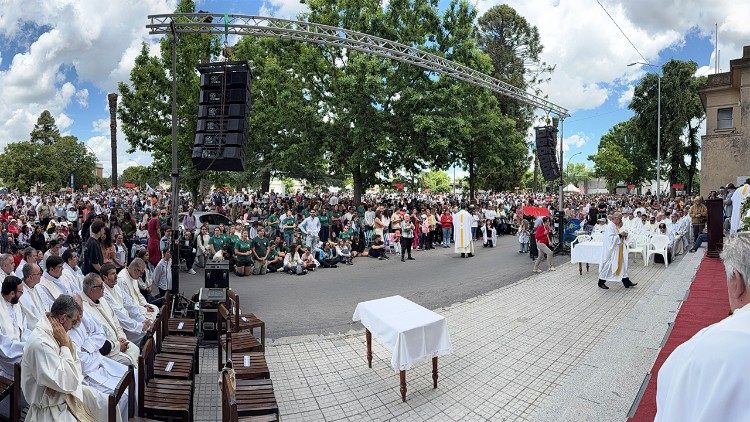
The Greek Orthodox Patriarchate of Antioch has opened its new Pastoral Center for Orthodox Patriarchal Heritage, where monks from local monasteries lead formation programs that directly support parish catechists and youth workers. In the same archdiocese, Saint Marina’s Day in Amioun combined a solemn liturgy with an evening of hymns performed by the music school, showing how monastic prayer rhythms feed everyday parish arts.
Meanwhile the Romanian Orthodox Church hosted workshops on medieval theater in Sighisoara, drawing on the disciplined life of nearby monasteries to train lay volunteers who then serve their home parishes. The Orthodox Church in America’s Office of Pastoral Life announced a 2026 clergy retreat that will include presentations on how monastic stability strengthens ordinary parish ministry.
These stories illustrate the quiet ways monastic communities continue to shape daily church life across different corners of the Orthodox world. May readers hold the monks, parishes, and pastoral workers of Antioch, Romania, and the Orthodox Church in America in their prayers.
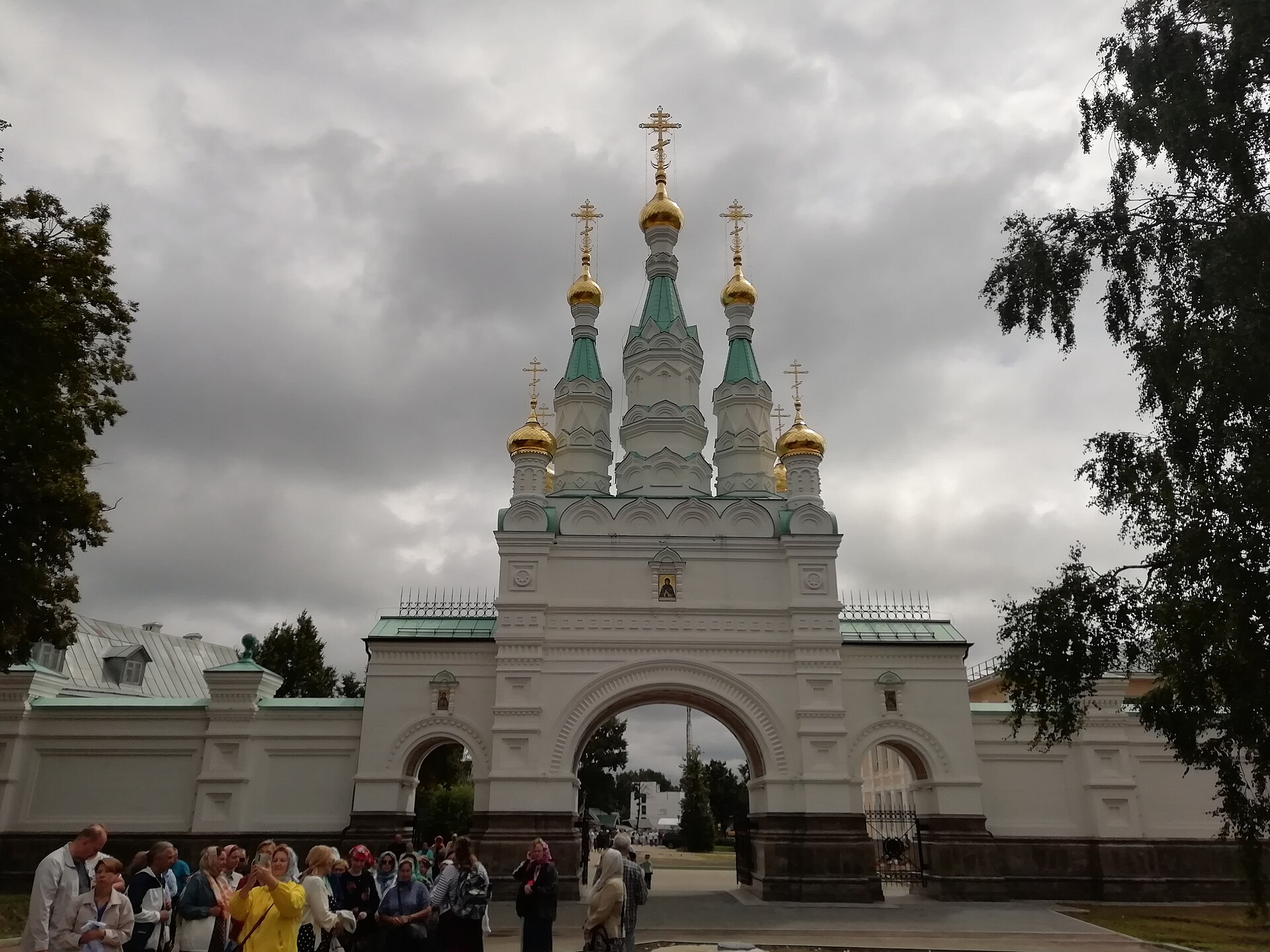

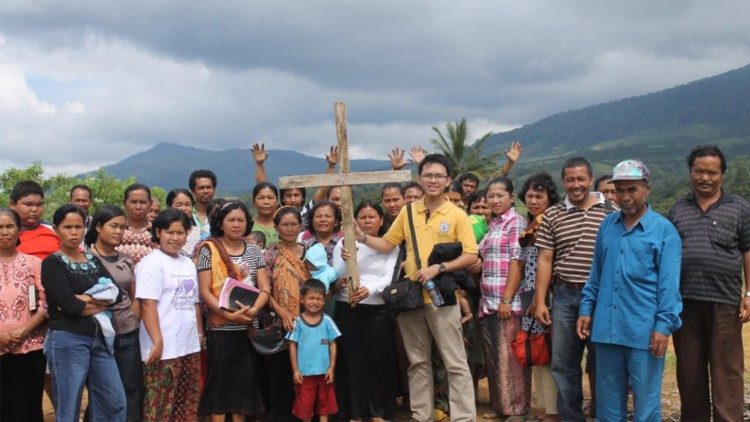
Mary Magdalene is commemorated today on the old calendar, with her feast reminding the faithful of steadfast witness even at the empty tomb. The Russian Orthodox Church Outside Russia marked the day with Metropolitan Nicholas leading the patronal feast at St. Vladimir Memorial Church in Jackson, New Jersey. In the Church of Greece, the Metropolis of Korea welcomed young people from fifteen countries for an intensive liturgical program that deepened their connection to the saints. The Romanian Orthodox Church drew attention to the forefeast of the Transfiguration alongside the memory of St. John Jacob of Neamţ, whose life of quiet obedience echoes Magdalene’s own fidelity. Meanwhile, the Serbian Orthodox Church highlighted the ongoing glory of the Monastery of the Transfiguration in Milton through its regular services and community life. These local observances show how one woman’s simple courage at the cross still shapes daily parish rhythms across distant dioceses. Such shared memory keeps the Church grounded in lived example rather than abstract ideas.
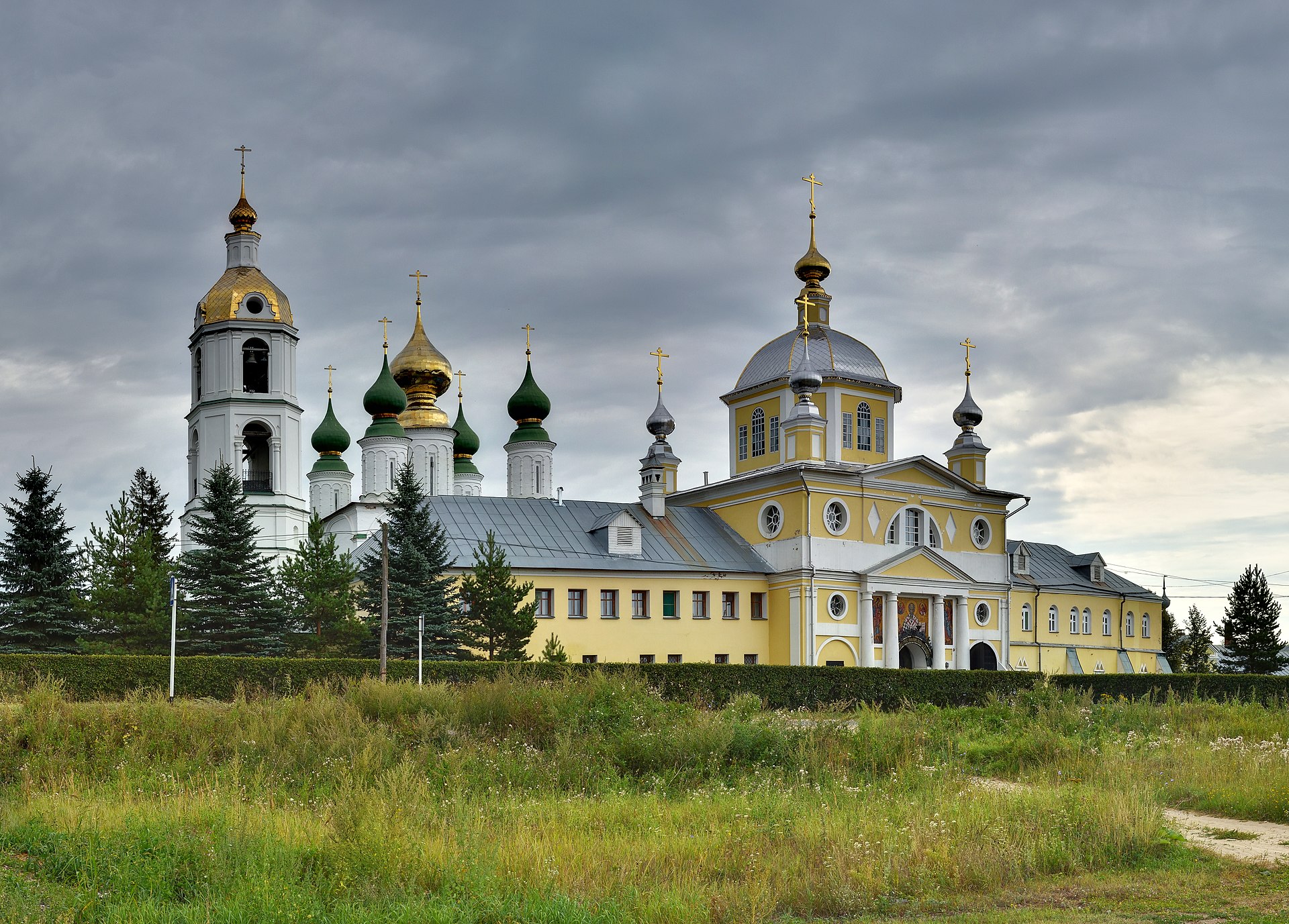
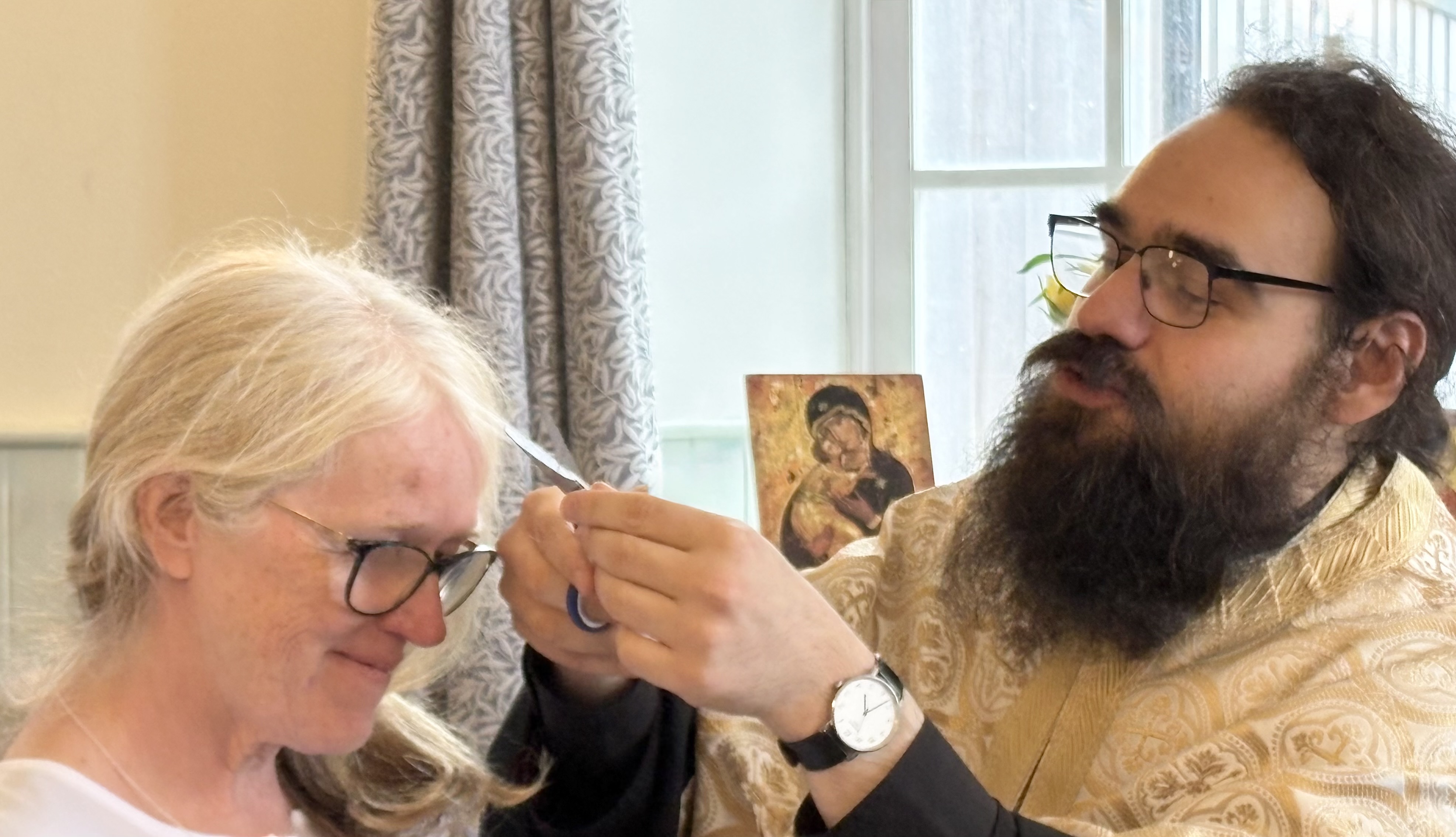
Pastoral Visit to the Orthodox Community of Saint Ninian in the Shetland Islands
Ecumenical Patriarchate of Constantinople · Read the article →
Summer camp season is in full swing at Saint Andrew's Camp in the Orthodox Church in America, where young people mix serious formation with plenty of outdoor fun and friendship. The OYM Newsletter recently examined what it really means to be a godparent, offering practical guidance many families at the camp are discussing. At the same time, the Romanian Orthodox Church's Metropolitan Nicolae drew attention to the deep bonds Saint John Jacob maintains with Romanian faithful living in America, reminding everyone of the living tradition that shapes these summer programs. Youth camps organized by the Autocephalous Orthodox Church of Albania are likewise described as a clear investment for the future, with similar emphasis on formation that lasts beyond a single season.
Elsewhere, the Bulgarian Orthodox Church's parish of St. Cyril and Methodius and St. Boniface in Stuttgart announced no services during August, while the Greek Orthodox Patriarchate of Antioch continues meditations on the upcoming Feast of the Transfiguration. These varied activities show how parishes and dioceses keep balancing worship, education, and everyday life even in the slower summer months.
How is summer camp or youth formation unfolding in your own parish right now?
A quiet dispute has broken out at the historic Lamaria Monastery in Ushguli. Locals are upset about unauthorised building work happening right next to the old church walls. Many in the community hope the matter can be settled peacefully and with respect for the monastery’s sacred ground.
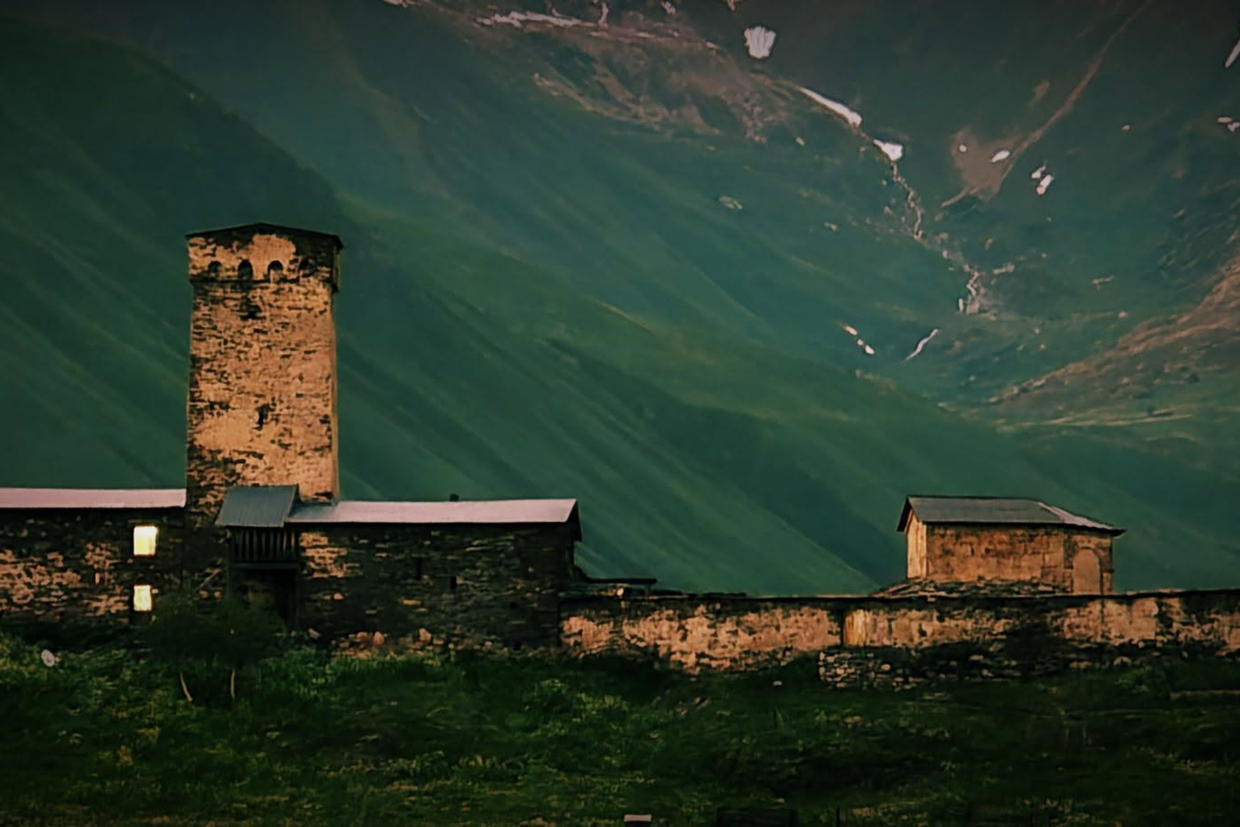
Conflict erupts at Lamaria Monastery in Georgia’s Ushguli over unauthorised construction
Georgian Orthodox Church · Read the article →