ORTHODOX HOUSE
⛪ All churches
Sign in
☦ Today Thursday, September 10 / August 28 (old style) 🍽 Fast-free day Julian calendar ⇄
Ven. Job of Pochaev
← News feed Ecumenical Patriarchate of Constantinople

The Law of Moses

September 9, 2026 · 1 min read

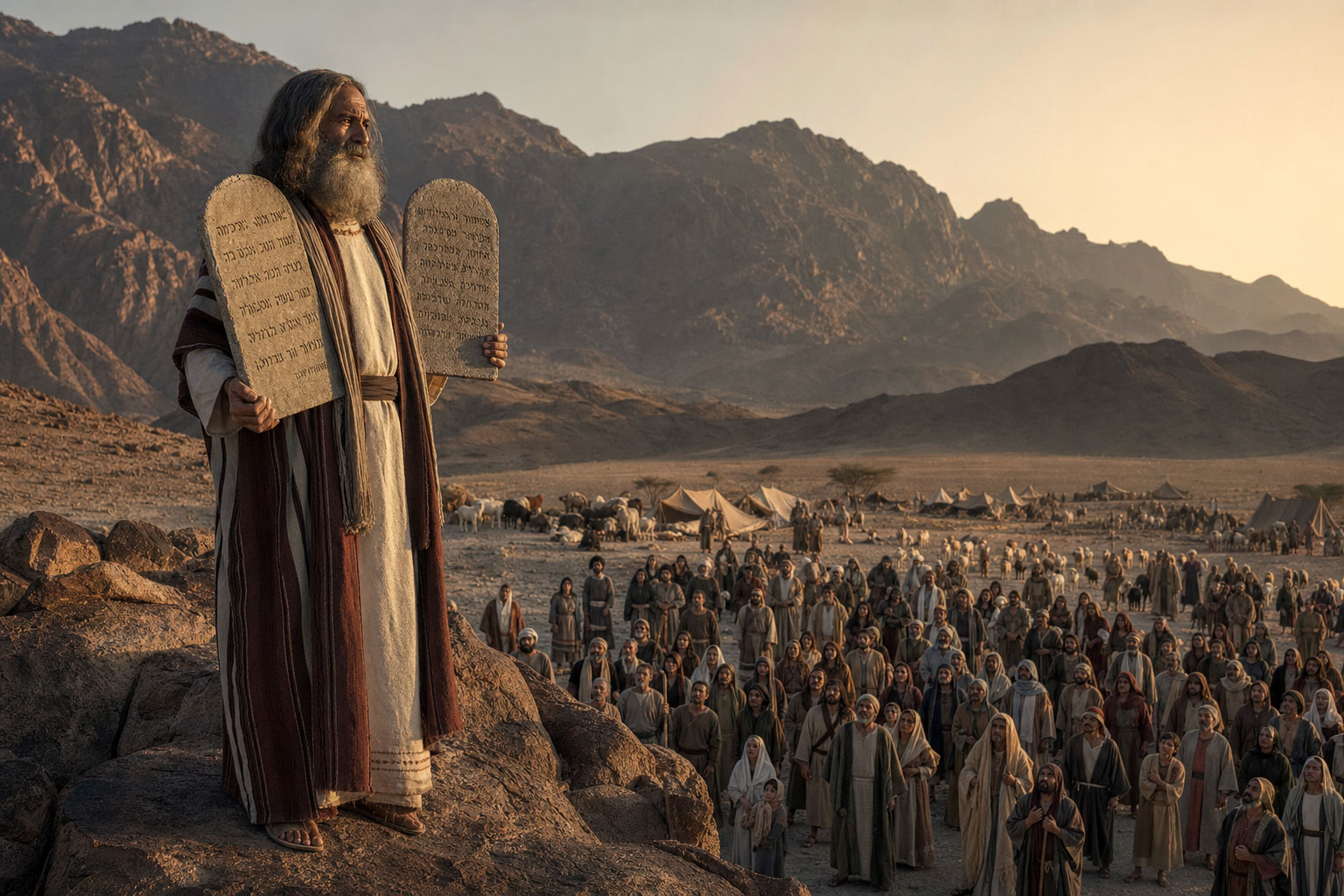
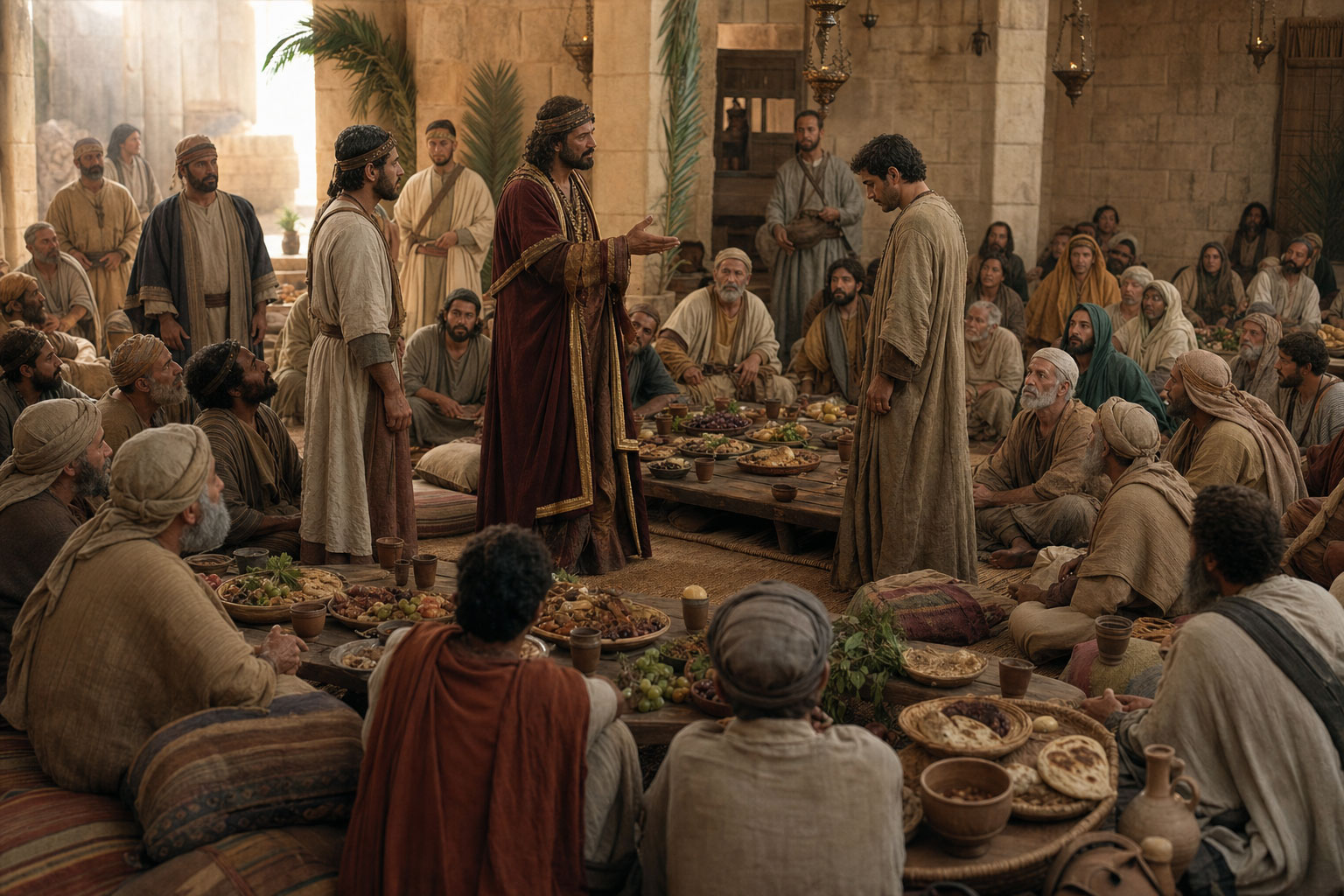
In the Old Testament, the Law of Moses is presented as a Law given by God to Israel through Moses, chiefly within the framework of the Covenant at Sinai. It is not simply a collection of social regulations, but the way in which Israel is called to live as the people of God.

The biblical narrative emphasizes that God reveals His will and that Moses serves as mediator between God and the people. The Ten Commandments, in particular, occupy a central place, since they are presented as the word of God addressed to the entire community. At the same time, however, within the Pentateuch we encounter a large number of provisions concerning social life, worship, the administration of justice, property, family, slavery, responsibility for bodily injury, and the protection of the weak.

The question that arises is twofold. First, can we distinguish what is presented as direct divine revelation from what appears to belong to the legislative and pastoral activity of Moses? Second, what is the relationship between Mosaic legislation and the laws of other ancient peoples, such as the Babylonians, the Hittites, or the Egyptians?

Modern research has shown that the Law of Moses does not appear…

Source: Site: Μητρόπολις Χονγκ Κονγκ  ·  Read the full story →
⚑ Report
💬 Comments (3) 🌐 Show original
J
John Johnson
The part about the Ten Commandments being spoken directly to the whole community always sticks with me more than the detailed rules on slavery or property damage. Makes you wonder how much of the everyday stuff was Moses working out the details like a good leader would, instead of every line dropping straight from heaven. Anyone here read the Code of Hammurabi and spot the overlaps?
م
ميشيل حداد
Yes, the Ten Commandments are the ones that always stick out to me the most, especially “Do not steal” and “Do not covet.” As for the laws regarding slaves or injuries, I feel that they are part of what Moses was arranging as a practical leader for a people in the wilderness. The question about the difference between direct revelation and everyday details is really important.
M
Milan Milošević
This was always clear to me - the Ten Commandments were given directly to everyone on Sinai, and the ones about slaves, compensation for damages or protection of the poor, Moses had to adapt to life in the desert, as a good elder. That's why it's no wonder that some provisions coincide with Babylonian or Hittite laws, the people still lived in that time. And you, what do you think, would it still be possible to distinguish between what is purely God's and what is pastoral?
Sign in to join the conversation →
More stories
At the courtyard of the Sergius-Kazan Church, care continues to take care of the garden and vegetable garden - News - Novosibirsk Metropolis
Russian Orthodox Church (Moscow Patriarchate) · September 10, 2026
Saints, Feasts, and Readings for 9/10/2026
Ecumenical Patriarchate of Constantinople · September 10, 2026
Bells were installed in the Church of St. Seraphim of Sarov – News – Novosibirsk Metropolis
Russian Orthodox Church (Moscow Patriarchate) · September 10, 2026
For lyceum students, acquaintance with history continued on the territory of the Church of the Sign - News - Novosibirsk Metropolis
Russian Orthodox Church (Moscow Patriarchate) · September 10, 2026
🔑Sign in 📖Prayer Book 🕊Live Prayer 📨Submit news 👥Friends 💬Groups My parish 🕯Virtual church 🙏Prayers by agreement 🗓Calendar Lives of the Saints ✏️Catechesis 🔔Notifications My subscriptions 🛍Store 💬Support