ORTHODOX HOUSE
⛪ All churches
Sign in
☦ Today Thursday, September 10 / August 28 (old style) 🍽 Fast-free day Gregorian calendar ⇄
Martyrs Menodora, Metrodora, Nymphodora
← News feed Ecumenical Patriarchate of Constantinople

The Law of Moses

September 9, 2026 · 1 min read

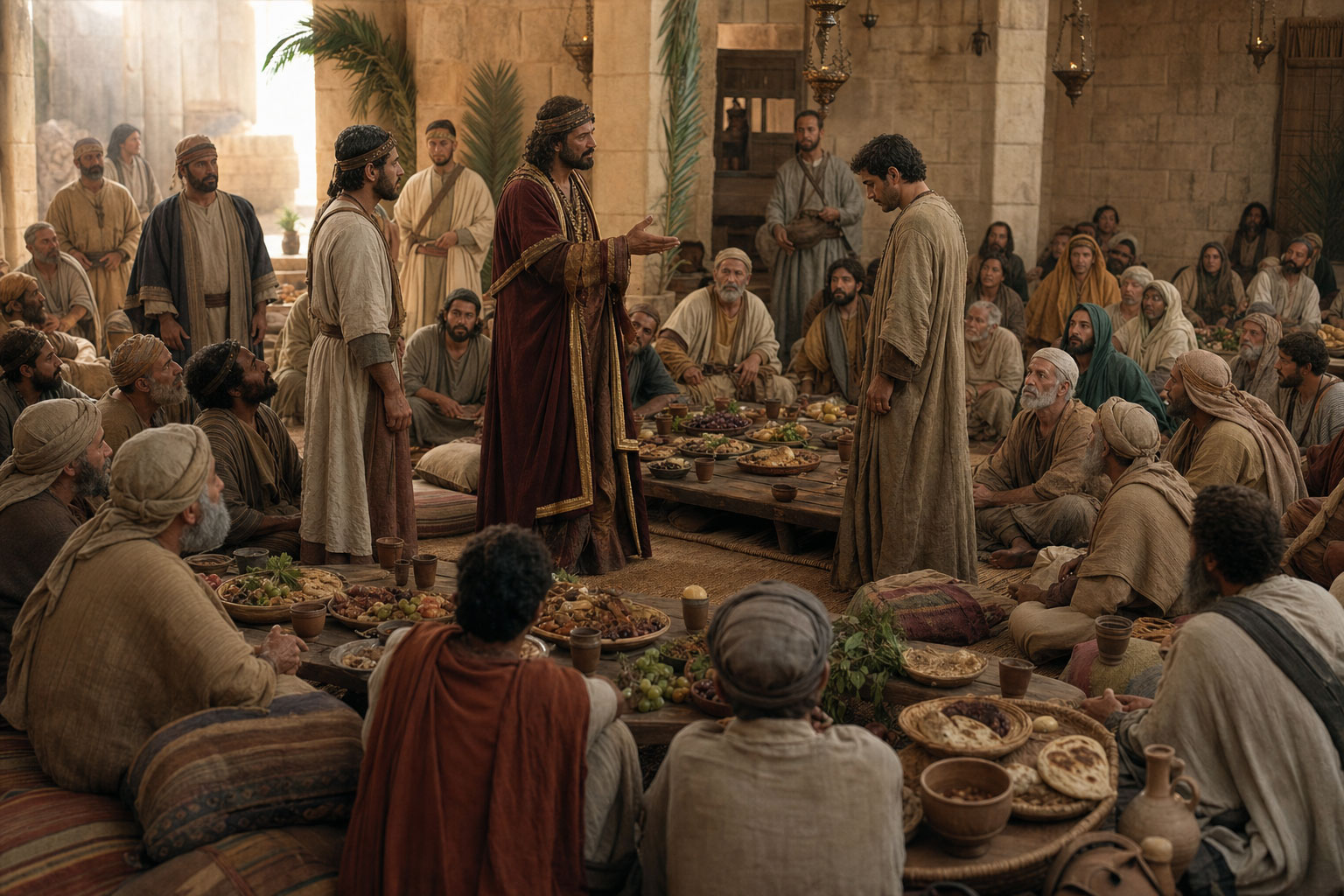
In the Old Testament, the Law of Moses is presented as a Law given by God to Israel through Moses, chiefly within the framework of the Covenant at Sinai. It is not simply a collection of social regulations, but the way in which Israel is called to live as the people of God.

The biblical narrative emphasizes that God reveals His will and that Moses serves as mediator between God and the people. The Ten Commandments, in particular, occupy a central place, since they are presented as the word of God addressed to the entire community. At the same time, however, within the Pentateuch we encounter a large number of provisions concerning social life, worship, the administration of justice, property, family, slavery, responsibility for bodily injury, and the protection of the weak.

The question that arises is twofold. First, can we distinguish what is presented as direct divine revelation from what appears to belong to the legislative and pastoral activity of Moses? Second, what is the relationship between Mosaic legislation and the laws of other ancient peoples, such as the Babylonians, the Hittites, or the Egyptians?

Modern research has shown that the Law of Moses does not appear…

Source: Site: Μητρόπολις Χονγκ Κονγκ  ·  Read the full story →
⚑ Report
💬 Comments (3) 🌐 Translate comments
J
John Johnson
The part about the Ten Commandments being spoken directly to the whole community always sticks with me more than the detailed rules on slavery or property damage. Makes you wonder how much of the everyday stuff was Moses working out the details like a good leader would, instead of every line dropping straight from heaven. Anyone here read the Code of Hammurabi and spot the overlaps?
م
ميشيل حداد
نعم، الوصايا العشرة هي اللي دايماً بتعلق في بالي أكثر، خاصة "لا تسرق" و"لا تشته". أما القوانين عن العبيد أو الإصابات فأحس إنها جزء من اللي كان موسى يرتبها كقائد عملي لشعب في برية. السؤال عن الفرق بين الوحي المباشر والتفاصيل اليومية مهم فعلاً.
M
Milan Milošević
To mi je uvek bilo jasno – Deset zapovesti su date direktno svima na Sinaju, a ono o roblju, nadoknadi štete ili zaštiti siromašnih je Moses morao da prilagodi životu u pustinji, kao dobar starešina. Zato i nije čudo što se neke odredbe poklapaju sa vavilonskim ili hetitskim zakonima, narod je ipak živeo u tom vremenu. A ti, šta misliš, da li bi se i danas moglo razlikovati šta je čisto Božje a šta pastirsko?
Sign in to join the conversation →
More stories
Orthodox House
Scattered Across the World, United in One Prayer
Pan-Orthodox · September 10, 2026
The history of the Metropolitan Church of Saints Constantine and Helen of Piraeus (VIDEO)
Church of Greece · September 10, 2026
From Talynshchyna to Chernihiv's Holy Site: Pilgrims Attended Liturgy with Metropolitan Ephraim
Orthodox Church of Ukraine · September 10, 2026
Missionary Archontariki with Elder Ephraim Vatopedinos in Katerini
Church of Greece · September 10, 2026
🔑Sign in 📖Prayer Book 🕊Live Prayer 📨Submit news 👥Friends 💬Groups My parish 🕯Virtual church 🙏Prayers by agreement 🗓Calendar Lives of the Saints ✏️Catechesis 🔔Notifications My subscriptions 🛍Store 💬Support