Pope Leo’s Eucharistic answer to the age of AI
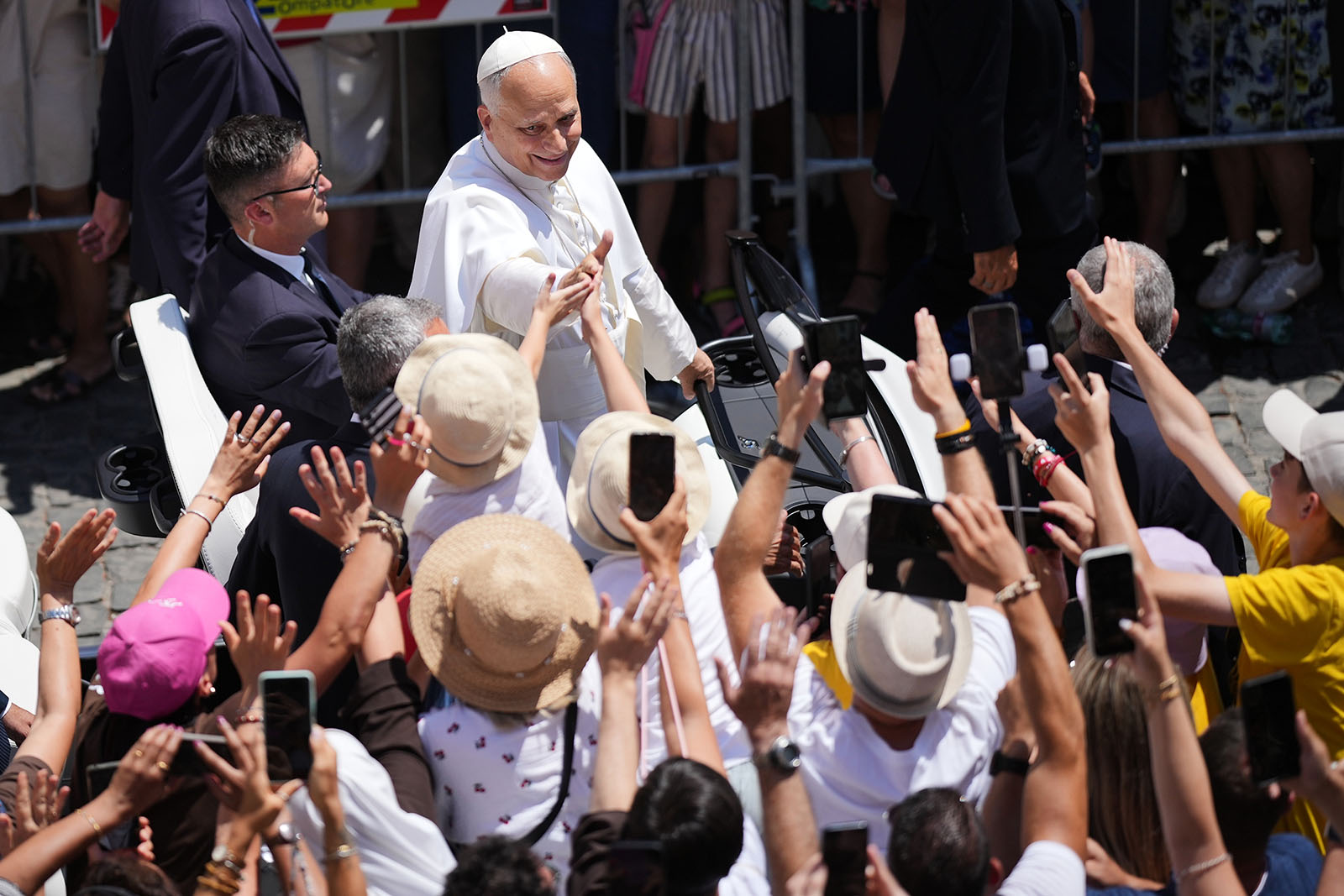
This is the last of a series of columns by the author on Pope Leo XIV’s first encyclical, “Magnifica Humanitas.” This piece focuses on the Conclusion. For earlier columns, see Chapter 1, C hapter 2 , Chapter 3 , Chapter 4 and Chapter 5 .
(RNS) — In the conclusion to his first encyclical, “ Magnifica Humanitas ,” Pope Leo XIV proposes what he calls “a sober yet demanding program of Christian life with which we can navigate this epochal change in the light of the Gospel.” The epochal change he refers to is AI, and he writes of a Eucharistic spirituality where we are united with the body of Christ in completing God’s work of creation by living out the gospel message.
This is a challenge and antidote to contemporary culture.
He notes that “our world is filled with attempts to seize control of markets and spheres of influence, often shrouded in reassuring rhetoric and seductive ideologies.” And he contrasts this with the message of the gospel, where the Son of God becomes flesh, poor and vulnerable, like “so many brothers and sisters stripped of their dignity and reduced to silence.”
Peace does not come through power but “is awakened when we allow ourselves to be moved…