Cenotaphs: Memorials and signs of hope after a violent death
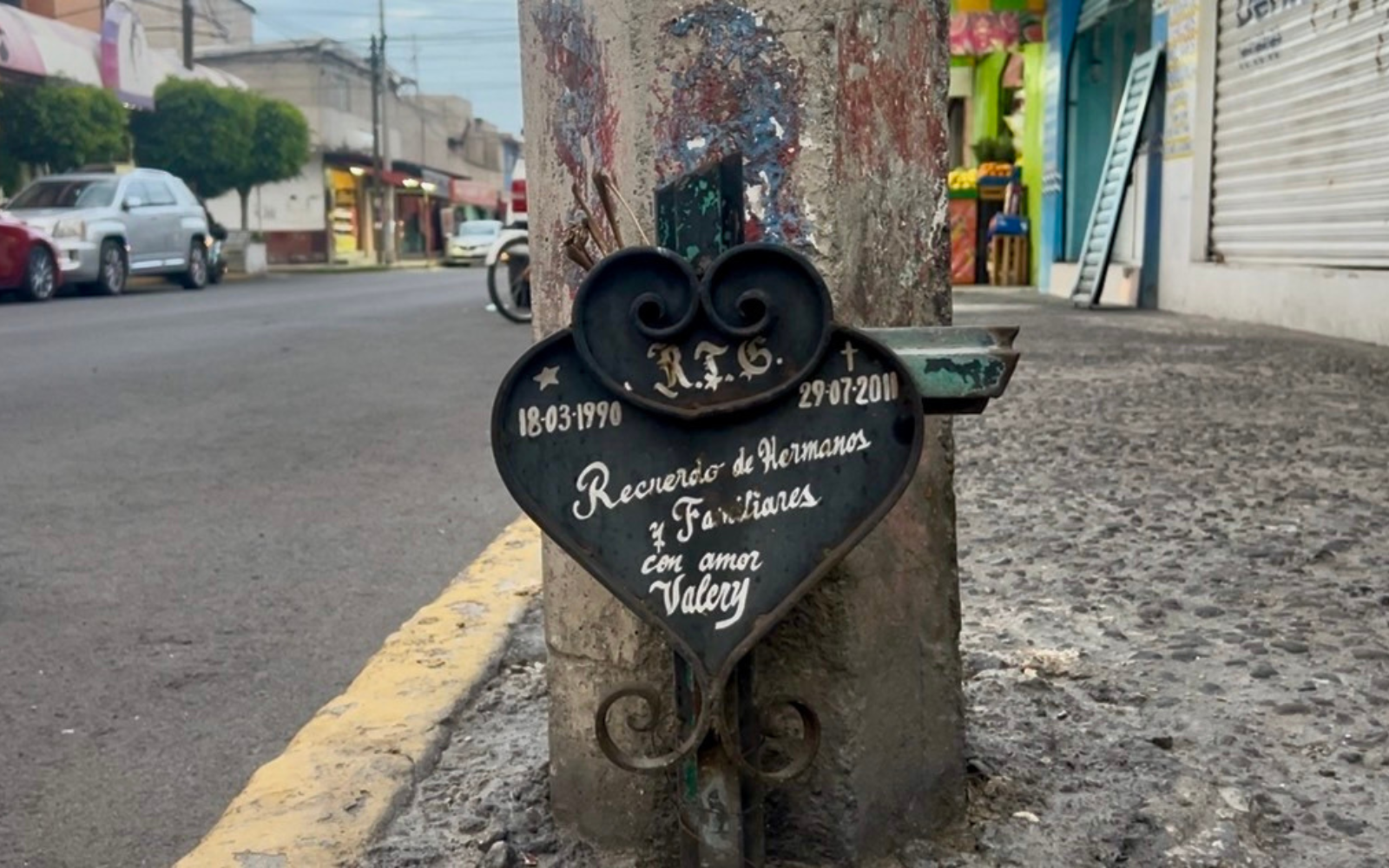
Small memorials adorned with crosses, candles, flowers, images of the Virgin Mary, and plaques with a deceased person’s name are part of the urban landscape in some Latin American cities. These memorials are known as cenotaphs, erected to keep alive the memory of those who perished, usually in a violent way.
The term “cenotaph” comes from a Greek expression meaning “empty tomb” and traditionally refers to a monument built to honor a person whose remains are buried elsewhere.
An altar on the streets of Jalisco, Mexico, in August 2026. | Credit: Diego López Colín/ACI Prensa
It is common to find these small structures on streets, sidewalks, medians, and highways in countries such as Peru, Colombia, or Mexico, usually placed to mark the location where a person lost his or her life.
In an interview with ACI Prensa, the Spanish-language sister service of EWTN News, Father Roberto Delgado Suárez, a priest of the Diocese of Nezahualcóyotl in Mexico specializing in grief ministry and palliative care, explained that through Christ’s sacrifice, the cross was transformed from “a sign of condemnation into a sign of salvation.”
Cenotaph on the streets of Teoloyucan, Mexico, in…