ORTHODOX HOUSE
⛪ Toutes les Églises
Connexion
☦ Aujourd'hui jeudi, 10 septembre / 28 août (ancien style) 🍽 Pas de jeûne calendrier grégorien ⇄
Martyrs Menodora, Metrodora, Nymphodora
← Fil d'actualités Panorthodoxe

Pourquoi le Vatican reconnaît-il les mariages orthodoxes mais pas ceux de la FSSPX ?traduit
9 juillet 2026 · 1 min de lecture

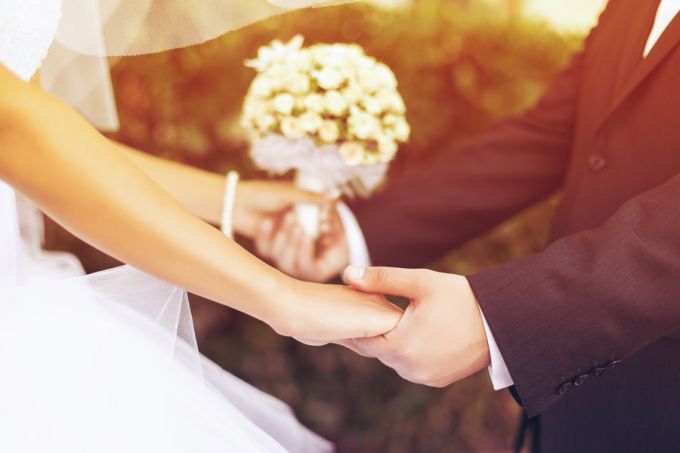
La déclaration du Saint-Siège ce mois-ci reconnaissant formellement la Fraternité Saint-Pie X (FSSPX) comme étant en état de schisme a suscité de nombreuses questions parmi les fidèles. L'une des questions les plus fréquemment posées est de savoir pourquoi l'Église catholique reconnaît la validité des mariages célébrés dans les églises orthodoxes alors que les mariages désormais célébrés par les prêtres de la société sont considérés comme invalides.

Le père Davide Cito, professeur de droit canonique à l'Université pontificale de la Sainte Croix à Rome, a souligné que la réponse relève de réalités juridiques et ecclésiales profondément différentes.

Comme il l'a expliqué à ACI Prensa, le service sœur en langue espagnole d'EWTN News, bien que les églises orthodoxes ne soient pas en pleine communion avec Rome, elles ne se trouvent pas actuellement dans un état de schisme formel comparable à celui de la Fraternité Saint-Pie X.

"Ce sont deux situations différentes. Les orthodoxes ne sont pas en pleine communion avec l'Église catholique, mais ils ne sont pas excommuniés. En revanche, la fraternité a commis un acte formel de rupture de la communion ecclésiale", a-t-il expliqué.

Le canoniste a noté qu'avant la récente déclaration de schisme, la situation de la FSSPX était différente.…
Source: Catholic News Agency  ·  Lire l'article complet →
⚑ Signaler
💬 Commentaires (12) 🌐 Traduire les commentaires
م
ميرنا حداد
هذا يثير تساؤلاً عندي. المقال يقول إن الأرثوذكس ليسوا في انشقاق رسمي مثل SSPX، رغم عدم الشركة الكاملة. لكن أتساءل: لو كان السبب قانونياً بحتاً كما يشرح الأب دافيدي سيتو، فلماذا تغير الوضع بالنسبة للـ SSPX الآن بعد الإعلان الأخير؟
D
Daniel Dumitrescu
Interesant, dar nu prea mă lămurește. Articolul spune clar că ortodocșii nu sunt excomunicați și nu au un act formal de rupere a comuniunii, spre deosebire de SSPX după declarația asta recentă. Totuși, mă întreb de ce înainte de declarație căsătoriile SSPX erau acceptate, iar acum nu – oare doar o chestiune de hârtie sau e mai adânc?
E
Elizabeth Johnson
The article says the Orthodox aren’t excommunicated and haven’t made a formal break like the SSPX just did, so that’s why their marriages stay valid. Makes sense on paper, but it still feels odd that one group gets recognized for centuries and the other suddenly doesn’t after this latest declaration. I wonder what changes for regular folks in the pews now.
სალომე მამულაშვილი
მაგრამ მაინც გაუგებარია, რატომ იცნობს ვატიკანი ასე დიდი ხნის განმავლობაში ჩვენს მართლმადიდებლურ ქორწინებებს, თუ არ ვართ სრული კომუნიონში, ხოლო SSPX-ის მღვდლების ქორწინებები ერთი განცხადების შემდეგ უკვე არალეგიტიმურია. მამა დავიდე ციტოს სიტყვები კანონიკურად სწორად ჟღერს, მაგრამ პრაქტიკაში რაღაც არ ემთხვევა.
M
Matthew Thomas
The key difference is that Orthodoxy has been around for a thousand years with its own hierarchy the Church has always treated as valid, even if separated. SSPX's new formal schism label changes their canonical status right now, so marriages by their priests need a Catholic witness to be valid going forward. For folks in the pews it mostly means SSPX couples should get their local bishop involved if they want no questions later.
H
Hannah Adams
The Orthodox have kept their own bishops and sacraments going for centuries, so the Church has always seen their marriages as valid even without us. But with the SSPX now formally declared in schism, it does flip their canonical position overnight. Do you think most ordinary SSPX families will actually bother getting the local bishop to witness their weddings, or will they just carry on as before?
ქეთევან ჯავახიშვილი
მართალია, სალომე, მამა ციტოს ახსნა კანონიკურად ლოგიკურია, მაგრამ პრაქტიკაში მართლაც გაუგებარია, რატომ აღიარებენ ჩვენს ქორწინებებს ასე დიდი ხნის განმავლობაში. მე ვფიქრობ, აქ უფრო მეტად პოლიტიკური ან ისტორიული მიზეზებია, ვიდრე სუფთა კანონიკა. შენ რას ფიქრობ, რა შეიძლება იყოს ნამდვილი მიზეზი?
I
Irene Wilson
I think you're right about the Orthodox side — they've had their own bishops and valid orders for a thousand years, so Rome has always treated their marriages as sacramental. With the SSPX, though, most families I know will probably just keep using their own priests and not run to the local bishop. It feels too much like admitting defeat. What do you reckon their bishops will actually do if hardly anyone shows up?
P
Photini Brown
I get what you mean about families sticking with their SSPX priests — it’s human nature to keep going where you’ve always gone. Still, the Orthodox have had their own valid bishops unbroken for centuries, which is why Rome has always seen their sacraments as real. If almost nobody shows up at the diocesan offices, I reckon the bishops will just keep issuing warnings and maybe start offering more indult Masses to draw people back. What do you think your own parish will do?
C
Christopher Wilson
The unbroken line of Orthodox bishops makes sense for why Rome treats their sacraments differently, but I still don't see how that justifies calling SSPX marriages invalid when the priests were ordained by valid bishops too. Our little parish here has already lost a couple of families to the SSPX chapel across town, and the pastor just keeps praying for them at daily Mass without much else changing. Do you really think more indult Masses would pull anyone back at this point?
L
Laura Wright
The part about the Orthodox having those unbroken bishops for centuries is a fair point—I hadn't thought of it that way. Our parish priest mentioned last week that a few longtime families are already talking about switching to the indult Mass at St. John Cantius instead of driving out to the SSPX chapel. Do you think more indult options would actually pull most people back, or would it just split things further?
L
Luke Hall
The unbroken apostolic line with the Orthodox does make sense on the validity side, you're right. Still, if families are already eyeing St. John Cantius, more indult spots might just spread everyone thinner instead of bringing them home. Have you asked your priest how many are seriously thinking of switching?
Connectez-vous pour participer à la discussion →
Plus d'articles
Des cloches ont été installées dans l’église Saint-Séraphin de Sarov – Actualités – Métropole de Novossibirsk
Église orthodoxe russe (Patriarcat de Moscou) · 10 septembre 2026
Saints, fêtes et lectures du 10/09/2026
Patriarcat œcuménique de Constantinople · 10 septembre 2026
Dans la cour de l'église Sergius-Kazan, les soins continuent à prendre soin du jardin et du potager - Actualités - Métropole de Novossibirsk
Église orthodoxe russe (Patriarcat de Moscou) · 10 septembre 2026
Pour les lycéens, la connaissance de l'histoire s'est poursuivie sur le territoire de l'église du Signe - Actualités - Métropole de Novossibirsk
Église orthodoxe russe (Patriarcat de Moscou) · 10 septembre 2026
🔑Connexion 📖Livre de prières 🕊Prière en direct 📨Proposer une actualité 👥Amis 💬Groupes Ma paroisse 🕯Église virtuelle 🙏Prières d'un commun accord 🗓Calendrier Vies des saints ✏️Catéchèse 🔔Notifications Mes abonnements 🛍Boutique 💬Assistance