Why Arbaeen – the Shiite Muslim pilgrimage of mourning – has a deep significance that brings millions to Iraq each year
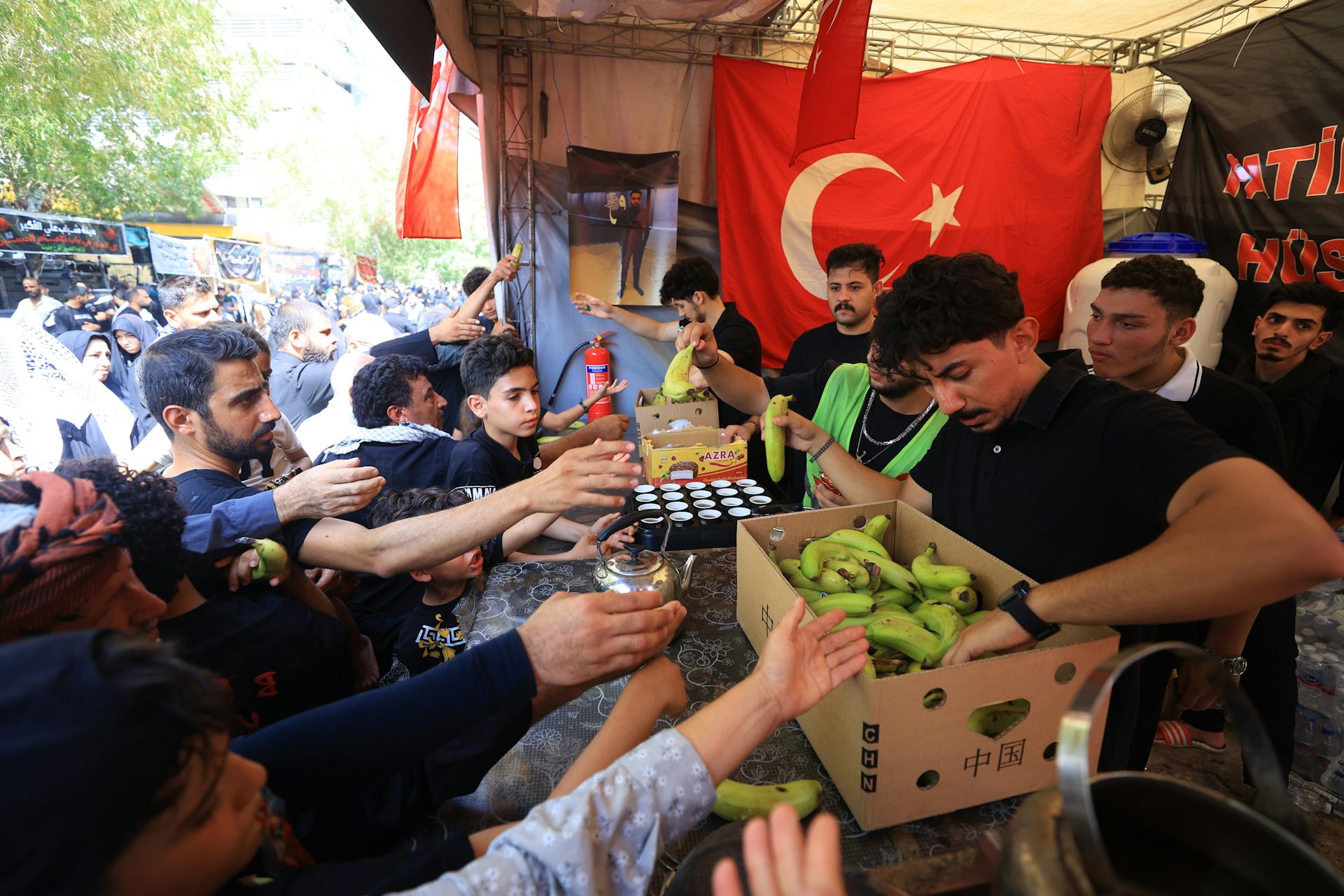
(The Conversation) — Every year, millions of pilgrims walk from the deserts of southern Iraq to the holy city of Karbala for Arbaeen, one of the largest annual pilgrimages in the world. In 2026, pilgrims will converge on Karbala on Aug. 5.
Arbaeen falls 40 days after Ashura , which commemorates the killing of Husayn ibn Ali, a grandson of the Prophet Muhammad, in 680 C.E. It marks the end of the mourning period that begins during the Islamic month of Muharram.
As a scholar of religion and politics who studies Shiite communities across the Indian Ocean world, I find that few rituals reveal as much about Shiite Islam as Arbaeen: its theology of sacrifice, its focus on injustice and the way in which it brings millions of people together.
A death that shaped a tradition To understand Arbaeen, one has to return to the plains of Karbala in the year 680. After the death of Ali – Muhammad’s cousin and son-in-law – and then Ali’s elder son Hasan, the caliphate passed to the Umayyad ruler Yazid. The Umayyads were the first hereditary Muslim empire that ruled after the death of Muhammad in 632.
Husayn, the prophet’s grandson, refused to recognize Yazid’s legitimacy because he…